

File size: 2,365 Bytes
2981ea0 862f506 2981ea0 c27caa8 00c6263 2981ea0 e04701c 2981ea0 e04701c 2981ea0 df08493 2ade383 df08493 2981ea0 e4c6687 2981ea0 e4c6687 2981ea0 e4c6687 2981ea0 e4c6687 2981ea0 e4c6687 2981ea0 e4c6687 9fc3b05 e4c6687 2981ea0 |
1 2 3 4 5 6 7 8 9 10 11 12 13 14 15 16 17 18 19 20 21 22 23 24 25 26 27 28 29 30 31 32 33 34 35 36 37 38 39 40 41 42 43 44 45 46 47 48 49 50 51 52 53 54 55 56 57 58 59 60 61 62 63 64 65 66 67 68 69 70 71 72 73 74 75 76 77 78 79 80 81 82 |
---
license: cc-by-nc-2.0
---
<h1 style="font-size: 60px;">🍝 RistoNet</h1>
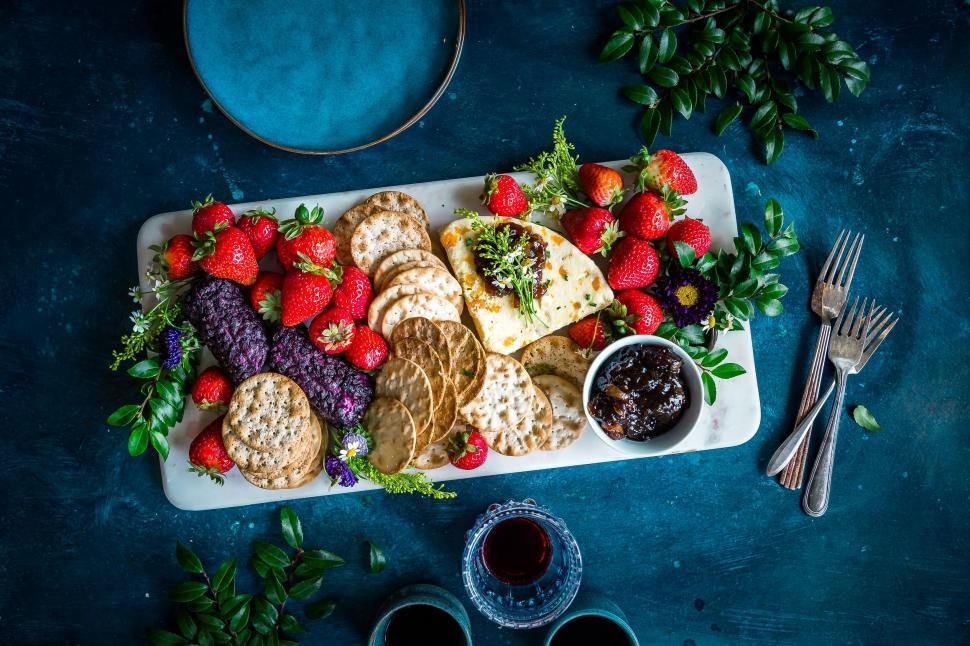
**RistoNet** is an **EfficientNet** model trained on the **Gourmet Photography Dataset** for **food image aesthetic assessment**. It’s a tool for **designers, restaurants, and e-commerce** to evaluate and select the **best possible pictures of their dishes**. Perfect for making menus, websites, or social media shine! 😎🍕
---
## 🚀 Features
- Assess the aesthetic quality of food images
- Helps pick the most appealing photos for menus, websites, or e-commerce
- Lightweight and fast thanks to EfficientNet
- Ideal for designers, chefs, and food entrepreneurs
---
## 📊 Model Performance
| Dataset | Accuracy |
|---------------|----------|
| GFD (Test split) | ✅ 91,17% |
---
## 🖼️ Quick Usage
```python
## 🔎 Inference Example
import torch
from PIL import Image
from torchvision import models, transforms
from huggingface_hub import hf_hub_download
# ------------------------------
# 1. Load model
# ------------------------------
MODEL_REPO = "Orkidee/RistoNet"
MODEL_FILE = "ristonet.pth"
model = models.efficientnet_b0(weights=None) # no pretrained weights
num_features = model.classifier[1].in_features
model.classifier[1] = torch.nn.Linear(num_features, 2) # 2 classes
# Download weights from Hub and load
model_path = hf_hub_download(repo_id=MODEL_REPO, filename=MODEL_FILE)
model.load_state_dict(torch.load(model_path, map_location="cpu"))
model.eval()
# ------------------------------
# 2. Define preprocessing
# ------------------------------
transform = transforms.Compose([
transforms.Resize((224, 224)),
transforms.ToTensor(),
transforms.Normalize(mean=[0.485, 0.456, 0.406],
std=[0.229, 0.224, 0.225])
])
# ------------------------------
# 3. Run inference on an image
# ------------------------------
image = Image.open("my_food.jpg").convert("RGB")
input_tensor = transform(image).unsqueeze(0) # add batch dim
with torch.no_grad():
outputs = model(input_tensor)
probs = torch.nn.functional.softmax(outputs, dim=1)
predicted_class = probs.argmax().item()
# 0 = Negative, 1 = Positive
print("Predicted class:", predicted_class)
print("Probabilities:", probs.numpy())
|