|
|
--- |
|
|
pipeline_tag: image-to-video |
|
|
tags: |
|
|
- image-to-video |
|
|
- text-to-video |
|
|
- video-to-video |
|
|
- image-text-to-video |
|
|
- audio-to-video |
|
|
- text-to-audio |
|
|
- video-to-audio |
|
|
- audio-to-audio |
|
|
- text-to-audio-video |
|
|
- image-to-audio-video |
|
|
- image-text-to-audio-video |
|
|
- ltx-2 |
|
|
- ltx-video |
|
|
- ltxv |
|
|
- lightricks |
|
|
pinned: true |
|
|
language: |
|
|
- en |
|
|
- de |
|
|
- es |
|
|
- fr |
|
|
- ja |
|
|
- ko |
|
|
- zh |
|
|
- it |
|
|
- pt |
|
|
license: other |
|
|
license_name: ltx-2-community-license-agreement |
|
|
license_link: https://github.com/Lightricks/LTX-2/blob/main/LICENSE |
|
|
library_name: diffusers |
|
|
demo: https://app.ltx.studio/ltx-2-playground/i2v |
|
|
--- |
|
|
|
|
|
# LTX-2 Model Card |
|
|
This model card focuses on the LTX-2 model, codebase available [here](https://github.com/Lightricks/LTX-2). |
|
|
|
|
|
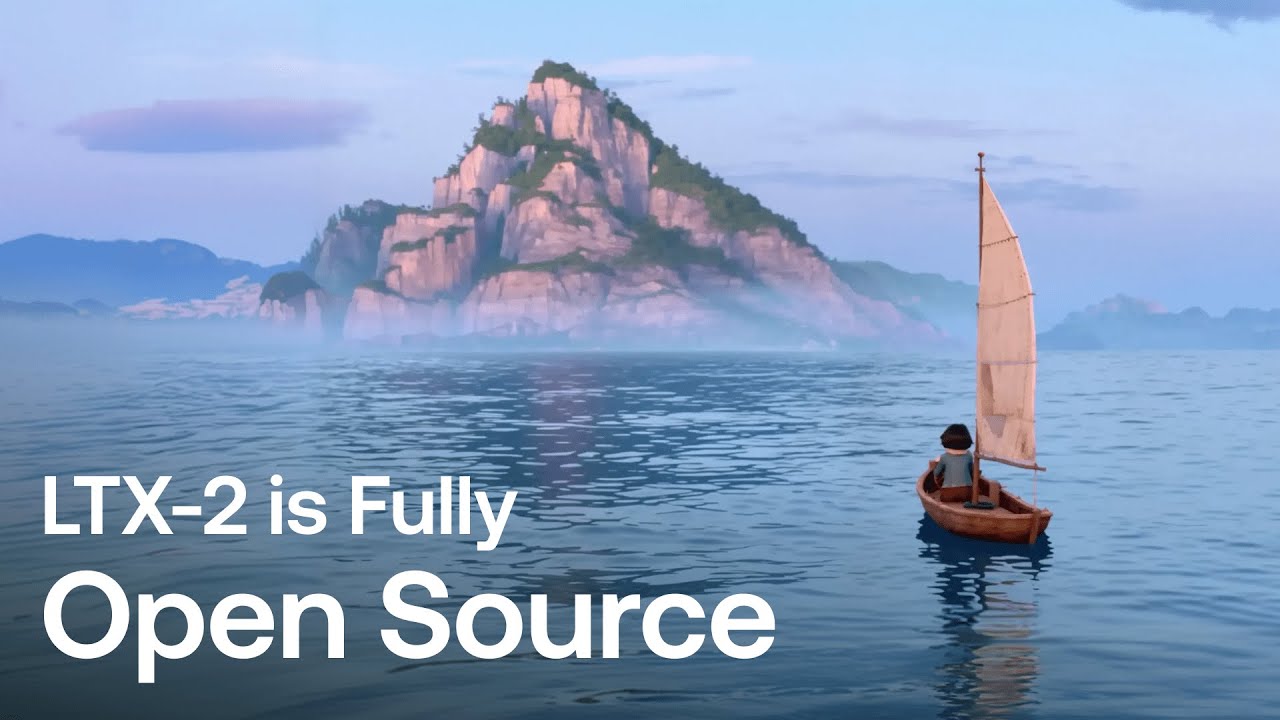
LTX-2 is a DiT-based audio-video foundation model designed to generate synchronized video and audio within a single model. It brings together the core building blocks of modern video generation, with open weights and a focus on practical, local execution. |
|
|
|
|
|
[](https://www.youtube.com/watch?v=8fWAJXZJbRA) |
|
|
|
|
|
# Model Checkpoints |
|
|
|
|
|
| Name | Notes | |
|
|
|--------------------------------|----------------------------------------------------------------------------------------------------------------| |
|
|
| ltx-2-19b-dev | The full model, flexible and trainable in bf16 | |
|
|
| ltx-2-19b-dev-fp8 | The full model in fp8 quantization | |
|
|
| ltx-2-19b-dev-fp4 | The full model in nvfp4 quantization | |
|
|
| ltx-2-19b-distilled | The distilled version of the full model, 8 steps, CFG=1 | |
|
|
| ltx-2-19b-distilled-lora-384 | A LoRA version of the distilled model applicable to the full model | |
|
|
| ltx-2-spatial-upscaler-x2-1.0 | An x2 spatial upscaler for the ltx-2 latents, used in multi stage (multiscale) pipelines for higher resolution | |
|
|
| ltx-2-temporal-upscaler-x2-1.0 | An x2 temporal upscaler for the ltx-2 latents, used in multi stage (multiscale) pipelines for higher FPS | |
|
|
|
|
|
## Model Details |
|
|
- **Developed by:** Lightricks |
|
|
- **Model type:** Diffusion-based audio-video foundation model |
|
|
- **Language(s):** English |
|
|
|
|
|
# Online demo |
|
|
LTX-2 is accessible right away via the following links: |
|
|
- [LTX-Studio text-to-video](https://app.ltx.studio/ltx-2-playground/t2v) |
|
|
- [LTX-Studio image-to-video](https://app.ltx.studio/ltx-2-playground/i2v) |
|
|
|
|
|
# Run locally |
|
|
|
|
|
## Direct use license |
|
|
You can use the models - full, distilled, upscalers and any derivatives of the models - for purposes under the [license](./LICENSE). |
|
|
|
|
|
## ComfyUI |
|
|
We recommend you use the built-in LTXVideo nodes that can be found in the ComfyUI Manager. |
|
|
For manual installation information, please refer to our [documentation site](https://docs.ltx.video/open-source-model/integration-tools/comfy-ui). |
|
|
|
|
|
## PyTorch codebase |
|
|
|
|
|
The [LTX-2 codebase](https://github.com/Lightricks/LTX-2) is a monorepo with several packages. From model definition in 'ltx-core' to pipelines in 'ltx-pipelines' and training capabilities in 'ltx-trainer'. |
|
|
The codebase was tested with Python >=3.12, CUDA version >12.7, and supports PyTorch ~= 2.7. |
|
|
|
|
|
### Installation |
|
|
|
|
|
```bash |
|
|
git clone https://github.com/Lightricks/LTX-2.git |
|
|
cd LTX-2 |
|
|
|
|
|
# From the repository root |
|
|
uv sync |
|
|
source .venv/bin/activate |
|
|
``` |
|
|
|
|
|
### Inference |
|
|
|
|
|
To use our model, please follow the instructions in our [ltx-pipelines](https://github.com/Lightricks/LTX-2/blob/main/packages/ltx-pipelines/README.md) package. |
|
|
|
|
|
## Diffusers 🧨 |
|
|
|
|
|
LTX-2 is supported in the [Diffusers Python library](https://huggingface.co/docs/diffusers/main/en/index) for image-to-video generation. |
|
|
|
|
|
## General tips: |
|
|
* Width & height settings must be divisible by 32. Frame count must be divisible by 8 + 1. |
|
|
* In case the resolution or number of frames are not divisible by 32 or 8 + 1, the input should be padded with -1 and then cropped to the desired resolution and number of frames. |
|
|
* For tips on writing effective prompts, please visit our [Prompting guide](https://ltx.video/blog/how-to-prompt-for-ltx-2) |
|
|
|
|
|
### Limitations |
|
|
- This model is not intended or able to provide factual information. |
|
|
- As a statistical model this checkpoint might amplify existing societal biases. |
|
|
- The model may fail to generate videos that matches the prompts perfectly. |
|
|
- Prompt following is heavily influenced by the prompting-style. |
|
|
- The model may generate content that is inappropriate or offensive. |
|
|
- When generating audio without speech, the audio may be of lower quality. |
|
|
|
|
|
# Train the model |
|
|
|
|
|
The base (dev) model is fully trainable. |
|
|
|
|
|
It's extremely easy to reproduce the LoRAs and IC-LoRAs we publish with the model by following the instructions on the [LTX-2 Trainer Readme](https://github.com/Lightricks/LTX-2/blob/main/packages/ltx-trainer/README.md). |
|
|
|
|
|
Training for motion, style or likeness (sound+appearance) can take less than an hour in many settings. |
|
|
|