|
|
--- |
|
|
library_name: transformers |
|
|
language: |
|
|
- en |
|
|
base_model: |
|
|
- meta-llama/Llama-3.2-1B-Instruct |
|
|
datasets: |
|
|
- SallySims/AnthroBotdata |
|
|
--- |
|
|
|
|
|
# Model Card for AnthroBot (Llama-3.2-1B-Instruct Fine-tuned) |
|
|
|
|
|
<!-- Provide a longer summary of what this model is. --> |
|
|
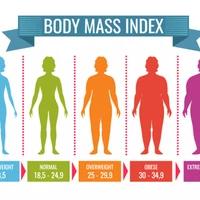
This model is a fine-tuned version of meta-llama/Llama-3.2-1B-Instruct, adapted for reasoning and generating contextual insights from anthropometric data (e.g., age, sex, weight, height, waist circumference). |
|
|
It can summarise or comment on health-related metrics conversationally. |
|
|
|
|
|
|
|
|
## Model Details |
|
|
|
|
|
### Model Description |
|
|
|
|
|
<!-- Provide a longer summary of what this model is. --> |
|
|
|
|
|
This is the model card of a 🤗 transformers model that has been pushed on the Hub. This model card has been automatically generated. |
|
|
|
|
|
- **Developed by:** Sally S. Simmons |
|
|
- **Funded by [optional]:** NA |
|
|
- **Shared by [optional]:** https://huggingface.co/SallySims |
|
|
- **Model type:** Causal Language Model (LLM) with Instruction Tuning |
|
|
- **Language(s) (NLP):** English |
|
|
- **License:** Apache 2.0 (or specify if different) |
|
|
- **Finetuned from model [optional]:** meta-llama/Llama-3.2-1B-Instruct |
|
|
|
|
|
### Model Sources [optional] |
|
|
|
|
|
<!-- Provide the basic links for the model. --> |
|
|
|
|
|
- **Repository:** https://huggingface.co/SallySims/AnthroBot_Model_Lora |
|
|
- **Paper [optional]:** [More Information Needed] |
|
|
- **Demo [optional]:** [More Information Needed] |
|
|
|
|
|
## Uses |
|
|
|
|
|
<!-- Address questions around how the model is intended to be used, including the foreseeable users of the model and those affected by the model. --> |
|
|
|
|
|
### Direct Use |
|
|
|
|
|
<!-- This section is for the model use without fine-tuning or plugging into a larger ecosystem/app. --> |
|
|
|
|
|
The model is intended to analyze structured health-related user inputs and return conversational, |
|
|
personalized feedback.It is designed for educational, wellness, or research purposes. |
|
|
|
|
|
|
|
|
### Downstream Use [optional] |
|
|
|
|
|
<!-- This section is for the model use when fine-tuned for a task, or when plugged into a larger ecosystem/app --> |
|
|
This model can be incorporated into chatbot systems or mobile health platforms that require |
|
|
health-data-aware natural language interaction. |
|
|
|
|
|
|
|
|
### Out-of-Scope Use |
|
|
|
|
|
<!-- This section addresses misuse, malicious use, and uses that the model will not work well for. --> |
|
|
*Medical diagnosis or treatment |
|
|
|
|
|
*Critical healthcare decision-making |
|
|
|
|
|
*Inputs in languages other than English |
|
|
|
|
|
|
|
|
## Bias, Risks, and Limitations |
|
|
|
|
|
<!-- This section is meant to convey both technical and sociotechnical limitations. --> |
|
|
The model is trained on 20000 observations based on anthropometric data collected during the WHO STEPS survey and 32000 synthetic data not in clinical settings. |
|
|
Outputs may reflect biases present in the training prompts or may misinterpret edge cases. |
|
|
|
|
|
|
|
|
### Recommendations |
|
|
|
|
|
<!-- This section is meant to convey recommendations with respect to the bias, risk, and technical limitations. --> |
|
|
|
|
|
Seek professional guidance in addition to the outcomes produced by the model |
|
|
|
|
|
## How to Get Started with the Model |
|
|
|
|
|
Use the code below to get started with the model. |
|
|
|
|
|
from transformers import AutoTokenizer, AutoModelForCausalLM, pipeline |
|
|
|
|
|
model_id = "SallySims/AnthroBot_Model_Lora" |
|
|
|
|
|
tokenizer = AutoTokenizer.from_pretrained(model_id) |
|
|
model = AutoModelForCausalLM.from_pretrained(model_id, device_map="auto") |
|
|
|
|
|
pipe = pipeline("text-generation", model=model, tokenizer=tokenizer) |
|
|
|
|
|
input_text = "Age: 30, Sex: female, Height: 150.5 cm, Weight: 75.3 kg, WC: 68.0 cm" |
|
|
output = pipe(input_text, max_new_tokens=150, do_sample=True) |
|
|
print(output[0]['generated_text']) |
|
|
|
|
|
|
|
|
|
|
|
## Training Details |
|
|
|
|
|
### Training Data |
|
|
|
|
|
<!-- This should link to a Dataset Card, perhaps with a short stub of information on what the training data is all about as well as documentation related to data pre-processing or additional filtering. --> |
|
|
Custom curated structured anthropometric prompts designed to simulate |
|
|
health-focused instruction-following behavior. |
|
|
|
|
|
|
|
|
### Training Procedure |
|
|
|
|
|
<!-- This relates heavily to the Technical Specifications. Content here should link to that section when it is relevant to the training procedure. --> |
|
|
|
|
|
#### Preprocessing [optional] |
|
|
|
|
|
Prompts were normalised for consistent numerical formats and tokenization performance. |
|
|
|
|
|
|
|
|
#### Training Hyperparameters |
|
|
|
|
|
- **Training regime:** [More Information Needed] <!--fp32, fp16 mixed precision, bf16 mixed precision, bf16 non-mixed precision, fp16 non-mixed precision, fp8 mixed precision --> |
|
|
Epochs: 5 |
|
|
|
|
|
Batch size: 2 (accumulation: 4 steps) |
|
|
|
|
|
Learning rate: 2e-4 |
|
|
|
|
|
Precision: Mixed precision (fp16 / bf16) |
|
|
|
|
|
LoRA Parameters: |
|
|
|
|
|
r=16, alpha=32, dropout=0.05 |
|
|
|
|
|
Quantization |
|
|
4-bit quantization using BitsAndBytesConfig |
|
|
|
|
|
Enabled llm_int8_enable_fp32_cpu_offload |
|
|
|
|
|
#### Speeds, Sizes, Times [optional] |
|
|
|
|
|
<!-- This section provides information about throughput, start/end time, checkpoint size if relevant, etc. --> |
|
|
|
|
|
|
|
|
## Evaluation |
|
|
|
|
|
<!-- This section describes the evaluation protocols and provides the results. --> |
|
|
|
|
|
### Testing Data, Factors & Metrics |
|
|
|
|
|
#### Testing Data |
|
|
|
|
|
<!-- This should link to a Dataset Card if possible. --> |
|
|
Evaluation performed on held-out anthropometricindices and recommendations prompts |
|
|
with expected interpretive outputs. |
|
|
|
|
|
|
|
|
#### Factors |
|
|
|
|
|
<!-- These are the things the evaluation is disaggregating by, e.g., subpopulations or domains. --> |
|
|
|
|
|
|
|
|
#### Metrics |
|
|
|
|
|
<!-- These are the evaluation metrics being used, ideally with a description of why. --> |
|
|
Human-judged relevance, clarity, and accuracy. |
|
|
|
|
|
|
|
|
### Results |
|
|
|
|
|
Manual inspection shows clear, concise, and useful summaries in the majority of cases. |
|
|
Some rare edge cases may produce vague or overly generic responses. |
|
|
|
|
|
#### Summary |
|
|
|
|
|
|
|
|
|
|
|
## Model Examination [optional] |
|
|
|
|
|
<!-- Relevant interpretability work for the model goes here --> |
|
|
|
|
|
|
|
|
## Environmental Impact |
|
|
|
|
|
<!-- Total emissions (in grams of CO2eq) and additional considerations, such as electricity usage, go here. Edit the suggested text below accordingly --> |
|
|
|
|
|
Carbon emissions can be estimated using the [Machine Learning Impact calculator](https://mlco2.github.io/impact#compute) presented in [Lacoste et al. (2019)](https://arxiv.org/abs/1910.09700). |
|
|
|
|
|
- **Hardware Type:** NVIDIA T4 GPU |
|
|
- **Hours used:** ~ 2 hours |
|
|
- **Cloud Provider:** Google Colab |
|
|
- **Compute Region:** USA |
|
|
- **Carbon Emitted:** ~1.2 kg CO₂eq (approx.) |
|
|
|
|
|
## Technical Specifications [optional] |
|
|
|
|
|
### Model Architecture and Objective |
|
|
|
|
|
Decoder-only transformer based on the LLaMA 3.2B architecture. |
|
|
|
|
|
### Compute Infrastructure |
|
|
|
|
|
|
|
|
#### Hardware |
|
|
|
|
|
Google Colab (A100) |
|
|
|
|
|
#### Software |
|
|
|
|
|
PyTorch, Hugging Face Transformers, PEFT, BitsAndBytes |
|
|
|
|
|
## Citation [optional] |
|
|
|
|
|
<!-- If there is a paper or blog post introducing the model, the APA and Bibtex information for that should go in this section. --> |
|
|
@misc{AnthroBot2025, |
|
|
author = {Sally Sonia Simmons}, |
|
|
title = {AnthroBot: Instruction-Tuned LLaMA-3.2-1B for Anthropometric Reasoning}, |
|
|
year = {2025}, |
|
|
url = {https://huggingface.co/SallySimmons/AnthroBot_Model_Lora} |
|
|
} |
|
|
|
|
|
**BibTeX:** |
|
|
|
|
|
**APA:** |
|
|
|
|
|
## Glossary [optional] |
|
|
|
|
|
<!-- If relevant, include terms and calculations in this section that can help readers understand the model or model card. --> |
|
|
|
|
|
NA |
|
|
## More Information [optional] |
|
|
|
|
|
NA |
|
|
|
|
|
## Model Card Authors [optional] |
|
|
|
|
|
NA |
|
|
|
|
|
## Model Card Contact |
|
|
|
|
|
simmonssallysonia@gmail.com |