

metadata
tags:
  - text-to-image
  - flux
  - lora
  - diffusers
  - template:sd-lora
  - fluxgym
widget:
  - output:
      url: sample/becoo_008000_00_20241125171518.png
    text: Becoo
base_model: black-forest-labs/FLUX.1-dev
instance_prompt: Becoo
license: other
license_name: flux-1-dev-non-commercial-license
license_link: https://huggingface.co/black-forest-labs/FLUX.1-dev/blob/main/LICENSE.md
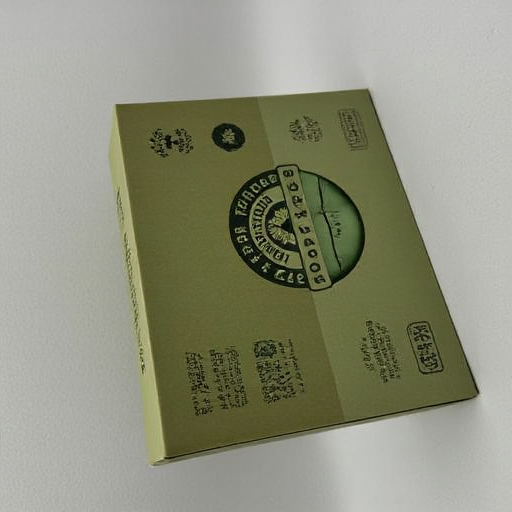
Becoo
A Flux LoRA trained on a local computer with Fluxgym
- Prompt
- Becoo
Trigger words
You should use Becoo to trigger the image generation.
Download model and use it with ComfyUI, AUTOMATIC1111, SD.Next, Invoke AI, Forge, etc.
Weights for this model are available in Safetensors format.