

| # Flask-DebugToolbar | |
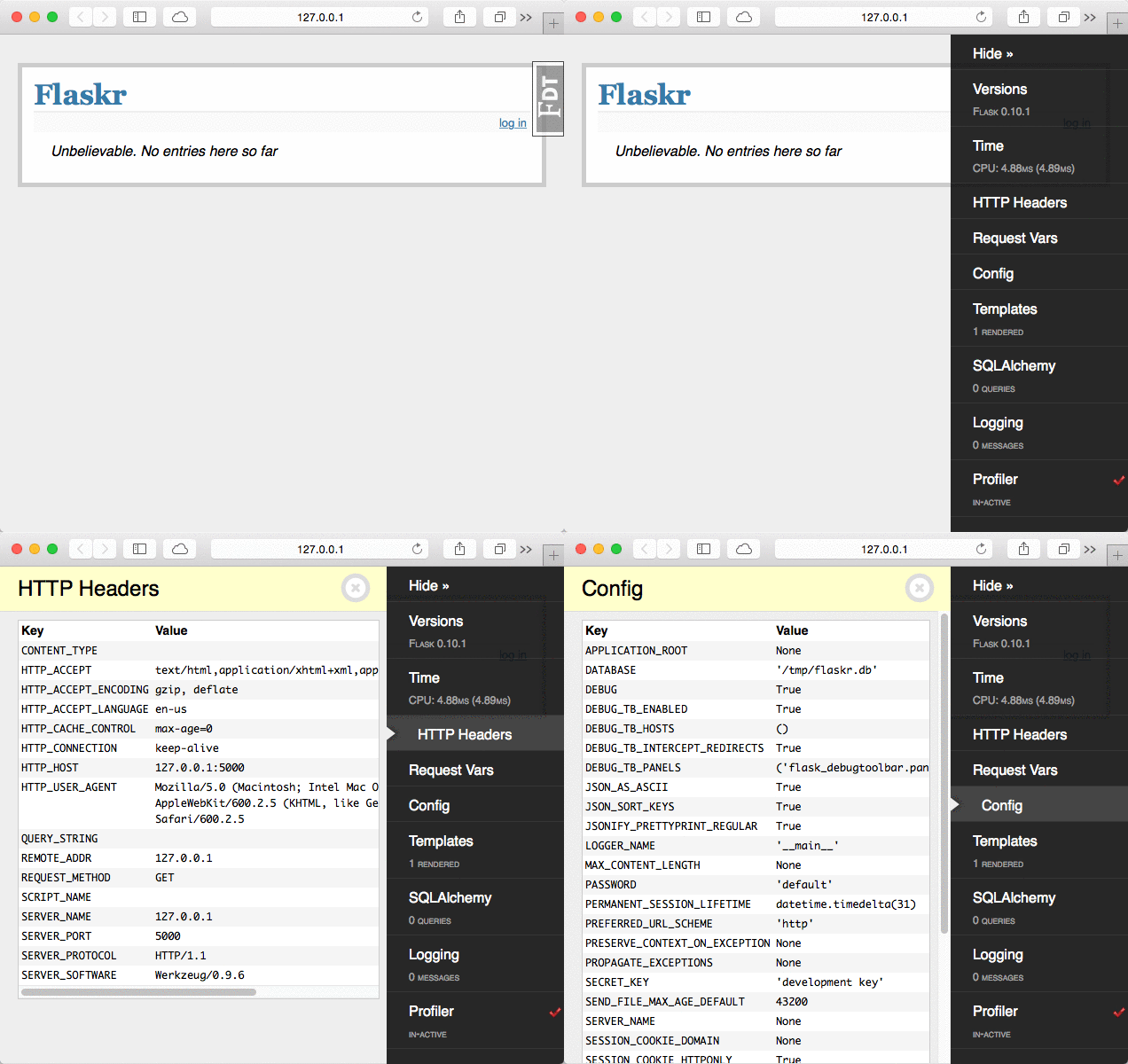
| A [Flask][] extension that injects debugging information into rendered HTML | |
| pages. Presented as a sidebar with configurable panels of information. | |
| This is a port of the excellent [django-debug-toolbar][ddt]. | |
| [Flask]: https://flask.palletsprojects.com | |
| [ddt]: https://github.com/jazzband/django-debug-toolbar/ | |
| ## Pallets Community Ecosystem | |
| > [!IMPORTANT]\ | |
| > This project is part of the Pallets Community Ecosystem. Pallets is the open | |
| > source organization that maintains Flask; Pallets-Eco enables community | |
| > maintenance of related projects. If you are interested in helping maintain | |
| > this project, please reach out on [the Pallets Discord server][discord]. | |
| [discord]: https://discord.gg/pallets | |
| ## Example | |
| Setting up the debug toolbar is simple: | |
| ```python | |
| from flask import Flask | |
| from flask_debugtoolbar import DebugToolbarExtension | |
| app = Flask(__name__) | |
| app.config["SECRET_KEY"] = "<replace with a secret key>" | |
| toolbar = DebugToolbarExtension(app) | |
| ``` | |
| The toolbar will automatically be injected into Jinja templates when debug | |
| mode is enabled. | |
| ``` | |
| $ flask -A my_app run --debug | |
| ``` | |
|  | |