| | --- |
| | license: mit |
| | tags: |
| | - openclaw |
| | - clawdbot |
| | - moltbot |
| | - pigbot |
| | - gguf |
| | --- |
| | # OpenClaw Extension |
| |
|
| |  |
| |
|
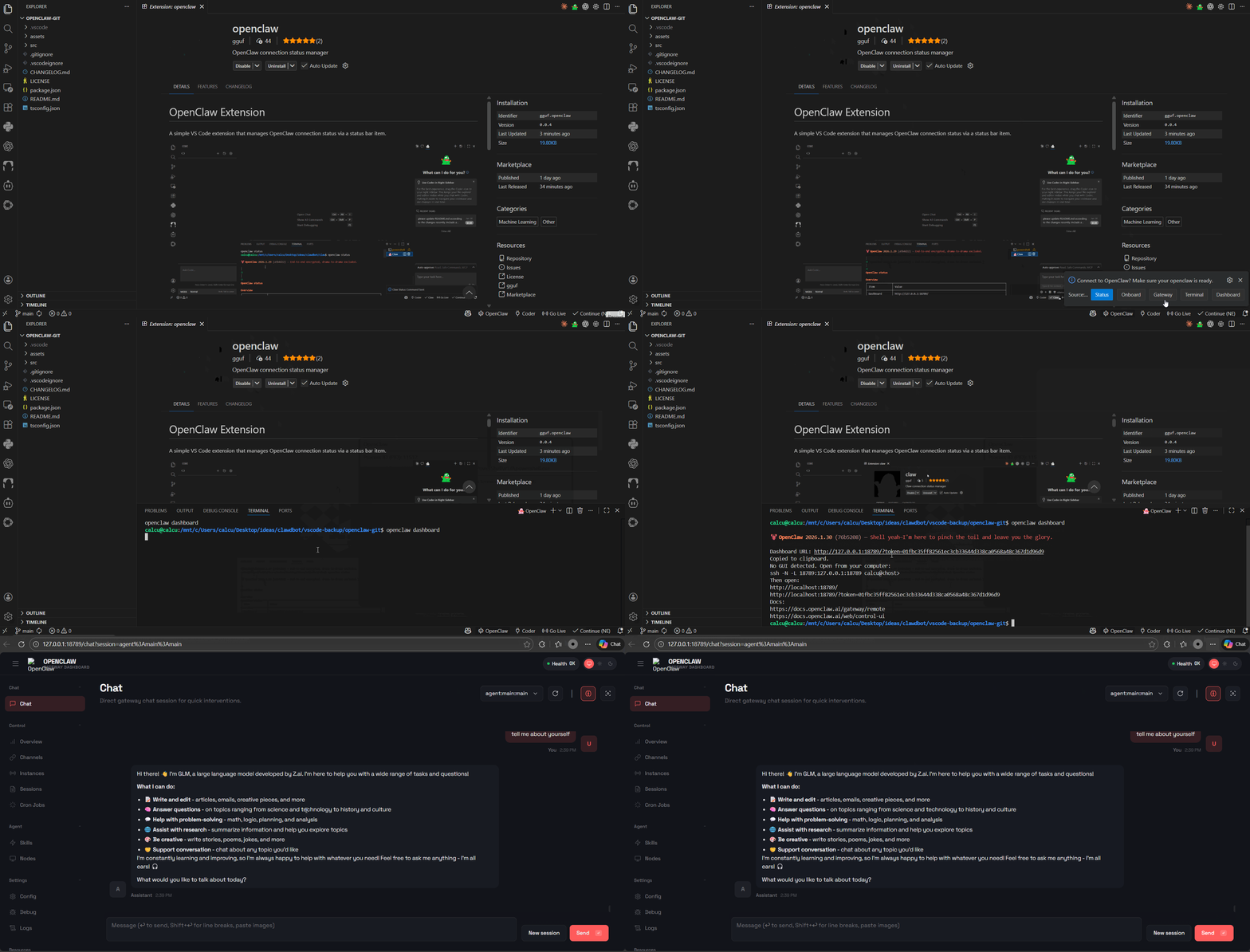
| | A simple VS Code extension that manages OpenClaw connection status via a status bar item. |
| |
|
| |  |
| |
|
| | ## Requirements |
| |
|
| | - Visual Studio Code version 1.74.0 or higher ([marketplace](https://marketplace.visualstudio.com/items?itemName=gguf.openclaw) or compatible IDE via [open-vsx](https://open-vsx.org/extension/gguf/openclaw)) |
| | - OpenClaw installed (see install [openclaw](https://github.com/openclaw/openclaw) via npm below) |
| |
|
| | ``` |
| | npm install -g openclaw@latest |
| | ``` |
| |
|
| | ## Features |
| |
|
| | - **Status Bar Item**: Shows connection status with three states: |
| | - `$(hubot) OpenClaw` - Not connected (click to connect) |
| | - `$(sync~spin) Connecting...` - Connection in progress |
| | - `$(check) OpenClaw` - Connected to OpenClaw |
| |
|
| | - **Menu Selection Scheme**: Re-structured to provide command menu with options: |
| | - Status |
| | - Onboard |
| | - Gateway |
| | - Terminal |
| | - Dashboard |
| |
|
| | - **OS Detection**: Automatically detects the operating system and uses: |
| | - `openclaw status` on Windows (wsl) |
| | - `openclaw status` on other platforms |
| |
|
| | - **Auto-Connect**: Optional setting to automatically connect on startup (disabled by default) |
| |
|
| | - **Terminal Management**: Creates or reuses terminal based on OS detection |
| | - **Command Execution**: Supports multiple commands (status, onboard, gateway, tui, dashboard) |
| |
|
| | ## Usage |
| |
|
| | 1. Click the OpenClaw status bar item (bottom right) to show the menu |
| | 2. Select one of the options from the menu (Status, Onboard, Gateway, Terminal, Dashboard) |
| | 3. The extension will open a terminal and execute the corresponding `openclaw` command |
| | 4. To enable auto-connect, go to Settings and enable `OpenClaw: Auto Connect` |
| |
|
| | ## Configuration |
| |
|
| | - `openclaw.autoConnect`: Boolean value to automatically connect to OpenClaw on startup (default: false) |
| |
|
| | ## Structure Diagram |
| |
|
| | ```mermaid |
| | graph TD |
| | A[VS Code] --> B[OpenClaw Extension] |
| | B --> C[Status Bar Item] |
| | C --> D{Menu Selection} |
| | D --> E[Status Command] |
| | D --> F[Onboard Command] |
| | D --> G[Gateway Command] |
| | D --> H[Dashboard Command] |
| | E --> I[WSL Terminal] |
| | F --> I |
| | G --> I |
| | H --> I |
| | I --> J[openclaw CLI] |
| | ``` |
| |
|
| | 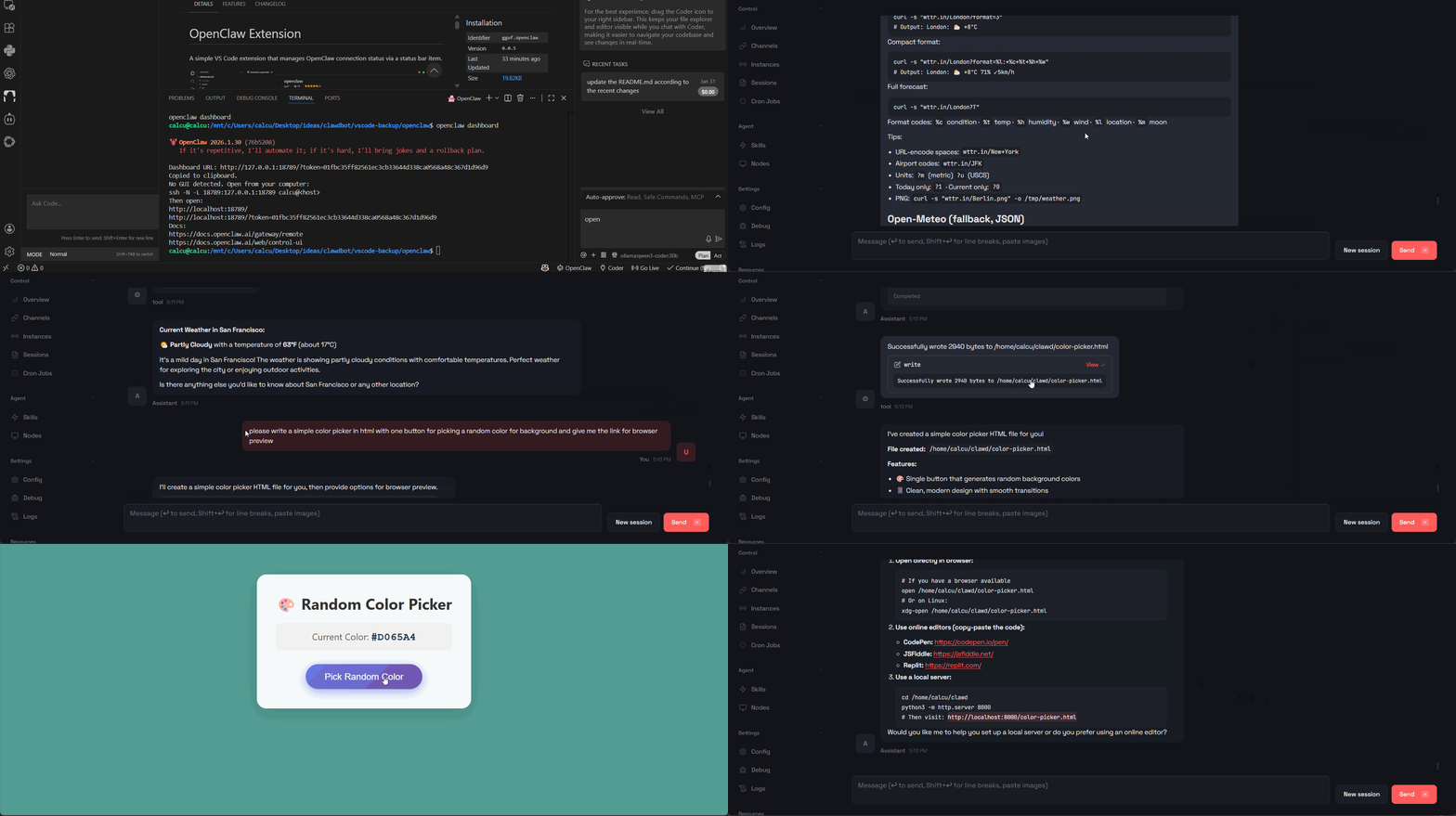 |
| | *fetch the weather info in SF today; write a color picker for picking a random color for background |
| | |
| | ## Workflow |
| | |
| | 1. **Initialization**: Extension activates and creates status bar item |
| | 2. **User Interaction**: User clicks status bar item to open menu |
| | 3. **Command Selection**: User selects from Status, Onboard, Gateway, Terminal, or Dashboard |
| | 4. **Terminal Management**: Extension creates or reuses terminal based on OS |
| | 5. **Command Execution**: Selected command is sent to terminal |
| | 6. **Status Update**: Status bar item updates based on connection state |
| | |
| | 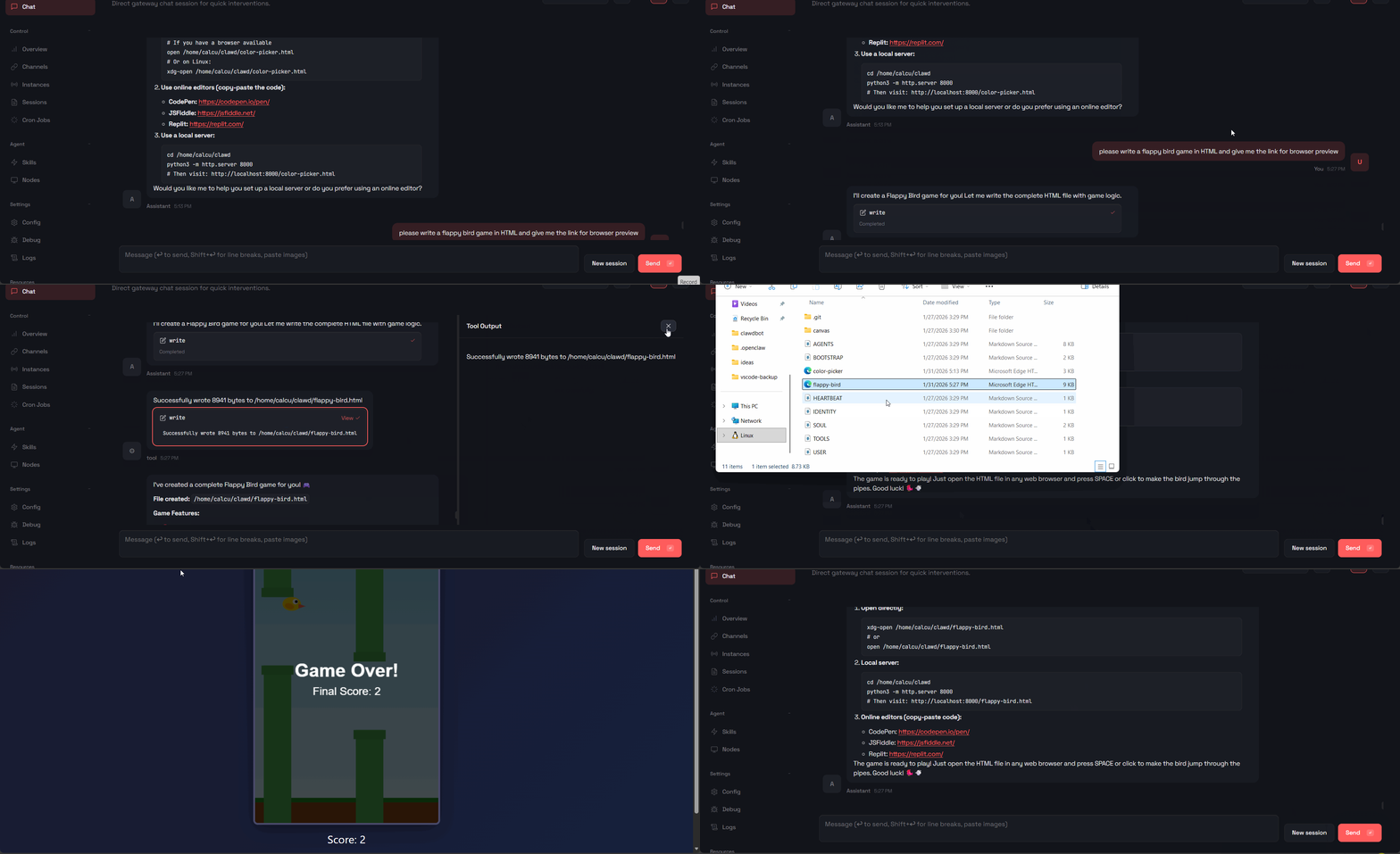 |
| | *make a flappy bird game on the air |
| |
|
| | ## Development |
| |
|
| | 1. Install dependencies: `npm install` |
| | 2. Compile: `npm run compile` |
| | 3. Press F5 to launch the Extension Development Host |
| |
|
| | 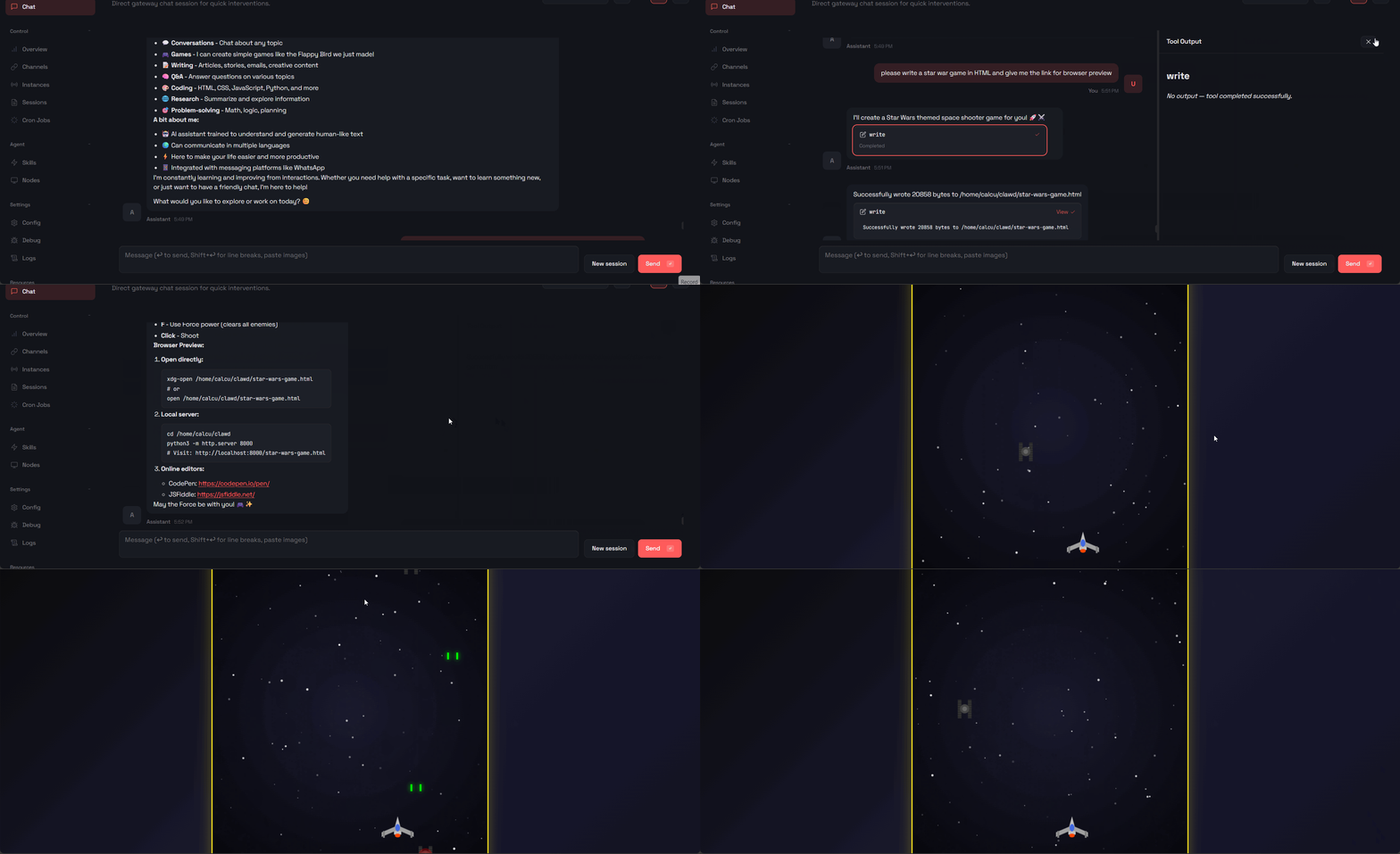 |
| | *create a star war game on the go |
| | |
| | ## Commands |
| | |
| | - `OpenClaw: Show Menu` - Show the OpenClaw menu with command options |
| | |
| | |
| | 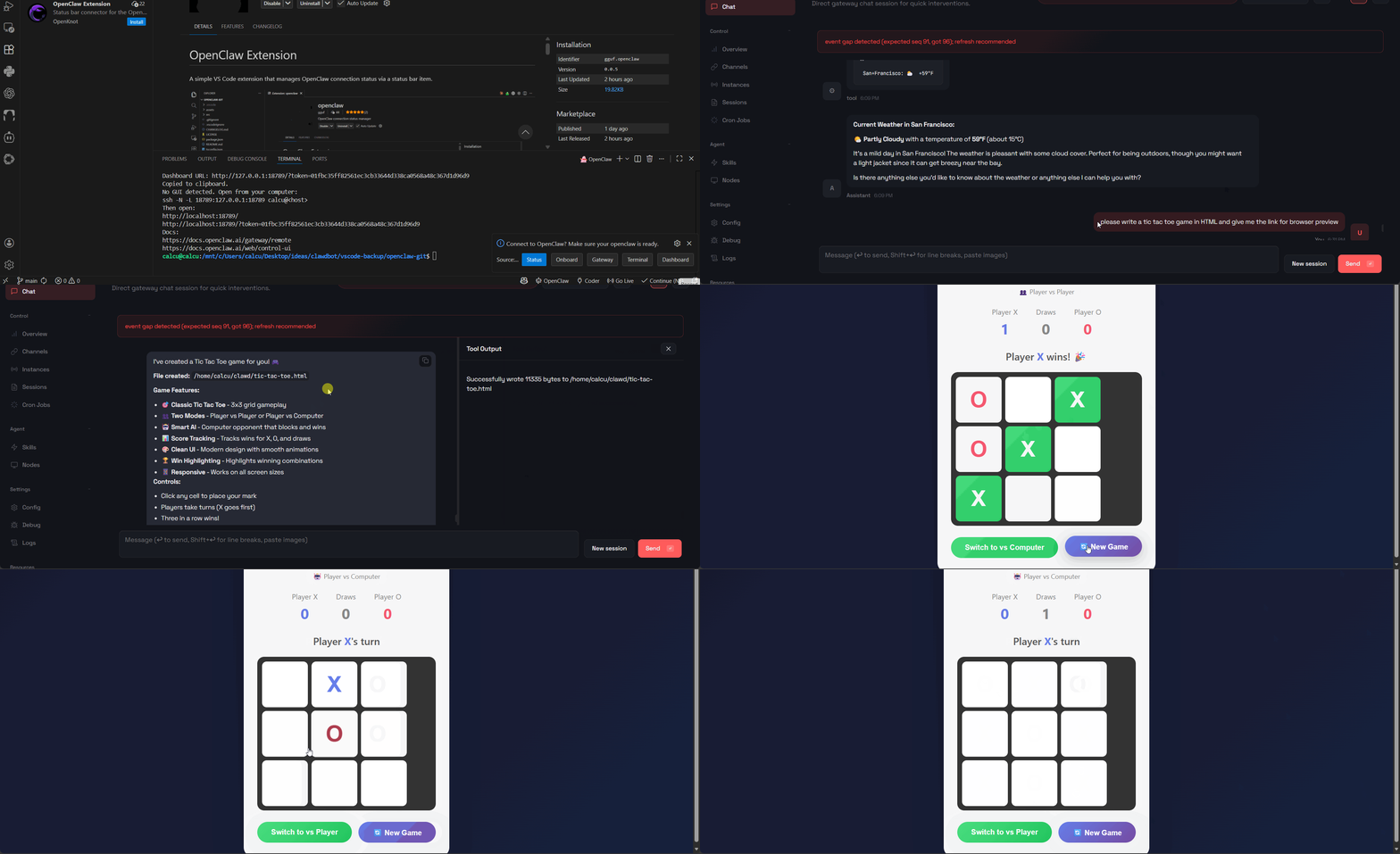 |
| | *code a tic tac toe game (allows two players or playing against an AI) |
| |
|
| | ## License |
| | MIT |
| |
|
| | ## alternatively opt to run `openclaw` with `gguf-connector` |
| | ``` |
| | ggc oc |
| | ``` |
| |
|
| |  |