
Get trending papers in your email inbox once a day!
Get trending papers in your email inbox!
Subscribe

SPIRAL: Self-Evolving Action-Conditioned Video Generation via Reflective Planning Agents
Long-horizon action-conditioned video generation aims to synthesize temporally coherent videos that follow complex action instructions over extended horizons, requiring procedural ordering, persistent action execution, and scene consistency beyond conventional TI2V's short-term fidelity. Existing single-shot video generation models typically operate in an open-loop manner, leading to incomplete action execution, hallucinated motions, and temporal drift. To address this, we propose SPIRAL, a closed-loop framework that performs sequential planning and iterative reflection for action-conditioned long-horizon video generation. Specifically, SPIRAL instantiates a think-act-reflect process: a PlanAgent decomposes high-level goals into sub-actions, which condition a VideoGenerator to synthesize each segment alongside a memory context, while a CriticAgent evaluates intermediate video segments to provide corrective feedback for iterative refinement. This closed-loop design further supports self-evolution by utilizing PlanAgent-proposed actions and CriticAgent-derived rewards for GRPO-based post-training to enhance the video generator's long-horizon consistency. Moreover, we introduce ActVideoGen-Dataset for task-specific training, and establish ActVideoGen-Bench as a dedicated evaluation suite for measuring action quality and temporal coherence. Experiments across multiple TI2V backbones alongside the self-evolving strategy show consistent gains on ActVideoGen-Bench and VBench, demonstrating the effectiveness of SPIRAL.

TAU-R1: Visual Language Model for Traffic Anomaly Understanding
Traffic Anomaly Understanding (TAU) is important for traffic safety in Intelligent Transportation Systems. Recent vision-language models (VLMs) have shown strong capabilities in video understanding. However, progress on TAU remains limited due to the lack of benchmarks and task-specific methodologies. To address this limitation, we introduce Roundabout-TAU, a dataset constructed from real-world roundabout videos collected in collaboration with the City of Carmel, Indiana. The dataset contains 342 clips and is annotated with more than 2,000 question-answer pairs covering multiple aspects of traffic anomaly understanding. Building on this benchmark, we propose TAU-R1, a two-layer vision-language framework for TAU. The first layer is a lightweight anomaly classifier that performs coarse anomaly categorisation, while the second layer is a larger anomaly reasoner that generates detailed event summaries. To improve task-specific reasoning, we introduce a two-stage training strategy consisting of decomposed-QA-enhanced supervised fine-tuning followed by TAU-GRPO, a GRPO-based post-training method with TAU-specific reward functions. Experimental results show that TAU-R1 achieves strong performance on both anomaly classification and reasoning tasks while maintaining deployment efficiency. The dataset and code are available at: https://github.com/siri-rouser/TAU-R1
Detect Anything via Next Point Prediction
Object detection has long been dominated by traditional coordinate regression-based models, such as YOLO, DETR, and Grounding DINO. Although recent efforts have attempted to leverage MLLMs to tackle this task, they face challenges like low recall rate, duplicate predictions, coordinate misalignment, etc. In this work, we bridge this gap and propose Rex-Omni, a 3B-scale MLLM that achieves state-of-the-art object perception performance. On benchmarks like COCO and LVIS, Rex-Omni attains performance comparable to or exceeding regression-based models (e.g., DINO, Grounding DINO) in a zero-shot setting. This is enabled by three key designs: 1) Task Formulation: we use special tokens to represent quantized coordinates from 0 to 999, reducing the model's learning difficulty and improving token efficiency for coordinate prediction; 2) Data Engines: we construct multiple data engines to generate high-quality grounding, referring, and pointing data, providing semantically rich supervision for training; \3) Training Pipelines: we employ a two-stage training process, combining supervised fine-tuning on 22 million data with GRPO-based reinforcement post-training. This RL post-training leverages geometry-aware rewards to effectively bridge the discrete-to-continuous coordinate prediction gap, improve box accuracy, and mitigate undesirable behaviors like duplicate predictions that stem from the teacher-guided nature of the initial SFT stage. Beyond conventional detection, Rex-Omni's inherent language understanding enables versatile capabilities such as object referring, pointing, visual prompting, GUI grounding, spatial referring, OCR and key-pointing, all systematically evaluated on dedicated benchmarks. We believe that Rex-Omni paves the way for more versatile and language-aware visual perception systems.

FlowSE-GRPO: Training Flow Matching Speech Enhancement via Online Reinforcement Learning
Generative speech enhancement offers a promising alternative to traditional discriminative methods by modeling the distribution of clean speech conditioned on noisy inputs. Post-training alignment via reinforcement learning (RL) effectively aligns generative models with human preferences and downstream metrics in domains such as natural language processing, but its use in speech enhancement remains limited, especially for online RL. Prior work explores offline methods like Direct Preference Optimization (DPO); online methods such as Group Relative Policy Optimization (GRPO) remain largely uninvestigated. In this paper, we present the first successful integration of online GRPO into a flow-matching speech enhancement framework, enabling efficient post-training alignment to perceptual and task-oriented metrics with few update steps. Unlike prior GRPO work on Large Language Models, we adapt the algorithm to the continuous, time-series nature of speech and to the dynamics of flow-matching generative models. We show that optimizing a single reward yields rapid metric gains but often induces reward hacking that degrades audio fidelity despite higher scores. To mitigate this, we propose a multi-metric reward optimization strategy that balances competing objectives, substantially reducing overfitting and improving overall performance. Our experiments validate online GRPO for speech enhancement and provide practical guidance for RL-based post-training of generative audio models.
LeapAlign: Post-Training Flow Matching Models at Any Generation Step by Building Two-Step Trajectories
This paper focuses on the alignment of flow matching models with human preferences. A promising way is fine-tuning by directly backpropagating reward gradients through the differentiable generation process of flow matching. However, backpropagating through long trajectories results in prohibitive memory costs and gradient explosion. Therefore, direct-gradient methods struggle to update early generation steps, which are crucial for determining the global structure of the final image. To address this issue, we introduce LeapAlign, a fine-tuning method that reduces computational cost and enables direct gradient propagation from reward to early generation steps. Specifically, we shorten the long trajectory into only two steps by designing two consecutive leaps, each skipping multiple ODE sampling steps and predicting future latents in a single step. By randomizing the start and end timesteps of the leaps, LeapAlign leads to efficient and stable model updates at any generation step. To better use such shortened trajectories, we assign higher training weights to those that are more consistent with the long generation path. To further enhance gradient stability, we reduce the weights of gradient terms with large magnitude, instead of completely removing them as done in previous works. When fine-tuning the Flux model, LeapAlign consistently outperforms state-of-the-art GRPO-based and direct-gradient methods across various metrics, achieving superior image quality and image-text alignment.

Video-OPD: Efficient Post-Training of Multimodal Large Language Models for Temporal Video Grounding via On-Policy Distillation
Reinforcement learning has emerged as a principled post-training paradigm for Temporal Video Grounding (TVG) due to its on-policy optimization, yet existing GRPO-based methods remain fundamentally constrained by sparse reward signals and substantial computational overhead. We propose Video-OPD, an efficient post-training framework for TVG inspired by recent advances in on-policy distillation. Video-OPD optimizes trajectories sampled directly from the current policy, thereby preserving alignment between training and inference distributions, while a frontier teacher supplies dense, token-level supervision via a reverse KL divergence objective. This formulation preserves the on-policy property critical for mitigating distributional shift, while converting sparse, episode-level feedback into fine-grained, step-wise learning signals. Building on Video-OPD, we introduce Teacher-Validated Disagreement Focusing (TVDF), a lightweight training curriculum that iteratively prioritizes trajectories that are both teacher-reliable and maximally informative for the student, thereby improving training efficiency. Empirical results demonstrate that Video-OPD consistently outperforms GRPO while achieving substantially faster convergence and lower computational cost, establishing on-policy distillation as an effective alternative to conventional reinforcement learning for TVG.
MotionGRPO: Overcoming Low Intra-Group Diversity in GRPO-Based Egocentric Motion Recovery
This paper studies full-body 3D human motion recovery from head-mounted device signals. Existing diffusion-based methods often rely on global distribution matching, leading to local joint reconstruction errors. We propose MotionGRPO, a novel framework leveraging reinforcement learning post-training to inject fine-grained guidance into the diffusion process. Technically, we model diffusion sampling as a Markov decision process optimized via Group Relative Policy Optimization (GRPO). To this end, we introduce a hybrid reward mechanism that combines a learned conditioned perceptual model for global visual plausibility and explicit constraints for local joint precision. Our key technical insight is that policy optimization in diffusion-based recovery suffers from vanishing gradients due to limited intra-group sample diversity. To address this, we further introduce a noise-injection strategy that explicitly increases sample variance and stabilizes learning. Extensive experiments demonstrate that MotionGRPO achieves state-of-the-art performance with superior visual fidelity
Multi-Task GRPO: Reliable LLM Reasoning Across Tasks
RL-based post-training with GRPO is widely used to improve large language models on individual reasoning tasks. However, real-world deployment requires reliable performance across diverse tasks. A straightforward multi-task adaptation of GRPO often leads to imbalanced outcomes, with some tasks dominating optimization while others stagnate. Moreover, tasks can vary widely in how frequently prompts yield zero advantages (and thus zero gradients), which further distorts their effective contribution to the optimization signal. To address these issues, we propose a novel Multi-Task GRPO (MT-GRPO) algorithm that (i) dynamically adapts task weights to explicitly optimize worst-task performance and promote balanced progress across tasks, and (ii) introduces a ratio-preserving sampler to ensure task-wise policy gradients reflect the adapted weights. Experiments on both 3-task and 9-task settings show that MT-GRPO consistently outperforms baselines in worst-task accuracy. In particular, MT-GRPO achieves 16-28% and 6% absolute improvement on worst-task performance over standard GRPO and DAPO, respectively, while maintaining competitive average accuracy. Moreover, MT-GRPO requires 50% fewer training steps to reach 50% worst-task accuracy in the 3-task setting, demonstrating substantially improved efficiency in achieving reliable performance across tasks.

DeepVideo-R1: Video Reinforcement Fine-Tuning via Difficulty-aware Regressive GRPO
Recent works have demonstrated the effectiveness of reinforcement learning (RL)-based post-training in enhancing the reasoning capabilities of large language models (LLMs). In particular, Group Relative Policy Optimization (GRPO) has shown impressive success by employing a PPO-style reinforcement algorithm with group-based normalized rewards. However, the application of GRPO to Video Large Language Models (Video LLMs) has been less studied. In this paper, we explore GRPO for video LLMs and identify two primary issues that impede its effective learning: (1) reliance on safeguards, and (2) the vanishing advantage problem. To mitigate these challenges, we propose DeepVideo-R1, a video large language model trained with our proposed Reg-GRPO (Regressive GRPO) and difficulty-aware data augmentation strategy. Reg-GRPO reformulates the GRPO objective as a regression task, directly predicting the advantage in GRPO. This design eliminates the need for safeguards like clipping and min functions, thereby facilitating more direct policy guidance by aligning the model with the advantage values. We also design the difficulty-aware data augmentation strategy that dynamically augments training samples at solvable difficulty levels, fostering diverse and informative reward signals. Our comprehensive experiments show that DeepVideo-R1 significantly improves video reasoning performance across multiple video reasoning benchmarks.


MCP Safety Training: Learning to Refuse Falsely Benign MCP Exploits using Improved Preference Alignment
The model context protocol (MCP) has been widely adapted as an open standard enabling the seamless integration of generative AI agents. However, recent work has shown the MCP is susceptible to retrieval-based "falsely benign" attacks (FBAs), allowing malicious system access and credential theft, but requiring that users download compromised files directly to their systems. Herein, we show that the threat model of MCP-based attacks is significantly broader than previously thought, i.e., attackers need only post malicious content online to deceive MCP agents into carrying out their attacks on unsuspecting victims' systems. To improve alignment guardrails against such attacks, we introduce a new MCP dataset of FBAs and (truly) benign samples to explore the effectiveness of direct preference optimization (DPO) for the refusal training of large language models (LLMs). While DPO improves model guardrails against such attacks, we show that the efficacy of refusal learning varies drastically depending on the model's original post-training alignment scheme--e.g., GRPO-based LLMs learn to refuse extremely poorly. Thus, to further improve FBA refusals, we introduce Retrieval Augmented Generation for Preference alignment (RAG-Pref), a novel preference alignment strategy based on RAG. We show that RAG-Pref significantly improves the ability of LLMs to refuse FBAs, particularly when combined with DPO alignment, thus drastically improving guardrails against MCP-based attacks.
AAPO: Enhance the Reasoning Capabilities of LLMs with Advantage Momentum
Reinforcement learning (RL) has emerged as an effective approach for enhancing the reasoning capabilities of large language models (LLMs), especially in scenarios where supervised fine-tuning (SFT) falls short due to limited chain-of-thought (CoT) data. Among RL-based post-training methods, group relative advantage estimation, as exemplified by Group Relative Policy Optimization (GRPO), has attracted considerable attention for eliminating the dependency on the value model, thereby simplifying training compared to traditional approaches like Proximal Policy Optimization (PPO). However, we observe that exsiting group relative advantage estimation method still suffers from training inefficiencies, particularly when the estimated advantage approaches zero. To address this limitation, we propose Advantage-Augmented Policy Optimization (AAPO), a novel RL algorithm that optimizes the cross-entropy (CE) loss using advantages enhanced through a momentum-based estimation scheme. This approach effectively mitigates the inefficiencies associated with group relative advantage estimation. Experimental results on multiple mathematical reasoning benchmarks demonstrate the superior performance of AAPO.
Can Thinking Models Think to Detect Hateful Memes?
Hateful memes often require compositional multimodal reasoning: the image and text may appear benign in isolation, yet their interaction conveys harmful intent. Although thinking-based multimodal large language models (MLLMs) have recently advanced vision-language understanding, their capabilities remain underexplored for hateful meme analysis. We propose a reinforcement learning based post-training framework that improves reasoning in thinking-based MLLMs through task-specific rewards and a novel Group Relative Policy Optimization (GRPO) objective. Specifically, we (i) conduct a systematic empirical study of off-the-shelf MLLMs for hateful meme understanding, (ii) extend an existing hateful meme dataset by generating weakly or pseudo-supervised chain-of-thought rationales via distillation, and (iii) introduce a GRPO-based objective that jointly optimizes meme classification and explanation quality to encourage fine-grained, step-by-step reasoning. Experiments on the Hateful Memes benchmark show that our approach achieves state-of-the-art performance, improving accuracy and F1 by approximately 1 percent and explanation quality by approximately 3 percent. We will publicly release our code, dataset extensions, and evaluation resources to support reproducibility.


Music Flamingo: Scaling Music Understanding in Audio Language Models
We introduce Music Flamingo, a novel large audio-language model designed to advance music (including song) understanding in foundational audio models. While audio-language research has progressed rapidly, music remains challenging due to its dynamic, layered, and information-dense nature. Progress has been further limited by the difficulty of scaling open audio understanding models, primarily because of the scarcity of high-quality music data and annotations. As a result, prior models are restricted to producing short, high-level captions, answering only surface-level questions, and showing limited generalization across diverse musical cultures. To address these challenges, we curate MF-Skills, a large-scale dataset labeled through a multi-stage pipeline that yields rich captions and question-answer pairs covering harmony, structure, timbre, lyrics, and cultural context. We fine-tune an enhanced Audio Flamingo 3 backbone on MF-Skills and further strengthen multiple skills relevant to music understanding. To improve the model's reasoning abilities, we introduce a post-training recipe: we first cold-start with MF-Think, a novel chain-of-thought dataset grounded in music theory, followed by GRPO-based reinforcement learning with custom rewards. Music Flamingo achieves state-of-the-art results across 10+ benchmarks for music understanding and reasoning, establishing itself as a generalist and musically intelligent audio-language model. Beyond strong empirical results, Music Flamingo sets a new standard for advanced music understanding by demonstrating how models can move from surface-level recognition toward layered, human-like perception of songs. We believe this work provides both a benchmark and a foundation for the community to build the next generation of models that engage with music as meaningfully as humans do.

DUMP: Automated Distribution-Level Curriculum Learning for RL-based LLM Post-training
Recent advances in reinforcement learning (RL)-based post-training have led to notable improvements in large language models (LLMs), particularly in enhancing their reasoning capabilities to handle complex tasks. However, most existing methods treat the training data as a unified whole, overlooking the fact that modern LLM training often involves a mixture of data from diverse distributions-varying in both source and difficulty. This heterogeneity introduces a key challenge: how to adaptively schedule training across distributions to optimize learning efficiency. In this paper, we present a principled curriculum learning framework grounded in the notion of distribution-level learnability. Our core insight is that the magnitude of policy advantages reflects how much a model can still benefit from further training on a given distribution. Based on this, we propose a distribution-level curriculum learning framework for RL-based LLM post-training, which leverages the Upper Confidence Bound (UCB) principle to dynamically adjust sampling probabilities for different distrubutions. This approach prioritizes distributions with either high average advantage (exploitation) or low sample count (exploration), yielding an adaptive and theoretically grounded training schedule. We instantiate our curriculum learning framework with GRPO as the underlying RL algorithm and demonstrate its effectiveness on logic reasoning datasets with multiple difficulties and sources. Our experiments show that our framework significantly improves convergence speed and final performance, highlighting the value of distribution-aware curriculum strategies in LLM post-training. Code: https://github.com/ZhentingWang/DUMP.


Spend Your Rollouts Where It Counts: Rollout Allocation for Group-Based RL Post-Training
Reinforcement learning (RL) is the dominant paradigm for post-training large language models. However, in the online, on-policy setting, rollout generation dominates the computational cost of training. Group-based policy optimization methods compute advantages from multiple rollouts per prompt, yet they indiscriminately allocate budget to prompts with collapsed reward distributions, wasting expensive rollouts on negligible learning signals. We demonstrate that group-based updates are most effective in regimes of high reward variance. Since the policy evolves throughout training, prompt informativeness must be estimated online rather than precomputed, but exhaustively evaluating every prompt is computationally prohibitive. We introduce Pilot-Commit, a budget-aware rollout allocation framework for group-based RL post-training. Pilot-Commit decouples prompt evaluation from exploitation: a pilot stage estimates per-prompt informativeness using a fraction of the budget, and the remaining rollouts are allocated to high-leverage prompts while low-signal prompts are skipped. Across multiple math reasoning benchmarks and model scales from 1.5B to 14B parameters, Pilot-Commit matches baseline accuracy with significantly lower sampling costs, reaching target accuracy up to 1.9times faster than GRPO and 4.0times faster than DAPO in cumulative rollouts.
Unsupervised Post-Training for Multi-Modal LLM Reasoning via GRPO
Improving Multi-modal Large Language Models (MLLMs) in the post-training stage typically relies on supervised fine-tuning (SFT) or reinforcement learning (RL). However, these supervised methods require expensive and manually annotated multi-modal data--an ultimately unsustainable resource. While recent efforts have explored unsupervised post-training, their methods are complex and difficult to iterate. In this work, we are the first to investigate the use of GRPO, a stable and scalable online RL algorithm, for enabling continual self-improvement without any external supervision. We propose MM-UPT, a simple yet effective framework for unsupervised post-training of MLLMs. MM-UPT builds upon GRPO, replacing traditional reward signals with a self-rewarding mechanism based on majority voting over multiple sampled responses. Our experiments demonstrate that MM-UPT significantly improves the reasoning ability of Qwen2.5-VL-7B (e.g., 66.3 %rightarrow72.9 % on MathVista, 62.9 %rightarrow68.7 % on We-Math), using standard dataset without ground truth labels. MM-UPT also outperforms prior unsupervised baselines and even approaches the results of supervised GRPO. Furthermore, we show that incorporating synthetic questions, generated solely by MLLM itself, can boost performance as well, highlighting a promising approach for scalable self-improvement. Overall, MM-UPT offers a new paradigm for continual, autonomous enhancement of MLLMs in the absence of external supervision. Our code is available at https://github.com/waltonfuture/MM-UPT.



From SFT to RL: Demystifying the Post-Training Pipeline for LLM-based Vulnerability Detection
The integration of LLMs into vulnerability detection (VD) has shifted the field toward interpretable and context-aware analysis. While post-training methods have shown promise in general coding tasks, their systematic application to VD remains underexplored. In this paper, we present the first comprehensive investigation into the post-training pipeline for LLM-based VD, spanning from cold-start SFT to off-policy preference optimization and on-policy RL, uncovering how data curation, stage interactions, reward mechanisms, and evaluation protocols collectively dictate the efficacy of model training and assessment. Our study identifies practical guidelines and insights: (1) SFT based on rejection sampling greatly outperforms rationalization-based supervision, which can introduce hallucinations due to ground-truth leakage. (2) While increased SFT epochs constantly benefit preference optimization, excessive SFT inhibits self-exploration during RL, ultimately limiting performance gains. (3) Coarse-grained reward signals often mislead RL, whereas fine-grained root-cause judgments ensure reliable credit assignment. Specification-based rewards offer further benefits but incur significant effort in specification generation. (4) Although filtering extremely hard-to-detect vulnerability samples improves RL training efficiency, the cost of performance loss should be considered in practical applications. (5) Models trained under GRPO significantly outperform those using SFT and preference optimization (i.e., DPO and ORPO), as well as a series of zero-shot SOTA LLMs, underscoring the significant potential of on-policy RL for LLM-based VD. (6) In contrast to binary matching that tends to overestimate performance, LLM-as-a-Judge based on root-cause analysis provides a more robust evaluation protocol, although its accuracy varies across judge models with different levels of security expertise.
TreeGRPO: Tree-Advantage GRPO for Online RL Post-Training of Diffusion Models
Reinforcement learning (RL) post-training is crucial for aligning generative models with human preferences, but its prohibitive computational cost remains a major barrier to widespread adoption. We introduce TreeGRPO, a novel RL framework that dramatically improves training efficiency by recasting the denoising process as a search tree. From shared initial noise samples, TreeGRPO strategically branches to generate multiple candidate trajectories while efficiently reusing their common prefixes. This tree-structured approach delivers three key advantages: (1) High sample efficiency, achieving better performance under same training samples (2) Fine-grained credit assignment via reward backpropagation that computes step-specific advantages, overcoming the uniform credit assignment limitation of trajectory-based methods, and (3) Amortized computation where multi-child branching enables multiple policy updates per forward pass. Extensive experiments on both diffusion and flow-based models demonstrate that TreeGRPO achieves 2.4times faster training while establishing a superior Pareto frontier in the efficiency-reward trade-off space. Our method consistently outperforms GRPO baselines across multiple benchmarks and reward models, providing a scalable and effective pathway for RL-based visual generative model alignment. The project website is available at treegrpo.github.io.
SFT-GRPO Data Overlap as a Post-Training Hyperparameter for Autoformalization
Supervised fine-tuning (SFT) followed by Group Relative Policy Optimization (GRPO) is a common post-training recipe. We conduct a controlled ablation over SFT-GRPO data overlap, evaluating Qwen3-8B (thinking disabled) post-trained for Lean 4 autoformalization under six conditions that differ solely in training recipe: a base model, SFT-only, GRPO-only, and three SFT+GRPO configurations where 0 percent, 30 percent, or 100 percent of the GRPO prompts coincide with the SFT corpus. Keeping SFT and GRPO data disjoint consistently outperforms full overlap at zero additional compute cost. Evaluating on Gaokao-Formal and PutnamBench under both compile pass at k and semantic pass at k assessed by an LLM judge, we find that lower overlap is monotonically associated with higher compilation and semantic accuracy. At 0 percent overlap, GRPO yields a 10.4 percentage point semantic gain over SFT alone on Gaokao, while at 100 percent overlap both metrics remain flat, rendering the GRPO stage effectively redundant. We further show that dual-metric evaluation reveals compile semantic gaps exceeding 30 percentage points for the highest compiling models, a disparity invisible under compile-only benchmarking. To our knowledge, this is the first controlled investigation of SFT-GRPO data overlap as a post-training hyperparameter, demonstrating how model behavior varies based on the degree of data sharing between training stages.
Representation-Based Exploration for Language Models: From Test-Time to Post-Training
Reinforcement learning (RL) promises to expand the capabilities of language models, but it is unclear if current RL techniques promote the discovery of novel behaviors, or simply sharpen those already present in the base model. In this paper, we investigate the value of deliberate exploration -- explicitly incentivizing the model to discover novel and diverse behaviors -- and aim to understand how the knowledge in pre-trained models can guide this search. Our main finding is that exploration with a simple, principled, representation-based bonus derived from the pre-trained language model's hidden states significantly improves diversity and pass@k rates -- both for post-training, and in a novel inference-time scaling setting we introduce. For inference-time, exploration with representation-based diversity improves efficiency, consistently improving pass@k rates across a variety of models and reasoning tasks. For example, for Qwen-2.5-14b-Instruct we obtain over 50% improvement in verifier efficiency on almost all tasks. For post-training, we show that integrating this exploration strategy into an RL pipeline improves reasoning performance over that of the initial model and over standard RL post-training. For example, on AIME 2024, our post-trained Qwen-2.5-7b-Instruct's pass@80 matches the pass@256 of GRPO on the same model, demonstrating a 3x improvement in test-time sample efficiency. Overall, our findings suggest that deliberate exploration -- with the right notion of diversity -- is a practical path toward discovery of new behaviors beyond sharpening.
RiskPO: Risk-based Policy Optimization via Verifiable Reward for LLM Post-Training
Reinforcement learning with verifiable reward has recently emerged as a central paradigm for post-training large language models (LLMs); however, prevailing mean-based methods, such as Group Relative Policy Optimization (GRPO), suffer from entropy collapse and limited reasoning gains. We argue that these issues stem from overemphasizing high-probability output sequences while neglecting rare but informative reasoning paths. To address these challenges, we propose Risk-based Policy Optimization (RiskPO), which substitutes classical mean-based objectives with principled risk measures. Specifically, we introduce a Mixed Value-at-Risk objective that integrates weighted attention over multiple regions of the reward distribution, thereby amplifying gradient signals on challenging instances and preventing overconfident convergence. We further design a bundling scheme that aggregates multiple questions into bundles, thus enriching the feedback signal and yielding more stable and informative training dynamics. Theoretically, we prove that the risk-averse update alleviates entropy collapse and promotes exploration. Numerically, RiskPO achieves consistent and significant improvements in mathematical reasoning, multi-modal reasoning, and code generation benchmarks, surpassing GRPO and its variants on both Pass@1 and Pass@k metrics. Our results demonstrate that risk-based optimization provides a rigorous and effective paradigm for enhancing LLM reasoning capabilities.
LLMZero: Discovering Adaptive Training Strategies for RL Post-Training via LLM Agents
RL post-training strategies are dataset-dependent and reveal a recurring empirical pattern: capacity parameters accumulate monotonically across stages, while regularization parameters predominantly oscillate in response to shifting training dynamics. This distinction matters because fixed schedules commit all parameters to fixed trajectories and therefore cannot express the non-stationary exploration-exploitation tradeoffs that regularization must track; the principle provides actionable design rules for multi-stage training. We discover this through LLMZero, a system where LLM agents search over training trajectories via tree search, diagnosing pathologies at each checkpoint and proposing coordinated multi-parameter transitions. Across 4 diverse GRPO tasks, LLMZero discovers strategies that improve over the base model by 9% to 140% relative and over grid search by 6% to 15% relative, consistently outperforming random search and the skill-based agent. The structural principle transfers across tasks, providing an explanation for why discovered strategies take qualitatively different forms yet share similar parameter dynamics.
RUBRIC-ARROW: Alternating Pointwise Rubric Reward Modeling for LLM Post-training in Non-verifiable Domains
Pointwise reward modeling offers critical signals for LLM post-training, yet struggles with absolute scoring in subjective, non-verifiable settings. Rubric-based methods address this by decomposing evaluation into explicit criteria, but existing approaches typically depend on frontier LLMs and suffer from ties caused by hard Boolean aggregation. We present RUBRIC-ARROW, an alternating framework that jointly trains a rubric generator and a rubric-conditioned judge, with its RL stage using only pairwise preference data. Our method couples a probability-based scoring rule that reduces ties with phase-specific preference-based rewards and an alternating GRPO scheme that together train the pointwise evaluator. Extensive experiments show that RUBRIC-ARROW achieves competitive reward-modeling accuracy and yields consistent gains for downstream policy post-training.

HP-Edit: A Human-Preference Post-Training Framework for Image Editing
Common image editing tasks typically adopt powerful generative diffusion models as the leading paradigm for real-world content editing. Meanwhile, although reinforcement learning (RL) methods such as Diffusion-DPO and Flow-GRPO have further improved generation quality, efficiently applying Reinforcement Learning from Human Feedback (RLHF) to diffusion-based editing remains largely unexplored, due to a lack of scalable human-preference datasets and frameworks tailored to diverse editing needs. To fill this gap, we propose HP-Edit, a post-training framework for Human Preference-aligned Editing, and introduce RealPref-50K, a real-world dataset across eight common tasks and balancing common object editing. Specifically, HP-Edit leverages a small amount of human-preference scoring data and a pretrained visual large language model (VLM) to develop HP-Scorer--an automatic, human preference-aligned evaluator. We then use HP-Scorer both to efficiently build a scalable preference dataset and to serve as the reward function for post-training the editing model. We also introduce RealPref-Bench, a benchmark for evaluating real-world editing performance. Extensive experiments demonstrate that our approach significantly enhances models such as Qwen-Image-Edit-2509, aligning their outputs more closely with human preference.


On the Plasticity and Stability for Post-Training Large Language Models
Training stability remains a critical bottleneck for Group Relative Policy Optimization (GRPO), often manifesting as a trade-off between reasoning plasticity and general capability retention. We identify a root cause as the geometric conflict between plasticity and stability gradients, which leads to destructive interference. Crucially, we argue that deterministic projection methods are suboptimal for GRPO as they overlook the intrinsic stochasticity of group-based gradient estimates. To address this, we propose Probabilistic Conflict Resolution (PCR), a Bayesian framework that models gradients as random variables. PCR dynamically arbitrates conflicts via an uncertainty-aware ``soft projection'' mechanism, optimizing the signal-to-noise ratio. Extensive experiments demonstrate that PCR significantly smooths the training trajectory and achieves superior performance in various reasoning tasks.
MLLM-4D: Towards Visual-based Spatial-Temporal Intelligence
Humans are born with vision-based 4D spatial-temporal intelligence, which enables us to perceive and reason about the evolution of 3D space over time from purely visual inputs. Despite its importance, this capability remains a significant bottleneck for current multimodal large language models (MLLMs). To tackle this challenge, we introduce MLLM-4D, a comprehensive framework designed to bridge the gaps in training data curation and model post-training for spatiotemporal understanding and reasoning. On the data front, we develop a cost-efficient data curation pipeline that repurposes existing stereo video datasets into high-quality 4D spatiotemporal instructional data. This results in the MLLM4D-2M and MLLM4D-R1-30k datasets for Supervised Fine-Tuning (SFT) and Reinforcement Fine-Tuning (RFT), alongside MLLM4D-Bench for comprehensive evaluation. Regarding model training, our post-training strategy establishes a foundational 4D understanding via SFT and further catalyzes 4D reasoning capabilities by employing Group Relative Policy Optimization (GRPO) with specialized Spatiotemporal Chain of Thought (ST-CoT) prompting and Spatiotemporal reward functions (ST-reward) without involving the modification of architecture. Extensive experiments demonstrate that MLLM-4D achieves state-of-the-art spatial-temporal understanding and reasoning capabilities from purely 2D RGB inputs. Project page: https://github.com/GVCLab/MLLM-4D.

VIVA: VLM-Guided Instruction-Based Video Editing with Reward Optimization
Instruction-based video editing aims to modify an input video according to a natural-language instruction while preserving content fidelity and temporal coherence. However, existing diffusion-based approaches are often trained on paired data of simple editing operations, which fundamentally limits their ability to generalize to diverse and complex, real-world instructions. To address this generalization gap, we propose VIVA, a scalable framework for instruction-based video editing that leverages VLM-guided encoding and reward optimization. First, we introduce a VLM-based instructor that encodes the textual instruction, the first frame of the source video, and an optional reference image into visually-grounded instruction representations, providing fine-grained spatial and semantic context for the diffusion transformer backbone. Second, we propose a post-training stage, Edit-GRPO, which adapts Group Relative Policy Optimization to the domain of video editing, directly optimizing the model for instruction-faithful, content-preserving, and aesthetically pleasing edits using relative rewards. Furthermore, we propose a data construction pipeline designed to synthetically generate diverse, high-fidelity paired video-instruction data of basic editing operations. Extensive experiments show that VIVA achieves superior instruction following, generalization, and editing quality over state-of-the-art methods. Website: https://viva-paper.github.io
MIND-V: Hierarchical Video Generation for Long-Horizon Robotic Manipulation with RL-based Physical Alignment
Embodied imitation learning is constrained by the scarcity of diverse, long-horizon robotic manipulation data. Existing video generation models for this domain are limited to synthesizing short clips of simple actions and often rely on manually defined trajectories. To this end, we introduce MIND-V, a hierarchical framework designed to synthesize physically plausible and logically coherent videos of long-horizon robotic manipulation. Inspired by cognitive science, MIND-V bridges high-level reasoning with pixel-level synthesis through three core components: a Semantic Reasoning Hub (SRH) that leverages a pre-trained vision-language model for task planning; a Behavioral Semantic Bridge (BSB) that translates abstract instructions into domain-invariant representations; and a Motor Video Generator (MVG) for conditional video rendering. MIND-V employs Staged Visual Future Rollouts, a test-time optimization strategy to enhance long-horizon robustness. To align the generated videos with physical laws, we introduce a GRPO reinforcement learning post-training phase guided by a novel Physical Foresight Coherence (PFC) reward. PFC leverages the V-JEPA world model to enforce physical plausibility by aligning the predicted and actual dynamic evolutions in the feature space. MIND-V demonstrates state-of-the-art performance in long-horizon robotic manipulation video generation, establishing a scalable and controllable paradigm for embodied data synthesis.

OwlCap: Harmonizing Motion-Detail for Video Captioning via HMD-270K and Caption Set Equivalence Reward
Video captioning aims to generate comprehensive and coherent descriptions of the video content, contributing to the advancement of both video understanding and generation. However, existing methods often suffer from motion-detail imbalance, as models tend to overemphasize one aspect while neglecting the other. This imbalance results in incomplete captions, which in turn leads to a lack of consistency in video understanding and generation. To address this issue, we propose solutions from two aspects: 1) Data aspect: We constructed the Harmonizing Motion-Detail 270K (HMD-270K) dataset through a two-stage pipeline: Motion-Detail Fusion (MDF) and Fine-Grained Examination (FGE). 2) Optimization aspect: We introduce the Caption Set Equivalence Reward (CSER) based on Group Relative Policy Optimization (GRPO). CSER enhances completeness and accuracy in capturing both motion and details through unit-to-set matching and bidirectional validation. Based on the HMD-270K supervised fine-tuning and GRPO post-training with CSER, we developed OwlCap, a powerful video captioning multi-modal large language model (MLLM) with motion-detail balance. Experimental results demonstrate that OwlCap achieves significant improvements compared to baseline models on two benchmarks: the detail-focused VDC (+4.2 Acc) and the motion-focused DREAM-1K (+4.6 F1). The HMD-270K dataset and OwlCap model will be publicly released to facilitate video captioning research community advancements.
Your Group-Relative Advantage Is Biased
Reinforcement Learning from Verifier Rewards (RLVR) has emerged as a widely used approach for post-training large language models on reasoning tasks, with group-based methods such as GRPO and its variants gaining broad adoption. These methods rely on group-relative advantage estimation to avoid learned critics, yet its theoretical properties remain poorly understood. In this work, we uncover a fundamental issue of group-based RL: the group-relative advantage estimator is inherently biased relative to the true (expected) advantage. We provide the first theoretical analysis showing that it systematically underestimates advantages for hard prompts and overestimates them for easy prompts, leading to imbalanced exploration and exploitation. To address this issue, we propose History-Aware Adaptive Difficulty Weighting (HA-DW), an adaptive reweighting scheme that adjusts advantage estimates based on an evolving difficulty anchor and training dynamics. Both theoretical analysis and experiments on five mathematical reasoning benchmarks demonstrate that HA-DW consistently improves performance when integrated into GRPO and its variants. Our results suggest that correcting biased advantage estimation is critical for robust and efficient RLVR training.




OmniQuality-R: Advancing Reward Models Through All-Encompassing Quality Assessment
Current visual evaluation approaches are typically constrained to a single task. To address this, we propose OmniQuality-R, a unified reward modeling framework that transforms multi-task quality reasoning into continuous and interpretable reward signals for policy optimization. Inspired by subjective experiments, where participants are given task-specific instructions outlining distinct assessment principles prior to evaluation, we propose OmniQuality-R, a structured reward modeling framework that transforms multi-dimensional reasoning into continuous and interpretable reward signals. To enable this, we construct a reasoning-enhanced reward modeling dataset by sampling informative plan-reason trajectories via rejection sampling, forming a reliable chain-of-thought (CoT) dataset for supervised fine-tuning (SFT). Building on this, we apply Group Relative Policy Optimization (GRPO) for post-training, using a Gaussian-based reward to support continuous score prediction. To further stabilize the training and improve downstream generalization, we incorporate standard deviation (STD) filtering and entropy gating mechanisms during reinforcement learning. These techniques suppress unstable updates and reduce variance in policy optimization. We evaluate OmniQuality-R on three key IQA tasks: aesthetic quality assessment, technical quality evaluation, and text-image alignment.

ViSS-R1: Self-Supervised Reinforcement Video Reasoning
Complex video reasoning remains a significant challenge for Multimodal Large Language Models (MLLMs), as current R1-based methodologies often prioritize text-centric reasoning derived from text-based and image-based developments. In video tasks, such strategies frequently underutilize rich visual information, leading to potential shortcut learning and increased susceptibility to hallucination. To foster a more robust, visual-centric video understanding, we start by introducing a novel self-supervised reinforcement learning GRPO algorithm (Pretext-GRPO) within the standard R1 pipeline, in which positive rewards are assigned for correctly solving pretext tasks on transformed visual inputs, which makes the model to non-trivially process the visual information. Building on the effectiveness of Pretext-GRPO, we further propose the ViSS-R1 framework, which streamlines and integrates pretext-task-based self-supervised learning directly into the MLLM's R1 post-training paradigm. Instead of relying solely on sparse visual cues, our framework compels models to reason about transformed visual input by simultaneously processing both pretext questions (concerning transformations) and true user queries. This necessitates identifying the applied transformation and reconstructing the original video to formulate accurate final answers. Comprehensive evaluations on six widely-used video reasoning and understanding benchmarks demonstrate the effectiveness and superiority of our Pretext-GRPO and ViSS-R1 for complex video reasoning. Our codes and models will be publicly available.
PanoEnv: Exploring 3D Spatial Intelligence in Panoramic Environments with Reinforcement Learning
360 panoramic images are increasingly used in virtual reality, autonomous driving, and robotics for holistic scene understanding. However, current Vision-Language Models (VLMs) struggle with 3D spatial reasoning on Equirectangular Projection (ERP) images due to geometric distortion and limited 3D supervision. We introduce PanoEnv, a large-scale VQA benchmark built from synthetic 3D environments, containing 14.8K questions across five categories (e.g., relative position, volume comparison) grounded in accurate 3D annotations including depth, segmentation, and bounding boxes. Benchmarking 14 state-of-the-art VLMs reveals limited 3D understanding, achieving only 49.34% overall accuracy and 8.36% on open-ended (OE) questions. To enhance 3D reasoning, we propose a reinforcement learning post-training framework based on Group Relative Policy Optimization (GRPO) with a ground-truth-guided reward that incorporates five geometry-aware strategies such as distance tolerance and spatial consistency. A two-stage curriculum further mitigates catastrophic forgetting: Stage 1 trains on structured tasks (true/false and multiple choice), and Stage 2 fine-tunes on mixed open-ended data to improve generalization. Our 7B model achieves new state-of-the-art performance, improving overall accuracy to 52.93% (+3.59%) and open-ended accuracy to 14.83% while maintaining structured-task performance. It also achieves top semantic evaluation scores (Q-Score 6.24, P-Score 5.95), surpassing 32B models. These results demonstrate that PanoEnv-QA and our curriculum-based RL framework effectively instill 3D spatial intelligence in VLMs for omnidirectional perception.

Optimizing Length Compression in Large Reasoning Models
Large Reasoning Models (LRMs) have achieved remarkable success, yet they often suffer from producing unnecessary and verbose reasoning chains. We identify a core aspect of this issue as "invalid thinking" -- models tend to repeatedly double-check their work after having derived the correct answer. To address this specific inefficiency, we move beyond the general principles of Efficacy and Efficiency to propose two new, fine-grained principles: Brevity, which advocates for eliminating redundancy, and Sufficiency, which ensures critical reasoning steps are preserved. Guided by these principles, we introduce LC-R1, a post-training method based on Group Relative Policy Optimization (GRPO). LC-R1 employs a novel combination of a Length Reward for overall conciseness and a Compress Reward that is specifically designed to remove the invalid portion of the thinking process. Extensive experiments on multiple reasoning benchmarks demonstrate that LC-R1 achieves a significant reduction in sequence length (~50%) with only a marginal (~2%) drop in accuracy, achieving a favorable trade-off point on the Pareto frontier that prioritizes high compression. Our analysis further validates the robustness of LC-R1 and provides valuable insights for developing more powerful yet computationally efficient LRMs. Our code is released at https://github.com/zxiangx/LC-R1.


Reinforcement Learning Outperforms Supervised Fine-Tuning: A Case Study on Audio Question Answering
Recently, reinforcement learning (RL) has been shown to greatly enhance the reasoning capabilities of large language models (LLMs), and RL-based approaches have been progressively applied to visual multimodal tasks. However, the audio modality has largely been overlooked in these developments. Thus, we conduct a series of RL explorations in audio understanding and reasoning, specifically focusing on the audio question answering (AQA) task. We leverage the group relative policy optimization (GRPO) algorithm to Qwen2-Audio-7B-Instruct, and our experiments demonstrated state-of-the-art performance on the MMAU Test-mini benchmark, achieving an accuracy rate of 64.5%. The main findings in this technical report are as follows: 1) The GRPO algorithm can be effectively applied to large audio language models (LALMs), even when the model has only 8.2B parameters; 2) With only 38k post-training samples, RL significantly outperforms supervised fine-tuning (SFT), indicating that RL-based approaches can be effective without large datasets; 3) The explicit reasoning process has not shown significant benefits for AQA tasks, and how to efficiently utilize deep thinking remains an open question for further research; 4) LALMs still lag far behind humans auditory-language reasoning, suggesting that the RL-based approaches warrant further exploration. Our project is available at https://github.com/xiaomi/r1-aqa and https://huggingface.co/mispeech/r1-aqa.
SDR: Set-Distance Rewards for Radiology Report Generation
Reinforcement learning with verifiable rewards has rapidly advanced reasoning in vision--language models. However, for chest X-ray report generation, the standard rewards (i.e. exact-match accuracy and step-level processes) are incompatible because the reports consist of unordered and orthogonal findings, rather than a causal reasoning chain. We address this gap with a set-based view: each report is split into sentences and embedded by a frozen sentence transformer, yielding unordered embedding sets. We propose the use of set-to-set distances between generated and reference embeddings as continuous, permutation-invariant rewards. Across two datasets and three vision--language models (Qwen3-VL-2B/4B, Gemma3-4B), post-training with set-to-set distance based rewards via GRPO consistently outperforms supervised fine-tuning and exact-match GRPO on all headline metrics (BERTScore, RadGraph F1 and CheXbert F1 by average \%6.80, \%7.82 and \%4.45 relative improvements respectively). The same set distances also enable test-time best-of-N selection: scoring candidates by their distance to training-report embeddings outperforms random selection on our trained models as well as three closed-source LLMs (Mistral-Small, Gemini-2.5 Flash-Lite, GPT-4o-mini) with on average \%16.4 relative improvement on BERTScore. Used as a streaming signal, they support a more efficient form of test-time scaling: pruning low-scoring candidates mid-generation reduces generated tokens by over 50\% while preserving the Findings quality of full best-of-N selection. Together these results establish set-distance rewards as a unified signal for both post-training and test-time scaling in chest X-ray report generation. Our code is publicly https://anonymous.4open.science/r/Set-Distance-Rewards-CXR-BFDA{available}.

IndexTTS 2.5 Technical Report
In prior work, we introduced IndexTTS 2, a zero-shot neural text-to-speech foundation model comprising two core components: a transformer-based Text-to-Semantic (T2S) module and a non-autoregressive Semantic-to-Mel (S2M) module, which together enable faithful emotion replication and establish the first autoregressive duration-controllable generative paradigm. Building upon this, we present IndexTTS 2.5, which significantly enhances multilingual coverage, inference speed, and overall synthesis quality through four key improvements: 1) Semantic Codec Compression: we reduce the semantic codec frame rate from 50 Hz to 25 Hz, halving sequence length and substantially lowering both training and inference costs; 2) Architectural Upgrade: we replace the U-DiT-based backbone of the S2M module with a more efficient Zipformer-based modeling architecture, achieving notable parameter reduction and faster mel-spectrogram generation; 3) Multilingual Extension: We propose three explicit cross-lingual modeling strategies, boundary-aware alignment, token-level concatenation, and instruction-guided generation, establishing practical design principles for zero-shot multilingual emotional TTS that supports Chinese, English, Japanese, and Spanish, and enables robust emotion transfer even without target-language emotional training data; 4) Reinforcement Learning Optimization: we apply GRPO in post-training of the T2S module, improving pronunciation accuracy and natrualness. Experiments show that IndexTTS 2.5 not only supports broader language coverage but also replicates emotional prosody in unseen languages under the same zero-shot setting. IndexTTS 2.5 achieves a 2.28 times improvement in RTF while maintaining comparable WER and speaker similarity to IndexTTS 2.
Progressive Training for Explainable Citation-Grounded Dialogue: Reducing Hallucination to Zero in English-Hindi LLMs
Knowledge-grounded dialogue systems aim to generate informative, contextually relevant responses by conditioning on external knowledge sources. However, most existing approaches focus exclusively on English, lack explicit citation mechanisms for verifying factual claims, and offer limited transparency into model decision-making. We present XKD-Dial, a progressive four-stage training pipeline for explainable, knowledge-grounded dialogue generation in a bilingual (English-Hindi) setting, comprising: (1) multilingual adaptation, (2) English dialogue SFT with citation grounding, (3) bilingual dialogue SFT, and (4) GRPO alignment with citation-aware rewards. We evaluate six models spanning encoder-decoder (250M-3B) and decoder-only (1B-7B) architectures at every pipeline stage. Our key contributions are: (i) three post-hoc explainability analyses - cross-attention alignment, Integrated Gradients attribution, and occlusion-based causal grounding - applied systematically across the training trajectory to reveal how citation behaviour is learned, not only whether it is learned; (ii) citation-grounded SFT reduces hallucination to 0.0% for encoder-decoder models from Stage 2 onward; (iii) the progressive pipeline prevents catastrophic forgetting while improving Hindi capabilities; (iv) smaller models match larger models on English after SFT; and (v) GRPO provides marginal improvement over well-designed SFT for structured citation tasks. We evaluate across six automatic metrics (BLEU, ROUGE, BERTScore, FactScore, Citation-F1, and hallucination rate).

Hard Examples Are All You Need: Maximizing GRPO Post-Training Under Annotation Budgets
Collecting high-quality training examples for language model fine-tuning is expensive, with practical budgets limiting the amount of data that can be procured. We investigate whether example difficulty affects GRPO training effectiveness by comparing selection strategies (easy, medium, hard, random) across multiple models and reasoning tasks. Training on the hardest 10\% of examples (those where the base model fails most often) yields dramatic performance gains up to 47\%, while easy examples produce minimal improvements of 3-15\%. This occurs because GRPO requires outcome variance to generate learning signals; hard examples maintain mixed success/failure outcomes throughout training while easy examples quickly converge to consistent success, eliminating learning opportunities. Moreover, models trained on hard examples show superior out-of-distribution generalization, with only hard-trained models achieving meaningful gains on the AIME2025 benchmark. Our findings provide clear guidance: when budget-constrained, prioritize collecting and annotating examples where your base model struggles, as these drive nearly all learning value in GRPO fine-tuning

A Systematic Post-Train Framework for Video Generation
While large-scale video diffusion models have demonstrated impressive capabilities in generating high-resolution and semantically rich content, a significant gap remains between their pretraining performance and real-world deployment requirements due to critical issues such as prompt sensitivity, temporal inconsistency, and prohibitive inference costs. To bridge this gap, we propose a comprehensive post-training framework that systematically aligns pretrained models with user intentions through four synergistic stages: we first employ Supervised Fine-Tuning (SFT) to transform the base model into a stable instruction-following policy, followed by a Reinforcement Learning from Human Feedback (RLHF) stage that utilizes a novel Group Relative Policy Optimization (GRPO) method tailored for video diffusion to enhance perceptual quality and temporal coherence; subsequently, we integrate Prompt Enhancement via a specialized language model to refine user inputs, and finally address system efficiency through Inference Optimization. Together, these components provide a systematic approach to improving visual quality, temporal coherence, and instruction following, while preserving the controllability learned during pretraining. The result is a practical blueprint for building scalable post-training pipelines that are stable, adaptable, and effective in real-world deployment. Extensive experiments demonstrate that this unified pipeline effectively mitigates common artifacts and significantly improves controllability and visual aesthetics while adhering to strict sampling cost constraints.
It Takes One to Bias Them All: Breaking Bad with One-Shot GRPO
Warning: This paper contains several toxic and offensive statements. Modern large language models (LLMs) are typically aligned through large-scale post-training to ensure fair and reliable behavior. In this work, we investigate how easily such guardrails can be broken by Group Relative Policy Optimization (GRPO). We show that one-shot GRPO training on a single biased example is sufficient to induce systematic bias, with stereotype-driven reasoning generalizing across attributes, categories, and benchmarks. We further find that models differ in their susceptibility based on the initial likelihood of producing biased outputs. Our results reveal a critical vulnerability in post-training: alignment can be overridden by a single example.
Step-GRPO: Internalizing Dynamic Early Exit for Efficient Reasoning
Large reasoning models that use long chain-of-thought excel at problem-solving yet waste compute on redundant checks. Curbing this overthinking is hard: training-time length penalties can cripple ability, while inference-time early-exit adds system overhead. To bridge this gap, we propose Step-GRPO, a novel post-training framework that internalizes dynamic early-exit capabilities directly into the model. Step-GRPO shifts the optimization objective from raw tokens to semantic steps by utilizing linguistic markers to structure reasoning. We introduce a Dynamic Truncated Rollout mechanism that exposes the model to concise high-confidence trajectories during exploration, synergized with a Step-Aware Relative Reward that dynamically penalizes redundancy based on group-level baselines. Extensive experiments across three model sizes on diverse benchmarks demonstrate that Step-GRPO achieves a superior accuracy-efficiency trade-off. On Qwen3-8B, our method reduces token consumption by 32.0\% compared to the vanilla model while avoiding the accuracy degradation observed in traditional length-penalty methods.
GRLO: Towards Generalizable Reinforcement Learning in Open-Ended Environments from Zero
Post-training has become a crucial step for unlocking the capabilities of large language models, with reinforcement learning (RL) emerging as a critical paradigm. Recent RL-based post-training has increasingly split into two paradigms: reinforcement learning from human feedback (RLHF), which optimizes models using human preference signals in target domains, and reinforcement learning from verifiable rewards (RLVR), which operates in verifier-backed environments. The latter has dominated recent reasoning-oriented post-training because it delivers stronger gains and higher efficiency on domain-specific tasks (e.g., reasoning). However, although in-domain RL training achieves promising performance, it still requires a substantial amount of GPU compute, which remains a major barrier to broad adoption. In this work, we study the generalization ability of RLHF learned from scratch from a small set of interactions in open-ended environments, and investigate whether the conversational abilities it explicitly acquires can implicitly transfer to downstream tasks such as mathematical reasoning and code generation, namely GRLO. Specifically, on Qwen3-4B-Base backbone, GRLO improves the average performance across all domains from 24.1 to 63.1 with only 5K prompts and 22.7 GPU hours, requiring about 46times less data and 68times less compute than a strong in-domain RLVR baseline. The resulting model is even competitive with Qwen's released post-trained models which required a much larger training cost. Notably, a subsequent in-domain RLVR stage brings only selective gains, mainly on harder competition-math benchmarks. We hope GRLO offers a simple and efficient recipe for building broadly capable post-trained models. Our code and data will be available at: https://github.com/SJY8460/GRLO{https://github.com/SJY8460/GRLO}.

Distilling LLM Feedback for Lean Theorem Proving
Post-training for reasoning models typically combines supervised fine-tuning with reinforcement learning from verifiable rewards, most commonly with GRPO. However, this algorithm suffers from sparse rewards, limited exploration, and mode collapse. Building upon recent works on self-distillation, we propose Feedback Distillation, a training method where the model is trained to match, at the token level, its own distribution conditioned on privileged feedback produced by a language model. Feedback Distillation offers token-level supervision and can inject external knowledge. Evaluating our method for Lean4 theorem-proving, we find that Feedback Distillation maintains greater diversity in generated trajectories than GRPO, yielding higher policy entropy and better pass@k scaling. The two methods are complementary: initializing GRPO from a Feedback Distillation checkpoint outperforms either method alone. All in all, our results suggest a promising avenue to improve post-training for complex reasoning.

GVPO: Group Variance Policy Optimization for Large Language Model Post-Training
Post-training plays a crucial role in refining and aligning large language models to meet specific tasks and human preferences. While recent advancements in post-training techniques, such as Group Relative Policy Optimization (GRPO), leverage increased sampling with relative reward scoring to achieve superior performance, these methods often suffer from training instability that limits their practical adoption. To address this challenge, we present Group Variance Policy Optimization (GVPO). GVPO incorporates the analytical solution to KL-constrained reward maximization directly into its gradient weights, ensuring alignment with the optimal policy. The method provides intuitive physical interpretations: its gradient mirrors the mean squared error between the central distance of implicit rewards and that of actual rewards. GVPO offers two key advantages: (1) it guarantees a unique optimal solution, exactly the KL-constrained reward maximization objective, (2) it supports flexible sampling distributions that avoids on-policy and importance sampling limitations. By unifying theoretical guarantees with practical adaptability, GVPO establishes a new paradigm for reliable and versatile LLM post-training.
ExPO: Unlocking Hard Reasoning with Self-Explanation-Guided Reinforcement Learning
Recent advances in large language models have been driven by reinforcement learning (RL)-style post-training, which improves reasoning by optimizing model outputs based on reward or preference signals. GRPO-style approaches implement this by using self-generated samples labeled by an outcome-based verifier. However, these methods depend heavily on the model's initial ability to produce positive samples. They primarily refine what the model already knows (distribution sharpening) rather than enabling the model to solve problems where it initially fails. This limitation is especially problematic in early-stage RL training and on challenging reasoning tasks, where positive samples are unlikely to be generated. To unlock reasoning ability in such settings, the model must explore new reasoning trajectories beyond its current output distribution. Such exploration requires access to sufficiently good positive samples to guide the learning. While expert demonstrations seem like a natural solution, we find that they are often ineffective in RL post-training. Instead, we identify two key properties of effective positive samples: they should (1) be likely under the current policy, and (2) increase the model's likelihood of predicting the correct answer. Based on these insights, we propose Self-Explanation Policy Optimization (ExPO)-a simple and modular framework that generates such samples by conditioning on the ground-truth answer. ExPO enables efficient exploration and guides the model to produce reasoning trajectories more aligned with its policy than expert-written CoTs, while ensuring higher quality than its own (incorrect) samples. Experiments show that ExPO improves both learning efficiency and final performance on reasoning benchmarks, surpassing expert-demonstration-based methods in challenging settings such as MATH level-5, where the model initially struggles the most.
Neural Thickets: Diverse Task Experts Are Dense Around Pretrained Weights
Pretraining produces a learned parameter vector that is typically treated as a starting point for further iterative adaptation. In this work, we instead view the outcome of pretraining as a distribution over parameter vectors, whose support already contains task-specific experts. We show that in small models such expert solutions occupy a negligible fraction of the volume of this distribution, making their discovery reliant on structured optimization methods such as gradient descent. In contrast, in large, well-pretrained models the density of task-experts increases dramatically, so that diverse, task-improving specialists populate a substantial fraction of the neighborhood around the pretrained weights. Motivated by this perspective, we explore a simple, fully parallel post-training method that samples N parameter perturbations at random, selects the top K, and ensembles predictions via majority vote. Despite its simplicity, this approach is competitive with standard post-training methods such as PPO, GRPO, and ES for contemporary large-scale models.

F-TIS: Harnessing Diverse Models in Collaborative GRPO
Reinforcement learning methods such as GRPO have seen great popularity in LLM post-training. In GRPO, models produce completions to a set of prompts, which are rewarded, and the policy is updated towards the relatively high reward completions. Due to the auto-regressive nature of models, the generation phase of such style of training can be extremely time consuming. As a solution, prior work has sought to distribute the inference step across many nodes, working parallel. These works assume primarily homogeneous models in the training in order to keep samples as close to on-policy as possible. This assumption may be impractical in decentralized systems, where parties with various computes and preferences may wish to collaborate on the same task. Thus, decentralized training requires an approach that can handle heterogeneous models - different models collaborating on the same tasks. However, this leads to highly off-policy samples presented during training, which prior work has identified that off-policy samples can hurt GRPO convergence. To enable heterogeneity, we propose Filtered Truncated Importance Sampling (F-TIS) - a GRPO-style training paradigm that can use off-policy samples to improve local model's learning. Our framework allows various models to collaborate in the same RL training run while being communication efficient. We extensively evaluate F-TIS in various heterogeneous setups and we show that it exhibits identical final model convergence to purely on-sample training. Furthermore, we observe in some setups better generalization on out-of-distribution tasks than on-policy training, increasing model's performance by up to 12\%.

Multi-module GRPO: Composing Policy Gradients and Prompt Optimization for Language Model Programs
Group Relative Policy Optimization (GRPO) has proven to be an effective tool for post-training language models (LMs). However, AI systems are increasingly expressed as modular programs that mix together multiple LM calls with distinct prompt templates and other tools, and it is not clear how best to leverage GRPO to improve these systems. We begin to address this challenge by defining mmGRPO, a simple multi-module generalization of GRPO that groups LM calls by module across rollouts and handles variable-length and interrupted trajectories. We find that mmGRPO, composed with automatic prompt optimization, improves accuracy by 11% on average across classification, many-hop search, and privacy-preserving delegation tasks against the post-trained LM, and by 5% against prompt optimization on its own. We open-source mmGRPO in DSPy as the dspy.GRPO optimizer.

Can Post-Training Transform LLMs into Causal Reasoners?
Causal inference is essential for decision-making but remains challenging for non-experts. While large language models (LLMs) show promise in this domain, their precise causal estimation capabilities are still limited, and the impact of post-training on these abilities is insufficiently explored. This paper examines the extent to which post-training can enhance LLMs' capacity for causal inference. We introduce CauGym, a comprehensive dataset comprising seven core causal tasks for training and five diverse test sets. Using this dataset, we systematically evaluate five post-training approaches: SFT, DPO, KTO, PPO, and GRPO. Across five in-domain and four existing benchmarks, our experiments demonstrate that appropriate post-training enables smaller LLMs to perform causal inference competitively, often surpassing much larger models. Our 14B parameter model achieves 93.5% accuracy on the CaLM benchmark, compared to 55.4% by OpenAI o3. Furthermore, the post-trained LLMs exhibit strong generalization and robustness under real-world conditions such as distribution shifts and noisy data. Collectively, these findings provide the first systematic evidence that targeted post-training can produce reliable and robust LLM-based causal reasoners. Our data and GRPO-model are available at https://github.com/OpenCausaLab/CauGym.

GroupRank: A Groupwise Reranking Paradigm Driven by Reinforcement Learning
Large Language Models have shown strong potential as rerankers to enhance the overall performance of RAG systems. However, existing reranking paradigms are constrained by a core theoretical and practical dilemma: Pointwise methods, while simple and highly flexible, evaluate documents independently, making them prone to the Ranking Myopia Trap, overlooking the relative importance between documents. In contrast, Listwise methods can perceive the global ranking context, but suffer from inherent List Rigidity, leading to severe scalability and flexibility issues when handling large candidate sets. To address these challenges, we propose Groupwise, a novel reranking paradigm. In this approach, the query and a group of candidate documents are jointly fed into the model, which performs within-group comparisons to assign individual relevance scores to each document. This design retains the flexibility of Pointwise methods while enabling the comparative capability of Listwise methods. We further adopt GRPO for model training, equipped with a heterogeneous reward function that integrates ranking metrics with a distributional reward aimed at aligning score distributions across groups. To overcome the bottleneck caused by the scarcity of high quality labeled data, we further propose an innovative pipeline for synthesizing high quality retrieval and ranking data. The resulting data can be leveraged not only for training the reranker but also for training the retriever. Extensive experiments validate the effectiveness of our approach. On two reasoning intensive retrieval benchmarks, BRIGHT and R2MED.

Pref-GRPO: Pairwise Preference Reward-based GRPO for Stable Text-to-Image Reinforcement Learning
Recent advancements highlight the importance of GRPO-based reinforcement learning methods and benchmarking in enhancing text-to-image (T2I) generation. However, current methods using pointwise reward models (RM) for scoring generated images are susceptible to reward hacking. We reveal that this happens when minimal score differences between images are amplified after normalization, creating illusory advantages that drive the model to over-optimize for trivial gains, ultimately destabilizing the image generation process. To address this, we propose Pref-GRPO, a pairwise preference reward-based GRPO method that shifts the optimization objective from score maximization to preference fitting, ensuring more stable training. In Pref-GRPO, images are pairwise compared within each group using preference RM, and the win rate is used as the reward signal. Extensive experiments demonstrate that PREF-GRPO differentiates subtle image quality differences, providing more stable advantages and mitigating reward hacking. Additionally, existing T2I benchmarks are limited by coarse evaluation criteria, hindering comprehensive model assessment. To solve this, we introduce UniGenBench, a unified T2I benchmark comprising 600 prompts across 5 main themes and 20 subthemes. It evaluates semantic consistency through 10 primary and 27 sub-criteria, leveraging MLLM for benchmark construction and evaluation. Our benchmarks uncover the strengths and weaknesses of both open and closed-source T2I models and validate the effectiveness of Pref-GRPO.


Are complicated loss functions necessary for teaching LLMs to reason?
Recent advances in large language models (LLMs) highlight the importance of post training techniques for improving reasoning and mathematical ability. Group Relative Policy Optimization (GRPO) has shown promise in this domain by combining group relative advantage estimation, PPO style clipping, and KL regularization. However, its complexity raises the question of whether all components are necessary for fostering reasoning behaviors. We conduct a systematic analysis of GRPO and identify two key findings: (1) incorporating negative feedback is essential training solely on actions above a baseline limits learning; and (2) PPO style constraints, such as policy ratio clipping, are not required to improve mathematical reasoning or performance. Building on these insights, we propose REINFORCE with Group Relative Advantage (RGRA), a simplified variant that retains group relative advantage estimation but removes PPO style clipping and policy ratio terms. Experiments across standard mathematical benchmarks indicate that RGRA has the potential to achieve stronger performance than GRPO. Our results suggest that simpler REINFORCE based approaches can effectively enhance reasoning in LLMs, offering a more transparent and efficient alternative to GRPO.
It Takes Two: Your GRPO Is Secretly DPO
Group Relative Policy Optimization (GRPO) is a prominent reinforcement learning algorithm for post-training Large Language Models (LLMs). It is commonly believed that GRPO necessitates a large group size to ensure stable training via precise statistical estimation, which incurs substantial computational overhead. In this work, we challenge this assumption by reframing GRPO as a form of contrastive learning, which reveals a fundamental connection to Direct Preference Optimization (DPO). Motivated by DPO's empirical success, we investigate the minimal two-rollout case (2-GRPO), a configuration previously deemed infeasible. We provide a rigorous theoretical analysis to validate 2-GRPO and demonstrate empirically that it achieves performance on par with 16-GRPO, despite using only 1/8 of the rollouts and reducing training time by over 70%.

GRPO-CARE: Consistency-Aware Reinforcement Learning for Multimodal Reasoning
Recent reinforcement learning approaches, such as outcome-supervised GRPO, have advanced Chain-of-Thought reasoning in large language models (LLMs), yet their adaptation to multimodal LLMs (MLLMs) is unexplored. To address the lack of rigorous evaluation for MLLM post-training methods, we introduce SEED-Bench-R1, a benchmark with complex real-world videos requiring balanced perception and reasoning. It offers a large training set and evaluates generalization across three escalating challenges: in-distribution, cross-environment, and cross-environment-task scenarios. Using SEED-Bench-R1, we find that standard GRPO, while improving answer accuracy, often reduces logical coherence between reasoning steps and answers, with only a 57.9% consistency rate. This stems from reward signals focusing solely on final answers, encouraging shortcuts, and strict KL penalties limiting exploration.To address this, we propose GRPO-CARE, a consistency-aware RL framework optimizing both answer correctness and reasoning coherence without explicit supervision. GRPO-CARE introduces a two-tiered reward: (1) a base reward for answer correctness, and (2) an adaptive consistency bonus, computed by comparing the model's reasoning-to-answer likelihood (via a slowly-evolving reference model) against group peers.This dual mechanism amplifies rewards for reasoning paths that are both correct and logically consistent. Replacing KL penalties with this adaptive bonus, GRPO-CARE outperforms standard GRPO on SEED-Bench-R1, achieving a 6.7% performance gain on the hardest evaluation level and a 24.5% improvement in consistency. It also shows strong transferability, improving model performance across diverse video understanding benchmarks. Our work contributes a systematically designed benchmark and a generalizable post-training framework, advancing the development of more interpretable and robust MLLMs.


OASIS: Open-world Adaptive Self-supervised and Imbalanced-aware System
The expansion of machine learning into dynamic environments presents challenges in handling open-world problems where label shift, covariate shift, and unknown classes emerge. Post-training methods have been explored to address these challenges, adapting models to newly emerging data. However, these methods struggle when the initial pre-training is performed on class-imbalanced datasets, limiting generalization to minority classes. To address this, we propose a method that effectively handles open-world problems even when pre-training is conducted on imbalanced data. Our contrastive-based pre-training approach enhances classification performance, particularly for underrepresented classes. Our post-training mechanism generates reliable pseudo-labels, improving model robustness against open-world problems. We also introduce selective activation criteria to optimize the post-training process, reducing unnecessary computation. Extensive experiments demonstrate that our method significantly outperforms state-of-the-art adaptation techniques in both accuracy and efficiency across diverse open-world scenarios.
Breaking Training Bottlenecks: Effective and Stable Reinforcement Learning for Coding Models
Modern code generation models exhibit longer outputs, accelerated capability growth, and changed training dynamics, rendering traditional training methodologies, algorithms, and datasets ineffective for improving their performance. To address these training bottlenecks, we propose MicroCoder-GRPO, an improved Group Relative Policy Optimization approach with three innovations: conditional truncation masking to improve long output potential while maintaining training stability, diversity-determined temperature selection to maintain and encourage output diversity, and removal of KL loss with high clipping ratios to facilitate solution diversity. MicroCoder-GRPO achieves up to 17.6% relative improvement over strong baselines on LiveCodeBench v6, with more pronounced gains under extended context evaluation. Additionally, we release MicroCoder-Dataset, a more challenging training corpus that achieves 3x larger performance gains than mainstream datasets on LiveCodeBench v6 within 300 training steps, and MicroCoder-Evaluator, a robust framework with approximately 25% improved evaluation accuracy and around 40% faster execution. Through comprehensive analysis across more than thirty controlled experiments, we reveal 34 training insights across seven main aspects, demonstrating that properly trained models can achieve competitive performance with larger counterparts.

GRPO is Secretly a Process Reward Model
We prove theoretically that the GRPO RL algorithm induces a non-trivial process reward model (PRM), under certain assumptions regarding within-group overlap of token sequences across completions. We then show empirically that these assumptions are met under real-world conditions: GRPO does in fact induce a non-trivial PRM. Leveraging the framework of GRPO-as-a-PRM, we identify a flaw in the GRPO objective: non-uniformly distributed process steps hinder both exploration and exploitation (under different conditions). We propose a simple modification to the algorithm to mitigate this defect (lambda-GRPO), and show that LLMs trained with lambda-GRPO achieve higher validation accuracy and performance on downstream reasoning tasks-and reach peak performance more rapidly-than LLMs trained with standard GRPO. Our results call into question the advantage of costly, explicitly-defined PRMs for GRPO: we show that it is possible to instead leverage the hidden, built-in PRM structure within the vanilla GRPO algorithm to boost model performance with a negligible impact on training time and cost.
Meta-Awareness Enhances Reasoning Models: Self-Alignment Reinforcement Learning
Recent studies on reasoning models explore the meta-awareness of language models, the ability to know how to think by itself. We argue that large reasoning models lack this meta-awareness property by proving severe misalignment between true rollouts and predicted meta information. We posit that aligning meta-prediction with true rollouts will lead to significant performance gains. To verify this hypothesis, we design a training pipeline that boosts Meta-Awareness via Self-Alignment (MASA), and prove that enhanced meta-awareness directly translates to improved accuracy. Unlike existing meta-cognitive reasoning models, our method does not require external training sources but leverages self-generated signals to train meta-awareness. Moreover, our method enables efficient training by i) filtering out zero-variance prompts that are either trivial or unsolvable and ii) cutting off lengthy rollouts when they are unlikely to lead to correct answers. The results are inspiring: our strategy yields significant improvements in both accuracy and training efficiency on in-domain tasks and shows strong generalization to out-of-domain benchmarks. More specifically, our method can speed up GRPO training by over 1.28x to reach the same performance, and achieve a 19.3% gain in accuracy on AIME25, and a 6.2 % average gain over six mathematics benchmarks. Training with meta-cognitive guidance enhances out-of-domain generalization, giving a 3.87 % boost on GPQA-Diamond and a 2.08 % overall accuracy gain across 13 benchmarks spanning logical, scientific, and coding domains.

VISTA: View-Consistent Self-Verified Training for GUI Grounding
When applying Group Relative Policy Optimization (GRPO) for GUI Grounding, rollouts are sampled from a single screenshot view; groups often become either all failures on difficult instances or all successes on easy ones, yielding no useful relative advantage. We propose VISTA (View-Consistent Self-Verified Training), a GRPO-based training framework that constructs each comparison group from multiple target-preserving views of the same GUI instance.Each view is generated by a crop that keeps the target element visible and remaps its box exactly, so model rollouts are compared across semantically equivalent but geometrically different inputs. To stabilize short coordinate generation without turning reinforcement learning into unconditional imitation, VISTA further adds a self-verified cross-view anchor: an oracle answer optimized with an advantage-weighted loss, excluded from the group baseline and activated only when the model has produced a maximum-reward rollout. Across five GUI-grounding benchmarks and multiple Qwen backbones, VISTA consistently improves grounding accuracy.On ScreenSpot-Pro, it raises Qwen3-VL 4B/8B/30B-A3B from 55.5/52.7/53.7 to 63.4/65.8/67.0. Robustness analyses further show higher worst-view accuracy and lower prediction flip rates.

NebulaExp-8B: An Empirical Post-Training Pipeline via Full-Scale Ablation Research
Post-training alignment determines the reasoning and human preference following capabilities of large language models, yet most existing works withhold detailed data construction, filtering rules and training recipes, which hinders community reproducibility and lightweight model optimization. This work presents NebulaExp, a fully transparent, ablation-driven post-training pipeline built on Qwen3-8B-base, covering two orthogonal model branches: general instruct model and complex reasoning-specialized model. We curate a raw corpus of 3.84M multi-source SFT samples and a 200K verifiable RL candidate pool, and design an end-to-end data processing stack including response distillation, multi-dimensional cross-verification filtering, fine-grained difficulty grading, task classification and diversity-aware sampling. For the Instruct branch, our three-stage optimized supervised fine-tuning approach NebulaExp-Ins-SFT improves the average benchmark score from the 55.01 baseline of Qwen3-8B-nothink to 60.99. GRPO reinforcement learning then further elevates the average score to 61.85. For the Reasoning branch, medium-difficulty GRPO RL improves average reasoning score from 73.88 to 75.17. To address RL's dependency on task verifiers, we systematically investigate single-teacher and multi-teacher OPD (MOPD): utilizing merely 4K instruction-following samples and outperforms RL baseline by 3.26 points on IFEval with +4.43 average overall gain; MOPD fuses four domain-specialist teachers with merely 10K samples, lifting average performance by 4.18 over the base model. This report provides a fully reproducible empirical post-training recipe for 8B-scale LLMs, and comprehensively dissects the capability trade-offs among instruction adherence, mathematical reasoning, code generation and general knowledge.
CPPO: Accelerating the Training of Group Relative Policy Optimization-Based Reasoning Models
This paper introduces Completion Pruning Policy Optimization (CPPO) to accelerate the training of reasoning models based on Group Relative Policy Optimization (GRPO). GRPO, while effective, incurs high training costs due to the need for sampling multiple completions for each question. Our experiment and theoretical analysis reveals that the number of completions impacts model accuracy yet increases training time multiplicatively, and not all completions contribute equally to policy training -- their contribution depends on their relative advantage. To address these issues, we propose CPPO, which prunes completions with low absolute advantages, significantly reducing the number needed for gradient calculation and updates. Additionally, we introduce a dynamic completion allocation strategy to maximize GPU utilization by incorporating additional questions, further enhancing training efficiency. Experimental results demonstrate that CPPO achieves up to 8.32times speedup on GSM8K and 3.51times on Math while preserving or even enhancing the accuracy compared to the original GRPO. We release our code at https://github.com/lzhxmu/CPPO.
TÜLU 3: Pushing Frontiers in Open Language Model Post-Training
Language model post-training is applied to refine behaviors and unlock new skills across a wide range of recent language models, but open recipes for applying these techniques lag behind proprietary ones. The underlying training data and recipes for post-training are simultaneously the most important pieces of the puzzle and the portion with the least transparency. To bridge this gap, we introduce T\"ULU 3, a family of fully-open state-of-the-art post-trained models, alongside its data, code, and training recipes, serving as a comprehensive guide for modern post-training techniques. T\"ULU 3, which builds on Llama 3.1 base models, achieves results surpassing the instruct versions of Llama 3.1, Qwen 2.5, Mistral, and even closed models such as GPT-4o-mini and Claude 3.5-Haiku. The training algorithms for our models include supervised finetuning (SFT), Direct Preference Optimization (DPO), and a novel method we call Reinforcement Learning with Verifiable Rewards (RLVR). With T\"ULU 3, we introduce a multi-task evaluation scheme for post-training recipes with development and unseen evaluations, standard benchmark implementations, and substantial decontamination of existing open datasets on said benchmarks. We conclude with analysis and discussion of training methods that did not reliably improve performance. In addition to the T\"ULU 3 model weights and demo, we release the complete recipe -- including datasets for diverse core skills, a robust toolkit for data curation and evaluation, the training code and infrastructure, and, most importantly, a detailed report for reproducing and further adapting the T\"ULU 3 approach to more domains.





Alleviating Sparse Rewards by Modeling Step-Wise and Long-Term Sampling Effects in Flow-Based GRPO
Deploying GRPO on Flow Matching models has proven effective for text-to-image generation. However, existing paradigms typically propagate an outcome-based reward to all preceding denoising steps without distinguishing the local effect of each step. Moreover, current group-wise ranking mainly compares trajectories at matched timesteps and ignores within-trajectory dependencies, where certain early denoising actions can affect later states via delayed, implicit interactions. We propose TurningPoint-GRPO (TP-GRPO), a GRPO framework that alleviates step-wise reward sparsity and explicitly models long-term effects within the denoising trajectory. TP-GRPO makes two key innovations: (i) it replaces outcome-based rewards with step-level incremental rewards, providing a dense, step-aware learning signal that better isolates each denoising action's "pure" effect, and (ii) it identifies turning points-steps that flip the local reward trend and make subsequent reward evolution consistent with the overall trajectory trend-and assigns these actions an aggregated long-term reward to capture their delayed impact. Turning points are detected solely via sign changes in incremental rewards, making TP-GRPO efficient and hyperparameter-free. Extensive experiments also demonstrate that TP-GRPO exploits reward signals more effectively and consistently improves generation. Demo code is available at https://github.com/YunzeTong/TurningPoint-GRPO.

Clinical-R1: Empowering Large Language Models for Faithful and Comprehensive Reasoning with Clinical Objective Relative Policy Optimization
Recent advances in large language models (LLMs) have shown strong reasoning capabilities through large-scale pretraining and post-training reinforcement learning, demonstrated by DeepSeek-R1. However, current post-training methods, such as Grouped Relative Policy Optimization (GRPO), mainly reward correctness, which is not aligned with the multi-dimensional objectives required in high-stakes fields such as medicine, where reasoning must also be faithful and comprehensive. We introduce Clinical-Objective Relative Policy Optimization (CRPO), a scalable, multi-objective, verifiable reinforcement learning method designed to align LLM post-training with clinical reasoning principles. CRPO integrates rule-based and verifiable reward signals that jointly optimize accuracy, faithfulness, and comprehensiveness without relying on human annotation. To demonstrate its effectiveness, we train Clinical-R1-3B, a 3B-parameter model for clinical reasoning. The experiments on three benchmarks demonstrate that our CRPO substantially improves reasoning on truthfulness and completeness over standard GRPO while maintaining comfortable accuracy enhancements. This framework provides a scalable pathway to align LLM reasoning with clinical objectives, enabling safer and more collaborative AI systems for healthcare while also highlighting the potential of multi-objective, verifiable RL methods in post-training scaling of LLMs for medical domains.

V_0: A Generalist Value Model for Any Policy at State Zero
Policy gradient methods rely on a baseline to measure the relative advantage of an action, ensuring the model reinforces behaviors that outperform its current average capability. In the training of Large Language Models (LLMs) using Actor-Critic methods (e.g., PPO), this baseline is typically estimated by a Value Model (Critic) often as large as the policy model itself. However, as the policy continuously evolves, the value model requires expensive, synchronous incremental training to accurately track the shifting capabilities of the policy. To avoid this overhead, Group Relative Policy Optimization (GRPO) eliminates the coupled value model by using the average reward of a group of rollouts as the baseline; yet, this approach necessitates extensive sampling to maintain estimation stability. In this paper, we propose V_0, a Generalist Value Model capable of estimating the expected performance of any model on unseen prompts without requiring parameter updates. We reframe value estimation by treating the policy's dynamic capability as an explicit context input; specifically, we leverage a history of instruction-performance pairs to dynamically profile the model, departing from the traditional paradigm that relies on parameter fitting to perceive capability shifts. Focusing on value estimation at State Zero (i.e., the initial prompt, hence V_0), our model serves as a critical resource scheduler. During GRPO training, V_0 predicts success rates prior to rollout, allowing for efficient sampling budget allocation; during deployment, it functions as a router, dispatching instructions to the most cost-effective and suitable model. Empirical results demonstrate that V_0 significantly outperforms heuristic budget allocation and achieves a Pareto-optimal trade-off between performance and cost in LLM routing tasks.
INTELLECT-2: A Reasoning Model Trained Through Globally Decentralized Reinforcement Learning
We introduce INTELLECT-2, the first globally distributed reinforcement learning (RL) training run of a 32 billion parameter language model. Unlike traditional centralized training efforts, INTELLECT-2 trains a reasoning model using fully asynchronous RL across a dynamic, heterogeneous swarm of permissionless compute contributors. To enable a training run with this unique infrastructure, we built various components from scratch: we introduce PRIME-RL, our training framework purpose-built for distributed asynchronous reinforcement learning, based on top of novel components such as TOPLOC, which verifies rollouts from untrusted inference workers, and SHARDCAST, which efficiently broadcasts policy weights from training nodes to inference workers. Beyond infrastructure components, we propose modifications to the standard GRPO training recipe and data filtering techniques that were crucial to achieve training stability and ensure that our model successfully learned its training objective, thus improving upon QwQ-32B, the state of the art reasoning model in the 32B parameter range. We open-source INTELLECT-2 along with all of our code and data, hoping to encourage and enable more open research in the field of decentralized training.


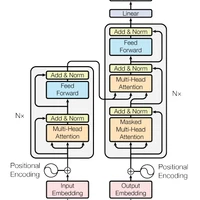


Surrogate Signals from Format and Length: Reinforcement Learning for Solving Mathematical Problems without Ground Truth Answers
Large Language Models have achieved remarkable success in natural language processing tasks, with Reinforcement Learning playing a key role in adapting them to specific applications. However, obtaining ground truth answers for training LLMs in mathematical problem-solving is often challenging, costly, and sometimes unfeasible. This research delves into the utilization of format and length as surrogate signals to train LLMs for mathematical problem-solving, bypassing the need for traditional ground truth answers.Our study shows that a reward function centered on format correctness alone can yield performance improvements comparable to the standard GRPO algorithm in early phases. Recognizing the limitations of format-only rewards in the later phases, we incorporate length-based rewards. The resulting GRPO approach, leveraging format-length surrogate signals, not only matches but surpasses the performance of the standard GRPO algorithm relying on ground truth answers in certain scenarios, achieving 40.0\% accuracy on AIME2024 with a 7B base model. Through systematic exploration and experimentation, this research not only offers a practical solution for training LLMs to solve mathematical problems and reducing the dependence on extensive ground truth data collection, but also reveals the essence of why our label-free approach succeeds: base model is like an excellent student who has already mastered mathematical and logical reasoning skills, but performs poorly on the test paper, it simply needs to develop good answering habits to achieve outstanding results in exams , in other words, to unlock the capabilities it already possesses.


Syn-GRPO: Self-Evolving Data Synthesis for MLLM Perception Reasoning
RL (reinforcement learning) methods (e.g., GRPO) for MLLM (Multimodal LLM) perception ability has attracted wide research interest owing to its remarkable generalization ability. Nevertheless, existing reinforcement learning methods still face the problem of low data quality, where data samples cannot elicit diverse responses from MLLMs, thus restricting the exploration scope for MLLM reinforcement learning. Some methods attempt to mitigate this problem by imposing constraints on entropy, but none address it at its root. Therefore, to tackle this problem, this work proposes Syn-GRPO (Synthesis-GRPO), which employs an online data generator to synthesize high-quality training data with diverse responses in GRPO training. Specifically, Syn-GRPO consists of two components: (1) data server; (2) GRPO workflow. The data server synthesizes new samples from existing ones using an image generation model, featuring a decoupled and asynchronous scheme to achieve high generation efficiency. The GRPO workflow provides the data server with the new image descriptions, and it leverages a diversity reward to supervise the MLLM to predict image descriptions for synthesizing samples with diverse responses. Experiment results across three visual perception tasks demonstrate that Syn-GRPO improves the data quality by a large margin, achieving significant superior performance to existing MLLM perception methods, and Syn-GRPO presents promising potential for scaling long-term self-evolving RL. Our code is available at https://github.com/hqhQAQ/Syn-GRPO.
Stable Reinforcement Learning for Efficient Reasoning
The success of Deepseek-R1 has drawn the LLM community's attention to reinforcement learning (RL) methods like GRPO. However, such rule-based 0/1 outcome reward methods lack the capability to regulate the intermediate reasoning processes during chain-of-thought (CoT) generation, leading to severe overthinking phenomena. In response, recent studies have designed reward functions to reinforce models' behaviors in producing shorter yet correct completions. Nevertheless, we observe that these length-penalty reward functions exacerbate RL training instability: as the completion length decreases, model accuracy abruptly collapses, often occurring early in training. To address this issue, we propose a simple yet effective solution GRPO-lambda, an efficient and stabilized variant of GRPO, which dynamically adjusts the reward strategy by monitoring the correctness ratio among completions within each query-sampled group. A low correctness ratio indicates the need to avoid length penalty that compromises CoT quality, triggering a switch to length-agnostic 0/1 rewards that prioritize reasoning capability. A high ratio maintains length penalties to boost efficiency. Experimental results show that our approach avoids training instability caused by length penalty while maintaining the optimal accuracy-efficiency trade-off. On the GSM8K, GPQA, MATH-500, AMC 2023, and AIME 2024 benchmarks, it improves average accuracy by 1.48% while reducing CoT sequence length by 47.3%.

V-GRPO: Online Reinforcement Learning for Denoising Generative Models Is Easier than You Think
Aligning denoising generative models with human preferences or verifiable rewards remains a key challenge. While policy-gradient online reinforcement learning (RL) offers a principled post-training framework, its direct application is hindered by the intractable likelihoods of these models. Prior work therefore either optimizes an induced Markov decision process (MDP) over sampling trajectories, which is stable but inefficient, or uses likelihood surrogates based on the diffusion evidence lower bound (ELBO), which have so far underperformed on visual generation. Our key insight is that the ELBO-based approach can, in fact, be made both stable and efficient. By reducing surrogate variance and controlling gradient steps, we show that this approach can beat MDP-based methods. To this end, we introduce Variational GRPO (V-GRPO), a method that integrates ELBO-based surrogates with the Group Relative Policy Optimization (GRPO) algorithm, alongside a set of simple yet essential techniques. Our method is easy to implement, aligns with pretraining objectives, and avoids the limitations of MDP-based methods. V-GRPO achieves state-of-the-art performance in text-to-image synthesis, while delivering a 2times speedup over MixGRPO and a 3times speedup over DiffusionNFT.

Thinkquel: A Model Dedicated to Text-to-dbt Using Synthetic Data and a Span-Aware Objective
Transforming natural-language requests into reliable, production-ready data transformations remains challenging: correctness depends on precise schema linking and warehouse-specific SQL dialects, while the strongest supervision available during training--execution success and result matching--are provided only at the sequence level. At the same time, assembling large, execution-validated corpora is costly, and token-level objectives misalign with these global signals, yielding unstable optimization and limited portability. We introduce Thinkquel, a fine-tuned model for producing robust, portable, and execution-validated database queries. Methodologies in Thinkquel integrates a novel synthetic data pipeline, TS-SQL, that leverages dbt as a portable intermediate representation with a span-aware reinforcement learning objective, and Token-Sequence GRPO (TS-GRPO), specifically designed to bridge the gap between token-level training signals and sequence-level execution rewards when finetuning LLMs. On the 500-example TS-SQL test set, Thinkquel (32B) reaches 93.2\% execution success and 61.8\% exact-result match with a two-stage SFT curriculum, improving over the base model by 67.2\% (exec.) and 44.4\% (match). In Spider (14B) experiments, TS-GRPO increases training stability and speeds convergence of the execution-match reward relative to GRPO and GSPO.


Adaptive Guidance Accelerates Reinforcement Learning of Reasoning Models
We study the process through which reasoning models trained with reinforcement learning on verifiable rewards (RLVR) can learn to solve new problems. We find that RLVR drives performance in two main ways: (1) by compressing pass@k into pass@1 and (2) via "capability gain" in which models learn to solve new problems that they previously could not solve even at high k. We find that while capability gain exists across model scales, learning to solve new problems is primarily driven through self-distillation. We demonstrate these findings across model scales ranging from 0.5B to 72B parameters on >500,000 reasoning problems with prompts and verifiable final answers across math, science, and code domains. We further show that we can significantly improve pass@k rates by leveraging natural language guidance for the model to consider within context while still requiring the model to derive a solution chain from scratch. Based of these insights, we derive Guide -- a new class of online training algorithms. Guide adaptively incorporates hints into the model's context on problems for which all rollouts were initially incorrect and adjusts the importance sampling ratio for the "off-policy" trajectories in order to optimize the policy for contexts in which the hints are no longer present. We describe variants of Guide for GRPO and PPO and empirically show that Guide-GRPO on 7B and 32B parameter models improves generalization over its vanilla counterpart with up to 4% macro-average improvement across math benchmarks. We include careful ablations to analyze Guide's components and theoretically analyze Guide's learning efficiency.

UniRL: Self-Improving Unified Multimodal Models via Supervised and Reinforcement Learning
Unified multimodal large language models such as Show-o and Janus have achieved strong performance across both generation and understanding tasks. However, these models typically rely on large-scale datasets and require substantial computation during the pretraining stage. In addition, several post-training methods have been proposed, but they often depend on external data or are limited to task-specific customization. In this work, we introduce UniRL, a self-improving post-training approach. Our approach enables the model to generate images from prompts and use them as training data in each iteration, without relying on any external image data. Moreover, it enables the two tasks to enhance each other: the generated images are used for understanding, and the understanding results are used to supervise generation. We explore supervised fine-tuning (SFT) and Group Relative Policy Optimization (GRPO) to optimize the models. UniRL offers three key advantages: (1) it requires no external image data, as all training samples are generated by the model itself during training; (2) it not only improves individual task performance, but also reduces the imbalance between generation and understanding; and (3) it requires only several additional training steps during the post-training stage. We evaluate UniRL on top of Show-o and Janus, achieving a GenEval score of 0.77 for Show-o and 0.65 for Janus. Code and models will be released in https://github.com/showlab/UniRL.
ParaVT: Taming the Tool Prior Paradox for Parallel Tool Use in Agentic Video Reinforcement Learning
Training large multimodal models (LMMs) via reinforcement learning (RL) to natively invoke video-processing tools (e.g., cropping) has become a promising route to long-video understanding. However, existing native-RL methods dispatch tool calls sequentially (i.e., one per turn): a single wrong crop propagates errors without peer correction, multi-turn tool calls corrupt context, and inference cost scales linearly with the number of turns. We introduce ParaVT, the first multi-agent end-to-end RL-trained framework for Parallel Video Tool calling, dispatching multiple time-window crops in a single turn for cleaner context and better fault tolerance. Yet applying standard RL to ParaVT reveals an obstacle we term the Tool Prior Paradox: the pretrained tool priors that enable tool exploration also destabilize cold-started structural format and expose the skip-tool reward shortcut under temperature sampling. A cross-model contrast on a weaker-prior LMM supports this claim: format stays stable but RL elicits zero tool calls, indicating that prior strength is the shared driver of both format collapse and tool exploration. We propose PARA-GRPO (Parseability-Anchored and Ratio-gAted GRPO), which augments standard RL with two complementary mechanisms: (i) a targeted format reward applied only at the structural-token positions most prone to collapse, and (ii) a per-prompt frame-budget randomization that creates training prompts where calling the tool yields a measurable reward signal over skipping it. Across six long-video understanding benchmarks, ParaVT improves over the Qwen3-VL baseline by +7.9% on average, with PARA-GRPO lifting training-time format compliance from 0.13 to 0.64. As tool capabilities become increasingly internalized in modern LMMs, RL must cooperate with the resulting priors, and ParaVT offers a general recipe for agentic RL. Code, data, and model weights are publicly available.

AdaGRPO: A Capability-Aware Adaptive Enhancement for Flow-based GRPO
Group Relative Policy Optimization (GRPO) has demonstrated remarkable success in aligning text-to-image (T2I) flow models with human preferences. However, we have identified that the learning loop of current flow-based GRPO is fundamentally decoupled from the learner's current capability, suffering from critical blind spots at both prompt selection and advantage estimation: (i) Existing methods sample prompts randomly, overlooking the substantial impact of data selection on reinforcement learning (RL) efficacy--a factor proven crucial in GRPO for large language models; (ii) They evaluate sample quality solely relying on intra-group statistics, lacking a global perspective to accurately measure true policy improvement. To address these issues, we propose Adaptive GRPO (AdaGRPO), a novel capability-aware RL algorithm tailored for flow models. Specifically, AdaGRPO consists of two principal components: (i) Online Curriculum Filtering Strategy: Dynamically tracks the model's proficiency and adaptively selects prompts that best match its current learning boundary; (ii) Cross-Level Advantage Fusion: Synergistically integrates fine-grained intra-group advantages with macro-level global advantages, providing a comprehensive and unbiased policy evaluation. As a lightweight, plug-and-play module, AdaGRPO can be seamlessly integrated with existing frameworks such as Flow-GRPO, DanceGRPO, and Flow-CPS. Extensive experiments demonstrate that AdaGRPO consistently drives performance gains while significantly stabilizes GRPO training for flow models.
Geo-R1: Unlocking VLM Geospatial Reasoning with Cross-View Reinforcement Learning
We introduce Geo-R1, a reasoning-centric post-training framework that unlocks geospatial reasoning in vision-language models by combining thinking scaffolding and elevating. In the scaffolding stage, Geo-R1 instills a ``geospatial thinking paradigm" via supervised fine-tuning on synthetic chain-of-thought exemplars, enabling models to connect visual cues with geographic priors without costly human reasoning annotations. In the elevating stage, it uses GRPO-based reinforcement learning on a weakly-supervised cross-view pairing proxy. This design supplies a verifiable and scalable reward signal: teaching models to capture and reconcile features across modalities, and harnessing reasoning for accurate prediction. Geo-R1 extends geospatial modeling from domain pretraining / supervised finetuning to reasoning-first post-training, and achieves state-of-the-art performance across various geospatial reasoning benchmarks. Our model is available at https://huggingface.co/miniHui/Geo-R1.
Timber: Training-free Instruct Model Refining with Base via Effective Rank
Post-training, which elicits a pretrained Base model into the corresponding Instruct model, is widely considered to be superficial. In this work, we first reinforce this hypothesis by providing novel quantitative evidence from the weight level that the effective rank (eRank) remains negligibly changed. However, this superficiality also suffers a critical trade-off, improving the exploitation capabilities at the cost of limiting its exploration. To tackle this issue, we propose Timber, a simple yet effective training-free method that enhances the exploration capability of the Instruct model while preserving its exploitation. The key insight is to partially revert Instruct towards the paired Base model by subtle yet targeted refinement of the weight deltas. Extensive experiments on Llama and Qwen series demonstrate that Timber consistently improves vanilla Instruct models, particularly on Pass@k performance. Our findings offer new insights into the post-training stage at the weight level and practical strategies to refine the Instruct model without training.


Seeing What Matters: Visual Preference Policy Optimization for Visual Generation
Reinforcement learning (RL) has become a powerful tool for post-training visual generative models, with Group Relative Policy Optimization (GRPO) increasingly used to align generators with human preferences. However, existing GRPO pipelines rely on a single scalar reward per sample, treating each image or video as a holistic entity and ignoring the rich spatial and temporal structure of visual content. This coarse supervision hinders the correction of localized artifacts and the modeling of fine-grained perceptual cues. We introduce Visual Preference Policy Optimization (ViPO), a GRPO variant that lifts scalar feedback into structured, pixel-level advantages. ViPO employs a Perceptual Structuring Module that uses pretrained vision backbones to construct spatially and temporally aware advantage maps, redistributing optimization pressure toward perceptually important regions while preserving the stability of standard GRPO. Across both image and video benchmarks, ViPO consistently outperforms vanilla GRPO, improving in-domain alignment with human-preference rewards and enhancing generalization on out-of-domain evaluations. The method is architecture-agnostic, lightweight, and fully compatible with existing GRPO training pipelines, providing a more expressive and informative learning signal for visual generation.
From Competition to Synergy: Unlocking Reinforcement Learning for Subject-Driven Image Generation
Subject-driven image generation models face a fundamental trade-off between identity preservation (fidelity) and prompt adherence (editability). While online reinforcement learning (RL), specifically GPRO, offers a promising solution, we find that a naive application of GRPO leads to competitive degradation, as the simple linear aggregation of rewards with static weights causes conflicting gradient signals and a misalignment with the temporal dynamics of the diffusion process. To overcome these limitations, we propose Customized-GRPO, a novel framework featuring two key innovations: (i) Synergy-Aware Reward Shaping (SARS), a non-linear mechanism that explicitly penalizes conflicted reward signals and amplifies synergistic ones, providing a sharper and more decisive gradient. (ii) Time-Aware Dynamic Weighting (TDW), which aligns the optimization pressure with the model's temporal dynamics by prioritizing prompt-following in the early, identity preservation in the later. Extensive experiments demonstrate that our method significantly outperforms naive GRPO baselines, successfully mitigating competitive degradation. Our model achieves a superior balance, generating images that both preserve key identity features and accurately adhere to complex textual prompts.
OpenSearch-VL: An Open Recipe for Frontier Multimodal Search Agents
Deep search has become a crucial capability for frontier multimodal agents, enabling models to solve complex questions through active search, evidence verification, and multi-step reasoning. Despite rapid progress, top-tier multimodal search agents remain difficult to reproduce, largely due to the absence of open high-quality training data, transparent trajectory synthesis pipelines, or detailed training recipes. To this end, we introduce OpenSearch-VL, a fully open-source recipe for training frontier multimodal deep search agents with agentic reinforcement learning. First, we curated a dedicated pipeline to construct high-quality training data through Wikipedia path sampling, fuzzy entity rewriting, and source-anchor visual grounding, which jointly reduce shortcuts and one-step retrieval collapse. Based on this pipeline, we curate two training datasets, SearchVL-SFT-36k for SFT and SearchVL-RL-8k for RL. Besides, we design a diverse tool environment that unifies text search, image search, OCR, cropping, sharpening, super-resolution, and perspective correction, enabling agents to combine active perception with external knowledge acquisition. Finally, we propose a multi-turn fatal-aware GRPO training algorithm that handles cascading tool failures by masking post-failure tokens while preserving useful pre-failure reasoning through one-sided advantage clamping. Built on this recipe, OpenSearch-VL delivers substantial performance gains, with over 10-point average improvements across seven benchmarks, and achieves results comparable to proprietary commercial models on several tasks. We will release all data, code, and models to support open research on multimodal deep search agents.

Prompt replay: speeding up grpo with on-policy reuse of high-signal prompts
Reinforcement learning with verifiable rewards (RLVR) plays a crucial role in expanding the capacities of LLM reasoning, but GRPO-style training is dominated by expensive rollouts and wastes compute on unusable prompts. We propose Prompt Replay, an overhead-free online data selection method for GRPO that reuses prompts only (not trajectories), to preserve on-policy optimization. After each step, we insert prompts with medium difficulty into a buffer, and prioritize prompts closer to a pass rate of 0.5 (half answers correct, half wrong) to maximize the advantage, thus learning signal. Training batches are formed by mixing reused prompts with fresh samples, with cooldown steps and max reuse times controlling aggressiveness vs risk of overfitting. Across multiple model families (Llama-3.2- 3B, Qwen3-8B) and training datasets (Dolci, Polaris), evaluated using average accuracy on six standard math benchmarks, Prompt Replay reduces zero-variance prompts, increases mean absolute advantage and shows faster initial accuracy gains. Yet, it plateaus and converges with the baseline, as too aggressive configuration was used. The method is most efficient when the rollouts are the primary bottleneck and the dataset is difficult for the model. We additionally observe that Qwen2.5-Math can exhibit spurious-reward effects that invalidates ablations, raising a warning signal for using it as a sole testbed for GRPO method research.
Hail to the Thief: Exploring Attacks and Defenses in Decentralised GRPO
Group Relative Policy Optimization (GRPO) has demonstrated great utilization in post-training of Large Language Models (LLMs). In GRPO, prompts are answered by the model and, through reinforcement learning, preferred completions are learnt. Owing to the small communication volume, GRPO is inherently suitable for decentralised training as the prompts can be concurrently answered by multiple nodes and then exchanged in the forms of strings. In this work, we present the first adversarial attack in decentralised GRPO. We demonstrate that malicious parties can poison such systems by injecting arbitrary malicious tokens in benign models in both out-of-context and in-context attacks. Using empirical examples of math and coding tasks, we show that adversarial attacks can easily poison the benign nodes, polluting their local LLM post-training, achieving attack success rates up to 100% in as few as 50 iterations. We propose two ways to defend against these attacks, depending on whether all users train the same model or different models. We show that these defenses can achieve stop rates of up to 100%, making the attack impossible.
Robust Tool Use via Fission-GRPO: Learning to Recover from Execution Errors
Large language models (LLMs) can call tools effectively, yet they remain brittle in multi-turn execution: following a tool call error, smaller models often degenerate into repetitive invalid re-invocations, failing to interpret error feedback and self-correct. This brittleness hinders reliable real-world deployment, where the execution errors are inherently inevitable during tool interaction procedures. We identify a key limitation of current approaches: standard reinforcement learning (RL) treats errors as sparse negative rewards, providing no guidance on how to recover, while pre-collected synthetic error-correction datasets suffer from distribution mismatch with the model's on-policy error modes. To bridge this gap, we propose Fission-GRPO, a framework that converts execution errors into corrective supervision within the RL training loop. Our core mechanism fissions each failed trajectory into a new training instance by augmenting it with diagnostic feedback from a finetuned Error Simulator, then resampling recovery rollouts on-policy. This enables the model to learn from the precise errors it makes during exploration, rather than from static, pre-collected error cases. On the BFCL v4 Multi-Turn, Fission-GRPO improves the error recovery rate of Qwen3-8B by 5.7% absolute, crucially, yielding a 4% overall accuracy gain (42.75% to 46.75%) over GRPO and outperforming specialized tool-use agents.

From Solving to Verifying: A Unified Objective for Robust Reasoning in LLMs
The reasoning capabilities of large language models (LLMs) have been significantly improved through reinforcement learning (RL). Nevertheless, LLMs still struggle to consistently verify their own reasoning traces. This raises the research question of how to enhance the self-verification ability of LLMs and whether such an ability can further improve reasoning performance. In this work, we propose GRPO-Verif, an algorithm that jointly optimizes solution generation and self-verification within a unified loss function, with an adjustable hyperparameter controlling the weight of the verification signal. Experimental results demonstrate that our method enhances self-verification capability while maintaining comparable performance in reasoning.

Mitigating Think-Answer Mismatch in LLM Reasoning Through Noise-Aware Advantage Reweighting
Group-Relative Policy Optimization (GRPO) is a key technique for training large reasoning models, yet it suffers from a critical vulnerability: the Think-Answer Mismatch, where noisy reward signals corrupt the learning process. This problem is most severe in unbalanced response groups, paradoxically degrading the signal precisely when it should be most informative. To address this challenge, we propose Stable Group-Relative Policy Optimization (S-GRPO), a principled enhancement that derives optimal, noise-aware advantage weights to stabilize training. Our comprehensive experiments on mathematical reasoning benchmarks demonstrate S-GRPO's effectiveness and robustness. On various models, S-GRPO significantly outperforms DR. GRPO, achieving performance gains of +2.5% on Qwen-Math-7B-Base, +2.2% on Llama-3.2-3B-Base, and +2.4% on Qwen-Math-1.5B-Instruct. Most critically, while standard GRPO fails to learn under 20% synthetic reward noise, S-GRPO maintains stable learning progress. These results highlight S-GRPO's potential for more robust and effective training of large-scale reasoning models. \footnote{Code and data are available at: https://github.com/shenpeijun0212/S-GRPO
TAGRPO: Boosting GRPO on Image-to-Video Generation with Direct Trajectory Alignment
Recent studies have demonstrated the efficacy of integrating Group Relative Policy Optimization (GRPO) into flow matching models, particularly for text-to-image and text-to-video generation. However, we find that directly applying these techniques to image-to-video (I2V) models often fails to yield consistent reward improvements. To address this limitation, we present TAGRPO, a robust post-training framework for I2V models inspired by contrastive learning. Our approach is grounded in the observation that rollout videos generated from identical initial noise provide superior guidance for optimization. Leveraging this insight, we propose a novel GRPO loss applied to intermediate latents, encouraging direct alignment with high-reward trajectories while maximizing distance from low-reward counterparts. Furthermore, we introduce a memory bank for rollout videos to enhance diversity and reduce computational overhead. Despite its simplicity, TAGRPO achieves significant improvements over DanceGRPO in I2V generation.
GRAIL: Gradient-Reweighted Advantages for Reinforcement Learning with Verifiable Rewards
Reinforcement learning with verifiable rewards (e.g. GRPO) is now a common way to improve mathematical reasoning in Large Language Models (LLMs). However, current methods usually broadcast one sequence-level advantage to all tokens, or use costly process reward models (PRMs) for step-level supervision. Uniform advantage distribution assumes that all tokens contribute equally to the final reward. This dilutes the gradient signal, since flawed reasoning steps and filler words are updated as strongly as valid logical inferences. To address this, we introduce Gradient-Reweighted Advantage (GRAIL), an intrinsic token-wise advantage reweighting method. GRAIL uses gradient-activation saliency to place more weight on tokens that are more locally sensitive to the final answer. Evaluations across five models from the Qwen3, R1-distilled and OctoThinker families show that GRAIL consistently outperforms GRPO. GRAIL achieved an average improvement of 3.60% in accuracy and 3.05% in Pass@3, demonstrating that fine-grained reasoning alignment can be achieved without process-level supervision.

Posterior-GRPO: Rewarding Reasoning Processes in Code Generation
Reinforcement learning (RL) has significantly advanced code generation for large language models (LLMs). However, current paradigms rely on outcome-based rewards from test cases, neglecting the quality of the intermediate reasoning process. While supervising the reasoning process directly is a promising direction, it is highly susceptible to reward hacking, where the policy model learns to exploit the reasoning reward signal without improving final outcomes. To address this, we introduce a unified framework that can effectively incorporate the quality of the reasoning process during RL. First, to enable reasoning evaluation, we develop LCB-RB, a benchmark comprising preference pairs of superior and inferior reasoning processes. Second, to accurately score reasoning quality, we introduce an Optimized-Degraded based (OD-based) method for reward model training. This method generates high-quality preference pairs by systematically optimizing and degrading initial reasoning paths along curated dimensions of reasoning quality, such as factual accuracy, logical rigor, and coherence. A 7B parameter reward model with this method achieves state-of-the-art (SOTA) performance on LCB-RB and generalizes well to other benchmarks. Finally, we introduce Posterior-GRPO (P-GRPO), a novel RL method that conditions process-based rewards on task success. By selectively applying rewards to the reasoning processes of only successful outcomes, P-GRPO effectively mitigates reward hacking and aligns the model's internal reasoning with final code correctness. A 7B parameter model with P-GRPO achieves superior performance across diverse code generation tasks, outperforming outcome-only baselines by 4.5%, achieving comparable performance to GPT-4-Turbo. We further demonstrate the generalizability of our approach by extending it to mathematical tasks. Our models, dataset, and code are publicly available.
Towards a Unified View of Large Language Model Post-Training
Two major sources of training data exist for post-training modern language models: online (model-generated rollouts) data, and offline (human or other-model demonstrations) data. These two types of data are typically used by approaches like Reinforcement Learning (RL) and Supervised Fine-Tuning (SFT), respectively. In this paper, we show that these approaches are not in contradiction, but are instances of a single optimization process. We derive a Unified Policy Gradient Estimator, and present the calculations of a wide spectrum of post-training approaches as the gradient of a common objective under different data distribution assumptions and various bias-variance tradeoffs. The gradient estimator is constructed with four interchangeable parts: stabilization mask, reference policy denominator, advantage estimate, and likelihood gradient. Motivated by our theoretical findings, we propose Hybrid Post-Training (HPT), an algorithm that dynamically selects different training signals. HPT is designed to yield both effective exploitation of demonstration and stable exploration without sacrificing learned reasoning patterns. We provide extensive experiments and ablation studies to verify the effectiveness of our unified theoretical framework and HPT. Across six mathematical reasoning benchmarks and two out-of-distribution suites, HPT consistently surpasses strong baselines across models of varying scales and families.



NGRPO: Negative-enhanced Group Relative Policy Optimization
RLVR has enhanced the reasoning capabilities of Large Language Models (LLMs) across various tasks. However, GRPO, a representative RLVR algorithm, suffers from a critical limitation: when all responses within a group are either entirely correct or entirely incorrect, the model fails to learn from these homogeneous responses. This is particularly problematic for homogeneously incorrect groups, where GRPO's advantage function yields a value of zero, leading to null gradients and the loss of valuable learning signals. To overcome this issue, we propose NGRPO (Negative-enhanced Group Relative Policy Optimization), an algorithm designed to convert homogeneous errors into robust learning signals. First, NGRPO introduces Advantage Calibration. This mechanism hypothesizes the existence of a virtual maximum-reward sample during advantage calculation, thereby altering the mean and variance of rewards within a group and ensuring that the advantages for homogeneously incorrect samples are no longer zero. Second, NGRPO employs Asymmetric Clipping, which relaxes the update magnitude for positive samples while imposing stricter constraints on that of negative samples. This serves to stabilize the exploration pressure introduced by the advantage calibration. Our experiments on Qwen2.5-Math-7B demonstrate that NGRPO significantly outperforms baselines such as PPO, GRPO, DAPO, and PSR-NSR on mathematical benchmarks including MATH500, AMC23, and AIME2025. These results validate NGRPO's ability to learn from homogeneous errors, leading to stable and substantial improvements in mathematical reasoning. Our code is available at https://github.com/nangongrui-ngr/NGRPO.
DRA-GRPO: Exploring Diversity-Aware Reward Adjustment for R1-Zero-Like Training of Large Language Models
Recent advances in reinforcement learning for language model post-training, such as Group Relative Policy Optimization (GRPO), have shown promise in low-resource settings. However, GRPO typically relies on solution-level and scalar reward signals that fail to capture the semantic diversity among sampled completions. This leads to what we identify as a diversity-quality inconsistency, where distinct reasoning paths may receive indistinguishable rewards. To address this limitation, we propose Diversity-aware Reward Adjustment (DRA), a method that explicitly incorporates semantic diversity into the reward computation. DRA uses Submodular Mutual Information (SMI) to downweight redundant completions and amplify rewards for diverse ones. This encourages better exploration during learning, while maintaining stable exploitation of high-quality samples. Our method integrates seamlessly with both GRPO and its variant DR.~GRPO, resulting in DRA-GRPO and DGA-DR.~GRPO. We evaluate our method on five mathematical reasoning benchmarks and find that it outperforms recent strong baselines. It achieves state-of-the-art performance with an average accuracy of 58.2%, using only 7,000 fine-tuning samples and a total training cost of approximately $55. The code is available at https://github.com/xiwenc1/DRA-GRPO.
Train Long, Think Short: Curriculum Learning for Efficient Reasoning
Recent work on enhancing the reasoning abilities of large language models (LLMs) has introduced explicit length control as a means of constraining computational cost while preserving accuracy. However, existing approaches rely on fixed-length training budgets, which do not take advantage of the natural progression from exploration to compression during learning. In this work, we propose a curriculum learning strategy for length-controlled reasoning using Group Relative Policy Optimization (GRPO). Our method starts with generous token budgets and gradually tightens them over training, encouraging models to first discover effective solution strategies and then distill them into more concise reasoning traces. We augment GRPO with a reward function that balances three signals: task correctness (via verifier feedback), length efficiency, and formatting adherence (via structural tags). Experiments on GSM8K, MATH500, SVAMP, College Math, and GSM+ demonstrate that curriculum-based training consistently outperforms fixed-budget baselines at the same final budget, achieving higher accuracy and significantly improved token efficiency. We further ablate the impact of reward weighting and decay schedule design, showing that progressive constraint serves as a powerful inductive bias for training efficient reasoning models. Our code and checkpoints are released at: https://github.com/hammoudhasan/curriculum_grpo.

Rank-GRPO: Training LLM-based Conversational Recommender Systems with Reinforcement Learning
Large language models (LLMs) are reshaping the recommender system paradigm by enabling users to express preferences and receive recommendations through conversations. Yet, aligning LLMs to the recommendation task remains challenging: pretrained LLMs often generate out-of-catalog items, violate required output formats, and their ranking quality degrades sharply toward the end of the generated list. To this end, we propose ConvRec-R1, a two-stage framework for end-to-end training of LLM-based conversational recommender systems. In Stage 1, we construct a behavioral-cloning dataset with a Remap-Reflect-Adjust pipeline, which produces high-quality, catalog-grounded demonstrations from powerful blackbox LLMs to warm-start the RL training. In Stage 2, we propose Rank-GRPO, a principled extension of group relative policy optimization (GRPO) tailored to tasks with rank-style outputs. Rank-GRPO treats each rank in the recommendation list as the unit instead of token (too fine-grained) or sequence (too coarse), redefining rewards to remove non-causal credit assignment and introducing a rank-level importance ratio based on the geometric mean of rank-wise token probabilities to stabilize policy updates. Experiments on the public Reddit-v2 dataset show that ConvRec-R1 converges faster and achieves higher Recall and NDCG than GRPO-style baselines. Code and datasets are released at https://github.com/yaochenzhu/Rank-GRPO.

AR-GRPO: Training Autoregressive Image Generation Models via Reinforcement Learning
Inspired by the success of reinforcement learning (RL) in refining large language models (LLMs), we propose AR-GRPO, an approach to integrate online RL training into autoregressive (AR) image generation models. We adapt the Group Relative Policy Optimization (GRPO) algorithm to refine the vanilla autoregressive models' outputs by carefully designed reward functions that evaluate generated images across multiple quality dimensions, including perceptual quality, realism, and semantic fidelity. We conduct comprehensive experiments on both class-conditional (i.e., class-to-image) and text-conditional (i.e., text-to-image) image generation tasks, demonstrating that our RL-enhanced framework significantly improves both the image quality and human preference of generated images compared to the standard AR baselines. Our results show consistent improvements across various evaluation metrics, establishing the viability of RL-based optimization for AR image generation and opening new avenues for controllable and high-quality image synthesis. The source codes and models are available at: https://github.com/Kwai-Klear/AR-GRPO.


Smart-GRPO: Smartly Sampling Noise for Efficient RL of Flow-Matching Models
Recent advancements in flow-matching have enabled high-quality text-to-image generation. However, the deterministic nature of flow-matching models makes them poorly suited for reinforcement learning, a key tool for improving image quality and human alignment. Prior work has introduced stochasticity by perturbing latents with random noise, but such perturbations are inefficient and unstable. We propose Smart-GRPO, the first method to optimize noise perturbations for reinforcement learning in flow-matching models. Smart-GRPO employs an iterative search strategy that decodes candidate perturbations, evaluates them with a reward function, and refines the noise distribution toward higher-reward regions. Experiments demonstrate that Smart-GRPO improves both reward optimization and visual quality compared to baseline methods. Our results suggest a practical path toward reinforcement learning in flow-matching frameworks, bridging the gap between efficient training and human-aligned generation.
A Minimalist Approach to LLM Reasoning: from Rejection Sampling to Reinforce
Reinforcement learning (RL) has become a prevailing approach for fine-tuning large language models (LLMs) on complex reasoning tasks. Among recent methods, GRPO stands out for its empirical success in training models such as DeepSeek-R1, yet the sources of its effectiveness remain poorly understood. In this work, we revisit GRPO from a reinforce-like algorithm perspective and analyze its core components. Surprisingly, we find that a simple rejection sampling baseline, RAFT, which trains only on positively rewarded samples, yields competitive performance than GRPO and PPO. Our ablation studies reveal that GRPO's main advantage arises from discarding prompts with entirely incorrect responses, rather than from its reward normalization. Motivated by this insight, we propose Reinforce-Rej, a minimal extension of policy gradient that filters both entirely incorrect and entirely correct samples. Reinforce-Rej improves KL efficiency and stability, serving as a lightweight yet effective alternative to more complex RL algorithms. We advocate RAFT as a robust and interpretable baseline, and suggest that future advances should focus on more principled designs for incorporating negative samples, rather than relying on them indiscriminately. Our findings provide guidance for future work in reward-based LLM post-training.


UniGRPO: Unified Policy Optimization for Reasoning-Driven Visual Generation
Unified models capable of interleaved generation have emerged as a promising paradigm, with the community increasingly converging on autoregressive modeling for text and flow matching for image generation. To advance this direction, we propose a unified reinforcement learning framework tailored for interleaved generation. We validate our approach on its fundamental unit: a single round of reasoning-driven image generation, where the model first expands the user prompt through reasoning, followed by image synthesis. Formulating this multimodal generation process as a Markov Decision Process with sparse terminal rewards, we introduce UniGRPO to jointly optimize text and image generation policies using GRPO. Adopting a minimalist methodology to avoid over-design, we leverage established training recipes for both modalities by seamlessly integrating standard GRPO for reasoning and FlowGRPO for visual synthesis. To ensure scalability to multi-round interleaved generation, we introduce two critical modifications to the original FlowGRPO: (1) eliminating classifier-free guidance to maintain linear, unbranched rollouts, which is essential for scaling to complex scenarios involving multi-turn interactions and multi-condition generation (e.g., editing); and (2) replacing the standard latent KL penalty with an MSE penalty directly on the velocity fields, providing a more robust and direct regularization signal to mitigate reward hacking effectively. Our experiments demonstrate that this unified training recipe significantly enhances image generation quality through reasoning, providing a robust and scalable baseline for the future post-training of fully interleaved models.
Optimizing Safe and Aligned Language Generation: A Multi-Objective GRPO Approach
Aligning large language models (LLMs) with human values and safety constraints is challenging, especially when objectives like helpfulness, truthfulness, and avoidance of harm conflict. Reinforcement Learning from Human Feedback (RLHF) has achieved notable success in steering models, but is complex and can be unstable. Recent approaches such as Direct Preference Optimization (DPO) simplify preference-based fine-tuning but may introduce bias or trade-off certain objectives~dpo. In this work, we propose a Group Relative Policy Optimization (GRPO) framework with a multi-label reward regression model to achieve safe and aligned language generation. The GRPO algorithm optimizes a policy by comparing groups of sampled responses, eliminating the need for a separate value critic and improving training efficiency~grpo. We train a reward model to predict multiple alignment scores (e.g., safety, helpfulness, etc.), which are combined into a single reward signal. We provide a theoretical derivation for using this learned multi-aspect reward within GRPO and discuss its advantages and limitations. Empirically, our approach improves all the safety and quality metrics evaluated in language generation tasks on model scales (0.5B, 7B, and 14B parameters), demonstrating a robust balance of objectives. We compare GRPO to PPO-based RLHF and DPO, highlighting that GRPO achieves alignment with significantly lower computational cost and explicit multi-objective handling. \textbf{We will open-source all trained models at https://huggingface.co/hydroxai.
FIPO: Eliciting Deep Reasoning with Future-KL Influenced Policy Optimization
We present Future-KL Influenced Policy Optimization (FIPO), a reinforcement learning algorithm designed to overcome reasoning bottlenecks in large language models. While GRPO style training scales effectively, it typically relies on outcome-based rewards (ORM) that distribute a global advantage uniformly across every token in a trajectory. We argue that this coarse-grained credit assignment imposes a performance ceiling by failing to distinguish critical logical pivots from trivial tokens. FIPO addresses this by incorporating discounted future-KL divergence into the policy update, creating a dense advantage formulation that re-weights tokens based on their influence on subsequent trajectory behavior. Empirically, FIPO enables models to break through the length stagnation seen in standard baselines. Evaluated on Qwen2.5-32B, FIPO extends the average chain-of-thought length from roughly 4,000 to over 10,000 tokens and increases AIME 2024 Pass@1 accuracy from 50.0% to a peak of 58.0% (converging at approximately 56.0\%). This outperforms both DeepSeek-R1-Zero-Math-32B (around 47.0%) and o1-mini (approximately 56.0%). Our results suggest that establishing dense advantage formulations is a vital path for evolving ORM-based algorithms to unlock the full reasoning potential of base models. We open-source our training system, built on the verl framework.

A Mathematical Framework for Custom Reward Functions in Job Application Evaluation using Reinforcement Learning
Conventional Applicant Tracking Systems (ATS) tend to be inflexible keyword-matchers, and deny gifted candidates a role due to a few minor semantic mismatches. This article describes a new two-step process to design a more refined resume evaluation model based on a small language model (<600M parameters) that is finetuned using GRPO on a custom reward function. To begin with, Supervised Fine-Tuning (SFT) was used to build a solid baseline model. Second, this SFT model was also optimized with the help of Reinforcement Learning (RL) through GRPO under the guidance of a new, multi-component reward function that can holistically assess candidates beyond simple keyword matching. We indicate that the RL application presents a critical problem of reward hacking due to the initial experiments of aggressive penalties, which produces faulty, excessively negative model behaviors. We have overcome this challenge by refining the reward function repeatedly and training hyperparameters into a stable "gentle polishing process" of the reward function. Our resulting GRPO-polished model demonstrates significant real-world efficacy, achieving a final accuracy of 91% on unseen test data. The model shows a strong ability to correctly identify qualified candidates (recall of 0.85 for the 'SELECTED' class) while also showing exceptional precision (1.0), confirming its reliability. These results indicate that a properly executed, two-step fine-tuning procedure can indeed effectively refine a small language model to be able to conduct fine-tuned and human-like candidate scoring, overcoming the drawbacks of both traditional ATS and naive RL usage.

Reward and Guidance through Rubrics: Promoting Exploration to Improve Multi-Domain Reasoning
Recent advances in reinforcement learning (RL) have significantly improved the complex reasoning capabilities of large language models (LLMs). Despite these successes, existing methods mainly focus on single-domain RL (e.g., mathematics) with verifiable rewards (RLVR), and their reliance on purely online RL frameworks restricts the exploration space, thereby limiting reasoning performance. In this paper, we address these limitations by leveraging rubrics to provide both fine-grained reward signals and offline guidance. We propose RGR-GRPO (Reward and Guidance through Rubrics), a rubric-driven RL framework for multi-domain reasoning. RGR-GRPO enables LLMs to receive dense and informative rewards while exploring a larger solution space during GRPO training. Extensive experiments across 14 benchmarks spanning multiple domains demonstrate that RGR-GRPO consistently outperforms RL methods that rely solely on alternative reward schemes or offline guidance. Compared with verifiable online RL baseline, RGR-GRPO achieves average improvements of +7.0%, +5.4%, +8.4%, and +6.6% on mathematics, physics, chemistry, and general reasoning tasks, respectively. Notably, RGR-GRPO maintains stable entropy fluctuations during off-policy training and achieves superior pass@k performance, reflecting sustained exploration and effective breakthrough beyond existing performance bottlenecks.
GRPO++: Enhancing Dermatological Reasoning under Low Resource Settings
Vision-Language Models (VLMs) show promise in medical image analysis, yet their capacity for structured reasoning in complex domains like dermatology is often limited by data scarcity and the high computational cost of advanced training techniques. To address these challenges, we introduce DermIQ-VLM, a VLM developed through a multi-stage, resource-efficient methodology designed to emulate a dermatologist's diagnostic process. Our primary contribution is a modified version of Grouped Relative Policy Optimization (GRPO), called GRPO++, which stabilizes the powerful but data-intensive GRPO framework. Our proposed training pipeline first employs GRPO++ for reasoning-oriented disease recognition, followed by supervised fine-tuning for conversational ability. To mitigate factual errors introduced during this step, we then align the model using Direct Preference Optimization (DPO), leveraging a Knowledge Graph-based system as a scalable proxy for expert preference. A preliminary evaluation on a curated dermatological dataset demonstrates that our proposed methodology yields notable performance gains over standard fine-tuning approaches. These findings validate the potential of our pipeline as a feasible pathway for developing specialized, reliable VLMs in resource-constrained environments.
GRIT: Teaching MLLMs to Think with Images
Recent studies have demonstrated the efficacy of using Reinforcement Learning (RL) in building reasoning models that articulate chains of thoughts prior to producing final answers. However, despite ongoing advances that aim at enabling reasoning for vision-language tasks, existing open-source visual reasoning models typically generate reasoning content with pure natural language, lacking explicit integration of visual information. This limits their ability to produce clearly articulated and visually grounded reasoning chains. To this end, we propose Grounded Reasoning with Images and Texts (GRIT), a novel method for training MLLMs to think with images. GRIT introduces a grounded reasoning paradigm, in which models generate reasoning chains that interleave natural language and explicit bounding box coordinates. These coordinates point to regions of the input image that the model consults during its reasoning process. Additionally, GRIT is equipped with a reinforcement learning approach, GRPO-GR, built upon the GRPO algorithm. GRPO-GR employs robust rewards focused on the final answer accuracy and format of the grounded reasoning output, which eliminates the need for data with reasoning chain annotations or explicit bounding box labels. As a result, GRIT achieves exceptional data efficiency, requiring as few as 20 image-question-answer triplets from existing datasets. Comprehensive evaluations demonstrate that GRIT effectively trains MLLMs to produce coherent and visually grounded reasoning chains, showing a successful unification of reasoning and grounding abilities.


Revisiting Group Relative Policy Optimization: Insights into On-Policy and Off-Policy Training
We revisit Group Relative Policy Optimization (GRPO) in both on-policy and off-policy optimization regimes. Our motivation comes from recent work on off-policy Proximal Policy Optimization (PPO), which improves training stability, sampling efficiency, and memory usage. In addition, a recent analysis of GRPO suggests that estimating the advantage function with off-policy samples could be beneficial. Building on these observations, we adapt GRPO to the off-policy setting. We show that both on-policy and off-policy GRPO objectives yield an improvement in the reward. This result motivates the use of clipped surrogate objectives in the off-policy version of GRPO. We then compare the empirical performance of reinforcement learning with verifiable rewards in post-training using both GRPO variants. Our results show that off-policy GRPO either significantly outperforms or performs on par with its on-policy counterpart.
UniRef-Image-Edit: Towards Scalable and Consistent Multi-Reference Image Editing
We present UniRef-Image-Edit, a high-performance multi-modal generation system that unifies single-image editing and multi-image composition within a single framework. Existing diffusion-based editing methods often struggle to maintain consistency across multiple conditions due to limited interaction between reference inputs. To address this, we introduce Sequence-Extended Latent Fusion (SELF), a unified input representation that dynamically serializes multiple reference images into a coherent latent sequence. During a dedicated training stage, all reference images are jointly constrained to fit within a fixed-length sequence under a global pixel-budget constraint. Building upon SELF, we propose a two-stage training framework comprising supervised fine-tuning (SFT) and reinforcement learning (RL). In the SFT stage, we jointly train on single-image editing and multi-image composition tasks to establish a robust generative prior. We adopt a progressive sequence length training strategy, in which all input images are initially resized to a total pixel budget of 1024^2, and are then gradually increased to 1536^2 and 2048^2 to improve visual fidelity and cross-reference consistency. This gradual relaxation of compression enables the model to incrementally capture finer visual details while maintaining stable alignment across references. For the RL stage, we introduce Multi-Source GRPO (MSGRPO), to our knowledge the first reinforcement learning framework tailored for multi-reference image generation. MSGRPO optimizes the model to reconcile conflicting visual constraints, significantly enhancing compositional consistency. We will open-source the code, models, training data, and reward data for community research purposes.
Consolidating Rewarded Perturbations for LLM Post-Training
Post-training of language models is commonly framed as a sample-score-update loop implemented by gradient descent. A recent line of work, exemplified by RandOpt, relocates this loop to weight space, sampling Gaussian perturbations around a pretrained model and ensembling the top-K rewarded specialists at inference. While competitive with PPO and GRPO under matched training compute, this prediction-level ensemble incurs K forward passes per test example and does not extend cleanly to free-form generation. We ask whether the rewarded population can instead be folded into a single deployable model, replacing the inference-time ensemble with one consolidated update. A split-half analysis over 25 model-task pairs reveals reproducible low-rank structure in every case. We turn this geometry into CoRP (Consolidating Rewarded Perturbations), a gradient-free operator that combines reward-weighted aggregation, compatibility-aware reweighting, and a held-out validation gate, with no gradient flowing through the language model. Across five language models from 0.5B to 8B and five tasks covering math, code, and creative writing, CoRP improves the base model by 8.1 points on average. Using one tenth of RandOpt's perturbation budget, CoRP exceeds single-inference RandOpt by 6.5 points and recovers more than half of the gain of the 50-pass majority-vote ensemble, at one forward pass per test example.
Revisiting Reinforcement Learning with Verifiable Rewards from a Contrastive Perspective
Group Relative Policy Optimization (GRPO) is one of the most widely adopted RLVR algorithms for post-training large language models on reasoning tasks. We first show that GRPO admits an equivalent discriminative reformulation, in which policy optimization maximizes the expected score gap between verified positive and negative rollouts. This reformulation reveals two objective-level limitations: likelihood-misaligned surrogate scores, in which clipped ratio-based scores are optimized rather than the sequence likelihoods that govern generation, and score-insensitive credit assignment, in which rollout-level credit does not reflect the current score gaps between positive and negative rollouts. To address these limitations, we propose ConSPO, a Contrastive Sequence-level Policy Optimization method that uses length-normalized sequence log-probabilities as rollout scores and contrasts verified positive rollouts against negative distractors within the same group. ConSPO optimizes a group-wise InfoNCE-style objective to adaptively strengthen updates for poorly separated positives and high-scoring negatives, together with a curriculum-scheduled margin that preserves separation pressure as training progresses. Experiments across diverse settings show that ConSPO outperforms strong baselines on challenging reasoning benchmarks. Code will be released upon paper acceptance.

GRPO-MA: Multi-Answer Generation in GRPO for Stable and Efficient Chain-of-Thought Training
Recent progress, such as DeepSeek-R1, has shown that the GRPO algorithm, a Reinforcement Learning (RL) approach, can effectively train Chain-of-Thought (CoT) reasoning in Large Language Models (LLMs) and Vision-Language Models (VLMs). In this paper, we analyze three challenges of GRPO: gradient coupling between thoughts and answers, sparse reward signals caused by limited parallel sampling, and unstable advantage estimation. To mitigate these challenges, we propose GRPO-MA, a simple yet theoretically grounded method that leverages multi-answer generation from each thought process, enabling more robust and efficient optimization. Theoretically, we show that the variance of thought advantage decreases as the number of answers per thought increases. Empirically, our gradient analysis confirms this effect, showing that GRPO-MA reduces gradient spikes compared to GRPO. Experiments on math, code, and diverse multimodal tasks demonstrate that GRPO-MA substantially improves performance and training efficiency. Our ablation studies further reveal that increasing the number of answers per thought consistently enhances model performance.

Sharpness-Guided Group Relative Policy Optimization via Probability Shaping
Reinforcement learning with verifiable rewards (RLVR) has become a practical route to improve large language model reasoning, and Group Relative Policy Optimization (GRPO) is a widely used optimizer in this setting. However, RLVR training is typically performed with limited control over generalization. We revisit GRPO through a robustness-based generalization view, where the generalization loss is upper bounded by a combination of the empirical loss and a sharpness surrogate measured by the gradient norm. Building on this perspective, we propose Sharpness-Guided GRPO (GRPO-SG), a simple token-weighted variant of GRPO that downweights tokens likely to cause overly large gradients, reducing sharp updates and stabilizing optimization, thereby improving generalization. Experiments across mathematical reasoning, logic puzzles and tool-augmented question answering show consistent improvements over GRPO, along with smoother gradient-norm trajectories, supporting GRPO-SG as a simple and effective generalization-oriented upgrade to GRPO for RLVR.
ReST-RL: Achieving Accurate Code Reasoning of LLMs with Optimized Self-Training and Decoding
With respect to improving the reasoning accuracy of LLMs, the representative reinforcement learning (RL) method GRPO faces failure due to insignificant reward variance, while verification methods based on process reward models (PRMs) suffer from difficulties with training data acquisition and verification effectiveness. To tackle these problems, this paper introduces ReST-RL, a unified LLM RL paradigm that significantly improves LLM's code reasoning ability by combining an improved GRPO algorithm with a meticulously designed test time decoding method assisted by a value model (VM). As the first stage of policy reinforcement, ReST-GRPO adopts an optimized ReST algorithm to filter and assemble high-value training data, increasing the reward variance of GRPO sampling, thus improving the effectiveness and efficiency of training. After the basic reasoning ability of LLM policy has been improved, we further propose a test time decoding optimization method called VM-MCTS. Through Monte-Carlo Tree Search (MCTS), we collect accurate value targets with no annotation required, on which VM training is based. When decoding, the VM is deployed by an adapted MCTS algorithm to provide precise process signals as well as verification scores, assisting the LLM policy to achieve high reasoning accuracy. We validate the effectiveness of the proposed RL paradigm through extensive experiments on coding problems. Upon comparison, our approach significantly outperforms other reinforcement training baselines (e.g., naive GRPO and ReST-DPO), as well as decoding and verification baselines (e.g., PRM-BoN and ORM-MCTS) on well-known coding benchmarks of various levels (e.g., APPS, BigCodeBench, and HumanEval), indicating its power to strengthen the reasoning ability of LLM policies. Codes for our project can be found at https://github.com/THUDM/ReST-RL.


Prefix Grouper: Efficient GRPO Training through Shared-Prefix Forward
Group Relative Policy Optimization (GRPO) enhances policy learning by computing gradients from relative comparisons among candidate outputs that share a common input prefix. Despite its effectiveness, GRPO introduces substantial computational overhead when processing long shared prefixes, which must be redundantly encoded for each group member. This inefficiency becomes a major scalability bottleneck in long-context learning scenarios. We propose Prefix Grouper, an efficient GRPO training algorithm that eliminates redundant prefix computation via a Shared-Prefix Forward strategy. In particular, by restructuring self-attention into two parts, our method enables the shared prefix to be encoded only once, while preserving full differentiability and compatibility with end-to-end training. We provide both theoretical and empirical evidence that Prefix Grouper is training-equivalent to standard GRPO: it yields identical forward outputs and backward gradients, ensuring that the optimization dynamics and final policy performance remain unchanged. Empirically, our experiments confirm that Prefix Grouper achieves consistent results while significantly reducing the computational cost of training, particularly in long-prefix scenarios. The proposed method is fully plug-and-play: it is compatible with existing GRPO-based architectures and can be seamlessly integrated into current training pipelines as a drop-in replacement, requiring no structural modifications and only minimal changes to input construction and attention computation. Prefix Grouper enables the use of larger group sizes under the same computational budget, thereby improving the scalability of GRPO to more complex tasks and larger models. Code is now available at https://github.com/johncaged/PrefixGrouper
Bittensor Agent Arenas as a Trajectory Primitive: Distilling a Shopping Agent from ShoppingBench Subnet Traces
Small-model agentic post-training is bottlenecked less by the algorithm than by the trajectory substrate it consumes. Leading recipes (RLVR, group-relative RL, rejection-sampled re-SFT) all need multi-turn traces carrying per-trajectory supervision, and the two existing sources fall short: frontier-synthesised data inherits the synthesizer's biases and collapses the long tail, while unfiltered production logs are unjudged and contaminated by shortcut behaviour. We argue that an incentive-aligned agent arena can be engineered to manufacture such trajectories, and demonstrate this on ORO Subnet 15 (SN15), a Bittensor deployment of the ShoppingBench agentic-commerce benchmark. SN15's race mechanism, LLM reasoning judge, and rotating leak-cluster-guarded problem suite yield a corpus with three properties: incentive-aligned diversity, per-trajectory judging, and anti-memorised held-out evaluation. We introduce a structural-quality filter that converts the raw firehose into a trainable corpus by keeping agentic trajectories (the model itself emits the tool calls) and rejecting sub-task trajectories (the model only classifies or narrates over a deterministic search loop), then post-train Qwen3-4B with a recipe matched to the published ShoppingBench SFT-then-GRPO pipeline. On a leak-cluster-guarded held-out partition scored production-strict, the model lifts from the published Qwen3-4B base of 18.0% ASR to 42.7%, within single-problem noise of the synthetic-data SFT-only baseline (43.6%), while training on a fraction of a single day of subnet output. The supervised stack leaves a large pass@8 to pass@1 gap (53.3% vs 34.8%); a per-step teacher-grounded Dr. GRPO reward converts that headroom into process improvement, and we identify the sub-task firehose as the primary lever for closing the gap to the 48.7% SFT+GRPO bar. We release the filter, the corpus splits, and the arena mechanics.
Understanding R1-Zero-Like Training: A Critical Perspective
DeepSeek-R1-Zero has shown that reinforcement learning (RL) at scale can directly enhance the reasoning capabilities of LLMs without supervised fine-tuning. In this work, we critically examine R1-Zero-like training by analyzing its two core components: base models and RL. We investigate a wide range of base models, including DeepSeek-V3-Base, to understand how pretraining characteristics influence RL performance. Our analysis reveals that DeepSeek-V3-Base already exhibit ''Aha moment'', while Qwen2.5 base models demonstrate strong reasoning capabilities even without prompt templates, suggesting potential pretraining biases. Additionally, we identify an optimization bias in Group Relative Policy Optimization (GRPO), which artificially increases response length (especially for incorrect outputs) during training. To address this, we introduce Dr. GRPO, an unbiased optimization method that improves token efficiency while maintaining reasoning performance. Leveraging these insights, we present a minimalist R1-Zero recipe that achieves 43.3% accuracy on AIME 2024 with a 7B base model, establishing a new state-of-the-art. Our code is available at https://github.com/sail-sg/understand-r1-zero.





iGRPO: Self-Feedback-Driven LLM Reasoning
Large Language Models (LLMs) have shown promise in solving complex mathematical problems, yet they still fall short of producing accurate and consistent solutions. Reinforcement Learning (RL) is a framework for aligning these models with task-specific rewards, improving overall quality and reliability. Group Relative Policy Optimization (GRPO) is an efficient, value-function-free alternative to Proximal Policy Optimization (PPO) that leverages group-relative reward normalization. We introduce Iterative Group Relative Policy Optimization (iGRPO), a two-stage extension of GRPO that adds dynamic self-conditioning through model-generated drafts. In Stage 1, iGRPO samples multiple exploratory drafts and selects the highest-reward draft using the same scalar reward signal used for optimization. In Stage 2, it appends this best draft to the original prompt and applies a GRPO-style update on draft-conditioned refinements, training the policy to improve beyond its strongest prior attempt. Under matched rollout budgets, iGRPO consistently outperforms GRPO across base models (e.g., Nemotron-H-8B-Base-8K and DeepSeek-R1 Distilled), validating its effectiveness on diverse reasoning benchmarks. Moreover, applying iGRPO to OpenReasoning-Nemotron-7B trained on AceReason-Math achieves new state-of-the-art results of 85.62\% and 79.64\% on AIME24 and AIME25, respectively. Ablations further show that the refinement wrapper generalizes beyond GRPO variants, benefits from a generative judge, and alters learning dynamics by delaying entropy collapse. These results underscore the potential of iterative, self-feedback-based RL for advancing verifiable mathematical reasoning.
ToolExpander: Extending the Frontiers of Tool-Using Reinforcement Learning to Weak LLMs
Training Large Language Models (LLMs) with Group Relative Policy Optimization (GRPO) encounters a significant challenge: models often fail to produce accurate responses, particularly in small-scale architectures. This limitation not only diminishes performance improvements and undermines the potential of GRPO but also frequently leads to mid-training collapse, adversely affecting stability and final efficacy. To address these issues, we propose ToolExpander, a novel framework that advances tool-oriented reinforcement learning for resource-constrained LLMs through two key innovations:(1) Dynamic Multi-Round Hard Sampling, which dynamically substitutes challenging samples(those without correct outputs over 10 rollouts) with high-quality few-shot demonstrations during training, coupled with an exponential learning rate decay strategy to mitigate oscillations;(2) Self-Exemplifying Thinking, an enhanced GRPO framework that eliminates KL divergence and incorporates adjusted clipping coefficients, encouraging models to autonomously generate and analyze few-shot examples via a minimal additional reward (0.01).Experimental results demonstrate that ToolExpander significantly enhances tool-using capabilities in LLMs, especially in weaker small-scale models, improving both training stability and overall performance.
Stabilizing Efficient Reasoning with Step-Level Advantage Selection
Large language models (LLMs) achieve strong reasoning performance by allocating substantial computation at inference time, often generating long and verbose reasoning traces. While recent work on efficient reasoning reduces this overhead through length-based rewards or pruning, many approaches are post-trained under a much shorter context window than base-model training, a factor whose effect has not been systematically isolated. We first show that short-context post-training alone, using standard GRPO without any length-aware objective, already induces substantial reasoning compression-but at the cost of increasingly unstable training dynamics and accuracy degradation. To address this, we propose Step-level Advantage Selection (SAS), which operates at the reasoning-step level and assigns a zero advantage to low-confidence steps in correct rollouts and to high-confidence steps in verifier-failed rollouts, where failures often arise from truncation or verifier issues rather than incorrect reasoning. Across diverse mathematical and general reasoning benchmarks, SAS improves average Pass@1 accuracy by 0.86 points over the strongest length-aware baseline while reducing average reasoning length by 16.3%, yielding a better accuracy-efficiency trade-off.

DualKV: Shared-Prompt Flash Attention for Efficient RL Training with Large Rollouts and Long Contexts
Modern RL post-training methods such as GRPO and DAPO train on N response sequences of R tokens sampled from a shared prompt of P tokens, but standard FlashAttention replicates all P prompt tokens N times across both forward and backward passes -- duplicating compute and memory on identical hidden states. In large-rollout, long-context RL training (N{geq}16, P{geq}8K), this redundancy dominates the policy update cost. We observe that in decoder-only models, causal masking makes prompt representations invariant across sequences at every layer, so all per-token operations (norms, projections, MLP) and attention can process the prompt once -- a property not yet exploited at the kernel level for training. We propose DualKV, the first FlashAttention kernel variant that eliminates shared-prompt replication during RL training, via (1)~fused CUDA forward and backward kernels that iterate over two disjoint KV regions -- shared context and per-sequence response -- in a single kernel launch, and (2)~a data-pipeline redesign in veRL that repacks N(P{+}R) tokens into P{+}NR tokens per micro-batch, extending the token reduction from attention to the entire model by a factor ρ= N(P{+}R)/(P{+}NR). DualKV is mathematically equivalent to standard attention and introduces no approximation. On Qwen3-8B GRPO training with 8timesH100 GPUs (N{=}32, 8K-context), DualKV achieves 1.63--2.09times policy-update speedup, enables 2times larger micro-batches, and raises MFU from 36% to 76%. Similar gains hold for DAPO (2.47times speedup, 77% MFU). At 30B MoE scale on 16timesH100, DualKV achieves 3.82times policy-update and 3.38times end-to-end step speedup over FlashAttention (which requires 4-way Ulysses sequence parallelism to avoid OOM).
Improving Sampling Efficiency in RLVR through Adaptive Rollout and Response Reuse
Large language models (LLMs) have achieved impressive reasoning performance, with reinforcement learning with verifiable rewards (RLVR) emerging as a standard paradigm for post-training. A representative algorithm, group relative policy optimization (GRPO) (Shao et al., 2024), computes advantages by normalizing outcome rewards within response groups, but suffers from a vanishing advantage issue when all responses in a group receive identical rewards. To address this issue, we propose Adaptive Rollout and Response Reuse Policy Optimization (AR3PO), a sampling efficient RLVR algorithm that introduces two novel techniques: adaptive rollout, which dynamically allocates more responses to difficult prompts while saving computation on easier ones, and response reuse, which leverages previously generated correct responses to provide useful training signals. We compare AR3PO with strong RLVR baselines on multiple representative benchmarks using two different families of base models. Across the 7B and 8B models, AR3PO consistently outperforms GRPO and matches or surpasses DAPO (Yu et al., 2025), reducing rollout cost by up to 4.2x. On the larger 32B model, AR3PO achieves comparable performance to DAPO at similar training steps while maintaining substantially lower rollout cost.