
Get trending papers in your email inbox once a day!
Get trending papers in your email inbox!
Subscribe

Beyond Inpainting: Unleash 3D Understanding for Precise Camera-Controlled Video Generation
Camera control has been extensively studied in conditioned video generation; however, performing precisely altering the camera trajectories while faithfully preserving the video content remains a challenging task. The mainstream approach to achieving precise camera control is warping a 3D representation according to the target trajectory. However, such methods fail to fully leverage the 3D priors of video diffusion models (VDMs) and often fall into the Inpainting Trap, resulting in subject inconsistency and degraded generation quality. To address this problem, we propose DepthDirector, a video re-rendering framework with precise camera controllability. By leveraging the depth video from explicit 3D representation as camera-control guidance, our method can faithfully reproduce the dynamic scene of an input video under novel camera trajectories. Specifically, we design a View-Content Dual-Stream Condition mechanism that injects both the source video and the warped depth sequence rendered under the target viewpoint into the pretrained video generation model. This geometric guidance signal enables VDMs to comprehend camera movements and leverage their 3D understanding capabilities, thereby facilitating precise camera control and consistent content generation. Next, we introduce a lightweight LoRA-based video diffusion adapter to train our framework, fully preserving the knowledge priors of VDMs. Additionally, we construct a large-scale multi-camera synchronized dataset named MultiCam-WarpData using Unreal Engine 5, containing 8K videos across 1K dynamic scenes. Extensive experiments show that DepthDirector outperforms existing methods in both camera controllability and visual quality. Our code and dataset will be publicly available.
LiON-LoRA: Rethinking LoRA Fusion to Unify Controllable Spatial and Temporal Generation for Video Diffusion
Video Diffusion Models (VDMs) have demonstrated remarkable capabilities in synthesizing realistic videos by learning from large-scale data. Although vanilla Low-Rank Adaptation (LoRA) can learn specific spatial or temporal movement to driven VDMs with constrained data, achieving precise control over both camera trajectories and object motion remains challenging due to the unstable fusion and non-linear scalability. To address these issues, we propose LiON-LoRA, a novel framework that rethinks LoRA fusion through three core principles: Linear scalability, Orthogonality, and Norm consistency. First, we analyze the orthogonality of LoRA features in shallow VDM layers, enabling decoupled low-level controllability. Second, norm consistency is enforced across layers to stabilize fusion during complex camera motion combinations. Third, a controllable token is integrated into the diffusion transformer (DiT) to linearly adjust motion amplitudes for both cameras and objects with a modified self-attention mechanism to ensure decoupled control. Additionally, we extend LiON-LoRA to temporal generation by leveraging static-camera videos, unifying spatial and temporal controllability. Experiments demonstrate that LiON-LoRA outperforms state-of-the-art methods in trajectory control accuracy and motion strength adjustment, achieving superior generalization with minimal training data. Project Page: https://fuchengsu.github.io/lionlora.github.io/
CustomTTT: Motion and Appearance Customized Video Generation via Test-Time Training
Benefiting from large-scale pre-training of text-video pairs, current text-to-video (T2V) diffusion models can generate high-quality videos from the text description. Besides, given some reference images or videos, the parameter-efficient fine-tuning method, i.e. LoRA, can generate high-quality customized concepts, e.g., the specific subject or the motions from a reference video. However, combining the trained multiple concepts from different references into a single network shows obvious artifacts. To this end, we propose CustomTTT, where we can joint custom the appearance and the motion of the given video easily. In detail, we first analyze the prompt influence in the current video diffusion model and find the LoRAs are only needed for the specific layers for appearance and motion customization. Besides, since each LoRA is trained individually, we propose a novel test-time training technique to update parameters after combination utilizing the trained customized models. We conduct detailed experiments to verify the effectiveness of the proposed methods. Our method outperforms several state-of-the-art works in both qualitative and quantitative evaluations.

One-Step Diffusion for Detail-Rich and Temporally Consistent Video Super-Resolution
It is a challenging problem to reproduce rich spatial details while maintaining temporal consistency in real-world video super-resolution (Real-VSR), especially when we leverage pre-trained generative models such as stable diffusion (SD) for realistic details synthesis. Existing SD-based Real-VSR methods often compromise spatial details for temporal coherence, resulting in suboptimal visual quality. We argue that the key lies in how to effectively extract the degradation-robust temporal consistency priors from the low-quality (LQ) input video and enhance the video details while maintaining the extracted consistency priors. To achieve this, we propose a Dual LoRA Learning (DLoRAL) paradigm to train an effective SD-based one-step diffusion model, achieving realistic frame details and temporal consistency simultaneously. Specifically, we introduce a Cross-Frame Retrieval (CFR) module to aggregate complementary information across frames, and train a Consistency-LoRA (C-LoRA) to learn robust temporal representations from degraded inputs. After consistency learning, we fix the CFR and C-LoRA modules and train a Detail-LoRA (D-LoRA) to enhance spatial details while aligning with the temporal space defined by C-LoRA to keep temporal coherence. The two phases alternate iteratively for optimization, collaboratively delivering consistent and detail-rich outputs. During inference, the two LoRA branches are merged into the SD model, allowing efficient and high-quality video restoration in a single diffusion step. Experiments show that DLoRAL achieves strong performance in both accuracy and speed. Code and models are available at https://github.com/yjsunnn/DLoRAL.
Animus3D: Text-driven 3D Animation via Motion Score Distillation
We present Animus3D, a text-driven 3D animation framework that generates motion field given a static 3D asset and text prompt. Previous methods mostly leverage the vanilla Score Distillation Sampling (SDS) objective to distill motion from pretrained text-to-video diffusion, leading to animations with minimal movement or noticeable jitter. To address this, our approach introduces a novel SDS alternative, Motion Score Distillation (MSD). Specifically, we introduce a LoRA-enhanced video diffusion model that defines a static source distribution rather than pure noise as in SDS, while another inversion-based noise estimation technique ensures appearance preservation when guiding motion. To further improve motion fidelity, we incorporate explicit temporal and spatial regularization terms that mitigate geometric distortions across time and space. Additionally, we propose a motion refinement module to upscale the temporal resolution and enhance fine-grained details, overcoming the fixed-resolution constraints of the underlying video model. Extensive experiments demonstrate that Animus3D successfully animates static 3D assets from diverse text prompts, generating significantly more substantial and detailed motion than state-of-the-art baselines while maintaining high visual integrity. Code will be released at https://qiisun.github.io/animus3d_page.

Analyzing the Impact of Low-Rank Adaptation for Cross-Domain Few-Shot Object Detection in Aerial Images
This paper investigates the application of Low-Rank Adaptation (LoRA) to small models for cross-domain few-shot object detection in aerial images. Originally designed for large-scale models, LoRA helps mitigate overfitting, making it a promising approach for resource-constrained settings. We integrate LoRA into DiffusionDet, and evaluate its performance on the DOTA and DIOR datasets. Our results show that LoRA applied after an initial fine-tuning slightly improves performance in low-shot settings (e.g., 1-shot and 5-shot), while full fine-tuning remains more effective in higher-shot configurations. These findings highlight LoRA's potential for efficient adaptation in aerial object detection, encouraging further research into parameter-efficient fine-tuning strategies for few-shot learning. Our code is available here: https://github.com/HichTala/LoRA-DiffusionDet.

TC-LoRA: Temporally Modulated Conditional LoRA for Adaptive Diffusion Control
Current controllable diffusion models typically rely on fixed architectures that modify intermediate activations to inject guidance conditioned on a new modality. This approach uses a static conditioning strategy for a dynamic, multi-stage denoising process, limiting the model's ability to adapt its response as the generation evolves from coarse structure to fine detail. We introduce TC-LoRA (Temporally Modulated Conditional LoRA), a new paradigm that enables dynamic, context-aware control by conditioning the model's weights directly. Our framework uses a hypernetwork to generate LoRA adapters on-the-fly, tailoring weight modifications for the frozen backbone at each diffusion step based on time and the user's condition. This mechanism enables the model to learn and execute an explicit, adaptive strategy for applying conditional guidance throughout the entire generation process. Through experiments on various data domains, we demonstrate that this dynamic, parametric control significantly enhances generative fidelity and adherence to spatial conditions compared to static, activation-based methods. TC-LoRA establishes an alternative approach in which the model's conditioning strategy is modified through a deeper functional adaptation of its weights, allowing control to align with the dynamic demands of the task and generative stage.

LoRA-Edit: Controllable First-Frame-Guided Video Editing via Mask-Aware LoRA Fine-Tuning
Video editing using diffusion models has achieved remarkable results in generating high-quality edits for videos. However, current methods often rely on large-scale pretraining, limiting flexibility for specific edits. First-frame-guided editing provides control over the first frame, but lacks flexibility over subsequent frames. To address this, we propose a mask-based LoRA (Low-Rank Adaptation) tuning method that adapts pretrained Image-to-Video (I2V) models for flexible video editing. Our approach preserves background regions while enabling controllable edits propagation. This solution offers efficient and adaptable video editing without altering the model architecture. To better steer this process, we incorporate additional references, such as alternate viewpoints or representative scene states, which serve as visual anchors for how content should unfold. We address the control challenge using a mask-driven LoRA tuning strategy that adapts a pre-trained image-to-video model to the editing context. The model must learn from two distinct sources: the input video provides spatial structure and motion cues, while reference images offer appearance guidance. A spatial mask enables region-specific learning by dynamically modulating what the model attends to, ensuring that each area draws from the appropriate source. Experimental results show our method achieves superior video editing performance compared to state-of-the-art methods.
Glance: Accelerating Diffusion Models with 1 Sample
Diffusion models have achieved remarkable success in image generation, yet their deployment remains constrained by the heavy computational cost and the need for numerous inference steps. Previous efforts on fewer-step distillation attempt to skip redundant steps by training compact student models, yet they often suffer from heavy retraining costs and degraded generalization. In this work, we take a different perspective: we accelerate smartly, not evenly, applying smaller speedups to early semantic stages and larger ones to later redundant phases. We instantiate this phase-aware strategy with two experts that specialize in slow and fast denoising phases. Surprisingly, instead of investing massive effort in retraining student models, we find that simply equipping the base model with lightweight LoRA adapters achieves both efficient acceleration and strong generalization. We refer to these two adapters as Slow-LoRA and Fast-LoRA. Through extensive experiments, our method achieves up to 5 acceleration over the base model while maintaining comparable visual quality across diverse benchmarks. Remarkably, the LoRA experts are trained with only 1 samples on a single V100 within one hour, yet the resulting models generalize strongly on unseen prompts.

Rerender A Video: Zero-Shot Text-Guided Video-to-Video Translation
Large text-to-image diffusion models have exhibited impressive proficiency in generating high-quality images. However, when applying these models to video domain, ensuring temporal consistency across video frames remains a formidable challenge. This paper proposes a novel zero-shot text-guided video-to-video translation framework to adapt image models to videos. The framework includes two parts: key frame translation and full video translation. The first part uses an adapted diffusion model to generate key frames, with hierarchical cross-frame constraints applied to enforce coherence in shapes, textures and colors. The second part propagates the key frames to other frames with temporal-aware patch matching and frame blending. Our framework achieves global style and local texture temporal consistency at a low cost (without re-training or optimization). The adaptation is compatible with existing image diffusion techniques, allowing our framework to take advantage of them, such as customizing a specific subject with LoRA, and introducing extra spatial guidance with ControlNet. Extensive experimental results demonstrate the effectiveness of our proposed framework over existing methods in rendering high-quality and temporally-coherent videos.



MotionDirector: Motion Customization of Text-to-Video Diffusion Models
Large-scale pre-trained diffusion models have exhibited remarkable capabilities in diverse video generations. Given a set of video clips of the same motion concept, the task of Motion Customization is to adapt existing text-to-video diffusion models to generate videos with this motion. For example, generating a video with a car moving in a prescribed manner under specific camera movements to make a movie, or a video illustrating how a bear would lift weights to inspire creators. Adaptation methods have been developed for customizing appearance like subject or style, yet unexplored for motion. It is straightforward to extend mainstream adaption methods for motion customization, including full model tuning, parameter-efficient tuning of additional layers, and Low-Rank Adaptions (LoRAs). However, the motion concept learned by these methods is often coupled with the limited appearances in the training videos, making it difficult to generalize the customized motion to other appearances. To overcome this challenge, we propose MotionDirector, with a dual-path LoRAs architecture to decouple the learning of appearance and motion. Further, we design a novel appearance-debiased temporal loss to mitigate the influence of appearance on the temporal training objective. Experimental results show the proposed method can generate videos of diverse appearances for the customized motions. Our method also supports various downstream applications, such as the mixing of different videos with their appearance and motion respectively, and animating a single image with customized motions. Our code and model weights will be released.




Diffusion Knows Transparency: Repurposing Video Diffusion for Transparent Object Depth and Normal Estimation
Transparent objects remain notoriously hard for perception systems: refraction, reflection and transmission break the assumptions behind stereo, ToF and purely discriminative monocular depth, causing holes and temporally unstable estimates. Our key observation is that modern video diffusion models already synthesize convincing transparent phenomena, suggesting they have internalized the optical rules. We build TransPhy3D, a synthetic video corpus of transparent/reflective scenes: 11k sequences rendered with Blender/Cycles. Scenes are assembled from a curated bank of category-rich static assets and shape-rich procedural assets paired with glass/plastic/metal materials. We render RGB + depth + normals with physically based ray tracing and OptiX denoising. Starting from a large video diffusion model, we learn a video-to-video translator for depth (and normals) via lightweight LoRA adapters. During training we concatenate RGB and (noisy) depth latents in the DiT backbone and co-train on TransPhy3D and existing frame-wise synthetic datasets, yielding temporally consistent predictions for arbitrary-length input videos. The resulting model, DKT, achieves zero-shot SOTA on real and synthetic video benchmarks involving transparency: ClearPose, DREDS (CatKnown/CatNovel), and TransPhy3D-Test. It improves accuracy and temporal consistency over strong image/video baselines, and a normal variant sets the best video normal estimation results on ClearPose. A compact 1.3B version runs at ~0.17 s/frame. Integrated into a grasping stack, DKT's depth boosts success rates across translucent, reflective and diffuse surfaces, outperforming prior estimators. Together, these results support a broader claim: "Diffusion knows transparency." Generative video priors can be repurposed, efficiently and label-free, into robust, temporally coherent perception for challenging real-world manipulation.

Customize-A-Video: One-Shot Motion Customization of Text-to-Video Diffusion Models
Image customization has been extensively studied in text-to-image (T2I) diffusion models, leading to impressive outcomes and applications. With the emergence of text-to-video (T2V) diffusion models, its temporal counterpart, motion customization, has not yet been well investigated. To address the challenge of one-shot motion customization, we propose Customize-A-Video that models the motion from a single reference video and adapting it to new subjects and scenes with both spatial and temporal varieties. It leverages low-rank adaptation (LoRA) on temporal attention layers to tailor the pre-trained T2V diffusion model for specific motion modeling from the reference videos. To disentangle the spatial and temporal information during the training pipeline, we introduce a novel concept of appearance absorbers that detach the original appearance from the single reference video prior to motion learning. Our proposed method can be easily extended to various downstream tasks, including custom video generation and editing, video appearance customization, and multiple motion combination, in a plug-and-play fashion. Our project page can be found at https://anonymous-314.github.io.
LoRA-Enhanced Distillation on Guided Diffusion Models
Diffusion models, such as Stable Diffusion (SD), offer the ability to generate high-resolution images with diverse features, but they come at a significant computational and memory cost. In classifier-free guided diffusion models, prolonged inference times are attributed to the necessity of computing two separate diffusion models at each denoising step. Recent work has shown promise in improving inference time through distillation techniques, teaching the model to perform similar denoising steps with reduced computations. However, the application of distillation introduces additional memory overhead to these already resource-intensive diffusion models, making it less practical. To address these challenges, our research explores a novel approach that combines Low-Rank Adaptation (LoRA) with model distillation to efficiently compress diffusion models. This approach not only reduces inference time but also mitigates memory overhead, and notably decreases memory consumption even before applying distillation. The results are remarkable, featuring a significant reduction in inference time due to the distillation process and a substantial 50% reduction in memory consumption. Our examination of the generated images underscores that the incorporation of LoRA-enhanced distillation maintains image quality and alignment with the provided prompts. In summary, while conventional distillation tends to increase memory consumption, LoRA-enhanced distillation offers optimization without any trade-offs or compromises in quality.
PanoLora: Bridging Perspective and Panoramic Video Generation with LoRA Adaptation
Generating high-quality 360{\deg} panoramic videos remains a significant challenge due to the fundamental differences between panoramic and traditional perspective-view projections. While perspective videos rely on a single viewpoint with a limited field of view, panoramic content requires rendering the full surrounding environment, making it difficult for standard video generation models to adapt. Existing solutions often introduce complex architectures or large-scale training, leading to inefficiency and suboptimal results. Motivated by the success of Low-Rank Adaptation (LoRA) in style transfer tasks, we propose treating panoramic video generation as an adaptation problem from perspective views. Through theoretical analysis, we demonstrate that LoRA can effectively model the transformation between these projections when its rank exceeds the degrees of freedom in the task. Our approach efficiently fine-tunes a pretrained video diffusion model using only approximately 1,000 videos while achieving high-quality panoramic generation. Experimental results demonstrate that our method maintains proper projection geometry and surpasses previous state-of-the-art approaches in visual quality, left-right consistency, and motion diversity.
Stable Video Diffusion: Scaling Latent Video Diffusion Models to Large Datasets
We present Stable Video Diffusion - a latent video diffusion model for high-resolution, state-of-the-art text-to-video and image-to-video generation. Recently, latent diffusion models trained for 2D image synthesis have been turned into generative video models by inserting temporal layers and finetuning them on small, high-quality video datasets. However, training methods in the literature vary widely, and the field has yet to agree on a unified strategy for curating video data. In this paper, we identify and evaluate three different stages for successful training of video LDMs: text-to-image pretraining, video pretraining, and high-quality video finetuning. Furthermore, we demonstrate the necessity of a well-curated pretraining dataset for generating high-quality videos and present a systematic curation process to train a strong base model, including captioning and filtering strategies. We then explore the impact of finetuning our base model on high-quality data and train a text-to-video model that is competitive with closed-source video generation. We also show that our base model provides a powerful motion representation for downstream tasks such as image-to-video generation and adaptability to camera motion-specific LoRA modules. Finally, we demonstrate that our model provides a strong multi-view 3D-prior and can serve as a base to finetune a multi-view diffusion model that jointly generates multiple views of objects in a feedforward fashion, outperforming image-based methods at a fraction of their compute budget. We release code and model weights at https://github.com/Stability-AI/generative-models .
DimensionX: Create Any 3D and 4D Scenes from a Single Image with Controllable Video Diffusion
In this paper, we introduce DimensionX, a framework designed to generate photorealistic 3D and 4D scenes from just a single image with video diffusion. Our approach begins with the insight that both the spatial structure of a 3D scene and the temporal evolution of a 4D scene can be effectively represented through sequences of video frames. While recent video diffusion models have shown remarkable success in producing vivid visuals, they face limitations in directly recovering 3D/4D scenes due to limited spatial and temporal controllability during generation. To overcome this, we propose ST-Director, which decouples spatial and temporal factors in video diffusion by learning dimension-aware LoRAs from dimension-variant data. This controllable video diffusion approach enables precise manipulation of spatial structure and temporal dynamics, allowing us to reconstruct both 3D and 4D representations from sequential frames with the combination of spatial and temporal dimensions. Additionally, to bridge the gap between generated videos and real-world scenes, we introduce a trajectory-aware mechanism for 3D generation and an identity-preserving denoising strategy for 4D generation. Extensive experiments on various real-world and synthetic datasets demonstrate that DimensionX achieves superior results in controllable video generation, as well as in 3D and 4D scene generation, compared with previous methods.



A Stronger Mixture of Low-Rank Experts for Fine-Tuning Foundation Models
In order to streamline the fine-tuning of foundation models, Low-Rank Adapters (LoRAs) have been substantially adopted across various fields, including instruction tuning and domain adaptation. The underlying concept of LoRA involves decomposing a full-rank matrix into the product of two lower-rank matrices, which reduces storage consumption and accelerates the training process. Furthermore, to address the limited expressive capacity of LoRA, the Mixture-of-Expert (MoE) has been introduced for incorporating multiple LoRA adapters. The integration of LoRA experts leads to a visible improvement across several downstream scenes. However, the mixture of LoRAs (MoE-LoRA) still exhibits its low robustness during tuning and inferring. Inspired by the Riemannian Preconditioners which train LoRA as a sub-space projector, we propose a new training strategy for MoE-LoRA, to stabilize and boost its feature learning procedure by multi-space projections. Examinations on SGD and AdamW optimizers demonstrate the effectiveness of our methodology. Source code is available at https://github.com/THUDM/MoELoRA_Riemannian.
AutoLoRA: Automatic LoRA Retrieval and Fine-Grained Gated Fusion for Text-to-Image Generation
Despite recent advances in photorealistic image generation through large-scale models like FLUX and Stable Diffusion v3, the practical deployment of these architectures remains constrained by their inherent intractability to parameter fine-tuning. While low-rank adaptation (LoRA) have demonstrated efficacy in enabling model customization with minimal parameter overhead, the effective utilization of distributed open-source LoRA modules faces three critical challenges: sparse metadata annotation, the requirement for zero-shot adaptation capabilities, and suboptimal fusion strategies for multi-LoRA fusion strategies. To address these limitations, we introduce a novel framework that enables semantic-driven LoRA retrieval and dynamic aggregation through two key components: (1) weight encoding-base LoRA retriever that establishes a shared semantic space between LoRA parameter matrices and text prompts, eliminating dependence on original training data, and (2) fine-grained gated fusion mechanism that computes context-specific fusion weights across network layers and diffusion timesteps to optimally integrate multiple LoRA modules during generation. Our approach achieves significant improvement in image generation perfermance, thereby facilitating scalable and data-efficient enhancement of foundational models. This work establishes a critical bridge between the fragmented landscape of community-developed LoRAs and practical deployment requirements, enabling collaborative model evolution through standardized adapter integration.
CTRLorALTer: Conditional LoRAdapter for Efficient 0-Shot Control & Altering of T2I Models
Text-to-image generative models have become a prominent and powerful tool that excels at generating high-resolution realistic images. However, guiding the generative process of these models to consider detailed forms of conditioning reflecting style and/or structure information remains an open problem. In this paper, we present LoRAdapter, an approach that unifies both style and structure conditioning under the same formulation using a novel conditional LoRA block that enables zero-shot control. LoRAdapter is an efficient, powerful, and architecture-agnostic approach to condition text-to-image diffusion models, which enables fine-grained control conditioning during generation and outperforms recent state-of-the-art approaches

VORTA: Efficient Video Diffusion via Routing Sparse Attention
Video diffusion transformers have achieved remarkable progress in high-quality video generation, but remain computationally expensive due to the quadratic complexity of attention over high-dimensional video sequences. Recent acceleration methods enhance the efficiency by exploiting the local sparsity of attention scores; yet they often struggle with accelerating the long-range computation. To address this problem, we propose VORTA, an acceleration framework with two novel components: 1) a sparse attention mechanism that efficiently captures long-range dependencies, and 2) a routing strategy that adaptively replaces full 3D attention with specialized sparse attention variants. VORTA achieves an end-to-end speedup 1.76times without loss of quality on VBench. Furthermore, it can seamlessly integrate with various other acceleration methods, such as model caching and step distillation, reaching up to speedup 14.41times with negligible performance degradation. VORTA demonstrates its efficiency and enhances the practicality of video diffusion transformers in real-world settings. Codes and weights are available at https://github.com/wenhao728/VORTA.

FouRA: Fourier Low Rank Adaptation
While Low-Rank Adaptation (LoRA) has proven beneficial for efficiently fine-tuning large models, LoRA fine-tuned text-to-image diffusion models lack diversity in the generated images, as the model tends to copy data from the observed training samples. This effect becomes more pronounced at higher values of adapter strength and for adapters with higher ranks which are fine-tuned on smaller datasets. To address these challenges, we present FouRA, a novel low-rank method that learns projections in the Fourier domain along with learning a flexible input-dependent adapter rank selection strategy. Through extensive experiments and analysis, we show that FouRA successfully solves the problems related to data copying and distribution collapse while significantly improving the generated image quality. We demonstrate that FouRA enhances the generalization of fine-tuned models thanks to its adaptive rank selection. We further show that the learned projections in the frequency domain are decorrelated and prove effective when merging multiple adapters. While FouRA is motivated for vision tasks, we also demonstrate its merits for language tasks on the GLUE benchmark.
Playmate2: Training-Free Multi-Character Audio-Driven Animation via Diffusion Transformer with Reward Feedback
Recent advances in diffusion models have significantly improved audio-driven human video generation, surpassing traditional methods in both quality and controllability. However, existing approaches still face challenges in lip-sync accuracy, temporal coherence for long video generation, and multi-character animation. In this work, we propose a diffusion transformer (DiT)-based framework for generating lifelike talking videos of arbitrary length, and introduce a training-free method for multi-character audio-driven animation. First, we employ a LoRA-based training strategy combined with a position shift inference approach, which enables efficient long video generation while preserving the capabilities of the foundation model. Moreover, we combine partial parameter updates with reward feedback to enhance both lip synchronization and natural body motion. Finally, we propose a training-free approach, Mask Classifier-Free Guidance (Mask-CFG), for multi-character animation, which requires no specialized datasets or model modifications and supports audio-driven animation for three or more characters. Experimental results demonstrate that our method outperforms existing state-of-the-art approaches, achieving high-quality, temporally coherent, and multi-character audio-driven video generation in a simple, efficient, and cost-effective manner.
NaRCan: Natural Refined Canonical Image with Integration of Diffusion Prior for Video Editing
We propose a video editing framework, NaRCan, which integrates a hybrid deformation field and diffusion prior to generate high-quality natural canonical images to represent the input video. Our approach utilizes homography to model global motion and employs multi-layer perceptrons (MLPs) to capture local residual deformations, enhancing the model's ability to handle complex video dynamics. By introducing a diffusion prior from the early stages of training, our model ensures that the generated images retain a high-quality natural appearance, making the produced canonical images suitable for various downstream tasks in video editing, a capability not achieved by current canonical-based methods. Furthermore, we incorporate low-rank adaptation (LoRA) fine-tuning and introduce a noise and diffusion prior update scheduling technique that accelerates the training process by 14 times. Extensive experimental results show that our method outperforms existing approaches in various video editing tasks and produces coherent and high-quality edited video sequences. See our project page for video results at https://koi953215.github.io/NaRCan_page/.




One4D: Unified 4D Generation and Reconstruction via Decoupled LoRA Control
We present One4D, a unified framework for 4D generation and reconstruction that produces dynamic 4D content as synchronized RGB frames and pointmaps. By consistently handling varying sparsities of conditioning frames through a Unified Masked Conditioning (UMC) mechanism, One4D can seamlessly transition between 4D generation from a single image, 4D reconstruction from a full video, and mixed generation and reconstruction from sparse frames. Our framework adapts a powerful video generation model for joint RGB and pointmap generation, with carefully designed network architectures. The commonly used diffusion finetuning strategies for depthmap or pointmap reconstruction often fail on joint RGB and pointmap generation, quickly degrading the base video model. To address this challenge, we introduce Decoupled LoRA Control (DLC), which employs two modality-specific LoRA adapters to form decoupled computation branches for RGB frames and pointmaps, connected by lightweight, zero-initialized control links that gradually learn mutual pixel-level consistency. Trained on a mixture of synthetic and real 4D datasets under modest computational budgets, One4D produces high-quality RGB frames and accurate pointmaps across both generation and reconstruction tasks. This work represents a step toward general, high-quality geometry-based 4D world modeling using video diffusion models. Project page: https://mizhenxing.github.io/One4D


Dynamic Concepts Personalization from Single Videos
Personalizing generative text-to-image models has seen remarkable progress, but extending this personalization to text-to-video models presents unique challenges. Unlike static concepts, personalizing text-to-video models has the potential to capture dynamic concepts, i.e., entities defined not only by their appearance but also by their motion. In this paper, we introduce Set-and-Sequence, a novel framework for personalizing Diffusion Transformers (DiTs)-based generative video models with dynamic concepts. Our approach imposes a spatio-temporal weight space within an architecture that does not explicitly separate spatial and temporal features. This is achieved in two key stages. First, we fine-tune Low-Rank Adaptation (LoRA) layers using an unordered set of frames from the video to learn an identity LoRA basis that represents the appearance, free from temporal interference. In the second stage, with the identity LoRAs frozen, we augment their coefficients with Motion Residuals and fine-tune them on the full video sequence, capturing motion dynamics. Our Set-and-Sequence framework results in a spatio-temporal weight space that effectively embeds dynamic concepts into the video model's output domain, enabling unprecedented editability and compositionality while setting a new benchmark for personalizing dynamic concepts.





PHLoRA: data-free Post-hoc Low-Rank Adapter extraction from full-rank checkpoint
We introduce PHLoRA (Pronounced "flora"). (Post-hoc LoRA), a simple yet powerful method to extract low-rank adaptation adapters from full-rank fine-tuned models without requiring access to training data or gradients. By computing the low-rank decomposition of weight differences between a base model and its fine-tuned counterpart, our method reconstructs adapter modules that can be merged or dynamically routed at inference time via S-LoRA, or served in scalable, industry settings using platforms like NVIDIA NIM. This approach amortizes latency overhead across requests and yields substantial cost savings. Unlike prior work that trains each adapter explicitly, our approach decouples fine-tuning from adapter generation, allowing adapter extraction from existing full-rank models or third-party checkpoints. Experiments on text, image, and video benchmarks using the Amazon Nova model family demonstrate that extracted adapters preserve high energy from the full weight delta, can be pruned safely, and yield negligible degradation in downstream task performance when re-merged. Overall, PHLoRA provides a practical path for making all existing full-rank checkpoints adapter-ready, democratizing scalable inference for all models.

JUST-DUB-IT: Video Dubbing via Joint Audio-Visual Diffusion
Audio-Visual Foundation Models, which are pretrained to jointly generate sound and visual content, have recently shown an unprecedented ability to model multi-modal generation and editing, opening new opportunities for downstream tasks. Among these tasks, video dubbing could greatly benefit from such priors, yet most existing solutions still rely on complex, task-specific pipelines that struggle in real-world settings. In this work, we introduce a single-model approach that adapts a foundational audio-video diffusion model for video-to-video dubbing via a lightweight LoRA. The LoRA enables the model to condition on an input audio-video while jointly generating translated audio and synchronized facial motion. To train this LoRA, we leverage the generative model itself to synthesize paired multilingual videos of the same speaker. Specifically, we generate multilingual videos with language switches within a single clip, and then inpaint the face and audio in each half to match the language of the other half. By leveraging the rich generative prior of the audio-visual model, our approach preserves speaker identity and lip synchronization while remaining robust to complex motion and real-world dynamics. We demonstrate that our approach produces high-quality dubbed videos with improved visual fidelity, lip synchronization, and robustness compared to existing dubbing pipelines.
T-LoRA: Single Image Diffusion Model Customization Without Overfitting
While diffusion model fine-tuning offers a powerful approach for customizing pre-trained models to generate specific objects, it frequently suffers from overfitting when training samples are limited, compromising both generalization capability and output diversity. This paper tackles the challenging yet most impactful task of adapting a diffusion model using just a single concept image, as single-image customization holds the greatest practical potential. We introduce T-LoRA, a Timestep-Dependent Low-Rank Adaptation framework specifically designed for diffusion model personalization. In our work we show that higher diffusion timesteps are more prone to overfitting than lower ones, necessitating a timestep-sensitive fine-tuning strategy. T-LoRA incorporates two key innovations: (1) a dynamic fine-tuning strategy that adjusts rank-constrained updates based on diffusion timesteps, and (2) a weight parametrization technique that ensures independence between adapter components through orthogonal initialization. Extensive experiments show that T-LoRA and its individual components outperform standard LoRA and other diffusion model personalization techniques. They achieve a superior balance between concept fidelity and text alignment, highlighting the potential of T-LoRA in data-limited and resource-constrained scenarios. Code is available at https://github.com/ControlGenAI/T-LoRA.




In-Context Sync-LoRA for Portrait Video Editing
Editing portrait videos is a challenging task that requires flexible yet precise control over a wide range of modifications, such as appearance changes, expression edits, or the addition of objects. The key difficulty lies in preserving the subject's original temporal behavior, demanding that every edited frame remains precisely synchronized with the corresponding source frame. We present Sync-LoRA, a method for editing portrait videos that achieves high-quality visual modifications while maintaining frame-accurate synchronization and identity consistency. Our approach uses an image-to-video diffusion model, where the edit is defined by modifying the first frame and then propagated to the entire sequence. To enable accurate synchronization, we train an in-context LoRA using paired videos that depict identical motion trajectories but differ in appearance. These pairs are automatically generated and curated through a synchronization-based filtering process that selects only the most temporally aligned examples for training. This training setup teaches the model to combine motion cues from the source video with the visual changes introduced in the edited first frame. Trained on a compact, highly curated set of synchronized human portraits, Sync-LoRA generalizes to unseen identities and diverse edits (e.g., modifying appearance, adding objects, or changing backgrounds), robustly handling variations in pose and expression. Our results demonstrate high visual fidelity and strong temporal coherence, achieving a robust balance between edit fidelity and precise motion preservation.
RiemannLoRA: A Unified Riemannian Framework for Ambiguity-Free LoRA Optimization
Low-Rank Adaptation (LoRA) has become a widely adopted standard for parameter-efficient fine-tuning of large language models (LLMs), significantly reducing memory and computational demands. However, challenges remain, including finding optimal initialization strategies or mitigating overparametrization in low-rank matrix factorization. In this work, we propose a novel approach that addresses both of the challenges simultaneously within a unified framework. Our method treats a set of fixed-rank LoRA matrices as a smooth manifold. Considering adapters as elements on this manifold removes overparametrization, while determining the direction of the fastest loss decrease along the manifold provides initialization. Special care is taken to obtain numerically stable and computationally efficient implementation of our method, using best practices from numerical linear algebra and Riemannian optimization. Experimental results on LLM and diffusion model architectures demonstrate that RiemannLoRA consistently improves both convergence speed and final performance over standard LoRA and its state-of-the-art modifications.
LoVA: Long-form Video-to-Audio Generation
Video-to-audio (V2A) generation is important for video editing and post-processing, enabling the creation of semantics-aligned audio for silent video. However, most existing methods focus on generating short-form audio for short video segment (less than 10 seconds), while giving little attention to the scenario of long-form video inputs. For current UNet-based diffusion V2A models, an inevitable problem when handling long-form audio generation is the inconsistencies within the final concatenated audio. In this paper, we first highlight the importance of long-form V2A problem. Besides, we propose LoVA, a novel model for Long-form Video-to-Audio generation. Based on the Diffusion Transformer (DiT) architecture, LoVA proves to be more effective at generating long-form audio compared to existing autoregressive models and UNet-based diffusion models. Extensive objective and subjective experiments demonstrate that LoVA achieves comparable performance on 10-second V2A benchmark and outperforms all other baselines on a benchmark with long-form video input.
LayerFlow: A Unified Model for Layer-aware Video Generation
We present LayerFlow, a unified solution for layer-aware video generation. Given per-layer prompts, LayerFlow generates videos for the transparent foreground, clean background, and blended scene. It also supports versatile variants like decomposing a blended video or generating the background for the given foreground and vice versa. Starting from a text-to-video diffusion transformer, we organize the videos for different layers as sub-clips, and leverage layer embeddings to distinguish each clip and the corresponding layer-wise prompts. In this way, we seamlessly support the aforementioned variants in one unified framework. For the lack of high-quality layer-wise training videos, we design a multi-stage training strategy to accommodate static images with high-quality layer annotations. Specifically, we first train the model with low-quality video data. Then, we tune a motion LoRA to make the model compatible with static frames. Afterward, we train the content LoRA on the mixture of image data with high-quality layered images along with copy-pasted video data. During inference, we remove the motion LoRA thus generating smooth videos with desired layers.


SRDiffusion: Accelerate Video Diffusion Inference via Sketching-Rendering Cooperation
Leveraging the diffusion transformer (DiT) architecture, models like Sora, CogVideoX and Wan have achieved remarkable progress in text-to-video, image-to-video, and video editing tasks. Despite these advances, diffusion-based video generation remains computationally intensive, especially for high-resolution, long-duration videos. Prior work accelerates its inference by skipping computation, usually at the cost of severe quality degradation. In this paper, we propose SRDiffusion, a novel framework that leverages collaboration between large and small models to reduce inference cost. The large model handles high-noise steps to ensure semantic and motion fidelity (Sketching), while the smaller model refines visual details in low-noise steps (Rendering). Experimental results demonstrate that our method outperforms existing approaches, over 3times speedup for Wan with nearly no quality loss for VBench, and 2times speedup for CogVideoX. Our method is introduced as a new direction orthogonal to existing acceleration strategies, offering a practical solution for scalable video generation.

ConsisLoRA: Enhancing Content and Style Consistency for LoRA-based Style Transfer
Style transfer involves transferring the style from a reference image to the content of a target image. Recent advancements in LoRA-based (Low-Rank Adaptation) methods have shown promise in effectively capturing the style of a single image. However, these approaches still face significant challenges such as content inconsistency, style misalignment, and content leakage. In this paper, we comprehensively analyze the limitations of the standard diffusion parameterization, which learns to predict noise, in the context of style transfer. To address these issues, we introduce ConsisLoRA, a LoRA-based method that enhances both content and style consistency by optimizing the LoRA weights to predict the original image rather than noise. We also propose a two-step training strategy that decouples the learning of content and style from the reference image. To effectively capture both the global structure and local details of the content image, we introduce a stepwise loss transition strategy. Additionally, we present an inference guidance method that enables continuous control over content and style strengths during inference. Through both qualitative and quantitative evaluations, our method demonstrates significant improvements in content and style consistency while effectively reducing content leakage.

VFX Creator: Animated Visual Effect Generation with Controllable Diffusion Transformer
Crafting magic and illusions is one of the most thrilling aspects of filmmaking, with visual effects (VFX) serving as the powerhouse behind unforgettable cinematic experiences. While recent advances in generative artificial intelligence have driven progress in generic image and video synthesis, the domain of controllable VFX generation remains relatively underexplored. In this work, we propose a novel paradigm for animated VFX generation as image animation, where dynamic effects are generated from user-friendly textual descriptions and static reference images. Our work makes two primary contributions: (i) Open-VFX, the first high-quality VFX video dataset spanning 15 diverse effect categories, annotated with textual descriptions, instance segmentation masks for spatial conditioning, and start-end timestamps for temporal control. (ii) VFX Creator, a simple yet effective controllable VFX generation framework based on a Video Diffusion Transformer. The model incorporates a spatial and temporal controllable LoRA adapter, requiring minimal training videos. Specifically, a plug-and-play mask control module enables instance-level spatial manipulation, while tokenized start-end motion timestamps embedded in the diffusion process, alongside the text encoder, allow precise temporal control over effect timing and pace. Extensive experiments on the Open-VFX test set demonstrate the superiority of the proposed system in generating realistic and dynamic effects, achieving state-of-the-art performance and generalization ability in both spatial and temporal controllability. Furthermore, we introduce a specialized metric to evaluate the precision of temporal control. By bridging traditional VFX techniques with generative approaches, VFX Creator unlocks new possibilities for efficient and high-quality video effect generation, making advanced VFX accessible to a broader audience.


Generative Models: What Do They Know? Do They Know Things? Let's Find Out!
Generative models excel at mimicking real scenes, suggesting they might inherently encode important intrinsic scene properties. In this paper, we aim to explore the following key questions: (1) What intrinsic knowledge do generative models like GANs, Autoregressive models, and Diffusion models encode? (2) Can we establish a general framework to recover intrinsic representations from these models, regardless of their architecture or model type? (3) How minimal can the required learnable parameters and labeled data be to successfully recover this knowledge? (4) Is there a direct link between the quality of a generative model and the accuracy of the recovered scene intrinsics? Our findings indicate that a small Low-Rank Adaptators (LoRA) can recover intrinsic images-depth, normals, albedo and shading-across different generators (Autoregressive, GANs and Diffusion) while using the same decoder head that generates the image. As LoRA is lightweight, we introduce very few learnable parameters (as few as 0.04% of Stable Diffusion model weights for a rank of 2), and we find that as few as 250 labeled images are enough to generate intrinsic images with these LoRA modules. Finally, we also show a positive correlation between the generative model's quality and the accuracy of the recovered intrinsics through control experiments.
EigenLoRAx: Recycling Adapters to Find Principal Subspaces for Resource-Efficient Adaptation and Inference
The rapid growth of large models has raised concerns about their environmental impact and equity in accessibility due to significant computational costs. Low-Rank Adapters (LoRA) offer a lightweight solution for finetuning large models, resulting in an abundance of publicly available adapters tailored to diverse domains. We ask: Can these pretrained adapters be leveraged to further streamline adaptation to new tasks while addressing these challenges? We introduce EigenLoRAx, a parameter-efficient finetuning method that recycles existing adapters to create a principal subspace aligned with their shared domain knowledge which can be further augmented with orthogonal basis vectors in low-resource scenarios. This enables rapid adaptation to new tasks by learning only lightweight coefficients on the principal components of the subspace - eliminating the need to finetune entire adapters. EigenLoRAx requires significantly fewer parameters and memory, improving efficiency for both training and inference. Our method demonstrates strong performance across diverse domains and tasks, offering a scalable for edge-based applications, personalization, and equitable deployment of large models in resource-constrained environments.

Efficient Image Restoration through Low-Rank Adaptation and Stable Diffusion XL
In this study, we propose an enhanced image restoration model, SUPIR, based on the integration of two low-rank adaptive (LoRA) modules with the Stable Diffusion XL (SDXL) framework. Our method leverages the advantages of LoRA to fine-tune SDXL models, thereby significantly improving image restoration quality and efficiency. We collect 2600 high-quality real-world images, each with detailed descriptive text, for training the model. The proposed method is evaluated on standard benchmarks and achieves excellent performance, demonstrated by higher peak signal-to-noise ratio (PSNR), lower learned perceptual image patch similarity (LPIPS), and higher structural similarity index measurement (SSIM) scores. These results underscore the effectiveness of combining LoRA with SDXL for advanced image restoration tasks, highlighting the potential of our approach in generating high-fidelity restored images.
MOFA-Video: Controllable Image Animation via Generative Motion Field Adaptions in Frozen Image-to-Video Diffusion Model
We present MOFA-Video, an advanced controllable image animation method that generates video from the given image using various additional controllable signals (such as human landmarks reference, manual trajectories, and another even provided video) or their combinations. This is different from previous methods which only can work on a specific motion domain or show weak control abilities with diffusion prior. To achieve our goal, we design several domain-aware motion field adapters (\ie, MOFA-Adapters) to control the generated motions in the video generation pipeline. For MOFA-Adapters, we consider the temporal motion consistency of the video and generate the dense motion flow from the given sparse control conditions first, and then, the multi-scale features of the given image are wrapped as a guided feature for stable video diffusion generation. We naively train two motion adapters for the manual trajectories and the human landmarks individually since they both contain sparse information about the control. After training, the MOFA-Adapters in different domains can also work together for more controllable video generation.


Scale-DiT: Ultra-High-Resolution Image Generation with Hierarchical Local Attention
Ultra-high-resolution text-to-image generation demands both fine-grained texture synthesis and globally coherent structure, yet current diffusion models remain constrained to sub-1K times 1K resolutions due to the prohibitive quadratic complexity of attention and the scarcity of native 4K training data. We present Scale-DiT, a new diffusion framework that introduces hierarchical local attention with low-resolution global guidance, enabling efficient, scalable, and semantically coherent image synthesis at ultra-high resolutions. Specifically, high-resolution latents are divided into fixed-size local windows to reduce attention complexity from quadratic to near-linear, while a low-resolution latent equipped with scaled positional anchors injects global semantics. A lightweight LoRA adaptation bridges global and local pathways during denoising, ensuring consistency across structure and detail. To maximize inference efficiency, we repermute token sequence in Hilbert curve order and implement a fused-kernel for skipping masked operations, resulting in a GPU-friendly design. Extensive experiments demonstrate that Scale-DiT achieves more than 2times faster inference and lower memory usage compared to dense attention baselines, while reliably scaling to 4K times 4K resolution without requiring additional high-resolution training data. On both quantitative benchmarks (FID, IS, CLIP Score) and qualitative comparisons, Scale-DiT delivers superior global coherence and sharper local detail, matching or outperforming state-of-the-art methods that rely on native 4K training. Taken together, these results highlight hierarchical local attention with guided low-resolution anchors as a promising and effective approach for advancing ultra-high-resolution image generation.
CAT: Contrastive Adapter Training for Personalized Image Generation
The emergence of various adapters, including Low-Rank Adaptation (LoRA) applied from the field of natural language processing, has allowed diffusion models to personalize image generation at a low cost. However, due to the various challenges including limited datasets and shortage of regularization and computation resources, adapter training often results in unsatisfactory outcomes, leading to the corruption of the backbone model's prior knowledge. One of the well known phenomena is the loss of diversity in object generation, especially within the same class which leads to generating almost identical objects with minor variations. This poses challenges in generation capabilities. To solve this issue, we present Contrastive Adapter Training (CAT), a simple yet effective strategy to enhance adapter training through the application of CAT loss. Our approach facilitates the preservation of the base model's original knowledge when the model initiates adapters. Furthermore, we introduce the Knowledge Preservation Score (KPS) to evaluate CAT's ability to keep the former information. We qualitatively and quantitatively compare CAT's improvement. Finally, we mention the possibility of CAT in the aspects of multi-concept adapter and optimization.

Sparse High Rank Adapters
Low Rank Adaptation (LoRA) has gained massive attention in the recent generative AI research. One of the main advantages of LoRA is its ability to be fused with pretrained models, adding no overhead during inference. However, from a mobile deployment standpoint, we can either avoid inference overhead in the fused mode but lose the ability to switch adapters rapidly, or suffer significant (up to 30% higher) inference latency while enabling rapid switching in the unfused mode. LoRA also exhibits concept-loss when multiple adapters are used concurrently. In this paper, we propose Sparse High Rank Adapters (SHiRA), a new paradigm which incurs no inference overhead, enables rapid switching, and significantly reduces concept-loss. Specifically, SHiRA can be trained by directly tuning only 1-2% of the base model weights while leaving others unchanged. This results in a highly sparse adapter which can be switched directly in the fused mode. We further provide theoretical and empirical insights on how high sparsity in SHiRA can aid multi-adapter fusion by reducing concept loss. Our extensive experiments on LVMs and LLMs demonstrate that finetuning only a small fraction of the parameters in the base model significantly outperforms LoRA while enabling both rapid switching and multi-adapter fusion. Finally, we provide a latency- and memory-efficient SHiRA implementation based on Parameter-Efficient Finetuning (PEFT) Library which trains at nearly the same speed as LoRA while consuming up to 16% lower peak GPU memory, thus making SHiRA easy to adopt for practical use cases. To demonstrate rapid switching benefits during inference, we show that loading SHiRA on a base model can be 5x-16x faster than LoRA fusion on a CPU.
Radial Attention: O(nlog n) Sparse Attention with Energy Decay for Long Video Generation
Recent advances in diffusion models have enabled high-quality video generation, but the additional temporal dimension significantly increases computational costs, making training and inference on long videos prohibitively expensive. In this paper, we identify a phenomenon we term Spatiotemporal Energy Decay in video diffusion models: post-softmax attention scores diminish as spatial and temporal distance between tokens increase, akin to the physical decay of signal or waves over space and time in nature. Motivated by this, we propose Radial Attention, a scalable sparse attention mechanism with O(n log n) complexity that translates energy decay into exponentially decaying compute density, which is significantly more efficient than standard O(n^2) dense attention and more expressive than linear attention. Specifically, Radial Attention employs a simple, static attention mask where each token attends to spatially nearby tokens, with the attention window size shrinking with temporal distance. Moreover, it allows pre-trained video diffusion models to extend their generation length with efficient LoRA-based fine-tuning. Extensive experiments show that Radial Attention maintains video quality across Wan2.1-14B, HunyuanVideo, and Mochi 1, achieving up to a 1.9times speedup over the original dense attention. With minimal tuning, it enables video generation up to 4times longer while reducing training costs by up to 4.4times compared to direct fine-tuning and accelerating inference by up to 3.7times compared to dense attention inference.


I2V-Adapter: A General Image-to-Video Adapter for Video Diffusion Models
In the rapidly evolving domain of digital content generation, the focus has shifted from text-to-image (T2I) models to more advanced video diffusion models, notably text-to-video (T2V) and image-to-video (I2V). This paper addresses the intricate challenge posed by I2V: converting static images into dynamic, lifelike video sequences while preserving the original image fidelity. Traditional methods typically involve integrating entire images into diffusion processes or using pretrained encoders for cross attention. However, these approaches often necessitate altering the fundamental weights of T2I models, thereby restricting their reusability. We introduce a novel solution, namely I2V-Adapter, designed to overcome such limitations. Our approach preserves the structural integrity of T2I models and their inherent motion modules. The I2V-Adapter operates by processing noised video frames in parallel with the input image, utilizing a lightweight adapter module. This module acts as a bridge, efficiently linking the input to the model's self-attention mechanism, thus maintaining spatial details without requiring structural changes to the T2I model. Moreover, I2V-Adapter requires only a fraction of the parameters of conventional models and ensures compatibility with existing community-driven T2I models and controlling tools. Our experimental results demonstrate I2V-Adapter's capability to produce high-quality video outputs. This performance, coupled with its versatility and reduced need for trainable parameters, represents a substantial advancement in the field of AI-driven video generation, particularly for creative applications.


Inflation with Diffusion: Efficient Temporal Adaptation for Text-to-Video Super-Resolution
We propose an efficient diffusion-based text-to-video super-resolution (SR) tuning approach that leverages the readily learned capacity of pixel level image diffusion model to capture spatial information for video generation. To accomplish this goal, we design an efficient architecture by inflating the weightings of the text-to-image SR model into our video generation framework. Additionally, we incorporate a temporal adapter to ensure temporal coherence across video frames. We investigate different tuning approaches based on our inflated architecture and report trade-offs between computational costs and super-resolution quality. Empirical evaluation, both quantitative and qualitative, on the Shutterstock video dataset, demonstrates that our approach is able to perform text-to-video SR generation with good visual quality and temporal consistency. To evaluate temporal coherence, we also present visualizations in video format in https://drive.google.com/drive/folders/1YVc-KMSJqOrEUdQWVaI-Yfu8Vsfu_1aO?usp=sharing .




LoVoRA: Text-guided and Mask-free Video Object Removal and Addition with Learnable Object-aware Localization
Text-guided video editing, particularly for object removal and addition, remains a challenging task due to the need for precise spatial and temporal consistency. Existing methods often rely on auxiliary masks or reference images for editing guidance, which limits their scalability and generalization. To address these issues, we propose LoVoRA, a novel framework for mask-free video object removal and addition using object-aware localization mechanism. Our approach utilizes a unique dataset construction pipeline that integrates image-to-video translation, optical flow-based mask propagation, and video inpainting, enabling temporally consistent edits. The core innovation of LoVoRA is its learnable object-aware localization mechanism, which provides dense spatio-temporal supervision for both object insertion and removal tasks. By leveraging a Diffusion Mask Predictor, LoVoRA achieves end-to-end video editing without requiring external control signals during inference. Extensive experiments and human evaluation demonstrate the effectiveness and high-quality performance of LoVoRA. https://cz-5f.github.io/LoVoRA.github.io
SwiftBrush v2: Make Your One-step Diffusion Model Better Than Its Teacher
In this paper, we aim to enhance the performance of SwiftBrush, a prominent one-step text-to-image diffusion model, to be competitive with its multi-step Stable Diffusion counterpart. Initially, we explore the quality-diversity trade-off between SwiftBrush and SD Turbo: the former excels in image diversity, while the latter excels in image quality. This observation motivates our proposed modifications in the training methodology, including better weight initialization and efficient LoRA training. Moreover, our introduction of a novel clamped CLIP loss enhances image-text alignment and results in improved image quality. Remarkably, by combining the weights of models trained with efficient LoRA and full training, we achieve a new state-of-the-art one-step diffusion model, achieving an FID of 8.14 and surpassing all GAN-based and multi-step Stable Diffusion models. The evaluation code is available at: https://github.com/vinairesearch/swiftbrushv2.





Token-Level Adaptation of LoRA Adapters for Downstream Task Generalization
This paper introduces a method for adapting LoRA adapters in smaller-sized language models to arbitrary downstream tasks. Unlike standard mixture-of-expert architectures, our method employs a gradient-free routing function to choose a weighted combination of experts without increasing the compute requirements for training or inference. The results show that token-level adaptation of LoRA adapters outperforms the base Llama-2-7b model across mathematical (GSM8K), scientific (ARC-Challenge), reading comprehension (SQuAD), and coding (CodeAlpaca-20k) tasks. Further evaluations also show that the average performance of token-level adaptation outperforms individual models fine-tuned for each of the tasks with the best performance observed in adaptation of every-other token during inference. The code for this study is made available through a public repository.
FlashVSR: Towards Real-Time Diffusion-Based Streaming Video Super-Resolution
Diffusion models have recently advanced video restoration, but applying them to real-world video super-resolution (VSR) remains challenging due to high latency, prohibitive computation, and poor generalization to ultra-high resolutions. Our goal in this work is to make diffusion-based VSR practical by achieving efficiency, scalability, and real-time performance. To this end, we propose FlashVSR, the first diffusion-based one-step streaming framework towards real-time VSR. FlashVSR runs at approximately 17 FPS for 768x1408 videos on a single A100 GPU by combining three complementary innovations: (i) a train-friendly three-stage distillation pipeline that enables streaming super-resolution, (ii) locality-constrained sparse attention that cuts redundant computation while bridging the train-test resolution gap, and (iii) a tiny conditional decoder that accelerates reconstruction without sacrificing quality. To support large-scale training, we also construct VSR-120K, a new dataset with 120k videos and 180k images. Extensive experiments show that FlashVSR scales reliably to ultra-high resolutions and achieves state-of-the-art performance with up to 12x speedup over prior one-step diffusion VSR models. We will release the code, pretrained models, and dataset to foster future research in efficient diffusion-based VSR.

LoFA: Learning to Predict Personalized Priors for Fast Adaptation of Visual Generative Models
Personalizing visual generative models to meet specific user needs has gained increasing attention, yet current methods like Low-Rank Adaptation (LoRA) remain impractical due to their demand for task-specific data and lengthy optimization. While a few hypernetwork-based approaches attempt to predict adaptation weights directly, they struggle to map fine-grained user prompts to complex LoRA distributions, limiting their practical applicability. To bridge this gap, we propose LoFA, a general framework that efficiently predicts personalized priors for fast model adaptation. We first identify a key property of LoRA: structured distribution patterns emerge in the relative changes between LoRA and base model parameters. Building on this, we design a two-stage hypernetwork: first predicting relative distribution patterns that capture key adaptation regions, then using these to guide final LoRA weight prediction. Extensive experiments demonstrate that our method consistently predicts high-quality personalized priors within seconds, across multiple tasks and user prompts, even outperforming conventional LoRA that requires hours of processing. Project page: https://jaeger416.github.io/lofa/.
A Rank Stabilization Scaling Factor for Fine-Tuning with LoRA
As large language models (LLMs) have become increasingly compute and memory intensive, parameter-efficient fine-tuning (PEFT) methods are now a common strategy to fine-tune LLMs. A popular PEFT method is Low-Rank Adapters (LoRA), which adds trainable low-rank "adapters" to selected layers. Each adapter consists of a low-rank matrix product, multiplicatively scaled by a rank-dependent factor. This scaling factor, which divides adapters by a factor of the rank, results in slowed learning and stunted performance for LoRA with higher-rank adapters. Consequently, the use of LoRA in practice has generally been limited to very low ranks. In this work, we study the impact of the scaling factor on the learning process and prove that LoRA adapters should be divided by a factor of the square root of the rank. Modifying LoRA with the appropriate scaling factor, which we call the rank-stabilized LoRA (rsLoRA) method, easily provides for a fine-tuning compute/performance trade-off, where larger ranks can be used to trade off increased computational resources during training for better fine-tuning performance, with no change in inference computing cost.

Training Neural Networks from Scratch with Parallel Low-Rank Adapters
The scalability of deep learning models is fundamentally limited by computing resources, memory, and communication. Although methods like low-rank adaptation (LoRA) have reduced the cost of model finetuning, its application in model pre-training remains largely unexplored. This paper explores extending LoRA to model pre-training, identifying the inherent constraints and limitations of standard LoRA in this context. We introduce LoRA-the-Explorer (LTE), a novel bi-level optimization algorithm designed to enable parallel training of multiple low-rank heads across computing nodes, thereby reducing the need for frequent synchronization. Our approach includes extensive experimentation on vision transformers using various vision datasets, demonstrating that LTE is competitive with standard pre-training.

DiffusionLight: Light Probes for Free by Painting a Chrome Ball
We present a simple yet effective technique to estimate lighting in a single input image. Current techniques rely heavily on HDR panorama datasets to train neural networks to regress an input with limited field-of-view to a full environment map. However, these approaches often struggle with real-world, uncontrolled settings due to the limited diversity and size of their datasets. To address this problem, we leverage diffusion models trained on billions of standard images to render a chrome ball into the input image. Despite its simplicity, this task remains challenging: the diffusion models often insert incorrect or inconsistent objects and cannot readily generate images in HDR format. Our research uncovers a surprising relationship between the appearance of chrome balls and the initial diffusion noise map, which we utilize to consistently generate high-quality chrome balls. We further fine-tune an LDR difusion model (Stable Diffusion XL) with LoRA, enabling it to perform exposure bracketing for HDR light estimation. Our method produces convincing light estimates across diverse settings and demonstrates superior generalization to in-the-wild scenarios.


EasyRef: Omni-Generalized Group Image Reference for Diffusion Models via Multimodal LLM
Significant achievements in personalization of diffusion models have been witnessed. Conventional tuning-free methods mostly encode multiple reference images by averaging their image embeddings as the injection condition, but such an image-independent operation cannot perform interaction among images to capture consistent visual elements within multiple references. Although the tuning-based Low-Rank Adaptation (LoRA) can effectively extract consistent elements within multiple images through the training process, it necessitates specific finetuning for each distinct image group. This paper introduces EasyRef, a novel plug-and-play adaptation method that enables diffusion models to be conditioned on multiple reference images and the text prompt. To effectively exploit consistent visual elements within multiple images, we leverage the multi-image comprehension and instruction-following capabilities of the multimodal large language model (MLLM), prompting it to capture consistent visual elements based on the instruction. Besides, injecting the MLLM's representations into the diffusion process through adapters can easily generalize to unseen domains, mining the consistent visual elements within unseen data. To mitigate computational costs and enhance fine-grained detail preservation, we introduce an efficient reference aggregation strategy and a progressive training scheme. Finally, we introduce MRBench, a new multi-reference image generation benchmark. Experimental results demonstrate EasyRef surpasses both tuning-free methods like IP-Adapter and tuning-based methods like LoRA, achieving superior aesthetic quality and robust zero-shot generalization across diverse domains.





TARA: Token-Aware LoRA for Composable Personalization in Diffusion Models
Personalized text-to-image generation aims to synthesize novel images of a specific subject or style using only a few reference images. Recent methods based on Low-Rank Adaptation (LoRA) enable efficient single-concept customization by injecting lightweight, concept-specific adapters into pre-trained diffusion models. However, combining multiple LoRA modules for multi-concept generation often leads to identity missing and visual feature leakage. In this work, we identify two key issues behind these failures: (1) token-wise interference among different LoRA modules, and (2) spatial misalignment between the attention map of a rare token and its corresponding concept-specific region. To address these issues, we propose Token-Aware LoRA (TARA), which introduces a token mask to explicitly constrain each module to focus on its associated rare token to avoid interference, and a training objective that encourages the spatial attention of a rare token to align with its concept region. Our method enables training-free multi-concept composition by directly injecting multiple independently trained TARA modules at inference time. Experimental results demonstrate that TARA enables efficient multi-concept inference and effectively preserving the visual identity of each concept by avoiding mutual interference between LoRA modules. The code and models are available at https://github.com/YuqiPeng77/TARA.


EgoX: Egocentric Video Generation from a Single Exocentric Video
Egocentric perception enables humans to experience and understand the world directly from their own point of view. Translating exocentric (third-person) videos into egocentric (first-person) videos opens up new possibilities for immersive understanding but remains highly challenging due to extreme camera pose variations and minimal view overlap. This task requires faithfully preserving visible content while synthesizing unseen regions in a geometrically consistent manner. To achieve this, we present EgoX, a novel framework for generating egocentric videos from a single exocentric input. EgoX leverages the pretrained spatio temporal knowledge of large-scale video diffusion models through lightweight LoRA adaptation and introduces a unified conditioning strategy that combines exocentric and egocentric priors via width and channel wise concatenation. Additionally, a geometry-guided self-attention mechanism selectively attends to spatially relevant regions, ensuring geometric coherence and high visual fidelity. Our approach achieves coherent and realistic egocentric video generation while demonstrating strong scalability and robustness across unseen and in-the-wild videos.

SimDA: Simple Diffusion Adapter for Efficient Video Generation
The recent wave of AI-generated content has witnessed the great development and success of Text-to-Image (T2I) technologies. By contrast, Text-to-Video (T2V) still falls short of expectations though attracting increasing interests. Existing works either train from scratch or adapt large T2I model to videos, both of which are computation and resource expensive. In this work, we propose a Simple Diffusion Adapter (SimDA) that fine-tunes only 24M out of 1.1B parameters of a strong T2I model, adapting it to video generation in a parameter-efficient way. In particular, we turn the T2I model for T2V by designing light-weight spatial and temporal adapters for transfer learning. Besides, we change the original spatial attention to the proposed Latent-Shift Attention (LSA) for temporal consistency. With similar model architecture, we further train a video super-resolution model to generate high-definition (1024x1024) videos. In addition to T2V generation in the wild, SimDA could also be utilized in one-shot video editing with only 2 minutes tuning. Doing so, our method could minimize the training effort with extremely few tunable parameters for model adaptation.

UnGuide: Learning to Forget with LoRA-Guided Diffusion Models
Recent advances in large-scale text-to-image diffusion models have heightened concerns about their potential misuse, especially in generating harmful or misleading content. This underscores the urgent need for effective machine unlearning, i.e., removing specific knowledge or concepts from pretrained models without compromising overall performance. One possible approach is Low-Rank Adaptation (LoRA), which offers an efficient means to fine-tune models for targeted unlearning. However, LoRA often inadvertently alters unrelated content, leading to diminished image fidelity and realism. To address this limitation, we introduce UnGuide -- a novel approach which incorporates UnGuidance, a dynamic inference mechanism that leverages Classifier-Free Guidance (CFG) to exert precise control over the unlearning process. UnGuide modulates the guidance scale based on the stability of a few first steps of denoising processes, enabling selective unlearning by LoRA adapter. For prompts containing the erased concept, the LoRA module predominates and is counterbalanced by the base model; for unrelated prompts, the base model governs generation, preserving content fidelity. Empirical results demonstrate that UnGuide achieves controlled concept removal and retains the expressive power of diffusion models, outperforming existing LoRA-based methods in both object erasure and explicit content removal tasks.

Denoising Reuse: Exploiting Inter-frame Motion Consistency for Efficient Video Latent Generation
Video generation using diffusion-based models is constrained by high computational costs due to the frame-wise iterative diffusion process. This work presents a Diffusion Reuse MOtion (Dr. Mo) network to accelerate latent video generation. Our key discovery is that coarse-grained noises in earlier denoising steps have demonstrated high motion consistency across consecutive video frames. Following this observation, Dr. Mo propagates those coarse-grained noises onto the next frame by incorporating carefully designed, lightweight inter-frame motions, eliminating massive computational redundancy in frame-wise diffusion models. The more sensitive and fine-grained noises are still acquired via later denoising steps, which can be essential to retain visual qualities. As such, deciding which intermediate steps should switch from motion-based propagations to denoising can be a crucial problem and a key tradeoff between efficiency and quality. Dr. Mo employs a meta-network named Denoising Step Selector (DSS) to dynamically determine desirable intermediate steps across video frames. Extensive evaluations on video generation and editing tasks have shown that Dr. Mo can substantially accelerate diffusion models in video tasks with improved visual qualities.


LoRAFusion: Efficient LoRA Fine-Tuning for LLMs
Low-Rank Adaptation (LoRA) has become the leading Parameter-Efficient Fine-Tuning (PEFT) method for Large Language Models (LLMs), as it significantly reduces GPU memory usage while maintaining competitive fine-tuned model quality on downstream tasks. Despite these benefits, we identify two key inefficiencies in existing LoRA fine-tuning systems. First, they incur substantial runtime overhead due to redundant memory accesses on large activation tensors. Second, they miss the opportunity to concurrently fine-tune multiple independent LoRA adapters that share the same base model on the same set of GPUs. This leads to missed performance gains such as reduced pipeline bubbles, better communication overlap, and improved GPU load balance. To address these issues, we introduce LoRAFusion, an efficient LoRA fine-tuning system for LLMs. At the kernel level, we propose a graph-splitting method that fuses memory-bound operations. This design eliminates unnecessary memory accesses and preserves the performance of compute-bound GEMMs without incurring the cost of recomputation or synchronization. At the scheduling level, LoRAFusion introduces an adaptive batching algorithm for multi-job fine-tuning. It first splits LoRA adapters into groups to intentionally stagger batch execution across jobs, and then solves a bin-packing problem within each group to generate balanced, dependency-aware microbatches. LoRAFusion achieves up to 1.96times (1.47times on average) end-to-end speedup compared to Megatron-LM, and up to 1.46times (1.29times on average) improvement over mLoRA, the state-of-the-art multi-LoRA fine-tuning system. Our fused kernel achieves up to 1.39times (1.27times on average) kernel performance improvement and can directly serve as a plug-and-play replacement in existing LoRA systems. We open-source LoRAFusion at https://github.com/CentML/lorafusion.
Degradation-Guided One-Step Image Super-Resolution with Diffusion Priors
Diffusion-based image super-resolution (SR) methods have achieved remarkable success by leveraging large pre-trained text-to-image diffusion models as priors. However, these methods still face two challenges: the requirement for dozens of sampling steps to achieve satisfactory results, which limits efficiency in real scenarios, and the neglect of degradation models, which are critical auxiliary information in solving the SR problem. In this work, we introduced a novel one-step SR model, which significantly addresses the efficiency issue of diffusion-based SR methods. Unlike existing fine-tuning strategies, we designed a degradation-guided Low-Rank Adaptation (LoRA) module specifically for SR, which corrects the model parameters based on the pre-estimated degradation information from low-resolution images. This module not only facilitates a powerful data-dependent or degradation-dependent SR model but also preserves the generative prior of the pre-trained diffusion model as much as possible. Furthermore, we tailor a novel training pipeline by introducing an online negative sample generation strategy. Combined with the classifier-free guidance strategy during inference, it largely improves the perceptual quality of the super-resolution results. Extensive experiments have demonstrated the superior efficiency and effectiveness of the proposed model compared to recent state-of-the-art methods.




GFix: Perceptually Enhanced Gaussian Splatting Video Compression
3D Gaussian Splatting (3DGS) enhances 3D scene reconstruction through explicit representation and fast rendering, demonstrating potential benefits for various low-level vision tasks, including video compression. However, existing 3DGS-based video codecs generally exhibit more noticeable visual artifacts and relatively low compression ratios. In this paper, we specifically target the perceptual enhancement of 3DGS-based video compression, based on the assumption that artifacts from 3DGS rendering and quantization resemble noisy latents sampled during diffusion training. Building on this premise, we propose a content-adaptive framework, GFix, comprising a streamlined, single-step diffusion model that serves as an off-the-shelf neural enhancer. Moreover, to increase compression efficiency, We propose a modulated LoRA scheme that freezes the low-rank decompositions and modulates the intermediate hidden states, thereby achieving efficient adaptation of the diffusion backbone with highly compressible updates. Experimental results show that GFix delivers strong perceptual quality enhancement, outperforming GSVC with up to 72.1% BD-rate savings in LPIPS and 21.4% in FID.
Tuning-Free Visual Customization via View Iterative Self-Attention Control
Fine-Tuning Diffusion Models enable a wide range of personalized generation and editing applications on diverse visual modalities. While Low-Rank Adaptation (LoRA) accelerates the fine-tuning process, it still requires multiple reference images and time-consuming training, which constrains its scalability for large-scale and real-time applications. In this paper, we propose View Iterative Self-Attention Control (VisCtrl) to tackle this challenge. Specifically, VisCtrl is a training-free method that injects the appearance and structure of a user-specified subject into another subject in the target image, unlike previous approaches that require fine-tuning the model. Initially, we obtain the initial noise for both the reference and target images through DDIM inversion. Then, during the denoising phase, features from the reference image are injected into the target image via the self-attention mechanism. Notably, by iteratively performing this feature injection process, we ensure that the reference image features are gradually integrated into the target image. This approach results in consistent and harmonious editing with only one reference image in a few denoising steps. Moreover, benefiting from our plug-and-play architecture design and the proposed Feature Gradual Sampling strategy for multi-view editing, our method can be easily extended to edit in complex visual domains. Extensive experiments show the efficacy of VisCtrl across a spectrum of tasks, including personalized editing of images, videos, and 3D scenes.
Reflection Removal through Efficient Adaptation of Diffusion Transformers
We introduce a diffusion-transformer (DiT) framework for single-image reflection removal that leverages the generalization strengths of foundation diffusion models in the restoration setting. Rather than relying on task-specific architectures, we repurpose a pre-trained DiT-based foundation model by conditioning it on reflection-contaminated inputs and guiding it toward clean transmission layers. We systematically analyze existing reflection removal data sources for diversity, scalability, and photorealism. To address the shortage of suitable data, we construct a physically based rendering (PBR) pipeline in Blender, built around the Principled BSDF, to synthesize realistic glass materials and reflection effects. Efficient LoRA-based adaptation of the foundation model, combined with the proposed synthetic data, achieves state-of-the-art performance on in-domain and zero-shot benchmarks. These results demonstrate that pretrained diffusion transformers, when paired with physically grounded data synthesis and efficient adaptation, offer a scalable and high-fidelity solution for reflection removal. Project page: https://hf.co/spaces/huawei-bayerlab/windowseat-reflection-removal-web

RAD: Region-Aware Diffusion Models for Image Inpainting
Diffusion models have achieved remarkable success in image generation, with applications broadening across various domains. Inpainting is one such application that can benefit significantly from diffusion models. Existing methods either hijack the reverse process of a pretrained diffusion model or cast the problem into a larger framework, \ie, conditioned generation. However, these approaches often require nested loops in the generation process or additional components for conditioning. In this paper, we present region-aware diffusion models (RAD) for inpainting with a simple yet effective reformulation of the vanilla diffusion models. RAD utilizes a different noise schedule for each pixel, which allows local regions to be generated asynchronously while considering the global image context. A plain reverse process requires no additional components, enabling RAD to achieve inference time up to 100 times faster than the state-of-the-art approaches. Moreover, we employ low-rank adaptation (LoRA) to fine-tune RAD based on other pretrained diffusion models, reducing computational burdens in training as well. Experiments demonstrated that RAD provides state-of-the-art results both qualitatively and quantitatively, on the FFHQ, LSUN Bedroom, and ImageNet datasets.
ResAdapter: Domain Consistent Resolution Adapter for Diffusion Models
Recent advancement in text-to-image models (e.g., Stable Diffusion) and corresponding personalized technologies (e.g., DreamBooth and LoRA) enables individuals to generate high-quality and imaginative images. However, they often suffer from limitations when generating images with resolutions outside of their trained domain. To overcome this limitation, we present the Resolution Adapter (ResAdapter), a domain-consistent adapter designed for diffusion models to generate images with unrestricted resolutions and aspect ratios. Unlike other multi-resolution generation methods that process images of static resolution with complex post-process operations, ResAdapter directly generates images with the dynamical resolution. Especially, after learning a deep understanding of pure resolution priors, ResAdapter trained on the general dataset, generates resolution-free images with personalized diffusion models while preserving their original style domain. Comprehensive experiments demonstrate that ResAdapter with only 0.5M can process images with flexible resolutions for arbitrary diffusion models. More extended experiments demonstrate that ResAdapter is compatible with other modules (e.g., ControlNet, IP-Adapter and LCM-LoRA) for image generation across a broad range of resolutions, and can be integrated into other multi-resolution model (e.g., ElasticDiffusion) for efficiently generating higher-resolution images. Project link is https://res-adapter.github.io




Zero-Shot Dynamic Concept Personalization with Grid-Based LoRA
Recent advances in text-to-video generation have enabled high-quality synthesis from text and image prompts. While the personalization of dynamic concepts, which capture subject-specific appearance and motion from a single video, is now feasible, most existing methods require per-instance fine-tuning, limiting scalability. We introduce a fully zero-shot framework for dynamic concept personalization in text-to-video models. Our method leverages structured 2x2 video grids that spatially organize input and output pairs, enabling the training of lightweight Grid-LoRA adapters for editing and composition within these grids. At inference, a dedicated Grid Fill module completes partially observed layouts, producing temporally coherent and identity preserving outputs. Once trained, the entire system operates in a single forward pass, generalizing to previously unseen dynamic concepts without any test-time optimization. Extensive experiments demonstrate high-quality and consistent results across a wide range of subjects beyond trained concepts and editing scenarios.
ControlNeXt: Powerful and Efficient Control for Image and Video Generation
Diffusion models have demonstrated remarkable and robust abilities in both image and video generation. To achieve greater control over generated results, researchers introduce additional architectures, such as ControlNet, Adapters and ReferenceNet, to integrate conditioning controls. However, current controllable generation methods often require substantial additional computational resources, especially for video generation, and face challenges in training or exhibit weak control. In this paper, we propose ControlNeXt: a powerful and efficient method for controllable image and video generation. We first design a more straightforward and efficient architecture, replacing heavy additional branches with minimal additional cost compared to the base model. Such a concise structure also allows our method to seamlessly integrate with other LoRA weights, enabling style alteration without the need for additional training. As for training, we reduce up to 90% of learnable parameters compared to the alternatives. Furthermore, we propose another method called Cross Normalization (CN) as a replacement for Zero-Convolution' to achieve fast and stable training convergence. We have conducted various experiments with different base models across images and videos, demonstrating the robustness of our method.


AuthenLoRA: Entangling Stylization with Imperceptible Watermarks for Copyright-Secure LoRA Adapters
Low-Rank Adaptation (LoRA) offers an efficient paradigm for customizing diffusion models, but its ease of redistribution raises concerns over unauthorized use and the generation of untraceable content. Existing watermarking techniques either target base models or verify LoRA modules themselves, yet they fail to propagate watermarks to generated images, leaving a critical gap in traceability. Moreover, traceability watermarking designed for base models is not tightly coupled with stylization and often introduces visual degradation or high false-positive detection rates. To address these limitations, we propose AuthenLoRA, a unified watermarking framework that embeds imperceptible, traceable watermarks directly into the LoRA training process while preserving stylization quality. AuthenLoRA employs a dual-objective optimization strategy that jointly learns the target style distribution and the watermark-induced distribution shift, ensuring that any image generated with the watermarked LoRA reliably carries the watermark. We further design an expanded LoRA architecture for enhanced multi-scale adaptation and introduce a zero-message regularization mechanism that substantially reduces false positives during watermark verification. Extensive experiments demonstrate that AuthenLoRA achieves high-fidelity stylization, robust watermark propagation, and significantly lower false-positive rates compared with existing approaches. Open-source implementation is available at: https://github.com/ShiFangming0823/AuthenLoRA
LoRAShop: Training-Free Multi-Concept Image Generation and Editing with Rectified Flow Transformers
We introduce LoRAShop, the first framework for multi-concept image editing with LoRA models. LoRAShop builds on a key observation about the feature interaction patterns inside Flux-style diffusion transformers: concept-specific transformer features activate spatially coherent regions early in the denoising process. We harness this observation to derive a disentangled latent mask for each concept in a prior forward pass and blend the corresponding LoRA weights only within regions bounding the concepts to be personalized. The resulting edits seamlessly integrate multiple subjects or styles into the original scene while preserving global context, lighting, and fine details. Our experiments demonstrate that LoRAShop delivers better identity preservation compared to baselines. By eliminating retraining and external constraints, LoRAShop turns personalized diffusion models into a practical `photoshop-with-LoRAs' tool and opens new avenues for compositional visual storytelling and rapid creative iteration.


Vision as LoRA
We introduce Vision as LoRA (VoRA), a novel paradigm for transforming an LLM into an MLLM. Unlike prevalent MLLM architectures that rely on external vision modules for vision encoding, VoRA internalizes visual capabilities by integrating vision-specific LoRA layers directly into the LLM. This design allows the added parameters to be seamlessly merged into the LLM during inference, eliminating structural complexity and minimizing computational overhead. Moreover, inheriting the LLM's ability of handling flexible context, VoRA can process inputs at arbitrary resolutions. To further strengthen VoRA's visual capabilities, we introduce a block-wise distillation method that transfers visual priors from a pre-trained ViT into the LoRA layers, effectively accelerating training by injecting visual knowledge. Additionally, we apply bi-directional attention masks to better capture the context information of an image. We successfully demonstrate that with additional pre-training data, VoRA can perform comparably with conventional encode-based MLLMs. All training data, codes, and model weights will be released at https://github.com/Hon-Wong/VoRA.

MiLoRA: Efficient Mixture of Low-Rank Adaptation for Large Language Models Fine-tuning
Low-rank adaptation (LoRA) and its mixture-of-experts (MOE) variants are highly effective parameter-efficient fine-tuning (PEFT) methods. However, they introduce significant latency in multi-tenant settings due to the LoRA modules and MOE routers added to multiple linear modules in the Transformer layer. To address this issue, we propose Mixture of Low-Rank Adaptation (MiLoRA), a novel and efficient LoRA variant. MiLoRA differs from previous MOE-style LoRA methods by considering each LoRA module as an expert and employing a prompt-aware routing mechanism. This mechanism calculates expert routing results once before generating the first new token and reuses these results for subsequent tokens, reducing latency. Extensive experiments and analysis on commonsense reasoning tasks, math reasoning tasks, and widely used LLM evaluation benchmarks demonstrate that MiLoRA consistently outperforms strong PEFT baselines with comparable tunable parameter budgets. Additionally, MiLoRA significantly reduces latency in multi-tenant settings compared to previous LoRA-based methods.
Zero-shot 3D-Aware Trajectory-Guided image-to-video generation via Test-Time Training
Trajectory-Guided image-to-video (I2V) generation aims to synthesize videos that adhere to user-specified motion instructions. Existing methods typically rely on computationally expensive fine-tuning on scarce annotated datasets. Although some zero-shot methods attempt to trajectory control in the latent space, they may yield unrealistic motion by neglecting 3D perspective and creating a misalignment between the manipulated latents and the network's noise predictions. To address these challenges, we introduce Zo3T, a novel zero-shot test-time-training framework for trajectory-guided generation with three core innovations: First, we incorporate a 3D-Aware Kinematic Projection, leveraging inferring scene depth to derive perspective-correct affine transformations for target regions. Second, we introduce Trajectory-Guided Test-Time LoRA, a mechanism that dynamically injects and optimizes ephemeral LoRA adapters into the denoising network alongside the latent state. Driven by a regional feature consistency loss, this co-adaptation effectively enforces motion constraints while allowing the pre-trained model to locally adapt its internal representations to the manipulated latent, thereby ensuring generative fidelity and on-manifold adherence. Finally, we develop Guidance Field Rectification, which refines the denoising evolutionary path by optimizing the conditional guidance field through a one-step lookahead strategy, ensuring efficient generative progression towards the target trajectory. Zo3T significantly enhances 3D realism and motion accuracy in trajectory-controlled I2V generation, demonstrating superior performance over existing training-based and zero-shot approaches.
FLORA: Efficient Synthetic Data Generation for Object Detection in Low-Data Regimes via finetuning Flux LoRA
Recent advances in diffusion-based generative models have demonstrated significant potential in augmenting scarce datasets for object detection tasks. Nevertheless, most recent models rely on resource-intensive full fine-tuning of large-scale diffusion models, requiring enterprise-grade GPUs (e.g., NVIDIA V100) and thousands of synthetic images. To address these limitations, we propose Flux LoRA Augmentation (FLORA), a lightweight synthetic data generation pipeline. Our approach uses the Flux 1.1 Dev diffusion model, fine-tuned exclusively through Low-Rank Adaptation (LoRA). This dramatically reduces computational requirements, enabling synthetic dataset generation with a consumer-grade GPU (e.g., NVIDIA RTX 4090). We empirically evaluate our approach on seven diverse object detection datasets. Our results demonstrate that training object detectors with just 500 synthetic images generated by our approach yields superior detection performance compared to models trained on 5000 synthetic images from the ODGEN baseline, achieving improvements of up to 21.3% in mAP@.50:.95. This work demonstrates that it is possible to surpass state-of-the-art performance with far greater efficiency, as FLORA achieves superior results using only 10% of the data and a fraction of the computational cost. This work demonstrates that a quality and efficiency-focused approach is more effective than brute-force generation, making advanced synthetic data creation more practical and accessible for real-world scenarios.
C-LoRA: Continual Low-Rank Adaptation for Pre-trained Models
Low-Rank Adaptation (LoRA) is an efficient fine-tuning method that has been extensively applied in areas such as natural language processing and computer vision. Existing LoRA fine-tuning approaches excel in static environments but struggle in dynamic learning due to reliance on multiple adapter modules, increasing overhead and complicating inference. We propose Continual Low-Rank Adaptation (C-LoRA), a novel extension of LoRA for continual learning. C-LoRA uses a learnable routing matrix to dynamically manage parameter updates across tasks, ensuring efficient reuse of learned subspaces while enforcing orthogonality to minimize interference and forgetting. Unlike existing approaches that require separate adapters for each task, C-LoRA enables a integrated approach for task adaptation, achieving both scalability and parameter efficiency in sequential learning scenarios. C-LoRA achieves state-of-the-art accuracy and parameter efficiency on benchmarks while providing theoretical insights into its routing matrix's role in retaining and transferring knowledge, establishing a scalable framework for continual learning.
Motion-Guided Latent Diffusion for Temporally Consistent Real-world Video Super-resolution
Real-world low-resolution (LR) videos have diverse and complex degradations, imposing great challenges on video super-resolution (VSR) algorithms to reproduce their high-resolution (HR) counterparts with high quality. Recently, the diffusion models have shown compelling performance in generating realistic details for image restoration tasks. However, the diffusion process has randomness, making it hard to control the contents of restored images. This issue becomes more serious when applying diffusion models to VSR tasks because temporal consistency is crucial to the perceptual quality of videos. In this paper, we propose an effective real-world VSR algorithm by leveraging the strength of pre-trained latent diffusion models. To ensure the content consistency among adjacent frames, we exploit the temporal dynamics in LR videos to guide the diffusion process by optimizing the latent sampling path with a motion-guided loss, ensuring that the generated HR video maintains a coherent and continuous visual flow. To further mitigate the discontinuity of generated details, we insert temporal module to the decoder and fine-tune it with an innovative sequence-oriented loss. The proposed motion-guided latent diffusion (MGLD) based VSR algorithm achieves significantly better perceptual quality than state-of-the-arts on real-world VSR benchmark datasets, validating the effectiveness of the proposed model design and training strategies.
X-Dreamer: Creating High-quality 3D Content by Bridging the Domain Gap Between Text-to-2D and Text-to-3D Generation
In recent times, automatic text-to-3D content creation has made significant progress, driven by the development of pretrained 2D diffusion models. Existing text-to-3D methods typically optimize the 3D representation to ensure that the rendered image aligns well with the given text, as evaluated by the pretrained 2D diffusion model. Nevertheless, a substantial domain gap exists between 2D images and 3D assets, primarily attributed to variations in camera-related attributes and the exclusive presence of foreground objects. Consequently, employing 2D diffusion models directly for optimizing 3D representations may lead to suboptimal outcomes. To address this issue, we present X-Dreamer, a novel approach for high-quality text-to-3D content creation that effectively bridges the gap between text-to-2D and text-to-3D synthesis. The key components of X-Dreamer are two innovative designs: Camera-Guided Low-Rank Adaptation (CG-LoRA) and Attention-Mask Alignment (AMA) Loss. CG-LoRA dynamically incorporates camera information into the pretrained diffusion models by employing camera-dependent generation for trainable parameters. This integration enhances the alignment between the generated 3D assets and the camera's perspective. AMA loss guides the attention map of the pretrained diffusion model using the binary mask of the 3D object, prioritizing the creation of the foreground object. This module ensures that the model focuses on generating accurate and detailed foreground objects. Extensive evaluations demonstrate the effectiveness of our proposed method compared to existing text-to-3D approaches. Our project webpage: https://xmuxiaoma666.github.io/Projects/X-Dreamer .

Stream-DiffVSR: Low-Latency Streamable Video Super-Resolution via Auto-Regressive Diffusion
Diffusion-based video super-resolution (VSR) methods achieve strong perceptual quality but remain impractical for latency-sensitive settings due to reliance on future frames and expensive multi-step denoising. We propose Stream-DiffVSR, a causally conditioned diffusion framework for efficient online VSR. Operating strictly on past frames, it combines a four-step distilled denoiser for fast inference, an Auto-regressive Temporal Guidance (ARTG) module that injects motion-aligned cues during latent denoising, and a lightweight temporal-aware decoder with a Temporal Processor Module (TPM) that enhances detail and temporal coherence. Stream-DiffVSR processes 720p frames in 0.328 seconds on an RTX4090 GPU and significantly outperforms prior diffusion-based methods. Compared with the online SOTA TMP, it boosts perceptual quality (LPIPS +0.095) while reducing latency by over 130x. Stream-DiffVSR achieves the lowest latency reported for diffusion-based VSR, reducing initial delay from over 4600 seconds to 0.328 seconds, thereby making it the first diffusion VSR method suitable for low-latency online deployment. Project page: https://jamichss.github.io/stream-diffvsr-project-page/

Edit2Restore:Few-Shot Image Restoration via Parameter-Efficient Adaptation of Pre-trained Editing Models
Image restoration has traditionally required training specialized models on thousands of paired examples per degradation type. We challenge this paradigm by demonstrating that powerful pre-trained text-conditioned image editing models can be efficiently adapted for multiple restoration tasks through parameter-efficient fine-tuning with remarkably few examples. Our approach fine-tunes LoRA adapters on FLUX.1 Kontext, a state-of-the-art 12B parameter flow matching model for image-to-image translation, using only 16-128 paired images per task, guided by simple text prompts that specify the restoration operation. Unlike existing methods that train specialized restoration networks from scratch with thousands of samples, we leverage the rich visual priors already encoded in large-scale pre-trained editing models, dramatically reducing data requirements while maintaining high perceptual quality. A single unified LoRA adapter, conditioned on task-specific text prompts, effectively handles multiple degradations including denoising, deraining, and dehazing. Through comprehensive ablation studies, we analyze: (i) the impact of training set size on restoration quality, (ii) trade-offs between task-specific versus unified multi-task adapters, (iii) the role of text encoder fine-tuning, and (iv) zero-shot baseline performance. While our method prioritizes perceptual quality over pixel-perfect reconstruction metrics like PSNR/SSIM, our results demonstrate that pre-trained image editing models, when properly adapted, offer a compelling and data-efficient alternative to traditional image restoration approaches, opening new avenues for few-shot, prompt-guided image enhancement. The code to reproduce our results are available at: https://github.com/makinyilmaz/Edit2Restore
AnimateLCM: Accelerating the Animation of Personalized Diffusion Models and Adapters with Decoupled Consistency Learning
Video diffusion models has been gaining increasing attention for its ability to produce videos that are both coherent and of high fidelity. However, the iterative denoising process makes it computationally intensive and time-consuming, thus limiting its applications. Inspired by the Consistency Model (CM) that distills pretrained image diffusion models to accelerate the sampling with minimal steps and its successful extension Latent Consistency Model (LCM) on conditional image generation, we propose AnimateLCM, allowing for high-fidelity video generation within minimal steps. Instead of directly conducting consistency learning on the raw video dataset, we propose a decoupled consistency learning strategy that decouples the distillation of image generation priors and motion generation priors, which improves the training efficiency and enhance the generation visual quality. Additionally, to enable the combination of plug-and-play adapters in stable diffusion community to achieve various functions (e.g., ControlNet for controllable generation). we propose an efficient strategy to adapt existing adapters to our distilled text-conditioned video consistency model or train adapters from scratch without harming the sampling speed. We validate the proposed strategy in image-conditioned video generation and layout-conditioned video generation, all achieving top-performing results. Experimental results validate the effectiveness of our proposed method. Code and weights will be made public. More details are available at https://github.com/G-U-N/AnimateLCM.


MotionAura: Generating High-Quality and Motion Consistent Videos using Discrete Diffusion
The spatio-temporal complexity of video data presents significant challenges in tasks such as compression, generation, and inpainting. We present four key contributions to address the challenges of spatiotemporal video processing. First, we introduce the 3D Mobile Inverted Vector-Quantization Variational Autoencoder (3D-MBQ-VAE), which combines Variational Autoencoders (VAEs) with masked token modeling to enhance spatiotemporal video compression. The model achieves superior temporal consistency and state-of-the-art (SOTA) reconstruction quality by employing a novel training strategy with full frame masking. Second, we present MotionAura, a text-to-video generation framework that utilizes vector-quantized diffusion models to discretize the latent space and capture complex motion dynamics, producing temporally coherent videos aligned with text prompts. Third, we propose a spectral transformer-based denoising network that processes video data in the frequency domain using the Fourier Transform. This method effectively captures global context and long-range dependencies for high-quality video generation and denoising. Lastly, we introduce a downstream task of Sketch Guided Video Inpainting. This task leverages Low-Rank Adaptation (LoRA) for parameter-efficient fine-tuning. Our models achieve SOTA performance on a range of benchmarks. Our work offers robust frameworks for spatiotemporal modeling and user-driven video content manipulation. We will release the code, datasets, and models in open-source.

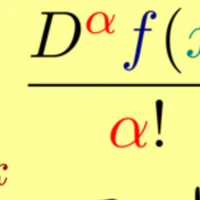
DiffStyler: Diffusion-based Localized Image Style Transfer
Image style transfer aims to imbue digital imagery with the distinctive attributes of style targets, such as colors, brushstrokes, shapes, whilst concurrently preserving the semantic integrity of the content. Despite the advancements in arbitrary style transfer methods, a prevalent challenge remains the delicate equilibrium between content semantics and style attributes. Recent developments in large-scale text-to-image diffusion models have heralded unprecedented synthesis capabilities, albeit at the expense of relying on extensive and often imprecise textual descriptions to delineate artistic styles. Addressing these limitations, this paper introduces DiffStyler, a novel approach that facilitates efficient and precise arbitrary image style transfer. DiffStyler lies the utilization of a text-to-image Stable Diffusion model-based LoRA to encapsulate the essence of style targets. This approach, coupled with strategic cross-LoRA feature and attention injection, guides the style transfer process. The foundation of our methodology is rooted in the observation that LoRA maintains the spatial feature consistency of UNet, a discovery that further inspired the development of a mask-wise style transfer technique. This technique employs masks extracted through a pre-trained FastSAM model, utilizing mask prompts to facilitate feature fusion during the denoising process, thereby enabling localized style transfer that preserves the original image's unaffected regions. Moreover, our approach accommodates multiple style targets through the use of corresponding masks. Through extensive experimentation, we demonstrate that DiffStyler surpasses previous methods in achieving a more harmonious balance between content preservation and style integration.
IPAD: Industrial Process Anomaly Detection Dataset
Video anomaly detection (VAD) is a challenging task aiming to recognize anomalies in video frames, and existing large-scale VAD researches primarily focus on road traffic and human activity scenes. In industrial scenes, there are often a variety of unpredictable anomalies, and the VAD method can play a significant role in these scenarios. However, there is a lack of applicable datasets and methods specifically tailored for industrial production scenarios due to concerns regarding privacy and security. To bridge this gap, we propose a new dataset, IPAD, specifically designed for VAD in industrial scenarios. The industrial processes in our dataset are chosen through on-site factory research and discussions with engineers. This dataset covers 16 different industrial devices and contains over 6 hours of both synthetic and real-world video footage. Moreover, we annotate the key feature of the industrial process, ie, periodicity. Based on the proposed dataset, we introduce a period memory module and a sliding window inspection mechanism to effectively investigate the periodic information in a basic reconstruction model. Our framework leverages LoRA adapter to explore the effective migration of pretrained models, which are initially trained using synthetic data, into real-world scenarios. Our proposed dataset and method will fill the gap in the field of industrial video anomaly detection and drive the process of video understanding tasks as well as smart factory deployment.
Audio-visual Controlled Video Diffusion with Masked Selective State Spaces Modeling for Natural Talking Head Generation
Talking head synthesis is vital for virtual avatars and human-computer interaction. However, most existing methods are typically limited to accepting control from a single primary modality, restricting their practical utility. To this end, we introduce ACTalker, an end-to-end video diffusion framework that supports both multi-signals control and single-signal control for talking head video generation. For multiple control, we design a parallel mamba structure with multiple branches, each utilizing a separate driving signal to control specific facial regions. A gate mechanism is applied across all branches, providing flexible control over video generation. To ensure natural coordination of the controlled video both temporally and spatially, we employ the mamba structure, which enables driving signals to manipulate feature tokens across both dimensions in each branch. Additionally, we introduce a mask-drop strategy that allows each driving signal to independently control its corresponding facial region within the mamba structure, preventing control conflicts. Experimental results demonstrate that our method produces natural-looking facial videos driven by diverse signals and that the mamba layer seamlessly integrates multiple driving modalities without conflict.


TeRA: Vector-based Random Tensor Network for High-Rank Adaptation of Large Language Models
Parameter-Efficient Fine-Tuning (PEFT) methods, such as Low-Rank Adaptation (LoRA), have significantly reduced the number of trainable parameters needed in fine-tuning large language models (LLMs). Subsequent developments of LoRA-style adapters have diverged into two main directions: (1) enhancing model expressivity with high-rank adapters, and (2) pushing for further parameter reduction, as exemplified by vector-based methods. However, these approaches present a trade-off, as achieving the expressivity of high-rank weight updates typically comes at the cost of sacrificing the extreme parameter efficiency offered by vector-based techniques. To address this issue, we propose a vector-based random \textbf{Te}nsor network for high-\textbf{R}ank \textbf{A}daptation (TeRA), a novel PEFT method that achieves high-rank weight updates while retaining the parameter efficiency of vector-based PEFT adapters. This is achieved by parameterizing the tensorized weight update matrix as a Tucker-like tensor network (TN), in which large randomly initialized factors are frozen and shared across layers, while only small layer-specific scaling vectors, formed by entries in diagonal factor matrices, are trained. This design effectively decouples the rank of the weight update matrix from the number of trainable parameters. Comprehensive experiments demonstrate that TeRA matches or even outperforms high-rank adapters, while requiring a trainable parameter count similar to vector-based methods. Theoretical analysis and ablation studies further validate the effectiveness of our approach.


VideoAR: Autoregressive Video Generation via Next-Frame & Scale Prediction
Recent advances in video generation have been dominated by diffusion and flow-matching models, which produce high-quality results but remain computationally intensive and difficult to scale. In this work, we introduce VideoAR, the first large-scale Visual Autoregressive (VAR) framework for video generation that combines multi-scale next-frame prediction with autoregressive modeling. VideoAR disentangles spatial and temporal dependencies by integrating intra-frame VAR modeling with causal next-frame prediction, supported by a 3D multi-scale tokenizer that efficiently encodes spatio-temporal dynamics. To improve long-term consistency, we propose Multi-scale Temporal RoPE, Cross-Frame Error Correction, and Random Frame Mask, which collectively mitigate error propagation and stabilize temporal coherence. Our multi-stage pretraining pipeline progressively aligns spatial and temporal learning across increasing resolutions and durations. Empirically, VideoAR achieves new state-of-the-art results among autoregressive models, improving FVD on UCF-101 from 99.5 to 88.6 while reducing inference steps by over 10x, and reaching a VBench score of 81.74-competitive with diffusion-based models an order of magnitude larger. These results demonstrate that VideoAR narrows the performance gap between autoregressive and diffusion paradigms, offering a scalable, efficient, and temporally consistent foundation for future video generation research.

DiffMorpher: Unleashing the Capability of Diffusion Models for Image Morphing
Diffusion models have achieved remarkable image generation quality surpassing previous generative models. However, a notable limitation of diffusion models, in comparison to GANs, is their difficulty in smoothly interpolating between two image samples, due to their highly unstructured latent space. Such a smooth interpolation is intriguing as it naturally serves as a solution for the image morphing task with many applications. In this work, we present DiffMorpher, the first approach enabling smooth and natural image interpolation using diffusion models. Our key idea is to capture the semantics of the two images by fitting two LoRAs to them respectively, and interpolate between both the LoRA parameters and the latent noises to ensure a smooth semantic transition, where correspondence automatically emerges without the need for annotation. In addition, we propose an attention interpolation and injection technique and a new sampling schedule to further enhance the smoothness between consecutive images. Extensive experiments demonstrate that DiffMorpher achieves starkly better image morphing effects than previous methods across a variety of object categories, bridging a critical functional gap that distinguished diffusion models from GANs.


LoRA+: Efficient Low Rank Adaptation of Large Models
In this paper, we show that Low Rank Adaptation (LoRA) as originally introduced in Hu et al. (2021) leads to suboptimal finetuning of models with large width (embedding dimension). This is due to the fact that adapter matrices A and B in LoRA are updated with the same learning rate. Using scaling arguments for large width networks, we demonstrate that using the same learning rate for A and B does not allow efficient feature learning. We then show that this suboptimality of LoRA can be corrected simply by setting different learning rates for the LoRA adapter matrices A and B with a well-chosen ratio. We call this proposed algorithm LoRA+. In our extensive experiments, LoRA+ improves performance (1-2 % improvements) and finetuning speed (up to sim 2X SpeedUp), at the same computational cost as LoRA.


GraLoRA: Granular Low-Rank Adaptation for Parameter-Efficient Fine-Tuning
Low-Rank Adaptation (LoRA) is a popular method for parameter-efficient fine-tuning (PEFT) of generative models, valued for its simplicity and effectiveness. Despite recent enhancements, LoRA still suffers from a fundamental limitation: overfitting when the bottleneck is widened. It performs best at ranks 32-64, yet its accuracy stagnates or declines at higher ranks, still falling short of full fine-tuning (FFT) performance. We identify the root cause as LoRA's structural bottleneck, which introduces gradient entanglement to the unrelated input channels and distorts gradient propagation. To address this, we introduce a novel structure, Granular Low-Rank Adaptation (GraLoRA) that partitions weight matrices into sub-blocks, each with its own low-rank adapter. With negligible computational or storage cost, GraLoRA overcomes LoRA's limitations, effectively increases the representational capacity, and more closely approximates FFT behavior. Experiments on code generation and commonsense reasoning benchmarks show that GraLoRA consistently outperforms LoRA and other baselines, achieving up to +8.5% absolute gain in Pass@1 on HumanEval+. These improvements hold across model sizes and rank settings, making GraLoRA a scalable and robust solution for PEFT. Code, data, and scripts are available at https://github.com/SqueezeBits/GraLoRA.git


LCM-LoRA: A Universal Stable-Diffusion Acceleration Module
Latent Consistency Models (LCMs) have achieved impressive performance in accelerating text-to-image generative tasks, producing high-quality images with minimal inference steps. LCMs are distilled from pre-trained latent diffusion models (LDMs), requiring only ~32 A100 GPU training hours. This report further extends LCMs' potential in two aspects: First, by applying LoRA distillation to Stable-Diffusion models including SD-V1.5, SSD-1B, and SDXL, we have expanded LCM's scope to larger models with significantly less memory consumption, achieving superior image generation quality. Second, we identify the LoRA parameters obtained through LCM distillation as a universal Stable-Diffusion acceleration module, named LCM-LoRA. LCM-LoRA can be directly plugged into various Stable-Diffusion fine-tuned models or LoRAs without training, thus representing a universally applicable accelerator for diverse image generation tasks. Compared with previous numerical PF-ODE solvers such as DDIM, DPM-Solver, LCM-LoRA can be viewed as a plug-in neural PF-ODE solver that possesses strong generalization abilities. Project page: https://github.com/luosiallen/latent-consistency-model.





One Small Step in Latent, One Giant Leap for Pixels: Fast Latent Upscale Adapter for Your Diffusion Models
Diffusion models struggle to scale beyond their training resolutions, as direct high-resolution sampling is slow and costly, while post-hoc image super-resolution (ISR) introduces artifacts and additional latency by operating after decoding. We present the Latent Upscaler Adapter (LUA), a lightweight module that performs super-resolution directly on the generator's latent code before the final VAE decoding step. LUA integrates as a drop-in component, requiring no modifications to the base model or additional diffusion stages, and enables high-resolution synthesis through a single feed-forward pass in latent space. A shared Swin-style backbone with scale-specific pixel-shuffle heads supports 2x and 4x factors and remains compatible with image-space SR baselines, achieving comparable perceptual quality with nearly 3x lower decoding and upscaling time (adding only +0.42 s for 1024 px generation from 512 px, compared to 1.87 s for pixel-space SR using the same SwinIR architecture). Furthermore, LUA shows strong generalization across the latent spaces of different VAEs, making it easy to deploy without retraining from scratch for each new decoder. Extensive experiments demonstrate that LUA closely matches the fidelity of native high-resolution generation while offering a practical and efficient path to scalable, high-fidelity image synthesis in modern diffusion pipelines.


PaCA: Partial Connection Adaptation for Efficient Fine-Tuning
Prior parameter-efficient fine-tuning (PEFT) algorithms reduce memory usage and computational costs of fine-tuning large neural network models by training only a few additional adapter parameters, rather than the entire model. However, the reduction in computational costs due to PEFT does not necessarily translate to a reduction in training time; although the computational costs of the adapter layers are much smaller than the pretrained layers, it is well known that those two types of layers are processed sequentially on GPUs, resulting in significant latency overhead. LoRA and its variants merge low-rank adapter matrices with pretrained weights during inference to avoid latency overhead, but during training, the pretrained weights remain frozen while the adapter matrices are continuously updated, preventing such merging. To mitigate this issue, we propose Partial Connection Adaptation (PaCA), which fine-tunes randomly selected partial connections within the pretrained weights instead of introducing adapter layers in the model. PaCA not only enhances training speed by eliminating the time overhead due to the sequential processing of the adapter and pretrained layers but also reduces activation memory since only partial activations, rather than full activations, need to be stored for gradient computation. Compared to LoRA, PaCA reduces training time by 22% and total memory usage by 16%, while maintaining comparable accuracy across various fine-tuning scenarios, such as fine-tuning on the MMLU dataset and instruction tuning on the Oasst1 dataset. PaCA can also be combined with quantization, enabling the fine-tuning of large models such as LLaMA3.1-70B. In addition, PaCA enables training with 23% longer sequence and improves throughput by 16% on both NVIDIA A100 GPU and INTEL Gaudi2 HPU compared to LoRA. The code is available at https://github.com/WooSunghyeon/paca.
DreamVideo: Composing Your Dream Videos with Customized Subject and Motion
Customized generation using diffusion models has made impressive progress in image generation, but remains unsatisfactory in the challenging video generation task, as it requires the controllability of both subjects and motions. To that end, we present DreamVideo, a novel approach to generating personalized videos from a few static images of the desired subject and a few videos of target motion. DreamVideo decouples this task into two stages, subject learning and motion learning, by leveraging a pre-trained video diffusion model. The subject learning aims to accurately capture the fine appearance of the subject from provided images, which is achieved by combining textual inversion and fine-tuning of our carefully designed identity adapter. In motion learning, we architect a motion adapter and fine-tune it on the given videos to effectively model the target motion pattern. Combining these two lightweight and efficient adapters allows for flexible customization of any subject with any motion. Extensive experimental results demonstrate the superior performance of our DreamVideo over the state-of-the-art methods for customized video generation. Our project page is at https://dreamvideo-t2v.github.io.



DragVideo: Interactive Drag-style Video Editing
Editing visual content on videos remains a formidable challenge with two main issues: 1) direct and easy user control to produce 2) natural editing results without unsightly distortion and artifacts after changing shape, expression and layout. Inspired by DragGAN, a recent image-based drag-style editing technique, we address above issues by proposing DragVideo, where a similar drag-style user interaction is adopted to edit video content while maintaining temporal consistency. Empowered by recent diffusion models as in DragDiffusion, DragVideo contains the novel Drag-on-Video U-Net (DoVe) editing method, which optimizes diffused video latents generated by video U-Net to achieve the desired control. Specifically, we use Sample-specific LoRA fine-tuning and Mutual Self-Attention control to ensure faithful reconstruction of video from the DoVe method. We also present a series of testing examples for drag-style video editing and conduct extensive experiments across a wide array of challenging editing tasks, such as motion editing, skeleton editing, etc, underscoring DragVideo's versatility and generality. Our codes including the DragVideo web user interface will be released.


CamMimic: Zero-Shot Image To Camera Motion Personalized Video Generation Using Diffusion Models
We introduce CamMimic, an innovative algorithm tailored for dynamic video editing needs. It is designed to seamlessly transfer the camera motion observed in a given reference video onto any scene of the user's choice in a zero-shot manner without requiring any additional data. Our algorithm achieves this using a two-phase strategy by leveraging a text-to-video diffusion model. In the first phase, we develop a multi-concept learning method using a combination of LoRA layers and an orthogonality loss to capture and understand the underlying spatial-temporal characteristics of the reference video as well as the spatial features of the user's desired scene. The second phase proposes a unique homography-based refinement strategy to enhance the temporal and spatial alignment of the generated video. We demonstrate the efficacy of our method through experiments conducted on a dataset containing combinations of diverse scenes and reference videos containing a variety of camera motions. In the absence of an established metric for assessing camera motion transfer between unrelated scenes, we propose CameraScore, a novel metric that utilizes homography representations to measure camera motion similarity between the reference and generated videos. Extensive quantitative and qualitative evaluations demonstrate that our approach generates high-quality, motion-enhanced videos. Additionally, a user study reveals that 70.31% of participants preferred our method for scene preservation, while 90.45% favored it for motion transfer. We hope this work lays the foundation for future advancements in camera motion transfer across different scenes.
TLB-VFI: Temporal-Aware Latent Brownian Bridge Diffusion for Video Frame Interpolation
Video Frame Interpolation (VFI) aims to predict the intermediate frame I_n (we use n to denote time in videos to avoid notation overload with the timestep t in diffusion models) based on two consecutive neighboring frames I_0 and I_1. Recent approaches apply diffusion models (both image-based and video-based) in this task and achieve strong performance. However, image-based diffusion models are unable to extract temporal information and are relatively inefficient compared to non-diffusion methods. Video-based diffusion models can extract temporal information, but they are too large in terms of training scale, model size, and inference time. To mitigate the above issues, we propose Temporal-Aware Latent Brownian Bridge Diffusion for Video Frame Interpolation (TLB-VFI), an efficient video-based diffusion model. By extracting rich temporal information from video inputs through our proposed 3D-wavelet gating and temporal-aware autoencoder, our method achieves 20% improvement in FID on the most challenging datasets over recent SOTA of image-based diffusion models. Meanwhile, due to the existence of rich temporal information, our method achieves strong performance while having 3times fewer parameters. Such a parameter reduction results in 2.3x speed up. By incorporating optical flow guidance, our method requires 9000x less training data and achieves over 20x fewer parameters than video-based diffusion models. Codes and results are available at our project page: https://zonglinl.github.io/tlbvfi_page.

RealisVSR: Detail-enhanced Diffusion for Real-World 4K Video Super-Resolution
Video Super-Resolution (VSR) has achieved significant progress through diffusion models, effectively addressing the over-smoothing issues inherent in GAN-based methods. Despite recent advances, three critical challenges persist in VSR community: 1) Inconsistent modeling of temporal dynamics in foundational models; 2) limited high-frequency detail recovery under complex real-world degradations; and 3) insufficient evaluation of detail enhancement and 4K super-resolution, as current methods primarily rely on 720P datasets with inadequate details. To address these challenges, we propose RealisVSR, a high-frequency detail-enhanced video diffusion model with three core innovations: 1) Consistency Preserved ControlNet (CPC) architecture integrated with the Wan2.1 video diffusion to model the smooth and complex motions and suppress artifacts; 2) High-Frequency Rectified Diffusion Loss (HR-Loss) combining wavelet decomposition and HOG feature constraints for texture restoration; 3) RealisVideo-4K, the first public 4K VSR benchmark containing 1,000 high-definition video-text pairs. Leveraging the advanced spatio-temporal guidance of Wan2.1, our method requires only 5-25% of the training data volume compared to existing approaches. Extensive experiments on VSR benchmarks (REDS, SPMCS, UDM10, YouTube-HQ, VideoLQ, RealisVideo-720P) demonstrate our superiority, particularly in ultra-high-resolution scenarios.
LoRA-Mixer: Coordinate Modular LoRA Experts Through Serial Attention Routing
Recent efforts to combine low-rank adaptation (LoRA) with mixture-of-experts (MoE) for adapting large language models (LLMs) to multiple tasks still exhibit prevailing limitations: they either swap entire attention/feed-forward layers for switch experts or bolt on parallel expert branches, diluting parameter efficiency and task fidelity. We propose the LoRA-Mixer, a modular and lightweight MoE framework that integrates LoRA experts. Our core innovation lies in replacing the projection matrices of the attention module's input/output linear layers with dynamically routed, task-specific LoRA experts. This design ensures seamless compatibility with diverse foundation models, including transformers and state space models (SSMs), by leveraging their inherent linear projection structures. The framework supports two operational paradigms: (1) joint optimization of LoRA experts and routing mechanisms via a novel hard-soft routing strategy, or (2) direct deployment of pre-trained, frozen LoRA modules sourced from external repositories. To enable robust router training with limited data while ensuring stable routing decisions and maximizing expert reuse, we introduce an adaptive Specialization Balance Loss (SBL) that jointly optimizes expert balance and task-specific alignment. Extensive experiments on seven benchmark datasets, including MedQA, CoLA, SST-2, GSM8K, ARC-E, ARC-C, and HumanEval, demonstrate the effectiveness of LoRA-Mixer. On datasets such as GSM8K, HumanEval, and MedQA, LoRA-Mixer achieves significant improvements of 7.61%, 4.88%, and 3.08% over the base models, respectively. Compared with state-of-the-art methods, LoRA-Mixer achieves additional improvements of 1.09%, 1.45%, and 1.68%, respectively, using only 48% of the parameters, demonstrating its efficiency and strong performance.
PLoP: Precise LoRA Placement for Efficient Finetuning of Large Models
Low-Rank Adaptation (LoRA) is a widely used finetuning method for large models. Its small memory footprint allows practitioners to adapt large models to specific tasks at a fraction of the cost of full finetuning. Different modifications have been proposed to enhance its efficiency by, for example, setting the learning rate, the rank, and the initialization. Another improvement axis is adapter placement strategy: when using LoRA, practitioners usually pick module types to adapt with LoRA, such as Query and Key modules. Few works have studied the problem of adapter placement, with nonconclusive results: original LoRA paper suggested placing adapters in attention modules, while other works suggested placing them in the MLP modules. Through an intuitive theoretical analysis, we introduce PLoP (Precise LoRA Placement), a lightweight method that allows automatic identification of module types where LoRA adapters should be placed, given a pretrained model and a finetuning task. We demonstrate that PLoP consistently outperforms, and in the worst case competes, with commonly used placement strategies through comprehensive experiments on supervised finetuning and reinforcement learning for reasoning.
LoRA-GA: Low-Rank Adaptation with Gradient Approximation
Fine-tuning large-scale pretrained models is prohibitively expensive in terms of computational and memory costs. LoRA, as one of the most popular Parameter-Efficient Fine-Tuning (PEFT) methods, offers a cost-effective alternative by fine-tuning an auxiliary low-rank model that has significantly fewer parameters. Although LoRA reduces the computational and memory requirements significantly at each iteration, extensive empirical evidence indicates that it converges at a considerably slower rate compared to full fine-tuning, ultimately leading to increased overall compute and often worse test performance. In our paper, we perform an in-depth investigation of the initialization method of LoRA and show that careful initialization (without any change of the architecture and the training algorithm) can significantly enhance both efficiency and performance. In particular, we introduce a novel initialization method, LoRA-GA (Low Rank Adaptation with Gradient Approximation), which aligns the gradients of low-rank matrix product with those of full fine-tuning at the first step. Our extensive experiments demonstrate that LoRA-GA achieves a convergence rate comparable to that of full fine-tuning (hence being significantly faster than vanilla LoRA as well as various recent improvements) while simultaneously attaining comparable or even better performance. For example, on the subset of the GLUE dataset with T5-Base, LoRA-GA outperforms LoRA by 5.69% on average. On larger models such as Llama 2-7B, LoRA-GA shows performance improvements of 0.34, 11.52%, and 5.05% on MT-bench, GSM8K, and Human-eval, respectively. Additionally, we observe up to 2-4 times convergence speed improvement compared to vanilla LoRA, validating its effectiveness in accelerating convergence and enhancing model performance. Code is available at https://github.com/Outsider565/LoRA-GA.
MagicStick: Controllable Video Editing via Control Handle Transformations
Text-based video editing has recently attracted considerable interest in changing the style or replacing the objects with a similar structure. Beyond this, we demonstrate that properties such as shape, size, location, motion, etc., can also be edited in videos. Our key insight is that the keyframe transformations of the specific internal feature (e.g., edge maps of objects or human pose), can easily propagate to other frames to provide generation guidance. We thus propose MagicStick, a controllable video editing method that edits the video properties by utilizing the transformation on the extracted internal control signals. In detail, to keep the appearance, we inflate both the pretrained image diffusion model and ControlNet to the temporal dimension and train low-rank adaptions (LORA) layers to fit the specific scenes. Then, in editing, we perform an inversion and editing framework. Differently, finetuned ControlNet is introduced in both inversion and generation for attention guidance with the proposed attention remix between the spatial attention maps of inversion and editing. Yet succinct, our method is the first method to show the ability of video property editing from the pre-trained text-to-image model. We present experiments on numerous examples within our unified framework. We also compare with shape-aware text-based editing and handcrafted motion video generation, demonstrating our superior temporal consistency and editing capability than previous works. The code and models will be made publicly available.


AC-LoRA: Auto Component LoRA for Personalized Artistic Style Image Generation
Personalized image generation allows users to preserve styles or subjects of a provided small set of images for further image generation. With the advancement in large text-to-image models, many techniques have been developed to efficiently fine-tune those models for personalization, such as Low Rank Adaptation (LoRA). However, LoRA-based methods often face the challenge of adjusting the rank parameter to achieve satisfactory results. To address this challenge, AutoComponent-LoRA (AC-LoRA) is proposed, which is able to automatically separate the signal component and noise component of the LoRA matrices for fast and efficient personalized artistic style image generation. This method is based on Singular Value Decomposition (SVD) and dynamic heuristics to update the hyperparameters during training. Superior performance over existing methods in overcoming model underfitting or overfitting problems is demonstrated. The results were validated using FID, CLIP, DINO, and ImageReward, achieving an average of 9% improvement.

TransPixar: Advancing Text-to-Video Generation with Transparency
Text-to-video generative models have made significant strides, enabling diverse applications in entertainment, advertising, and education. However, generating RGBA video, which includes alpha channels for transparency, remains a challenge due to limited datasets and the difficulty of adapting existing models. Alpha channels are crucial for visual effects (VFX), allowing transparent elements like smoke and reflections to blend seamlessly into scenes. We introduce TransPixar, a method to extend pretrained video models for RGBA generation while retaining the original RGB capabilities. TransPixar leverages a diffusion transformer (DiT) architecture, incorporating alpha-specific tokens and using LoRA-based fine-tuning to jointly generate RGB and alpha channels with high consistency. By optimizing attention mechanisms, TransPixar preserves the strengths of the original RGB model and achieves strong alignment between RGB and alpha channels despite limited training data. Our approach effectively generates diverse and consistent RGBA videos, advancing the possibilities for VFX and interactive content creation.


Diffusion as Shader: 3D-aware Video Diffusion for Versatile Video Generation Control
Diffusion models have demonstrated impressive performance in generating high-quality videos from text prompts or images. However, precise control over the video generation process, such as camera manipulation or content editing, remains a significant challenge. Existing methods for controlled video generation are typically limited to a single control type, lacking the flexibility to handle diverse control demands. In this paper, we introduce Diffusion as Shader (DaS), a novel approach that supports multiple video control tasks within a unified architecture. Our key insight is that achieving versatile video control necessitates leveraging 3D control signals, as videos are fundamentally 2D renderings of dynamic 3D content. Unlike prior methods limited to 2D control signals, DaS leverages 3D tracking videos as control inputs, making the video diffusion process inherently 3D-aware. This innovation allows DaS to achieve a wide range of video controls by simply manipulating the 3D tracking videos. A further advantage of using 3D tracking videos is their ability to effectively link frames, significantly enhancing the temporal consistency of the generated videos. With just 3 days of fine-tuning on 8 H800 GPUs using less than 10k videos, DaS demonstrates strong control capabilities across diverse tasks, including mesh-to-video generation, camera control, motion transfer, and object manipulation.



DiffusionAtlas: High-Fidelity Consistent Diffusion Video Editing
We present a diffusion-based video editing framework, namely DiffusionAtlas, which can achieve both frame consistency and high fidelity in editing video object appearance. Despite the success in image editing, diffusion models still encounter significant hindrances when it comes to video editing due to the challenge of maintaining spatiotemporal consistency in the object's appearance across frames. On the other hand, atlas-based techniques allow propagating edits on the layered representations consistently back to frames. However, they often struggle to create editing effects that adhere correctly to the user-provided textual or visual conditions due to the limitation of editing the texture atlas on a fixed UV mapping field. Our method leverages a visual-textual diffusion model to edit objects directly on the diffusion atlases, ensuring coherent object identity across frames. We design a loss term with atlas-based constraints and build a pretrained text-driven diffusion model as pixel-wise guidance for refining shape distortions and correcting texture deviations. Qualitative and quantitative experiments show that our method outperforms state-of-the-art methods in achieving consistent high-fidelity video-object editing.
Mix-of-Show: Decentralized Low-Rank Adaptation for Multi-Concept Customization of Diffusion Models
Public large-scale text-to-image diffusion models, such as Stable Diffusion, have gained significant attention from the community. These models can be easily customized for new concepts using low-rank adaptations (LoRAs). However, the utilization of multiple concept LoRAs to jointly support multiple customized concepts presents a challenge. We refer to this scenario as decentralized multi-concept customization, which involves single-client concept tuning and center-node concept fusion. In this paper, we propose a new framework called Mix-of-Show that addresses the challenges of decentralized multi-concept customization, including concept conflicts resulting from existing single-client LoRA tuning and identity loss during model fusion. Mix-of-Show adopts an embedding-decomposed LoRA (ED-LoRA) for single-client tuning and gradient fusion for the center node to preserve the in-domain essence of single concepts and support theoretically limitless concept fusion. Additionally, we introduce regionally controllable sampling, which extends spatially controllable sampling (e.g., ControlNet and T2I-Adaptor) to address attribute binding and missing object problems in multi-concept sampling. Extensive experiments demonstrate that Mix-of-Show is capable of composing multiple customized concepts with high fidelity, including characters, objects, and scenes.

S-LoRA: Serving Thousands of Concurrent LoRA Adapters
The "pretrain-then-finetune" paradigm is commonly adopted in the deployment of large language models. Low-Rank Adaptation (LoRA), a parameter-efficient fine-tuning method, is often employed to adapt a base model to a multitude of tasks, resulting in a substantial collection of LoRA adapters derived from one base model. We observe that this paradigm presents significant opportunities for batched inference during serving. To capitalize on these opportunities, we present S-LoRA, a system designed for the scalable serving of many LoRA adapters. S-LoRA stores all adapters in the main memory and fetches the adapters used by the currently running queries to the GPU memory. To efficiently use the GPU memory and reduce fragmentation, S-LoRA proposes Unified Paging. Unified Paging uses a unified memory pool to manage dynamic adapter weights with different ranks and KV cache tensors with varying sequence lengths. Additionally, S-LoRA employs a novel tensor parallelism strategy and highly optimized custom CUDA kernels for heterogeneous batching of LoRA computation. Collectively, these features enable S-LoRA to serve thousands of LoRA adapters on a single GPU or across multiple GPUs with a small overhead. Compared to state-of-the-art libraries such as HuggingFace PEFT and vLLM (with naive support of LoRA serving), S-LoRA can improve the throughput by up to 4 times and increase the number of served adapters by several orders of magnitude. As a result, S-LoRA enables scalable serving of many task-specific fine-tuned models and offers the potential for large-scale customized fine-tuning services.





LeMiCa: Lexicographic Minimax Path Caching for Efficient Diffusion-Based Video Generation
We present LeMiCa, a training-free and efficient acceleration framework for diffusion-based video generation. While existing caching strategies primarily focus on reducing local heuristic errors, they often overlook the accumulation of global errors, leading to noticeable content degradation between accelerated and original videos. To address this issue, we formulate cache scheduling as a directed graph with error-weighted edges and introduce a Lexicographic Minimax Path Optimization strategy that explicitly bounds the worst-case path error. This approach substantially improves the consistency of global content and style across generated frames. Extensive experiments on multiple text-to-video benchmarks demonstrate that LeMiCa delivers dual improvements in both inference speed and generation quality. Notably, our method achieves a 2.9x speedup on the Latte model and reaches an LPIPS score of 0.05 on Open-Sora, outperforming prior caching techniques. Importantly, these gains come with minimal perceptual quality degradation, making LeMiCa a robust and generalizable paradigm for accelerating diffusion-based video generation. We believe this approach can serve as a strong foundation for future research on efficient and reliable video synthesis. Our code is available at :https://github.com/UnicomAI/LeMiCa
CineScale: Free Lunch in High-Resolution Cinematic Visual Generation
Visual diffusion models achieve remarkable progress, yet they are typically trained at limited resolutions due to the lack of high-resolution data and constrained computation resources, hampering their ability to generate high-fidelity images or videos at higher resolutions. Recent efforts have explored tuning-free strategies to exhibit the untapped potential higher-resolution visual generation of pre-trained models. However, these methods are still prone to producing low-quality visual content with repetitive patterns. The key obstacle lies in the inevitable increase in high-frequency information when the model generates visual content exceeding its training resolution, leading to undesirable repetitive patterns deriving from the accumulated errors. In this work, we propose CineScale, a novel inference paradigm to enable higher-resolution visual generation. To tackle the various issues introduced by the two types of video generation architectures, we propose dedicated variants tailored to each. Unlike existing baseline methods that are confined to high-resolution T2I and T2V generation, CineScale broadens the scope by enabling high-resolution I2V and V2V synthesis, built atop state-of-the-art open-source video generation frameworks. Extensive experiments validate the superiority of our paradigm in extending the capabilities of higher-resolution visual generation for both image and video models. Remarkably, our approach enables 8k image generation without any fine-tuning, and achieves 4k video generation with only minimal LoRA fine-tuning. Generated video samples are available at our website: https://eyeline-labs.github.io/CineScale/.

Probabilistic Adaptation of Text-to-Video Models
Large text-to-video models trained on internet-scale data have demonstrated exceptional capabilities in generating high-fidelity videos from arbitrary textual descriptions. However, adapting these models to tasks with limited domain-specific data, such as animation or robotics videos, poses a significant computational challenge, since finetuning a pretrained large model can be prohibitively expensive. Inspired by how a small modifiable component (e.g., prompts, prefix-tuning) can adapt a large language model to perform new tasks without requiring access to the model weights, we investigate how to adapt a large pretrained text-to-video model to a variety of downstream domains and tasks without finetuning. In answering this question, we propose Video Adapter, which leverages the score function of a large pretrained video diffusion model as a probabilistic prior to guide the generation of a task-specific small video model. Our experiments show that Video Adapter is capable of incorporating the broad knowledge and preserving the high fidelity of a large pretrained video model in a task-specific small video model that is able to generate high-quality yet specialized videos on a variety of tasks such as animation, egocentric modeling, and modeling of simulated and real-world robotics data. More videos can be found on the website https://video-adapter.github.io/.


LoViC: Efficient Long Video Generation with Context Compression
Despite recent advances in diffusion transformers (DiTs) for text-to-video generation, scaling to long-duration content remains challenging due to the quadratic complexity of self-attention. While prior efforts -- such as sparse attention and temporally autoregressive models -- offer partial relief, they often compromise temporal coherence or scalability. We introduce LoViC, a DiT-based framework trained on million-scale open-domain videos, designed to produce long, coherent videos through a segment-wise generation process. At the core of our approach is FlexFormer, an expressive autoencoder that jointly compresses video and text into unified latent representations. It supports variable-length inputs with linearly adjustable compression rates, enabled by a single query token design based on the Q-Former architecture. Additionally, by encoding temporal context through position-aware mechanisms, our model seamlessly supports prediction, retradiction, interpolation, and multi-shot generation within a unified paradigm. Extensive experiments across diverse tasks validate the effectiveness and versatility of our approach.
Trans-LoRA: towards data-free Transferable Parameter Efficient Finetuning
Low-rank adapters (LoRA) and their variants are popular parameter-efficient fine-tuning (PEFT) techniques that closely match full model fine-tune performance while requiring only a small number of additional parameters. These additional LoRA parameters are specific to the base model being adapted. When the base model needs to be deprecated and replaced with a new one, all the associated LoRA modules need to be re-trained. Such re-training requires access to the data used to train the LoRA for the original base model. This is especially problematic for commercial cloud applications where the LoRA modules and the base models are hosted by service providers who may not be allowed to host proprietary client task data. To address this challenge, we propose Trans-LoRA -- a novel method for lossless, nearly data-free transfer of LoRAs across base models. Our approach relies on synthetic data to transfer LoRA modules. Using large language models, we design a synthetic data generator to approximate the data-generating process of the observed task data subset. Training on the resulting synthetic dataset transfers LoRA modules to new models. We show the effectiveness of our approach using both LLama and Gemma model families. Our approach achieves lossless (mostly improved) LoRA transfer between models within and across different base model families, and even between different PEFT methods, on a wide variety of tasks.




The Expressive Power of Low-Rank Adaptation
Low-Rank Adaptation (LoRA), a parameter-efficient fine-tuning method that leverages low-rank adaptation of weight matrices, has emerged as a prevalent technique for fine-tuning pre-trained models such as large language models and diffusion models. Despite its huge success in practice, the theoretical underpinnings of LoRA have largely remained unexplored. This paper takes the first step to bridge this gap by theoretically analyzing the expressive power of LoRA. We prove that, for fully connected neural networks, LoRA can adapt any model f to accurately represent any smaller target model f if LoRA-rank geq(width of f) times text{depth of f}{depth of f}. We also quantify the approximation error when LoRA-rank is lower than the threshold. For Transformer networks, we show any model can be adapted to a target model of the same size with rank-(text{embedding size}{2}) LoRA adapters.

DOVE: Efficient One-Step Diffusion Model for Real-World Video Super-Resolution
Diffusion models have demonstrated promising performance in real-world video super-resolution (VSR). However, the dozens of sampling steps they require, make inference extremely slow. Sampling acceleration techniques, particularly single-step, provide a potential solution. Nonetheless, achieving one step in VSR remains challenging, due to the high training overhead on video data and stringent fidelity demands. To tackle the above issues, we propose DOVE, an efficient one-step diffusion model for real-world VSR. DOVE is obtained by fine-tuning a pretrained video diffusion model (*i.e.*, CogVideoX). To effectively train DOVE, we introduce the latent-pixel training strategy. The strategy employs a two-stage scheme to gradually adapt the model to the video super-resolution task. Meanwhile, we design a video processing pipeline to construct a high-quality dataset tailored for VSR, termed HQ-VSR. Fine-tuning on this dataset further enhances the restoration capability of DOVE. Extensive experiments show that DOVE exhibits comparable or superior performance to multi-step diffusion-based VSR methods. It also offers outstanding inference efficiency, achieving up to a **28times** speed-up over existing methods such as MGLD-VSR. Code is available at: https://github.com/zhengchen1999/DOVE.
EasyControl: Adding Efficient and Flexible Control for Diffusion Transformer
Recent advancements in Unet-based diffusion models, such as ControlNet and IP-Adapter, have introduced effective spatial and subject control mechanisms. However, the DiT (Diffusion Transformer) architecture still struggles with efficient and flexible control. To tackle this issue, we propose EasyControl, a novel framework designed to unify condition-guided diffusion transformers with high efficiency and flexibility. Our framework is built on three key innovations. First, we introduce a lightweight Condition Injection LoRA Module. This module processes conditional signals in isolation, acting as a plug-and-play solution. It avoids modifying the base model weights, ensuring compatibility with customized models and enabling the flexible injection of diverse conditions. Notably, this module also supports harmonious and robust zero-shot multi-condition generalization, even when trained only on single-condition data. Second, we propose a Position-Aware Training Paradigm. This approach standardizes input conditions to fixed resolutions, allowing the generation of images with arbitrary aspect ratios and flexible resolutions. At the same time, it optimizes computational efficiency, making the framework more practical for real-world applications. Third, we develop a Causal Attention Mechanism combined with the KV Cache technique, adapted for conditional generation tasks. This innovation significantly reduces the latency of image synthesis, improving the overall efficiency of the framework. Through extensive experiments, we demonstrate that EasyControl achieves exceptional performance across various application scenarios. These innovations collectively make our framework highly efficient, flexible, and suitable for a wide range of tasks.




HyperLoRA: Parameter-Efficient Adaptive Generation for Portrait Synthesis
Personalized portrait synthesis, essential in domains like social entertainment, has recently made significant progress. Person-wise fine-tuning based methods, such as LoRA and DreamBooth, can produce photorealistic outputs but need training on individual samples, consuming time and resources and posing an unstable risk. Adapter based techniques such as IP-Adapter freeze the foundational model parameters and employ a plug-in architecture to enable zero-shot inference, but they often exhibit a lack of naturalness and authenticity, which are not to be overlooked in portrait synthesis tasks. In this paper, we introduce a parameter-efficient adaptive generation method, namely HyperLoRA, that uses an adaptive plug-in network to generate LoRA weights, merging the superior performance of LoRA with the zero-shot capability of adapter scheme. Through our carefully designed network structure and training strategy, we achieve zero-shot personalized portrait generation (supporting both single and multiple image inputs) with high photorealism, fidelity, and editability.

Compress then Serve: Serving Thousands of LoRA Adapters with Little Overhead
Fine-tuning large language models (LLMs) with low-rank adapters (LoRAs) has become common practice, often yielding numerous copies of the same LLM differing only in their LoRA updates. This paradigm presents challenges for systems that serve real-time responses to queries that each involve a different LoRA. Prior works optimize the design of such systems but still require continuous loading and offloading of LoRAs, as it is infeasible to store thousands of LoRAs in GPU memory. To mitigate this issue, we investigate the efficacy of compression when serving LoRA adapters. We consider compressing adapters individually via SVD and propose a method for joint compression of LoRAs into a shared basis paired with LoRA-specific scaling matrices. Our experiments with up to 500 LoRAs demonstrate that compressed LoRAs preserve performance while offering major throughput gains in realistic serving scenarios with over a thousand LoRAs, maintaining 75% of the throughput of serving a single LoRA.

NUWA-XL: Diffusion over Diffusion for eXtremely Long Video Generation
In this paper, we propose NUWA-XL, a novel Diffusion over Diffusion architecture for eXtremely Long video generation. Most current work generates long videos segment by segment sequentially, which normally leads to the gap between training on short videos and inferring long videos, and the sequential generation is inefficient. Instead, our approach adopts a ``coarse-to-fine'' process, in which the video can be generated in parallel at the same granularity. A global diffusion model is applied to generate the keyframes across the entire time range, and then local diffusion models recursively fill in the content between nearby frames. This simple yet effective strategy allows us to directly train on long videos (3376 frames) to reduce the training-inference gap, and makes it possible to generate all segments in parallel. To evaluate our model, we build FlintstonesHD dataset, a new benchmark for long video generation. Experiments show that our model not only generates high-quality long videos with both global and local coherence, but also decreases the average inference time from 7.55min to 26s (by 94.26\%) at the same hardware setting when generating 1024 frames. The homepage link is https://msra-nuwa.azurewebsites.net/

