
Get trending papers in your email inbox once a day!
Get trending papers in your email inbox!
Subscribe
Optimizing Privacy-Utility Trade-off in Decentralized Learning with Generalized Correlated Noise
Decentralized learning enables distributed agents to collaboratively train a shared machine learning model without a central server, through local computation and peer-to-peer communication. Although each agent retains its dataset locally, sharing local models can still expose private information about the local training datasets to adversaries. To mitigate privacy attacks, a common strategy is to inject random artificial noise at each agent before exchanging local models between neighbors. However, this often leads to utility degradation due to the negative effects of cumulated artificial noise on the learning algorithm. In this work, we introduce CorN-DSGD, a novel covariance-based framework for generating correlated privacy noise across agents, which unifies several state-of-the-art methods as special cases. By leveraging network topology and mixing weights, CorN-DSGD optimizes the noise covariance to achieve network-wide noise cancellation. Experimental results show that CorN-DSGD cancels more noise than existing pairwise correlation schemes, improving model performance under formal privacy guarantees.
Learning Unnormalized Statistical Models via Compositional Optimization
Learning unnormalized statistical models (e.g., energy-based models) is computationally challenging due to the complexity of handling the partition function. To eschew this complexity, noise-contrastive estimation~(NCE) has been proposed by formulating the objective as the logistic loss of the real data and the artificial noise. However, as found in previous works, NCE may perform poorly in many tasks due to its flat loss landscape and slow convergence. In this paper, we study it a direct approach for optimizing the negative log-likelihood of unnormalized models from the perspective of compositional optimization. To tackle the partition function, a noise distribution is introduced such that the log partition function can be written as a compositional function whose inner function can be estimated with stochastic samples. Hence, the objective can be optimized by stochastic compositional optimization algorithms. Despite being a simple method, we demonstrate that it is more favorable than NCE by (1) establishing a fast convergence rate and quantifying its dependence on the noise distribution through the variance of stochastic estimators; (2) developing better results for one-dimensional Gaussian mean estimation by showing our objective has a much favorable loss landscape and hence our method enjoys faster convergence; (3) demonstrating better performance on multiple applications, including density estimation, out-of-distribution detection, and real image generation.

Looking for a Needle in a Haystack: A Comprehensive Study of Hallucinations in Neural Machine Translation
Although the problem of hallucinations in neural machine translation (NMT) has received some attention, research on this highly pathological phenomenon lacks solid ground. Previous work has been limited in several ways: it often resorts to artificial settings where the problem is amplified, it disregards some (common) types of hallucinations, and it does not validate adequacy of detection heuristics. In this paper, we set foundations for the study of NMT hallucinations. First, we work in a natural setting, i.e., in-domain data without artificial noise neither in training nor in inference. Next, we annotate a dataset of over 3.4k sentences indicating different kinds of critical errors and hallucinations. Then, we turn to detection methods and both revisit methods used previously and propose using glass-box uncertainty-based detectors. Overall, we show that for preventive settings, (i) previously used methods are largely inadequate, (ii) sequence log-probability works best and performs on par with reference-based methods. Finally, we propose DeHallucinator, a simple method for alleviating hallucinations at test time that significantly reduces the hallucinatory rate. To ease future research, we release our annotated dataset for WMT18 German-English data, along with the model, training data, and code.

SHINE: Deep Learning-Based Accessible Parking Management System
The ongoing expansion of urban areas facilitated by advancements in science and technology has resulted in a considerable increase in the number of privately owned vehicles worldwide, including in South Korea. However, this gradual increment in the number of vehicles has inevitably led to parking-related issues, including the abuse of disabled parking spaces (hereafter referred to as accessible parking spaces) designated for individuals with disabilities. Traditional license plate recognition (LPR) systems have proven inefficient in addressing such a problem in real-time due to the high frame rate of surveillance cameras, the presence of natural and artificial noise, and variations in lighting and weather conditions that impede detection and recognition by these systems. With the growing concept of parking 4.0, many sensors, IoT and deep learning-based approaches have been applied to automatic LPR and parking management systems. Nonetheless, the studies show a need for a robust and efficient model for managing accessible parking spaces in South Korea. To address this, we have proposed a novel system called, Shine, which uses the deep learning-based object detection algorithm for detecting the vehicle, license plate, and disability badges (referred to as cards, badges, or access badges hereafter) and verifies the rights of the driver to use accessible parking spaces by coordinating with the central server. Our model, which achieves a mean average precision of 92.16%, is expected to address the issue of accessible parking space abuse and contributes significantly towards efficient and effective parking management in urban environments.
Artificial Neural Variability for Deep Learning: On Overfitting, Noise Memorization, and Catastrophic Forgetting
Deep learning is often criticized by two serious issues which rarely exist in natural nervous systems: overfitting and catastrophic forgetting. It can even memorize randomly labelled data, which has little knowledge behind the instance-label pairs. When a deep network continually learns over time by accommodating new tasks, it usually quickly overwrites the knowledge learned from previous tasks. Referred to as the {\it neural variability}, it is well-known in neuroscience that human brain reactions exhibit substantial variability even in response to the same stimulus. This mechanism balances accuracy and plasticity/flexibility in the motor learning of natural nervous systems. Thus it motivates us to design a similar mechanism named {\it artificial neural variability} (ANV), which helps artificial neural networks learn some advantages from ``natural'' neural networks. We rigorously prove that ANV plays as an implicit regularizer of the mutual information between the training data and the learned model. This result theoretically guarantees ANV a strictly improved generalizability, robustness to label noise, and robustness to catastrophic forgetting. We then devise a {\it neural variable risk minimization} (NVRM) framework and {\it neural variable optimizers} to achieve ANV for conventional network architectures in practice. The empirical studies demonstrate that NVRM can effectively relieve overfitting, label noise memorization, and catastrophic forgetting at negligible costs. Code: \url{https://github.com/zeke-xie/artificial-neural-variability-for-deep-learning.
Noise Consistency Training: A Native Approach for One-Step Generator in Learning Additional Controls
The pursuit of efficient and controllable high-quality content generation remains a central challenge in artificial intelligence-generated content (AIGC). While one-step generators, enabled by diffusion distillation techniques, offer excellent generation quality and computational efficiency, adapting them to new control conditions--such as structural constraints, semantic guidelines, or external inputs--poses a significant challenge. Conventional approaches often necessitate computationally expensive modifications to the base model and subsequent diffusion distillation. This paper introduces Noise Consistency Training (NCT), a novel and lightweight approach to directly integrate new control signals into pre-trained one-step generators without requiring access to original training images or retraining the base diffusion model. NCT operates by introducing an adapter module and employs a noise consistency loss in the noise space of the generator. This loss aligns the adapted model's generation behavior across noises that are conditionally dependent to varying degrees, implicitly guiding it to adhere to the new control. Theoretically, this training objective can be understood as minimizing the distributional distance between the adapted generator and the conditional distribution induced by the new conditions. NCT is modular, data-efficient, and easily deployable, relying only on the pre-trained one-step generator and a control signal model. Extensive experiments demonstrate that NCT achieves state-of-the-art controllable generation in a single forward pass, surpassing existing multi-step and distillation-based methods in both generation quality and computational efficiency. Code is available at https://github.com/Luo-Yihong/NCT

Robust Associative Memories Naturally Occuring From Recurrent Hebbian Networks Under Noise
The brain is a noisy system subject to energy constraints. These facts are rarely taken into account when modelling artificial neural networks. In this paper, we are interested in demonstrating that those factors can actually lead to the appearance of robust associative memories. We first propose a simplified model of noise in the brain, taking into account synaptic noise and interference from neurons external to the network. When coarsely quantized, we show that this noise can be reduced to insertions and erasures. We take a neural network with recurrent modifiable connections, and subject it to noisy external inputs. We introduce an energy usage limitation principle in the network as well as consolidated Hebbian learning, resulting in an incremental processing of inputs. We show that the connections naturally formed correspond to state-of-the-art binary sparse associative memories.

Validation of artificial neural networks to model the acoustic behaviour of induction motors
In the last decade, the sound quality of electric induction motors is a hot topic in the research field. Specially, due to its high number of applications, the population is exposed to physical and psychological discomfort caused by the noise emission. Therefore, it is necessary to minimise its psychological impact on the population. In this way, the main goal of this work is to evaluate the use of multitask artificial neural networks as a modelling technique for simultaneously predicting psychoacoustic parameters of induction motors. Several inputs are used, such as, the electrical magnitudes of the motor power signal and the number of poles, instead of separating the noise of the electric motor from the environmental noise. Two different kind of artificial neural networks are proposed to evaluate the acoustic quality of induction motors, by using the equivalent sound pressure, the loudness, the roughness and the sharpness as outputs. Concretely, two different topologies have been considered: simple models and more complex models. The former are more interpretable, while the later lead to higher accuracy at the cost of hiding the cause-effect relationship. Focusing on the simple interpretable models, product unit neural networks achieved the best results: for MSE and for SEP. The main benefit of this product unit model is its simplicity, since only 10 inputs variables are used, outlining the effective transfer mechanism of multitask artificial neural networks to extract common features of multiple tasks. Finally, a deep analysis of the acoustic quality of induction motors in done using the best product unit neural networks.
Brain-Inspired Hardware for Artificial Intelligence: Accelerated Learning in a Physical-Model Spiking Neural Network
Future developments in artificial intelligence will profit from the existence of novel, non-traditional substrates for brain-inspired computing. Neuromorphic computers aim to provide such a substrate that reproduces the brain's capabilities in terms of adaptive, low-power information processing. We present results from a prototype chip of the BrainScaleS-2 mixed-signal neuromorphic system that adopts a physical-model approach with a 1000-fold acceleration of spiking neural network dynamics relative to biological real time. Using the embedded plasticity processor, we both simulate the Pong arcade video game and implement a local plasticity rule that enables reinforcement learning, allowing the on-chip neural network to learn to play the game. The experiment demonstrates key aspects of the employed approach, such as accelerated and flexible learning, high energy efficiency and resilience to noise.
Towards integration of Privacy Enhancing Technologies in Explainable Artificial Intelligence
Explainable Artificial Intelligence (XAI) is a crucial pathway in mitigating the risk of non-transparency in the decision-making process of black-box Artificial Intelligence (AI) systems. However, despite the benefits, XAI methods are found to leak the privacy of individuals whose data is used in training or querying the models. Researchers have demonstrated privacy attacks that exploit explanations to infer sensitive personal information of individuals. Currently there is a lack of defenses against known privacy attacks targeting explanations when vulnerable XAI are used in production and machine learning as a service system. To address this gap, in this article, we explore Privacy Enhancing Technologies (PETs) as a defense mechanism against attribute inference on explanations provided by feature-based XAI methods. We empirically evaluate 3 types of PETs, namely synthetic training data, differentially private training and noise addition, on two categories of feature-based XAI. Our evaluation determines different responses from the mitigation methods and side-effects of PETs on other system properties such as utility and performance. In the best case, PETs integration in explanations reduced the risk of the attack by 49.47%, while maintaining model utility and explanation quality. Through our evaluation, we identify strategies for using PETs in XAI for maximizing benefits and minimizing the success of this privacy attack on sensitive personal information.
Multi-Grid Back-Projection Networks
Multi-Grid Back-Projection (MGBP) is a fully-convolutional network architecture that can learn to restore images and videos with upscaling artifacts. Using the same strategy of multi-grid partial differential equation (PDE) solvers this multiscale architecture scales computational complexity efficiently with increasing output resolutions. The basic processing block is inspired in the iterative back-projection (IBP) algorithm and constitutes a type of cross-scale residual block with feedback from low resolution references. The architecture performs in par with state-of-the-arts alternatives for regression targets that aim to recover an exact copy of a high resolution image or video from which only a downscale image is known. A perceptual quality target aims to create more realistic outputs by introducing artificial changes that can be different from a high resolution original content as long as they are consistent with the low resolution input. For this target we propose a strategy using noise inputs in different resolution scales to control the amount of artificial details generated in the output. The noise input controls the amount of innovation that the network uses to create artificial realistic details. The effectiveness of this strategy is shown in benchmarks and it is explained as a particular strategy to traverse the perception-distortion plane.

Outlier-robust subsampling techniques for persistent homology
In recent years, persistent homology (PH) has been successfully applied to real-world data in many different settings. Despite significant computational advances, PH algorithms do not yet scale to large datasets preventing interesting applications. One approach to address computational issues posed by PH is to select a set of landmarks by subsampling from the data. Currently, these landmark points are chosen either at random or using the maxmin algorithm. Neither is ideal as random selection tends to favour dense areas of the data while the maxmin algorithm is very sensitive to noise. Here, we propose a novel approach to select landmarks specifically for PH that preserves coarse topological information of the original dataset. Our method is motivated by the Mayer-Vietoris sequence and requires only local PH computation thus enabling efficient computation. We test our landmarks on artificial datasets which contain different levels of noise and compare them to standard landmark selection techniques. We demonstrate that our landmark selection outperforms standard methods as well as a subsampling technique based on an outlier-robust version of the k--means algorithm for low sampling densities in noisy data with respect to robustness to outliers.
Feature Learning for Chord Recognition: The Deep Chroma Extractor
We explore frame-level audio feature learning for chord recognition using artificial neural networks. We present the argument that chroma vectors potentially hold enough information to model harmonic content of audio for chord recognition, but that standard chroma extractors compute too noisy features. This leads us to propose a learned chroma feature extractor based on artificial neural networks. It is trained to compute chroma features that encode harmonic information important for chord recognition, while being robust to irrelevant interferences. We achieve this by feeding the network an audio spectrum with context instead of a single frame as input. This way, the network can learn to selectively compensate noise and resolve harmonic ambiguities. We compare the resulting features to hand-crafted ones by using a simple linear frame-wise classifier for chord recognition on various data sets. The results show that the learned feature extractor produces superior chroma vectors for chord recognition.
Patch-Craft Self-Supervised Training for Correlated Image Denoising
Supervised neural networks are known to achieve excellent results in various image restoration tasks. However, such training requires datasets composed of pairs of corrupted images and their corresponding ground truth targets. Unfortunately, such data is not available in many applications. For the task of image denoising in which the noise statistics is unknown, several self-supervised training methods have been proposed for overcoming this difficulty. Some of these require knowledge of the noise model, while others assume that the contaminating noise is uncorrelated, both assumptions are too limiting for many practical needs. This work proposes a novel self-supervised training technique suitable for the removal of unknown correlated noise. The proposed approach neither requires knowledge of the noise model nor access to ground truth targets. The input to our algorithm consists of easily captured bursts of noisy shots. Our algorithm constructs artificial patch-craft images from these bursts by patch matching and stitching, and the obtained crafted images are used as targets for the training. Our method does not require registration of the images within the burst. We evaluate the proposed framework through extensive experiments with synthetic and real image noise.

Synthio: Augmenting Small-Scale Audio Classification Datasets with Synthetic Data
We present Synthio, a novel approach for augmenting small-scale audio classification datasets with synthetic data. Our goal is to improve audio classification accuracy with limited labeled data. Traditional data augmentation techniques, which apply artificial transformations (e.g., adding random noise or masking segments), struggle to create data that captures the true diversity present in real-world audios. To address this shortcoming, we propose to augment the dataset with synthetic audio generated from text-to-audio (T2A) diffusion models. However, synthesizing effective augmentations is challenging because not only should the generated data be acoustically consistent with the underlying small-scale dataset, but they should also have sufficient compositional diversity. To overcome the first challenge, we align the generations of the T2A model with the small-scale dataset using preference optimization. This ensures that the acoustic characteristics of the generated data remain consistent with the small-scale dataset. To address the second challenge, we propose a novel caption generation technique that leverages the reasoning capabilities of Large Language Models to (1) generate diverse and meaningful audio captions and (2) iteratively refine their quality. The generated captions are then used to prompt the aligned T2A model. We extensively evaluate Synthio on ten datasets and four simulated limited-data settings. Results indicate our method consistently outperforms all baselines by 0.1%-39% using a T2A model trained only on weakly-captioned AudioSet.





Configurable EBEN: Extreme Bandwidth Extension Network to enhance body-conducted speech capture
This paper presents a configurable version of Extreme Bandwidth Extension Network (EBEN), a Generative Adversarial Network (GAN) designed to improve audio captured with body-conduction microphones. We show that although these microphones significantly reduce environmental noise, this insensitivity to ambient noise happens at the expense of the bandwidth of the speech signal acquired by the wearer of the devices. The obtained captured signals therefore require the use of signal enhancement techniques to recover the full-bandwidth speech. EBEN leverages a configurable multiband decomposition of the raw captured signal. This decomposition allows the data time domain dimensions to be reduced and the full band signal to be better controlled. The multiband representation of the captured signal is processed through a U-Net-like model, which combines feature and adversarial losses to generate an enhanced speech signal. We also benefit from this original representation in the proposed configurable discriminators architecture. The configurable EBEN approach can achieve state-of-the-art enhancement results on synthetic data with a lightweight generator that allows real-time processing.


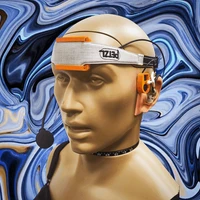
Automating Urban Soundscape Enhancements with AI: In-situ Assessment of Quality and Restorativeness in Traffic-Exposed Residential Areas
Formalized in ISO 12913, the "soundscape" approach is a paradigmatic shift towards perception-based urban sound management, aiming to alleviate the substantial socioeconomic costs of noise pollution to advance the United Nations Sustainable Development Goals. Focusing on traffic-exposed outdoor residential sites, we implemented an automatic masker selection system (AMSS) utilizing natural sounds to mask (or augment) traffic soundscapes. We employed a pre-trained AI model to automatically select the optimal masker and adjust its playback level, adapting to changes over time in the ambient environment to maximize "Pleasantness", a perceptual dimension of soundscape quality in ISO 12913. Our validation study involving (N=68) residents revealed a significant 14.6 % enhancement in "Pleasantness" after intervention, correlating with increased restorativeness and positive affect. Perceptual enhancements at the traffic-exposed site matched those at a quieter control site with 6 dB(A) lower L_A,eq and road traffic noise dominance, affirming the efficacy of AMSS as a soundscape intervention, while streamlining the labour-intensive assessment of "Pleasantness" with probabilistic AI prediction.

Deployment of an IoT System for Adaptive In-Situ Soundscape Augmentation
Soundscape augmentation is an emerging approach for noise mitigation by introducing additional sounds known as "maskers" to increase acoustic comfort. Traditionally, the choice of maskers is often predicated on expert guidance or post-hoc analysis which can be time-consuming and sometimes arbitrary. Moreover, this often results in a static set of maskers that are inflexible to the dynamic nature of real-world acoustic environments. Overcoming the inflexibility of traditional soundscape augmentation is twofold. First, given a snapshot of a soundscape, the system must be able to select an optimal masker without human supervision. Second, the system must also be able to react to changes in the acoustic environment with near real-time latency. In this work, we harness the combined prowess of cloud computing and the Internet of Things (IoT) to allow in-situ listening and playback using microcontrollers while delegating computationally expensive inference tasks to the cloud. In particular, a serverless cloud architecture was used for inference, ensuring near real-time latency and scalability without the need to provision computing resources. A working prototype of the system is currently being deployed in a public area experiencing high traffic noise, as well as undergoing public evaluation for future improvements.
When Silence Matters: The Impact of Irrelevant Audio on Text Reasoning in Large Audio-Language Models
Large audio-language models (LALMs) unify speech and text processing, but their robustness in noisy real-world settings remains underexplored. We investigate how irrelevant audio, such as silence, synthetic noise, and environmental sounds, affects text reasoning tasks where audio is unnecessary. Across three text-based benchmarks, we find that even non-informative audio reduces accuracy and increases prediction volatility; the severity of interference scales with longer durations, higher amplitudes, and elevated decoding temperatures. Silence, often assumed neutral, destabilizes outputs as strongly as synthetic noise. While larger models show greater resilience, vulnerabilities persist across all evaluated systems. We further test mitigation strategies and find that prompting shows limited effectiveness, whereas self-consistency improves stability at the cost of increased computation. Our results reveal cross-modal interference as a key robustness challenge and highlight the need for efficient fusion strategies that preserve reasoning performance in the presence of irrelevant inputs.
Universal Speech Enhancement with Score-based Diffusion
Removing background noise from speech audio has been the subject of considerable effort, especially in recent years due to the rise of virtual communication and amateur recordings. Yet background noise is not the only unpleasant disturbance that can prevent intelligibility: reverb, clipping, codec artifacts, problematic equalization, limited bandwidth, or inconsistent loudness are equally disturbing and ubiquitous. In this work, we propose to consider the task of speech enhancement as a holistic endeavor, and present a universal speech enhancement system that tackles 55 different distortions at the same time. Our approach consists of a generative model that employs score-based diffusion, together with a multi-resolution conditioning network that performs enhancement with mixture density networks. We show that this approach significantly outperforms the state of the art in a subjective test performed by expert listeners. We also show that it achieves competitive objective scores with just 4-8 diffusion steps, despite not considering any particular strategy for fast sampling. We hope that both our methodology and technical contributions encourage researchers and practitioners to adopt a universal approach to speech enhancement, possibly framing it as a generative task.
EnvSDD: Benchmarking Environmental Sound Deepfake Detection
Audio generation systems now create very realistic soundscapes that can enhance media production, but also pose potential risks. Several studies have examined deepfakes in speech or singing voice. However, environmental sounds have different characteristics, which may make methods for detecting speech and singing deepfakes less effective for real-world sounds. In addition, existing datasets for environmental sound deepfake detection are limited in scale and audio types. To address this gap, we introduce EnvSDD, the first large-scale curated dataset designed for this task, consisting of 45.25 hours of real and 316.74 hours of fake audio. The test set includes diverse conditions to evaluate the generalizability, such as unseen generation models and unseen datasets. We also propose an audio deepfake detection system, based on a pre-trained audio foundation model. Results on EnvSDD show that our proposed system outperforms the state-of-the-art systems from speech and singing domains.
Pandora's Box or Aladdin's Lamp: A Comprehensive Analysis Revealing the Role of RAG Noise in Large Language Models
Retrieval-Augmented Generation (RAG) has emerged as a crucial method for addressing hallucinations in large language models (LLMs). While recent research has extended RAG models to complex noisy scenarios, these explorations often confine themselves to limited noise types and presuppose that noise is inherently detrimental to LLMs, potentially deviating from real-world retrieval environments and restricting practical applicability. In this paper, we define seven distinct noise types from a linguistic perspective and establish a Noise RAG Benchmark (NoiserBench), a comprehensive evaluation framework encompassing multiple datasets and reasoning tasks. Through empirical evaluation of eight representative LLMs with diverse architectures and scales, we reveal that these noises can be further categorized into two practical groups: noise that is beneficial to LLMs (aka beneficial noise) and noise that is harmful to LLMs (aka harmful noise). While harmful noise generally impairs performance, beneficial noise may enhance several aspects of model capabilities and overall performance. Our analysis offers insights for developing more robust, adaptable RAG solutions and mitigating hallucinations across diverse retrieval scenarios.

ARAUS: A Large-Scale Dataset and Baseline Models of Affective Responses to Augmented Urban Soundscapes
Choosing optimal maskers for existing soundscapes to effect a desired perceptual change via soundscape augmentation is non-trivial due to extensive varieties of maskers and a dearth of benchmark datasets with which to compare and develop soundscape augmentation models. To address this problem, we make publicly available the ARAUS (Affective Responses to Augmented Urban Soundscapes) dataset, which comprises a five-fold cross-validation set and independent test set totaling 25,440 unique subjective perceptual responses to augmented soundscapes presented as audio-visual stimuli. Each augmented soundscape is made by digitally adding "maskers" (bird, water, wind, traffic, construction, or silence) to urban soundscape recordings at fixed soundscape-to-masker ratios. Responses were then collected by asking participants to rate how pleasant, annoying, eventful, uneventful, vibrant, monotonous, chaotic, calm, and appropriate each augmented soundscape was, in accordance with ISO 12913-2:2018. Participants also provided relevant demographic information and completed standard psychological questionnaires. We perform exploratory and statistical analysis of the responses obtained to verify internal consistency and agreement with known results in the literature. Finally, we demonstrate the benchmarking capability of the dataset by training and comparing four baseline models for urban soundscape pleasantness: a low-parameter regression model, a high-parameter convolutional neural network, and two attention-based networks in the literature.
SonicSim: A customizable simulation platform for speech processing in moving sound source scenarios
The systematic evaluation of speech separation and enhancement models under moving sound source conditions typically requires extensive data comprising diverse scenarios. However, real-world datasets often contain insufficient data to meet the training and evaluation requirements of models. Although synthetic datasets offer a larger volume of data, their acoustic simulations lack realism. Consequently, neither real-world nor synthetic datasets effectively fulfill practical needs. To address these issues, we introduce SonicSim, a synthetic toolkit de-designed to generate highly customizable data for moving sound sources. SonicSim is developed based on the embodied AI simulation platform, Habitat-sim, supporting multi-level adjustments, including scene-level, microphone-level, and source-level, thereby generating more diverse synthetic data. Leveraging SonicSim, we constructed a moving sound source benchmark dataset, SonicSet, using the Librispeech, the Freesound Dataset 50k (FSD50K) and Free Music Archive (FMA), and 90 scenes from the Matterport3D to evaluate speech separation and enhancement models. Additionally, to validate the differences between synthetic data and real-world data, we randomly selected 5 hours of raw data without reverberation from the SonicSet validation set to record a real-world speech separation dataset, which was then compared with the corresponding synthetic datasets. Similarly, we utilized the real-world speech enhancement dataset RealMAN to validate the acoustic gap between other synthetic datasets and the SonicSet dataset for speech enhancement. The results indicate that the synthetic data generated by SonicSim can effectively generalize to real-world scenarios. Demo and code are publicly available at https://cslikai.cn/SonicSim/.

Look Once to Hear: Target Speech Hearing with Noisy Examples
In crowded settings, the human brain can focus on speech from a target speaker, given prior knowledge of how they sound. We introduce a novel intelligent hearable system that achieves this capability, enabling target speech hearing to ignore all interfering speech and noise, but the target speaker. A naive approach is to require a clean speech example to enroll the target speaker. This is however not well aligned with the hearable application domain since obtaining a clean example is challenging in real world scenarios, creating a unique user interface problem. We present the first enrollment interface where the wearer looks at the target speaker for a few seconds to capture a single, short, highly noisy, binaural example of the target speaker. This noisy example is used for enrollment and subsequent speech extraction in the presence of interfering speakers and noise. Our system achieves a signal quality improvement of 7.01 dB using less than 5 seconds of noisy enrollment audio and can process 8 ms of audio chunks in 6.24 ms on an embedded CPU. Our user studies demonstrate generalization to real-world static and mobile speakers in previously unseen indoor and outdoor multipath environments. Finally, our enrollment interface for noisy examples does not cause performance degradation compared to clean examples, while being convenient and user-friendly. Taking a step back, this paper takes an important step towards enhancing the human auditory perception with artificial intelligence. We provide code and data at: https://github.com/vb000/LookOnceToHear.


WeDefense: A Toolkit to Defend Against Fake Audio
The advances in generative AI have enabled the creation of synthetic audio which is perceptually indistinguishable from real, genuine audio. Although this stellar progress enables many positive applications, it also raises risks of misuse, such as for impersonation, disinformation and fraud. Despite a growing number of open-source fake audio detection codes released through numerous challenges and initiatives, most are tailored to specific competitions, datasets or models. A standardized and unified toolkit that supports the fair benchmarking and comparison of competing solutions with not just common databases, protocols, metrics, but also a shared codebase, is missing. To address this, we propose WeDefense, the first open-source toolkit to support both fake audio detection and localization. Beyond model training, WeDefense emphasizes critical yet often overlooked components: flexible input and augmentation, calibration, score fusion, standardized evaluation metrics, and analysis tools for deeper understanding and interpretation. The toolkit is publicly available at https://github.com/zlin0/wedefense with interactive demos for fake audio detection and localization.
Preliminary investigation of the short-term in situ performance of an automatic masker selection system
Soundscape augmentation or "masking" introduces wanted sounds into the acoustic environment to improve acoustic comfort. Usually, the masker selection and playback strategies are either arbitrary or based on simple rules (e.g. -3 dBA), which may lead to sub-optimal increment or even reduction in acoustic comfort for dynamic acoustic environments. To reduce ambiguity in the selection of maskers, an automatic masker selection system (AMSS) was recently developed. The AMSS uses a deep-learning model trained on a large-scale dataset of subjective responses to maximize the derived ISO pleasantness (ISO 12913-2). Hence, this study investigates the short-term in situ performance of the AMSS implemented in a gazebo in an urban park. Firstly, the predicted ISO pleasantness from the AMSS is evaluated in comparison to the in situ subjective evaluation scores. Secondly, the effect of various masker selection schemes on the perceived affective quality and appropriateness would be evaluated. In total, each participant evaluated 6 conditions: (1) ambient environment with no maskers; (2) AMSS; (3) bird and (4) water masker from prior art; (5) random selection from same pool of maskers used to train the AMSS; and (6) selection of best-performing maskers based on the analysis of the dataset used to train the AMSS.
EnvSSLAM-FFN: Lightweight Layer-Fused System for ESDD 2026 Challenge
Recent advances in generative audio models have enabled high-fidelity environmental sound synthesis, raising serious concerns for audio security. The ESDD 2026 Challenge therefore addresses environmental sound deepfake detection under unseen generators (Track 1) and black-box low-resource detection (Track 2) conditions. We propose EnvSSLAM-FFN, which integrates a frozen SSLAM self-supervised encoder with a lightweight FFN back-end. To effectively capture spoofing artifacts under severe data imbalance, we fuse intermediate SSLAM representations from layers 4-9 and adopt a class-weighted training objective. Experimental results show that the proposed system consistently outperforms the official baselines on both tracks, achieving Test Equal Error Rates (EERs) of 1.20% and 1.05%, respectively.
Interventional Speech Noise Injection for ASR Generalizable Spoken Language Understanding
Recently, pre-trained language models (PLMs) have been increasingly adopted in spoken language understanding (SLU). However, automatic speech recognition (ASR) systems frequently produce inaccurate transcriptions, leading to noisy inputs for SLU models, which can significantly degrade their performance. To address this, our objective is to train SLU models to withstand ASR errors by exposing them to noises commonly observed in ASR systems, referred to as ASR-plausible noises. Speech noise injection (SNI) methods have pursued this objective by introducing ASR-plausible noises, but we argue that these methods are inherently biased towards specific ASR systems, or ASR-specific noises. In this work, we propose a novel and less biased augmentation method of introducing the noises that are plausible to any ASR system, by cutting off the non-causal effect of noises. Experimental results and analyses demonstrate the effectiveness of our proposed methods in enhancing the robustness and generalizability of SLU models against unseen ASR systems by introducing more diverse and plausible ASR noises in advance.

AI-Generated Music Detection and its Challenges
In the face of a new era of generative models, the detection of artificially generated content has become a matter of utmost importance. In particular, the ability to create credible minute-long synthetic music in a few seconds on user-friendly platforms poses a real threat of fraud on streaming services and unfair competition to human artists. This paper demonstrates the possibility (and surprising ease) of training classifiers on datasets comprising real audio and artificial reconstructions, achieving a convincing accuracy of 99.8%. To our knowledge, this marks the first publication of a AI-music detector, a tool that will help in the regulation of synthetic media. Nevertheless, informed by decades of literature on forgery detection in other fields, we stress that getting a good test score is not the end of the story. We expose and discuss several facets that could be problematic with such a deployed detector: robustness to audio manipulation, generalisation to unseen models. This second part acts as a position for future research steps in the field and a caveat to a flourishing market of artificial content checkers.
MM-Sonate: Multimodal Controllable Audio-Video Generation with Zero-Shot Voice Cloning
Joint audio-video generation aims to synthesize synchronized multisensory content, yet current unified models struggle with fine-grained acoustic control, particularly for identity-preserving speech. Existing approaches either suffer from temporal misalignment due to cascaded generation or lack the capability to perform zero-shot voice cloning within a joint synthesis framework. In this work, we present MM-Sonate, a multimodal flow-matching framework that unifies controllable audio-video joint generation with zero-shot voice cloning capabilities. Unlike prior works that rely on coarse semantic descriptions, MM-Sonate utilizes a unified instruction-phoneme input to enforce strict linguistic and temporal alignment. To enable zero-shot voice cloning, we introduce a timbre injection mechanism that effectively decouples speaker identity from linguistic content. Furthermore, addressing the limitations of standard classifier-free guidance in multimodal settings, we propose a noise-based negative conditioning strategy that utilizes natural noise priors to significantly enhance acoustic fidelity. Empirical evaluations demonstrate that MM-Sonate establishes new state-of-the-art performance in joint generation benchmarks, significantly outperforming baselines in lip synchronization and speech intelligibility, while achieving voice cloning fidelity comparable to specialized Text-to-Speech systems.
Noise2Music: Text-conditioned Music Generation with Diffusion Models
We introduce Noise2Music, where a series of diffusion models is trained to generate high-quality 30-second music clips from text prompts. Two types of diffusion models, a generator model, which generates an intermediate representation conditioned on text, and a cascader model, which generates high-fidelity audio conditioned on the intermediate representation and possibly the text, are trained and utilized in succession to generate high-fidelity music. We explore two options for the intermediate representation, one using a spectrogram and the other using audio with lower fidelity. We find that the generated audio is not only able to faithfully reflect key elements of the text prompt such as genre, tempo, instruments, mood, and era, but goes beyond to ground fine-grained semantics of the prompt. Pretrained large language models play a key role in this story -- they are used to generate paired text for the audio of the training set and to extract embeddings of the text prompts ingested by the diffusion models. Generated examples: https://google-research.github.io/noise2music


Automotive Sound Quality for EVs: Psychoacoustic Metrics with Reproducible AI/ML Baselines
We present an open, reproducible reference for automotive sound quality that connects standardized psychoacoustic metrics with lightweight AI/ML baselines, with a specific focus on electric vehicles (EVs). We implement loudness (ISO 532-1/2), tonality (DIN 45681), and modulation-based descriptors (roughness, fluctuation strength), and document assumptions and parameterizations for reliable reuse. For modeling, we provide simple, fully reproducible baselines (logistic regression, random forest, SVM) on synthetic EV-like cases using fixed splits and seeds, reporting accuracy and rank correlations as examples of end-to-end workflows rather than a comparative benchmark. Program-level normalization is reported in LUFS via ITU-R BS.1770, while psychoacoustic analysis uses ISO-532 loudness (sones). All figures and tables are regenerated by scripts with pinned environments; code and minimal audio stimuli are released under permissive licenses to support teaching, replication, and extension to EV-specific noise phenomena (e.g., inverter whine, reduced masking).

Neural Synthesis of Footsteps Sound Effects with Generative Adversarial Networks
Footsteps are among the most ubiquitous sound effects in multimedia applications. There is substantial research into understanding the acoustic features and developing synthesis models for footstep sound effects. In this paper, we present a first attempt at adopting neural synthesis for this task. We implemented two GAN-based architectures and compared the results with real recordings as well as six traditional sound synthesis methods. Our architectures reached realism scores as high as recorded samples, showing encouraging results for the task at hand.

Exploring Quality and Generalizability in Parameterized Neural Audio Effects
Deep neural networks have shown promise for music audio signal processing applications, often surpassing prior approaches, particularly as end-to-end models in the waveform domain. Yet results to date have tended to be constrained by low sample rates, noise, narrow domains of signal types, and/or lack of parameterized controls (i.e. "knobs"), making their suitability for professional audio engineering workflows still lacking. This work expands on prior research published on modeling nonlinear time-dependent signal processing effects associated with music production by means of a deep neural network, one which includes the ability to emulate the parameterized settings you would see on an analog piece of equipment, with the goal of eventually producing commercially viable, high quality audio, i.e. 44.1 kHz sampling rate at 16-bit resolution. The results in this paper highlight progress in modeling these effects through architecture and optimization changes, towards increasing computational efficiency, lowering signal-to-noise ratio, and extending to a larger variety of nonlinear audio effects. Toward these ends, the strategies employed involved a three-pronged approach: model speed, model accuracy, and model generalizability. Most of the presented methods provide marginal or no increase in output accuracy over the original model, with the exception of dataset manipulation. We found that limiting the audio content of the dataset, for example using datasets of just a single instrument, provided a significant improvement in model accuracy over models trained on more general datasets.

Did You Hear That? Introducing AADG: A Framework for Generating Benchmark Data in Audio Anomaly Detection
We introduce a novel, general-purpose audio generation framework specifically designed for anomaly detection and localization. Unlike existing datasets that predominantly focus on industrial and machine-related sounds, our framework focuses a broader range of environments, particularly useful in real-world scenarios where only audio data are available, such as in video-derived or telephonic audio. To generate such data, we propose a new method inspired by the LLM-Modulo framework, which leverages large language models(LLMs) as world models to simulate such real-world scenarios. This tool is modular allowing a plug-and-play approach. It operates by first using LLMs to predict plausible real-world scenarios. An LLM further extracts the constituent sounds, the order and the way in which these should be merged to create coherent wholes. Much like the LLM-Modulo framework, we include rigorous verification of each output stage, ensuring the reliability of the generated data. The data produced using the framework serves as a benchmark for anomaly detection applications, potentially enhancing the performance of models trained on audio data, particularly in handling out-of-distribution cases. Our contributions thus fill a critical void in audio anomaly detection resources and provide a scalable tool for generating diverse, realistic audio data.

Towards General Low-Light Raw Noise Synthesis and Modeling
Modeling and synthesizing low-light raw noise is a fundamental problem for computational photography and image processing applications. Although most recent works have adopted physics-based models to synthesize noise, the signal-independent noise in low-light conditions is far more complicated and varies dramatically across camera sensors, which is beyond the description of these models. To address this issue, we introduce a new perspective to synthesize the signal-independent noise by a generative model. Specifically, we synthesize the signal-dependent and signal-independent noise in a physics- and learning-based manner, respectively. In this way, our method can be considered as a general model, that is, it can simultaneously learn different noise characteristics for different ISO levels and generalize to various sensors. Subsequently, we present an effective multi-scale discriminator termed Fourier transformer discriminator (FTD) to distinguish the noise distribution accurately. Additionally, we collect a new low-light raw denoising (LRD) dataset for training and benchmarking. Qualitative validation shows that the noise generated by our proposed noise model can be highly similar to the real noise in terms of distribution. Furthermore, extensive denoising experiments demonstrate that our method performs favorably against state-of-the-art methods on different sensors.
Conditional Generation of Audio from Video via Foley Analogies
The sound effects that designers add to videos are designed to convey a particular artistic effect and, thus, may be quite different from a scene's true sound. Inspired by the challenges of creating a soundtrack for a video that differs from its true sound, but that nonetheless matches the actions occurring on screen, we propose the problem of conditional Foley. We present the following contributions to address this problem. First, we propose a pretext task for training our model to predict sound for an input video clip using a conditional audio-visual clip sampled from another time within the same source video. Second, we propose a model for generating a soundtrack for a silent input video, given a user-supplied example that specifies what the video should "sound like". We show through human studies and automated evaluation metrics that our model successfully generates sound from video, while varying its output according to the content of a supplied example. Project site: https://xypb.github.io/CondFoleyGen/

Objective and subjective evaluation of speech enhancement methods in the UDASE task of the 7th CHiME challenge
Supervised models for speech enhancement are trained using artificially generated mixtures of clean speech and noise signals. However, the synthetic training conditions may not accurately reflect real-world conditions encountered during testing. This discrepancy can result in poor performance when the test domain significantly differs from the synthetic training domain. To tackle this issue, the UDASE task of the 7th CHiME challenge aimed to leverage real-world noisy speech recordings from the test domain for unsupervised domain adaptation of speech enhancement models. Specifically, this test domain corresponds to the CHiME-5 dataset, characterized by real multi-speaker and conversational speech recordings made in noisy and reverberant domestic environments, for which ground-truth clean speech signals are not available. In this paper, we present the objective and subjective evaluations of the systems that were submitted to the CHiME-7 UDASE task, and we provide an analysis of the results. This analysis reveals a limited correlation between subjective ratings and several supervised nonintrusive performance metrics recently proposed for speech enhancement. Conversely, the results suggest that more traditional intrusive objective metrics can be used for in-domain performance evaluation using the reverberant LibriCHiME-5 dataset developed for the challenge. The subjective evaluation indicates that all systems successfully reduced the background noise, but always at the expense of increased distortion. Out of the four speech enhancement methods evaluated subjectively, only one demonstrated an improvement in overall quality compared to the unprocessed noisy speech, highlighting the difficulty of the task. The tools and audio material created for the CHiME-7 UDASE task are shared with the community.
Measuring the Robustness of Audio Deepfake Detectors
Deepfakes have become a universal and rapidly intensifying concern of generative AI across various media types such as images, audio, and videos. Among these, audio deepfakes have been of particular concern due to the ease of high-quality voice synthesis and distribution via platforms such as social media and robocalls. Consequently, detecting audio deepfakes plays a critical role in combating the growing misuse of AI-synthesized speech. However, real-world scenarios often introduce various audio corruptions, such as noise, modification, and compression, that may significantly impact detection performance. This work systematically evaluates the robustness of 10 audio deepfake detection models against 16 common corruptions, categorized into noise perturbation, audio modification, and compression. Using both traditional deep learning models and state-of-the-art foundation models, we make four unique observations. First, our findings show that while most models demonstrate strong robustness to noise, they are notably more vulnerable to modifications and compression, especially when neural codecs are applied. Second, speech foundation models generally outperform traditional models across most scenarios, likely due to their self-supervised learning paradigm and large-scale pre-training. Third, our results show that increasing model size improves robustness, albeit with diminishing returns. Fourth, we demonstrate how targeted data augmentation during training can enhance model resilience to unseen perturbations. A case study on political speech deepfakes highlights the effectiveness of foundation models in achieving high accuracy under real-world conditions. These findings emphasize the importance of developing more robust detection frameworks to ensure reliability in practical deployment settings.
Effective Noise-aware Data Simulation for Domain-adaptive Speech Enhancement Leveraging Dynamic Stochastic Perturbation
Cross-domain speech enhancement (SE) is often faced with severe challenges due to the scarcity of noise and background information in an unseen target domain, leading to a mismatch between training and test conditions. This study puts forward a novel data simulation method to address this issue, leveraging noise-extractive techniques and generative adversarial networks (GANs) with only limited target noisy speech data. Notably, our method employs a noise encoder to extract noise embeddings from target-domain data. These embeddings aptly guide the generator to synthesize utterances acoustically fitted to the target domain while authentically preserving the phonetic content of the input clean speech. Furthermore, we introduce the notion of dynamic stochastic perturbation, which can inject controlled perturbations into the noise embeddings during inference, thereby enabling the model to generalize well to unseen noise conditions. Experiments on the VoiceBank-DEMAND benchmark dataset demonstrate that our domain-adaptive SE method outperforms an existing strong baseline based on data simulation.
Structure from Silence: Learning Scene Structure from Ambient Sound
From whirling ceiling fans to ticking clocks, the sounds that we hear subtly vary as we move through a scene. We ask whether these ambient sounds convey information about 3D scene structure and, if so, whether they provide a useful learning signal for multimodal models. To study this, we collect a dataset of paired audio and RGB-D recordings from a variety of quiet indoor scenes. We then train models that estimate the distance to nearby walls, given only audio as input. We also use these recordings to learn multimodal representations through self-supervision, by training a network to associate images with their corresponding sounds. These results suggest that ambient sound conveys a surprising amount of information about scene structure, and that it is a useful signal for learning multimodal features.

Real Time Speech Enhancement in the Waveform Domain
We present a causal speech enhancement model working on the raw waveform that runs in real-time on a laptop CPU. The proposed model is based on an encoder-decoder architecture with skip-connections. It is optimized on both time and frequency domains, using multiple loss functions. Empirical evidence shows that it is capable of removing various kinds of background noise including stationary and non-stationary noises, as well as room reverb. Additionally, we suggest a set of data augmentation techniques applied directly on the raw waveform which further improve model performance and its generalization abilities. We perform evaluations on several standard benchmarks, both using objective metrics and human judgements. The proposed model matches state-of-the-art performance of both causal and non causal methods while working directly on the raw waveform.
EBEN: Extreme bandwidth extension network applied to speech signals captured with noise-resilient body-conduction microphones
In this paper, we present Extreme Bandwidth Extension Network (EBEN), a Generative Adversarial network (GAN) that enhances audio measured with body-conduction microphones. This type of capture equipment suppresses ambient noise at the expense of speech bandwidth, thereby requiring signal enhancement techniques to recover the wideband speech signal. EBEN leverages a multiband decomposition of the raw captured speech to decrease the data time-domain dimensions, and give better control over the full-band signal. This multiband representation is fed to a U-Net-like model, which adopts a combination of feature and adversarial losses to recover an enhanced audio signal. We also benefit from this original representation in the proposed discriminator architecture. Our approach can achieve state-of-the-art results with a lightweight generator and real-time compatible operation.
Filtering Video Noise as Audio with Motion Detection to Form a Musical Instrument
Even though they differ in the physical domain, digital video and audio share many characteristics. Both are temporal data streams often stored in buffers with 8-bit values. This paper investigates a method for creating harmonic sounds with a video signal as input. A musical instrument is proposed, that utilizes video in both a sound synthesis method, and in a controller interface for selecting musical notes at specific velocities. The resulting instrument was informally determined by the author to sound both pleasant and interesting, but hard to control, and therefore suited for synth pad sounds.

WaveFake: A Data Set to Facilitate Audio Deepfake Detection
Deep generative modeling has the potential to cause significant harm to society. Recognizing this threat, a magnitude of research into detecting so-called "Deepfakes" has emerged. This research most often focuses on the image domain, while studies exploring generated audio signals have, so-far, been neglected. In this paper we make three key contributions to narrow this gap. First, we provide researchers with an introduction to common signal processing techniques used for analyzing audio signals. Second, we present a novel data set, for which we collected nine sample sets from five different network architectures, spanning two languages. Finally, we supply practitioners with two baseline models, adopted from the signal processing community, to facilitate further research in this area.
FakeSound: Deepfake General Audio Detection
With the advancement of audio generation, generative models can produce highly realistic audios. However, the proliferation of deepfake general audio can pose negative consequences. Therefore, we propose a new task, deepfake general audio detection, which aims to identify whether audio content is manipulated and to locate deepfake regions. Leveraging an automated manipulation pipeline, a dataset named FakeSound for deepfake general audio detection is proposed, and samples can be viewed on website https://FakeSoundData.github.io. The average binary accuracy of humans on all test sets is consistently below 0.6, which indicates the difficulty humans face in discerning deepfake audio and affirms the efficacy of the FakeSound dataset. A deepfake detection model utilizing a general audio pre-trained model is proposed as a benchmark system. Experimental results demonstrate that the performance of the proposed model surpasses the state-of-the-art in deepfake speech detection and human testers.

Adapter-Based Multi-Agent AVSR Extension for Pre-Trained ASR Models
We present an approach to Audio-Visual Speech Recognition that builds on a pre-trained Whisper model. To infuse visual information into this audio-only model, we extend it with an AV fusion module and LoRa adapters, one of the most up-to-date adapter approaches. One advantage of adapter-based approaches, is that only a relatively small number of parameters are trained, while the basic model remains unchanged. Common AVSR approaches train single models to handle several noise categories and noise levels simultaneously. Taking advantage of the lightweight nature of adapter approaches, we train noise-scenario-specific adapter-sets, each covering individual noise-categories or a specific noise-level range. The most suitable adapter-set is selected by previously classifying the noise-scenario. This enables our models to achieve an optimum coverage across different noise-categories and noise-levels, while training only a minimum number of parameters. Compared to a full fine-tuning approach with SOTA performance our models achieve almost comparable results over the majority of the tested noise-categories and noise-levels, with up to 88.5% less trainable parameters. Our approach can be extended by further noise-specific adapter-sets to cover additional noise scenarios. It is also possible to utilize the underlying powerful ASR model when no visual information is available, as it remains unchanged.
When De-noising Hurts: A Systematic Study of Speech Enhancement Effects on Modern Medical ASR Systems
Speech enhancement methods are commonly believed to improve the performance of automatic speech recognition (ASR) in noisy environments. However, the effectiveness of these techniques cannot be taken for granted in the case of modern large-scale ASR models trained on diverse, noisy data. We present a systematic evaluation of MetricGAN-plus-voicebank denoising on four state-of-the-art ASR systems: OpenAI Whisper, NVIDIA Parakeet, Google Gemini Flash 2.0, Parrotlet-a using 500 medical speech recordings under nine noise conditions. ASR performance is measured using semantic WER (semWER), a normalized word error rate (WER) metric accounting for domain-specific normalizations. Our results reveal a counterintuitive finding: speech enhancement preprocessing degrades ASR performance across all noise conditions and models. Original noisy audio achieves lower semWER than enhanced audio in all 40 tested configurations (4 models x 10 conditions), with degradations ranging from 1.1% to 46.6% absolute semWER increase. These findings suggest that modern ASR models possess sufficient internal noise robustness and that traditional speech enhancement may remove acoustic features critical for ASR. For practitioners deploying medical scribe systems in noisy clinical environments, our results indicate that preprocessing audio with noise reduction techniques might not just be computationally wasteful but also be potentially harmful to the transcription accuracy.
Steerable discovery of neural audio effects
Applications of deep learning for audio effects often focus on modeling analog effects or learning to control effects to emulate a trained audio engineer. However, deep learning approaches also have the potential to expand creativity through neural audio effects that enable new sound transformations. While recent work demonstrated that neural networks with random weights produce compelling audio effects, control of these effects is limited and unintuitive. To address this, we introduce a method for the steerable discovery of neural audio effects. This method enables the design of effects using example recordings provided by the user. We demonstrate how this method produces an effect similar to the target effect, along with interesting inaccuracies, while also providing perceptually relevant controls.
Autonomous In-Situ Soundscape Augmentation via Joint Selection of Masker and Gain
The selection of maskers and playback gain levels in a soundscape augmentation system is crucial to its effectiveness in improving the overall acoustic comfort of a given environment. Traditionally, the selection of appropriate maskers and gain levels has been informed by expert opinion, which may not representative of the target population, or by listening tests, which can be time-consuming and labour-intensive. Furthermore, the resulting static choices of masker and gain are often inflexible to the dynamic nature of real-world soundscapes. In this work, we utilized a deep learning model to perform joint selection of the optimal masker and its gain level for a given soundscape. The proposed model was designed with highly modular building blocks, allowing for an optimized inference process that can quickly search through a large number of masker and gain combinations. In addition, we introduced the use of feature-domain soundscape augmentation conditioned on the digital gain level, eliminating the computationally expensive waveform-domain mixing process during inference time, as well as the tedious pre-calibration process required for new maskers. The proposed system was validated on a large-scale dataset of subjective responses to augmented soundscapes with more than 440 participants, ensuring the ability of the model to predict combined effect of the masker and its gain level on the perceptual pleasantness level.
WHAM!: Extending Speech Separation to Noisy Environments
Recent progress in separating the speech signals from multiple overlapping speakers using a single audio channel has brought us closer to solving the cocktail party problem. However, most studies in this area use a constrained problem setup, comparing performance when speakers overlap almost completely, at artificially low sampling rates, and with no external background noise. In this paper, we strive to move the field towards more realistic and challenging scenarios. To that end, we created the WSJ0 Hipster Ambient Mixtures (WHAM!) dataset, consisting of two speaker mixtures from the wsj0-2mix dataset combined with real ambient noise samples. The samples were collected in coffee shops, restaurants, and bars in the San Francisco Bay Area, and are made publicly available. We benchmark various speech separation architectures and objective functions to evaluate their robustness to noise. While separation performance decreases as a result of noise, we still observe substantial gains relative to the noisy signals for most approaches.
Images that Sound: Composing Images and Sounds on a Single Canvas
Spectrograms are 2D representations of sound that look very different from the images found in our visual world. And natural images, when played as spectrograms, make unnatural sounds. In this paper, we show that it is possible to synthesize spectrograms that simultaneously look like natural images and sound like natural audio. We call these spectrograms images that sound. Our approach is simple and zero-shot, and it leverages pre-trained text-to-image and text-to-spectrogram diffusion models that operate in a shared latent space. During the reverse process, we denoise noisy latents with both the audio and image diffusion models in parallel, resulting in a sample that is likely under both models. Through quantitative evaluations and perceptual studies, we find that our method successfully generates spectrograms that align with a desired audio prompt while also taking the visual appearance of a desired image prompt. Please see our project page for video results: https://ificl.github.io/images-that-sound/

Beyond L_p clipping: Equalization-based Psychoacoustic Attacks against ASRs
Automatic Speech Recognition (ASR) systems convert speech into text and can be placed into two broad categories: traditional and fully end-to-end. Both types have been shown to be vulnerable to adversarial audio examples that sound benign to the human ear but force the ASR to produce malicious transcriptions. Of these attacks, only the "psychoacoustic" attacks can create examples with relatively imperceptible perturbations, as they leverage the knowledge of the human auditory system. Unfortunately, existing psychoacoustic attacks can only be applied against traditional models, and are obsolete against the newer, fully end-to-end ASRs. In this paper, we propose an equalization-based psychoacoustic attack that can exploit both traditional and fully end-to-end ASRs. We successfully demonstrate our attack against real-world ASRs that include DeepSpeech and Wav2Letter. Moreover, we employ a user study to verify that our method creates low audible distortion. Specifically, 80 of the 100 participants voted in favor of all our attack audio samples as less noisier than the existing state-of-the-art attack. Through this, we demonstrate both types of existing ASR pipelines can be exploited with minimum degradation to attack audio quality.
SoundStorm: Efficient Parallel Audio Generation
We present SoundStorm, a model for efficient, non-autoregressive audio generation. SoundStorm receives as input the semantic tokens of AudioLM, and relies on bidirectional attention and confidence-based parallel decoding to generate the tokens of a neural audio codec. Compared to the autoregressive generation approach of AudioLM, our model produces audio of the same quality and with higher consistency in voice and acoustic conditions, while being two orders of magnitude faster. SoundStorm generates 30 seconds of audio in 0.5 seconds on a TPU-v4. We demonstrate the ability of our model to scale audio generation to longer sequences by synthesizing high-quality, natural dialogue segments, given a transcript annotated with speaker turns and a short prompt with the speakers' voices.

Video-Guided Foley Sound Generation with Multimodal Controls
Generating sound effects for videos often requires creating artistic sound effects that diverge significantly from real-life sources and flexible control in the sound design. To address this problem, we introduce MultiFoley, a model designed for video-guided sound generation that supports multimodal conditioning through text, audio, and video. Given a silent video and a text prompt, MultiFoley allows users to create clean sounds (e.g., skateboard wheels spinning without wind noise) or more whimsical sounds (e.g., making a lion's roar sound like a cat's meow). MultiFoley also allows users to choose reference audio from sound effects (SFX) libraries or partial videos for conditioning. A key novelty of our model lies in its joint training on both internet video datasets with low-quality audio and professional SFX recordings, enabling high-quality, full-bandwidth (48kHz) audio generation. Through automated evaluations and human studies, we demonstrate that MultiFoley successfully generates synchronized high-quality sounds across varied conditional inputs and outperforms existing methods. Please see our project page for video results: https://ificl.github.io/MultiFoley/
CodecFake: Enhancing Anti-Spoofing Models Against Deepfake Audios from Codec-Based Speech Synthesis Systems
Current state-of-the-art (SOTA) codec-based audio synthesis systems can mimic anyone's voice with just a 3-second sample from that specific unseen speaker. Unfortunately, malicious attackers may exploit these technologies, causing misuse and security issues. Anti-spoofing models have been developed to detect fake speech. However, the open question of whether current SOTA anti-spoofing models can effectively counter deepfake audios from codec-based speech synthesis systems remains unanswered. In this paper, we curate an extensive collection of contemporary SOTA codec models, employing them to re-create synthesized speech. This endeavor leads to the creation of CodecFake, the first codec-based deepfake audio dataset. Additionally, we verify that anti-spoofing models trained on commonly used datasets cannot detect synthesized speech from current codec-based speech generation systems. The proposed CodecFake dataset empowers these models to counter this challenge effectively.
Continuous Autoregressive Models with Noise Augmentation Avoid Error Accumulation
Autoregressive models are typically applied to sequences of discrete tokens, but recent research indicates that generating sequences of continuous embeddings in an autoregressive manner is also feasible. However, such Continuous Autoregressive Models (CAMs) can suffer from a decline in generation quality over extended sequences due to error accumulation during inference. We introduce a novel method to address this issue by injecting random noise into the input embeddings during training. This procedure makes the model robust against varying error levels at inference. We further reduce error accumulation through an inference procedure that introduces low-level noise. Experiments on musical audio generation show that CAM substantially outperforms existing autoregressive and non-autoregressive approaches while preserving audio quality over extended sequences. This work paves the way for generating continuous embeddings in a purely autoregressive setting, opening new possibilities for real-time and interactive generative applications.

Autonomous Soundscape Augmentation with Multimodal Fusion of Visual and Participant-linked Inputs
Autonomous soundscape augmentation systems typically use trained models to pick optimal maskers to effect a desired perceptual change. While acoustic information is paramount to such systems, contextual information, including participant demographics and the visual environment, also influences acoustic perception. Hence, we propose modular modifications to an existing attention-based deep neural network, to allow early, mid-level, and late feature fusion of participant-linked, visual, and acoustic features. Ablation studies on module configurations and corresponding fusion methods using the ARAUS dataset show that contextual features improve the model performance in a statistically significant manner on the normalized ISO Pleasantness, to a mean squared error of 0.1194pm0.0012 for the best-performing all-modality model, against 0.1217pm0.0009 for the audio-only model. Soundscape augmentation systems can thereby leverage multimodal inputs for improved performance. We also investigate the impact of individual participant-linked factors using trained models to illustrate improvements in model explainability.
Dancing under the stars: video denoising in starlight
Imaging in low light is extremely challenging due to low photon counts. Using sensitive CMOS cameras, it is currently possible to take videos at night under moonlight (0.05-0.3 lux illumination). In this paper, we demonstrate photorealistic video under starlight (no moon present, <0.001 lux) for the first time. To enable this, we develop a GAN-tuned physics-based noise model to more accurately represent camera noise at the lowest light levels. Using this noise model, we train a video denoiser using a combination of simulated noisy video clips and real noisy still images. We capture a 5-10 fps video dataset with significant motion at approximately 0.6-0.7 millilux with no active illumination. Comparing against alternative methods, we achieve improved video quality at the lowest light levels, demonstrating photorealistic video denoising in starlight for the first time.


Creative Text-to-Audio Generation via Synthesizer Programming
Neural audio synthesis methods now allow specifying ideas in natural language. However, these methods produce results that cannot be easily tweaked, as they are based on large latent spaces and up to billions of uninterpretable parameters. We propose a text-to-audio generation method that leverages a virtual modular sound synthesizer with only 78 parameters. Synthesizers have long been used by skilled sound designers for media like music and film due to their flexibility and intuitive controls. Our method, CTAG, iteratively updates a synthesizer's parameters to produce high-quality audio renderings of text prompts that can be easily inspected and tweaked. Sounds produced this way are also more abstract, capturing essential conceptual features over fine-grained acoustic details, akin to how simple sketches can vividly convey visual concepts. Our results show how CTAG produces sounds that are distinctive, perceived as artistic, and yet similarly identifiable to recent neural audio synthesis models, positioning it as a valuable and complementary tool.

A Semantically Consistent Dataset for Data-Efficient Query-Based Universal Sound Separation
Query-based universal sound separation is fundamental to intelligent auditory systems, aiming to isolate specific sources from mixtures. Despite recent advances, existing methods continue to suffer from residual interference in complex acoustic scenes. This performance limitation stems largely from a data bottleneck: in-the-wild datasets contain weak labels and severe co-occurrence of events. These flaws induce models to learn spurious correlations between background noise and target categories instead of robust acoustic features. To address this, we propose an automated pipeline that eliminates co-occurrence of events by mining high-purity single-event segments from in-the-wild datasets via a semantically consistent synthesis protocol. Utilizing this pipeline, we constructed Hive, a high-quality synthetic dataset comprising 2.4k hours of raw audio. Experimental results demonstrate that, compared with the state-of-the-art model SAM-Audio which was trained on a huge dataset sim500 times larger than Hive, certain open-source models trained on Hive achieve competitive separation accuracy and perceptual quality. Moreover, these models exhibited remarkable zero-shot generalization on out-of-distribution evaluation benchmarks. These findings highlight that prioritizing purity of supervised signals enables significant data efficiency, offering a new paradigm for training robust auditory foundation models with reduced computational costs. Code and dataset are available at https://shandaai.github.io/Hive.

Toward Convolutional Blind Denoising of Real Photographs
While deep convolutional neural networks (CNNs) have achieved impressive success in image denoising with additive white Gaussian noise (AWGN), their performance remains limited on real-world noisy photographs. The main reason is that their learned models are easy to overfit on the simplified AWGN model which deviates severely from the complicated real-world noise model. In order to improve the generalization ability of deep CNN denoisers, we suggest training a convolutional blind denoising network (CBDNet) with more realistic noise model and real-world noisy-clean image pairs. On the one hand, both signal-dependent noise and in-camera signal processing pipeline is considered to synthesize realistic noisy images. On the other hand, real-world noisy photographs and their nearly noise-free counterparts are also included to train our CBDNet. To further provide an interactive strategy to rectify denoising result conveniently, a noise estimation subnetwork with asymmetric learning to suppress under-estimation of noise level is embedded into CBDNet. Extensive experimental results on three datasets of real-world noisy photographs clearly demonstrate the superior performance of CBDNet over state-of-the-arts in terms of quantitative metrics and visual quality. The code has been made available at https://github.com/GuoShi28/CBDNet.
HiFi-GAN: Generative Adversarial Networks for Efficient and High Fidelity Speech Synthesis
Several recent work on speech synthesis have employed generative adversarial networks (GANs) to produce raw waveforms. Although such methods improve the sampling efficiency and memory usage, their sample quality has not yet reached that of autoregressive and flow-based generative models. In this work, we propose HiFi-GAN, which achieves both efficient and high-fidelity speech synthesis. As speech audio consists of sinusoidal signals with various periods, we demonstrate that modeling periodic patterns of an audio is crucial for enhancing sample quality. A subjective human evaluation (mean opinion score, MOS) of a single speaker dataset indicates that our proposed method demonstrates similarity to human quality while generating 22.05 kHz high-fidelity audio 167.9 times faster than real-time on a single V100 GPU. We further show the generality of HiFi-GAN to the mel-spectrogram inversion of unseen speakers and end-to-end speech synthesis. Finally, a small footprint version of HiFi-GAN generates samples 13.4 times faster than real-time on CPU with comparable quality to an autoregressive counterpart.

BioME: A Resource-Efficient Bioacoustic Foundational Model for IoT Applications
Passive acoustic monitoring has become a key strategy in biodiversity assessment, conservation, and behavioral ecology, especially as Internet-of-Things (IoT) devices enable continuous in situ audio collection at scale. While recent self-supervised learning (SSL)-based audio encoders, such as BEATs and AVES, have shown strong performance in bioacoustic tasks, their computational cost and limited robustness to unseen environments hinder deployment on resource-constrained platforms. In this work, we introduce BioME, a resource-efficient audio encoder designed for bioacoustic applications. BioME is trained via layer-to-layer distillation from a high-capacity teacher model, enabling strong representational transfer while reducing the parameter count by 75%. To further improve ecological generalization, the model is pretrained on multi-domain data spanning speech, environmental sounds, and animal vocalizations. A key contribution is the integration of modulation-aware acoustic features via FiLM conditioning, injecting a DSP-inspired inductive bias that enhances feature disentanglement in low-capacity regimes. Across multiple bioacoustic tasks, BioME matches or surpasses the performance of larger models, including its teacher, while being suitable for resource-constrained IoT deployments. For reproducibility, code and pretrained checkpoints are publicly available.

Taming Visually Guided Sound Generation
Recent advances in visually-induced audio generation are based on sampling short, low-fidelity, and one-class sounds. Moreover, sampling 1 second of audio from the state-of-the-art model takes minutes on a high-end GPU. In this work, we propose a single model capable of generating visually relevant, high-fidelity sounds prompted with a set of frames from open-domain videos in less time than it takes to play it on a single GPU. We train a transformer to sample a new spectrogram from the pre-trained spectrogram codebook given the set of video features. The codebook is obtained using a variant of VQGAN trained to produce a compact sampling space with a novel spectrogram-based perceptual loss. The generated spectrogram is transformed into a waveform using a window-based GAN that significantly speeds up generation. Considering the lack of metrics for automatic evaluation of generated spectrograms, we also build a family of metrics called FID and MKL. These metrics are based on a novel sound classifier, called Melception, and designed to evaluate the fidelity and relevance of open-domain samples. Both qualitative and quantitative studies are conducted on small- and large-scale datasets to evaluate the fidelity and relevance of generated samples. We also compare our model to the state-of-the-art and observe a substantial improvement in quality, size, and computation time. Code, demo, and samples: v-iashin.github.io/SpecVQGAN

MVDR Beamforming for Cyclostationary Processes
Conventional acoustic beamformers assume that noise is stationary within short time frames. This assumption prevents them from exploiting correlations between frequencies in almost-periodic noise sources such as musical instruments, fans, and engines. These signals exhibit periodically varying statistics and are better modeled as cyclostationary processes. This paper introduces the cyclic MVDR (cMVDR) beamformer, an extension of the conventional MVDR that leverages both spatial and spectral correlations to improve noise reduction, particularly in low-SNR scenarios. The method builds on frequency-shifted (FRESH) filtering, where shifted versions of the input are combined to attenuate or amplify components that are coherent across frequency. To address inharmonicity, where harmonic partials deviate from exact integer multiples of the fundamental frequency, we propose a data-driven strategy that estimates resonant frequencies via periodogram analysis and computes the frequency shifts from their spacing. Analytical and experimental results demonstrate that performance improves with increasing spectral correlation. On real recordings, the cMVDR achieves up to 5 dB gain in scale-invariant signal-to-distortion ratio (SI-SDR) over the MVDR and remains effective even with a single microphone. Code is available at https://github.com/Screeen/cMVDR.

Hybrid Audio Detection Using Fine-Tuned Audio Spectrogram Transformers: A Dataset-Driven Evaluation of Mixed AI-Human Speech
The rapid advancement of artificial intelligence (AI) has enabled sophisticated audio generation and voice cloning technologies, posing significant security risks for applications reliant on voice authentication. While existing datasets and models primarily focus on distinguishing between human and fully synthetic speech, real-world attacks often involve audio that combines both genuine and cloned segments. To address this gap, we construct a novel hybrid audio dataset incorporating human, AI-generated, cloned, and mixed audio samples. We further propose fine-tuned Audio Spectrogram Transformer (AST)-based models tailored for detecting these complex acoustic patterns. Extensive experiments demonstrate that our approach significantly outperforms existing baselines in mixed-audio detection, achieving 97\% classification accuracy. Our findings highlight the importance of hybrid datasets and tailored models in advancing the robustness of speech-based authentication systems.
A Fourier Explanation of AI-music Artifacts
The rapid rise of generative AI has transformed music creation, with millions of users engaging in AI-generated music. Despite its popularity, concerns regarding copyright infringement, job displacement, and ethical implications have led to growing scrutiny and legal challenges. In parallel, AI-detection services have emerged, yet these systems remain largely opaque and privately controlled, mirroring the very issues they aim to address. This paper explores the fundamental properties of synthetic content and how it can be detected. Specifically, we analyze deconvolution modules commonly used in generative models and mathematically prove that their outputs exhibit systematic frequency artifacts -- manifesting as small yet distinctive spectral peaks. This phenomenon, related to the well-known checkerboard artifact, is shown to be inherent to a chosen model architecture rather than a consequence of training data or model weights. We validate our theoretical findings through extensive experiments on open-source models, as well as commercial AI-music generators such as Suno and Udio. We use these insights to propose a simple and interpretable detection criterion for AI-generated music. Despite its simplicity, our method achieves detection accuracy on par with deep learning-based approaches, surpassing 99% accuracy on several scenarios.
Noise Synthesis for Low-Light Image Denoising with Diffusion Models
Low-light photography produces images with low signal-to-noise ratios due to limited photons. In such conditions, common approximations like the Gaussian noise model fall short, and many denoising techniques fail to remove noise effectively. Although deep-learning methods perform well, they require large datasets of paired images that are impractical to acquire. As a remedy, synthesizing realistic low-light noise has gained significant attention. In this paper, we investigate the ability of diffusion models to capture the complex distribution of low-light noise. We show that a naive application of conventional diffusion models is inadequate for this task and propose three key adaptations that enable high-precision noise generation without calibration or post-processing: a two-branch architecture to better model signal-dependent and signal-independent noise, the incorporation of positional information to capture fixed-pattern noise, and a tailored diffusion noise schedule. Consequently, our model enables the generation of large datasets for training low-light denoising networks, leading to state-of-the-art performance. Through comprehensive analysis, including statistical evaluation and noise decomposition, we provide deeper insights into the characteristics of the generated data.
Fine-grained Soundscape Control for Augmented Hearing
Hearables are becoming ubiquitous, yet their sound controls remain blunt: users can either enable global noise suppression or focus on a single target sound. Real-world acoustic scenes, however, contain many simultaneous sources that users may want to adjust independently. We introduce Aurchestra, the first system to provide fine-grained, real-time soundscape control on resource-constrained hearables. Our system has two key components: (1) a dynamic interface that surfaces only active sound classes and (2) a real-time, on-device multi-output extraction network that generates separate streams for each selected class, achieving robust performance for upto 5 overlapping target sounds, and letting users mix their environment by customizing per-class volumes, much like an audio engineer mixes tracks. We optimize the model architecture for multiple compute-limited platforms and demonstrate real-time performance on 6 ms streaming audio chunks. Across real-world environments in previously unseen indoor and outdoor scenarios, our system enables expressive per-class sound control and achieves substantial improvements in target-class enhancement and interference suppression. Our results show that the world need not be heard as a single, undifferentiated stream: with Aurchestra, the soundscape becomes truly programmable.
Deep Speech: Scaling up end-to-end speech recognition
We present a state-of-the-art speech recognition system developed using end-to-end deep learning. Our architecture is significantly simpler than traditional speech systems, which rely on laboriously engineered processing pipelines; these traditional systems also tend to perform poorly when used in noisy environments. In contrast, our system does not need hand-designed components to model background noise, reverberation, or speaker variation, but instead directly learns a function that is robust to such effects. We do not need a phoneme dictionary, nor even the concept of a "phoneme." Key to our approach is a well-optimized RNN training system that uses multiple GPUs, as well as a set of novel data synthesis techniques that allow us to efficiently obtain a large amount of varied data for training. Our system, called Deep Speech, outperforms previously published results on the widely studied Switchboard Hub5'00, achieving 16.0% error on the full test set. Deep Speech also handles challenging noisy environments better than widely used, state-of-the-art commercial speech systems.

Golden Noise for Diffusion Models: A Learning Framework
Text-to-image diffusion model is a popular paradigm that synthesizes personalized images by providing a text prompt and a random Gaussian noise. While people observe that some noises are ``golden noises'' that can achieve better text-image alignment and higher human preference than others, we still lack a machine learning framework to obtain those golden noises. To learn golden noises for diffusion sampling, we mainly make three contributions in this paper. First, we identify a new concept termed the noise prompt, which aims at turning a random Gaussian noise into a golden noise by adding a small desirable perturbation derived from the text prompt. Following the concept, we first formulate the noise prompt learning framework that systematically learns ``prompted'' golden noise associated with a text prompt for diffusion models. Second, we design a noise prompt data collection pipeline and collect a large-scale noise prompt dataset~(NPD) that contains 100k pairs of random noises and golden noises with the associated text prompts. With the prepared NPD as the training dataset, we trained a small noise prompt network~(NPNet) that can directly learn to transform a random noise into a golden noise. The learned golden noise perturbation can be considered as a kind of prompt for noise, as it is rich in semantic information and tailored to the given text prompt. Third, our extensive experiments demonstrate the impressive effectiveness and generalization of NPNet on improving the quality of synthesized images across various diffusion models, including SDXL, DreamShaper-xl-v2-turbo, and Hunyuan-DiT. Moreover, NPNet is a small and efficient controller that acts as a plug-and-play module with very limited additional inference and computational costs, as it just provides a golden noise instead of a random noise without accessing the original pipeline.




The Effect of Noise on the Emergence of Continuous Norms and its Evolutionary Dynamics
We examine the effect of noise on societies of agents using an agent-based model of evolutionary norm emergence. Generally, we see that noisy societies are more selfish, smaller and discontent, and are caught in rounds of perpetual punishment preventing them from flourishing. Surprisingly, despite the effect of noise on the population, it does not seem to evolve away. We carry out further analysis and provide reasons for why this may be the case. Furthermore, we claim that our framework that evolves the noise/ambiguity of norms may be a new way to model the tight/loose framework of norms, suggesting that despite ambiguous norms detrimental effect on society, evolution does not favour clarity.
Analysing the Noise Model Error for Realistic Noisy Label Data
Distant and weak supervision allow to obtain large amounts of labeled training data quickly and cheaply, but these automatic annotations tend to contain a high amount of errors. A popular technique to overcome the negative effects of these noisy labels is noise modelling where the underlying noise process is modelled. In this work, we study the quality of these estimated noise models from the theoretical side by deriving the expected error of the noise model. Apart from evaluating the theoretical results on commonly used synthetic noise, we also publish NoisyNER, a new noisy label dataset from the NLP domain that was obtained through a realistic distant supervision technique. It provides seven sets of labels with differing noise patterns to evaluate different noise levels on the same instances. Parallel, clean labels are available making it possible to study scenarios where a small amount of gold-standard data can be leveraged. Our theoretical results and the corresponding experiments give insights into the factors that influence the noise model estimation like the noise distribution and the sampling technique.
DiffSSD: A Diffusion-Based Dataset For Speech Forensics
Diffusion-based speech generators are ubiquitous. These methods can generate very high quality synthetic speech and several recent incidents report their malicious use. To counter such misuse, synthetic speech detectors have been developed. Many of these detectors are trained on datasets which do not include diffusion-based synthesizers. In this paper, we demonstrate that existing detectors trained on one such dataset, ASVspoof2019, do not perform well in detecting synthetic speech from recent diffusion-based synthesizers. We propose the Diffusion-Based Synthetic Speech Dataset (DiffSSD), a dataset consisting of about 200 hours of labeled speech, including synthetic speech generated by 8 diffusion-based open-source and 2 commercial generators. We also examine the performance of existing synthetic speech detectors on DiffSSD in both closed-set and open-set scenarios. The results highlight the importance of this dataset in detecting synthetic speech generated from recent open-source and commercial speech generators.
WhAM: Towards A Translative Model of Sperm Whale Vocalization
Sperm whales communicate in short sequences of clicks known as codas. We present WhAM (Whale Acoustics Model), the first transformer-based model capable of generating synthetic sperm whale codas from any audio prompt. WhAM is built by finetuning VampNet, a masked acoustic token model pretrained on musical audio, using 10k coda recordings collected over the past two decades. Through iterative masked token prediction, WhAM generates high-fidelity synthetic codas that preserve key acoustic features of the source recordings. We evaluate WhAM's synthetic codas using Fréchet Audio Distance and through perceptual studies with expert marine biologists. On downstream classification tasks including rhythm, social unit, and vowel classification, WhAM's learned representations achieve strong performance, despite being trained for generation rather than classification. Our code is available at https://github.com/Project-CETI/wham


Speech Bandwidth Expansion Via High Fidelity Generative Adversarial Networks
Speech bandwidth expansion is crucial for expanding the frequency range of low-bandwidth speech signals, thereby improving audio quality, clarity and perceptibility in digital applications. Its applications span telephony, compression, text-to-speech synthesis, and speech recognition. This paper presents a novel approach using a high-fidelity generative adversarial network, unlike cascaded systems, our system is trained end-to-end on paired narrowband and wideband speech signals. Our method integrates various bandwidth upsampling ratios into a single unified model specifically designed for speech bandwidth expansion applications. Our approach exhibits robust performance across various bandwidth expansion factors, including those not encountered during training, demonstrating zero-shot capability. To the best of our knowledge, this is the first work to showcase this capability. The experimental results demonstrate that our method outperforms previous end-to-end approaches, as well as interpolation and traditional techniques, showcasing its effectiveness in practical speech enhancement applications.
Unsupervised Real-World Denoising: Sparsity is All You Need
Supervised training for real-world denoising presents challenges due to the difficulty of collecting large datasets of paired noisy and clean images. Recent methods have attempted to address this by utilizing unpaired datasets of clean and noisy images. Some approaches leverage such unpaired data to train denoisers in a supervised manner by generating synthetic clean-noisy pairs. However, these methods often fall short due to the distribution gap between synthetic and real noisy images. To mitigate this issue, we propose a solution based on input sparsification, specifically using random input masking. Our method, which we refer to as Mask, Inpaint and Denoise (MID), trains a denoiser to simultaneously denoise and inpaint synthetic clean-noisy pairs. On one hand, input sparsification reduces the gap between synthetic and real noisy images. On the other hand, an inpainter trained in a supervised manner can still accurately reconstruct sparse inputs by predicting missing clean pixels using the remaining unmasked pixels. Our approach begins with a synthetic Gaussian noise sampler and iteratively refines it using a noise dataset derived from the denoiser's predictions. The noise dataset is created by subtracting predicted pseudo-clean images from real noisy images at each iteration. The core intuition is that improving the denoiser results in a more accurate noise dataset and, consequently, a better noise sampler. We validate our method through extensive experiments on real-world noisy image datasets, demonstrating competitive performance compared to existing unsupervised denoising methods.
Speech Denoising Without Clean Training Data: A Noise2Noise Approach
This paper tackles the problem of the heavy dependence of clean speech data required by deep learning based audio-denoising methods by showing that it is possible to train deep speech denoising networks using only noisy speech samples. Conventional wisdom dictates that in order to achieve good speech denoising performance, there is a requirement for a large quantity of both noisy speech samples and perfectly clean speech samples, resulting in a need for expensive audio recording equipment and extremely controlled soundproof recording studios. These requirements pose significant challenges in data collection, especially in economically disadvantaged regions and for low resource languages. This work shows that speech denoising deep neural networks can be successfully trained utilizing only noisy training audio. Furthermore it is revealed that such training regimes achieve superior denoising performance over conventional training regimes utilizing clean training audio targets, in cases involving complex noise distributions and low Signal-to-Noise ratios (high noise environments). This is demonstrated through experiments studying the efficacy of our proposed approach over both real-world noises and synthetic noises using the 20 layered Deep Complex U-Net architecture.


Speech Enhancement and Dereverberation with Diffusion-based Generative Models
In this work, we build upon our previous publication and use diffusion-based generative models for speech enhancement. We present a detailed overview of the diffusion process that is based on a stochastic differential equation and delve into an extensive theoretical examination of its implications. Opposed to usual conditional generation tasks, we do not start the reverse process from pure Gaussian noise but from a mixture of noisy speech and Gaussian noise. This matches our forward process which moves from clean speech to noisy speech by including a drift term. We show that this procedure enables using only 30 diffusion steps to generate high-quality clean speech estimates. By adapting the network architecture, we are able to significantly improve the speech enhancement performance, indicating that the network, rather than the formalism, was the main limitation of our original approach. In an extensive cross-dataset evaluation, we show that the improved method can compete with recent discriminative models and achieves better generalization when evaluating on a different corpus than used for training. We complement the results with an instrumental evaluation using real-world noisy recordings and a listening experiment, in which our proposed method is rated best. Examining different sampler configurations for solving the reverse process allows us to balance the performance and computational speed of the proposed method. Moreover, we show that the proposed method is also suitable for dereverberation and thus not limited to additive background noise removal. Code and audio examples are available online, see https://github.com/sp-uhh/sgmse
SignalTrain: Profiling Audio Compressors with Deep Neural Networks
In this work we present a data-driven approach for predicting the behavior of (i.e., profiling) a given non-linear audio signal processing effect (henceforth "audio effect"). Our objective is to learn a mapping function that maps the unprocessed audio to the processed by the audio effect to be profiled, using time-domain samples. To that aim, we employ a deep auto-encoder model that is conditioned on both time-domain samples and the control parameters of the target audio effect. As a test-case study, we focus on the offline profiling of two dynamic range compression audio effects, one software-based and the other analog. Compressors were chosen because they are a widely used and important set of effects and because their parameterized nonlinear time-dependent nature makes them a challenging problem for a system aiming to profile "general" audio effects. Results from our experimental procedure show that the primary functional and auditory characteristics of the compressors can be captured, however there is still sufficient audible noise to merit further investigation before such methods are applied to real-world audio processing workflows.
Unified AI for Accurate Audio Anomaly Detection
This paper presents a unified AI framework for high-accuracy audio anomaly detection by integrating advanced noise reduction, feature extraction, and machine learning modeling techniques. The approach combines spectral subtraction and adaptive filtering to enhance audio quality, followed by feature extraction using traditional methods like MFCCs and deep embeddings from pre-trained models such as OpenL3. The modeling pipeline incorporates classical models (SVM, Random Forest), deep learning architectures (CNNs), and ensemble methods to boost robustness and accuracy. Evaluated on benchmark datasets including TORGO and LibriSpeech, the proposed framework demonstrates superior performance in precision, recall, and classification of slurred vs. normal speech. This work addresses challenges in noisy environments and real-time applications and provides a scalable solution for audio-based anomaly detection.
Exploring WavLM Back-ends for Speech Spoofing and Deepfake Detection
This paper describes our submitted systems to the ASVspoof 5 Challenge Track 1: Speech Deepfake Detection - Open Condition, which consists of a stand-alone speech deepfake (bonafide vs spoof) detection task. Recently, large-scale self-supervised models become a standard in Automatic Speech Recognition (ASR) and other speech processing tasks. Thus, we leverage a pre-trained WavLM as a front-end model and pool its representations with different back-end techniques. The complete framework is fine-tuned using only the trained dataset of the challenge, similar to the close condition. Besides, we adopt data-augmentation by adding noise and reverberation using MUSAN noise and RIR datasets. We also experiment with codec augmentations to increase the performance of our method. Ultimately, we use the Bosaris toolkit for score calibration and system fusion to get better Cllr scores. Our fused system achieves 0.0937 minDCF, 3.42% EER, 0.1927 Cllr, and 0.1375 actDCF.


The Effects of Signal-to-Noise Ratio on Generative Adversarial Networks Applied to Marine Bioacoustic Data
In recent years generative adversarial networks (GANs) have been used to supplement datasets within the field of marine bioacoustics. This is driven by factors such as the cost to collect data, data sparsity and aid preprocessing. One notable challenge with marine bioacoustic data is the low signal-to-noise ratio (SNR) posing difficulty when applying deep learning techniques such as GANs. This work investigates the effect SNR has on the audio-based GAN performance and examines three different evaluation methodologies for GAN performance, yielding interesting results on the effects of SNR on GANs, specifically WaveGAN.
Image2Reverb: Cross-Modal Reverb Impulse Response Synthesis
Measuring the acoustic characteristics of a space is often done by capturing its impulse response (IR), a representation of how a full-range stimulus sound excites it. This work generates an IR from a single image, which can then be applied to other signals using convolution, simulating the reverberant characteristics of the space shown in the image. Recording these IRs is both time-intensive and expensive, and often infeasible for inaccessible locations. We use an end-to-end neural network architecture to generate plausible audio impulse responses from single images of acoustic environments. We evaluate our method both by comparisons to ground truth data and by human expert evaluation. We demonstrate our approach by generating plausible impulse responses from diverse settings and formats including well known places, musical halls, rooms in paintings, images from animations and computer games, synthetic environments generated from text, panoramic images, and video conference backgrounds.
RCT: Random Consistency Training for Semi-supervised Sound Event Detection
Sound event detection (SED), as a core module of acoustic environmental analysis, suffers from the problem of data deficiency. The integration of semi-supervised learning (SSL) largely mitigates such problem while bringing no extra annotation budget. This paper researches on several core modules of SSL, and introduces a random consistency training (RCT) strategy. First, a self-consistency loss is proposed to fuse with the teacher-student model to stabilize the training. Second, a hard mixup data augmentation is proposed to account for the additive property of sounds. Third, a random augmentation scheme is applied to flexibly combine different types of data augmentations. Experiments show that the proposed strategy outperform other widely-used strategies.

A Training and Inference Strategy Using Noisy and Enhanced Speech as Target for Speech Enhancement without Clean Speech
The lack of clean speech is a practical challenge to the development of speech enhancement systems, which means that there is an inevitable mismatch between their training criterion and evaluation metric. In response to this unfavorable situation, we propose a training and inference strategy that additionally uses enhanced speech as a target by improving the previously proposed noisy-target training (NyTT). Because homogeneity between in-domain noise and extraneous noise is the key to the effectiveness of NyTT, we train various student models by remixing 1) the teacher model's estimated speech and noise for enhanced-target training or 2) raw noisy speech and the teacher model's estimated noise for noisy-target training. Experimental results show that our proposed method outperforms several baselines, especially with the teacher/student inference, where predicted clean speech is derived successively through the teacher and final student models.


Unlearnable Examples: Making Personal Data Unexploitable
The volume of "free" data on the internet has been key to the current success of deep learning. However, it also raises privacy concerns about the unauthorized exploitation of personal data for training commercial models. It is thus crucial to develop methods to prevent unauthorized data exploitation. This paper raises the question: can data be made unlearnable for deep learning models? We present a type of error-minimizing noise that can indeed make training examples unlearnable. Error-minimizing noise is intentionally generated to reduce the error of one or more of the training example(s) close to zero, which can trick the model into believing there is "nothing" to learn from these example(s). The noise is restricted to be imperceptible to human eyes, and thus does not affect normal data utility. We empirically verify the effectiveness of error-minimizing noise in both sample-wise and class-wise forms. We also demonstrate its flexibility under extensive experimental settings and practicability in a case study of face recognition. Our work establishes an important first step towards making personal data unexploitable to deep learning models.

From Discrete Tokens to High-Fidelity Audio Using Multi-Band Diffusion
Deep generative models can generate high-fidelity audio conditioned on various types of representations (e.g., mel-spectrograms, Mel-frequency Cepstral Coefficients (MFCC)). Recently, such models have been used to synthesize audio waveforms conditioned on highly compressed representations. Although such methods produce impressive results, they are prone to generate audible artifacts when the conditioning is flawed or imperfect. An alternative modeling approach is to use diffusion models. However, these have mainly been used as speech vocoders (i.e., conditioned on mel-spectrograms) or generating relatively low sampling rate signals. In this work, we propose a high-fidelity multi-band diffusion-based framework that generates any type of audio modality (e.g., speech, music, environmental sounds) from low-bitrate discrete representations. At equal bit rate, the proposed approach outperforms state-of-the-art generative techniques in terms of perceptual quality. Training and, evaluation code, along with audio samples, are available on the facebookresearch/audiocraft Github page.





MagiCodec: Simple Masked Gaussian-Injected Codec for High-Fidelity Reconstruction and Generation
Neural audio codecs have made significant strides in efficiently mapping raw audio waveforms into discrete token representations, which are foundational for contemporary audio generative models. However, most existing codecs are optimized primarily for reconstruction quality, often at the expense of the downstream modelability of the encoded tokens. Motivated by the need to overcome this bottleneck, we introduce MagiCodec, a novel single-layer, streaming Transformer-based audio codec. MagiCodec is designed with a multistage training pipeline that incorporates Gaussian noise injection and latent regularization, explicitly targeting the enhancement of semantic expressiveness in the generated codes while preserving high reconstruction fidelity. We analytically derive the effect of noise injection in the frequency domain, demonstrating its efficacy in attenuating high-frequency components and fostering robust tokenization. Extensive experimental evaluations show that MagiCodec surpasses state-of-the-art codecs in both reconstruction quality and downstream tasks. Notably, the tokens produced by MagiCodec exhibit Zipf-like distributions, as observed in natural languages, thereby improving compatibility with language-model-based generative architectures. The code and pre-trained models are available at https://github.com/Ereboas/MagiCodec.

Hallucinations in Neural Automatic Speech Recognition: Identifying Errors and Hallucinatory Models
Hallucinations are a type of output error produced by deep neural networks. While this has been studied in natural language processing, they have not been researched previously in automatic speech recognition. Here, we define hallucinations in ASR as transcriptions generated by a model that are semantically unrelated to the source utterance, yet still fluent and coherent. The similarity of hallucinations to probable natural language outputs of the model creates a danger of deception and impacts the credibility of the system. We show that commonly used metrics, such as word error rates, cannot differentiate between hallucinatory and non-hallucinatory models. To address this, we propose a perturbation-based method for assessing the susceptibility of an automatic speech recognition (ASR) model to hallucination at test time, which does not require access to the training dataset. We demonstrate that this method helps to distinguish between hallucinatory and non-hallucinatory models that have similar baseline word error rates. We further explore the relationship between the types of ASR errors and the types of dataset noise to determine what types of noise are most likely to create hallucinatory outputs. We devise a framework for identifying hallucinations by analysing their semantic connection with the ground truth and their fluency. Finally, we discover how to induce hallucinations with a random noise injection to the utterance.
Modelling black-box audio effects with time-varying feature modulation
Deep learning approaches for black-box modelling of audio effects have shown promise, however, the majority of existing work focuses on nonlinear effects with behaviour on relatively short time-scales, such as guitar amplifiers and distortion. While recurrent and convolutional architectures can theoretically be extended to capture behaviour at longer time scales, we show that simply scaling the width, depth, or dilation factor of existing architectures does not result in satisfactory performance when modelling audio effects such as fuzz and dynamic range compression. To address this, we propose the integration of time-varying feature-wise linear modulation into existing temporal convolutional backbones, an approach that enables learnable adaptation of the intermediate activations. We demonstrate that our approach more accurately captures long-range dependencies for a range of fuzz and compressor implementations across both time and frequency domain metrics. We provide sound examples, source code, and pretrained models to faciliate reproducibility.
Diffusion-based speech enhancement with a weighted generative-supervised learning loss
Diffusion-based generative models have recently gained attention in speech enhancement (SE), providing an alternative to conventional supervised methods. These models transform clean speech training samples into Gaussian noise centered at noisy speech, and subsequently learn a parameterized model to reverse this process, conditionally on noisy speech. Unlike supervised methods, generative-based SE approaches usually rely solely on an unsupervised loss, which may result in less efficient incorporation of conditioned noisy speech. To address this issue, we propose augmenting the original diffusion training objective with a mean squared error (MSE) loss, measuring the discrepancy between estimated enhanced speech and ground-truth clean speech at each reverse process iteration. Experimental results demonstrate the effectiveness of our proposed methodology.
MambaFoley: Foley Sound Generation using Selective State-Space Models
Recent advancements in deep learning have led to widespread use of techniques for audio content generation, notably employing Denoising Diffusion Probabilistic Models (DDPM) across various tasks. Among these, Foley Sound Synthesis is of particular interest for its role in applications for the creation of multimedia content. Given the temporal-dependent nature of sound, it is crucial to design generative models that can effectively handle the sequential modeling of audio samples. Selective State Space Models (SSMs) have recently been proposed as a valid alternative to previously proposed techniques, demonstrating competitive performance with lower computational complexity. In this paper, we introduce MambaFoley, a diffusion-based model that, to the best of our knowledge, is the first to leverage the recently proposed SSM known as Mamba for the Foley sound generation task. To evaluate the effectiveness of the proposed method, we compare it with a state-of-the-art Foley sound generative model using both objective and subjective analyses.

Self-Supervised Audio-Visual Soundscape Stylization
Speech sounds convey a great deal of information about the scenes, resulting in a variety of effects ranging from reverberation to additional ambient sounds. In this paper, we manipulate input speech to sound as though it was recorded within a different scene, given an audio-visual conditional example recorded from that scene. Our model learns through self-supervision, taking advantage of the fact that natural video contains recurring sound events and textures. We extract an audio clip from a video and apply speech enhancement. We then train a latent diffusion model to recover the original speech, using another audio-visual clip taken from elsewhere in the video as a conditional hint. Through this process, the model learns to transfer the conditional example's sound properties to the input speech. We show that our model can be successfully trained using unlabeled, in-the-wild videos, and that an additional visual signal can improve its sound prediction abilities. Please see our project webpage for video results: https://tinglok.netlify.app/files/avsoundscape/
AC-Foley: Reference-Audio-Guided Video-to-Audio Synthesis with Acoustic Transfer
Existing video-to-audio (V2A) generation methods predominantly rely on text prompts alongside visual information to synthesize audio. However, two critical bottlenecks persist: semantic granularity gaps in training data, such as conflating acoustically distinct sounds under coarse labels, and textual ambiguity in describing micro-acoustic features. These bottlenecks make it difficult to perform fine-grained sound synthesis using text-controlled modes. To address these limitations, we propose AC-Foley, an audio-conditioned V2A model that directly leverages reference audio to achieve precise and fine-grained control over generated sounds. This approach enables fine-grained sound synthesis, timbre transfer, zero-shot sound generation, and improved audio quality. By directly conditioning on audio signals, our approach bypasses the semantic ambiguities of text descriptions while enabling precise manipulation of acoustic attributes. Empirically, AC-Foley achieves state-of-the-art performance for Foley generation when conditioned on reference audio, while remaining competitive with state-of-the-art video-to-audio methods even without audio conditioning.
Physics-guided Noise Neural Proxy for Practical Low-light Raw Image Denoising
Recently, the mainstream practice for training low-light raw image denoising methods has shifted towards employing synthetic data. Noise modeling, which focuses on characterizing the noise distribution of real-world sensors, profoundly influences the effectiveness and practicality of synthetic data. Currently, physics-based noise modeling struggles to characterize the entire real noise distribution, while learning-based noise modeling impractically depends on paired real data. In this paper, we propose a novel strategy: learning the noise model from dark frames instead of paired real data, to break down the data dependency. Based on this strategy, we introduce an efficient physics-guided noise neural proxy (PNNP) to approximate the real-world sensor noise model. Specifically, we integrate physical priors into neural proxies and introduce three efficient techniques: physics-guided noise decoupling (PND), physics-guided proxy model (PPM), and differentiable distribution loss (DDL). PND decouples the dark frame into different components and handles different levels of noise flexibly, which reduces the complexity of noise modeling. PPM incorporates physical priors to constrain the generated noise, which promotes the accuracy of noise modeling. DDL provides explicit and reliable supervision for noise distribution, which promotes the precision of noise modeling. PNNP exhibits powerful potential in characterizing the real noise distribution. Extensive experiments on public datasets demonstrate superior performance in practical low-light raw image denoising. The code will be available at https://github.com/fenghansen/PNNP.

Aliasing-Free Neural Audio Synthesis
Neural vocoders and codecs reconstruct waveforms from acoustic representations, which directly impact the audio quality. Among existing methods, upsampling-based time-domain models are superior in both inference speed and synthesis quality, achieving state-of-the-art performance. Still, despite their success in producing perceptually natural sound, their synthesis fidelity remains limited due to the aliasing artifacts brought by the inadequately designed model architectures. In particular, the unconstrained nonlinear activation generates an infinite number of harmonics that exceed the Nyquist frequency, resulting in ``folded-back'' aliasing artifacts. The widely used upsampling layer, ConvTranspose, copies the mirrored low-frequency parts to fill the empty high-frequency region, resulting in ``mirrored'' aliasing artifacts. Meanwhile, the combination of its inherent periodicity and the mirrored DC bias also brings ``tonal artifact,'' resulting in constant-frequency ringing. This paper aims to solve these issues from a signal processing perspective. Specifically, we apply oversampling and anti-derivative anti-aliasing to the activation function to obtain its anti-aliased form, and replace the problematic ConvTranspose layer with resampling to avoid the ``tonal artifact'' and eliminate aliased components. Based on our proposed anti-aliased modules, we introduce Pupu-Vocoder and Pupu-Codec, and release high-quality pre-trained checkpoints to facilitate audio generation research. We build a test signal benchmark to illustrate the effectiveness of the anti-aliased modules, and conduct experiments on speech, singing voice, music, and audio to validate our proposed models. Experimental results confirm that our lightweight Pupu-Vocoder and Pupu-Codec models can easily outperform existing systems on singing voice, music, and audio, while achieving comparable performance on speech.

Fast Timing-Conditioned Latent Audio Diffusion
Generating long-form 44.1kHz stereo audio from text prompts can be computationally demanding. Further, most previous works do not tackle that music and sound effects naturally vary in their duration. Our research focuses on the efficient generation of long-form, variable-length stereo music and sounds at 44.1kHz using text prompts with a generative model. Stable Audio is based on latent diffusion, with its latent defined by a fully-convolutional variational autoencoder. It is conditioned on text prompts as well as timing embeddings, allowing for fine control over both the content and length of the generated music and sounds. Stable Audio is capable of rendering stereo signals of up to 95 sec at 44.1kHz in 8 sec on an A100 GPU. Despite its compute efficiency and fast inference, it is one of the best in two public text-to-music and -audio benchmarks and, differently from state-of-the-art models, can generate music with structure and stereo sounds.



DDSP: Differentiable Digital Signal Processing
Most generative models of audio directly generate samples in one of two domains: time or frequency. While sufficient to express any signal, these representations are inefficient, as they do not utilize existing knowledge of how sound is generated and perceived. A third approach (vocoders/synthesizers) successfully incorporates strong domain knowledge of signal processing and perception, but has been less actively researched due to limited expressivity and difficulty integrating with modern auto-differentiation-based machine learning methods. In this paper, we introduce the Differentiable Digital Signal Processing (DDSP) library, which enables direct integration of classic signal processing elements with deep learning methods. Focusing on audio synthesis, we achieve high-fidelity generation without the need for large autoregressive models or adversarial losses, demonstrating that DDSP enables utilizing strong inductive biases without losing the expressive power of neural networks. Further, we show that combining interpretable modules permits manipulation of each separate model component, with applications such as independent control of pitch and loudness, realistic extrapolation to pitches not seen during training, blind dereverberation of room acoustics, transfer of extracted room acoustics to new environments, and transformation of timbre between disparate sources. In short, DDSP enables an interpretable and modular approach to generative modeling, without sacrificing the benefits of deep learning. The library is publicly available at https://github.com/magenta/ddsp and we welcome further contributions from the community and domain experts.
CLIPSep: Learning Text-queried Sound Separation with Noisy Unlabeled Videos
Recent years have seen progress beyond domain-specific sound separation for speech or music towards universal sound separation for arbitrary sounds. Prior work on universal sound separation has investigated separating a target sound out of an audio mixture given a text query. Such text-queried sound separation systems provide a natural and scalable interface for specifying arbitrary target sounds. However, supervised text-queried sound separation systems require costly labeled audio-text pairs for training. Moreover, the audio provided in existing datasets is often recorded in a controlled environment, causing a considerable generalization gap to noisy audio in the wild. In this work, we aim to approach text-queried universal sound separation by using only unlabeled data. We propose to leverage the visual modality as a bridge to learn the desired audio-textual correspondence. The proposed CLIPSep model first encodes the input query into a query vector using the contrastive language-image pretraining (CLIP) model, and the query vector is then used to condition an audio separation model to separate out the target sound. While the model is trained on image-audio pairs extracted from unlabeled videos, at test time we can instead query the model with text inputs in a zero-shot setting, thanks to the joint language-image embedding learned by the CLIP model. Further, videos in the wild often contain off-screen sounds and background noise that may hinder the model from learning the desired audio-textual correspondence. To address this problem, we further propose an approach called noise invariant training for training a query-based sound separation model on noisy data. Experimental results show that the proposed models successfully learn text-queried universal sound separation using only noisy unlabeled videos, even achieving competitive performance against a supervised model in some settings.



Learn to Sing by Listening: Building Controllable Virtual Singer by Unsupervised Learning from Voice Recordings
The virtual world is being established in which digital humans are created indistinguishable from real humans. Producing their audio-related capabilities is crucial since voice conveys extensive personal characteristics. We aim to create a controllable audio-form virtual singer; however, supervised modeling and controlling all different factors of the singing voice, such as timbre, tempo, pitch, and lyrics, is extremely difficult since accurately labeling all such information needs enormous labor work. In this paper, we propose a framework that could digitize a person's voice by simply "listening" to the clean voice recordings of any content in a fully unsupervised manner and predict singing voices even only using speaking recordings. A variational auto-encoder (VAE) based framework is developed, which leverages a set of pre-trained models to encode the audio as various hidden embeddings representing different factors of the singing voice, and further decodes the embeddings into raw audio. By manipulating the hidden embeddings for different factors, the resulting singing voices can be controlled, and new virtual singers can also be further generated by interpolating between timbres. Evaluations of different types of experiments demonstrate the proposed method's effectiveness. The proposed method is the critical technique for producing the AI choir, which empowered the human-AI symbiotic orchestra in Hong Kong in July 2022.

WildDESED: An LLM-Powered Dataset for Wild Domestic Environment Sound Event Detection System
This work aims to advance sound event detection (SED) research by presenting a new large language model (LLM)-powered dataset namely wild domestic environment sound event detection (WildDESED). It is crafted as an extension to the original DESED dataset to reflect diverse acoustic variability and complex noises in home settings. We leveraged LLMs to generate eight different domestic scenarios based on target sound categories of the DESED dataset. Then we enriched the scenarios with a carefully tailored mixture of noises selected from AudioSet and ensured no overlap with target sound. We consider widely popular convolutional neural recurrent network to study WildDESED dataset, which depicts its challenging nature. We then apply curriculum learning by gradually increasing noise complexity to enhance the model's generalization capabilities across various noise levels. Our results with this approach show improvements within the noisy environment, validating the effectiveness on the WildDESED dataset promoting noise-robust SED advancements.

HiFi-HARP: A High-Fidelity 7th-Order Ambisonic Room Impulse Response Dataset
We introduce HiFi-HARP, a large-scale dataset of 7th-order Higher-Order Ambisonic Room Impulse Responses (HOA-RIRs) consisting of more than 100,000 RIRs generated via a hybrid acoustic simulation in realistic indoor scenes. HiFi-HARP combines geometrically complex, furnished room models from the 3D-FRONT repository with a hybrid simulation pipeline: low-frequency wave-based simulation (finite-difference time-domain) up to 900 Hz is used, while high frequencies above 900 Hz are simulated using a ray-tracing approach. The combined raw RIRs are encoded into the spherical-harmonic domain (AmbiX ACN) for direct auralization. Our dataset extends prior work by providing 7th-order Ambisonic RIRs that combine wave-theoretic accuracy with realistic room content. We detail the generation pipeline (scene and material selection, array design, hybrid simulation, ambisonic encoding) and provide dataset statistics (room volumes, RT60 distributions, absorption properties). A comparison table highlights the novelty of HiFi-HARP relative to existing RIR collections. Finally, we outline potential benchmarks such as FOA-to-HOA upsampling, source localization, and dereverberation. We discuss machine learning use cases (spatial audio rendering, acoustic parameter estimation) and limitations (e.g., simulation approximations, static scenes). Overall, HiFi-HARP offers a rich resource for developing spatial audio and acoustics algorithms in complex environments.
A Dataset of Dynamic Reverberant Sound Scenes with Directional Interferers for Sound Event Localization and Detection
This report presents the dataset and baseline of Task 3 of the DCASE2021 Challenge on Sound Event Localization and Detection (SELD). The dataset is based on emulation of real recordings of static or moving sound events under real conditions of reverberation and ambient noise, using spatial room impulse responses captured in a variety of rooms and delivered in two spatial formats. The acoustical synthesis remains the same as in the previous iteration of the challenge, however the new dataset brings more challenging conditions of polyphony and overlapping instances of the same class. The most important difference of the new dataset is the introduction of directional interferers, meaning sound events that are localized in space but do not belong to the target classes to be detected and are not annotated. Since such interfering events are expected in every real-world scenario of SELD, the new dataset aims to promote systems that deal with this condition effectively. A modified SELDnet baseline employing the recent ACCDOA representation of SELD problems accompanies the dataset and it is shown to outperform the previous one. The new dataset is shown to be significantly more challenging for both baselines according to all considered metrics. To investigate the individual and combined effects of ambient noise, interferers, and reverberation, we study the performance of the baseline on different versions of the dataset excluding or including combinations of these factors. The results indicate that by far the most detrimental effects are caused by directional interferers.
NegVSR: Augmenting Negatives for Generalized Noise Modeling in Real-World Video Super-Resolution
The capability of video super-resolution (VSR) to synthesize high-resolution (HR) video from ideal datasets has been demonstrated in many works. However, applying the VSR model to real-world video with unknown and complex degradation remains a challenging task. First, existing degradation metrics in most VSR methods are not able to effectively simulate real-world noise and blur. On the contrary, simple combinations of classical degradation are used for real-world noise modeling, which led to the VSR model often being violated by out-of-distribution noise. Second, many SR models focus on noise simulation and transfer. Nevertheless, the sampled noise is monotonous and limited. To address the aforementioned problems, we propose a Negatives augmentation strategy for generalized noise modeling in Video Super-Resolution (NegVSR) task. Specifically, we first propose sequential noise generation toward real-world data to extract practical noise sequences. Then, the degeneration domain is widely expanded by negative augmentation to build up various yet challenging real-world noise sets. We further propose the augmented negative guidance loss to learn robust features among augmented negatives effectively. Extensive experiments on real-world datasets (e.g., VideoLQ and FLIR) show that our method outperforms state-of-the-art methods with clear margins, especially in visual quality.

BeepBank-500: A Synthetic Earcon Mini-Corpus for UI Sound Research and Psychoacoustics Research
We introduce BeepBank-500, a compact, fully synthetic earcon/alert dataset (300-500 clips) designed for rapid, rights-clean experimentation in human-computer interaction and audio machine learning. Each clip is generated from a parametric recipe controlling waveform family (sine, square, triangle, FM), fundamental frequency, duration, amplitude envelope, amplitude modulation (AM), and lightweight Schroeder-style reverberation. We use three reverberation settings: dry, and two synthetic rooms denoted 'rir small' ('small') and 'rir medium' ('medium') throughout the paper and in the metadata. We release mono 48 kHz WAV audio (16-bit), a rich metadata table (signal/spectral features), and tiny reproducible baselines for (i) waveform-family classification and (ii) f0 regression on single tones. The corpus targets tasks such as earcon classification, timbre analyses, and onset detection, with clearly stated licensing and limitations. Audio is dedicated to the public domain via CC0-1.0; code is under MIT. Data DOI: https://doi.org/10.5281/zenodo.17172015. Code: https://github.com/mandip42/earcons-mini-500.
Sound propagation in realistic interactive 3D scenes with parameterized sources using deep neural operators
We address the challenge of sound propagation simulations in 3D virtual rooms with moving sources, which have applications in virtual/augmented reality, game audio, and spatial computing. Solutions to the wave equation can describe wave phenomena such as diffraction and interference. However, simulating them using conventional numerical discretization methods with hundreds of source and receiver positions is intractable, making stimulating a sound field with moving sources impractical. To overcome this limitation, we propose using deep operator networks to approximate linear wave-equation operators. This enables the rapid prediction of sound propagation in realistic 3D acoustic scenes with moving sources, achieving millisecond-scale computations. By learning a compact surrogate model, we avoid the offline calculation and storage of impulse responses for all relevant source/listener pairs. Our experiments, including various complex scene geometries, show good agreement with reference solutions, with root mean squared errors ranging from 0.02 Pa to 0.10 Pa. Notably, our method signifies a paradigm shift as no prior machine learning approach has achieved precise predictions of complete wave fields within realistic domains. We anticipate that our findings will drive further exploration of deep neural operator methods, advancing research in immersive user experiences within virtual environments.
Brouhaha: multi-task training for voice activity detection, speech-to-noise ratio, and C50 room acoustics estimation
Most automatic speech processing systems are sensitive to the acoustic environment, with degraded performance when applied to noisy or reverberant speech. But how can one tell whether speech is noisy or reverberant? We propose Brouhaha, a pipeline to simulate audio segments recorded in noisy and reverberant conditions. We then use the simulated audio to jointly train the Brouhaha model for voice activity detection, signal-to-noise ratio estimation, and C50 room acoustics prediction. We show how the predicted SNR and C50 values can be used to investigate and help diagnose errors made by automatic speech processing tools (such as pyannote.audio for speaker diarization or OpenAI's Whisper for automatic speech recognition). Both our pipeline and a pretrained model are open source and shared with the speech community.
Cyclic Multichannel Wiener Filter for Acoustic Beamforming
Acoustic beamforming models typically assume wide-sense stationarity of speech signals within short time frames. However, voiced speech is better modeled as a cyclostationary (CS) process, a random process whose mean and autocorrelation are T_1-periodic, where alpha_1=1/T_1 corresponds to the fundamental frequency of vowels. Higher harmonic frequencies are found at integer multiples of the fundamental. This work introduces a cyclic multichannel Wiener filter (cMWF) for speech enhancement derived from a cyclostationary model. This beamformer exploits spectral correlation across the harmonic frequencies of the signal to further reduce the mean-squared error (MSE) between the target and the processed input. The proposed cMWF is optimal in the MSE sense and reduces to the MWF when the target is wide-sense stationary. Experiments on simulated data demonstrate considerable improvements in scale-invariant signal-to-distortion ratio (SI-SDR) on synthetic data but also indicate high sensitivity to the accuracy of the estimated fundamental frequency alpha_1, which limits effectiveness on real data.
Removing Neural Signal Artifacts with Autoencoder-Targeted Adversarial Transformers (AT-AT)
Electromyogenic (EMG) noise is a major contamination source in EEG data that can impede accurate analysis of brain-specific neural activity. Recent literature on EMG artifact removal has moved beyond traditional linear algorithms in favor of machine learning-based systems. However, existing deep learning-based filtration methods often have large compute footprints and prohibitively long training times. In this study, we present a new machine learning-based system for filtering EMG interference from EEG data using an autoencoder-targeted adversarial transformer (AT-AT). By leveraging the lightweight expressivity of an autoencoder to determine optimal time-series transformer application sites, our AT-AT architecture achieves a >90% model size reduction compared to published artifact removal models. The addition of adversarial training ensures that filtered signals adhere to the fundamental characteristics of EEG data. We trained AT-AT using published neural data from 67 subjects and found that the system was able to achieve comparable test performance to larger models; AT-AT posted a mean reconstructive correlation coefficient above 0.95 at an initial signal-to-noise ratio (SNR) of 2 dB and 0.70 at -7 dB SNR. Further research generalizing these results to broader sample sizes beyond these isolated test cases will be crucial; while outside the scope of this study, we also include results from a real-world deployment of AT-AT in the Appendix.
Sound2Hap: Learning Audio-to-Vibrotactile Haptic Generation from Human Ratings
Environmental sounds like footsteps, keyboard typing, or dog barking carry rich information and emotional context, making them valuable for designing haptics in user applications. Existing audio-to-vibration methods, however, rely on signal-processing rules tuned for music or games and often fail to generalize across diverse sounds. To address this, we first investigated user perception of four existing audio-to-haptic algorithms, then created a data-driven model for environmental sounds. In Study 1, 34 participants rated vibrations generated by the four algorithms for 1,000 sounds, revealing no consistent algorithm preferences. Using this dataset, we trained Sound2Hap, a CNN-based autoencoder, to generate perceptually meaningful vibrations from diverse sounds with low latency. In Study 2, 15 participants rated its output higher than signal-processing baselines on both audio-vibration match and Haptic Experience Index (HXI), finding it more harmonious with diverse sounds. This work demonstrates a perceptually validated approach to audio-haptic translation, broadening the reach of sound-driven haptics.
Understanding the Effect of Noise in LLM Training Data with Algorithmic Chains of Thought
During both pretraining and fine-tuning, Large Language Models (LLMs) are trained on trillions of tokens of text of widely varying quality. Both phases of training typically involve heuristically filtering out ``low-quality'' or noisy training samples, yet little is known quantitatively about how the type or intensity of noise affects downstream performance. In this work, we study how noise in chain of thought (CoT) impacts task performance in the highly-controlled setting of algorithmically solvable tasks. First, we develop the Traced Integer (TInt) framework to generate highly customizable noised execution traces for any arithmetic function on lists of integers. We then define two types of noise: static noise, a local form of noise which is applied after the CoT trace is computed, and dynamic noise, a global form of noise which propagates errors in the trace as it is computed. We then evaluate the test performance of pretrained models both prompted and fine-tuned on noised datasets with varying levels of dataset contamination and intensity. We find fine-tuned models are extremely robust to high levels of static noise but struggle significantly more with lower levels of dynamic noise. In contrast, few-shot prompted models appear more sensitive to even static noise. We conclude with a discussion of how our findings impact noise filtering best-practices, in particular emphasizing the importance of removing samples containing destructive dynamic noise with global errors.
Noise-to-Notes: Diffusion-based Generation and Refinement for Automatic Drum Transcription
Automatic drum transcription (ADT) is traditionally formulated as a discriminative task to predict drum events from audio spectrograms. In this work, we redefine ADT as a conditional generative task and introduce Noise-to-Notes (N2N), a framework leveraging diffusion modeling to transform audio-conditioned Gaussian noise into drum events with associated velocities. This generative diffusion approach offers distinct advantages, including a flexible speed-accuracy trade-off and strong inpainting capabilities. However, the generation of binary onset and continuous velocity values presents a challenge for diffusion models, and to overcome this, we introduce an Annealed Pseudo-Huber loss to facilitate effective joint optimization. Finally, to augment low-level spectrogram features, we propose incorporating features extracted from music foundation models (MFMs), which capture high-level semantic information and enhance robustness to out-of-domain drum audio. Experimental results demonstrate that including MFM features significantly improves robustness and N2N establishes a new state-of-the-art performance across multiple ADT benchmarks.
An efficient probabilistic hardware architecture for diffusion-like models
The proliferation of probabilistic AI has promoted proposals for specialized stochastic computers. Despite promising efficiency gains, these proposals have failed to gain traction because they rely on fundamentally limited modeling techniques and exotic, unscalable hardware. In this work, we address these shortcomings by proposing an all-transistor probabilistic computer that implements powerful denoising models at the hardware level. A system-level analysis indicates that devices based on our architecture could achieve performance parity with GPUs on a simple image benchmark using approximately 10,000 times less energy.
Analysis-Driven Procedural Generation of an Engine Sound Dataset with Embedded Control Annotations
Computational engine sound modeling is central to the automotive audio industry, particularly for active sound design, virtual prototyping, and emerging data-driven engine sound synthesis methods. These applications require large volumes of standardized, clean audio recordings with precisely time-aligned operating-state annotations: data that is difficult to obtain due to high costs, specialized measurement equipment requirements, and inevitable noise contamination. We present an analysis-driven framework for generating engine audio with sample-accurate control annotations. The method extracts harmonic structures from real recordings through pitch-adaptive spectral analysis, which then drive an extended parametric harmonic-plus-noise synthesizer. With this framework, we generate the Procedural Engine Sounds Dataset (19 hours, 5,935 files), a set of engine audio signals with sample-accurate RPM and torque annotations, spanning a wide range of operating conditions, signal complexities, and harmonic profiles. Comparison against real recordings validates that the synthesized data preserves characteristic harmonic structures, and baseline experiments confirm its suitability for learning-based parameter estimation and synthesis tasks. The dataset is released publicly to support research on engine timbre analysis, control parameter estimation, acoustic modeling and neural generative networks.
The Silent Prompt: Initial Noise as Implicit Guidance for Goal-Driven Image Generation
Text-to-image synthesis (T2I) has advanced remarkably with the emergence of large-scale diffusion models. In the conventional setup, the text prompt provides explicit, user-defined guidance, directing the generation process by denoising a randomly sampled Gaussian noise. In this work, we reveal that the often-overlooked noise itself encodes inherent generative tendencies, acting as a "silent prompt" that implicitly guides the output. This implicit guidance, embedded in the noise scheduler design of diffusion model formulations and their training stages, generalizes across a wide range of T2I models and backbones. Building on this insight, we introduce NoiseQuery, a novel strategy that selects optimal initial noise from a pre-built noise library to meet diverse user needs. Our approach not only enhances high-level semantic alignment with text prompts, but also allows for nuanced adjustments of low-level visual attributes, such as texture, sharpness, shape, and color, which are typically challenging to control through text alone. Extensive experiments across various models and target attributes demonstrate the strong performance and zero-shot transferability of our approach, requiring no additional optimization.

HyperGANStrument: Instrument Sound Synthesis and Editing with Pitch-Invariant Hypernetworks
GANStrument, exploiting GANs with a pitch-invariant feature extractor and instance conditioning technique, has shown remarkable capabilities in synthesizing realistic instrument sounds. To further improve the reconstruction ability and pitch accuracy to enhance the editability of user-provided sound, we propose HyperGANStrument, which introduces a pitch-invariant hypernetwork to modulate the weights of a pre-trained GANStrument generator, given a one-shot sound as input. The hypernetwork modulation provides feedback for the generator in the reconstruction of the input sound. In addition, we take advantage of an adversarial fine-tuning scheme for the hypernetwork to improve the reconstruction fidelity and generation diversity of the generator. Experimental results show that the proposed model not only enhances the generation capability of GANStrument but also significantly improves the editability of synthesized sounds. Audio examples are available at the online demo page.