
Get trending papers in your email inbox once a day!
Get trending papers in your email inbox!
Subscribe





Interpretable Robot Control via Structured Behavior Trees and Large Language Models
As intelligent robots become more integrated into human environments, there is a growing need for intuitive and reliable Human-Robot Interaction (HRI) interfaces that are adaptable and more natural to interact with. Traditional robot control methods often require users to adapt to interfaces or memorize predefined commands, limiting usability in dynamic, unstructured environments. This paper presents a novel framework that bridges natural language understanding and robotic execution by combining Large Language Models (LLMs) with Behavior Trees. This integration enables robots to interpret natural language instructions given by users and translate them into executable actions by activating domain-specific plugins. The system supports scalable and modular integration, with a primary focus on perception-based functionalities, such as person tracking and hand gesture recognition. To evaluate the system, a series of real-world experiments was conducted across diverse environments. Experimental results demonstrate that the proposed approach is practical in real-world scenarios, with an average cognition-to-execution accuracy of approximately 94%, making a significant contribution to HRI systems and robots. The complete source code of the framework is publicly available at https://github.com/snt-arg/robot_suite.

Control of Medical Digital Twins with Artificial Neural Networks
The objective of personalized medicine is to tailor interventions to an individual patient's unique characteristics. A key technology for this purpose involves medical digital twins, computational models of human biology that can be personalized and dynamically updated to incorporate patient-specific data collected over time. Certain aspects of human biology, such as the immune system, are not easily captured with physics-based models, such as differential equations. Instead, they are often multi-scale, stochastic, and hybrid. This poses a challenge to existing model-based control and optimization approaches that cannot be readily applied to such models. Recent advances in automatic differentiation and neural-network control methods hold promise in addressing complex control problems. However, the application of these approaches to biomedical systems is still in its early stages. This work introduces dynamics-informed neural-network controllers as an alternative approach to control of medical digital twins. As a first use case for this method, the focus is on agent-based models, a versatile and increasingly common modeling platform in biomedicine. The effectiveness of the proposed neural-network control method is illustrated and benchmarked against other methods with two widely-used agent-based model types. The relevance of the method introduced here extends beyond medical digital twins to other complex dynamical systems.
Plug-and-Play Benchmarking of Reinforcement Learning Algorithms for Large-Scale Flow Control
Reinforcement learning (RL) has shown promising results in active flow control (AFC), yet progress in the field remains difficult to assess as existing studies rely on heterogeneous observation and actuation schemes, numerical setups, and evaluation protocols. Current AFC benchmarks attempt to address these issues but heavily rely on external computational fluid dynamics (CFD) solvers, are not fully differentiable, and provide limited 3D and multi-agent support. To overcome these limitations, we introduce FluidGym, the first standalone, fully differentiable benchmark suite for RL in AFC. Built entirely in PyTorch on top of the GPU-accelerated PICT solver, FluidGym runs in a single Python stack, requires no external CFD software, and provides standardized evaluation protocols. We present baseline results with PPO and SAC and release all environments, datasets, and trained models as public resources. FluidGym enables systematic comparison of control methods, establishes a scalable foundation for future research in learning-based flow control, and is available at https://github.com/safe-autonomous-systems/fluidgym.

Evaluation of a Robust Control System in Real-World Cable-Driven Parallel Robots
This study evaluates the performance of classical and modern control methods for real-world Cable-Driven Parallel Robots (CDPRs), focusing on underconstrained systems with limited time discretization. A comparative analysis is conducted between classical PID controllers and modern reinforcement learning algorithms, including Deep Deterministic Policy Gradient (DDPG), Proximal Policy Optimization (PPO), and Trust Region Policy Optimization (TRPO). The results demonstrate that TRPO outperforms other methods, achieving the lowest root mean square (RMS) errors across various trajectories and exhibiting robustness to larger time intervals between control updates. TRPO's ability to balance exploration and exploitation enables stable control in noisy, real-world environments, reducing reliance on high-frequency sensor feedback and computational demands. These findings highlight TRPO's potential as a robust solution for complex robotic control tasks, with implications for dynamic environments and future applications in sensor fusion or hybrid control strategies.

I2VControl-Camera: Precise Video Camera Control with Adjustable Motion Strength
Video generation technologies are developing rapidly and have broad potential applications. Among these technologies, camera control is crucial for generating professional-quality videos that accurately meet user expectations. However, existing camera control methods still suffer from several limitations, including control precision and the neglect of the control for subject motion dynamics. In this work, we propose I2VControl-Camera, a novel camera control method that significantly enhances controllability while providing adjustability over the strength of subject motion. To improve control precision, we employ point trajectory in the camera coordinate system instead of only extrinsic matrix information as our control signal. To accurately control and adjust the strength of subject motion, we explicitly model the higher-order components of the video trajectory expansion, not merely the linear terms, and design an operator that effectively represents the motion strength. We use an adapter architecture that is independent of the base model structure. Experiments on static and dynamic scenes show that our framework outperformances previous methods both quantitatively and qualitatively. The project page is: https://wanquanf.github.io/I2VControlCamera .


Volitional Control of the Paretic Hand Post-Stroke Increases Finger Stiffness and Resistance to Robot-Assisted Movement
Increased effort during use of the paretic arm and hand can provoke involuntary abnormal synergy patterns and amplify stiffness effects of muscle tone for individuals after stroke, which can add difficulty for user-controlled devices to assist hand movement during functional tasks. We study how volitional effort, exerted in an attempt to open or close the hand, affects resistance to robot-assisted movement at the finger level. We perform experiments with three chronic stroke survivors to measure changes in stiffness when the user is actively exerting effort to activate ipsilateral EMG-controlled robot-assisted hand movements, compared with when the fingers are passively stretched, as well as overall effects from sustained active engagement and use. Our results suggest that active engagement of the upper extremity increases muscle tone in the finger to a much greater degree than through passive-stretch or sustained exertion over time. Potential design implications of this work suggest that developers should anticipate higher levels of finger stiffness when relying on user-driven ipsilateral control methods for assistive or rehabilitative devices for stroke.
Left/Right Brain, human motor control and the implications for robotics
Neural Network movement controllers promise a variety of advantages over conventional control methods however they are not widely adopted due to their inability to produce reliably precise movements. This research explores a bilateral neural network architecture as a control system for motor tasks. We aimed to achieve hemispheric specialisation similar to what is observed in humans across different tasks; the dominant system (usually the right hand, left hemisphere) excels at tasks involving coordination and efficiency of movement, and the non-dominant system performs better at tasks requiring positional stability. Specialisation was achieved by training the hemispheres with different loss functions tailored toward the expected behaviour of the respective hemispheres. We compared bilateral models with and without specialised hemispheres, with and without inter-hemispheric connectivity (representing the biological Corpus Callosum), and unilateral models with and without specialisation. The models were trained and tested on two tasks common in the human motor control literature: the random reach task, suited to the dominant system, a model with better coordination, and the hold position task, suited to the non-dominant system, a model with more stable movement. Each system out-performed the non-favoured system in its preferred task. For both tasks, a bilateral model outperforms the 'non-preferred' hand, and is as good or better than the 'preferred' hand. The Corpus Callosum tends to improve performance, but not always for the specialised models.
Text Slider: Efficient and Plug-and-Play Continuous Concept Control for Image/Video Synthesis via LoRA Adapters
Recent advances in diffusion models have significantly improved image and video synthesis. In addition, several concept control methods have been proposed to enable fine-grained, continuous, and flexible control over free-form text prompts. However, these methods not only require intensive training time and GPU memory usage to learn the sliders or embeddings but also need to be retrained for different diffusion backbones, limiting their scalability and adaptability. To address these limitations, we introduce Text Slider, a lightweight, efficient and plug-and-play framework that identifies low-rank directions within a pre-trained text encoder, enabling continuous control of visual concepts while significantly reducing training time, GPU memory consumption, and the number of trainable parameters. Furthermore, Text Slider supports multi-concept composition and continuous control, enabling fine-grained and flexible manipulation in both image and video synthesis. We show that Text Slider enables smooth and continuous modulation of specific attributes while preserving the original spatial layout and structure of the input. Text Slider achieves significantly better efficiency: 5times faster training than Concept Slider and 47times faster than Attribute Control, while reducing GPU memory usage by nearly 2times and 4times, respectively.
Model-Based Control with Sparse Neural Dynamics
Learning predictive models from observations using deep neural networks (DNNs) is a promising new approach to many real-world planning and control problems. However, common DNNs are too unstructured for effective planning, and current control methods typically rely on extensive sampling or local gradient descent. In this paper, we propose a new framework for integrated model learning and predictive control that is amenable to efficient optimization algorithms. Specifically, we start with a ReLU neural model of the system dynamics and, with minimal losses in prediction accuracy, we gradually sparsify it by removing redundant neurons. This discrete sparsification process is approximated as a continuous problem, enabling an end-to-end optimization of both the model architecture and the weight parameters. The sparsified model is subsequently used by a mixed-integer predictive controller, which represents the neuron activations as binary variables and employs efficient branch-and-bound algorithms. Our framework is applicable to a wide variety of DNNs, from simple multilayer perceptrons to complex graph neural dynamics. It can efficiently handle tasks involving complicated contact dynamics, such as object pushing, compositional object sorting, and manipulation of deformable objects. Numerical and hardware experiments show that, despite the aggressive sparsification, our framework can deliver better closed-loop performance than existing state-of-the-art methods.


Evolving Spiking Neural Networks to Mimic PID Control for Autonomous Blimps
In recent years, Artificial Neural Networks (ANN) have become a standard in robotic control. However, a significant drawback of large-scale ANNs is their increased power consumption. This becomes a critical concern when designing autonomous aerial vehicles, given the stringent constraints on power and weight. Especially in the case of blimps, known for their extended endurance, power-efficient control methods are essential. Spiking neural networks (SNN) can provide a solution, facilitating energy-efficient and asynchronous event-driven processing. In this paper, we have evolved SNNs for accurate altitude control of a non-neutrally buoyant indoor blimp, relying solely on onboard sensing and processing power. The blimp's altitude tracking performance significantly improved compared to prior research, showing reduced oscillations and a minimal steady-state error. The parameters of the SNNs were optimized via an evolutionary algorithm, using a Proportional-Derivative-Integral (PID) controller as the target signal. We developed two complementary SNN controllers while examining various hidden layer structures. The first controller responds swiftly to control errors, mitigating overshooting and oscillations, while the second minimizes steady-state errors due to non-neutral buoyancy-induced drift. Despite the blimp's drivetrain limitations, our SNN controllers ensured stable altitude control, employing only 160 spiking neurons.
Towards a Reinforcement Learning Environment Toolbox for Intelligent Electric Motor Control
Electric motors are used in many applications and their efficiency is strongly dependent on their control. Among others, PI approaches or model predictive control methods are well-known in the scientific literature and industrial practice. A novel approach is to use reinforcement learning (RL) to have an agent learn electric drive control from scratch merely by interacting with a suitable control environment. RL achieved remarkable results with super-human performance in many games (e.g. Atari classics or Go) and also becomes more popular in control tasks like cartpole or swinging pendulum benchmarks. In this work, the open-source Python package gym-electric-motor (GEM) is developed for ease of training of RL-agents for electric motor control. Furthermore, this package can be used to compare the trained agents with other state-of-the-art control approaches. It is based on the OpenAI Gym framework that provides a widely used interface for the evaluation of RL-agents. The initial package version covers different DC motor variants and the prevalent permanent magnet synchronous motor as well as different power electronic converters and a mechanical load model. Due to the modular setup of the proposed toolbox, additional motor, load, and power electronic devices can be easily extended in the future. Furthermore, different secondary effects like controller interlocking time or noise are considered. An intelligent controller example based on the deep deterministic policy gradient algorithm which controls a series DC motor is presented and compared to a cascaded PI-controller as a baseline for future research. Fellow researchers are encouraged to use the framework in their RL investigations or to contribute to the functional scope (e.g. further motor types) of the package.
Pretty darn good control: when are approximate solutions better than approximate models
Existing methods for optimal control struggle to deal with the complexity commonly encountered in real-world systems, including dimensionality, process error, model bias and data heterogeneity. Instead of tackling these system complexities directly, researchers have typically sought to simplify models to fit optimal control methods. But when is the optimal solution to an approximate, stylized model better than an approximate solution to a more accurate model? While this question has largely gone unanswered owing to the difficulty of finding even approximate solutions for complex models, recent algorithmic and computational advances in deep reinforcement learning (DRL) might finally allow us to address these questions. DRL methods have to date been applied primarily in the context of games or robotic mechanics, which operate under precisely known rules. Here, we demonstrate the ability for DRL algorithms using deep neural networks to successfully approximate solutions (the "policy function" or control rule) in a non-linear three-variable model for a fishery without knowing or ever attempting to infer a model for the process itself. We find that the reinforcement learning agent discovers an effective simplification of the problem to obtain an interpretable control rule. We show that the policy obtained with DRL is both more profitable and more sustainable than any constant mortality policy -- the standard family of policies considered in fishery management.

Context-Aware Deep Lagrangian Networks for Model Predictive Control
Controlling a robot based on physics-consistent dynamic models, such as Deep Lagrangian Networks (DeLaN), can improve the generalizability and interpretability of the resulting behavior. However, in complex environments, the number of objects to potentially interact with is vast, and their physical properties are often uncertain. This complexity makes it infeasible to employ a single global model. Therefore, we need to resort to online system identification of context-aware models that capture only the currently relevant aspects of the environment. While physical principles such as the conservation of energy may not hold across varying contexts, ensuring physical plausibility for any individual context-aware model can still be highly desirable, particularly when using it for receding horizon control methods such as model predictive control (MPC). Hence, in this work, we extend DeLaN to make it context-aware, combine it with a recurrent network for online system identification, and integrate it with an MPC for adaptive, physics-consistent control. We also combine DeLaN with a residual dynamics model to leverage the fact that a nominal model of the robot is typically available. We evaluate our method on a 7-DOF robot arm for trajectory tracking under varying loads. Our method reduces the end-effector tracking error by 39%, compared to a 21% improvement achieved by a baseline that uses an extended Kalman filter.
On the Optimal Reasoning Length for RL-Trained Language Models
Reinforcement learning substantially improves reasoning in large language models, but it also tends to lengthen chain of thought outputs and increase computational cost during both training and inference. Though length control methods have been proposed, it remains unclear what the optimal output length is for balancing efficiency and performance. In this work, we compare several length control methods on two models, Qwen3-1.7B Base and DeepSeek-R1-Distill-Qwen-1.5B. Our results indicate that length penalties may hinder reasoning acquisition, while properly tuned length control can improve efficiency for models with strong prior reasoning. By extending prior work to RL trained policies, we identify two failure modes, 1) long outputs increase dispersion, and 2) short outputs lead to under-thinking.


SliderSpace: Decomposing the Visual Capabilities of Diffusion Models
We present SliderSpace, a framework for automatically decomposing the visual capabilities of diffusion models into controllable and human-understandable directions. Unlike existing control methods that require a user to specify attributes for each edit direction individually, SliderSpace discovers multiple interpretable and diverse directions simultaneously from a single text prompt. Each direction is trained as a low-rank adaptor, enabling compositional control and the discovery of surprising possibilities in the model's latent space. Through extensive experiments on state-of-the-art diffusion models, we demonstrate SliderSpace's effectiveness across three applications: concept decomposition, artistic style exploration, and diversity enhancement. Our quantitative evaluation shows that SliderSpace-discovered directions decompose the visual structure of model's knowledge effectively, offering insights into the latent capabilities encoded within diffusion models. User studies further validate that our method produces more diverse and useful variations compared to baselines. Our code, data and trained weights are available at https://sliderspace.baulab.info


Why Steering Works: Toward a Unified View of Language Model Parameter Dynamics
Methods for controlling large language models (LLMs), including local weight fine-tuning, LoRA-based adaptation, and activation-based interventions, are often studied in isolation, obscuring their connections and making comparison difficult. In this work, we present a unified view that frames these interventions as dynamic weight updates induced by a control signal, placing them within a single conceptual framework. Building on this view, we propose a unified preference-utility analysis that separates control effects into preference, defined as the tendency toward a target concept, and utility, defined as coherent and task-valid generation, and measures both on a shared log-odds scale using polarity-paired contrastive examples. Across methods, we observe a consistent trade-off between preference and utility: stronger control increases preference while predictably reducing utility. We further explain this behavior through an activation manifold perspective, in which control shifts representations along target-concept directions to enhance preference, while utility declines primarily when interventions push representations off the model's valid-generation manifold. Finally, we introduce a new steering approach SPLIT guided by this analysis that improves preference while better preserving utility. Code is available at https://github.com/zjunlp/EasyEdit/blob/main/examples/SPLIT.md.

Towards Efficient and Intelligent Laser Weeding: Method and Dataset for Weed Stem Detection
Weed control is a critical challenge in modern agriculture, as weeds compete with crops for essential nutrient resources, significantly reducing crop yield and quality. Traditional weed control methods, including chemical and mechanical approaches, have real-life limitations such as associated environmental impact and efficiency. An emerging yet effective approach is laser weeding, which uses a laser beam as the stem cutter. Although there have been studies that use deep learning in weed recognition, its application in intelligent laser weeding still requires a comprehensive understanding. Thus, this study represents the first empirical investigation of weed recognition for laser weeding. To increase the efficiency of laser beam cut and avoid damaging the crops of interest, the laser beam shall be directly aimed at the weed root. Yet, weed stem detection remains an under-explored problem. We integrate the detection of crop and weed with the localization of weed stem into one end-to-end system. To train and validate the proposed system in a real-life scenario, we curate and construct a high-quality weed stem detection dataset with human annotations. The dataset consists of 7,161 high-resolution pictures collected in the field with annotations of 11,151 instances of weed. Experimental results show that the proposed system improves weeding accuracy by 6.7% and reduces energy cost by 32.3% compared to existing weed recognition systems.


A Novel Bifurcation Method for Observation Perturbation Attacks on Reinforcement Learning Agents: Load Altering Attacks on a Cyber Physical Power System
Components of cyber physical systems, which affect real-world processes, are often exposed to the internet. Replacing conventional control methods with Deep Reinforcement Learning (DRL) in energy systems is an active area of research, as these systems become increasingly complex with the advent of renewable energy sources and the desire to improve their efficiency. Artificial Neural Networks (ANN) are vulnerable to specific perturbations of their inputs or features, called adversarial examples. These perturbations are difficult to detect when properly regularized, but have significant effects on the ANN's output. Because DRL uses ANN to map optimal actions to observations, they are similarly vulnerable to adversarial examples. This work proposes a novel attack technique for continuous control using Group Difference Logits loss with a bifurcation layer. By combining aspects of targeted and untargeted attacks, the attack significantly increases the impact compared to an untargeted attack, with drastically smaller distortions than an optimally targeted attack. We demonstrate the impacts of powerful gradient-based attacks in a realistic smart energy environment, show how the impacts change with different DRL agents and training procedures, and use statistical and time-series analysis to evaluate attacks' stealth. The results show that adversarial attacks can have significant impacts on DRL controllers, and constraining an attack's perturbations makes it difficult to detect. However, certain DRL architectures are far more robust, and robust training methods can further reduce the impact.
Robust Adversarial Reinforcement Learning
Deep neural networks coupled with fast simulation and improved computation have led to recent successes in the field of reinforcement learning (RL). However, most current RL-based approaches fail to generalize since: (a) the gap between simulation and real world is so large that policy-learning approaches fail to transfer; (b) even if policy learning is done in real world, the data scarcity leads to failed generalization from training to test scenarios (e.g., due to different friction or object masses). Inspired from H-infinity control methods, we note that both modeling errors and differences in training and test scenarios can be viewed as extra forces/disturbances in the system. This paper proposes the idea of robust adversarial reinforcement learning (RARL), where we train an agent to operate in the presence of a destabilizing adversary that applies disturbance forces to the system. The jointly trained adversary is reinforced -- that is, it learns an optimal destabilization policy. We formulate the policy learning as a zero-sum, minimax objective function. Extensive experiments in multiple environments (InvertedPendulum, HalfCheetah, Swimmer, Hopper and Walker2d) conclusively demonstrate that our method (a) improves training stability; (b) is robust to differences in training/test conditions; and c) outperform the baseline even in the absence of the adversary.
ConsistEdit: Highly Consistent and Precise Training-free Visual Editing
Recent advances in training-free attention control methods have enabled flexible and efficient text-guided editing capabilities for existing generation models. However, current approaches struggle to simultaneously deliver strong editing strength while preserving consistency with the source. This limitation becomes particularly critical in multi-round and video editing, where visual errors can accumulate over time. Moreover, most existing methods enforce global consistency, which limits their ability to modify individual attributes such as texture while preserving others, thereby hindering fine-grained editing. Recently, the architectural shift from U-Net to MM-DiT has brought significant improvements in generative performance and introduced a novel mechanism for integrating text and vision modalities. These advancements pave the way for overcoming challenges that previous methods failed to resolve. Through an in-depth analysis of MM-DiT, we identify three key insights into its attention mechanisms. Building on these, we propose ConsistEdit, a novel attention control method specifically tailored for MM-DiT. ConsistEdit incorporates vision-only attention control, mask-guided pre-attention fusion, and differentiated manipulation of the query, key, and value tokens to produce consistent, prompt-aligned edits. Extensive experiments demonstrate that ConsistEdit achieves state-of-the-art performance across a wide range of image and video editing tasks, including both structure-consistent and structure-inconsistent scenarios. Unlike prior methods, it is the first approach to perform editing across all inference steps and attention layers without handcraft, significantly enhancing reliability and consistency, which enables robust multi-round and multi-region editing. Furthermore, it supports progressive adjustment of structural consistency, enabling finer control.

Condition-Aware Neural Network for Controlled Image Generation
We present Condition-Aware Neural Network (CAN), a new method for adding control to image generative models. In parallel to prior conditional control methods, CAN controls the image generation process by dynamically manipulating the weight of the neural network. This is achieved by introducing a condition-aware weight generation module that generates conditional weight for convolution/linear layers based on the input condition. We test CAN on class-conditional image generation on ImageNet and text-to-image generation on COCO. CAN consistently delivers significant improvements for diffusion transformer models, including DiT and UViT. In particular, CAN combined with EfficientViT (CaT) achieves 2.78 FID on ImageNet 512x512, surpassing DiT-XL/2 while requiring 52x fewer MACs per sampling step.


Emma-X: An Embodied Multimodal Action Model with Grounded Chain of Thought and Look-ahead Spatial Reasoning
Traditional reinforcement learning-based robotic control methods are often task-specific and fail to generalize across diverse environments or unseen objects and instructions. Visual Language Models (VLMs) demonstrate strong scene understanding and planning capabilities but lack the ability to generate actionable policies tailored to specific robotic embodiments. To address this, Visual-Language-Action (VLA) models have emerged, yet they face challenges in long-horizon spatial reasoning and grounded task planning. In this work, we propose the Embodied Multimodal Action Model with Grounded Chain of Thought and Look-ahead Spatial Reasoning, Emma-X. Emma-X leverages our constructed hierarchical embodiment dataset based on BridgeV2, containing 60,000 robot manipulation trajectories auto-annotated with grounded task reasoning and spatial guidance. Additionally, we introduce a trajectory segmentation strategy based on gripper states and motion trajectories, which can help mitigate hallucination in grounding subtask reasoning generation. Experimental results demonstrate that Emma-X achieves superior performance over competitive baselines, particularly in real-world robotic tasks requiring spatial reasoning.



CAJun: Continuous Adaptive Jumping using a Learned Centroidal Controller
We present CAJun, a novel hierarchical learning and control framework that enables legged robots to jump continuously with adaptive jumping distances. CAJun consists of a high-level centroidal policy and a low-level leg controller. In particular, we use reinforcement learning (RL) to train the centroidal policy, which specifies the gait timing, base velocity, and swing foot position for the leg controller. The leg controller optimizes motor commands for the swing and stance legs according to the gait timing to track the swing foot target and base velocity commands using optimal control. Additionally, we reformulate the stance leg optimizer in the leg controller to speed up policy training by an order of magnitude. Our system combines the versatility of learning with the robustness of optimal control. By combining RL with optimal control methods, our system achieves the versatility of learning while enjoys the robustness from control methods, making it easily transferable to real robots. We show that after 20 minutes of training on a single GPU, CAJun can achieve continuous, long jumps with adaptive distances on a Go1 robot with small sim-to-real gaps. Moreover, the robot can jump across gaps with a maximum width of 70cm, which is over 40% wider than existing methods.

Real-Time Machine-Learning-Based Optimization Using Input Convex Long Short-Term Memory Network
Neural network-based optimization and control methods, often referred to as black-box approaches, are increasingly gaining attention in energy and manufacturing systems, particularly in situations where first-principles models are either unavailable or inaccurate. However, their non-convex nature significantly slows down the optimization and control processes, limiting their application in real-time decision-making processes. To address this challenge, we propose a novel Input Convex Long Short-Term Memory (IC-LSTM) network to enhance the computational efficiency of neural network-based optimization. Through two case studies employing real-time neural network-based optimization for optimizing energy and chemical systems, we demonstrate the superior performance of IC-LSTM-based optimization in terms of runtime. Specifically, in a real-time optimization problem of a real-world solar photovoltaic energy system at LHT Holdings in Singapore, IC-LSTM-based optimization achieved at least 4-fold speedup compared to conventional LSTM-based optimization. These results highlight the potential of IC-LSTM networks to significantly enhance the efficiency of neural network-based optimization and control in practical applications. Source code is available at https://github.com/killingbear999/ICLSTM.

Artist: Aesthetically Controllable Text-Driven Stylization without Training
Diffusion models entangle content and style generation during the denoising process, leading to undesired content modification when directly applied to stylization tasks. Existing methods struggle to effectively control the diffusion model to meet the aesthetic-level requirements for stylization. In this paper, we introduce Artist, a training-free approach that aesthetically controls the content and style generation of a pretrained diffusion model for text-driven stylization. Our key insight is to disentangle the denoising of content and style into separate diffusion processes while sharing information between them. We propose simple yet effective content and style control methods that suppress style-irrelevant content generation, resulting in harmonious stylization results. Extensive experiments demonstrate that our method excels at achieving aesthetic-level stylization requirements, preserving intricate details in the content image and aligning well with the style prompt. Furthermore, we showcase the highly controllability of the stylization strength from various perspectives. Code will be released, project home page: https://DiffusionArtist.github.io

MotionMaster: Training-free Camera Motion Transfer For Video Generation
The emergence of diffusion models has greatly propelled the progress in image and video generation. Recently, some efforts have been made in controllable video generation, including text-to-video generation and video motion control, among which camera motion control is an important topic. However, existing camera motion control methods rely on training a temporal camera module, and necessitate substantial computation resources due to the large amount of parameters in video generation models. Moreover, existing methods pre-define camera motion types during training, which limits their flexibility in camera control. Therefore, to reduce training costs and achieve flexible camera control, we propose COMD, a novel training-free video motion transfer model, which disentangles camera motions and object motions in source videos and transfers the extracted camera motions to new videos. We first propose a one-shot camera motion disentanglement method to extract camera motion from a single source video, which separates the moving objects from the background and estimates the camera motion in the moving objects region based on the motion in the background by solving a Poisson equation. Furthermore, we propose a few-shot camera motion disentanglement method to extract the common camera motion from multiple videos with similar camera motions, which employs a window-based clustering technique to extract the common features in temporal attention maps of multiple videos. Finally, we propose a motion combination method to combine different types of camera motions together, enabling our model a more controllable and flexible camera control. Extensive experiments demonstrate that our training-free approach can effectively decouple camera-object motion and apply the decoupled camera motion to a wide range of controllable video generation tasks, achieving flexible and diverse camera motion control.

Progress and Prospects in 3D Generative AI: A Technical Overview including 3D human
While AI-generated text and 2D images continue to expand its territory, 3D generation has gradually emerged as a trend that cannot be ignored. Since the year 2023 an abundant amount of research papers has emerged in the domain of 3D generation. This growth encompasses not just the creation of 3D objects, but also the rapid development of 3D character and motion generation. Several key factors contribute to this progress. The enhanced fidelity in stable diffusion, coupled with control methods that ensure multi-view consistency, and realistic human models like SMPL-X, contribute synergistically to the production of 3D models with remarkable consistency and near-realistic appearances. The advancements in neural network-based 3D storing and rendering models, such as Neural Radiance Fields (NeRF) and 3D Gaussian Splatting (3DGS), have accelerated the efficiency and realism of neural rendered models. Furthermore, the multimodality capabilities of large language models have enabled language inputs to transcend into human motion outputs. This paper aims to provide a comprehensive overview and summary of the relevant papers published mostly during the latter half year of 2023. It will begin by discussing the AI generated object models in 3D, followed by the generated 3D human models, and finally, the generated 3D human motions, culminating in a conclusive summary and a vision for the future.

Who's asking? User personas and the mechanics of latent misalignment
Despite investments in improving model safety, studies show that misaligned capabilities remain latent in safety-tuned models. In this work, we shed light on the mechanics of this phenomenon. First, we show that even when model generations are safe, harmful content can persist in hidden representations and can be extracted by decoding from earlier layers. Then, we show that whether the model divulges such content depends significantly on its perception of who it is talking to, which we refer to as user persona. In fact, we find manipulating user persona to be even more effective for eliciting harmful content than direct attempts to control model refusal. We study both natural language prompting and activation steering as control methods and show that activation steering is significantly more effective at bypassing safety filters. We investigate why certain personas break model safeguards and find that they enable the model to form more charitable interpretations of otherwise dangerous queries. Finally, we show we can predict a persona's effect on refusal given only the geometry of its steering vector.




Story-to-Motion: Synthesizing Infinite and Controllable Character Animation from Long Text
Generating natural human motion from a story has the potential to transform the landscape of animation, gaming, and film industries. A new and challenging task, Story-to-Motion, arises when characters are required to move to various locations and perform specific motions based on a long text description. This task demands a fusion of low-level control (trajectories) and high-level control (motion semantics). Previous works in character control and text-to-motion have addressed related aspects, yet a comprehensive solution remains elusive: character control methods do not handle text description, whereas text-to-motion methods lack position constraints and often produce unstable motions. In light of these limitations, we propose a novel system that generates controllable, infinitely long motions and trajectories aligned with the input text. (1) We leverage contemporary Large Language Models to act as a text-driven motion scheduler to extract a series of (text, position, duration) pairs from long text. (2) We develop a text-driven motion retrieval scheme that incorporates motion matching with motion semantic and trajectory constraints. (3) We design a progressive mask transformer that addresses common artifacts in the transition motion such as unnatural pose and foot sliding. Beyond its pioneering role as the first comprehensive solution for Story-to-Motion, our system undergoes evaluation across three distinct sub-tasks: trajectory following, temporal action composition, and motion blending, where it outperforms previous state-of-the-art motion synthesis methods across the board. Homepage: https://story2motion.github.io/.


On the Entropy Dynamics in Reinforcement Fine-Tuning of Large Language Models
Entropy serves as a critical metric for measuring the diversity of outputs generated by large language models (LLMs), providing valuable insights into their exploration capabilities. While recent studies increasingly focus on monitoring and adjusting entropy to better balance exploration and exploitation in reinforcement fine-tuning (RFT), a principled understanding of entropy dynamics during this process is yet to be thoroughly investigated. In this paper, we establish a theoretical framework for analyzing the entropy dynamics during the RFT process, which begins with a discriminant expression that quantifies entropy change under a single logit update. This foundation enables the derivation of a first-order expression for entropy change, which can be further extended to the update formula of Group Relative Policy Optimization (GRPO). The corollaries and insights drawn from the theoretical analysis inspire the design of entropy control methods, and also offer a unified lens for interpreting various entropy-based methods in existing studies. We provide empirical evidence to support the main conclusions of our analysis and demonstrate the effectiveness of the derived entropy-discriminator clipping methods. This study yields novel insights into RFT training dynamics, providing theoretical support and practical strategies for optimizing the exploration-exploitation balance during LLM fine-tuning.


Learning from Crowds with Crowd-Kit
This paper presents Crowd-Kit, a general-purpose computational quality control toolkit for crowdsourcing. Crowd-Kit provides efficient and convenient implementations of popular quality control algorithms in Python, including methods for truth inference, deep learning from crowds, and data quality estimation. Our toolkit supports multiple modalities of answers and provides dataset loaders and example notebooks for faster prototyping. We extensively evaluated our toolkit on several datasets of different natures, enabling benchmarking computational quality control methods in a uniform, systematic, and reproducible way using the same codebase. We release our code and data under the Apache License 2.0 at https://github.com/Toloka/crowd-kit.


Enhancing Visual Place Recognition via Fast and Slow Adaptive Biasing in Event Cameras
Event cameras are increasingly popular in robotics due to beneficial features such as low latency, energy efficiency, and high dynamic range. Nevertheless, their downstream task performance is greatly influenced by the optimization of bias parameters. These parameters, for instance, regulate the necessary change in light intensity to trigger an event, which in turn depends on factors such as the environment lighting and camera motion. This paper introduces feedback control algorithms that automatically tune the bias parameters through two interacting methods: 1) An immediate, on-the-fly fast adaptation of the refractory period, which sets the minimum interval between consecutive events, and 2) if the event rate exceeds the specified bounds even after changing the refractory period repeatedly, the controller adapts the pixel bandwidth and event thresholds, which stabilizes after a short period of noise events across all pixels (slow adaptation). Our evaluation focuses on the visual place recognition task, where incoming query images are compared to a given reference database. We conducted comprehensive evaluations of our algorithms' adaptive feedback control in real-time. To do so, we collected the QCR-Fast-and-Slow dataset that contains DAVIS346 event camera streams from 366 repeated traversals of a Scout Mini robot navigating through a 100 meter long indoor lab setting (totaling over 35km distance traveled) in varying brightness conditions with ground truth location information. Our proposed feedback controllers result in superior performance when compared to the standard bias settings and prior feedback control methods. Our findings also detail the impact of bias adjustments on task performance and feature ablation studies on the fast and slow adaptation mechanisms.

Low-probability Tokens Sustain Exploration in Reinforcement Learning with Verifiable Reward
Reinforcement Learning with Verifiable Rewards (RLVR) has propelled Large Language Models in complex reasoning, yet its scalability is often hindered by a training bottleneck where performance plateaus as policy entropy collapses, signaling a loss of exploration. Previous methods typically address this by maintaining high policy entropy, yet the precise mechanisms that govern meaningful exploration have remained underexplored. Our analysis suggests that an unselective focus on entropy risks amplifying irrelevant tokens and destabilizing training. This paper investigates the exploration dynamics within RLVR and identifies a key issue: the gradual elimination of valuable low-probability exploratory tokens, which we term \textit{reasoning sparks}. We find that while abundant in pre-trained models, these sparks are systematically extinguished during RLVR due to over-penalization, leading to a degeneracy in exploration. To address this, we introduce Low-probability Regularization (Lp-Reg). Its core mechanism regularizes the policy towards a heuristic proxy distribution. This proxy is constructed by filtering out presumed noise tokens and re-normalizing the distribution over the remaining candidates. The result is a less-noisy proxy where the probability of reasoning sparks is amplified, which then serves as a soft regularization target to shield these valuable tokens from elimination via KL divergence. Experiments show that Lp-Reg enables stable on-policy training for around 1,000 steps, a regime where baseline entropy-control methods collapse. This sustained exploration leads to state-of-the-art performance, achieving a 60.17% average accuracy on five math benchmarks, an improvement of 2.66% over prior methods. Code is available at https://github.com/CarlanLark/Lp-Reg.

GUICourse: From General Vision Language Models to Versatile GUI Agents
Utilizing Graphic User Interface (GUI) for human-computer interaction is essential for accessing a wide range of digital tools. Recent advancements in Vision Language Models (VLMs) highlight the compelling potential to develop versatile agents to help humans finish GUI navigation tasks. However, current VLMs are challenged in terms of fundamental abilities (OCR and grounding) and GUI knowledge (the functions and control methods of GUI elements), preventing them from becoming practical GUI agents. To solve these challenges, we contribute GUICourse, a suite of datasets to train visual-based GUI agents from general VLMs. First, we introduce the GUIEnv dataset to strengthen the OCR and grounding capabilities of VLMs. Then, we introduce the GUIAct and GUIChat datasets to enrich their knowledge of GUI components and interactions. Experiments demonstrate that our GUI agents have better performance on common GUI tasks than their baseline VLMs. Even the small-size GUI agent (with 3.1B parameters) can still work well on single-step and multi-step GUI tasks. Finally, we analyze the different varieties in the training stage of this agent by ablation study. Our source codes and datasets are released at https://github.com/yiye3/GUICourse.





Conscious Gaze: Adaptive Attention Mechanisms for Hallucination Mitigation in Vision-Language Models
Large Vision-Language Models (VLMs) often exhibit text inertia, where attention drifts from visual evidence toward linguistic priors, resulting in object hallucinations. Existing decoding strategies intervene only at the output logits and thus cannot correct internal reasoning drift, while recent internal-control methods based on heuristic head suppression or global steering vectors lack principled grounding. We introduce Conscious Gaze (CG-VLM), a training-free, inference-time framework that converts game-theoretic interpretability into actionable decoding control. A Cognitive Demand Sensor built on Harsanyi interactions estimates instantaneous vision-text synergy and identifies moments when visual grounding is necessary. Conditioned on this signal, a Focused Consensus Induction module selectively reorients mid-layer attention toward visual tokens before collapse into text priors. CG-VLM achieves state-of-the-art results on POPE and CHAIR across InstructBLIP, LLaVA, Qwen-VL, and mPLUG, while preserving general capabilities, demonstrating that token-level sensing enables precise, context-aware intervention without compromising foundational knowledge.
Robust Humanoid Walking on Compliant and Uneven Terrain with Deep Reinforcement Learning
For the deployment of legged robots in real-world environments, it is essential to develop robust locomotion control methods for challenging terrains that may exhibit unexpected deformability and irregularity. In this paper, we explore the application of sim-to-real deep reinforcement learning (RL) for the design of bipedal locomotion controllers for humanoid robots on compliant and uneven terrains. Our key contribution is to show that a simple training curriculum for exposing the RL agent to randomized terrains in simulation can achieve robust walking on a real humanoid robot using only proprioceptive feedback. We train an end-to-end bipedal locomotion policy using the proposed approach, and show extensive real-robot demonstration on the HRP-5P humanoid over several difficult terrains inside and outside the lab environment. Further, we argue that the robustness of a bipedal walking policy can be improved if the robot is allowed to exhibit aperiodic motion with variable stepping frequency. We propose a new control policy to enable modification of the observed clock signal, leading to adaptive gait frequencies depending on the terrain and command velocity. Through simulation experiments, we show the effectiveness of this policy specifically for walking over challenging terrains by controlling swing and stance durations. The code for training and evaluation is available online at https://github.com/rohanpsingh/LearningHumanoidWalking. Demo video is available at https://www.youtube.com/watch?v=ZgfNzGAkk2Q.
DynamiCtrl: Rethinking the Basic Structure and the Role of Text for High-quality Human Image Animation
With diffusion transformer (DiT) excelling in video generation, its use in specific tasks has drawn increasing attention. However, adapting DiT for pose-guided human image animation faces two core challenges: (a) existing U-Net-based pose control methods may be suboptimal for the DiT backbone; and (b) removing text guidance, as in previous approaches, often leads to semantic loss and model degradation. To address these issues, we propose DynamiCtrl, a novel framework for human animation in video DiT architecture. Specifically, we use a shared VAE encoder for human images and driving poses, unifying them into a common latent space, maintaining pose fidelity, and eliminating the need for an expert pose encoder during video denoising. To integrate pose control into the DiT backbone effectively, we propose a novel Pose-adaptive Layer Norm model. It injects normalized pose features into the denoising process via conditioning on visual tokens, enabling seamless and scalable pose control across DiT blocks. Furthermore, to overcome the shortcomings of text removal, we introduce the "Joint-text" paradigm, which preserves the role of text embeddings to provide global semantic context. Through full-attention blocks, image and pose features are aligned with text features, enhancing semantic consistency, leveraging pretrained knowledge, and enabling multi-level control. Experiments verify the superiority of DynamiCtrl on benchmark and self-collected data (e.g., achieving the best LPIPS of 0.166), demonstrating strong character control and high-quality synthesis. The project page is available at https://gulucaptain.github.io/DynamiCtrl/.
UniControl: A Unified Diffusion Model for Controllable Visual Generation In the Wild
Achieving machine autonomy and human control often represent divergent objectives in the design of interactive AI systems. Visual generative foundation models such as Stable Diffusion show promise in navigating these goals, especially when prompted with arbitrary languages. However, they often fall short in generating images with spatial, structural, or geometric controls. The integration of such controls, which can accommodate various visual conditions in a single unified model, remains an unaddressed challenge. In response, we introduce UniControl, a new generative foundation model that consolidates a wide array of controllable condition-to-image (C2I) tasks within a singular framework, while still allowing for arbitrary language prompts. UniControl enables pixel-level-precise image generation, where visual conditions primarily influence the generated structures and language prompts guide the style and context. To equip UniControl with the capacity to handle diverse visual conditions, we augment pretrained text-to-image diffusion models and introduce a task-aware HyperNet to modulate the diffusion models, enabling the adaptation to different C2I tasks simultaneously. Trained on nine unique C2I tasks, UniControl demonstrates impressive zero-shot generation abilities with unseen visual conditions. Experimental results show that UniControl often surpasses the performance of single-task-controlled methods of comparable model sizes. This control versatility positions UniControl as a significant advancement in the realm of controllable visual generation.



Video DataFlywheel: Resolving the Impossible Data Trinity in Video-Language Understanding
Recently, video-language understanding has achieved great success through large-scale pre-training. However, data scarcity remains a prevailing challenge. This study quantitatively reveals an "impossible trinity" among data quantity, diversity, and quality in pre-training datasets. Recent efforts seek to refine large-scale, diverse ASR datasets compromised by low quality through synthetic annotations. These methods successfully leverage useful information in multimodal video content (frames, tags, ASR transcripts, etc.) to refine the original annotations. Nevertheless, they struggle to mitigate noise within synthetic annotations and lack scalability as the dataset size expands. To address these issues, we introduce the Video DataFlywheel framework, which iteratively refines video annotations with improved noise control methods. For iterative refinement, we first leverage a video-language model to generate synthetic annotations, resulting in a refined dataset. Then, we pre-train on it and fine-tune on human refinement examples for a stronger model. These processes are repeated for continuous improvement. For noise control, we present AdaTaiLr, a novel noise control method that requires weaker assumptions on noise distribution, thereby proving more effective in large datasets with theoretical guarantees. The combination of iterative refinement and AdaTaiLr can achieve better scalability in video-language understanding. Extensive experiments show that our framework outperforms existing data refinement baselines, delivering a 3% performance boost and improving dataset quality with minimal diversity loss. Furthermore, our refined dataset facilitates significant improvements in various video-language understanding tasks, including video question answering and text-video retrieval.
Effective control of two-dimensional Rayleigh--Bénard convection: invariant multi-agent reinforcement learning is all you need
Rayleigh-B\'enard convection (RBC) is a recurrent phenomenon in several industrial and geoscience flows and a well-studied system from a fundamental fluid-mechanics viewpoint. However, controlling RBC, for example by modulating the spatial distribution of the bottom-plate heating in the canonical RBC configuration, remains a challenging topic for classical control-theory methods. In the present work, we apply deep reinforcement learning (DRL) for controlling RBC. We show that effective RBC control can be obtained by leveraging invariant multi-agent reinforcement learning (MARL), which takes advantage of the locality and translational invariance inherent to RBC flows inside wide channels. The MARL framework applied to RBC allows for an increase in the number of control segments without encountering the curse of dimensionality that would result from a naive increase in the DRL action-size dimension. This is made possible by the MARL ability for re-using the knowledge generated in different parts of the RBC domain. We show in a case study that MARL DRL is able to discover an advanced control strategy that destabilizes the spontaneous RBC double-cell pattern, changes the topology of RBC by coalescing adjacent convection cells, and actively controls the resulting coalesced cell to bring it to a new stable configuration. This modified flow configuration results in reduced convective heat transfer, which is beneficial in several industrial processes. Therefore, our work both shows the potential of MARL DRL for controlling large RBC systems, as well as demonstrates the possibility for DRL to discover strategies that move the RBC configuration between different topological configurations, yielding desirable heat-transfer characteristics. These results are useful for both gaining further understanding of the intrinsic properties of RBC, as well as for developing industrial applications.
EnvTrace: Simulation-Based Semantic Evaluation of LLM Code via Execution Trace Alignment -- Demonstrated at Synchrotron Beamlines
Evaluating large language models (LLMs) for instrument control requires methods that go beyond standard, stateless algorithmic benchmarks, since the behavior of physical systems cannot be fully captured by unit tests alone. Here we introduce EnvTrace, a simulation-based method that evaluates execution traces to assess semantic code equivalence. EnvTrace is demonstrated with a beamline control-logic digital twin to facilitate the evaluation of instrument control code, with the digital twin itself also enabling the pre-execution validation of live experiments. Over 30 LLMs were evaluated using trace alignment to generate a multi-faceted score for functional correctness across key behavioral dimensions, showing that many top-tier models can approach human-level performance in rapid control-code generation. This is a first step toward a broader vision where LLMs and digital twins work symbiotically: LLMs providing intuitive control and agentic orchestration, and digital twins offering safe and high-fidelity environments, paving the way towards autonomous embodied AI.

Learning from Reward-Free Offline Data: A Case for Planning with Latent Dynamics Models
A long-standing goal in AI is to build agents that can solve a variety of tasks across different environments, including previously unseen ones. Two dominant approaches tackle this challenge: (i) reinforcement learning (RL), which learns policies through trial and error, and (ii) optimal control, which plans actions using a learned or known dynamics model. However, their relative strengths and weaknesses remain underexplored in the setting where agents must learn from offline trajectories without reward annotations. In this work, we systematically analyze the performance of different RL and control-based methods under datasets of varying quality. On the RL side, we consider goal-conditioned and zero-shot approaches. On the control side, we train a latent dynamics model using the Joint Embedding Predictive Architecture (JEPA) and use it for planning. We study how dataset properties-such as data diversity, trajectory quality, and environment variability-affect the performance of these approaches. Our results show that model-free RL excels when abundant, high-quality data is available, while model-based planning excels in generalization to novel environment layouts, trajectory stitching, and data-efficiency. Notably, planning with a latent dynamics model emerges as a promising approach for zero-shot generalization from suboptimal data.
Reactive and Safe Road User Simulations using Neural Barrier Certificates
Reactive and safe agent modelings are important for nowadays traffic simulator designs and safe planning applications. In this work, we proposed a reactive agent model which can ensure safety without comprising the original purposes, by learning only high-level decisions from expert data and a low-level decentralized controller guided by the jointly learned decentralized barrier certificates. Empirical results show that our learned road user simulation models can achieve a significant improvement in safety comparing to state-of-the-art imitation learning and pure control-based methods, while being similar to human agents by having smaller errors to the expert data. Moreover, our learned reactive agents are shown to generalize better to unseen traffic conditions, and react better to other road users and therefore can help understand challenging planning problems pragmatically.

Automatic Prompt Optimization Techniques: Exploring the Potential for Synthetic Data Generation
Artificial Intelligence (AI) advancement is heavily dependent on access to large-scale, high-quality training data. However, in specialized domains such as healthcare, data acquisition faces significant constraints due to privacy regulations, ethical considerations, and limited availability. While synthetic data generation offers a promising solution, conventional approaches typically require substantial real data for training generative models. The emergence of large-scale prompt-based models presents new opportunities for synthetic data generation without direct access to protected data. However, crafting effective prompts for domain-specific data generation remains challenging, and manual prompt engineering proves insufficient for achieving output with sufficient precision and authenticity. We review recent developments in automatic prompt optimization, following PRISMA guidelines. We analyze six peer-reviewed studies published between 2020 and 2024 that focus on automatic data-free prompt optimization methods. Our analysis reveals three approaches: feedback-driven, error-based, and control-theoretic. Although all approaches demonstrate promising capabilities in prompt refinement and adaptation, our findings suggest the need for an integrated framework that combines complementary optimization techniques to enhance synthetic data generation while minimizing manual intervention. We propose future research directions toward developing robust, iterative prompt optimization frameworks capable of improving the quality of synthetic data. This advancement can be particularly crucial for sensitive fields and in specialized domains where data access is restricted, potentially transforming how we approach synthetic data generation for AI development.
From Text to Pose to Image: Improving Diffusion Model Control and Quality
In the last two years, text-to-image diffusion models have become extremely popular. As their quality and usage increase, a major concern has been the need for better output control. In addition to prompt engineering, one effective method to improve the controllability of diffusion models has been to condition them on additional modalities such as image style, depth map, or keypoints. This forms the basis of ControlNets or Adapters. When attempting to apply these methods to control human poses in outputs of text-to-image diffusion models, two main challenges have arisen. The first challenge is generating poses following a wide range of semantic text descriptions, for which previous methods involved searching for a pose within a dataset of (caption, pose) pairs. The second challenge is conditioning image generation on a specified pose while keeping both high aesthetic and high pose fidelity. In this article, we fix these two main issues by introducing a text-to-pose (T2P) generative model alongside a new sampling algorithm, and a new pose adapter that incorporates more pose keypoints for higher pose fidelity. Together, these two new state-of-the-art models enable, for the first time, a generative text-to-pose-to-image framework for higher pose control in diffusion models. We release all models and the code used for the experiments at https://github.com/clement-bonnet/text-to-pose.


Machine Learning Methods for the Design and Operation of Liquid Rocket Engines -- Research Activities at the DLR Institute of Space Propulsion
The last years have witnessed an enormous interest in the use of artificial intelligence methods, especially machine learning algorithms. This also has a major impact on aerospace engineering in general, and the design and operation of liquid rocket engines in particular, and research in this area is growing rapidly. The paper describes current machine learning applications at the DLR Institute of Space Propulsion. Not only applications in the field of modeling are presented, but also convincing results that prove the capabilities of machine learning methods for control and condition monitoring are described in detail. Furthermore, the advantages and disadvantages of the presented methods as well as current and future research directions are discussed.
Controllable Text Generation for Large Language Models: A Survey
In Natural Language Processing (NLP), Large Language Models (LLMs) have demonstrated high text generation quality. However, in real-world applications, LLMs must meet increasingly complex requirements. Beyond avoiding misleading or inappropriate content, LLMs are also expected to cater to specific user needs, such as imitating particular writing styles or generating text with poetic richness. These varied demands have driven the development of Controllable Text Generation (CTG) techniques, which ensure that outputs adhere to predefined control conditions--such as safety, sentiment, thematic consistency, and linguistic style--while maintaining high standards of helpfulness, fluency, and diversity. This paper systematically reviews the latest advancements in CTG for LLMs, offering a comprehensive definition of its core concepts and clarifying the requirements for control conditions and text quality. We categorize CTG tasks into two primary types: content control and attribute control. The key methods are discussed, including model retraining, fine-tuning, reinforcement learning, prompt engineering, latent space manipulation, and decoding-time intervention. We analyze each method's characteristics, advantages, and limitations, providing nuanced insights for achieving generation control. Additionally, we review CTG evaluation methods, summarize its applications across domains, and address key challenges in current research, including reduced fluency and practicality. We also propose several appeals, such as placing greater emphasis on real-world applications in future research. This paper aims to offer valuable guidance to researchers and developers in the field. Our reference list and Chinese version are open-sourced at https://github.com/IAAR-Shanghai/CTGSurvey.





ContextGen: Contextual Layout Anchoring for Identity-Consistent Multi-Instance Generation
Multi-instance image generation (MIG) remains a significant challenge for modern diffusion models due to key limitations in achieving precise control over object layout and preserving the identity of multiple distinct subjects. To address these limitations, we introduce ContextGen, a novel Diffusion Transformer framework for multi-instance generation that is guided by both layout and reference images. Our approach integrates two key technical contributions: a Contextual Layout Anchoring (CLA) mechanism that incorporates the composite layout image into the generation context to robustly anchor the objects in their desired positions, and Identity Consistency Attention (ICA), an innovative attention mechanism that leverages contextual reference images to ensure the identity consistency of multiple instances. Recognizing the lack of large-scale, hierarchically-structured datasets for this task, we introduce IMIG-100K, the first dataset with detailed layout and identity annotations. Extensive experiments demonstrate that ContextGen sets a new state-of-the-art, outperforming existing methods in control precision, identity fidelity, and overall visual quality.

Analysing the Residual Stream of Language Models Under Knowledge Conflicts
Large language models (LLMs) can store a significant amount of factual knowledge in their parameters. However, their parametric knowledge may conflict with the information provided in the context. Such conflicts can lead to undesirable model behaviour, such as reliance on outdated or incorrect information. In this work, we investigate whether LLMs can identify knowledge conflicts and whether it is possible to know which source of knowledge the model will rely on by analysing the residual stream of the LLM. Through probing tasks, we find that LLMs can internally register the signal of knowledge conflict in the residual stream, which can be accurately detected by probing the intermediate model activations. This allows us to detect conflicts within the residual stream before generating the answers without modifying the input or model parameters. Moreover, we find that the residual stream shows significantly different patterns when the model relies on contextual knowledge versus parametric knowledge to resolve conflicts. This pattern can be employed to estimate the behaviour of LLMs when conflict happens and prevent unexpected answers before producing the answers. Our analysis offers insights into how LLMs internally manage knowledge conflicts and provides a foundation for developing methods to control the knowledge selection processes.





Controllable Latent Space Augmentation for Digital Pathology
Whole slide image (WSI) analysis in digital pathology presents unique challenges due to the gigapixel resolution of WSIs and the scarcity of dense supervision signals. While Multiple Instance Learning (MIL) is a natural fit for slide-level tasks, training robust models requires large and diverse datasets. Even though image augmentation techniques could be utilized to increase data variability and reduce overfitting, implementing them effectively is not a trivial task. Traditional patch-level augmentation is prohibitively expensive due to the large number of patches extracted from each WSI, and existing feature-level augmentation methods lack control over transformation semantics. We introduce HistAug, a fast and efficient generative model for controllable augmentations in the latent space for digital pathology. By conditioning on explicit patch-level transformations (e.g., hue, erosion), HistAug generates realistic augmented embeddings while preserving initial semantic information. Our method allows the processing of a large number of patches in a single forward pass efficiently, while at the same time consistently improving MIL model performance. Experiments across multiple slide-level tasks and diverse organs show that HistAug outperforms existing methods, particularly in low-data regimes. Ablation studies confirm the benefits of learned transformations over noise-based perturbations and highlight the importance of uniform WSI-wise augmentation. Code is available at https://github.com/MICS-Lab/HistAug.


User-Assistant Bias in LLMs
Modern large language models (LLMs) are typically trained and deployed using structured role tags (e.g. system, user, assistant, tool) that explicitly mark the source of each piece of context. While these tags are essential for instruction following and controllability, asymmetries in the training data associated with different role tags can introduce inductive biases. In this paper, we study this phenomenon by formalizing user-assistant bias, defined as the tendency of an LLM to preferentially rely on information from either the user or assistant role when there is a conflict. We introduce a task-agnostic benchmark UserAssist and evaluate such bias in 52 frontier models. We observe that most of the instruction-tuned models exhibit strong user bias, whereas base and reasoning models are close to neutral. Using controlled fine-tuning experiments, we isolate which post-training recipes drive the observed user-assistant bias. We find that human-preference alignment amplifies user bias, while reasoning fine-tuning reduces it. Finally, we show that user-assistant bias can be bidirectionally controlled via direct preference optimization (DPO) on UserAssist-train, and that the resulting bias reliably generalizes to a more realistic multi-turn conversation dataset. These results reveal an underexplored consequence of role-tagged training and provide a principled framework to diagnose and control tag-induced biases in modern LLMs.

Characterizing Mechanisms for Factual Recall in Language Models
Language Models (LMs) often must integrate facts they memorized in pretraining with new information that appears in a given context. These two sources can disagree, causing competition within the model, and it is unclear how an LM will resolve the conflict. On a dataset that queries for knowledge of world capitals, we investigate both distributional and mechanistic determinants of LM behavior in such situations. Specifically, we measure the proportion of the time an LM will use a counterfactual prefix (e.g., "The capital of Poland is London") to overwrite what it learned in pretraining ("Warsaw"). On Pythia and GPT2, the training frequency of both the query country ("Poland") and the in-context city ("London") highly affect the models' likelihood of using the counterfactual. We then use head attribution to identify individual attention heads that either promote the memorized answer or the in-context answer in the logits. By scaling up or down the value vector of these heads, we can control the likelihood of using the in-context answer on new data. This method can increase the rate of generating the in-context answer to 88\% of the time simply by scaling a single head at runtime. Our work contributes to a body of evidence showing that we can often localize model behaviors to specific components and provides a proof of concept for how future methods might control model behavior dynamically at runtime.
Generating Compositional Scenes via Text-to-image RGBA Instance Generation
Text-to-image diffusion generative models can generate high quality images at the cost of tedious prompt engineering. Controllability can be improved by introducing layout conditioning, however existing methods lack layout editing ability and fine-grained control over object attributes. The concept of multi-layer generation holds great potential to address these limitations, however generating image instances concurrently to scene composition limits control over fine-grained object attributes, relative positioning in 3D space and scene manipulation abilities. In this work, we propose a novel multi-stage generation paradigm that is designed for fine-grained control, flexibility and interactivity. To ensure control over instance attributes, we devise a novel training paradigm to adapt a diffusion model to generate isolated scene components as RGBA images with transparency information. To build complex images, we employ these pre-generated instances and introduce a multi-layer composite generation process that smoothly assembles components in realistic scenes. Our experiments show that our RGBA diffusion model is capable of generating diverse and high quality instances with precise control over object attributes. Through multi-layer composition, we demonstrate that our approach allows to build and manipulate images from highly complex prompts with fine-grained control over object appearance and location, granting a higher degree of control than competing methods.



Regularized Behavior Value Estimation
Offline reinforcement learning restricts the learning process to rely only on logged-data without access to an environment. While this enables real-world applications, it also poses unique challenges. One important challenge is dealing with errors caused by the overestimation of values for state-action pairs not well-covered by the training data. Due to bootstrapping, these errors get amplified during training and can lead to divergence, thereby crippling learning. To overcome this challenge, we introduce Regularized Behavior Value Estimation (R-BVE). Unlike most approaches, which use policy improvement during training, R-BVE estimates the value of the behavior policy during training and only performs policy improvement at deployment time. Further, R-BVE uses a ranking regularisation term that favours actions in the dataset that lead to successful outcomes. We provide ample empirical evidence of R-BVE's effectiveness, including state-of-the-art performance on the RL Unplugged ATARI dataset. We also test R-BVE on new datasets, from bsuite and a challenging DeepMind Lab task, and show that R-BVE outperforms other state-of-the-art discrete control offline RL methods.
One-Step Diffusion Transformer for Controllable Real-World Image Super-Resolution
Recent advances in diffusion-based real-world image super-resolution (Real-ISR) have demonstrated remarkable perceptual quality, yet the balance between fidelity and controllability remains a problem: multi-step diffusion-based methods suffer from generative diversity and randomness, resulting in low fidelity, while one-step methods lose control flexibility due to fidelity-specific finetuning. In this paper, we present ODTSR, a one-step diffusion transformer based on Qwen-Image that performs Real-ISR considering fidelity and controllability simultaneously: a newly introduced visual stream receives low-quality images (LQ) with adjustable noise (Control Noise), and the original visual stream receives LQs with consistent noise (Prior Noise), forming the Noise-hybrid Visual Stream (NVS) design. ODTSR further employs Fidelity-aware Adversarial Training (FAA) to enhance controllability and achieve one-step inference. Extensive experiments demonstrate that ODTSR not only achieves state-of-the-art (SOTA) performance on generic Real-ISR, but also enables prompt controllability on challenging scenarios such as real-world scene text image super-resolution (STISR) of Chinese characters without training on specific datasets. Codes are available at https://github.com/RedMediaTech/ODTSR.
Policy gradient learning methods for stochastic control with exit time and applications to share repurchase pricing
We develop policy gradients methods for stochastic control with exit time in a model-free setting. We propose two types of algorithms for learning either directly the optimal policy or by learning alternately the value function (critic) and the optimal control (actor). The use of randomized policies is crucial for overcoming notably the issue related to the exit time in the gradient computation. We demonstrate the effectiveness of our approach by implementing our numerical schemes in the application to the problem of share repurchase pricing. Our results show that the proposed policy gradient methods outperform PDE or other neural networks techniques in a model-based setting. Furthermore, our algorithms are flexible enough to incorporate realistic market conditions like e.g. price impact or transaction costs.
Reinforcement Learning Methods for Wordle: A POMDP/Adaptive Control Approach
In this paper we address the solution of the popular Wordle puzzle, using new reinforcement learning methods, which apply more generally to adaptive control of dynamic systems and to classes of Partially Observable Markov Decision Process (POMDP) problems. These methods are based on approximation in value space and the rollout approach, admit a straightforward implementation, and provide improved performance over various heuristic approaches. For the Wordle puzzle, they yield on-line solution strategies that are very close to optimal at relatively modest computational cost. Our methods are viable for more complex versions of Wordle and related search problems, for which an optimal strategy would be impossible to compute. They are also applicable to a wide range of adaptive sequential decision problems that involve an unknown or frequently changing environment whose parameters are estimated on-line.

Long-term Control for Dialogue Generation: Methods and Evaluation
Current approaches for controlling dialogue response generation are primarily focused on high-level attributes like style, sentiment, or topic. In this work, we focus on constrained long-term dialogue generation, which involves more fine-grained control and requires a given set of control words to appear in generated responses. This setting requires a model to not only consider the generation of these control words in the immediate context, but also produce utterances that will encourage the generation of the words at some time in the (possibly distant) future. We define the problem of constrained long-term control for dialogue generation, identify gaps in current methods for evaluation, and propose new metrics that better measure long-term control. We also propose a retrieval-augmented method that improves performance of long-term controlled generation via logit modification techniques. We show through experiments on three task-oriented dialogue datasets that our metrics better assess dialogue control relative to current alternatives and that our method outperforms state-of-the-art constrained generation baselines.

For Pre-Trained Vision Models in Motor Control, Not All Policy Learning Methods are Created Equal
In recent years, increasing attention has been directed to leveraging pre-trained vision models for motor control. While existing works mainly emphasize the importance of this pre-training phase, the arguably equally important role played by downstream policy learning during control-specific fine-tuning is often neglected. It thus remains unclear if pre-trained vision models are consistent in their effectiveness under different control policies. To bridge this gap in understanding, we conduct a comprehensive study on 14 pre-trained vision models using 3 distinct classes of policy learning methods, including reinforcement learning (RL), imitation learning through behavior cloning (BC), and imitation learning with a visual reward function (VRF). Our study yields a series of intriguing results, including the discovery that the effectiveness of pre-training is highly dependent on the choice of the downstream policy learning algorithm. We show that conventionally accepted evaluation based on RL methods is highly variable and therefore unreliable, and further advocate for using more robust methods like VRF and BC. To facilitate more universal evaluations of pre-trained models and their policy learning methods in the future, we also release a benchmark of 21 tasks across 3 different environments alongside our work.

Linking Theories and Methods in Cognitive Sciences via Joint Embedding of the Scientific Literature: The Example of Cognitive Control
Traditionally, theory and practice of Cognitive Control are linked via literature reviews by human domain experts. This approach, however, is inadequate to track the ever-growing literature. It may also be biased, and yield redundancies and confusion. Here we present an alternative approach. We performed automated text analyses on a large body of scientific texts to create a joint representation of tasks and constructs. More specifically, 385,705 scientific abstracts were first mapped into an embedding space using a transformers-based language model. Document embeddings were then used to identify a task-construct graph embedding that grounds constructs on tasks and supports nuanced meaning of the constructs by taking advantage of constrained random walks in the graph. This joint task-construct graph embedding, can be queried to generate task batteries targeting specific constructs, may reveal knowledge gaps in the literature, and inspire new tasks and novel hypotheses.


GAN-Control: Explicitly Controllable GANs
We present a framework for training GANs with explicit control over generated images. We are able to control the generated image by settings exact attributes such as age, pose, expression, etc. Most approaches for editing GAN-generated images achieve partial control by leveraging the latent space disentanglement properties, obtained implicitly after standard GAN training. Such methods are able to change the relative intensity of certain attributes, but not explicitly set their values. Recently proposed methods, designed for explicit control over human faces, harness morphable 3D face models to allow fine-grained control capabilities in GANs. Unlike these methods, our control is not constrained to morphable 3D face model parameters and is extendable beyond the domain of human faces. Using contrastive learning, we obtain GANs with an explicitly disentangled latent space. This disentanglement is utilized to train control-encoders mapping human-interpretable inputs to suitable latent vectors, thus allowing explicit control. In the domain of human faces we demonstrate control over identity, age, pose, expression, hair color and illumination. We also demonstrate control capabilities of our framework in the domains of painted portraits and dog image generation. We demonstrate that our approach achieves state-of-the-art performance both qualitatively and quantitatively.
ROICtrl: Boosting Instance Control for Visual Generation
Natural language often struggles to accurately associate positional and attribute information with multiple instances, which limits current text-based visual generation models to simpler compositions featuring only a few dominant instances. To address this limitation, this work enhances diffusion models by introducing regional instance control, where each instance is governed by a bounding box paired with a free-form caption. Previous methods in this area typically rely on implicit position encoding or explicit attention masks to separate regions of interest (ROIs), resulting in either inaccurate coordinate injection or large computational overhead. Inspired by ROI-Align in object detection, we introduce a complementary operation called ROI-Unpool. Together, ROI-Align and ROI-Unpool enable explicit, efficient, and accurate ROI manipulation on high-resolution feature maps for visual generation. Building on ROI-Unpool, we propose ROICtrl, an adapter for pretrained diffusion models that enables precise regional instance control. ROICtrl is compatible with community-finetuned diffusion models, as well as with existing spatial-based add-ons (\eg, ControlNet, T2I-Adapter) and embedding-based add-ons (\eg, IP-Adapter, ED-LoRA), extending their applications to multi-instance generation. Experiments show that ROICtrl achieves superior performance in regional instance control while significantly reducing computational costs.




3D-Aware Implicit Motion Control for View-Adaptive Human Video Generation
Existing methods for human motion control in video generation typically rely on either 2D poses or explicit 3D parametric models (e.g., SMPL) as control signals. However, 2D poses rigidly bind motion to the driving viewpoint, precluding novel-view synthesis. Explicit 3D models, though structurally informative, suffer from inherent inaccuracies (e.g., depth ambiguity and inaccurate dynamics) which, when used as a strong constraint, override the powerful intrinsic 3D awareness of large-scale video generators. In this work, we revisit motion control from a 3D-aware perspective, advocating for an implicit, view-agnostic motion representation that naturally aligns with the generator's spatial priors rather than depending on externally reconstructed constraints. We introduce 3DiMo, which jointly trains a motion encoder with a pretrained video generator to distill driving frames into compact, view-agnostic motion tokens, injected semantically via cross-attention. To foster 3D awareness, we train with view-rich supervision (i.e., single-view, multi-view, and moving-camera videos), forcing motion consistency across diverse viewpoints. Additionally, we use auxiliary geometric supervision that leverages SMPL only for early initialization and is annealed to zero, enabling the model to transition from external 3D guidance to learning genuine 3D spatial motion understanding from the data and the generator's priors. Experiments confirm that 3DiMo faithfully reproduces driving motions with flexible, text-driven camera control, significantly surpassing existing methods in both motion fidelity and visual quality.

Generative Refocusing: Flexible Defocus Control from a Single Image
Depth-of-field control is essential in photography, but getting the perfect focus often takes several tries or special equipment. Single-image refocusing is still difficult. It involves recovering sharp content and creating realistic bokeh. Current methods have significant drawbacks. They need all-in-focus inputs, depend on synthetic data from simulators, and have limited control over aperture. We introduce Generative Refocusing, a two-step process that uses DeblurNet to recover all-in-focus images from various inputs and BokehNet for creating controllable bokeh. Our main innovation is semi-supervised training. This method combines synthetic paired data with unpaired real bokeh images, using EXIF metadata to capture real optical characteristics beyond what simulators can provide. Our experiments show we achieve top performance in defocus deblurring, bokeh synthesis, and refocusing benchmarks. Additionally, our Generative Refocusing allows text-guided adjustments and custom aperture shapes.

FlexiAct: Towards Flexible Action Control in Heterogeneous Scenarios
Action customization involves generating videos where the subject performs actions dictated by input control signals. Current methods use pose-guided or global motion customization but are limited by strict constraints on spatial structure, such as layout, skeleton, and viewpoint consistency, reducing adaptability across diverse subjects and scenarios. To overcome these limitations, we propose FlexiAct, which transfers actions from a reference video to an arbitrary target image. Unlike existing methods, FlexiAct allows for variations in layout, viewpoint, and skeletal structure between the subject of the reference video and the target image, while maintaining identity consistency. Achieving this requires precise action control, spatial structure adaptation, and consistency preservation. To this end, we introduce RefAdapter, a lightweight image-conditioned adapter that excels in spatial adaptation and consistency preservation, surpassing existing methods in balancing appearance consistency and structural flexibility. Additionally, based on our observations, the denoising process exhibits varying levels of attention to motion (low frequency) and appearance details (high frequency) at different timesteps. So we propose FAE (Frequency-aware Action Extraction), which, unlike existing methods that rely on separate spatial-temporal architectures, directly achieves action extraction during the denoising process. Experiments demonstrate that our method effectively transfers actions to subjects with diverse layouts, skeletons, and viewpoints. We release our code and model weights to support further research at https://shiyi-zh0408.github.io/projectpages/FlexiAct/



PositionID: LLMs can Control Lengths, Copy and Paste with Explicit Positional Awareness
Large Language Models (LLMs) demonstrate impressive capabilities across various domains, including role-playing, creative writing, mathematical reasoning, and coding. Despite these advancements, LLMs still encounter challenges with length control, frequently failing to adhere to specific length constraints due to their token-level operations and insufficient training on data with strict length limitations. We identify this issue as stemming from a lack of positional awareness and propose novel approaches--PositionID Prompting and PositionID Fine-Tuning--to address it. These methods enhance the model's ability to continuously monitor and manage text length during generation. Additionally, we introduce PositionID CP Prompting to enable LLMs to perform copy and paste operations accurately. Furthermore, we develop two benchmarks for evaluating length control and copy-paste abilities. Our experiments demonstrate that our methods significantly improve the model's adherence to length constraints and copy-paste accuracy without compromising response quality.


FlexIP: Dynamic Control of Preservation and Personality for Customized Image Generation
With the rapid advancement of 2D generative models, preserving subject identity while enabling diverse editing has emerged as a critical research focus. Existing methods typically face inherent trade-offs between identity preservation and personalized manipulation. We introduce FlexIP, a novel framework that decouples these objectives through two dedicated components: a Personalization Adapter for stylistic manipulation and a Preservation Adapter for identity maintenance. By explicitly injecting both control mechanisms into the generative model, our framework enables flexible parameterized control during inference through dynamic tuning of the weight adapter. Experimental results demonstrate that our approach breaks through the performance limitations of conventional methods, achieving superior identity preservation while supporting more diverse personalized generation capabilities (Project Page: https://flexip-tech.github.io/flexip/).

Control LLM: Controlled Evolution for Intelligence Retention in LLM
Large Language Models (LLMs) demand significant computational resources, making it essential to enhance their capabilities without retraining from scratch. A key challenge in this domain is catastrophic forgetting (CF), which hampers performance during Continuous Pre-training (CPT) and Continuous Supervised Fine-Tuning (CSFT). We propose Control LLM, a novel approach that leverages parallel pre-trained and expanded transformer blocks, aligning their hidden-states through interpolation strategies This method effectively preserves performance on existing tasks while seamlessly integrating new knowledge. Extensive experiments demonstrate the effectiveness of Control LLM in both CPT and CSFT. On Llama3.1-8B-Instruct, it achieves significant improvements in mathematical reasoning (+14.4% on Math-Hard) and coding performance (+10% on MBPP-PLUS). On Llama3.1-8B, it enhances multilingual capabilities (+10.6% on C-Eval, +6.8% on CMMLU, and +30.2% on CMMLU-0shot-CoT). It surpasses existing methods and achieves SOTA among open-source models tuned from the same base model, using substantially less data and compute. Crucially, these gains are realized while preserving strong original capabilities, with minimal degradation (<4.3% on MMLU) compared to >35% in open-source Math and Coding models. This approach has been successfully deployed in LinkedIn's GenAI-powered job seeker and Ads unit products. To support further research, we release the training and evaluation code (https://github.com/linkedin/ControlLLM) along with models trained on public datasets ( https://huggingface.co/ControlLLM) to the community.

O-DisCo-Edit: Object Distortion Control for Unified Realistic Video Editing
Diffusion models have recently advanced video editing, yet controllable editing remains challenging due to the need for precise manipulation of diverse object properties. Current methods require different control signal for diverse editing tasks, which complicates model design and demands significant training resources. To address this, we propose O-DisCo-Edit, a unified framework that incorporates a novel object distortion control (O-DisCo). This signal, based on random and adaptive noise, flexibly encapsulates a wide range of editing cues within a single representation. Paired with a "copy-form" preservation module for preserving non-edited regions, O-DisCo-Edit enables efficient, high-fidelity editing through an effective training paradigm. Extensive experiments and comprehensive human evaluations consistently demonstrate that O-DisCo-Edit surpasses both specialized and multitask state-of-the-art methods across various video editing tasks. https://cyqii.github.io/O-DisCo-Edit.github.io/

Contrastive Example-Based Control
While many real-world problems that might benefit from reinforcement learning, these problems rarely fit into the MDP mold: interacting with the environment is often expensive and specifying reward functions is challenging. Motivated by these challenges, prior work has developed data-driven approaches that learn entirely from samples from the transition dynamics and examples of high-return states. These methods typically learn a reward function from high-return states, use that reward function to label the transitions, and then apply an offline RL algorithm to these transitions. While these methods can achieve good results on many tasks, they can be complex, often requiring regularization and temporal difference updates. In this paper, we propose a method for offline, example-based control that learns an implicit model of multi-step transitions, rather than a reward function. We show that this implicit model can represent the Q-values for the example-based control problem. Across a range of state-based and image-based offline control tasks, our method outperforms baselines that use learned reward functions; additional experiments demonstrate improved robustness and scaling with dataset size.


ASemConsist: Adaptive Semantic Feature Control for Training-Free Identity-Consistent Generation
Recent text-to-image diffusion models have significantly improved visual quality and text alignment. However, generating a sequence of images while preserving consistent character identity across diverse scene descriptions remains a challenging task. Existing methods often struggle with a trade-off between maintaining identity consistency and ensuring per-image prompt alignment. In this paper, we introduce a novel framework, ASemconsist, that addresses this challenge through selective text embedding modification, enabling explicit semantic control over character identity without sacrificing prompt alignment. Furthermore, based on our analysis of padding embeddings in FLUX, we propose a semantic control strategy that repurposes padding embeddings as semantic containers. Additionally, we introduce an adaptive feature-sharing strategy that automatically evaluates textual ambiguity and applies constraints only to the ambiguous identity prompt. Finally, we propose a unified evaluation protocol, the Consistency Quality Score (CQS), which integrates identity preservation and per-image text alignment into a single comprehensive metric, explicitly capturing performance imbalances between the two metrics. Our framework achieves state-of-the-art performance, effectively overcoming prior trade-offs. Project page: https://minjung-s.github.io/asemconsist


Efficient Switchable Safety Control in LLMs via Magic-Token-Guided Co-Training
Current methods for content safety in Large Language Models (LLMs), such as Supervised Fine-Tuning (SFT) and Reinforcement Learning from Human Feedback (RLHF), often rely on multi-stage training pipelines and lack fine-grained, post-deployment controllability. To address these limitations, we propose a unified co-training framework that efficiently integrates multiple safety behaviors: positive (lawful/prosocial), negative (unfiltered/risk-prone) and rejective (refusal-oriented/conservative) within a single SFT stage. Notably, each behavior is dynamically activated via a simple system-level instruction, or magic token, enabling stealthy and efficient behavioral switching at inference time. This flexibility supports diverse deployment scenarios, such as positive for safe user interaction, negative for internal red-teaming, and rejective for context-aware refusals triggered by upstream moderation signals. This co-training strategy induces a distinct Safety Alignment Margin in the output space, characterized by well-separated response distributions corresponding to each safety mode. The existence of this margin provides empirical evidence for the model's safety robustness and enables unprecedented fine-grained control. Experiments show that our method matches the safety alignment quality of SFT+DPO, with our 8B model notably surpassing DeepSeek-R1 (671B) in safety performance, while significantly reducing both training complexity and deployment costs. This work presents a scalable, efficient, and highly controllable solution for LLM content safety.

TLControl: Trajectory and Language Control for Human Motion Synthesis
Controllable human motion synthesis is essential for applications in AR/VR, gaming, movies, and embodied AI. Existing methods often focus solely on either language or full trajectory control, lacking precision in synthesizing motions aligned with user-specified trajectories, especially for multi-joint control. To address these issues, we present TLControl, a new method for realistic human motion synthesis, incorporating both low-level trajectory and high-level language semantics controls. Specifically, we first train a VQ-VAE to learn a compact latent motion space organized by body parts. We then propose a Masked Trajectories Transformer to make coarse initial predictions of full trajectories of joints based on the learned latent motion space, with user-specified partial trajectories and text descriptions as conditioning. Finally, we introduce an efficient test-time optimization to refine these coarse predictions for accurate trajectory control. Experiments demonstrate that TLControl outperforms the state-of-the-art in trajectory accuracy and time efficiency, making it practical for interactive and high-quality animation generation.

OmniControl: Control Any Joint at Any Time for Human Motion Generation
We present a novel approach named OmniControl for incorporating flexible spatial control signals into a text-conditioned human motion generation model based on the diffusion process. Unlike previous methods that can only control the pelvis trajectory, OmniControl can incorporate flexible spatial control signals over different joints at different times with only one model. Specifically, we propose analytic spatial guidance that ensures the generated motion can tightly conform to the input control signals. At the same time, realism guidance is introduced to refine all the joints to generate more coherent motion. Both the spatial and realism guidance are essential and they are highly complementary for balancing control accuracy and motion realism. By combining them, OmniControl generates motions that are realistic, coherent, and consistent with the spatial constraints. Experiments on HumanML3D and KIT-ML datasets show that OmniControl not only achieves significant improvement over state-of-the-art methods on pelvis control but also shows promising results when incorporating the constraints over other joints.
ControlFace: Harnessing Facial Parametric Control for Face Rigging
Manipulation of facial images to meet specific controls such as pose, expression, and lighting, also known as face rigging, is a complex task in computer vision. Existing methods are limited by their reliance on image datasets, which necessitates individual-specific fine-tuning and limits their ability to retain fine-grained identity and semantic details, reducing practical usability. To overcome these limitations, we introduce ControlFace, a novel face rigging method conditioned on 3DMM renderings that enables flexible, high-fidelity control. We employ a dual-branch U-Nets: one, referred to as FaceNet, captures identity and fine details, while the other focuses on generation. To enhance control precision, the control mixer module encodes the correlated features between the target-aligned control and reference-aligned control, and a novel guidance method, reference control guidance, steers the generation process for better control adherence. By training on a facial video dataset, we fully utilize FaceNet's rich representations while ensuring control adherence. Extensive experiments demonstrate ControlFace's superior performance in identity preservation and control precision, highlighting its practicality. Please see the project website: https://cvlab-kaist.github.io/ControlFace/.

Large Language Models and Control Mechanisms Improve Text Readability of Biomedical Abstracts
Biomedical literature often uses complex language and inaccessible professional terminologies. That is why simplification plays an important role in improving public health literacy. Applying Natural Language Processing (NLP) models to automate such tasks allows for quick and direct accessibility for lay readers. In this work, we investigate the ability of state-of-the-art large language models (LLMs) on the task of biomedical abstract simplification, using the publicly available dataset for plain language adaptation of biomedical abstracts (PLABA). The methods applied include domain fine-tuning and prompt-based learning (PBL) on: 1) Encoder-decoder models (T5, SciFive, and BART), 2) Decoder-only GPT models (GPT-3.5 and GPT-4) from OpenAI and BioGPT, and 3) Control-token mechanisms on BART-based models. We used a range of automatic evaluation metrics, including BLEU, ROUGE, SARI, and BERTscore, and also conducted human evaluations. BART-Large with Control Token (BART-L-w-CT) mechanisms reported the highest SARI score of 46.54 and T5-base reported the highest BERTscore 72.62. In human evaluation, BART-L-w-CTs achieved a better simplicity score over T5-Base (2.9 vs. 2.2), while T5-Base achieved a better meaning preservation score over BART-L-w-CTs (3.1 vs. 2.6). We also categorised the system outputs with examples, hoping this will shed some light for future research on this task. Our code, fine-tuned models, and data splits are available at https://github.com/HECTA-UoM/PLABA-MU
e1: Learning Adaptive Control of Reasoning Effort
Increasing the thinking budget of AI models can significantly improve accuracy, but not all questions warrant the same amount of reasoning. Users may prefer to allocate different amounts of reasoning effort depending on how they value output quality versus latency and cost. To leverage this tradeoff effectively, users need fine-grained control over the amount of thinking used for a particular query, but few approaches enable such control. Existing methods require users to specify the absolute number of desired tokens, but this requires knowing the difficulty of the problem beforehand to appropriately set the token budget for a query. To address these issues, we propose Adaptive Effort Control, a self-adaptive reinforcement learning method that trains models to use a user-specified fraction of tokens relative to the current average chain-of-thought length for each query. This approach eliminates dataset- and phase-specific tuning while producing better cost-accuracy tradeoff curves compared to standard methods. Users can dynamically adjust the cost-accuracy trade-off through a continuous effort parameter specified at inference time. We observe that the model automatically learns to allocate resources proportionally to the task difficulty and, across model scales ranging from 1.5B to 32B parameters, our approach enables a 2-3x reduction in chain-of-thought length while maintaining or improving performance relative to the base model used for RL training.
PhysHMR: Learning Humanoid Control Policies from Vision for Physically Plausible Human Motion Reconstruction
Reconstructing physically plausible human motion from monocular videos remains a challenging problem in computer vision and graphics. Existing methods primarily focus on kinematics-based pose estimation, often leading to unrealistic results due to the lack of physical constraints. To address such artifacts, prior methods have typically relied on physics-based post-processing following the initial kinematics-based motion estimation. However, this two-stage design introduces error accumulation, ultimately limiting the overall reconstruction quality. In this paper, we present PhysHMR, a unified framework that directly learns a visual-to-action policy for humanoid control in a physics-based simulator, enabling motion reconstruction that is both physically grounded and visually aligned with the input video. A key component of our approach is the pixel-as-ray strategy, which lifts 2D keypoints into 3D spatial rays and transforms them into global space. These rays are incorporated as policy inputs, providing robust global pose guidance without depending on noisy 3D root predictions. This soft global grounding, combined with local visual features from a pretrained encoder, allows the policy to reason over both detailed pose and global positioning. To overcome the sample inefficiency of reinforcement learning, we further introduce a distillation scheme that transfers motion knowledge from a mocap-trained expert to the vision-conditioned policy, which is then refined using physically motivated reinforcement learning rewards. Extensive experiments demonstrate that PhysHMR produces high-fidelity, physically plausible motion across diverse scenarios, outperforming prior approaches in both visual accuracy and physical realism.

Dexplore: Scalable Neural Control for Dexterous Manipulation from Reference-Scoped Exploration
Hand-object motion-capture (MoCap) repositories offer large-scale, contact-rich demonstrations and hold promise for scaling dexterous robotic manipulation. Yet demonstration inaccuracies and embodiment gaps between human and robot hands limit the straightforward use of these data. Existing methods adopt a three-stage workflow, including retargeting, tracking, and residual correction, which often leaves demonstrations underused and compound errors across stages. We introduce Dexplore, a unified single-loop optimization that jointly performs retargeting and tracking to learn robot control policies directly from MoCap at scale. Rather than treating demonstrations as ground truth, we use them as soft guidance. From raw trajectories, we derive adaptive spatial scopes, and train with reinforcement learning to keep the policy in-scope while minimizing control effort and accomplishing the task. This unified formulation preserves demonstration intent, enables robot-specific strategies to emerge, improves robustness to noise, and scales to large demonstration corpora. We distill the scaled tracking policy into a vision-based, skill-conditioned generative controller that encodes diverse manipulation skills in a rich latent representation, supporting generalization across objects and real-world deployment. Taken together, these contributions position Dexplore as a principled bridge that transforms imperfect demonstrations into effective training signals for dexterous manipulation.


Unlocking Compositional Control: Self-Supervision for LVLM-Based Image Generation
This paper introduces Hierarchical Self-Supervised LVLM (Hi-SSLVLM), a novel generative model designed to significantly advance text-to-image synthesis, particularly for complex and compositionally challenging prompts. Traditional methods often grapple with the high cost of meticulously curated paired image-text datasets and struggle with precise control over fine-grained visual attributes and intricate spatial relationships. Our Hi-SSLVLM addresses these limitations through a unique two-stage self-supervised learning strategy. The first stage, Multi-Granularity Visual-Language Grounding, enables the Large Vision-Language Model (LVLM) backbone to autonomously generate and align hierarchical captions (global and local) to images, cultivating a deep internal semantic understanding without reliance on extensive human annotation. The second stage, Self-Refinement and Guided Image Generation, leverages this acquired knowledge by an Internal Compositional Planning (ICP) mechanism, where the LVLM first formulates detailed textual sub-prompts to guide the image generation process, complemented by a novel Semantic Consistency Loss for precise output alignment. Comprehensive experiments against leading baselines, including Janus-Pro-1B, Stable Diffusion XL 1.0, DeepFloyd IF v1.0, and ControlNet-XL, on multi-dimensional benchmarks such as Gemini-2.0-Flash and InternVL3-78B, demonstrate Hi-SSLVLM's superior performance across all fine-grained metrics. An in-depth ablation study confirms the critical role of each proposed component. Furthermore, human evaluations corroborate our quantitative findings, highlighting Hi-SSLVLM's enhanced fidelity to prompt, compositional accuracy, and overall aesthetic quality, marking a significant step towards more controllable and semantically consistent open-ended text-to-image generation.
Bootstrapped Model Predictive Control
Model Predictive Control (MPC) has been demonstrated to be effective in continuous control tasks. When a world model and a value function are available, planning a sequence of actions ahead of time leads to a better policy. Existing methods typically obtain the value function and the corresponding policy in a model-free manner. However, we find that such an approach struggles with complex tasks, resulting in poor policy learning and inaccurate value estimation. To address this problem, we leverage the strengths of MPC itself. In this work, we introduce Bootstrapped Model Predictive Control (BMPC), a novel algorithm that performs policy learning in a bootstrapped manner. BMPC learns a network policy by imitating an MPC expert, and in turn, uses this policy to guide the MPC process. Combined with model-based TD-learning, our policy learning yields better value estimation and further boosts the efficiency of MPC. We also introduce a lazy reanalyze mechanism, which enables computationally efficient imitation learning. Our method achieves superior performance over prior works on diverse continuous control tasks. In particular, on challenging high-dimensional locomotion tasks, BMPC significantly improves data efficiency while also enhancing asymptotic performance and training stability, with comparable training time and smaller network sizes. Code is available at https://github.com/wertyuilife2/bmpc.

Latent-Reframe: Enabling Camera Control for Video Diffusion Model without Training
Precise camera pose control is crucial for video generation with diffusion models. Existing methods require fine-tuning with additional datasets containing paired videos and camera pose annotations, which are both data-intensive and computationally costly, and can disrupt the pre-trained model distribution. We introduce Latent-Reframe, which enables camera control in a pre-trained video diffusion model without fine-tuning. Unlike existing methods, Latent-Reframe operates during the sampling stage, maintaining efficiency while preserving the original model distribution. Our approach reframes the latent code of video frames to align with the input camera trajectory through time-aware point clouds. Latent code inpainting and harmonization then refine the model latent space, ensuring high-quality video generation. Experimental results demonstrate that Latent-Reframe achieves comparable or superior camera control precision and video quality to training-based methods, without the need for fine-tuning on additional datasets.
EmojiDiff: Advanced Facial Expression Control with High Identity Preservation in Portrait Generation
This paper aims to bring fine-grained expression control to identity-preserving portrait generation. Existing methods tend to synthesize portraits with either neutral or stereotypical expressions. Even when supplemented with control signals like facial landmarks, these models struggle to generate accurate and vivid expressions following user instructions. To solve this, we introduce EmojiDiff, an end-to-end solution to facilitate simultaneous dual control of fine expression and identity. Unlike the conventional methods using coarse control signals, our method directly accepts RGB expression images as input templates to provide extremely accurate and fine-grained expression control in the diffusion process. As its core, an innovative decoupled scheme is proposed to disentangle expression features in the expression template from other extraneous information, such as identity, skin, and style. On one hand, we introduce ID-irrelevant Data Iteration (IDI) to synthesize extremely high-quality cross-identity expression pairs for decoupled training, which is the crucial foundation to filter out identity information hidden in the expressions. On the other hand, we meticulously investigate network layer function and select expression-sensitive layers to inject reference expression features, effectively preventing style leakage from expression signals. To further improve identity fidelity, we propose a novel fine-tuning strategy named ID-enhanced Contrast Alignment (ICA), which eliminates the negative impact of expression control on original identity preservation. Experimental results demonstrate that our method remarkably outperforms counterparts, achieves precise expression control with highly maintained identity, and generalizes well to various diffusion models.
Open-domain Implicit Format Control for Large Language Model Generation
Controlling the format of outputs generated by large language models (LLMs) is a critical functionality in various applications. Current methods typically employ constrained decoding with rule-based automata or fine-tuning with manually crafted format instructions, both of which struggle with open-domain format requirements. To address this limitation, we introduce a novel framework for controlled generation in LLMs, leveraging user-provided, one-shot QA pairs. This study investigates LLMs' capabilities to follow open-domain, one-shot constraints and replicate the format of the example answers. We observe that this is a non-trivial problem for current LLMs. We also develop a dataset collection methodology for supervised fine-tuning that enhances the open-domain format control of LLMs without degrading output quality, as well as a benchmark on which we evaluate both the helpfulness and format correctness of LLM outputs. The resulting datasets, named OIFC-SFT, along with the related code, will be made publicly available at https://github.com/cofe-ai/OIFC.
Universal Morphology Control via Contextual Modulation
Learning a universal policy across different robot morphologies can significantly improve learning efficiency and generalization in continuous control. However, it poses a challenging multi-task reinforcement learning problem, as the optimal policy may be quite different across robots and critically depend on the morphology. Existing methods utilize graph neural networks or transformers to handle heterogeneous state and action spaces across different morphologies, but pay little attention to the dependency of a robot's control policy on its morphology context. In this paper, we propose a hierarchical architecture to better model this dependency via contextual modulation, which includes two key submodules: (1) Instead of enforcing hard parameter sharing across robots, we use hypernetworks to generate morphology-dependent control parameters; (2) We propose a morphology-dependent attention mechanism to modulate the interactions between different limbs in a robot. Experimental results show that our method not only improves learning performance on a diverse set of training robots, but also generalizes better to unseen morphologies in a zero-shot fashion.
DMotion: Robotic Visuomotor Control with Unsupervised Forward Model Learned from Videos
Learning an accurate model of the environment is essential for model-based control tasks. Existing methods in robotic visuomotor control usually learn from data with heavily labelled actions, object entities or locations, which can be demanding in many cases. To cope with this limitation, we propose a method, dubbed DMotion, that trains a forward model from video data only, via disentangling the motion of controllable agent to model the transition dynamics. An object extractor and an interaction learner are trained in an end-to-end manner without supervision. The agent's motions are explicitly represented using spatial transformation matrices containing physical meanings. In the experiments, DMotion achieves superior performance on learning an accurate forward model in a Grid World environment, as well as a more realistic robot control environment in simulation. With the accurate learned forward models, we further demonstrate their usage in model predictive control as an effective approach for robotic manipulations.


OminiControl: Minimal and Universal Control for Diffusion Transformer
In this paper, we introduce OminiControl, a highly versatile and parameter-efficient framework that integrates image conditions into pre-trained Diffusion Transformer (DiT) models. At its core, OminiControl leverages a parameter reuse mechanism, enabling the DiT to encode image conditions using itself as a powerful backbone and process them with its flexible multi-modal attention processors. Unlike existing methods, which rely heavily on additional encoder modules with complex architectures, OminiControl (1) effectively and efficiently incorporates injected image conditions with only ~0.1% additional parameters, and (2) addresses a wide range of image conditioning tasks in a unified manner, including subject-driven generation and spatially-aligned conditions such as edges, depth, and more. Remarkably, these capabilities are achieved by training on images generated by the DiT itself, which is particularly beneficial for subject-driven generation. Extensive evaluations demonstrate that OminiControl outperforms existing UNet-based and DiT-adapted models in both subject-driven and spatially-aligned conditional generation. Additionally, we release our training dataset, Subjects200K, a diverse collection of over 200,000 identity-consistent images, along with an efficient data synthesis pipeline to advance research in subject-consistent generation.



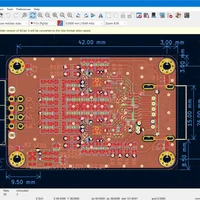
Video-As-Prompt: Unified Semantic Control for Video Generation
Unified, generalizable semantic control in video generation remains a critical open challenge. Existing methods either introduce artifacts by enforcing inappropriate pixel-wise priors from structure-based controls, or rely on non-generalizable, condition-specific finetuning or task-specific architectures. We introduce Video-As-Prompt (VAP), a new paradigm that reframes this problem as in-context generation. VAP leverages a reference video as a direct semantic prompt, guiding a frozen Video Diffusion Transformer (DiT) via a plug-and-play Mixture-of-Transformers (MoT) expert. This architecture prevents catastrophic forgetting and is guided by a temporally biased position embedding that eliminates spurious mapping priors for robust context retrieval. To power this approach and catalyze future research, we built VAP-Data, the largest dataset for semantic-controlled video generation with over 100K paired videos across 100 semantic conditions. As a single unified model, VAP sets a new state-of-the-art for open-source methods, achieving a 38.7% user preference rate that rivals leading condition-specific commercial models. VAP's strong zero-shot generalization and support for various downstream applications mark a significant advance toward general-purpose, controllable video generation.

SpaceControl: Introducing Test-Time Spatial Control to 3D Generative Modeling
Generative methods for 3D assets have recently achieved remarkable progress, yet providing intuitive and precise control over the object geometry remains a key challenge. Existing approaches predominantly rely on text or image prompts, which often fall short in geometric specificity: language can be ambiguous, and images are cumbersome to edit. In this work, we introduce SpaceControl, a training-free test-time method for explicit spatial control of 3D generation. Our approach accepts a wide range of geometric inputs, from coarse primitives to detailed meshes, and integrates seamlessly with modern pre-trained generative models without requiring any additional training. A controllable parameter lets users trade off between geometric fidelity and output realism. Extensive quantitative evaluation and user studies demonstrate that SpaceControl outperforms both training-based and optimization-based baselines in geometric faithfulness while preserving high visual quality. Finally, we present an interactive user interface that enables online editing of superquadrics for direct conversion into textured 3D assets, facilitating practical deployment in creative workflows. Find our project page at https://spacecontrol3d.github.io/

BitStack: Fine-Grained Size Control for Compressed Large Language Models in Variable Memory Environments
Large language models (LLMs) have revolutionized numerous applications, yet their deployment remains challenged by memory constraints on local devices. While scaling laws have enhanced LLM capabilities, the primary bottleneck has shifted from capability to availability, emphasizing the need for efficient memory management. Traditional compression methods, such as quantization, often require predefined compression ratios and separate compression processes for each setting, complicating deployment in variable memory environments. In this paper, we introduce BitStack, a novel, training-free weight compression approach that enables megabyte-level trade-offs between memory usage and model performance. By leveraging weight decomposition, BitStack can dynamically adjust the model size with minimal transmission between running memory and storage devices. Our approach iteratively decomposes weight matrices while considering the significance of each parameter, resulting in an approximately 1-bit per parameter residual block in each decomposition iteration. These blocks are sorted and stacked in storage as basic transmission units, with different quantities loaded based on current memory availability. Extensive experiments across a wide range of tasks demonstrate that, despite offering fine-grained size control, BitStack consistently matches or surpasses strong quantization baselines, particularly at extreme compression ratios. To the best of our knowledge, this is the first decomposition-based method that effectively bridges the gap to practical compression techniques like quantization. Code is available at https://github.com/xinghaow99/BitStack.

LightIt: Illumination Modeling and Control for Diffusion Models
We introduce LightIt, a method for explicit illumination control for image generation. Recent generative methods lack lighting control, which is crucial to numerous artistic aspects of image generation such as setting the overall mood or cinematic appearance. To overcome these limitations, we propose to condition the generation on shading and normal maps. We model the lighting with single bounce shading, which includes cast shadows. We first train a shading estimation module to generate a dataset of real-world images and shading pairs. Then, we train a control network using the estimated shading and normals as input. Our method demonstrates high-quality image generation and lighting control in numerous scenes. Additionally, we use our generated dataset to train an identity-preserving relighting model, conditioned on an image and a target shading. Our method is the first that enables the generation of images with controllable, consistent lighting and performs on par with specialized relighting state-of-the-art methods.


CHARM: Control-point-based 3D Anime Hairstyle Auto-Regressive Modeling
We present CHARM, a novel parametric representation and generative framework for anime hairstyle modeling. While traditional hair modeling methods focus on realistic hair using strand-based or volumetric representations, anime hairstyle exhibits highly stylized, piecewise-structured geometry that challenges existing techniques. Existing works often rely on dense mesh modeling or hand-crafted spline curves, making them inefficient for editing and unsuitable for scalable learning. CHARM introduces a compact, invertible control-point-based parameterization, where a sequence of control points represents each hair card, and each point is encoded with only five geometric parameters. This efficient and accurate representation supports both artist-friendly design and learning-based generation. Built upon this representation, CHARM introduces an autoregressive generative framework that effectively generates anime hairstyles from input images or point clouds. By interpreting anime hairstyles as a sequential "hair language", our autoregressive transformer captures both local geometry and global hairstyle topology, resulting in high-fidelity anime hairstyle creation. To facilitate both training and evaluation of anime hairstyle generation, we construct AnimeHair, a large-scale dataset of 37K high-quality anime hairstyles with separated hair cards and processed mesh data. Extensive experiments demonstrate state-of-the-art performance of CHARM in both reconstruction accuracy and generation quality, offering an expressive and scalable solution for anime hairstyle modeling. Project page: https://hyzcluster.github.io/charm/
ObjCtrl-2.5D: Training-free Object Control with Camera Poses
This study aims to achieve more precise and versatile object control in image-to-video (I2V) generation. Current methods typically represent the spatial movement of target objects with 2D trajectories, which often fail to capture user intention and frequently produce unnatural results. To enhance control, we present ObjCtrl-2.5D, a training-free object control approach that uses a 3D trajectory, extended from a 2D trajectory with depth information, as a control signal. By modeling object movement as camera movement, ObjCtrl-2.5D represents the 3D trajectory as a sequence of camera poses, enabling object motion control using an existing camera motion control I2V generation model (CMC-I2V) without training. To adapt the CMC-I2V model originally designed for global motion control to handle local object motion, we introduce a module to isolate the target object from the background, enabling independent local control. In addition, we devise an effective way to achieve more accurate object control by sharing low-frequency warped latent within the object's region across frames. Extensive experiments demonstrate that ObjCtrl-2.5D significantly improves object control accuracy compared to training-free methods and offers more diverse control capabilities than training-based approaches using 2D trajectories, enabling complex effects like object rotation. Code and results are available at https://wzhouxiff.github.io/projects/ObjCtrl-2.5D/.




GlyphControl: Glyph Conditional Control for Visual Text Generation
Recently, there has been a growing interest in developing diffusion-based text-to-image generative models capable of generating coherent and well-formed visual text. In this paper, we propose a novel and efficient approach called GlyphControl to address this task. Unlike existing methods that rely on character-aware text encoders like ByT5 and require retraining of text-to-image models, our approach leverages additional glyph conditional information to enhance the performance of the off-the-shelf Stable-Diffusion model in generating accurate visual text. By incorporating glyph instructions, users can customize the content, location, and size of the generated text according to their specific requirements. To facilitate further research in visual text generation, we construct a training benchmark dataset called LAION-Glyph. We evaluate the effectiveness of our approach by measuring OCR-based metrics and CLIP scores of the generated visual text. Our empirical evaluations demonstrate that GlyphControl outperforms the recent DeepFloyd IF approach in terms of OCR accuracy and CLIP scores, highlighting the efficacy of our method.


CameraMaster: Unified Camera Semantic-Parameter Control for Photography Retouching
Text-guided diffusion models have greatly advanced image editing and generation. However, achieving physically consistent image retouching with precise parameter control (e.g., exposure, white balance, zoom) remains challenging. Existing methods either rely solely on ambiguous and entangled text prompts, which hinders precise camera control, or train separate heads/weights for parameter adjustment, which compromises scalability, multi-parameter composition, and sensitivity to subtle variations. To address these limitations, we propose CameraMaster, a unified camera-aware framework for image retouching. The key idea is to explicitly decouple the camera directive and then coherently integrate two critical information streams: a directive representation that captures the photographer's intent, and a parameter embedding that encodes precise camera settings. CameraMaster first uses the camera parameter embedding to modulate both the camera directive and the content semantics. The modulated directive is then injected into the content features via cross-attention, yielding a strongly camera-sensitive semantic context. In addition, the directive and camera embeddings are injected as conditioning and gating signals into the time embedding, enabling unified, layer-wise modulation throughout the denoising process and enforcing tight semantic-parameter alignment. To train and evaluate CameraMaster, we construct a large-scale dataset of 78K image-prompt pairs annotated with camera parameters. Extensive experiments show that CameraMaster produces monotonic and near-linear responses to parameter variations, supports seamless multi-parameter composition, and significantly outperforms existing methods.

DiTraj: training-free trajectory control for video diffusion transformer
Diffusion Transformers (DiT)-based video generation models with 3D full attention exhibit strong generative capabilities. Trajectory control represents a user-friendly task in the field of controllable video generation. However, existing methods either require substantial training resources or are specifically designed for U-Net, do not take advantage of the superior performance of DiT. To address these issues, we propose DiTraj, a simple but effective training-free framework for trajectory control in text-to-video generation, tailored for DiT. Specifically, first, to inject the object's trajectory, we propose foreground-background separation guidance: we use the Large Language Model (LLM) to convert user-provided prompts into foreground and background prompts, which respectively guide the generation of foreground and background regions in the video. Then, we analyze 3D full attention and explore the tight correlation between inter-token attention scores and position embedding. Based on this, we propose inter-frame Spatial-Temporal Decoupled 3D-RoPE (STD-RoPE). By modifying only foreground tokens' position embedding, STD-RoPE eliminates their cross-frame spatial discrepancies, strengthening cross-frame attention among them and thus enhancing trajectory control. Additionally, we achieve 3D-aware trajectory control by regulating the density of position embedding. Extensive experiments demonstrate that our method outperforms previous methods in both video quality and trajectory controllability.

CamCloneMaster: Enabling Reference-based Camera Control for Video Generation
Camera control is crucial for generating expressive and cinematic videos. Existing methods rely on explicit sequences of camera parameters as control conditions, which can be cumbersome for users to construct, particularly for intricate camera movements. To provide a more intuitive camera control method, we propose CamCloneMaster, a framework that enables users to replicate camera movements from reference videos without requiring camera parameters or test-time fine-tuning. CamCloneMaster seamlessly supports reference-based camera control for both Image-to-Video and Video-to-Video tasks within a unified framework. Furthermore, we present the Camera Clone Dataset, a large-scale synthetic dataset designed for camera clone learning, encompassing diverse scenes, subjects, and camera movements. Extensive experiments and user studies demonstrate that CamCloneMaster outperforms existing methods in terms of both camera controllability and visual quality.
Damage Control During Domain Adaptation for Transducer Based Automatic Speech Recognition
Automatic speech recognition models are often adapted to improve their accuracy in a new domain. A potential drawback of model adaptation to new domains is catastrophic forgetting, where the Word Error Rate on the original domain is significantly degraded. This paper addresses the situation when we want to simultaneously adapt automatic speech recognition models to a new domain and limit the degradation of accuracy on the original domain without access to the original training dataset. We propose several techniques such as a limited training strategy and regularized adapter modules for the Transducer encoder, prediction, and joiner network. We apply these methods to the Google Speech Commands and to the UK and Ireland English Dialect speech data set and obtain strong results on the new target domain while limiting the degradation on the original domain.


Stop-RAG: Value-Based Retrieval Control for Iterative RAG
Iterative retrieval-augmented generation (RAG) enables large language models to answer complex multi-hop questions, but each additional loop increases latency, costs, and the risk of introducing distracting evidence, motivating the need for an efficient stopping strategy. Existing methods either use a predetermined number of iterations or rely on confidence proxies that poorly reflect whether more retrieval will actually help. We cast iterative RAG as a finite-horizon Markov decision process and introduce Stop-RAG, a value-based controller that adaptively decides when to stop retrieving. Trained with full-width forward-view Q(λ) targets from complete trajectories, Stop-RAG learns effective stopping policies while remaining compatible with black-box APIs and existing pipelines. On multi-hop question-answering benchmarks, Stop-RAG consistently outperforms both fixed-iteration baselines and prompting-based stopping with LLMs. These results highlight adaptive stopping as a key missing component in current agentic systems, and demonstrate that value-based control can improve the accuracy of RAG systems.
RealisMotion: Decomposed Human Motion Control and Video Generation in the World Space
Generating human videos with realistic and controllable motions is a challenging task. While existing methods can generate visually compelling videos, they lack separate control over four key video elements: foreground subject, background video, human trajectory and action patterns. In this paper, we propose a decomposed human motion control and video generation framework that explicitly decouples motion from appearance, subject from background, and action from trajectory, enabling flexible mix-and-match composition of these elements. Concretely, we first build a ground-aware 3D world coordinate system and perform motion editing directly in the 3D space. Trajectory control is implemented by unprojecting edited 2D trajectories into 3D with focal-length calibration and coordinate transformation, followed by speed alignment and orientation adjustment; actions are supplied by a motion bank or generated via text-to-motion methods. Then, based on modern text-to-video diffusion transformer models, we inject the subject as tokens for full attention, concatenate the background along the channel dimension, and add motion (trajectory and action) control signals by addition. Such a design opens up the possibility for us to generate realistic videos of anyone doing anything anywhere. Extensive experiments on benchmark datasets and real-world cases demonstrate that our method achieves state-of-the-art performance on both element-wise controllability and overall video quality.
DyST-XL: Dynamic Layout Planning and Content Control for Compositional Text-to-Video Generation
Compositional text-to-video generation, which requires synthesizing dynamic scenes with multiple interacting entities and precise spatial-temporal relationships, remains a critical challenge for diffusion-based models. Existing methods struggle with layout discontinuity, entity identity drift, and implausible interaction dynamics due to unconstrained cross-attention mechanisms and inadequate physics-aware reasoning. To address these limitations, we propose DyST-XL, a training-free framework that enhances off-the-shelf text-to-video models (e.g., CogVideoX-5B) through frame-aware control. DyST-XL integrates three key innovations: (1) A Dynamic Layout Planner that leverages large language models (LLMs) to parse input prompts into entity-attribute graphs and generates physics-aware keyframe layouts, with intermediate frames interpolated via trajectory optimization; (2) A Dual-Prompt Controlled Attention Mechanism that enforces localized text-video alignment through frame-aware attention masking, achieving precise control over individual entities; and (3) An Entity-Consistency Constraint strategy that propagates first-frame feature embeddings to subsequent frames during denoising, preserving object identity without manual annotation. Experiments demonstrate that DyST-XL excels in compositional text-to-video generation, significantly improving performance on complex prompts and bridging a crucial gap in training-free video synthesis. The code is released in https://github.com/XiaoBuL/DyST-XL.
Parametric Shadow Control for Portrait Generation in Text-to-Image Diffusion Models
Text-to-image diffusion models excel at generating diverse portraits, but lack intuitive shadow control. Existing editing approaches, as post-processing, struggle to offer effective manipulation across diverse styles. Additionally, these methods either rely on expensive real-world light-stage data collection or require extensive computational resources for training. To address these limitations, we introduce Shadow Director, a method that extracts and manipulates hidden shadow attributes within well-trained diffusion models. Our approach uses a small estimation network that requires only a few thousand synthetic images and hours of training-no costly real-world light-stage data needed. Shadow Director enables parametric and intuitive control over shadow shape, placement, and intensity during portrait generation while preserving artistic integrity and identity across diverse styles. Despite training only on synthetic data built on real-world identities, it generalizes effectively to generated portraits with diverse styles, making it a more accessible and resource-friendly solution.
PreciseCam: Precise Camera Control for Text-to-Image Generation
Images as an artistic medium often rely on specific camera angles and lens distortions to convey ideas or emotions; however, such precise control is missing in current text-to-image models. We propose an efficient and general solution that allows precise control over the camera when generating both photographic and artistic images. Unlike prior methods that rely on predefined shots, we rely solely on four simple extrinsic and intrinsic camera parameters, removing the need for pre-existing geometry, reference 3D objects, and multi-view data. We also present a novel dataset with more than 57,000 images, along with their text prompts and ground-truth camera parameters. Our evaluation shows precise camera control in text-to-image generation, surpassing traditional prompt engineering approaches. Our data, model, and code are publicly available at https://graphics.unizar.es/projects/PreciseCam2024.


Neural Control System for Continuous Glucose Monitoring and Maintenance
Precise glucose level monitoring is critical for people with diabetes to avoid serious complications. While there are several methods for continuous glucose level monitoring, research on maintenance devices is limited. To mitigate the gap, we provide a novel neural control system for continuous glucose monitoring and management that uses differential predictive control. Our approach, led by a sophisticated neural policy and differentiable modeling, constantly adjusts insulin supply in real-time, thereby improving glucose level optimization in the body. This end-to-end method maximizes efficiency, providing personalized care and improved health outcomes, as confirmed by empirical evidence.

LLMLight: Large Language Models as Traffic Signal Control Agents
Traffic Signal Control (TSC) is a crucial component in urban traffic management, aiming to optimize road network efficiency and reduce congestion. Traditional methods in TSC, primarily based on transportation engineering and reinforcement learning (RL), often exhibit limitations in generalization across varied traffic scenarios and lack interpretability. This paper presents LLMLight, a novel framework employing Large Language Models (LLMs) as decision-making agents for TSC. Specifically, the framework begins by instructing the LLM with a knowledgeable prompt detailing real-time traffic conditions. Leveraging the advanced generalization capabilities of LLMs, LLMLight engages a reasoning and decision-making process akin to human intuition for effective traffic control. Moreover, we build LightGPT, a specialized backbone LLM tailored for TSC tasks. By learning nuanced traffic patterns and control strategies, LightGPT enhances the LLMLight framework cost-effectively. Extensive experiments on nine real-world and synthetic datasets showcase the remarkable effectiveness, generalization ability, and interpretability of LLMLight against nine transportation-based and RL-based baselines.
Prompt Risk Control: A Rigorous Framework for Responsible Deployment of Large Language Models
The recent explosion in the capabilities of large language models has led to a wave of interest in how best to prompt a model to perform a given task. While it may be tempting to simply choose a prompt based on average performance on a validation set, this can lead to a deployment where unexpectedly poor responses are generated, especially for the worst-off users. To mitigate this prospect, we propose Prompt Risk Control, a lightweight framework for selecting a prompt based on rigorous upper bounds on families of informative risk measures. We offer methods for producing bounds on a diverse set of metrics, including quantities that measure worst-case responses and disparities in generation quality across the population of users. In addition, we extend the underlying statistical bounding techniques to accommodate the possibility of distribution shifts in deployment. Experiments on applications such as open-ended chat, medical question summarization, and code generation highlight how such a framework can foster responsible deployment by reducing the risk of the worst outcomes.
High-Dimensional Continuous Control Using Generalized Advantage Estimation
Policy gradient methods are an appealing approach in reinforcement learning because they directly optimize the cumulative reward and can straightforwardly be used with nonlinear function approximators such as neural networks. The two main challenges are the large number of samples typically required, and the difficulty of obtaining stable and steady improvement despite the nonstationarity of the incoming data. We address the first challenge by using value functions to substantially reduce the variance of policy gradient estimates at the cost of some bias, with an exponentially-weighted estimator of the advantage function that is analogous to TD(lambda). We address the second challenge by using trust region optimization procedure for both the policy and the value function, which are represented by neural networks. Our approach yields strong empirical results on highly challenging 3D locomotion tasks, learning running gaits for bipedal and quadrupedal simulated robots, and learning a policy for getting the biped to stand up from starting out lying on the ground. In contrast to a body of prior work that uses hand-crafted policy representations, our neural network policies map directly from raw kinematics to joint torques. Our algorithm is fully model-free, and the amount of simulated experience required for the learning tasks on 3D bipeds corresponds to 1-2 weeks of real time.
DisCo: Disentangled Control for Referring Human Dance Generation in Real World
Generative AI has made significant strides in computer vision, particularly in image/video synthesis conditioned on text descriptions. Despite the advancements, it remains challenging especially in the generation of human-centric content such as dance synthesis. Existing dance synthesis methods struggle with the gap between synthesized content and real-world dance scenarios. In this paper, we define a new problem setting: Referring Human Dance Generation, which focuses on real-world dance scenarios with three important properties: (i) Faithfulness: the synthesis should retain the appearance of both human subject foreground and background from the reference image, and precisely follow the target pose; (ii) Generalizability: the model should generalize to unseen human subjects, backgrounds, and poses; (iii) Compositionality: it should allow for composition of seen/unseen subjects, backgrounds, and poses from different sources. To address these challenges, we introduce a novel approach, DISCO, which includes a novel model architecture with disentangled control to improve the faithfulness and compositionality of dance synthesis, and an effective human attribute pre-training for better generalizability to unseen humans. Extensive qualitative and quantitative results demonstrate that DISCO can generate high-quality human dance images and videos with diverse appearances and flexible motions. Code, demo, video and visualization are available at: https://disco-dance.github.io/.


Diffusion as Shader: 3D-aware Video Diffusion for Versatile Video Generation Control
Diffusion models have demonstrated impressive performance in generating high-quality videos from text prompts or images. However, precise control over the video generation process, such as camera manipulation or content editing, remains a significant challenge. Existing methods for controlled video generation are typically limited to a single control type, lacking the flexibility to handle diverse control demands. In this paper, we introduce Diffusion as Shader (DaS), a novel approach that supports multiple video control tasks within a unified architecture. Our key insight is that achieving versatile video control necessitates leveraging 3D control signals, as videos are fundamentally 2D renderings of dynamic 3D content. Unlike prior methods limited to 2D control signals, DaS leverages 3D tracking videos as control inputs, making the video diffusion process inherently 3D-aware. This innovation allows DaS to achieve a wide range of video controls by simply manipulating the 3D tracking videos. A further advantage of using 3D tracking videos is their ability to effectively link frames, significantly enhancing the temporal consistency of the generated videos. With just 3 days of fine-tuning on 8 H800 GPUs using less than 10k videos, DaS demonstrates strong control capabilities across diverse tasks, including mesh-to-video generation, camera control, motion transfer, and object manipulation.



SG-I2V: Self-Guided Trajectory Control in Image-to-Video Generation
Methods for image-to-video generation have achieved impressive, photo-realistic quality. However, adjusting specific elements in generated videos, such as object motion or camera movement, is often a tedious process of trial and error, e.g., involving re-generating videos with different random seeds. Recent techniques address this issue by fine-tuning a pre-trained model to follow conditioning signals, such as bounding boxes or point trajectories. Yet, this fine-tuning procedure can be computationally expensive, and it requires datasets with annotated object motion, which can be difficult to procure. In this work, we introduce SG-I2V, a framework for controllable image-to-video generation that is self-guidedx2013offering zero-shot control by relying solely on the knowledge present in a pre-trained image-to-video diffusion model without the need for fine-tuning or external knowledge. Our zero-shot method outperforms unsupervised baselines while being competitive with supervised models in terms of visual quality and motion fidelity.



Trajectory Attention for Fine-grained Video Motion Control
Recent advancements in video generation have been greatly driven by video diffusion models, with camera motion control emerging as a crucial challenge in creating view-customized visual content. This paper introduces trajectory attention, a novel approach that performs attention along available pixel trajectories for fine-grained camera motion control. Unlike existing methods that often yield imprecise outputs or neglect temporal correlations, our approach possesses a stronger inductive bias that seamlessly injects trajectory information into the video generation process. Importantly, our approach models trajectory attention as an auxiliary branch alongside traditional temporal attention. This design enables the original temporal attention and the trajectory attention to work in synergy, ensuring both precise motion control and new content generation capability, which is critical when the trajectory is only partially available. Experiments on camera motion control for images and videos demonstrate significant improvements in precision and long-range consistency while maintaining high-quality generation. Furthermore, we show that our approach can be extended to other video motion control tasks, such as first-frame-guided video editing, where it excels in maintaining content consistency over large spatial and temporal ranges.



MagicPose4D: Crafting Articulated Models with Appearance and Motion Control
With the success of 2D and 3D visual generative models, there is growing interest in generating 4D content. Existing methods primarily rely on text prompts to produce 4D content, but they often fall short of accurately defining complex or rare motions. To address this limitation, we propose MagicPose4D, a novel framework for refined control over both appearance and motion in 4D generation. Unlike traditional methods, MagicPose4D accepts monocular videos as motion prompts, enabling precise and customizable motion generation. MagicPose4D comprises two key modules: i) Dual-Phase 4D Reconstruction Module} which operates in two phases. The first phase focuses on capturing the model's shape using accurate 2D supervision and less accurate but geometrically informative 3D pseudo-supervision without imposing skeleton constraints. The second phase refines the model using more accurate pseudo-3D supervision, obtained in the first phase and introduces kinematic chain-based skeleton constraints to ensure physical plausibility. Additionally, we propose a Global-local Chamfer loss that aligns the overall distribution of predicted mesh vertices with the supervision while maintaining part-level alignment without extra annotations. ii) Cross-category Motion Transfer Module} leverages the predictions from the 4D reconstruction module and uses a kinematic-chain-based skeleton to achieve cross-category motion transfer. It ensures smooth transitions between frames through dynamic rigidity, facilitating robust generalization without additional training. Through extensive experiments, we demonstrate that MagicPose4D significantly improves the accuracy and consistency of 4D content generation, outperforming existing methods in various benchmarks.



Readout Guidance: Learning Control from Diffusion Features
We present Readout Guidance, a method for controlling text-to-image diffusion models with learned signals. Readout Guidance uses readout heads, lightweight networks trained to extract signals from the features of a pre-trained, frozen diffusion model at every timestep. These readouts can encode single-image properties, such as pose, depth, and edges; or higher-order properties that relate multiple images, such as correspondence and appearance similarity. Furthermore, by comparing the readout estimates to a user-defined target, and back-propagating the gradient through the readout head, these estimates can be used to guide the sampling process. Compared to prior methods for conditional generation, Readout Guidance requires significantly fewer added parameters and training samples, and offers a convenient and simple recipe for reproducing different forms of conditional control under a single framework, with a single architecture and sampling procedure. We showcase these benefits in the applications of drag-based manipulation, identity-consistent generation, and spatially aligned control. Project page: https://readout-guidance.github.io.


Learning Camera Movement Control from Real-World Drone Videos
This study seeks to automate camera movement control for filming existing subjects into attractive videos, contrasting with the creation of non-existent content by directly generating the pixels. We select drone videos as our test case due to their rich and challenging motion patterns, distinctive viewing angles, and precise controls. Existing AI videography methods struggle with limited appearance diversity in simulation training, high costs of recording expert operations, and difficulties in designing heuristic-based goals to cover all scenarios. To avoid these issues, we propose a scalable method that involves collecting real-world training data to improve diversity, extracting camera trajectories automatically to minimize annotation costs, and training an effective architecture that does not rely on heuristics. Specifically, we collect 99k high-quality trajectories by running 3D reconstruction on online videos, connecting camera poses from consecutive frames to formulate 3D camera paths, and using Kalman filter to identify and remove low-quality data. Moreover, we introduce DVGFormer, an auto-regressive transformer that leverages the camera path and images from all past frames to predict camera movement in the next frame. We evaluate our system across 38 synthetic natural scenes and 7 real city 3D scans. We show that our system effectively learns to perform challenging camera movements such as navigating through obstacles, maintaining low altitude to increase perceived speed, and orbiting towers and buildings, which are very useful for recording high-quality videos. Data and code are available at dvgformer.github.io.

PainterNet: Adaptive Image Inpainting with Actual-Token Attention and Diverse Mask Control
Recently, diffusion models have exhibited superior performance in the area of image inpainting. Inpainting methods based on diffusion models can usually generate realistic, high-quality image content for masked areas. However, due to the limitations of diffusion models, existing methods typically encounter problems in terms of semantic consistency between images and text, and the editing habits of users. To address these issues, we present PainterNet, a plugin that can be flexibly embedded into various diffusion models. To generate image content in the masked areas that highly aligns with the user input prompt, we proposed local prompt input, Attention Control Points (ACP), and Actual-Token Attention Loss (ATAL) to enhance the model's focus on local areas. Additionally, we redesigned the MASK generation algorithm in training and testing dataset to simulate the user's habit of applying MASK, and introduced a customized new training dataset, PainterData, and a benchmark dataset, PainterBench. Our extensive experimental analysis exhibits that PainterNet surpasses existing state-of-the-art models in key metrics including image quality and global/local text consistency.

Evaluating the Smooth Control of Attribute Intensity in Text Generation with LLMs
Controlling the attribute intensity of text generation is crucial across scenarios (e.g., writing conciseness, chatting emotion, and explanation clarity). The remarkable capabilities of large language models (LLMs) have revolutionized text generation, prompting us to explore such smooth control of LLM generation. Specifically, we propose metrics to assess the range, calibration, and consistency of the generated text's attribute intensity in response to varying control values, as well as its relevance to the intended context. To quantify the attribute intensity and context relevance, we propose an effective evaluation framework leveraging the Elo rating system and GPT4, both renowned for their robust alignment with human judgment. We look into two viable training-free methods for achieving smooth control of LLMs: (1) Prompting with semantic shifters, and (2) Modifying internal model representations. The evaluations of these two methods are conducted on 5 different attributes with various models. Our code and dataset can be obtained from https://github.com/ShangDataLab/Smooth-Control.


GeoDiffusion: Text-Prompted Geometric Control for Object Detection Data Generation
Diffusion models have attracted significant attention due to the remarkable ability to create content and generate data for tasks like image classification. However, the usage of diffusion models to generate the high-quality object detection data remains an underexplored area, where not only image-level perceptual quality but also geometric conditions such as bounding boxes and camera views are essential. Previous studies have utilized either copy-paste synthesis or layout-to-image (L2I) generation with specifically designed modules to encode the semantic layouts. In this paper, we propose the GeoDiffusion, a simple framework that can flexibly translate various geometric conditions into text prompts and empower pre-trained text-to-image (T2I) diffusion models for high-quality detection data generation. Unlike previous L2I methods, our GeoDiffusion is able to encode not only the bounding boxes but also extra geometric conditions such as camera views in self-driving scenes. Extensive experiments demonstrate GeoDiffusion outperforms previous L2I methods while maintaining 4x training time faster. To the best of our knowledge, this is the first work to adopt diffusion models for layout-to-image generation with geometric conditions and demonstrate that L2I-generated images can be beneficial for improving the performance of object detectors.


Control Globally, Understand Locally: A Global-to-Local Hierarchical Graph Network for Emotional Support Conversation
Emotional support conversation aims at reducing the emotional distress of the help-seeker, which is a new and challenging task. It requires the system to explore the cause of help-seeker's emotional distress and understand their psychological intention to provide supportive responses. However, existing methods mainly focus on the sequential contextual information, ignoring the hierarchical relationships with the global cause and local psychological intention behind conversations, thus leads to a weak ability of emotional support. In this paper, we propose a Global-to-Local Hierarchical Graph Network to capture the multi-source information (global cause, local intentions and dialog history) and model hierarchical relationships between them, which consists of a multi-source encoder, a hierarchical graph reasoner, and a global-guide decoder. Furthermore, a novel training objective is designed to monitor semantic information of the global cause. Experimental results on the emotional support conversation dataset, ESConv, confirm that the proposed GLHG has achieved the state-of-the-art performance on the automatic and human evaluations. The code will be released in here \small{~https://github.com/pengwei-iie/GLHG}.
A smartphone application to measure the quality of pest control spraying machines via image analysis
The need for higher agricultural productivity has demanded the intensive use of pesticides. However, their correct use depends on assessment methods that can accurately predict how well the pesticides' spraying covered the intended crop region. Some methods have been proposed in the literature, but their high cost and low portability harm their widespread use. This paper proposes and experimentally evaluates a new methodology based on the use of a smartphone-based mobile application, named DropLeaf. Experiments performed using DropLeaf showed that, in addition to its versatility, it can predict with high accuracy the pesticide spraying. DropLeaf is a five-fold image-processing methodology based on: (i) color space conversion, (ii) threshold noise removal, (iii) convolutional operations of dilation and erosion, (iv) detection of contour markers in the water-sensitive card, and, (v) identification of droplets via the marker-controlled watershed transformation. The authors performed successful experiments over two case studies, the first using a set of synthetic cards and the second using a real-world crop. The proposed tool can be broadly used by farmers equipped with conventional mobile phones, improving the use of pesticides with health, environmental and financial benefits.