new

Get trending papers in your email inbox!

Subscribe

Daily Papers

byAK and the research community

Mar 5

Dualformer: Controllable Fast and Slow Thinking by Learning with Randomized Reasoning Traces

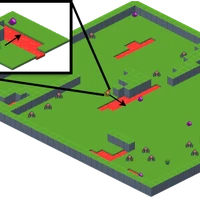
In human cognition theory, human thinking is governed by two systems: the fast and intuitive System 1 and the slower but more deliberative System 2. Recent studies have shown that incorporating System 2 process into Transformers including large language models (LLMs), significantly enhances their reasoning capabilities. Nevertheless, models that purely resemble System 2 thinking require substantially higher computational costs and are much slower to respond. To address this challenge, we present Dualformer, a single Transformer model that seamlessly integrates both the fast and slow reasoning modes. Dualformer is obtained by training on data with randomized reasoning traces, where different parts of the traces are dropped during training. The dropping strategies are specifically tailored according to the trace structure, analogous to analyzing our thinking process and creating shortcuts with patterns. At inference time, our model can be configured to output only the solutions (fast mode) or both the reasoning chain and the final solution (slow mode), or automatically decide which mode to engage (auto mode). In all cases, Dualformer outperforms the corresponding baseline models in both performance and computational efficiency: (1) in slow mode, Dualformer optimally solves unseen 30 x 30 maze navigation tasks 97.6% of the time, surpassing the Searchformer (trained on data with complete reasoning traces) baseline performance of 93.3%, while only using 45.5% fewer reasoning steps; (2) in fast mode, Dualformer completes those tasks with an 80% optimal rate, significantly outperforming the Solution-Only model (trained on solution-only data), which has an optimal rate of only 30%. For math problems, our techniques have also achieved improved performance with LLM fine-tuning, showing its generalization beyond task-specific models.

  • 5 authors
·
Oct 13, 2024

DrVoice: Parallel Speech-Text Voice Conversation Model via Dual-Resolution Speech Representations

Recent studies on end-to-end (E2E) speech generation with large language models (LLMs) have attracted significant community attention, with multiple works extending text-based LLMs to generate discrete speech tokens. Existing E2E approaches primarily fall into two categories: (1) Methods that generate discrete speech tokens independently without incorporating them into the LLM's autoregressive process, resulting in text generation being unaware of concurrent speech synthesis. (2) Models that generate interleaved or parallel speech-text tokens through joint autoregressive modeling, enabling mutual modality awareness during generation. This paper presents DrVoice, a parallel speech-text voice conversation model based on joint autoregressive modeling, featuring dual-resolution speech representations. Notably, while current methods utilize mainly 12.5Hz input audio representation, our proposed dual-resolution mechanism reduces the input frequency for the LLM to 5Hz, significantly reducing computational cost and alleviating the frequency discrepancy between speech and text tokens and in turn better exploiting LLMs' capabilities. Experimental results demonstrate that DRVOICE-7B establishes new state-of-the-art (SOTA) on OpenAudioBench and Big Bench Audio benchmarks, while achieving performance comparable to the SOTA on VoiceBench and UltraEval-Audio benchmarks, making it a leading open-source speech foundation model in ~7B models.

  • 17 authors
·
Jun 10, 2025

Tokenizing Single-Channel EEG with Time-Frequency Motif Learning

Foundation models are reshaping EEG analysis, yet an important problem of EEG tokenization remains a challenge. This paper presents TFM-Tokenizer, a novel tokenization framework that learns a vocabulary of time-frequency motifs from single-channel EEG signals and encodes them into discrete tokens. We propose a dual-path architecture with time-frequency masking to capture robust motif representations, and it is model-agnostic, supporting both lightweight transformers and existing foundation models for downstream tasks. Our study demonstrates three key benefits: Accuracy: Experiments on four diverse EEG benchmarks demonstrate consistent performance gains across both single- and multi-dataset pretraining settings, achieving up to 17% improvement in Cohen's Kappa over strong baselines. Generalization: Moreover, as a plug-and-play component, it consistently boosts the performance of diverse foundation models, including BIOT and LaBraM. Scalability: By operating at the single-channel level rather than relying on the strict 10-20 EEG system, our method has the potential to be device-agnostic. Experiments on ear-EEG sleep staging, which differs from the pretraining data in signal format, channel configuration, recording device, and task, show that our tokenizer outperforms baselines by 14%. A comprehensive token analysis reveals strong class-discriminative, frequency-aware, and consistent structure, enabling improved representation quality and interpretability. Code is available at https://github.com/Jathurshan0330/TFM-Tokenizer.

  • 4 authors
·
Feb 21, 2025

DualTune: Decoupled Fine-Tuning for On-Device Agentic Systems

The deployment of Large Language Models (LLMs) as agentic orchestrators has revolutionized task automation, but the need for privacy-preserving, cost-effective solutions demands on-device inference capabilities. However, local LLMs consistently underperform compared to frontier models in tool calling scenarios, struggling with both tool selection from large tool sets and accurate argument generation for complex parameter structures. We introduce a methodology that disaggregates a tool-calling task into two distinct subtasks: tool selection and argument generation. We propose "decoupled fine-tuning", a novel post-training approach that employs LoRA fine-tuning to create dedicated LoRA adapters for tool selection and tool-specific argument generation using separate loss masking for each of the subtasks. Furthermore, we present DualTune, an inference framework that leverages the LoRA adapters created using decoupled fine-tuning to perform efficient agent orchestration with the help of local models on end-user devices. DualTune decomposes the tool-call generation step into tool selection and argument generation, and dynamically loads the corresponding LoRA adapters to generate tool calls. Additionally, DualTune implements hierarchical orchestration to restrict the number of tools required for tool selection. Our experiments on the MCP-Bench benchmark demonstrate that the Qwen-2.5-7B model trained using decoupled fine-tuning improves the tool calling accuracy of the base model by 46%, and outperforms other local reasoning, non-reasoning and fine-tuned models of similar size in all cases, and models that are 2x larger, in most cases.

  • 8 authors
·
Sep 30, 2025

MambAttention: Mamba with Multi-Head Attention for Generalizable Single-Channel Speech Enhancement

With the advent of new sequence models like Mamba and xLSTM, several studies have shown that these models match or outperform state-of-the-art models in single-channel speech enhancement, automatic speech recognition, and self-supervised audio representation learning. However, prior research has demonstrated that sequence models like LSTM and Mamba tend to overfit to the training set. To address this issue, previous works have shown that adding self-attention to LSTMs substantially improves generalization performance for single-channel speech enhancement. Nevertheless, neither the concept of hybrid Mamba and time-frequency attention models nor their generalization performance have been explored for speech enhancement. In this paper, we propose a novel hybrid architecture, MambAttention, which combines Mamba and shared time- and frequency-multi-head attention modules for generalizable single-channel speech enhancement. To train our model, we introduce VoiceBank+Demand Extended (VB-DemandEx), a dataset inspired by VoiceBank+Demand but with more challenging noise types and lower signal-to-noise ratios. Trained on VB-DemandEx, our proposed MambAttention model significantly outperforms existing state-of-the-art LSTM-, xLSTM-, Mamba-, and Conformer-based systems of similar complexity across all reported metrics on two out-of-domain datasets: DNS 2020 and EARS-WHAM_v2, while matching their performance on the in-domain dataset VB-DemandEx. Ablation studies highlight the role of weight sharing between the time- and frequency-multi-head attention modules for generalization performance. Finally, we explore integrating the shared time- and frequency-multi-head attention modules with LSTM and xLSTM, which yields a notable performance improvement on the out-of-domain datasets. However, our MambAttention model remains superior on both out-of-domain datasets across all reported evaluation metrics.

  • 4 authors
·
Jul 1, 2025

How Abilities in Large Language Models are Affected by Supervised Fine-tuning Data Composition

Large language models (LLMs) with enormous pre-training tokens and parameter amounts emerge abilities, including math reasoning, code generation, and instruction following. These abilities are further enhanced by supervised fine-tuning (SFT). The open-source community has studied on ad-hoc SFT for each ability, while proprietary LLMs are versatile for all abilities. It is important to investigate how to unlock them with multiple abilities via SFT. In this study, we specifically focus on the data composition between mathematical reasoning, code generation, and general human-aligning abilities during SFT. From a scaling perspective, we investigate the relationship between model abilities and various factors including data amounts, data composition ratio, model parameters, and SFT strategies. Our experiments reveal that different abilities exhibit different scaling patterns, and larger models generally show superior performance with the same amount of data. Mathematical reasoning and code generation improve as data amounts increase consistently, while the general ability is enhanced with about a thousand samples and improves slowly. We find data composition results in various abilities improvements with low data amounts, while conflicts of abilities with high data amounts. Our experiments further show that composition data amount impacts performance, while the influence of composition ratio is insignificant. Regarding the SFT strategies, we evaluate sequential learning multiple abilities are prone to catastrophic forgetting. Our proposed Dual-stage Mixed Fine-tuning (DMT) strategy learns specialized abilities first and then learns general abilities with a small amount of specialized data to prevent forgetting, offering a promising solution to learn multiple abilities with different scaling patterns.

  • 10 authors
·
Oct 9, 2023

Efficient Deweather Mixture-of-Experts with Uncertainty-aware Feature-wise Linear Modulation

The Mixture-of-Experts (MoE) approach has demonstrated outstanding scalability in multi-task learning including low-level upstream tasks such as concurrent removal of multiple adverse weather effects. However, the conventional MoE architecture with parallel Feed Forward Network (FFN) experts leads to significant parameter and computational overheads that hinder its efficient deployment. In addition, the naive MoE linear router is suboptimal in assigning task-specific features to multiple experts which limits its further scalability. In this work, we propose an efficient MoE architecture with weight sharing across the experts. Inspired by the idea of linear feature modulation (FM), our architecture implicitly instantiates multiple experts via learnable activation modulations on a single shared expert block. The proposed Feature Modulated Expert (FME) serves as a building block for the novel Mixture-of-Feature-Modulation-Experts (MoFME) architecture, which can scale up the number of experts with low overhead. We further propose an Uncertainty-aware Router (UaR) to assign task-specific features to different FM modules with well-calibrated weights. This enables MoFME to effectively learn diverse expert functions for multiple tasks. The conducted experiments on the multi-deweather task show that our MoFME outperforms the baselines in the image restoration quality by 0.1-0.2 dB and achieves SOTA-compatible performance while saving more than 72% of parameters and 39% inference time over the conventional MoE counterpart. Experiments on the downstream segmentation and classification tasks further demonstrate the generalizability of MoFME to real open-world applications.

  • 11 authors
·
Dec 27, 2023

Moirai-MoE: Empowering Time Series Foundation Models with Sparse Mixture of Experts

Time series foundation models have demonstrated impressive performance as zero-shot forecasters. However, achieving effectively unified training on time series remains an open challenge. Existing approaches introduce some level of model specialization to account for the highly heterogeneous nature of time series data. For instance, Moirai pursues unified training by employing multiple input/output projection layers, each tailored to handle time series at a specific frequency. Similarly, TimesFM maintains a frequency embedding dictionary for this purpose. We identify two major drawbacks to this human-imposed frequency-level model specialization: (1) Frequency is not a reliable indicator of the underlying patterns in time series. For example, time series with different frequencies can display similar patterns, while those with the same frequency may exhibit varied patterns. (2) Non-stationarity is an inherent property of real-world time series, leading to varied distributions even within a short context window of a single time series. Frequency-level specialization is too coarse-grained to capture this level of diversity. To address these limitations, this paper introduces Moirai-MoE, using a single input/output projection layer while delegating the modeling of diverse time series patterns to the sparse mixture of experts (MoE) within Transformers. With these designs, Moirai-MoE reduces reliance on human-defined heuristics and enables automatic token-level specialization. Extensive experiments on 39 datasets demonstrate the superiority of Moirai-MoE over existing foundation models in both in-distribution and zero-shot scenarios. Furthermore, this study conducts comprehensive model analyses to explore the inner workings of time series MoE foundation models and provides valuable insights for future research.

  • 10 authors
·
Oct 14, 2024

FlexMoRE: A Flexible Mixture of Rank-heterogeneous Experts for Efficient Federatedly-trained Large Language Models

Recent advances in mixture-of-experts architectures have shown that individual experts models can be trained federatedly, i.e., in isolation from other experts by using a common base model to facilitate coordination. However, we hypothesize that full-sized experts may not be necessary for all domains and that instead low-rank adapters may be sufficient. Here, we introduce FlexMoRE, a Flexible Mixture of Rank-heterogenous Experts, which may be either full-sized experts or adapters of a suitable rank. We systematically investigate the trade-off between expert rank and downstream task performance by evaluating 6 experts with ranks 2^0 to 2^{14} resulting in experiments covering 150 mixtures (96 with 2 experts, 54 with 7 experts) that are evaluated across 120 tasks. For our experiments, we build on FlexOlmo and turn its pre-trained experts into low-rank versions. Our regression analysis from expert rank to downstream task performance reveals that the best-performing rank is substantially higher for reasoning-heavy benchmarks than for knowledge-heavy benchmarks. These findings on rank sensitivity come with direct implications for memory efficiency: Using optimal ranks, FlexMoRE yields improved downstream task performance (average score 47.18) compared to the baseline FlexOlmo-style mixture of full-sized experts (average score 45.46) at less than one third the parameters (10.75B for FlexMoRE vs. 33.27B for FlexOlmo). All code will be made available.

Frequency-Specific Neural Response and Cross-Correlation Analysis of Envelope Following Responses to Native Speech and Music Using Multichannel EEG Signals: A Case Study

Although native speech and music envelope following responses (EFRs) play a crucial role in auditory processing and cognition, their frequency profile, such as the dominating frequency and spectral coherence, is largely unknown. We have assumed that the auditory pathway - which transmits envelope components of speech and music to the scalp through time-varying neurophysiological processes - is a linear time-varying system, with the envelope and the multi-channel EEG responses as excitation and response, respectively. This paper investigates the transfer function of this system through two analytical techniques - time-averaged spectral responses and cross-spectral density - in the frequency domain at four different positions of the human scalp. Our findings suggest that alpha (8-11 Hz), lower gamma (53-56 Hz), and higher gamma (78-81 Hz) bands are the peak responses of the system. These frequently appearing dominant frequency responses may be the key components of familiar speech perception, maintaining attention, binding acoustic features, and memory processing. The cross-spectral density, which reflects the spatial neural coherence of the human brain, shows that 10-13 Hz, 27-29 Hz, and 62-64 Hz are common for all channel pairs. As neural coherences are frequently observed in these frequencies among native participants, we suggest that these distributed neural processes are also dominant in native speech and music perception.

  • 4 authors
·
Jul 7, 2025

WavLLM: Towards Robust and Adaptive Speech Large Language Model

The recent advancements in large language models (LLMs) have revolutionized the field of natural language processing, progressively broadening their scope to multimodal perception and generation. However, effectively integrating listening capabilities into LLMs poses significant challenges, particularly with respect to generalizing across varied contexts and executing complex auditory tasks. In this work, we introduce WavLLM, a robust and adaptive speech large language model with dual encoders, and a prompt-aware LoRA weight adapter, optimized by a two-stage curriculum learning approach. Leveraging dual encoders, we decouple different types of speech information, utilizing a Whisper encoder to process the semantic content of speech, and a WavLM encoder to capture the unique characteristics of the speaker's identity. Within the curriculum learning framework, WavLLM first builds its foundational capabilities by optimizing on mixed elementary single tasks, followed by advanced multi-task training on more complex tasks such as combinations of the elementary tasks. To enhance the flexibility and adherence to different tasks and instructions, a prompt-aware LoRA weight adapter is introduced in the second advanced multi-task training stage. We validate the proposed model on universal speech benchmarks including tasks such as ASR, ST, SV, ER, and also apply it to specialized datasets like Gaokao English listening comprehension set for SQA, and speech Chain-of-Thought (CoT) evaluation set. Experiments demonstrate that the proposed model achieves state-of-the-art performance across a range of speech tasks on the same model size, exhibiting robust generalization capabilities in executing complex tasks using CoT approach. Furthermore, our model successfully completes Gaokao tasks without specialized training. The codes, models, audio, and Gaokao evaluation set can be accessed at aka.ms/wavllm.

  • 11 authors
·
Mar 31, 2024 1

D-CTNet: A Dual-Branch Channel-Temporal Forecasting Network with Frequency-Domain Correction

Accurate Multivariate Time Series (MTS) forecasting is crucial for collaborative design of complex systems, Digital Twin building, and maintenance ahead of time. However, the collaborative industrial environment presents new challenges for MTS forecasting models: models should decouple complex inter-variable dependencies while addressing non-stationary distribution shift brought by environmental changes. To address these challenges and improve collaborative sensing reliability, we propose a Patch-Based Dual-Branch Channel-Temporal Forecasting Network (D-CTNet). Particularly, with a parallel dual-branch design incorporating linear temporal modeling layer and channel attention mechanism, our method explicitly decouples and jointly learns intra-channel temporal evolution patterns and dynamic multivariate correlations. Furthermore, a global patch attention fusion module goes beyond the local window scope to model long range dependencies. Most importantly, aiming at non-stationarity, a Frequency-Domain Stationarity Correction mechanism adaptively suppresses distribution shift impacts from environment change by spectrum alignment. Evaluations on seven benchmark datasets show that our model achieves better forecasting accuracy and robustness compared with state-of-the-art methods. Our work shows great promise as a new forecasting engine for industrial collaborative systems.

  • 6 authors
·
Nov 30, 2025

UniMoE-Audio: Unified Speech and Music Generation with Dynamic-Capacity MoE

Recent advances in unified multimodal models indicate a clear trend towards comprehensive content generation. However, the auditory domain remains a significant challenge, with music and speech often developed in isolation, hindering progress towards universal audio synthesis. This separation stems from inherent task conflicts and severe data imbalances, which impede the development of a truly unified audio generation model. To address this challenge, we propose UniMoE-Audio, a unified speech and music generation model within a novel Dynamic-Capacity Mixture-of-Experts (MoE) framework. Architecturally, UniMoE-Audio introduces a Top-P routing strategy for dynamic expert number allocation, and a hybrid expert design comprising routed experts for domain-specific knowledge, shared experts for domain-agnostic features, and null experts for adaptive computation skipping. To tackle data imbalance, we introduce a three-stage training curriculum: 1) Independent Specialist Training leverages original datasets to instill domain-specific knowledge into each "proto-expert" without interference; 2) MoE Integration and Warmup incorporates these specialists into the UniMoE-Audio architecture, warming up the gate module and shared expert using a subset of balanced dataset; and 3) Synergistic Joint Training trains the entire model end-to-end on the fully balanced dataset, fostering enhanced cross-domain synergy. Extensive experiments show that UniMoE-Audio not only achieves state-of-the-art performance on major speech and music generation benchmarks, but also demonstrates superior synergistic learning, mitigating the performance degradation typically seen in naive joint training. Our findings highlight the substantial potential of specialized MoE architecture and curated training strategies in advancing the field of universal audio generation. Homepage: https://mukioxun.github.io/Uni-MoE-site/home.html

HIT-TMG Lychee Team
·
Oct 15, 2025 3

VSLLaVA: a pipeline of large multimodal foundation model for industrial vibration signal analysis

While Large Multimodal Models (LMMs) excel in general multimodal tasks, they lack the domain-specific knowledge for industrial vibration signal analysis. This paper introduces VSLLaVA, a comprehensive pipeline that utilizes expert knowledge-guided instruction tuning and evaluation to create an end-to-end LMM for signal analysis. To achieve this, we construct a novel Signal-Question-Answer (SQA) dataset using an expert rule-based signal generator. This dataset facilitates a two-stage learning procedure. The first step is efficient instruction fine-tuning with Low-Rank Adaptation (LoRA), which imparts specialized signal identification capabilities. Subsequently, we designed a tailored Group Relative Policy Optimization (GRPO) to refine the reasoning capabilities and enhance classification robustness. Then, a dual-mode evaluation framework is proposed, combining an LLM referee with expert rules for semantic assessment using quantitative metrics for numerical and textual accuracy, which reveals that VSLLaVA significantly improves performance in signal type identification and parameter analysis, and makes progress in the identification and parameter analysis of fault-related signals. This research demonstrates a viable approach for developing specialized foundational models for complex industrial applications and marks a transition from conventional task-specific systems to a cohesive, interactive foundational model.

  • 7 authors
·
Sep 3, 2024

Over-The-Air Double-Threshold Deep Learner for Jamming Detection in 5G RF domain

With the evolution of 5G wireless communications, the Synchronization Signal Block (SSB) plays a critical role in the synchronization of devices and accessibility of services. However, due to the predictable nature of SSB transmission, including the Primary and Secondary Synchronization Signals (PSS and SSS), jamming attacks are critical threats. By leveraging RF domain knowledge, this work presents a novel deep learning-based technique for detecting jammers in 5G networks. Unlike the existing jamming detection algorithms that mostly rely on network parameters, we introduce a double threshold deep learning jamming detector by focusing on the SSB. The detection method is focused on RF domain features and improves the robustness of the network without requiring integration with the pre-existing network infrastructure. By integrating a preprocessing block that extracts PSS correlation and energy per null resource elements (EPNRE) characteristics, our method distinguishes between normal and jammed received signals with high precision. Additionally, by incorporation of Discrete Wavelet Transform (DWT), the efficacy of training and detection are optimized. A double threshold double Deep Neural Network (DT-DDNN) is also introduced to the architecture complemented by a deep cascade learning model to increase the sensitivity of the model to variations of signal to jamming noise ratio (SJNR). Results show that the proposed method achieves 96.4% detection rate in extra low jamming power, i.e., SJNR between 15 to 30 dB which outperforms the single threshold DNN design with 86.0% detection rate and unprocessed IQ sample DNN design with 83.2% detection rate. Ultimately, performance of DT-DDNN is validated through the analysis of real 5G signals obtained from a practical testbed, demonstrating a strong alignment with the simulation results.

  • 4 authors
·
Mar 4, 2024

Don't Ignore Dual Logic Ability of LLMs while Privatizing: A Data-Intensive Analysis in Medical Domain

Extensive studies have been devoted to privatizing general-domain Large Language Models (LLMs) as Domain-Specific LLMs via feeding specific-domain data. However, these privatization efforts often ignored a critical aspect: Dual Logic Ability, which is a core reasoning ability for LLMs. The dual logic ability of LLMs ensures that they can maintain a consistent stance when confronted with both positive and negative statements about the same fact. Our study focuses on how the dual logic ability of LLMs is affected during the privatization process in the medical domain. We conduct several experiments to analyze the dual logic ability of LLMs by examining the consistency of the stance in responses to paired questions about the same fact. In our experiments, interestingly, we observed a significant decrease in the dual logic ability of existing LLMs after privatization. Besides, our results indicate that incorporating general domain dual logic data into LLMs not only enhances LLMs' dual logic ability but also further improves their accuracy. These findings underscore the importance of prioritizing LLMs' dual logic ability during the privatization process. Our study establishes a benchmark for future research aimed at exploring LLMs' dual logic ability during the privatization process and offers valuable guidance for privatization efforts in real-world applications.

  • 7 authors
·
Sep 8, 2023

Fun-Audio-Chat Technical Report

Recent advancements in joint speech-text models show great potential for seamless voice interactions. However, existing models face critical challenges: temporal resolution mismatch between speech tokens (25Hz) and text tokens (~3Hz) dilutes semantic information, incurs high computational costs, and causes catastrophic forgetting of text LLM knowledge. We introduce Fun-Audio-Chat, a Large Audio Language Model addressing these limitations via two innovations from our previous work DrVoice. First, Dual-Resolution Speech Representations (DRSR): the Shared LLM processes audio at efficient 5Hz (via token grouping), while the Speech Refined Head generates high-quality tokens at 25Hz, balancing efficiency (~50% GPU reduction) and quality. Second, Core-Cocktail Training, a two-stage fine-tuning with intermediate merging that mitigates catastrophic forgetting. We then apply Multi-Task DPO Training to enhance robustness, audio understanding, instruction-following and voice empathy. This multi-stage post-training enables Fun-Audio-Chat to retain text LLM knowledge while gaining powerful audio understanding, reasoning, and generation. Unlike recent LALMs requiring large-scale audio-text pre-training, Fun-Audio-Chat leverages pre-trained models and extensive post-training. Fun-Audio-Chat 8B and MoE 30B-A3B achieve competitive performance on Speech-to-Text and Speech-to-Speech tasks, ranking top among similar-scale models on Spoken QA benchmarks. They also achieve competitive to superior performance on Audio Understanding, Speech Function Calling, Instruction-Following and Voice Empathy. We develop Fun-Audio-Chat-Duplex, a full-duplex variant with strong performance on Spoken QA and full-duplex interactions. We open-source Fun-Audio-Chat-8B with training and inference code, and provide an interactive demo.

  • 12 authors
·
Dec 23, 2025

Unchosen Experts Can Contribute Too: Unleashing MoE Models' Power by Self-Contrast

Mixture-of-Experts (MoE) has emerged as a prominent architecture for scaling model size while maintaining computational efficiency. In MoE, each token in the input sequence activates a different subset of experts determined by a routing mechanism. However, the unchosen experts in MoE models do not contribute to the output, potentially leading to underutilization of the model's capacity. In this work, we first conduct exploratory studies to demonstrate that increasing the number of activated experts does not necessarily improve and can even degrade the output quality. Then, we show that output distributions from an MoE model using different routing strategies substantially differ, indicating that different experts do not always act synergistically. Motivated by these findings, we propose Self-Contrast Mixture-of-Experts (SCMoE), a training-free strategy that utilizes unchosen experts in a self-contrast manner during inference. In SCMoE, the next-token probabilities are determined by contrasting the outputs from strong and weak activation using the same MoE model. Our method is conceptually simple and computationally lightweight, as it incurs minimal latency compared to greedy decoding. Experiments on several benchmarks (GSM8K, StrategyQA, MBPP and HumanEval) demonstrate that SCMoE can consistently enhance Mixtral 8x7B's reasoning capability across various domains. For example, it improves the accuracy on GSM8K from 61.79 to 66.94. Moreover, combining SCMoE with self-consistency yields additional gains, increasing major@20 accuracy from 75.59 to 78.31.

  • 9 authors
·
May 23, 2024

VersatileFFN: Achieving Parameter Efficiency in LLMs via Adaptive Wide-and-Deep Reuse

The rapid scaling of Large Language Models (LLMs) has achieved remarkable performance, but it also leads to prohibitive memory costs. Existing parameter-efficient approaches such as pruning and quantization mainly compress pretrained models without enhancing architectural capacity, thereby hitting the representational ceiling of the base model. In this work, we propose VersatileFFN, a novel feed-forward network (FFN) that enables flexible reuse of parameters in both width and depth dimensions within a fixed parameter budget. Inspired by the dual-process theory of cognition, VersatileFFN comprises two adaptive pathways: a width-versatile path that generates a mixture of sub-experts from a single shared FFN, mimicking sparse expert routing without increasing parameters, and a depth-versatile path that recursively applies the same FFN to emulate deeper processing for complex tokens. A difficulty-aware gating dynamically balances the two pathways, steering "easy" tokens through the efficient width-wise route and allocating deeper iterative refinement to "hard" tokens. Crucially, both pathways reuse the same parameters, so all additional capacity comes from computation rather than memory. Experiments across diverse benchmarks and model scales demonstrate the effectiveness of the method. The code will be available at https://github.com/huawei-noah/noah-research/tree/master/VersatileFFN.

huawei-noah HUAWEI Noah's Ark Lab
·
Dec 16, 2025 2

Dual Frequency Branch Framework with Reconstructed Sliding Windows Attention for AI-Generated Image Detection

The rapid advancement of Generative Adversarial Networks (GANs) and diffusion models has enabled the creation of highly realistic synthetic images, presenting significant societal risks, such as misinformation and deception. As a result, detecting AI-generated images has emerged as a critical challenge. Existing researches emphasize extracting fine-grained features to enhance detector generalization, yet they often lack consideration for the importance and interdependencies of internal elements within local regions and are limited to a single frequency domain, hindering the capture of general forgery traces. To overcome the aforementioned limitations, we first utilize a sliding window to restrict the attention mechanism to a local window, and reconstruct the features within the window to model the relationships between neighboring internal elements within the local region. Then, we design a dual frequency domain branch framework consisting of four frequency domain subbands of DWT and the phase part of FFT to enrich the extraction of local forgery features from different perspectives. Through feature enrichment of dual frequency domain branches and fine-grained feature extraction of reconstruction sliding window attention, our method achieves superior generalization detection capabilities on both GAN and diffusion model-based generative images. Evaluated on diverse datasets comprising images from 65 distinct generative models, our approach achieves a 2.13\% improvement in detection accuracy over state-of-the-art methods.

  • 5 authors
·
Jan 25, 2025

MoTE: Mixture of Ternary Experts for Memory-efficient Large Multimodal Models

Large multimodal Mixture-of-Experts (MoEs) effectively scale the model size to boost performance while maintaining fixed active parameters. However, previous works primarily utilized full-precision experts during sparse up-cycling. Despite they show superior performance on end tasks, the large amount of experts introduces higher memory footprint, which poses significant challenges for the deployment on edge devices. In this work, we propose MoTE, a scalable and memory-efficient approach to train Mixture-of-Ternary-Experts models from dense checkpoint. Instead of training fewer high-precision experts, we propose to train more low-precision experts during up-cycling. Specifically, we use the pre-trained FFN as a shared expert and train ternary routed experts with parameters in {-1, 0, 1}. Extensive experiments show that our approach has promising scaling trend along model size. MoTE achieves comparable performance to full-precision baseline MoE-LLaVA while offering lower memory footprint. Furthermore, our approach is compatible with post-training quantization methods and the advantage further amplifies when memory-constraint goes lower. Given the same amount of expert memory footprint of 3.4GB and combined with post-training quantization, MoTE outperforms MoE-LLaVA by a gain of 4.3% average accuracy on end tasks, demonstrating its effectiveness and potential for memory-constrained devices.

  • 8 authors
·
Jun 17, 2025 2

LLM-EDT: Large Language Model Enhanced Cross-domain Sequential Recommendation with Dual-phase Training

Cross-domain Sequential Recommendation (CDSR) has been proposed to enrich user-item interactions by incorporating information from various domains. Despite current progress, the imbalance issue and transition issue hinder further development of CDSR. The former one presents a phenomenon that the interactions in one domain dominate the entire behavior, leading to difficulty in capturing the domain-specific features in the other domain. The latter points to the difficulty in capturing users' cross-domain preferences within the mixed interaction sequence, resulting in poor next-item prediction performance for specific domains. With world knowledge and powerful reasoning ability, Large Language Models (LLMs) partially alleviate the above issues by performing as a generator and an encoder. However, current LLMs-enhanced CDSR methods are still under exploration, which fail to recognize the irrelevant noise and rough profiling problems. Thus, to make peace with the aforementioned challenges, we proposed an LLMs Enhanced Cross-domain Sequential Recommendation with Dual-phase Training ({LLM-EDT}). To address the imbalance issue while introducing less irrelevant noise, we first propose the transferable item augmenter to adaptively generate possible cross-domain behaviors for users. Then, to alleviate the transition issue, we introduce a dual-phase training strategy to empower the domain-specific thread with a domain-shared background. As for the rough profiling problem, we devise a domain-aware profiling module to summarize the user's preference in each domain and adaptively aggregate them to generate comprehensive user profiles. The experiments on three public datasets validate the effectiveness of our proposed LLM-EDT. To ease reproducibility, we have released the detailed code online at {https://anonymous.4open.science/r/LLM-EDT-583F}.

  • 9 authors
·
Nov 25, 2025

Multimodal Wireless Foundation Models

Wireless foundation models (WFMs) have recently demonstrated promising capabilities, jointly performing multiple wireless functions and adapting effectively to new environments. However, while current WFMs process only one modality, depending on the task and operating conditions, the most informative modality changes and no single modality is best for all tasks. WFMs should therefore be designed to accept multiple modalities to enable a broader and more diverse range of tasks and scenarios. In this work, we propose and build the first multimodal wireless foundation model capable of processing both raw IQ streams and image-like wireless modalities (e.g., spectrograms and CSI) and performing multiple tasks across both. We introduce masked wireless modeling for the multimodal setting, a self-supervised objective and pretraining recipe that learns a joint representation from IQ streams and image-like wireless modalities. We evaluate the model on five tasks across both modality families: image-based (human activity sensing, RF signal classification, 5G NR positioning) and IQ-based (RF device fingerprinting, interference detection/classification). The multimodal WFM is competitive with single-modality WFMs, and in several cases surpasses their performance. Our results demonstrates the strong potential of developing multimodal WFMs that support diverse wireless tasks across different modalities. We believe this provides a concrete step toward both AI-native 6G and the vision of joint sensing, communication, and localization.

  • 2 authors
·
Nov 19, 2025

MoDES: Accelerating Mixture-of-Experts Multimodal Large Language Models via Dynamic Expert Skipping

Mixture-of-Experts (MoE) Multimodal large language models (MLLMs) excel at vision-language tasks, but they suffer from high computational inefficiency. To reduce inference overhead, expert skipping methods have been proposed to deactivate redundant experts based on the current input tokens. However, we find that applying these methods-originally designed for unimodal large language models (LLMs)-to MLLMs results in considerable performance degradation. This is primarily because such methods fail to account for the heterogeneous contributions of experts across MoE layers and modality-specific behaviors of tokens within these layers. Motivated by these findings, we propose MoDES, the first training-free framework that adaptively skips experts to enable efficient and accurate MoE MLLM inference. It incorporates a globally-modulated local gating (GMLG) mechanism that integrates global layer-wise importance into local routing probabilities to accurately estimate per-token expert importance. A dual-modality thresholding (DMT) method is then applied, which processes tokens from each modality separately, to derive the skipping schedule. To set the optimal thresholds, we introduce a frontier search algorithm that exploits monotonicity properties, cutting convergence time from several days to a few hours. Extensive experiments for 3 model series across 13 benchmarks demonstrate that MoDES far outperforms previous approaches. For instance, when skipping 88% experts for Qwen3-VL-MoE-30B-A3B-Instruct, the performance boost is up to 10.67% (97.33% vs. 86.66%). Furthermore, MoDES significantly enhances inference speed, improving the prefilling time by 2.16times and the decoding time by 1.26times.

  • 8 authors
·
Nov 19, 2025

Cross-Frequency Collaborative Training Network and Dataset for Semi-supervised First Molar Root Canal Segmentation

Root canal (RC) treatment is a highly delicate and technically complex procedure in clinical practice, heavily influenced by the clinicians' experience and subjective judgment. Deep learning has made significant advancements in the field of computer-aided diagnosis (CAD) because it can provide more objective and accurate diagnostic results. However, its application in RC treatment is still relatively rare, mainly due to the lack of public datasets in this field. To address this issue, in this paper, we established a First Molar Root Canal segmentation dataset called FMRC-2025. Additionally, to alleviate the workload of manual annotation for dentists and fully leverage the unlabeled data, we designed a Cross-Frequency Collaborative training semi-supervised learning (SSL) Network called CFC-Net. It consists of two components: (1) Cross-Frequency Collaborative Mean Teacher (CFC-MT), which introduces two specialized students (SS) and one comprehensive teacher (CT) for collaborative multi-frequency training. The CT and SS are trained on different frequency components while fully integrating multi-frequency knowledge through cross and full frequency consistency supervisions. (2) Uncertainty-guided Cross-Frequency Mix (UCF-Mix) mechanism enables the network to generate high-confidence pseudo-labels while learning to integrate multi-frequency information and maintaining the structural integrity of the targets. Extensive experiments on FMRC-2025 and three public dental datasets demonstrate that CFC-MT is effective for RC segmentation and can also exhibit strong generalizability on other dental segmentation tasks, outperforming state-of-the-art SSL medical image segmentation methods. Codes and dataset will be released.

  • 6 authors
·
Apr 16, 2025

How to Make Cross Encoder a Good Teacher for Efficient Image-Text Retrieval?

Dominant dual-encoder models enable efficient image-text retrieval but suffer from limited accuracy while the cross-encoder models offer higher accuracy at the expense of efficiency. Distilling cross-modality matching knowledge from cross-encoder to dual-encoder provides a natural approach to harness their strengths. Thus we investigate the following valuable question: how to make cross-encoder a good teacher for dual-encoder? Our findings are threefold:(1) Cross-modal similarity score distribution of cross-encoder is more concentrated while the result of dual-encoder is nearly normal making vanilla logit distillation less effective. However ranking distillation remains practical as it is not affected by the score distribution.(2) Only the relative order between hard negatives conveys valid knowledge while the order information between easy negatives has little significance.(3) Maintaining the coordination between distillation loss and dual-encoder training loss is beneficial for knowledge transfer. Based on these findings we propose a novel Contrastive Partial Ranking Distillation (CPRD) method which implements the objective of mimicking relative order between hard negative samples with contrastive learning. This approach coordinates with the training of the dual-encoder effectively transferring valid knowledge from the cross-encoder to the dual-encoder. Extensive experiments on image-text retrieval and ranking tasks show that our method surpasses other distillation methods and significantly improves the accuracy of dual-encoder.

  • 10 authors
·
Jul 10, 2024

DISGAN: Wavelet-informed Discriminator Guides GAN to MRI Super-resolution with Noise Cleaning

MRI super-resolution (SR) and denoising tasks are fundamental challenges in the field of deep learning, which have traditionally been treated as distinct tasks with separate paired training data. In this paper, we propose an innovative method that addresses both tasks simultaneously using a single deep learning model, eliminating the need for explicitly paired noisy and clean images during training. Our proposed model is primarily trained for SR, but also exhibits remarkable noise-cleaning capabilities in the super-resolved images. Instead of conventional approaches that introduce frequency-related operations into the generative process, our novel approach involves the use of a GAN model guided by a frequency-informed discriminator. To achieve this, we harness the power of the 3D Discrete Wavelet Transform (DWT) operation as a frequency constraint within the GAN framework for the SR task on magnetic resonance imaging (MRI) data. Specifically, our contributions include: 1) a 3D generator based on residual-in-residual connected blocks; 2) the integration of the 3D DWT with 1times 1 convolution into a DWT+conv unit within a 3D Unet for the discriminator; 3) the use of the trained model for high-quality image SR, accompanied by an intrinsic denoising process. We dub the model "Denoising Induced Super-resolution GAN (DISGAN)" due to its dual effects of SR image generation and simultaneous denoising. Departing from the traditional approach of training SR and denoising tasks as separate models, our proposed DISGAN is trained only on the SR task, but also achieves exceptional performance in denoising. The model is trained on 3D MRI data from dozens of subjects from the Human Connectome Project (HCP) and further evaluated on previously unseen MRI data from subjects with brain tumours and epilepsy to assess its denoising and SR performance.

  • 6 authors
·
Aug 23, 2023

Frequency-Aware Deepfake Detection: Improving Generalizability through Frequency Space Learning

This research addresses the challenge of developing a universal deepfake detector that can effectively identify unseen deepfake images despite limited training data. Existing frequency-based paradigms have relied on frequency-level artifacts introduced during the up-sampling in GAN pipelines to detect forgeries. However, the rapid advancements in synthesis technology have led to specific artifacts for each generation model. Consequently, these detectors have exhibited a lack of proficiency in learning the frequency domain and tend to overfit to the artifacts present in the training data, leading to suboptimal performance on unseen sources. To address this issue, we introduce a novel frequency-aware approach called FreqNet, centered around frequency domain learning, specifically designed to enhance the generalizability of deepfake detectors. Our method forces the detector to continuously focus on high-frequency information, exploiting high-frequency representation of features across spatial and channel dimensions. Additionally, we incorporate a straightforward frequency domain learning module to learn source-agnostic features. It involves convolutional layers applied to both the phase spectrum and amplitude spectrum between the Fast Fourier Transform (FFT) and Inverse Fast Fourier Transform (iFFT). Extensive experimentation involving 17 GANs demonstrates the effectiveness of our proposed method, showcasing state-of-the-art performance (+9.8\%) while requiring fewer parameters. The code is available at {\cred https://github.com/chuangchuangtan/FreqNet-DeepfakeDetection}.

  • 6 authors
·
Mar 11, 2024

FICGen: Frequency-Inspired Contextual Disentanglement for Layout-driven Degraded Image Generation

Layout-to-image (L2I) generation has exhibited promising results in natural domains, but suffers from limited generative fidelity and weak alignment with user-provided layouts when applied to degraded scenes (i.e., low-light, underwater). We primarily attribute these limitations to the "contextual illusion dilemma" in degraded conditions, where foreground instances are overwhelmed by context-dominant frequency distributions. Motivated by this, our paper proposes a new Frequency-Inspired Contextual Disentanglement Generative (FICGen) paradigm, which seeks to transfer frequency knowledge of degraded images into the latent diffusion space, thereby facilitating the rendering of degraded instances and their surroundings via contextual frequency-aware guidance. To be specific, FICGen consists of two major steps. Firstly, we introduce a learnable dual-query mechanism, each paired with a dedicated frequency resampler, to extract contextual frequency prototypes from pre-collected degraded exemplars in the training set. Secondly, a visual-frequency enhanced attention is employed to inject frequency prototypes into the degraded generation process. To alleviate the contextual illusion and attribute leakage, an instance coherence map is developed to regulate latent-space disentanglement between individual instances and their surroundings, coupled with an adaptive spatial-frequency aggregation module to reconstruct spatial-frequency mixed degraded representations. Extensive experiments on 5 benchmarks involving a variety of degraded scenarios-from severe low-light to mild blur-demonstrate that FICGen consistently surpasses existing L2I methods in terms of generative fidelity, alignment and downstream auxiliary trainability.

  • 7 authors
·
Sep 1, 2025

Taming Hallucinations: Boosting MLLMs' Video Understanding via Counterfactual Video Generation

Multimodal Large Language Models (MLLMs) have made remarkable progress in video understanding. However, they suffer from a critical vulnerability: an over-reliance on language priors, which can lead to visual ungrounded hallucinations, especially when processing counterfactual videos that defy common sense. This limitation, stemming from the intrinsic data imbalance between text and video, is challenging to address due to the substantial cost of collecting and annotating counterfactual data. To address this, we introduce DualityForge, a novel counterfactual data synthesis framework that employs controllable, diffusion-based video editing to transform real-world videos into counterfactual scenarios. By embedding structured contextual information into the video editing and QA generation processes, the framework automatically produces high-quality QA pairs together with original-edited video pairs for contrastive training. Based on this, we build DualityVidQA, a large-scale video dataset designed to reduce MLLM hallucinations. In addition, to fully exploit the contrastive nature of our paired data, we propose Duality-Normalized Advantage Training (DNA-Train), a two-stage SFT-RL training regime where the RL phase applies pair-wise ell_1 advantage normalization, thereby enabling a more stable and efficient policy optimization. Experiments on DualityVidQA-Test demonstrate that our method substantially reduces model hallucinations on counterfactual videos, yielding a relative improvement of 24.0% over the Qwen2.5-VL-7B baseline. Moreover, our approach achieves significant gains across both hallucination and general-purpose benchmarks, indicating strong generalization capability. We will open-source our dataset and code.

GD-ML AMAP-ML
·
Dec 30, 2025 6

DualTAP: A Dual-Task Adversarial Protector for Mobile MLLM Agents

The reliance of mobile GUI agents on Multimodal Large Language Models (MLLMs) introduces a severe privacy vulnerability: screenshots containing Personally Identifiable Information (PII) are often sent to untrusted, third-party routers. These routers can exploit their own MLLMs to mine this data, violating user privacy. Existing privacy perturbations fail the critical dual challenge of this scenario: protecting PII from the router's MLLM while simultaneously preserving task utility for the agent's MLLM. To address this gap, we propose the Dual-Task Adversarial Protector (DualTAP), a novel framework that, for the first time, explicitly decouples these conflicting objectives. DualTAP trains a lightweight generator using two key innovations: (i) a contrastive attention module that precisely identifies and targets only the PII-sensitive regions, and (ii) a dual-task adversarial objective that simultaneously minimizes a task-preservation loss (to maintain agent utility) and a privacy-interference loss (to suppress PII leakage). To facilitate this study, we introduce PrivScreen, a new dataset of annotated mobile screenshots designed specifically for this dual-task evaluation. Comprehensive experiments on six diverse MLLMs (e.g., GPT-5) demonstrate DualTAP's state-of-the-art protection. It reduces the average privacy leakage rate by 31.6 percentage points (a 3.0x relative improvement) while, critically, maintaining an 80.8% task success rate - a negligible drop from the 83.6% unprotected baseline. DualTAP presents the first viable solution to the privacy-utility trade-off in mobile MLLM agents.

  • 9 authors
·
Nov 17, 2025

Personalized Dynamic Music Emotion Recognition with Dual-Scale Attention-Based Meta-Learning

Dynamic Music Emotion Recognition (DMER) aims to predict the emotion of different moments in music, playing a crucial role in music information retrieval. The existing DMER methods struggle to capture long-term dependencies when dealing with sequence data, which limits their performance. Furthermore, these methods often overlook the influence of individual differences on emotion perception, even though everyone has their own personalized emotional perception in the real world. Motivated by these issues, we explore more effective sequence processing methods and introduce the Personalized DMER (PDMER) problem, which requires models to predict emotions that align with personalized perception. Specifically, we propose a Dual-Scale Attention-Based Meta-Learning (DSAML) method. This method fuses features from a dual-scale feature extractor and captures both short and long-term dependencies using a dual-scale attention transformer, improving the performance in traditional DMER. To achieve PDMER, we design a novel task construction strategy that divides tasks by annotators. Samples in a task are annotated by the same annotator, ensuring consistent perception. Leveraging this strategy alongside meta-learning, DSAML can predict personalized perception of emotions with just one personalized annotation sample. Our objective and subjective experiments demonstrate that our method can achieve state-of-the-art performance in both traditional DMER and PDMER.

  • 5 authors
·
Dec 26, 2024

End-to-End Complex-Valued Multidilated Convolutional Neural Network for Joint Acoustic Echo Cancellation and Noise Suppression

Echo and noise suppression is an integral part of a full-duplex communication system. Many recent acoustic echo cancellation (AEC) systems rely on a separate adaptive filtering module for linear echo suppression and a neural module for residual echo suppression. However, not only do adaptive filtering modules require convergence and remain susceptible to changes in acoustic environments, but this two-stage framework also often introduces unnecessary delays to the AEC system when neural modules are already capable of both linear and nonlinear echo suppression. In this paper, we exploit the offset-compensating ability of complex time-frequency masks and propose an end-to-end complex-valued neural network architecture. The building block of the proposed model is a pseudocomplex extension based on the densely-connected multidilated DenseNet (D3Net) building block, resulting in a very small network of only 354K parameters. The architecture utilized the multi-resolution nature of the D3Net building blocks to eliminate the need for pooling, allowing the network to extract features using large receptive fields without any loss of output resolution. We also propose a dual-mask technique for joint echo and noise suppression with simultaneous speech enhancement. Evaluation on both synthetic and real test sets demonstrated promising results across multiple energy-based metrics and perceptual proxies.

  • 5 authors
·
Oct 2, 2021

Frequency-Adaptive Dilated Convolution for Semantic Segmentation

Dilated convolution, which expands the receptive field by inserting gaps between its consecutive elements, is widely employed in computer vision. In this study, we propose three strategies to improve individual phases of dilated convolution from the view of spectrum analysis. Departing from the conventional practice of fixing a global dilation rate as a hyperparameter, we introduce Frequency-Adaptive Dilated Convolution (FADC), which dynamically adjusts dilation rates spatially based on local frequency components. Subsequently, we design two plug-in modules to directly enhance effective bandwidth and receptive field size. The Adaptive Kernel (AdaKern) module decomposes convolution weights into low-frequency and high-frequency components, dynamically adjusting the ratio between these components on a per-channel basis. By increasing the high-frequency part of convolution weights, AdaKern captures more high-frequency components, thereby improving effective bandwidth. The Frequency Selection (FreqSelect) module optimally balances high- and low-frequency components in feature representations through spatially variant reweighting. It suppresses high frequencies in the background to encourage FADC to learn a larger dilation, thereby increasing the receptive field for an expanded scope. Extensive experiments on segmentation and object detection consistently validate the efficacy of our approach. The code is publicly available at https://github.com/Linwei-Chen/FADC.

  • 3 authors
·
Mar 8, 2024

Spatial-frequency channels, shape bias, and adversarial robustness

What spatial frequency information do humans and neural networks use to recognize objects? In neuroscience, critical band masking is an established tool that can reveal the frequency-selective filters used for object recognition. Critical band masking measures the sensitivity of recognition performance to noise added at each spatial frequency. Existing critical band masking studies show that humans recognize periodic patterns (gratings) and letters by means of a spatial-frequency filter (or "channel'') that has a frequency bandwidth of one octave (doubling of frequency). Here, we introduce critical band masking as a task for network-human comparison and test 14 humans and 76 neural networks on 16-way ImageNet categorization in the presence of narrowband noise. We find that humans recognize objects in natural images using the same one-octave-wide channel that they use for letters and gratings, making it a canonical feature of human object recognition. On the other hand, the neural network channel, across various architectures and training strategies, is 2-4 times as wide as the human channel. In other words, networks are vulnerable to high and low frequency noise that does not affect human performance. Adversarial and augmented-image training are commonly used to increase network robustness and shape bias. Does this training align network and human object recognition channels? Three network channel properties (bandwidth, center frequency, peak noise sensitivity) correlate strongly with shape bias (53% variance explained) and with robustness of adversarially-trained networks (74% variance explained). Adversarial training increases robustness but expands the channel bandwidth even further away from the human bandwidth. Thus, critical band masking reveals that the network channel is more than twice as wide as the human channel, and that adversarial training only increases this difference.

  • 4 authors
·
Sep 22, 2023

FreSh: Frequency Shifting for Accelerated Neural Representation Learning

Implicit Neural Representations (INRs) have recently gained attention as a powerful approach for continuously representing signals such as images, videos, and 3D shapes using multilayer perceptrons (MLPs). However, MLPs are known to exhibit a low-frequency bias, limiting their ability to capture high-frequency details accurately. This limitation is typically addressed by incorporating high-frequency input embeddings or specialized activation layers. In this work, we demonstrate that these embeddings and activations are often configured with hyperparameters that perform well on average but are suboptimal for specific input signals under consideration, necessitating a costly grid search to identify optimal settings. Our key observation is that the initial frequency spectrum of an untrained model's output correlates strongly with the model's eventual performance on a given target signal. Leveraging this insight, we propose frequency shifting (or FreSh), a method that selects embedding hyperparameters to align the frequency spectrum of the model's initial output with that of the target signal. We show that this simple initialization technique improves performance across various neural representation methods and tasks, achieving results comparable to extensive hyperparameter sweeps but with only marginal computational overhead compared to training a single model with default hyperparameters.

  • 5 authors
·
Oct 7, 2024

DMoERM: Recipes of Mixture-of-Experts for Effective Reward Modeling

The performance of the reward model (RM) is a critical factor in improving the effectiveness of the large language model (LLM) during alignment fine-tuning. There remain two challenges in RM training: 1) training the same RM using various categories of data may cause its generalization performance to suffer from multi-task disturbance, and 2) the human annotation consistency rate is generally only 60% to 75%, causing training data to contain a lot of noise. To tackle these two challenges, we introduced the idea of Mixture-of-Experts (MoE) into the field of RM for the first time. We propose the Double-Layer MoE RM (DMoERM). The outer layer MoE is a sparse model. After classifying an input into task categories, we route it to the corresponding inner layer task-specific model. The inner layer MoE is a dense model. We decompose the specific task into multiple capability dimensions and individually fine-tune a LoRA expert on each one. Their outputs are then synthesized by an MLP to compute the final rewards. To minimize costs, we call a public LLM API to obtain the capability preference labels. The validation on manually labeled datasets confirms that our model attains superior consistency with human preference and outstrips advanced generative approaches. Meanwhile, through BoN sampling and RL experiments, we demonstrate that our model outperforms state-of-the-art ensemble methods of RM and mitigates the overoptimization problem. Our code and dataset are available at: https://github.com/quanshr/DMoERM-v1.

  • 1 authors
·
Mar 2, 2024

Dual-Encoders for Extreme Multi-Label Classification

Dual-encoder (DE) models are widely used in retrieval tasks, most commonly studied on open QA benchmarks that are often characterized by multi-class and limited training data. In contrast, their performance in multi-label and data-rich retrieval settings like extreme multi-label classification (XMC), remains under-explored. Current empirical evidence indicates that DE models fall significantly short on XMC benchmarks, where SOTA methods linearly scale the number of learnable parameters with the total number of classes (documents in the corpus) by employing per-class classification head. To this end, we first study and highlight that existing multi-label contrastive training losses are not appropriate for training DE models on XMC tasks. We propose decoupled softmax loss - a simple modification to the InfoNCE loss - that overcomes the limitations of existing contrastive losses. We further extend our loss design to a soft top-k operator-based loss which is tailored to optimize top-k prediction performance. When trained with our proposed loss functions, standard DE models alone can match or outperform SOTA methods by up to 2% at Precision@1 even on the largest XMC datasets while being 20x smaller in terms of the number of trainable parameters. This leads to more parameter-efficient and universally applicable solutions for retrieval tasks. Our code and models are publicly available at https://github.com/nilesh2797/dexml.

  • 6 authors
·
Oct 16, 2023

Chirp Localization via Fine-Tuned Transformer Model: A Proof-of-Concept Study

Spectrograms are pivotal in time-frequency signal analysis, widely used in audio processing and computational neuroscience. Chirp-like patterns in electroencephalogram (EEG) spectrograms (marked by linear or exponential frequency sweep) are key biomarkers for seizure dynamics, but automated tools for their detection, localization, and feature extraction are lacking. This study bridges this gap by fine-tuning a Vision Transformer (ViT) model on synthetic spectrograms, augmented with Low-Rank Adaptation (LoRA) to boost adaptability. We generated 100000 synthetic spectrograms with chirp parameters, creating the first large-scale benchmark for chirp localization. These spectrograms mimic neural chirps using linear or exponential frequency sweep, Gaussian noise, and smoothing. A ViT model, adapted for regression, predicted chirp parameters. LoRA fine-tuned the attention layers, enabling efficient updates to the pre-trained backbone. Training used MSE loss and the AdamW optimizer, with a learning rate scheduler and early stopping to curb overfitting. Only three features were targeted: Chirp Start Time (Onset Time), Chirp Start Frequency (Onset Frequency), and Chirp End Frequency (Offset Frequency). Performance was evaluated via Pearson correlation between predicted and actual labels. Results showed strong alignment: 0.9841 correlation for chirp start time, with stable inference times (137 to 140s) and minimal bias in error distributions. This approach offers a tool for chirp analysis in EEG time-frequency representation, filling a critical methodological void.

  • 2 authors
·
Mar 24, 2025

QualityFM: a Multimodal Physiological Signal Foundation Model with Self-Distillation for Signal Quality Challenges in Critically Ill Patients

Photoplethysmogram (PPG) and electrocardiogram (ECG) are commonly recorded in intesive care unit (ICU) and operating room (OR). However, the high incidence of poor, incomplete, and inconsistent signal quality, can lead to false alarms or diagnostic inaccuracies. The methods explored so far suffer from limited generalizability, reliance on extensive labeled data, and poor cross-task transferability. To overcome these challenges, we introduce QualityFM, a novel multimodal foundation model for these physiological signals, designed to acquire a general-purpose understanding of signal quality. Our model is pre-trained on an large-scale dataset comprising over 21 million 30-second waveforms and 179,757 hours of data. Our approach involves a dual-track architecture that processes paired physiological signals of differing quality, leveraging a self-distillation strategy where an encoder for high-quality signals is used to guide the training of an encoder for low-quality signals. To efficiently handle long sequential signals and capture essential local quasi-periodic patterns, we integrate a windowed sparse attention mechanism within our Transformer-based model. Furthermore, a composite loss function, which combines direct distillation loss on encoder outputs with indirect reconstruction loss based on power and phase spectra, ensures the preservation of frequency-domain characteristics of the signals. We pre-train three models with varying parameter counts (9.6 M to 319 M) and demonstrate their efficacy and practical value through transfer learning on three distinct clinical tasks: false alarm of ventricular tachycardia detection, the identification of atrial fibrillation and the estimation of arterial blood pressure (ABP) from PPG and ECG signals.

  • 3 authors
·
Sep 8, 2025

MossFormer: Pushing the Performance Limit of Monaural Speech Separation using Gated Single-Head Transformer with Convolution-Augmented Joint Self-Attentions

Transformer based models have provided significant performance improvements in monaural speech separation. However, there is still a performance gap compared to a recent proposed upper bound. The major limitation of the current dual-path Transformer models is the inefficient modelling of long-range elemental interactions and local feature patterns. In this work, we achieve the upper bound by proposing a gated single-head transformer architecture with convolution-augmented joint self-attentions, named MossFormer (Monaural speech separation TransFormer). To effectively solve the indirect elemental interactions across chunks in the dual-path architecture, MossFormer employs a joint local and global self-attention architecture that simultaneously performs a full-computation self-attention on local chunks and a linearised low-cost self-attention over the full sequence. The joint attention enables MossFormer model full-sequence elemental interaction directly. In addition, we employ a powerful attentive gating mechanism with simplified single-head self-attentions. Besides the attentive long-range modelling, we also augment MossFormer with convolutions for the position-wise local pattern modelling. As a consequence, MossFormer significantly outperforms the previous models and achieves the state-of-the-art results on WSJ0-2/3mix and WHAM!/WHAMR! benchmarks. Our model achieves the SI-SDRi upper bound of 21.2 dB on WSJ0-3mix and only 0.3 dB below the upper bound of 23.1 dB on WSJ0-2mix.

  • 2 authors
·
Feb 23, 2023

HoME: Hierarchy of Multi-Gate Experts for Multi-Task Learning at Kuaishou

In this paper, we present the practical problems and the lessons learned at short-video services from Kuaishou. In industry, a widely-used multi-task framework is the Mixture-of-Experts (MoE) paradigm, which always introduces some shared and specific experts for each task and then uses gate networks to measure related experts' contributions. Although the MoE achieves remarkable improvements, we still observe three anomalies that seriously affect model performances in our iteration: (1) Expert Collapse: We found that experts' output distributions are significantly different, and some experts have over 90% zero activations with ReLU, making it hard for gate networks to assign fair weights to balance experts. (2) Expert Degradation: Ideally, the shared-expert aims to provide predictive information for all tasks simultaneously. Nevertheless, we find that some shared-experts are occupied by only one task, which indicates that shared-experts lost their ability but degenerated into some specific-experts. (3) Expert Underfitting: In our services, we have dozens of behavior tasks that need to be predicted, but we find that some data-sparse prediction tasks tend to ignore their specific-experts and assign large weights to shared-experts. The reason might be that the shared-experts can perceive more gradient updates and knowledge from dense tasks, while specific-experts easily fall into underfitting due to their sparse behaviors. Motivated by those observations, we propose HoME to achieve a simple, efficient and balanced MoE system for multi-task learning.

  • 5 authors
·
Aug 10, 2024

Contrastive Learning and Mixture of Experts Enables Precise Vector Embeddings

The advancement of transformer neural networks has significantly elevated the capabilities of sentence similarity models, particularly in creating effective vector representations of natural language inputs. However, these models face notable challenges in domain-specific contexts, especially in highly specialized scientific sub-fields. Traditional methods often struggle in this regime, either overgeneralizing similarities within a niche or being overly sensitive to minor differences, resulting in inaccurate text classification and subpar vector representation. In an era where retrieval augmentation and search are increasingly crucial, precise and concise numerical representations are essential. In this paper, we target this issue by assembling niche datasets using co-citations as a similarity metric, focusing on biomedical domains. We employ two key strategies for fine-tuning state-of-the-art models: 1. Domain-specific Fine-Tuning, which tailors pretrained models to a single domain, and 2. Universal Applicability with Mixture of Experts (MoE), adapting pretrained models with enforced routing for multiple domains simultaneously. Our training approach emphasizes the use of abstracts for faster training, incorporating Multiple Negative Rankings loss for efficient contrastive learning. Notably, our MoE variants, equipped with N experts, achieve the efficacy of N individual models, heralding a new era of versatile, One-Size-Fits-All transformer networks for various tasks. This methodology marks significant advancements in scientific text classification metrics and holds promise for enhancing vector database search and compilation.

  • 4 authors
·
Jan 28, 2024

Little By Little: Continual Learning via Self-Activated Sparse Mixture-of-Rank Adaptive Learning

Continual learning (CL) with large pre-trained models is challenged by catastrophic forgetting and task interference. Existing LoRA-based Mixture-of-Experts (MoE) approaches mitigate forgetting by assigning and freezing task-specific adapters, but suffer from interference, redundancy, and ambiguous routing due to coarse adapter-level selection. However, this design introduces three key challenges: 1) Interference: Activating full LoRA experts per input leads to subspace interference and prevents selective reuse of useful components across tasks. 2) Redundancy: Newly added experts often duplicate or contradict existing knowledge due to unnecessary activation of unrelated ranks and insufficient reuse of relevant ones. 3) Ambiguity: Overlapping features across tasks confuse the router, resulting in unstable expert assignments. As more experts accumulate, earlier task routing degrades, accelerating forgetting. We propose MoRA, a Mixture-of-Rank Adaptive learning approach with self-activated and sparse rank activation for CL. Unlike mixing multiple low-rank matrices, MoRA decomposes each rank-r update into r rank-1 components, each treated as an independent expert, enabling fine-grained mixture of rank-1 expert utilization while mitigating interference and redundancy. To avoid ambiguous routing, we propose that each rank-1 expert can infer its own relevance via intermediate activations. Coupled with our proposed rank pruning and activation budgets, MoRA adaptively selects a sparse mixture of ranks per input. We validate MoRA on continual learning tasks with CLIP and large language models (LLMs), analyzing both in-domain learning and out-of-domain forgetting/generalization during fine-tuning. MoRA shows significant effectiveness on enhancing CL with PTMs, and improving generalization while mitigating forgetting.

  • 6 authors
·
Jun 26, 2025

Simple Semi-supervised Knowledge Distillation from Vision-Language Models via texttt{D}ual-texttt{H}ead texttt{O}ptimization

Vision-language models (VLMs) have achieved remarkable success across diverse tasks by leveraging rich textual information with minimal labeled data. However, deploying such large models remains challenging, particularly in resource-constrained environments. Knowledge distillation (KD) offers a well-established solution to this problem; however, recent KD approaches from VLMs often involve multi-stage training or additional tuning, increasing computational overhead and optimization complexity. In this paper, we propose texttt{D}ual-texttt{H}ead texttt{O}ptimization (texttt{DHO}) -- a simple yet effective KD framework that transfers knowledge from VLMs to compact, task-specific models in semi-supervised settings. Specifically, we introduce dual prediction heads that independently learn from labeled data and teacher predictions, and propose to linearly combine their outputs during inference. We observe that DHO mitigates gradient conflicts between supervised and distillation signals, enabling more effective feature learning than single-head KD baselines. As a result, extensive experiments show that DHO consistently outperforms baselines across multiple domains and fine-grained datasets. Notably, on ImageNet, it achieves state-of-the-art performance, improving accuracy by 3% and 0.1% with 1% and 10% labeled data, respectively, while using fewer parameters.

  • 4 authors
·
May 12, 2025 3

Least-Loaded Expert Parallelism: Load Balancing An Imbalanced Mixture-of-Experts

Mixture-of-Experts (MoE) models are typically pre-trained with explicit load-balancing constraints to ensure statistically balanced expert routing. Despite this, we observe that even well-trained MoE models exhibit significantly imbalanced routing. This behavior is arguably natural-and even desirable - as imbalanced routing allows models to concentrate domain-specific knowledge within a subset of experts. Expert parallelism (EP) is designed to scale MoE models by distributing experts across multiple devices, but with a less-discussed assumption of balanced routing. Under extreme imbalance, EP can funnel a disproportionate number of tokens to a small number of experts, leading to compute- and memory-bound failures on overloaded devices during post-training or inference, where explicit load balancing is often inapplicable. We propose Least-Loaded Expert Parallelism (LLEP), a novel EP algorithm that dynamically reroutes excess tokens and associated expert parameters from overloaded devices to underutilized ones. This ensures that all devices complete their workloads within the minimum collective latency while respecting memory constraints. Across different model scales, LLEP achieves up to 5x speedup and 4x reduction in peak memory usage compared to standard EP. This enables faster and higher-throughput post-training and inference, with ~1.9x faster for gpt-oss-120b. We support our method with extensive theoretical analysis and comprehensive empirical evaluations, including ablation studies. These results illuminate key trade-offs and enable a principled framework for hardware-specific hyper-parameter tuning to achieve optimal performance.

Salesforce Salesforce
·
Jan 23 3

DualVLA: Building a Generalizable Embodied Agent via Partial Decoupling of Reasoning and Action

To build a generalizable Vision-Language-Action (VLA) model with strong reasoning ability, a common strategy is to first train a specialist VLA on robot demonstrations to acquire reliable manipulation skills, and then incorporate mixed annotated robot data together with multimodal data to restore broader reasoning capabilities. However, we observe that the resulting reasoning VLA often suffers from degraded action performance compared to the specialist model before fine-tuning, a phenomenon we refer to as action degeneration. To address this issue, we propose DualVLA, which enhances action performance through carefully designed post-training while still preserving reasoning capability. We first introduce a dual-layer data pruning method that removes redundant embodied reasoning, preventing it from adversely influencing action learning. To further strengthen action generation, we design a dual-teacher adaptive distillation strategy that assigns different supervision signals to different data domains while maintaining reasoning ability. To fill the evaluation gap for generalist VLAs, we also propose VLA Score, which decouples VLA capability into reasoning, intention, action, and alignment dimensions for a more fine-grained assessment. Experiments show that DualVLA achieves an average success rate of 61.0 in SimplerEnv and an average score of 65.4 across eight competitive multimodal benchmarks, demonstrating a stronger balance between precise action execution and multimodal understanding. Project Website: https://costaliya.github.io/DualVLA/.

  • 10 authors
·
Nov 27, 2025 2

Towards High-Quality and Efficient Speech Bandwidth Extension with Parallel Amplitude and Phase Prediction

Speech bandwidth extension (BWE) refers to widening the frequency bandwidth range of speech signals, enhancing the speech quality towards brighter and fuller. This paper proposes a generative adversarial network (GAN) based BWE model with parallel prediction of Amplitude and Phase spectra, named AP-BWE, which achieves both high-quality and efficient wideband speech waveform generation. The proposed AP-BWE generator is entirely based on convolutional neural networks (CNNs). It features a dual-stream architecture with mutual interaction, where the amplitude stream and the phase stream communicate with each other and respectively extend the high-frequency components from the input narrowband amplitude and phase spectra. To improve the naturalness of the extended speech signals, we employ a multi-period discriminator at the waveform level and design a pair of multi-resolution amplitude and phase discriminators at the spectral level, respectively. Experimental results demonstrate that our proposed AP-BWE achieves state-of-the-art performance in terms of speech quality for BWE tasks targeting sampling rates of both 16 kHz and 48 kHz. In terms of generation efficiency, due to the all-convolutional architecture and all-frame-level operations, the proposed AP-BWE can generate 48 kHz waveform samples 292.3 times faster than real-time on a single RTX 4090 GPU and 18.1 times faster than real-time on a single CPU. Notably, to our knowledge, AP-BWE is the first to achieve the direct extension of the high-frequency phase spectrum, which is beneficial for improving the effectiveness of existing BWE methods.

  • 4 authors
·
Jan 12, 2024

DPC: Dual-Prompt Collaboration for Tuning Vision-Language Models

The Base-New Trade-off (BNT) problem universally exists during the optimization of CLIP-based prompt tuning, where continuous fine-tuning on base (target) classes leads to a simultaneous decrease of generalization ability on new (unseen) classes. Existing approaches attempt to regulate the prompt tuning process to balance BNT by appending constraints. However, imposed on the same target prompt, these constraints fail to fully avert the mutual exclusivity between the optimization directions for base and new. As a novel solution to this challenge, we propose the plug-and-play Dual-Prompt Collaboration (DPC) framework, the first that decoupling the optimization processes of base and new tasks at the prompt level. Specifically, we clone a learnable parallel prompt based on the backbone prompt, and introduce a variable Weighting-Decoupling framework to independently control the optimization directions of dual prompts specific to base or new tasks, thus avoiding the conflict in generalization. Meanwhile, we propose a Dynamic Hard Negative Optimizer, utilizing dual prompts to construct a more challenging optimization task on base classes for enhancement. For interpretability, we prove the feature channel invariance of the prompt vector during the optimization process, providing theoretical support for the Weighting-Decoupling of DPC. Extensive experiments on multiple backbones demonstrate that DPC can significantly improve base performance without introducing any external knowledge beyond the base classes, while maintaining generalization to new classes. Code is available at: https://github.com/JREion/DPC.

  • 6 authors
·
Mar 17, 2025

Curry-DPO: Enhancing Alignment using Curriculum Learning & Ranked Preferences

Direct Preference Optimization (DPO) is an effective technique that leverages pairwise preference data (usually one chosen and rejected response pair per user prompt) to align LLMs to human preferences. In practice, multiple responses can exist for a given prompt with varying quality relative to each other. With availability of such quality ratings for multiple responses, we propose utilizing these responses to create multiple preference pairs for a given prompt. Our work focuses on systematically using the constructed multiple preference pair in DPO training via curriculum learning methodology. In particular, we order these multiple pairs of preference data from easy to hard (emulating curriculum training) according to various criteria. We show detailed comparisons of our proposed approach to the standard single-pair DPO setting. Our method, which we call Curry-DPO consistently shows increased performance gains on MTbench, Vicuna, WizardLM, and the UltraFeedback test set, highlighting its effectiveness. More specifically, Curry-DPO achieves a score of 7.43 on MT-bench with Zephy-7B model outperforming majority of existing LLMs with similar parameter size. Curry-DPO also achieves the highest adjusted win rates on Vicuna, WizardLM, and UltraFeedback test datasets (90.7%, 87.1%, and 87.9% respectively) in our experiments, with notable gains of upto 7.5% when compared to standard DPO technique.

  • 5 authors
·
Mar 11, 2024