
Get trending papers in your email inbox once a day!
Get trending papers in your email inbox!
Subscribe

Time-Reversal Provides Unsupervised Feedback to LLMs
Large Language Models (LLMs) are typically trained to predict in the forward direction of time. However, recent works have shown that prompting these models to look back and critique their own generations can produce useful feedback. Motivated by this, we explore the question of whether LLMs can be empowered to think (predict and score) backwards to provide unsupervised feedback that complements forward LLMs. Towards this, we introduce Time Reversed Language Models (TRLMs), which can score and generate queries when conditioned on responses, effectively functioning in the reverse direction of time. Further, to effectively infer in the response to query direction, we pre-train and fine-tune a language model (TRLM-Ba) in the reverse token order from scratch. We show empirically (and theoretically in a stylized setting) that time-reversed models can indeed complement forward model predictions when used to score the query given response for re-ranking multiple forward generations. We obtain up to 5\% improvement on the widely used AlpacaEval Leaderboard over the competent baseline of best-of-N re-ranking using self log-perplexity scores. We further show that TRLM scoring outperforms conventional forward scoring of response given query, resulting in significant gains in applications such as citation generation and passage retrieval. We next leverage the generative ability of TRLM to augment or provide unsupervised feedback to input safety filters of LLMs, demonstrating a drastic reduction in false negative rate with negligible impact on false positive rates against several attacks published on the popular JailbreakBench leaderboard.

Adversarial Robustness through the Lens of Convolutional Filters
Deep learning models are intrinsically sensitive to distribution shifts in the input data. In particular, small, barely perceivable perturbations to the input data can force models to make wrong predictions with high confidence. An common defense mechanism is regularization through adversarial training which injects worst-case perturbations back into training to strengthen the decision boundaries, and to reduce overfitting. In this context, we perform an investigation of 3x3 convolution filters that form in adversarially-trained models. Filters are extracted from 71 public models of the linf-RobustBench CIFAR-10/100 and ImageNet1k leaderboard and compared to filters extracted from models built on the same architectures but trained without robust regularization. We observe that adversarially-robust models appear to form more diverse, less sparse, and more orthogonal convolution filters than their normal counterparts. The largest differences between robust and normal models are found in the deepest layers, and the very first convolution layer, which consistently and predominantly forms filters that can partially eliminate perturbations, irrespective of the architecture. Data & Project website: https://github.com/paulgavrikov/cvpr22w_RobustnessThroughTheLens


Flex3D: Feed-Forward 3D Generation With Flexible Reconstruction Model And Input View Curation
Generating high-quality 3D content from text, single images, or sparse view images remains a challenging task with broad applications.Existing methods typically employ multi-view diffusion models to synthesize multi-view images, followed by a feed-forward process for 3D reconstruction. However, these approaches are often constrained by a small and fixed number of input views, limiting their ability to capture diverse viewpoints and, even worse, leading to suboptimal generation results if the synthesized views are of poor quality. To address these limitations, we propose Flex3D, a novel two-stage framework capable of leveraging an arbitrary number of high-quality input views. The first stage consists of a candidate view generation and curation pipeline. We employ a fine-tuned multi-view image diffusion model and a video diffusion model to generate a pool of candidate views, enabling a rich representation of the target 3D object. Subsequently, a view selection pipeline filters these views based on quality and consistency, ensuring that only the high-quality and reliable views are used for reconstruction. In the second stage, the curated views are fed into a Flexible Reconstruction Model (FlexRM), built upon a transformer architecture that can effectively process an arbitrary number of inputs. FlemRM directly outputs 3D Gaussian points leveraging a tri-plane representation, enabling efficient and detailed 3D generation. Through extensive exploration of design and training strategies, we optimize FlexRM to achieve superior performance in both reconstruction and generation tasks. Our results demonstrate that Flex3D achieves state-of-the-art performance, with a user study winning rate of over 92% in 3D generation tasks when compared to several of the latest feed-forward 3D generative models.


Discovering the Gems in Early Layers: Accelerating Long-Context LLMs with 1000x Input Token Reduction
Large Language Models (LLMs) have demonstrated remarkable capabilities in handling long context inputs, but this comes at the cost of increased computational resources and latency. Our research introduces a novel approach for the long context bottleneck to accelerate LLM inference and reduce GPU memory consumption. Our research demonstrates that LLMs can identify relevant tokens in the early layers before generating answers to a query. Leveraging this insight, we propose an algorithm that uses early layers of an LLM as filters to select and compress input tokens, significantly reducing the context length for subsequent processing. Our method, GemFilter, demonstrates substantial improvements in both speed and memory efficiency compared to existing techniques, such as standard attention and SnapKV/H2O. Notably, it achieves a 2.4times speedup and 30\% reduction in GPU memory usage compared to SOTA methods. Evaluation on the Needle in a Haystack task shows that GemFilter significantly outperforms standard attention, SnapKV and demonstrates comparable performance on the LongBench challenge. GemFilter is simple, training-free, and broadly applicable across different LLMs. Crucially, it provides interpretability by allowing humans to inspect the selected input sequence. These findings not only offer practical benefits for LLM deployment, but also enhance our understanding of LLM internal mechanisms, paving the way for further optimizations in LLM design and inference. Our code is available at https://github.com/SalesforceAIResearch/GemFilter.


Ada3D : Exploiting the Spatial Redundancy with Adaptive Inference for Efficient 3D Object Detection
Voxel-based methods have achieved state-of-the-art performance for 3D object detection in autonomous driving. However, their significant computational and memory costs pose a challenge for their application to resource-constrained vehicles. One reason for this high resource consumption is the presence of a large number of redundant background points in Lidar point clouds, resulting in spatial redundancy in both 3D voxel and dense BEV map representations. To address this issue, we propose an adaptive inference framework called Ada3D, which focuses on exploiting the input-level spatial redundancy. Ada3D adaptively filters the redundant input, guided by a lightweight importance predictor and the unique properties of the Lidar point cloud. Additionally, we utilize the BEV features' intrinsic sparsity by introducing the Sparsity Preserving Batch Normalization. With Ada3D, we achieve 40% reduction for 3D voxels and decrease the density of 2D BEV feature maps from 100% to 20% without sacrificing accuracy. Ada3D reduces the model computational and memory cost by 5x, and achieves 1.52x/1.45x end-to-end GPU latency and 1.5x/4.5x GPU peak memory optimization for the 3D and 2D backbone respectively.



Beta-Rank: A Robust Convolutional Filter Pruning Method For Imbalanced Medical Image Analysis
As deep neural networks include a high number of parameters and operations, it can be a challenge to implement these models on devices with limited computational resources. Despite the development of novel pruning methods toward resource-efficient models, it has become evident that these models are not capable of handling "imbalanced" and "limited number of data points". We proposed a novel filter pruning method by considering the input and output of filters along with the values of the filters that deal with imbalanced datasets better than others. Our pruning method considers the fact that all information about the importance of a filter may not be reflected in the value of the filter. Instead, it is reflected in the changes made to the data after the filter is applied to it. In this work, three methods are compared with the same training conditions except for the ranking values of each method, and 14 methods are compared from other papers. We demonstrated that our model performed significantly better than other methods for imbalanced medical datasets. For example, when we removed up to 58% of FLOPs for the IDRID dataset and up to 45% for the ISIC dataset, our model was able to yield an equivalent (or even superior) result to the baseline model. To evaluate FLOP and parameter reduction using our model in real-world settings, we built a smartphone app, where we demonstrated a reduction of up to 79% in memory usage and 72% in prediction time. All codes and parameters for training different models are available at https://github.com/mohofar/Beta-Rank
PSST! Prosodic Speech Segmentation with Transformers
Self-attention mechanisms have enabled transformers to achieve superhuman-level performance on many speech-to-text (STT) tasks, yet the challenge of automatic prosodic segmentation has remained unsolved. In this paper we finetune Whisper, a pretrained STT model, to annotate intonation unit (IU) boundaries by repurposing low-frequency tokens. Our approach achieves an accuracy of 95.8%, outperforming previous methods without the need for large-scale labeled data or enterprise grade compute resources. We also diminish input signals by applying a series of filters, finding that low pass filters at a 3.2 kHz level improve segmentation performance in out of sample and out of distribution contexts. We release our model as both a transcription tool and a baseline for further improvements in prosodic segmentation.

XNOR-Net: ImageNet Classification Using Binary Convolutional Neural Networks
We propose two efficient approximations to standard convolutional neural networks: Binary-Weight-Networks and XNOR-Networks. In Binary-Weight-Networks, the filters are approximated with binary values resulting in 32x memory saving. In XNOR-Networks, both the filters and the input to convolutional layers are binary. XNOR-Networks approximate convolutions using primarily binary operations. This results in 58x faster convolutional operations and 32x memory savings. XNOR-Nets offer the possibility of running state-of-the-art networks on CPUs (rather than GPUs) in real-time. Our binary networks are simple, accurate, efficient, and work on challenging visual tasks. We evaluate our approach on the ImageNet classification task. The classification accuracy with a Binary-Weight-Network version of AlexNet is only 2.9% less than the full-precision AlexNet (in top-1 measure). We compare our method with recent network binarization methods, BinaryConnect and BinaryNets, and outperform these methods by large margins on ImageNet, more than 16% in top-1 accuracy.
Model-Editing-Based Jailbreak against Safety-aligned Large Language Models
Large Language Models (LLMs) have transformed numerous fields by enabling advanced natural language interactions but remain susceptible to critical vulnerabilities, particularly jailbreak attacks. Current jailbreak techniques, while effective, often depend on input modifications, making them detectable and limiting their stealth and scalability. This paper presents Targeted Model Editing (TME), a novel white-box approach that bypasses safety filters by minimally altering internal model structures while preserving the model's intended functionalities. TME identifies and removes safety-critical transformations (SCTs) embedded in model matrices, enabling malicious queries to bypass restrictions without input modifications. By analyzing distinct activation patterns between safe and unsafe queries, TME isolates and approximates SCTs through an optimization process. Implemented in the D-LLM framework, our method achieves an average Attack Success Rate (ASR) of 84.86% on four mainstream open-source LLMs, maintaining high performance. Unlike existing methods, D-LLM eliminates the need for specific triggers or harmful response collections, offering a stealthier and more effective jailbreak strategy. This work reveals a covert and robust threat vector in LLM security and emphasizes the need for stronger safeguards in model safety alignment.
MetaFormer: High-fidelity Metalens Imaging via Aberration Correcting Transformers
Metalens is an emerging optical system with an irreplaceable merit in that it can be manufactured in ultra-thin and compact sizes, which shows great promise of various applications such as medical imaging and augmented/virtual reality (AR/VR). Despite its advantage in miniaturization, its practicality is constrained by severe aberrations and distortions, which significantly degrade the image quality. Several previous arts have attempted to address different types of aberrations, yet most of them are mainly designed for the traditional bulky lens and not convincing enough to remedy harsh aberrations of the metalens. While there have existed aberration correction methods specifically for metalens, they still fall short of restoration quality. In this work, we propose MetaFormer, an aberration correction framework for metalens-captured images, harnessing Vision Transformers (ViT) that has shown remarkable restoration performance in diverse image restoration tasks. Specifically, we devise a Multiple Adaptive Filters Guidance (MAFG), where multiple Wiener filters enrich the degraded input images with various noise-detail balances, enhancing output restoration quality. In addition, we introduce a Spatial and Transposed self-Attention Fusion (STAF) module, which aggregates features from spatial self-attention and transposed self-attention modules to further ameliorate aberration correction. We conduct extensive experiments, including correcting aberrated images and videos, and clean 3D reconstruction from the degraded images. The proposed method outperforms the previous arts by a significant margin. We further fabricate a metalens and verify the practicality of MetaFormer by restoring the images captured with the manufactured metalens in the wild. Code and pre-trained models are available at https://benhenryl.github.io/MetaFormer




Malafide: a novel adversarial convolutive noise attack against deepfake and spoofing detection systems
We present Malafide, a universal adversarial attack against automatic speaker verification (ASV) spoofing countermeasures (CMs). By introducing convolutional noise using an optimised linear time-invariant filter, Malafide attacks can be used to compromise CM reliability while preserving other speech attributes such as quality and the speaker's voice. In contrast to other adversarial attacks proposed recently, Malafide filters are optimised independently of the input utterance and duration, are tuned instead to the underlying spoofing attack, and require the optimisation of only a small number of filter coefficients. Even so, they degrade CM performance estimates by an order of magnitude, even in black-box settings, and can also be configured to overcome integrated CM and ASV subsystems. Integrated solutions that use self-supervised learning CMs, however, are more robust, under both black-box and white-box settings.
Multi-Faceted Attack: Exposing Cross-Model Vulnerabilities in Defense-Equipped Vision-Language Models
The growing misuse of Vision-Language Models (VLMs) has led providers to deploy multiple safeguards, including alignment tuning, system prompts, and content moderation. However, the real-world robustness of these defenses against adversarial attacks remains underexplored. We introduce Multi-Faceted Attack (MFA), a framework that systematically exposes general safety vulnerabilities in leading defense-equipped VLMs such as GPT-4o, Gemini-Pro, and Llama-4. The core component of MFA is the Attention-Transfer Attack (ATA), which hides harmful instructions inside a meta task with competing objectives. We provide a theoretical perspective based on reward hacking to explain why this attack succeeds. To improve cross-model transferability, we further introduce a lightweight transfer-enhancement algorithm combined with a simple repetition strategy that jointly bypasses both input-level and output-level filters without model-specific fine-tuning. Empirically, we show that adversarial images optimized for one vision encoder transfer broadly to unseen VLMs, indicating that shared visual representations create a cross-model safety vulnerability. Overall, MFA achieves a 58.5% success rate and consistently outperforms existing methods. On state-of-the-art commercial models, MFA reaches a 52.8% success rate, surpassing the second-best attack by 34%. These results challenge the perceived robustness of current defense mechanisms and highlight persistent safety weaknesses in modern VLMs. Code: https://github.com/cure-lab/MultiFacetedAttack

Learning Gabor Texture Features for Fine-Grained Recognition
Extracting and using class-discriminative features is critical for fine-grained recognition. Existing works have demonstrated the possibility of applying deep CNNs to exploit features that distinguish similar classes. However, CNNs suffer from problems including frequency bias and loss of detailed local information, which restricts the performance of recognizing fine-grained categories. To address the challenge, we propose a novel texture branch as complimentary to the CNN branch for feature extraction. We innovatively utilize Gabor filters as a powerful extractor to exploit texture features, motivated by the capability of Gabor filters in effectively capturing multi-frequency features and detailed local information. We implement several designs to enhance the effectiveness of Gabor filters, including imposing constraints on parameter values and developing a learning method to determine the optimal parameters. Moreover, we introduce a statistical feature extractor to utilize informative statistical information from the signals captured by Gabor filters, and a gate selection mechanism to enable efficient computation by only considering qualified regions as input for texture extraction. Through the integration of features from the Gabor-filter-based texture branch and CNN-based semantic branch, we achieve comprehensive information extraction. We demonstrate the efficacy of our method on multiple datasets, including CUB-200-2011, NA-bird, Stanford Dogs, and GTOS-mobile. State-of-the-art performance is achieved using our approach.
Vivid-VR: Distilling Concepts from Text-to-Video Diffusion Transformer for Photorealistic Video Restoration
We present Vivid-VR, a DiT-based generative video restoration method built upon an advanced T2V foundation model, where ControlNet is leveraged to control the generation process, ensuring content consistency. However, conventional fine-tuning of such controllable pipelines frequently suffers from distribution drift due to limitations in imperfect multimodal alignment, resulting in compromised texture realism and temporal coherence. To tackle this challenge, we propose a concept distillation training strategy that utilizes the pretrained T2V model to synthesize training samples with embedded textual concepts, thereby distilling its conceptual understanding to preserve texture and temporal quality. To enhance generation controllability, we redesign the control architecture with two key components: 1) a control feature projector that filters degradation artifacts from input video latents to minimize their propagation through the generation pipeline, and 2) a new ControlNet connector employing a dual-branch design. This connector synergistically combines MLP-based feature mapping with cross-attention mechanism for dynamic control feature retrieval, enabling both content preservation and adaptive control signal modulation. Extensive experiments show that Vivid-VR performs favorably against existing approaches on both synthetic and real-world benchmarks, as well as AIGC videos, achieving impressive texture realism, visual vividness, and temporal consistency. The codes and checkpoints are publicly available at https://github.com/csbhr/Vivid-VR.
A Compressive Memory-based Retrieval Approach for Event Argument Extraction
Recent works have demonstrated the effectiveness of retrieval augmentation in the Event Argument Extraction (EAE) task. However, existing retrieval-based EAE methods have two main limitations: (1) input length constraints and (2) the gap between the retriever and the inference model. These issues limit the diversity and quality of the retrieved information. In this paper, we propose a Compressive Memory-based Retrieval (CMR) mechanism for EAE, which addresses the two limitations mentioned above. Our compressive memory, designed as a dynamic matrix that effectively caches retrieved information and supports continuous updates, overcomes the limitations of the input length. Additionally, after pre-loading all candidate demonstrations into the compressive memory, the model further retrieves and filters relevant information from memory based on the input query, bridging the gap between the retriever and the inference model. Extensive experiments show that our method achieves new state-of-the-art performance on three public datasets (RAMS, WikiEvents, ACE05), significantly outperforming existing retrieval-based EAE methods.



Towards Building More Robust Models with Frequency Bias
The vulnerability of deep neural networks to adversarial samples has been a major impediment to their broad applications, despite their success in various fields. Recently, some works suggested that adversarially-trained models emphasize the importance of low-frequency information to achieve higher robustness. While several attempts have been made to leverage this frequency characteristic, they have all faced the issue that applying low-pass filters directly to input images leads to irreversible loss of discriminative information and poor generalizability to datasets with distinct frequency features. This paper presents a plug-and-play module called the Frequency Preference Control Module that adaptively reconfigures the low- and high-frequency components of intermediate feature representations, providing better utilization of frequency in robust learning. Empirical studies show that our proposed module can be easily incorporated into any adversarial training framework, further improving model robustness across different architectures and datasets. Additionally, experiments were conducted to examine how the frequency bias of robust models impacts the adversarial training process and its final robustness, revealing interesting insights.

Modulation Extraction for LFO-driven Audio Effects
Low frequency oscillator (LFO) driven audio effects such as phaser, flanger, and chorus, modify an input signal using time-varying filters and delays, resulting in characteristic sweeping or widening effects. It has been shown that these effects can be modeled using neural networks when conditioned with the ground truth LFO signal. However, in most cases, the LFO signal is not accessible and measurement from the audio signal is nontrivial, hindering the modeling process. To address this, we propose a framework capable of extracting arbitrary LFO signals from processed audio across multiple digital audio effects, parameter settings, and instrument configurations. Since our system imposes no restrictions on the LFO signal shape, we demonstrate its ability to extract quasiperiodic, combined, and distorted modulation signals that are relevant to effect modeling. Furthermore, we show how coupling the extraction model with a simple processing network enables training of end-to-end black-box models of unseen analog or digital LFO-driven audio effects using only dry and wet audio pairs, overcoming the need to access the audio effect or internal LFO signal. We make our code available and provide the trained audio effect models in a real-time VST plugin.

End-to-end learning for music audio tagging at scale
The lack of data tends to limit the outcomes of deep learning research, particularly when dealing with end-to-end learning stacks processing raw data such as waveforms. In this study, 1.2M tracks annotated with musical labels are available to train our end-to-end models. This large amount of data allows us to unrestrictedly explore two different design paradigms for music auto-tagging: assumption-free models - using waveforms as input with very small convolutional filters; and models that rely on domain knowledge - log-mel spectrograms with a convolutional neural network designed to learn timbral and temporal features. Our work focuses on studying how these two types of deep architectures perform when datasets of variable size are available for training: the MagnaTagATune (25k songs), the Million Song Dataset (240k songs), and a private dataset of 1.2M songs. Our experiments suggest that music domain assumptions are relevant when not enough training data are available, thus showing how waveform-based models outperform spectrogram-based ones in large-scale data scenarios.
On filter design in deep convolutional neural network
The deep convolutional neural network (DCNN) in computer vision has given promising results. It is widely applied in many areas, from medicine, agriculture, self-driving car, biometric system, and almost all computer vision-based applications. Filters or weights are the critical elements responsible for learning in DCNN. Backpropagation has been the primary learning algorithm for DCNN and provides promising results, but the size and numbers of the filters remain hyper-parameters. Various studies have been done in the last decade on semi-supervised, self-supervised, and unsupervised methods and their properties. The effects of filter initialization, size-shape selection, and the number of filters on learning and optimization have not been investigated in a separate publication to collate all the options. Such attributes are often treated as hyper-parameters and lack mathematical understanding. Computer vision algorithms have many limitations in real-life applications, and understanding the learning process is essential to have some significant improvement. To the best of our knowledge, no separate investigation has been published discussing the filters; this is our primary motivation. This study focuses on arguments for choosing specific physical parameters of filters, initialization, and learning technic over scattered methods. The promising unsupervised approaches have been evaluated. Additionally, the limitations, current challenges, and future scope have been discussed in this paper.
Neural Networks as Explicit Word-Based Rules
Filters of convolutional networks used in computer vision are often visualized as image patches that maximize the response of the filter. We use the same approach to interpret weight matrices in simple architectures for natural language processing tasks. We interpret a convolutional network for sentiment classification as word-based rules. Using the rule, we recover the performance of the original model.

Data Filtering Networks
Large training sets have become a cornerstone of machine learning and are the foundation for recent advances in language modeling and multimodal learning. While data curation for pre-training is often still ad-hoc, one common paradigm is to first collect a massive pool of data from the Web and then filter this candidate pool down to an actual training set via various heuristics. In this work, we study the problem of learning a data filtering network (DFN) for this second step of filtering a large uncurated dataset. Our key finding is that the quality of a network for filtering is distinct from its performance on downstream tasks: for instance, a model that performs well on ImageNet can yield worse training sets than a model with low ImageNet accuracy that is trained on a small amount of high-quality data. Based on our insights, we construct new data filtering networks that induce state-of-the-art image-text datasets. Specifically, our best performing dataset DFN-5B enables us to train state-of-the-art models for their compute budgets: among other improvements on a variety of tasks, a ViT-H trained on our dataset achieves 83.0% zero-shot transfer accuracy on ImageNet, out-performing models trained on other datasets such as LAION-2B, DataComp-1B, or OpenAI's WIT. In order to facilitate further research in dataset design, we also release a new 2 billion example dataset DFN-2B and show that high performance data filtering networks can be trained from scratch using only publicly available data.
LoRA-BAM: Input Filtering for Fine-tuned LLMs via Boxed Abstraction Monitors over LoRA Layers
Fine-tuning large language models (LLMs) improves performance on domain-specific tasks but can lead to overfitting, making them unreliable on out-of-distribution (OoD) queries. We propose LoRA-BAM - a method that adds OoD detection monitors to the LoRA layer using boxed abstraction to filter questions beyond the model's competence. Feature vectors from the fine-tuning data are extracted via the LLM and clustered. Clusters are enclosed in boxes; a question is flagged as OoD if its feature vector falls outside all boxes. To improve interpretability and robustness, we introduce a regularization loss during fine-tuning that encourages paraphrased questions to stay close in the feature space, and the enlargement of the decision boundary is based on the feature variance within a cluster. Our method complements existing defenses by providing lightweight and interpretable OoD detection.
Filter Like You Test: Data-Driven Data Filtering for CLIP Pretraining
We introduce Filter Like You Test (FLYT), a method for curating large-scale vision-language datasets that learns the usefulness of each data point as a pretraining example. FLYT trains a scoring model that learns to weigh each example using gradient signals from downstream tasks training sets. Using the same training methodology, we develop Mixing-FLYT (M-FLYT), which takes the per-example scores generated by different scoring methods and learns to unify them into a single score. Our training methodology naturally produces a distribution over the training examples, which we leverage through Soft Cap Sampling (SCS), a strategy for obtaining a filtered pretraining dataset from per-example probabilities that samples examples while preventing over-representation through a repetition penalty. Using all three methods, we achieve 40.1% ImageNet zero-shot accuracy on the DataComp medium scale filtering benchmark, a 1.9% absolute accuracy increase over all previous results and a 5.5% increase over results that -- like us -- use only public resources.
Improving Model Evaluation using SMART Filtering of Benchmark Datasets
One of the most challenging problems facing NLP today is evaluation. Some of the most pressing issues pertain to benchmark saturation, data contamination, and diversity in the quality of test examples. To address these concerns, we propose Selection Methodology for Accurate, Reduced, and Targeted (SMART) filtering, a novel approach to select a high-quality subset of examples from existing benchmark datasets by systematically removing less informative and less challenging examples. Our approach applies three filtering criteria, removing (i) easy examples, (ii) data-contaminated examples, and (iii) examples that are similar to each other based on distance in an embedding space. We demonstrate the effectiveness of SMART on three multiple choice QA datasets, where our methodology increases efficiency by reducing dataset size by 48\% on average, while increasing Pearson correlation with rankings from ChatBot Arena, a more open-ended human evaluation setting. Our method enables us to be more efficient, whether using SMART to make new benchmarks more challenging or to revitalize older datasets, while still preserving the relative model rankings.
Filter-enhanced MLP is All You Need for Sequential Recommendation
Recently, deep neural networks such as RNN, CNN and Transformer have been applied in the task of sequential recommendation, which aims to capture the dynamic preference characteristics from logged user behavior data for accurate recommendation. However, in online platforms, logged user behavior data is inevitable to contain noise, and deep recommendation models are easy to overfit on these logged data. To tackle this problem, we borrow the idea of filtering algorithms from signal processing that attenuates the noise in the frequency domain. In our empirical experiments, we find that filtering algorithms can substantially improve representative sequential recommendation models, and integrating simple filtering algorithms (eg Band-Stop Filter) with an all-MLP architecture can even outperform competitive Transformer-based models. Motivated by it, we propose FMLP-Rec, an all-MLP model with learnable filters for sequential recommendation task. The all-MLP architecture endows our model with lower time complexity, and the learnable filters can adaptively attenuate the noise information in the frequency domain. Extensive experiments conducted on eight real-world datasets demonstrate the superiority of our proposed method over competitive RNN, CNN, GNN and Transformer-based methods. Our code and data are publicly available at the link: blue{https://github.com/RUCAIBox/FMLP-Rec}.


CoLoR-Filter: Conditional Loss Reduction Filtering for Targeted Language Model Pre-training
Selecting high-quality data for pre-training is crucial in shaping the downstream task performance of language models. A major challenge lies in identifying this optimal subset, a problem generally considered intractable, thus necessitating scalable and effective heuristics. In this work, we propose a data selection method, CoLoR-Filter (Conditional Loss Reduction Filtering), which leverages an empirical Bayes-inspired approach to derive a simple and computationally efficient selection criterion based on the relative loss values of two auxiliary models. In addition to the modeling rationale, we evaluate CoLoR-Filter empirically on two language modeling tasks: (1) selecting data from C4 for domain adaptation to evaluation on Books and (2) selecting data from C4 for a suite of downstream multiple-choice question answering tasks. We demonstrate favorable scaling both as we subselect more aggressively and using small auxiliary models to select data for large target models. As one headline result, CoLoR-Filter data selected using a pair of 150m parameter auxiliary models can train a 1.2b parameter target model to match a 1.2b parameter model trained on 25b randomly selected tokens with 25x less data for Books and 11x less data for the downstream tasks. Code: https://github.com/davidbrandfonbrener/color-filter-olmo Filtered data: https://huggingface.co/datasets/davidbrandfonbrener/color-filtered-c4




Documenting Large Webtext Corpora: A Case Study on the Colossal Clean Crawled Corpus
Large language models have led to remarkable progress on many NLP tasks, and researchers are turning to ever-larger text corpora to train them. Some of the largest corpora available are made by scraping significant portions of the internet, and are frequently introduced with only minimal documentation. In this work we provide some of the first documentation for the Colossal Clean Crawled Corpus (C4; Raffel et al., 2020), a dataset created by applying a set of filters to a single snapshot of Common Crawl. We begin by investigating where the data came from, and find a significant amount of text from unexpected sources like patents and US military websites. Then we explore the content of the text itself, and find machine-generated text (e.g., from machine translation systems) and evaluation examples from other benchmark NLP datasets. To understand the impact of the filters applied to create this dataset, we evaluate the text that was removed, and show that blocklist filtering disproportionately removes text from and about minority individuals. Finally, we conclude with some recommendations for how to created and document web-scale datasets from a scrape of the internet.



Benchmarking Filtered Approximate Nearest Neighbor Search Algorithms on Transformer-based Embedding Vectors
Advances in embedding models for text, image, audio, and video drive progress across multiple domains, including retrieval-augmented generation, recommendation systems, vehicle/person reidentification, and face recognition. Many applications in these domains require an efficient method to retrieve items that are close to a given query in the embedding space while satisfying a filter condition based on the item's attributes, a problem known as Filtered Approximate Nearest Neighbor Search (FANNS). In this work, we present a comprehensive survey and taxonomy of FANNS methods and analyze how they are benchmarked in the literature. By doing so, we identify a key challenge in the current FANNS landscape: the lack of diverse and realistic datasets, particularly ones derived from the latest transformer-based text embedding models. To address this, we introduce a novel dataset consisting of embedding vectors for the abstracts of over 2.7 million research articles from the arXiv repository, accompanied by 11 real-world attributes such as authors and categories. We benchmark a wide range of FANNS methods on our novel dataset and find that each method has distinct strengths and limitations; no single approach performs best across all scenarios. ACORN, for example, supports various filter types and performs reliably across dataset scales but is often outperformed by more specialized methods. SeRF shows excellent performance for range filtering on ordered attributes but cannot handle categorical attributes. Filtered-DiskANN and UNG excel on the medium-scale dataset but fail on the large-scale dataset, highlighting the challenge posed by transformer-based embeddings, which are often more than an order of magnitude larger than earlier embeddings. We conclude that no universally best method exists.
Automatic Neural Network Pruning that Efficiently Preserves the Model Accuracy
Neural networks performance has been significantly improved in the last few years, at the cost of an increasing number of floating point operations per second (FLOPs). However, more FLOPs can be an issue when computational resources are limited. As an attempt to solve this problem, pruning filters is a common solution, but most existing pruning methods do not preserve the model accuracy efficiently and therefore require a large number of finetuning epochs. In this paper, we propose an automatic pruning method that learns which neurons to preserve in order to maintain the model accuracy while reducing the FLOPs to a predefined target. To accomplish this task, we introduce a trainable bottleneck that only requires one single epoch with 25.6% (CIFAR-10) or 7.49% (ILSVRC2012) of the dataset to learn which filters to prune. Experiments on various architectures and datasets show that the proposed method can not only preserve the accuracy after pruning but also outperform existing methods after finetuning. We achieve a 52.00% FLOPs reduction on ResNet-50, with a Top-1 accuracy of 47.51% after pruning and a state-of-the-art (SOTA) accuracy of 76.63% after finetuning on ILSVRC2012. Code available at https://github.com/nota-github/autobot_AAAI23.

Key.Net: Keypoint Detection by Handcrafted and Learned CNN Filters
We introduce a novel approach for keypoint detection task that combines handcrafted and learned CNN filters within a shallow multi-scale architecture. Handcrafted filters provide anchor structures for learned filters, which localize, score and rank repeatable features. Scale-space representation is used within the network to extract keypoints at different levels. We design a loss function to detect robust features that exist across a range of scales and to maximize the repeatability score. Our Key.Net model is trained on data synthetically created from ImageNet and evaluated on HPatches benchmark. Results show that our approach outperforms state-of-the-art detectors in terms of repeatability, matching performance and complexity.

FilterPrompt: Guiding Image Transfer in Diffusion Models
In controllable generation tasks, flexibly manipulating the generated images to attain a desired appearance or structure based on a single input image cue remains a critical and longstanding challenge. Achieving this requires the effective decoupling of key attributes within the input image data, aiming to get representations accurately. Previous research has predominantly concentrated on disentangling image attributes within feature space. However, the complex distribution present in real-world data often makes the application of such decoupling algorithms to other datasets challenging. Moreover, the granularity of control over feature encoding frequently fails to meet specific task requirements. Upon scrutinizing the characteristics of various generative models, we have observed that the input sensitivity and dynamic evolution properties of the diffusion model can be effectively fused with the explicit decomposition operation in pixel space. This integration enables the image processing operations performed in pixel space for a specific feature distribution of the input image, and can achieve the desired control effect in the generated results. Therefore, we propose FilterPrompt, an approach to enhance the model control effect. It can be universally applied to any diffusion model, allowing users to adjust the representation of specific image features in accordance with task requirements, thereby facilitating more precise and controllable generation outcomes. In particular, our designed experiments demonstrate that the FilterPrompt optimizes feature correlation, mitigates content conflicts during the generation process, and enhances the model's control capability.

Devil in the Number: Towards Robust Multi-modality Data Filter
In order to appropriately filter multi-modality data sets on a web-scale, it becomes crucial to employ suitable filtering methods to boost performance and reduce training costs. For instance, LAION papers employs the CLIP score filter to select data with CLIP scores surpassing a certain threshold. On the other hand, T-MARS achieves high-quality data filtering by detecting and masking text within images and then filtering by CLIP score. Through analyzing the dataset, we observe a significant proportion of redundant information, such as numbers, present in the textual content. Our experiments on a subset of the data unveil the profound impact of these redundant elements on the CLIP scores. A logical approach would involve reevaluating the CLIP scores after eliminating these influences. Experimentally, our text-based CLIP filter outperforms the top-ranked method on the ``small scale" of DataComp (a data filtering benchmark) on ImageNet distribution shifts, achieving a 3.6% performance improvement. The results also demonstrate that our proposed text-masked filter outperforms the original CLIP score filter when selecting the top 40% of the data. The impact of numbers on CLIP and their handling provide valuable insights for improving the effectiveness of CLIP training, including language rewrite techniques.


DsDm: Model-Aware Dataset Selection with Datamodels
When selecting data for training large-scale models, standard practice is to filter for examples that match human notions of data quality. Such filtering yields qualitatively clean datapoints that intuitively should improve model behavior. However, in practice the opposite can often happen: we find that selecting according to similarity with "high quality" data sources may not increase (and can even hurt) performance compared to randomly selecting data. To develop better methods for selecting data, we start by framing dataset selection as an optimization problem that we can directly solve for: given target tasks, a learning algorithm, and candidate data, select the subset that maximizes model performance. This framework thus avoids handpicked notions of data quality, and instead models explicitly how the learning process uses train datapoints to predict on the target tasks. Our resulting method greatly improves language model (LM) performance on both pre-specified tasks and previously unseen tasks. Specifically, choosing target tasks representative of standard LM problems and evaluating on diverse held-out benchmarks, our selected datasets provide a 2x compute multiplier over baseline methods.

Deep Spatiotemporal Clutter Filtering of Transthoracic Echocardiographic Images: Leveraging Contextual Attention and Residual Learning
This study presents a deep convolutional autoencoder network for filtering reverberation clutter from transthoracic echocardiographic (TTE) image sequences. Given the spatiotemporal nature of this type of clutter, the filtering network employs 3D convolutional layers to suppress it throughout the cardiac cycle. The design of the network incorporates two key features that contribute to the effectiveness of the filter: 1) an attention mechanism for focusing on cluttered regions and leveraging contextual information, and 2) residual learning for preserving fine image structures. To train the network, a diverse set of artifact patterns was simulated and superimposed onto ultra-realistic synthetic TTE sequences from six ultrasound vendors, generating input for the filtering network. The artifact-free sequences served as ground-truth. Performance of the filtering network was evaluated using unseen synthetic and in vivo artifactual sequences. Results from the in vivo dataset confirmed the network's strong generalization capabilities, despite being trained solely on synthetic data and simulated artifacts. The suitability of the filtered sequences for downstream processing was assessed by computing segmental strain curves. A significant reduction in the discrepancy between strain profiles computed from cluttered and clutter-free segments was observed after filtering the cluttered sequences with the proposed network. The trained network processes a TTE sequence in a fraction of a second, enabling real-time clutter filtering and potentially improving the precision of clinically relevant indices derived from TTE sequences. The source code of the proposed method and example video files of the filtering results are available at: https://github.com/MahdiTabassian/Deep-Clutter-Filtering/tree/main{https://github.com/MahdiTabassian/Deep-Clutter-Filtering/tree/main}.

Net2Vec: Quantifying and Explaining how Concepts are Encoded by Filters in Deep Neural Networks
In an effort to understand the meaning of the intermediate representations captured by deep networks, recent papers have tried to associate specific semantic concepts to individual neural network filter responses, where interesting correlations are often found, largely by focusing on extremal filter responses. In this paper, we show that this approach can favor easy-to-interpret cases that are not necessarily representative of the average behavior of a representation. A more realistic but harder-to-study hypothesis is that semantic representations are distributed, and thus filters must be studied in conjunction. In order to investigate this idea while enabling systematic visualization and quantification of multiple filter responses, we introduce the Net2Vec framework, in which semantic concepts are mapped to vectorial embeddings based on corresponding filter responses. By studying such embeddings, we are able to show that 1., in most cases, multiple filters are required to code for a concept, that 2., often filters are not concept specific and help encode multiple concepts, and that 3., compared to single filter activations, filter embeddings are able to better characterize the meaning of a representation and its relationship to other concepts.
Billion-scale Similarity Search Using a Hybrid Indexing Approach with Advanced Filtering
This paper presents a novel approach for similarity search with complex filtering capabilities on billion-scale datasets, optimized for CPU inference. Our method extends the classical IVF-Flat index structure to integrate multi-dimensional filters. The proposed algorithm combines dense embeddings with discrete filtering attributes, enabling fast retrieval in high-dimensional spaces. Designed specifically for CPU-based systems, our disk-based approach offers a cost-effective solution for large-scale similarity search. We demonstrate the effectiveness of our method through a case study, showcasing its potential for various practical uses.

Fire Together Wire Together: A Dynamic Pruning Approach with Self-Supervised Mask Prediction
Dynamic model pruning is a recent direction that allows for the inference of a different sub-network for each input sample during deployment. However, current dynamic methods rely on learning a continuous channel gating through regularization by inducing sparsity loss. This formulation introduces complexity in balancing different losses (e.g task loss, regularization loss). In addition, regularization based methods lack transparent tradeoff hyperparameter selection to realize a computational budget. Our contribution is two-fold: 1) decoupled task and pruning losses. 2) Simple hyperparameter selection that enables FLOPs reduction estimation before training. Inspired by the Hebbian theory in Neuroscience: "neurons that fire together wire together", we propose to predict a mask to process k filters in a layer based on the activation of its previous layer. We pose the problem as a self-supervised binary classification problem. Each mask predictor module is trained to predict if the log-likelihood for each filter in the current layer belongs to the top-k activated filters. The value k is dynamically estimated for each input based on a novel criterion using the mass of heatmaps. We show experiments on several neural architectures, such as VGG, ResNet and MobileNet on CIFAR and ImageNet datasets. On CIFAR, we reach similar accuracy to SOTA methods with 15% and 24% higher FLOPs reduction. Similarly in ImageNet, we achieve lower drop in accuracy with up to 13% improvement in FLOPs reduction.

RSFNet: A White-Box Image Retouching Approach using Region-Specific Color Filters
Retouching images is an essential aspect of enhancing the visual appeal of photos. Although users often share common aesthetic preferences, their retouching methods may vary based on their individual preferences. Therefore, there is a need for white-box approaches that produce satisfying results and enable users to conveniently edit their images simultaneously. Recent white-box retouching methods rely on cascaded global filters that provide image-level filter arguments but cannot perform fine-grained retouching. In contrast, colorists typically employ a divide-and-conquer approach, performing a series of region-specific fine-grained enhancements when using traditional tools like Davinci Resolve. We draw on this insight to develop a white-box framework for photo retouching using parallel region-specific filters, called RSFNet. Our model generates filter arguments (e.g., saturation, contrast, hue) and attention maps of regions for each filter simultaneously. Instead of cascading filters, RSFNet employs linear summations of filters, allowing for a more diverse range of filter classes that can be trained more easily. Our experiments demonstrate that RSFNet achieves state-of-the-art results, offering satisfying aesthetic appeal and increased user convenience for editable white-box retouching.


Enhancing Multilingual LLM Pretraining with Model-Based Data Selection
Dataset curation has become a basis for strong large language model (LLM) performance. While various rule-based filtering heuristics exist for English and multilingual datasets, model-based filtering techniques have primarily focused on English. To address the disparity stemming from limited research on non-English languages, we propose a model-based filtering framework for multilingual datasets that aims to identify a diverse set of structured and knowledge-rich samples. Our approach emphasizes transparency, simplicity, and efficiency, leveraging Transformer- and FastText-based classifiers to ensure the broad accessibility of our technique and data. We conduct comprehensive ablation studies on the FineWeb-2 web crawl dataset across diverse language families, scripts, and resource availability to demonstrate the effectiveness of our method. Training a 1B-parameter Llama model for 70B and 119B tokens, our approach can match the baseline MMLU score with as little as 15% of the training tokens, while also improving across other benchmarks. These findings provide strong evidence for the generalizability of our approach to other languages. As a result, we extend our framework to 20 languages for which we release the refined pretraining datasets.


SPANet: Frequency-balancing Token Mixer using Spectral Pooling Aggregation Modulation
Recent studies show that self-attentions behave like low-pass filters (as opposed to convolutions) and enhancing their high-pass filtering capability improves model performance. Contrary to this idea, we investigate existing convolution-based models with spectral analysis and observe that improving the low-pass filtering in convolution operations also leads to performance improvement. To account for this observation, we hypothesize that utilizing optimal token mixers that capture balanced representations of both high- and low-frequency components can enhance the performance of models. We verify this by decomposing visual features into the frequency domain and combining them in a balanced manner. To handle this, we replace the balancing problem with a mask filtering problem in the frequency domain. Then, we introduce a novel token-mixer named SPAM and leverage it to derive a MetaFormer model termed as SPANet. Experimental results show that the proposed method provides a way to achieve this balance, and the balanced representations of both high- and low-frequency components can improve the performance of models on multiple computer vision tasks. Our code is available at https://doranlyong.github.io/projects/spanet/{https://doranlyong.github.io/projects/spanet/}.
Pile of Law: Learning Responsible Data Filtering from the Law and a 256GB Open-Source Legal Dataset
One concern with the rise of large language models lies with their potential for significant harm, particularly from pretraining on biased, obscene, copyrighted, and private information. Emerging ethical approaches have attempted to filter pretraining material, but such approaches have been ad hoc and failed to take context into account. We offer an approach to filtering grounded in law, which has directly addressed the tradeoffs in filtering material. First, we gather and make available the Pile of Law, a 256GB (and growing) dataset of open-source English-language legal and administrative data, covering court opinions, contracts, administrative rules, and legislative records. Pretraining on the Pile of Law may help with legal tasks that have the promise to improve access to justice. Second, we distill the legal norms that governments have developed to constrain the inclusion of toxic or private content into actionable lessons for researchers and discuss how our dataset reflects these norms. Third, we show how the Pile of Law offers researchers the opportunity to learn such filtering rules directly from the data, providing an exciting new research direction in model-based processing.

Defending Against Prompt Injection with DataFilter
When large language model (LLM) agents are increasingly deployed to automate tasks and interact with untrusted external data, prompt injection emerges as a significant security threat. By injecting malicious instructions into the data that LLMs access, an attacker can arbitrarily override the original user task and redirect the agent toward unintended, potentially harmful actions. Existing defenses either require access to model weights (fine-tuning), incur substantial utility loss (detection-based), or demand non-trivial system redesign (system-level). Motivated by this, we propose DataFilter, a test-time model-agnostic defense that removes malicious instructions from the data before it reaches the backend LLM. DataFilter is trained with supervised fine-tuning on simulated injections and leverages both the user's instruction and the data to selectively strip adversarial content while preserving benign information. Across multiple benchmarks, DataFilter consistently reduces the prompt injection attack success rates to near zero while maintaining the LLMs' utility. DataFilter delivers strong security, high utility, and plug-and-play deployment, making it a strong practical defense to secure black-box commercial LLMs against prompt injection. Our DataFilter model is released at https://huggingface.co/JoyYizhu/DataFilter for immediate use, with the code to reproduce our results at https://github.com/yizhu-joy/DataFilter.
Unsupervised Real-World Denoising: Sparsity is All You Need
Supervised training for real-world denoising presents challenges due to the difficulty of collecting large datasets of paired noisy and clean images. Recent methods have attempted to address this by utilizing unpaired datasets of clean and noisy images. Some approaches leverage such unpaired data to train denoisers in a supervised manner by generating synthetic clean-noisy pairs. However, these methods often fall short due to the distribution gap between synthetic and real noisy images. To mitigate this issue, we propose a solution based on input sparsification, specifically using random input masking. Our method, which we refer to as Mask, Inpaint and Denoise (MID), trains a denoiser to simultaneously denoise and inpaint synthetic clean-noisy pairs. On one hand, input sparsification reduces the gap between synthetic and real noisy images. On the other hand, an inpainter trained in a supervised manner can still accurately reconstruct sparse inputs by predicting missing clean pixels using the remaining unmasked pixels. Our approach begins with a synthetic Gaussian noise sampler and iteratively refines it using a noise dataset derived from the denoiser's predictions. The noise dataset is created by subtracting predicted pseudo-clean images from real noisy images at each iteration. The core intuition is that improving the denoiser results in a more accurate noise dataset and, consequently, a better noise sampler. We validate our method through extensive experiments on real-world noisy image datasets, demonstrating competitive performance compared to existing unsupervised denoising methods.
The Power of Linear Combinations: Learning with Random Convolutions
Following the traditional paradigm of convolutional neural networks (CNNs), modern CNNs manage to keep pace with more recent, for example transformer-based, models by not only increasing model depth and width but also the kernel size. This results in large amounts of learnable model parameters that need to be handled during training. While following the convolutional paradigm with the according spatial inductive bias, we question the significance of learned convolution filters. In fact, our findings demonstrate that many contemporary CNN architectures can achieve high test accuracies without ever updating randomly initialized (spatial) convolution filters. Instead, simple linear combinations (implemented through efficient 1times 1 convolutions) suffice to effectively recombine even random filters into expressive network operators. Furthermore, these combinations of random filters can implicitly regularize the resulting operations, mitigating overfitting and enhancing overall performance and robustness. Conversely, retaining the ability to learn filter updates can impair network performance. Lastly, although we only observe relatively small gains from learning 3times 3 convolutions, the learning gains increase proportionally with kernel size, owing to the non-idealities of the independent and identically distributed (i.i.d.) nature of default initialization techniques.
Learning to Parallel: Accelerating Diffusion Large Language Models via Adaptive Parallel Decoding
Autoregressive decoding in large language models (LLMs) requires O(n) sequential steps for n tokens, fundamentally limiting inference throughput. Recent diffusion-based LLMs (dLLMs) enable parallel token generation through iterative denoising. However, current parallel decoding strategies rely on fixed, input-agnostic heuristics (e.g., confidence thresholds), which fail to adapt to input-specific characteristics, resulting in suboptimal speed-quality trade-offs across diverse NLP tasks. In this work, we explore a more flexible and dynamic approach to parallel decoding. We propose Learning to Parallel Decode (Learn2PD), a framework that trains a lightweight and adaptive filter model to predict, for each token position, whether the current prediction matches the final output. This learned filter approximates an oracle parallel decoding strategy that unmasks tokens only when correctly predicted. Importantly, the filter model is learned in a post-training manner, requiring only a small amount of computation to optimize it (minute-level GPU time). Additionally, we introduce End-of-Text Prediction (EoTP) to detect decoding completion at the end of sequence, avoiding redundant decoding of padding tokens. Experiments on the LLaDA benchmark demonstrate that our method achieves up to 22.58times speedup without any performance drop, and up to 57.51times when combined with KV-Cache.

CommonForms: A Large, Diverse Dataset for Form Field Detection
This paper introduces CommonForms, a web-scale dataset for form field detection. It casts the problem of form field detection as object detection: given an image of a page, predict the location and type (Text Input, Choice Button, Signature) of form fields. The dataset is constructed by filtering Common Crawl to find PDFs that have fillable elements. Starting with 8 million documents, the filtering process is used to arrive at a final dataset of roughly 55k documents that have over 450k pages. Analysis shows that the dataset contains a diverse mixture of languages and domains; one third of the pages are non-English, and among the 14 classified domains, no domain makes up more than 25% of the dataset. In addition, this paper presents a family of form field detectors, FFDNet-Small and FFDNet-Large, which attain a very high average precision on the CommonForms test set. Each model cost less than $500 to train. Ablation results show that high-resolution inputs are crucial for high-quality form field detection, and that the cleaning process improves data efficiency over using all PDFs that have fillable fields in Common Crawl. A qualitative analysis shows that they outperform a popular, commercially available PDF reader that can prepare forms. Unlike the most popular commercially available solutions, FFDNet can predict checkboxes in addition to text and signature fields. This is, to our knowledge, the first large scale dataset released for form field detection, as well as the first open source models. The dataset, models, and code will be released at https://github.com/jbarrow/commonforms

FinerWeb-10BT: Refining Web Data with LLM-Based Line-Level Filtering
Data quality is crucial for training Large Language Models (LLMs). Traditional heuristic filters often miss low-quality text or mistakenly remove valuable content. In this paper, we introduce an LLM-based line-level filtering method to enhance training data quality. We use GPT-4o mini to label a 20,000-document sample from FineWeb at the line level, allowing the model to create descriptive labels for low-quality lines. These labels are grouped into nine main categories, and we train a DeBERTa-v3 classifier to scale the filtering to a 10B-token subset of FineWeb. To test the impact of our filtering, we train GPT-2 models on both the original and the filtered datasets. The results show that models trained on the filtered data achieve higher accuracy on the HellaSwag benchmark and reach their performance targets faster, even with up to 25\% less data. This demonstrates that LLM-based line-level filtering can significantly improve data quality and training efficiency for LLMs. We release our quality-annotated dataset, FinerWeb-10BT, and the codebase to support further work in this area.

Superfiltering: Weak-to-Strong Data Filtering for Fast Instruction-Tuning
Instruction tuning is critical to improve LLMs but usually suffers from low-quality and redundant data. Data filtering for instruction tuning has proved important in improving both the efficiency and performance of the tuning process. But it also leads to extra cost and computation due to the involvement of LLMs in this process. To reduce the filtering cost, we study Superfiltering: Can we use a smaller and weaker model to select data for finetuning a larger and stronger model? Despite the performance gap between weak and strong language models, we find their highly consistent capability to perceive instruction difficulty and data selection results. This enables us to use a much smaller and more efficient model to filter the instruction data used to train a larger language model. Not only does it largely speed up the data filtering, but the filtered-data-finetuned LLM achieves even better performance on standard benchmarks. Extensive experiments validate the efficacy and efficiency of our approach.



FaceID-6M: A Large-Scale, Open-Source FaceID Customization Dataset
Due to the data-driven nature of current face identity (FaceID) customization methods, all state-of-the-art models rely on large-scale datasets containing millions of high-quality text-image pairs for training. However, none of these datasets are publicly available, which restricts transparency and hinders further advancements in the field. To address this issue, in this paper, we collect and release FaceID-6M, the first large-scale, open-source FaceID dataset containing 6 million high-quality text-image pairs. Filtered from LAION-5B schuhmann2022laion, FaceID-6M undergoes a rigorous image and text filtering steps to ensure dataset quality, including resolution filtering to maintain high-quality images and faces, face filtering to remove images that lack human faces, and keyword-based strategy to retain descriptions containing human-related terms (e.g., nationality, professions and names). Through these cleaning processes, FaceID-6M provides a high-quality dataset optimized for training powerful FaceID customization models, facilitating advancements in the field by offering an open resource for research and development. We conduct extensive experiments to show the effectiveness of our FaceID-6M, demonstrating that models trained on our FaceID-6M dataset achieve performance that is comparable to, and slightly better than currently available industrial models. Additionally, to support and advance research in the FaceID customization community, we make our code, datasets, and models fully publicly available. Our codes, models, and datasets are available at: https://github.com/ShuheSH/FaceID-6M.


Toxicity of the Commons: Curating Open-Source Pre-Training Data
Open-source large language models are becoming increasingly available and popular among researchers and practitioners. While significant progress has been made on open-weight models, open training data is a practice yet to be adopted by the leading open-weight models creators. At the same time, there researchers are working to make language models safer. We propose a data curation pipeline to reduce harmful outputs by models trained on public domain data. There are unique challenges to working with public domain data, as these sources differ from web text in both form and content. Many sources are historical documents and are the result of Optical Character Recognition (OCR). Consequently, current state-of-the-art approaches to toxicity filtering are often infeasible or inappropriate for open data models. In this paper, we introduce a new fully open-source pipeline for open-data toxicity filtering. Our contributions are threefold. We create a custom training dataset, ToxicCommons, which is composed of texts which have been classified across five different dimensions (racial/origin-based, gender/sex-based, religious, ability-based discrimination, and violence). We use this dataset to train a custom classifier, Celadon, that can be used to detect toxic content in open data more efficiently at a larger scale. Finally, we describe the balanced approach to content filtration that optimizes safety filtering with respect to the filtered data available for training.



Speed-up of Vision Transformer Models by Attention-aware Token Filtering
Vision Transformer (ViT) models have made breakthroughs in image embedding extraction, which provide state-of-the-art performance in tasks such as zero-shot image classification. However, the models suffer from a high computational burden. In this paper, we propose a novel speed-up method for ViT models called Attention-aware Token Filtering (ATF). ATF consists of two main ideas: a novel token filtering module and a filtering strategy. The token filtering module is introduced between a tokenizer and a transformer encoder of the ViT model, without modifying or fine-tuning of the transformer encoder. The module filters out tokens inputted to the encoder so that it keeps tokens in regions of specific object types dynamically and keeps tokens in regions that statically receive high attention in the transformer encoder. This filtering strategy maintains task accuracy while filtering out tokens inputted to the transformer encoder. Evaluation results on retrieval tasks show that ATF provides 2.8times speed-up to a ViT model, SigLIP, while maintaining the retrieval recall rate.
Relevance Filtering for Embedding-based Retrieval
In embedding-based retrieval, Approximate Nearest Neighbor (ANN) search enables efficient retrieval of similar items from large-scale datasets. While maximizing recall of relevant items is usually the goal of retrieval systems, a low precision may lead to a poor search experience. Unlike lexical retrieval, which inherently limits the size of the retrieved set through keyword matching, dense retrieval via ANN search has no natural cutoff. Moreover, the cosine similarity scores of embedding vectors are often optimized via contrastive or ranking losses, which make them difficult to interpret. Consequently, relying on top-K or cosine-similarity cutoff is often insufficient to filter out irrelevant results effectively. This issue is prominent in product search, where the number of relevant products is often small. This paper introduces a novel relevance filtering component (called "Cosine Adapter") for embedding-based retrieval to address this challenge. Our approach maps raw cosine similarity scores to interpretable scores using a query-dependent mapping function. We then apply a global threshold on the mapped scores to filter out irrelevant results. We are able to significantly increase the precision of the retrieved set, at the expense of a small loss of recall. The effectiveness of our approach is demonstrated through experiments on both public MS MARCO dataset and internal Walmart product search data. Furthermore, online A/B testing on the Walmart site validates the practical value of our approach in real-world e-commerce settings.


LEAF: A Learnable Frontend for Audio Classification
Mel-filterbanks are fixed, engineered audio features which emulate human perception and have been used through the history of audio understanding up to today. However, their undeniable qualities are counterbalanced by the fundamental limitations of handmade representations. In this work we show that we can train a single learnable frontend that outperforms mel-filterbanks on a wide range of audio signals, including speech, music, audio events and animal sounds, providing a general-purpose learned frontend for audio classification. To do so, we introduce a new principled, lightweight, fully learnable architecture that can be used as a drop-in replacement of mel-filterbanks. Our system learns all operations of audio features extraction, from filtering to pooling, compression and normalization, and can be integrated into any neural network at a negligible parameter cost. We perform multi-task training on eight diverse audio classification tasks, and show consistent improvements of our model over mel-filterbanks and previous learnable alternatives. Moreover, our system outperforms the current state-of-the-art learnable frontend on Audioset, with orders of magnitude fewer parameters.
CNN Filter DB: An Empirical Investigation of Trained Convolutional Filters
Currently, many theoretical as well as practically relevant questions towards the transferability and robustness of Convolutional Neural Networks (CNNs) remain unsolved. While ongoing research efforts are engaging these problems from various angles, in most computer vision related cases these approaches can be generalized to investigations of the effects of distribution shifts in image data. In this context, we propose to study the shifts in the learned weights of trained CNN models. Here we focus on the properties of the distributions of dominantly used 3x3 convolution filter kernels. We collected and publicly provide a dataset with over 1.4 billion filters from hundreds of trained CNNs, using a wide range of datasets, architectures, and vision tasks. In a first use case of the proposed dataset, we can show highly relevant properties of many publicly available pre-trained models for practical applications: I) We analyze distribution shifts (or the lack thereof) between trained filters along different axes of meta-parameters, like visual category of the dataset, task, architecture, or layer depth. Based on these results, we conclude that model pre-training can succeed on arbitrary datasets if they meet size and variance conditions. II) We show that many pre-trained models contain degenerated filters which make them less robust and less suitable for fine-tuning on target applications. Data & Project website: https://github.com/paulgavrikov/cnn-filter-db
MISF: Multi-level Interactive Siamese Filtering for High-Fidelity Image Inpainting
Although achieving significant progress, existing deep generative inpainting methods are far from real-world applications due to the low generalization across different scenes. As a result, the generated images usually contain artifacts or the filled pixels differ greatly from the ground truth. Image-level predictive filtering is a widely used image restoration technique, predicting suitable kernels adaptively according to different input scenes. Inspired by this inherent advantage, we explore the possibility of addressing image inpainting as a filtering task. To this end, we first study the advantages and challenges of image-level predictive filtering for image inpainting: the method can preserve local structures and avoid artifacts but fails to fill large missing areas. Then, we propose semantic filtering by conducting filtering on the deep feature level, which fills the missing semantic information but fails to recover the details. To address the issues while adopting the respective advantages, we propose a novel filtering technique, i.e., Multilevel Interactive Siamese Filtering (MISF), which contains two branches: kernel prediction branch (KPB) and semantic & image filtering branch (SIFB). These two branches are interactively linked: SIFB provides multi-level features for KPB while KPB predicts dynamic kernels for SIFB. As a result, the final method takes the advantage of effective semantic & image-level filling for high-fidelity inpainting. We validate our method on three challenging datasets, i.e., Dunhuang, Places2, and CelebA. Our method outperforms state-of-the-art baselines on four metrics, i.e., L1, PSNR, SSIM, and LPIPS. Please try the released code and model at https://github.com/tsingqguo/misf.
A Large-scale Dataset with Behavior, Attributes, and Content of Mobile Short-video Platform
Short-video platforms show an increasing impact on people's daily lives nowadays, with billions of active users spending plenty of time each day. The interactions between users and online platforms give rise to many scientific problems across computational social science and artificial intelligence. However, despite the rapid development of short-video platforms, currently there are serious shortcomings in existing relevant datasets on three aspects: inadequate user-video feedback, limited user attributes and lack of video content. To address these problems, we provide a large-scale dataset with rich user behavior, attributes and video content from a real mobile short-video platform. This dataset covers 10,000 voluntary users and 153,561 videos, and we conduct four-fold technical validations of the dataset. First, we verify the richness of the behavior and attribute data. Second, we confirm the representing ability of the content features. Third, we provide benchmarking results on recommendation algorithms with our dataset. Finally, we explore the filter bubble phenomenon on the platform using the dataset. We believe the dataset could support the broad research community, including but not limited to user modeling, social science, human behavior understanding, etc. The dataset and code is available at https://github.com/tsinghua-fib-lab/ShortVideo_dataset.

VoxLingua107: a Dataset for Spoken Language Recognition
This paper investigates the use of automatically collected web audio data for the task of spoken language recognition. We generate semi-random search phrases from language-specific Wikipedia data that are then used to retrieve videos from YouTube for 107 languages. Speech activity detection and speaker diarization are used to extract segments from the videos that contain speech. Post-filtering is used to remove segments from the database that are likely not in the given language, increasing the proportion of correctly labeled segments to 98%, based on crowd-sourced verification. The size of the resulting training set (VoxLingua107) is 6628 hours (62 hours per language on the average) and it is accompanied by an evaluation set of 1609 verified utterances. We use the data to build language recognition models for several spoken language identification tasks. Experiments show that using the automatically retrieved training data gives competitive results to using hand-labeled proprietary datasets. The dataset is publicly available.
DiffusionInst: Diffusion Model for Instance Segmentation
Diffusion frameworks have achieved comparable performance with previous state-of-the-art image generation models. Researchers are curious about its variants in discriminative tasks because of its powerful noise-to-image denoising pipeline. This paper proposes DiffusionInst, a novel framework that represents instances as instance-aware filters and formulates instance segmentation as a noise-to-filter denoising process. The model is trained to reverse the noisy groundtruth without any inductive bias from RPN. During inference, it takes a randomly generated filter as input and outputs mask in one-step or multi-step denoising. Extensive experimental results on COCO and LVIS show that DiffusionInst achieves competitive performance compared to existing instance segmentation models with various backbones, such as ResNet and Swin Transformers. We hope our work could serve as a strong baseline, which could inspire designing more efficient diffusion frameworks for challenging discriminative tasks. Our code is available in https://github.com/chenhaoxing/DiffusionInst.


Finetuned Multimodal Language Models Are High-Quality Image-Text Data Filters
We propose a novel framework for filtering image-text data by leveraging fine-tuned Multimodal Language Models (MLMs). Our approach outperforms predominant filtering methods (e.g., CLIPScore) via integrating the recent advances in MLMs. We design four distinct yet complementary metrics to holistically measure the quality of image-text data. A new pipeline is established to construct high-quality instruction data for fine-tuning MLMs as data filters. Comparing with CLIPScore, our MLM filters produce more precise and comprehensive scores that directly improve the quality of filtered data and boost the performance of pre-trained models. We achieve significant improvements over CLIPScore on popular foundation models (i.e., CLIP and BLIP2) and various downstream tasks. Our MLM filter can generalize to different models and tasks, and be used as a drop-in replacement for CLIPScore. An additional ablation study is provided to verify our design choices for the MLM filter.



FILTER: An Enhanced Fusion Method for Cross-lingual Language Understanding
Large-scale cross-lingual language models (LM), such as mBERT, Unicoder and XLM, have achieved great success in cross-lingual representation learning. However, when applied to zero-shot cross-lingual transfer tasks, most existing methods use only single-language input for LM finetuning, without leveraging the intrinsic cross-lingual alignment between different languages that proves essential for multilingual tasks. In this paper, we propose FILTER, an enhanced fusion method that takes cross-lingual data as input for XLM finetuning. Specifically, FILTER first encodes text input in the source language and its translation in the target language independently in the shallow layers, then performs cross-language fusion to extract multilingual knowledge in the intermediate layers, and finally performs further language-specific encoding. During inference, the model makes predictions based on the text input in the target language and its translation in the source language. For simple tasks such as classification, translated text in the target language shares the same label as the source language. However, this shared label becomes less accurate or even unavailable for more complex tasks such as question answering, NER and POS tagging. To tackle this issue, we further propose an additional KL-divergence self-teaching loss for model training, based on auto-generated soft pseudo-labels for translated text in the target language. Extensive experiments demonstrate that FILTER achieves new state of the art on two challenging multilingual multi-task benchmarks, XTREME and XGLUE.

The Data-Quality Illusion: Rethinking Classifier-Based Quality Filtering for LLM Pretraining
Large-scale models are pretrained on massive web-crawled datasets containing documents of mixed quality, making data filtering essential. A popular method is Classifier-based Quality Filtering (CQF), which trains a binary classifier to distinguish between pretraining data and a small, high-quality set. It assigns each pretraining document a quality score defined as the classifier's score and retains only the top-scoring ones. We provide an in-depth analysis of CQF. We show that while CQF improves downstream task performance, it does not necessarily enhance language modeling on the high-quality dataset. We explain this paradox by the fact that CQF implicitly filters the high-quality dataset as well. We further compare the behavior of models trained with CQF to those trained on synthetic data of increasing quality, obtained via random token permutations, and find starkly different trends. Our results challenge the view that CQF captures a meaningful notion of data quality.
Approximate Nearest Neighbor Search with Window Filters
We define and investigate the problem of c-approximate window search: approximate nearest neighbor search where each point in the dataset has a numeric label, and the goal is to find nearest neighbors to queries within arbitrary label ranges. Many semantic search problems, such as image and document search with timestamp filters, or product search with cost filters, are natural examples of this problem. We propose and theoretically analyze a modular tree-based framework for transforming an index that solves the traditional c-approximate nearest neighbor problem into a data structure that solves window search. On standard nearest neighbor benchmark datasets equipped with random label values, adversarially constructed embeddings, and image search embeddings with real timestamps, we obtain up to a 75times speedup over existing solutions at the same level of recall.

The University of Helsinki submissions to the WMT19 news translation task
In this paper, we present the University of Helsinki submissions to the WMT 2019 shared task on news translation in three language pairs: English-German, English-Finnish and Finnish-English. This year, we focused first on cleaning and filtering the training data using multiple data-filtering approaches, resulting in much smaller and cleaner training sets. For English-German, we trained both sentence-level transformer models and compared different document-level translation approaches. For Finnish-English and English-Finnish we focused on different segmentation approaches, and we also included a rule-based system for English-Finnish.


Efficient yet Competitive Speech Translation: FBK@IWSLT2022
The primary goal of this FBK's systems submission to the IWSLT 2022 offline and simultaneous speech translation tasks is to reduce model training costs without sacrificing translation quality. As such, we first question the need of ASR pre-training, showing that it is not essential to achieve competitive results. Second, we focus on data filtering, showing that a simple method that looks at the ratio between source and target characters yields a quality improvement of 1 BLEU. Third, we compare different methods to reduce the detrimental effect of the audio segmentation mismatch between training data manually segmented at sentence level and inference data that is automatically segmented. Towards the same goal of training cost reduction, we participate in the simultaneous task with the same model trained for offline ST. The effectiveness of our lightweight training strategy is shown by the high score obtained on the MuST-C en-de corpus (26.7 BLEU) and is confirmed in high-resource data conditions by a 1.6 BLEU improvement on the IWSLT2020 test set over last year's winning system.



Multimodal Data Curation via Object Detection and Filter Ensembles
We propose an approach for curating multimodal data that we used for our entry in the 2023 DataComp competition filtering track. Our technique combines object detection and weak supervision-based ensembling. In the first of two steps in our approach, we employ an out-of-the-box zero-shot object detection model to extract granular information and produce a variety of filter designs. In the second step, we employ weak supervision to ensemble filtering rules. This approach results in a 4% performance improvement when compared to the best-performing baseline, producing the top-ranking position in the small scale track at the time of writing. Furthermore, in the medium scale track, we achieve a noteworthy 4.2% improvement over the baseline by simply ensembling existing baselines with weak supervision.

A Pretrainer's Guide to Training Data: Measuring the Effects of Data Age, Domain Coverage, Quality, & Toxicity
Pretraining is the preliminary and fundamental step in developing capable language models (LM). Despite this, pretraining data design is critically under-documented and often guided by empirically unsupported intuitions. To address this, we pretrain 28 1.5B parameter decoder-only models, training on data curated (1) at different times, (2) with varying toxicity and quality filters, and (3) with different domain compositions. First, we quantify the effect of pretraining data age. A temporal shift between evaluation data and pretraining data leads to performance degradation, which is not overcome by finetuning. Second, we explore the effect of quality and toxicity filters, showing a trade-off between performance on standard benchmarks and risk of toxic generations. Our findings indicate there does not exist a one-size-fits-all solution to filtering training data. We also find that the effects of different types of filtering are not predictable from text domain characteristics. Lastly, we empirically validate that the inclusion of heterogeneous data sources, like books and web, is broadly beneficial and warrants greater prioritization. These findings constitute the largest set of experiments to validate, quantify, and expose many undocumented intuitions about text pretraining, which we hope will help support more informed data-centric decisions in LM development.

WISE: Whitebox Image Stylization by Example-based Learning
Image-based artistic rendering can synthesize a variety of expressive styles using algorithmic image filtering. In contrast to deep learning-based methods, these heuristics-based filtering techniques can operate on high-resolution images, are interpretable, and can be parameterized according to various design aspects. However, adapting or extending these techniques to produce new styles is often a tedious and error-prone task that requires expert knowledge. We propose a new paradigm to alleviate this problem: implementing algorithmic image filtering techniques as differentiable operations that can learn parametrizations aligned to certain reference styles. To this end, we present WISE, an example-based image-processing system that can handle a multitude of stylization techniques, such as watercolor, oil or cartoon stylization, within a common framework. By training parameter prediction networks for global and local filter parameterizations, we can simultaneously adapt effects to reference styles and image content, e.g., to enhance facial features. Our method can be optimized in a style-transfer framework or learned in a generative-adversarial setting for image-to-image translation. We demonstrate that jointly training an XDoG filter and a CNN for postprocessing can achieve comparable results to a state-of-the-art GAN-based method.
Prompt-Guided Mask Proposal for Two-Stage Open-Vocabulary Segmentation
We tackle the challenge of open-vocabulary segmentation, where we need to identify objects from a wide range of categories in different environments, using text prompts as our input. To overcome this challenge, existing methods often use multi-modal models like CLIP, which combine image and text features in a shared embedding space to bridge the gap between limited and extensive vocabulary recognition, resulting in a two-stage approach: In the first stage, a mask generator takes an input image to generate mask proposals, and the in the second stage the target mask is picked based on the query. However, the expected target mask may not exist in the generated mask proposals, which leads to an unexpected output mask. In our work, we propose a novel approach named Prompt-guided Mask Proposal (PMP) where the mask generator takes the input text prompts and generates masks guided by these prompts. Compared with mask proposals generated without input prompts, masks generated by PMP are better aligned with the input prompts. To realize PMP, we designed a cross-attention mechanism between text tokens and query tokens which is capable of generating prompt-guided mask proposals after each decoding. We combined our PMP with several existing works employing a query-based segmentation backbone and the experiments on five benchmark datasets demonstrate the effectiveness of this approach, showcasing significant improvements over the current two-stage models (1% ~ 3% absolute performance gain in terms of mIOU). The steady improvement in performance across these benchmarks indicates the effective generalization of our proposed lightweight prompt-aware method.

Gaperon: A Peppered English-French Generative Language Model Suite
We release Gaperon, a fully open suite of French-English-coding language models designed to advance transparency and reproducibility in large-scale model training. The Gaperon family includes 1.5B, 8B, and 24B parameter models trained on 2-4 trillion tokens, released with all elements of the training pipeline: French and English datasets filtered with a neural quality classifier, an efficient data curation and training framework, and hundreds of intermediate checkpoints. Through this work, we study how data filtering and contamination interact to shape both benchmark and generative performance. We find that filtering for linguistic quality enhances text fluency and coherence but yields subpar benchmark results, and that late deliberate contamination -- continuing training on data mixes that include test sets -- recovers competitive scores while only reasonably harming generation quality. We discuss how usual neural filtering can unintentionally amplify benchmark leakage. To support further research, we also introduce harmless data poisoning during pretraining, providing a realistic testbed for safety studies. By openly releasing all models, datasets, code, and checkpoints, Gaperon establishes a reproducible foundation for exploring the trade-offs between data curation, evaluation, safety, and openness in multilingual language model development.

Network Pruning Spaces
Network pruning techniques, including weight pruning and filter pruning, reveal that most state-of-the-art neural networks can be accelerated without a significant performance drop. This work focuses on filter pruning which enables accelerated inference with any off-the-shelf deep learning library and hardware. We propose the concept of network pruning spaces that parametrize populations of subnetwork architectures. Based on this concept, we explore the structure aspect of subnetworks that result in minimal loss of accuracy in different pruning regimes and arrive at a series of observations by comparing subnetwork distributions. We conjecture through empirical studies that there exists an optimal FLOPs-to-parameter-bucket ratio related to the design of original network in a pruning regime. Statistically, the structure of a winning subnetwork guarantees an approximately optimal ratio in this regime. Upon our conjectures, we further refine the initial pruning space to reduce the cost of searching a good subnetwork architecture. Our experimental results on ImageNet show that the subnetwork we found is superior to those from the state-of-the-art pruning methods under comparable FLOPs.
ColorMAE: Exploring data-independent masking strategies in Masked AutoEncoders
Masked AutoEncoders (MAE) have emerged as a robust self-supervised framework, offering remarkable performance across a wide range of downstream tasks. To increase the difficulty of the pretext task and learn richer visual representations, existing works have focused on replacing standard random masking with more sophisticated strategies, such as adversarial-guided and teacher-guided masking. However, these strategies depend on the input data thus commonly increasing the model complexity and requiring additional calculations to generate the mask patterns. This raises the question: Can we enhance MAE performance beyond random masking without relying on input data or incurring additional computational costs? In this work, we introduce a simple yet effective data-independent method, termed ColorMAE, which generates different binary mask patterns by filtering random noise. Drawing inspiration from color noise in image processing, we explore four types of filters to yield mask patterns with different spatial and semantic priors. ColorMAE requires no additional learnable parameters or computational overhead in the network, yet it significantly enhances the learned representations. We provide a comprehensive empirical evaluation, demonstrating our strategy's superiority in downstream tasks compared to random masking. Notably, we report an improvement of 2.72 in mIoU in semantic segmentation tasks relative to baseline MAE implementations.

RedCaps: web-curated image-text data created by the people, for the people
Large datasets of paired images and text have become increasingly popular for learning generic representations for vision and vision-and-language tasks. Such datasets have been built by querying search engines or collecting HTML alt-text -- since web data is noisy, they require complex filtering pipelines to maintain quality. We explore alternate data sources to collect high quality data with minimal filtering. We introduce RedCaps -- a large-scale dataset of 12M image-text pairs collected from Reddit. Images and captions from Reddit depict and describe a wide variety of objects and scenes. We collect data from a manually curated set of subreddits, which give coarse image labels and allow us to steer the dataset composition without labeling individual instances. We show that captioning models trained on RedCaps produce rich and varied captions preferred by humans, and learn visual representations that transfer to many downstream tasks.
VoiceFilter-Lite: Streaming Targeted Voice Separation for On-Device Speech Recognition
We introduce VoiceFilter-Lite, a single-channel source separation model that runs on the device to preserve only the speech signals from a target user, as part of a streaming speech recognition system. Delivering such a model presents numerous challenges: It should improve the performance when the input signal consists of overlapped speech, and must not hurt the speech recognition performance under all other acoustic conditions. Besides, this model must be tiny, fast, and perform inference in a streaming fashion, in order to have minimal impact on CPU, memory, battery and latency. We propose novel techniques to meet these multi-faceted requirements, including using a new asymmetric loss, and adopting adaptive runtime suppression strength. We also show that such a model can be quantized as a 8-bit integer model and run in realtime.

Neural Passage Quality Estimation for Static Pruning
Neural networks -- especially those that use large, pre-trained language models -- have improved search engines in various ways. Most prominently, they can estimate the relevance of a passage or document to a user's query. In this work, we depart from this direction by exploring whether neural networks can effectively predict which of a document's passages are unlikely to be relevant to any query submitted to the search engine. We refer to this query-agnostic estimation of passage relevance as a passage's quality. We find that our novel methods for estimating passage quality allow passage corpora to be pruned considerably while maintaining statistically equivalent effectiveness; our best methods can consistently prune >25% of passages in a corpora, across various retrieval pipelines. Such substantial pruning reduces the operating costs of neural search engines in terms of computing resources, power usage, and carbon footprint -- both when processing queries (thanks to a smaller index size) and when indexing (lightweight models can prune low-quality passages prior to the costly dense or learned sparse encoding step). This work sets the stage for developing more advanced neural "learning-what-to-index" methods.
Large Language Model-guided Document Selection
Large Language Model (LLM) pre-training exhausts an ever growing compute budget, yet recent research has demonstrated that careful document selection enables comparable model quality with only a fraction of the FLOPs. Inspired by efforts suggesting that domain-specific training document selection is in fact an interpretable process [Gunasekar et al., 2023], as well as research showing that instruction-finetuned LLMs are adept zero-shot data labelers [Gilardi et al.,2023], we explore a promising direction for scalable general-domain document selection; employing a prompted LLM as a document grader, we distill quality labels into a classifier model, which is applied at scale to a large, and already heavily-filtered, web-crawl-derived corpus autonomously. Following the guidance of this classifier, we drop 75% of the corpus and train LLMs on the remaining data. Results across multiple benchmarks show that: 1. Filtering allows us to quality-match a model trained on the full corpus across diverse benchmarks with at most 70% of the FLOPs, 2. More capable LLM labelers and classifier models lead to better results that are less sensitive to the labeler's prompt, 3. In-context learning helps to boost the performance of less-capable labeling models. In all cases we use open-source datasets, models, recipes, and evaluation frameworks, so that results can be reproduced by the community.
FineWeb-zhtw: Scalable Curation of Traditional Chinese Text Data from the Web
The quality and size of a pretraining dataset significantly influence the performance of large language models (LLMs). While there have been numerous efforts in the curation of such a dataset for English users, there is a relative lack of similar initiatives for Traditional Chinese. Building upon this foundation of FineWeb, we introduce FineWeb-zhtw, a dataset tailored specifically for Traditional Chinese users. We came up with multiple stages of meticulously designed filters to cater to the linguistic difference between English and Traditional Chinese, to ensure comprehensiveness and quality. We determined effectiveness from querying dataset samples with three main objectives. Our code and datasets are publicly available.

EuroLLM-9B: Technical Report
This report presents EuroLLM-9B, a large language model trained from scratch to support the needs of European citizens by covering all 24 official European Union languages and 11 additional languages. EuroLLM addresses the issue of European languages being underrepresented and underserved in existing open large language models. We provide a comprehensive overview of EuroLLM-9B's development, including tokenizer design, architectural specifications, data filtering, and training procedures. We describe the pre-training data collection and filtering pipeline, including the creation of EuroFilter, an AI-based multilingual filter, as well as the design of EuroBlocks-Synthetic, a novel synthetic dataset for post-training that enhances language coverage for European languages. Evaluation results demonstrate EuroLLM-9B's competitive performance on multilingual benchmarks and machine translation tasks, establishing it as the leading open European-made LLM of its size. To support open research and adoption, we release all major components of this work, including the base and instruction-tuned models, the EuroFilter classifier, and the synthetic post-training dataset.




Feature Selection Library (MATLAB Toolbox)
The Feature Selection Library (FSLib) introduces a comprehensive suite of feature selection (FS) algorithms for MATLAB, aimed at improving machine learning and data mining tasks. FSLib encompasses filter, embedded, and wrapper methods to cater to diverse FS requirements. Filter methods focus on the inherent characteristics of features, embedded methods incorporate FS within model training, and wrapper methods assess features through model performance metrics. By enabling effective feature selection, FSLib addresses the curse of dimensionality, reduces computational load, and enhances model generalizability. The elimination of redundant features through FSLib streamlines the training process, improving efficiency and scalability. This facilitates faster model development and boosts key performance indicators such as accuracy, precision, and recall by focusing on vital features. Moreover, FSLib contributes to data interpretability by revealing important features, aiding in pattern recognition and understanding. Overall, FSLib provides a versatile framework that not only simplifies feature selection but also significantly benefits the machine learning and data mining ecosystem by offering a wide range of algorithms, reducing dimensionality, accelerating model training, improving model outcomes, and enhancing data insights.

Beyond Length: Quantifying Long-Range Information for Long-Context LLM Pretraining Data
Long-context language models unlock advanced capabilities in reasoning, code generation, and document summarization by leveraging dependencies across extended spans of text. However, a significant portion of readily available long-text data lacks meaningful long-distance dependencies; most spans can be predicted using only local context. Training on such data is inefficient, making careful data selection crucial. Therefore, we introduce LongFilter, a framework for curating training data tailored to long-context pretraining. LongFilter measures the information gain provided by extended context by contrasting model predictions under long-context versus short-context settings, thereby identifying samples where long-range dependencies are essential. Experiments with LLaMA-3-8B, extending its context length from 8K to 64K, show that LongFilter efficiently selects high-quality data and yields substantial improvements on benchmarks such as HELMET, LongBench, and RULER.

Efficient NLP Model Finetuning via Multistage Data Filtering
As model finetuning is central to the modern NLP, we set to maximize its efficiency. Motivated by redundancy in training examples and the sheer sizes of pretrained models, we exploit a key opportunity: training only on important data. To this end, we set to filter training examples in a streaming fashion, in tandem with training the target model. Our key techniques are two: (1) automatically determine a training loss threshold for skipping backward training passes; (2) run a meta predictor for further skipping forward training passes. We integrate the above techniques in a holistic, three-stage training process. On a diverse set of benchmarks, our method reduces the required training examples by up to 5.3times and training time by up to 6.8times, while only seeing minor accuracy degradation. Our method is effective even when training one epoch, where each training example is encountered only once. It is simple to implement and is compatible with the existing finetuning techniques. Code is available at: https://github.com/xo28/efficient- NLP-multistage-training
Understanding the Effect of Noise in LLM Training Data with Algorithmic Chains of Thought
During both pretraining and fine-tuning, Large Language Models (LLMs) are trained on trillions of tokens of text of widely varying quality. Both phases of training typically involve heuristically filtering out ``low-quality'' or noisy training samples, yet little is known quantitatively about how the type or intensity of noise affects downstream performance. In this work, we study how noise in chain of thought (CoT) impacts task performance in the highly-controlled setting of algorithmically solvable tasks. First, we develop the Traced Integer (TInt) framework to generate highly customizable noised execution traces for any arithmetic function on lists of integers. We then define two types of noise: static noise, a local form of noise which is applied after the CoT trace is computed, and dynamic noise, a global form of noise which propagates errors in the trace as it is computed. We then evaluate the test performance of pretrained models both prompted and fine-tuned on noised datasets with varying levels of dataset contamination and intensity. We find fine-tuned models are extremely robust to high levels of static noise but struggle significantly more with lower levels of dynamic noise. In contrast, few-shot prompted models appear more sensitive to even static noise. We conclude with a discussion of how our findings impact noise filtering best-practices, in particular emphasizing the importance of removing samples containing destructive dynamic noise with global errors.
Toward Universal Text-to-Music Retrieval
This paper introduces effective design choices for text-to-music retrieval systems. An ideal text-based retrieval system would support various input queries such as pre-defined tags, unseen tags, and sentence-level descriptions. In reality, most previous works mainly focused on a single query type (tag or sentence) which may not generalize to another input type. Hence, we review recent text-based music retrieval systems using our proposed benchmark in two main aspects: input text representation and training objectives. Our findings enable a universal text-to-music retrieval system that achieves comparable retrieval performances in both tag- and sentence-level inputs. Furthermore, the proposed multimodal representation generalizes to 9 different downstream music classification tasks. We present the code and demo online.

Back-Training excels Self-Training at Unsupervised Domain Adaptation of Question Generation and Passage Retrieval
In this work, we introduce back-training, an alternative to self-training for unsupervised domain adaptation (UDA) from source to target domain. While self-training generates synthetic training data where natural inputs are aligned with noisy outputs, back-training results in natural outputs aligned with noisy inputs. This significantly reduces the gap between the target domain and synthetic data distribution, and reduces model overfitting to the source domain. We run UDA experiments on question generation and passage retrieval from the Natural Questions domain to machine learning and biomedical domains. We find that back-training vastly outperforms self-training by a mean improvement of 7.8 BLEU-4 points on generation, and 17.6\% top-20 retrieval accuracy across both domains. We further propose consistency filters to remove low-quality synthetic data before training. We also release a new domain-adaptation dataset- MLQuestions containing 35K unaligned questions, 50K unaligned passages, and 3K aligned question-passage pairs.
Implicit Maximum a Posteriori Filtering via Adaptive Optimization
Bayesian filtering approximates the true underlying behavior of a time-varying system by inverting an explicit generative model to convert noisy measurements into state estimates. This process typically requires either storage, inversion, and multiplication of large matrices or Monte Carlo estimation, neither of which are practical in high-dimensional state spaces such as the weight spaces of artificial neural networks. Here, we frame the standard Bayesian filtering problem as optimization over a time-varying objective. Instead of maintaining matrices for the filtering equations or simulating particles, we specify an optimizer that defines the Bayesian filter implicitly. In the linear-Gaussian setting, we show that every Kalman filter has an equivalent formulation using K steps of gradient descent. In the nonlinear setting, our experiments demonstrate that our framework results in filters that are effective, robust, and scalable to high-dimensional systems, comparing well against the standard toolbox of Bayesian filtering solutions. We suggest that it is easier to fine-tune an optimizer than it is to specify the correct filtering equations, making our framework an attractive option for high-dimensional filtering problems.
When is a Convolutional Filter Easy To Learn?
We analyze the convergence of (stochastic) gradient descent algorithm for learning a convolutional filter with Rectified Linear Unit (ReLU) activation function. Our analysis does not rely on any specific form of the input distribution and our proofs only use the definition of ReLU, in contrast with previous works that are restricted to standard Gaussian input. We show that (stochastic) gradient descent with random initialization can learn the convolutional filter in polynomial time and the convergence rate depends on the smoothness of the input distribution and the closeness of patches. To the best of our knowledge, this is the first recovery guarantee of gradient-based algorithms for convolutional filter on non-Gaussian input distributions. Our theory also justifies the two-stage learning rate strategy in deep neural networks. While our focus is theoretical, we also present experiments that illustrate our theoretical findings.
Fighting Bias with Bias: Promoting Model Robustness by Amplifying Dataset Biases
NLP models often rely on superficial cues known as dataset biases to achieve impressive performance, and can fail on examples where these biases do not hold. Recent work sought to develop robust, unbiased models by filtering biased examples from training sets. In this work, we argue that such filtering can obscure the true capabilities of models to overcome biases, which might never be removed in full from the dataset. We suggest that in order to drive the development of models robust to subtle biases, dataset biases should be amplified in the training set. We introduce an evaluation framework defined by a bias-amplified training set and an anti-biased test set, both automatically extracted from existing datasets. Experiments across three notions of bias, four datasets and two models show that our framework is substantially more challenging for models than the original data splits, and even more challenging than hand-crafted challenge sets. Our evaluation framework can use any existing dataset, even those considered obsolete, to test model robustness. We hope our work will guide the development of robust models that do not rely on superficial biases and correlations. To this end, we publicly release our code and data.
Patch n' Pack: NaViT, a Vision Transformer for any Aspect Ratio and Resolution
The ubiquitous and demonstrably suboptimal choice of resizing images to a fixed resolution before processing them with computer vision models has not yet been successfully challenged. However, models such as the Vision Transformer (ViT) offer flexible sequence-based modeling, and hence varying input sequence lengths. We take advantage of this with NaViT (Native Resolution ViT) which uses sequence packing during training to process inputs of arbitrary resolutions and aspect ratios. Alongside flexible model usage, we demonstrate improved training efficiency for large-scale supervised and contrastive image-text pretraining. NaViT can be efficiently transferred to standard tasks such as image and video classification, object detection, and semantic segmentation and leads to improved results on robustness and fairness benchmarks. At inference time, the input resolution flexibility can be used to smoothly navigate the test-time cost-performance trade-off. We believe that NaViT marks a departure from the standard, CNN-designed, input and modelling pipeline used by most computer vision models, and represents a promising direction for ViTs.




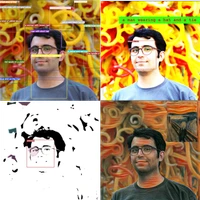
VisualLens: Personalization through Visual History
We hypothesize that a user's visual history with images reflecting their daily life, offers valuable insights into their interests and preferences, and can be leveraged for personalization. Among the many challenges to achieve this goal, the foremost is the diversity and noises in the visual history, containing images not necessarily related to a recommendation task, not necessarily reflecting the user's interest, or even not necessarily preference-relevant. Existing recommendation systems either rely on task-specific user interaction logs, such as online shopping history for shopping recommendations, or focus on text signals. We propose a novel approach, VisualLens, that extracts, filters, and refines image representations, and leverages these signals for personalization. We created two new benchmarks with task-agnostic visual histories, and show that our method improves over state-of-the-art recommendations by 5-10% on Hit@3, and improves over GPT-4o by 2-5%. Our approach paves the way for personalized recommendations in scenarios where traditional methods fail.




How Do Vision Transformers Work?
The success of multi-head self-attentions (MSAs) for computer vision is now indisputable. However, little is known about how MSAs work. We present fundamental explanations to help better understand the nature of MSAs. In particular, we demonstrate the following properties of MSAs and Vision Transformers (ViTs): (1) MSAs improve not only accuracy but also generalization by flattening the loss landscapes. Such improvement is primarily attributable to their data specificity, not long-range dependency. On the other hand, ViTs suffer from non-convex losses. Large datasets and loss landscape smoothing methods alleviate this problem; (2) MSAs and Convs exhibit opposite behaviors. For example, MSAs are low-pass filters, but Convs are high-pass filters. Therefore, MSAs and Convs are complementary; (3) Multi-stage neural networks behave like a series connection of small individual models. In addition, MSAs at the end of a stage play a key role in prediction. Based on these insights, we propose AlterNet, a model in which Conv blocks at the end of a stage are replaced with MSA blocks. AlterNet outperforms CNNs not only in large data regimes but also in small data regimes. The code is available at https://github.com/xxxnell/how-do-vits-work.
CCI3.0-HQ: a large-scale Chinese dataset of high quality designed for pre-training large language models
We present CCI3.0-HQ (https://huggingface.co/datasets/BAAI/CCI3-HQ), a high-quality 500GB subset of the Chinese Corpora Internet 3.0 (CCI3.0)(https://huggingface.co/datasets/BAAI/CCI3-Data), developed using a novel two-stage hybrid filtering pipeline that significantly enhances data quality. To evaluate its effectiveness, we trained a 0.5B parameter model from scratch on 100B tokens across various datasets, achieving superior performance on 10 benchmarks in a zero-shot setting compared to CCI3.0, SkyPile, and WanjuanV1. The high-quality filtering process effectively distills the capabilities of the Qwen2-72B-instruct model into a compact 0.5B model, attaining optimal F1 scores for Chinese web data classification. We believe this open-access dataset will facilitate broader access to high-quality language models.




Accelerating Automatic Differentiation of Direct Form Digital Filters
We introduce a general formulation for automatic differentiation through direct form filters, yielding a closed-form backpropagation that includes initial condition gradients. The result is a single expression that can represent both the filter and its gradients computation while supporting parallelism. C++/CUDA implementations in PyTorch achieve at least 1000x speedup over naive Python implementations and consistently run fastest on the GPU. For the low-order filters commonly used in practice, exact time-domain filtering with analytical gradients outperforms the frequency-domain method in terms of speed. The source code is available at https://github.com/yoyolicoris/philtorch.
IsoBench: Benchmarking Multimodal Foundation Models on Isomorphic Representations
Current foundation models exhibit impressive capabilities when prompted either with text only or with both image and text inputs. But do their capabilities change depending on the input modality? In this work, we propose IsoBench, a benchmark dataset containing problems from four major areas: math, science, algorithms, and games. Each example is presented with multiple isomorphic representations of inputs, such as visual, textual, and mathematical presentations. IsoBench provides fine-grained feedback to diagnose performance gaps caused by the form of the representation. Across various foundation models, we observe that on the same problem, models have a consistent preference towards textual representations. Most prominently, when evaluated on all IsoBench problems, Claude-3 Opus performs 28.7 points worse when provided with images instead of text; similarly, GPT-4 Turbo is 18.7 points worse and Gemini Pro is 14.9 points worse. Finally, we present two prompting techniques, IsoCombination and IsoScratchPad, which improve model performance by considering combinations of, and translations between, different input representations.


Less is More: Task-aware Layer-wise Distillation for Language Model Compression
Layer-wise distillation is a powerful tool to compress large models (i.e. teacher models) into small ones (i.e., student models). The student distills knowledge from the teacher by mimicking the hidden representations of the teacher at every intermediate layer. However, layer-wise distillation is difficult. Since the student has a smaller model capacity than the teacher, it is often under-fitted. Furthermore, the hidden representations of the teacher contain redundant information that the student does not necessarily need for the target task's learning. To address these challenges, we propose a novel Task-aware layEr-wise Distillation (TED). TED designs task-aware filters to align the hidden representations of the student and the teacher at each layer. The filters select the knowledge that is useful for the target task from the hidden representations. As such, TED reduces the knowledge gap between the two models and helps the student to fit better on the target task. We evaluate TED in two scenarios: continual pre-training and fine-tuning. TED demonstrates significant and consistent improvements over existing distillation methods in both scenarios. Code is available at https://github.com/cliang1453/task-aware-distillation.


Careful Queries, Credible Results: Teaching RAG Models Advanced Web Search Tools with Reinforcement Learning
Retrieval-Augmented Generation (RAG) enhances large language models (LLMs) by integrating up-to-date external knowledge, yet real-world web environments present unique challenges. These limitations manifest as two key challenges: pervasive misinformation in the web environment, which introduces unreliable or misleading content that can degrade retrieval accuracy, and the underutilization of web tools, which, if effectively employed, could enhance query precision and help mitigate this noise, ultimately improving the retrieval results in RAG systems. To address these issues, we propose WebFilter, a novel RAG framework that generates source-restricted queries and filters out unreliable content. This approach combines a retrieval filtering mechanism with a behavior- and outcome-driven reward strategy, optimizing both query formulation and retrieval outcomes. Extensive experiments demonstrate that WebFilter improves answer quality and retrieval precision, outperforming existing RAG methods on both in-domain and out-of-domain benchmarks.
Pruning by Explaining: A Novel Criterion for Deep Neural Network Pruning
The success of convolutional neural networks (CNNs) in various applications is accompanied by a significant increase in computation and parameter storage costs. Recent efforts to reduce these overheads involve pruning and compressing the weights of various layers while at the same time aiming to not sacrifice performance. In this paper, we propose a novel criterion for CNN pruning inspired by neural network interpretability: The most relevant units, i.e. weights or filters, are automatically found using their relevance scores obtained from concepts of explainable AI (XAI). By exploring this idea, we connect the lines of interpretability and model compression research. We show that our proposed method can efficiently prune CNN models in transfer-learning setups in which networks pre-trained on large corpora are adapted to specialized tasks. The method is evaluated on a broad range of computer vision datasets. Notably, our novel criterion is not only competitive or better compared to state-of-the-art pruning criteria when successive retraining is performed, but clearly outperforms these previous criteria in the resource-constrained application scenario in which the data of the task to be transferred to is very scarce and one chooses to refrain from fine-tuning. Our method is able to compress the model iteratively while maintaining or even improving accuracy. At the same time, it has a computational cost in the order of gradient computation and is comparatively simple to apply without the need for tuning hyperparameters for pruning.
DiffGuard: Text-Based Safety Checker for Diffusion Models
Recent advances in Diffusion Models have enabled the generation of images from text, with powerful closed-source models like DALL-E and Midjourney leading the way. However, open-source alternatives, such as StabilityAI's Stable Diffusion, offer comparable capabilities. These open-source models, hosted on Hugging Face, come equipped with ethical filter protections designed to prevent the generation of explicit images. This paper reveals first their limitations and then presents a novel text-based safety filter that outperforms existing solutions. Our research is driven by the critical need to address the misuse of AI-generated content, especially in the context of information warfare. DiffGuard enhances filtering efficacy, achieving a performance that surpasses the best existing filters by over 14%.


Stylus: Automatic Adapter Selection for Diffusion Models
Beyond scaling base models with more data or parameters, fine-tuned adapters provide an alternative way to generate high fidelity, custom images at reduced costs. As such, adapters have been widely adopted by open-source communities, accumulating a database of over 100K adapters-most of which are highly customized with insufficient descriptions. This paper explores the problem of matching the prompt to a set of relevant adapters, built on recent work that highlight the performance gains of composing adapters. We introduce Stylus, which efficiently selects and automatically composes task-specific adapters based on a prompt's keywords. Stylus outlines a three-stage approach that first summarizes adapters with improved descriptions and embeddings, retrieves relevant adapters, and then further assembles adapters based on prompts' keywords by checking how well they fit the prompt. To evaluate Stylus, we developed StylusDocs, a curated dataset featuring 75K adapters with pre-computed adapter embeddings. In our evaluation on popular Stable Diffusion checkpoints, Stylus achieves greater CLIP-FID Pareto efficiency and is twice as preferred, with humans and multimodal models as evaluators, over the base model. See stylus-diffusion.github.io for more.





Nakdan: Professional Hebrew Diacritizer
We present a system for automatic diacritization of Hebrew text. The system combines modern neural models with carefully curated declarative linguistic knowledge and comprehensive manually constructed tables and dictionaries. Besides providing state of the art diacritization accuracy, the system also supports an interface for manual editing and correction of the automatic output, and has several features which make it particularly useful for preparation of scientific editions of Hebrew texts. The system supports Modern Hebrew, Rabbinic Hebrew and Poetic Hebrew. The system is freely accessible for all use at http://nakdanpro.dicta.org.il.


Regulatory Compliance through Doc2Doc Information Retrieval: A case study in EU/UK legislation where text similarity has limitations
Major scandals in corporate history have urged the need for regulatory compliance, where organizations need to ensure that their controls (processes) comply with relevant laws, regulations, and policies. However, keeping track of the constantly changing legislation is difficult, thus organizations are increasingly adopting Regulatory Technology (RegTech) to facilitate the process. To this end, we introduce regulatory information retrieval (REG-IR), an application of document-to-document information retrieval (DOC2DOC IR), where the query is an entire document making the task more challenging than traditional IR where the queries are short. Furthermore, we compile and release two datasets based on the relationships between EU directives and UK legislation. We experiment on these datasets using a typical two-step pipeline approach comprising a pre-fetcher and a neural re-ranker. Experimenting with various pre-fetchers from BM25 to k nearest neighbors over representations from several BERT models, we show that fine-tuning a BERT model on an in-domain classification task produces the best representations for IR. We also show that neural re-rankers under-perform due to contradicting supervision, i.e., similar query-document pairs with opposite labels. Thus, they are biased towards the pre-fetcher's score. Interestingly, applying a date filter further improves the performance, showcasing the importance of the time dimension.
Conditional Generation of Audio from Video via Foley Analogies
The sound effects that designers add to videos are designed to convey a particular artistic effect and, thus, may be quite different from a scene's true sound. Inspired by the challenges of creating a soundtrack for a video that differs from its true sound, but that nonetheless matches the actions occurring on screen, we propose the problem of conditional Foley. We present the following contributions to address this problem. First, we propose a pretext task for training our model to predict sound for an input video clip using a conditional audio-visual clip sampled from another time within the same source video. Second, we propose a model for generating a soundtrack for a silent input video, given a user-supplied example that specifies what the video should "sound like". We show through human studies and automated evaluation metrics that our model successfully generates sound from video, while varying its output according to the content of a supplied example. Project site: https://xypb.github.io/CondFoleyGen/

Wide-AdGraph: Detecting Ad Trackers with a Wide Dependency Chain Graph
Websites use third-party ads and tracking services to deliver targeted ads and collect information about users that visit them. These services put users' privacy at risk, and that is why users' demand for blocking these services is growing. Most of the blocking solutions rely on crowd-sourced filter lists manually maintained by a large community of users. In this work, we seek to simplify the update of these filter lists by combining different websites through a large-scale graph connecting all resource requests made over a large set of sites. The features of this graph are extracted and used to train a machine learning algorithm with the aim of detecting ads and tracking resources. As our approach combines different information sources, it is more robust toward evasion techniques that use obfuscation or changing the usage patterns. We evaluate our work over the Alexa top-10K websites and find its accuracy to be 96.1% biased and 90.9% unbiased with high precision and recall. It can also block new ads and tracking services, which would necessitate being blocked by further crowd-sourced existing filter lists. Moreover, the approach followed in this paper sheds light on the ecosystem of third-party tracking and advertising.

StyleDiffusion: Prompt-Embedding Inversion for Text-Based Editing
A significant research effort is focused on exploiting the amazing capacities of pretrained diffusion models for the editing of images. They either finetune the model, or invert the image in the latent space of the pretrained model. However, they suffer from two problems: (1) Unsatisfying results for selected regions, and unexpected changes in nonselected regions. (2) They require careful text prompt editing where the prompt should include all visual objects in the input image. To address this, we propose two improvements: (1) Only optimizing the input of the value linear network in the cross-attention layers, is sufficiently powerful to reconstruct a real image. (2) We propose attention regularization to preserve the object-like attention maps after editing, enabling us to obtain accurate style editing without invoking significant structural changes. We further improve the editing technique which is used for the unconditional branch of classifier-free guidance, as well as the conditional one as used by P2P. Extensive experimental prompt-editing results on a variety of images, demonstrate qualitatively and quantitatively that our method has superior editing capabilities than existing and concurrent works.


Large Language Models are Competitive Near Cold-start Recommenders for Language- and Item-based Preferences
Traditional recommender systems leverage users' item preference history to recommend novel content that users may like. However, modern dialog interfaces that allow users to express language-based preferences offer a fundamentally different modality for preference input. Inspired by recent successes of prompting paradigms for large language models (LLMs), we study their use for making recommendations from both item-based and language-based preferences in comparison to state-of-the-art item-based collaborative filtering (CF) methods. To support this investigation, we collect a new dataset consisting of both item-based and language-based preferences elicited from users along with their ratings on a variety of (biased) recommended items and (unbiased) random items. Among numerous experimental results, we find that LLMs provide competitive recommendation performance for pure language-based preferences (no item preferences) in the near cold-start case in comparison to item-based CF methods, despite having no supervised training for this specific task (zero-shot) or only a few labels (few-shot). This is particularly promising as language-based preference representations are more explainable and scrutable than item-based or vector-based representations.



Trust the Model: Compact VLMs as In-Context Judges for Image-Text Data Quality
Vision-language models (VLMs) extend the conventional large language models by integrating visual data, enabling richer multimodal reasoning and significantly broadens the practical applications of AI. However, including visual inputs also brings new challenges in maintaining data quality. Empirical evidence consistently shows that carefully curated and representative training examples often yield superior results compared to simply increasing the quantity of data. Inspired by this observation, we introduce a streamlined data filtration framework that employs a compact VLM, fine-tuned on a high-quality image-caption annotated dataset. This model effectively evaluates and filters potential training samples based on caption and image quality and alignment. Unlike previous approaches, which typically add auxiliary filtration modules on top of existing full-scale VLMs, our method exclusively utilizes the inherent evaluative capability of a purpose-built small VLM. This strategy eliminates the need for extra modules and reduces training overhead. Our lightweight model efficiently filters out inaccurate, noisy web data, improving image-text alignment and caption linguistic fluency. Experimental results show that datasets underwent high-precision filtration using our compact VLM perform on par with, or even surpass, larger and noisier datasets gathered through high-volume web crawling. Thus, our method provides a lightweight yet robust solution for building high-quality vision-language training corpora. \\ Availability and implementation: Our compact VLM filtration model, training data, utility scripts, and Supplementary data (Appendices) are freely available at https://github.com/daulettoibazar/Compact_VLM_Filter.
VC-Agent: An Interactive Agent for Customized Video Dataset Collection
Facing scaling laws, video data from the internet becomes increasingly important. However, collecting extensive videos that meet specific needs is extremely labor-intensive and time-consuming. In this work, we study the way to expedite this collection process and propose VC-Agent, the first interactive agent that is able to understand users' queries and feedback, and accordingly retrieve/scale up relevant video clips with minimal user input. Specifically, considering the user interface, our agent defines various user-friendly ways for the user to specify requirements based on textual descriptions and confirmations. As for agent functions, we leverage existing multi-modal large language models to connect the user's requirements with the video content. More importantly, we propose two novel filtering policies that can be updated when user interaction is continually performed. Finally, we provide a new benchmark for personalized video dataset collection, and carefully conduct the user study to verify our agent's usage in various real scenarios. Extensive experiments demonstrate the effectiveness and efficiency of our agent for customized video dataset collection. Project page: https://allenyidan.github.io/vcagent_page/.
MONKEY: Masking ON KEY-Value Activation Adapter for Personalization
Personalizing diffusion models allows users to generate new images that incorporate a given subject, allowing more control than a text prompt. These models often suffer somewhat when they end up just recreating the subject image, and ignoring the text prompt. We observe that one popular method for personalization, the IP-Adapter automatically generates masks that we definitively segment the subject from the background during inference. We propose to use this automatically generated mask on a second pass to mask the image tokens, thus restricting them to the subject, not the background, allowing the text prompt to attend to the rest of the image. For text prompts describing locations and places, this produces images that accurately depict the subject while definitively matching the prompt. We compare our method to a few other test time personalization methods, and find our method displays high prompt and source image alignment.

Ultra-FineWeb: Efficient Data Filtering and Verification for High-Quality LLM Training Data
Data quality has become a key factor in enhancing model performance with the rapid development of large language models (LLMs). Model-driven data filtering has increasingly become a primary approach for acquiring high-quality data. However, it still faces two main challenges: (1) the lack of an efficient data verification strategy makes it difficult to provide timely feedback on data quality; and (2) the selection of seed data for training classifiers lacks clear criteria and relies heavily on human expertise, introducing a degree of subjectivity. To address the first challenge, we introduce an efficient verification strategy that enables rapid evaluation of the impact of data on LLM training with minimal computational cost. To tackle the second challenge, we build upon the assumption that high-quality seed data is beneficial for LLM training, and by integrating the proposed verification strategy, we optimize the selection of positive and negative samples and propose an efficient data filtering pipeline. This pipeline not only improves filtering efficiency, classifier quality, and robustness, but also significantly reduces experimental and inference costs. In addition, to efficiently filter high-quality data, we employ a lightweight classifier based on fastText, and successfully apply the filtering pipeline to two widely-used pre-training corpora, FineWeb and Chinese FineWeb datasets, resulting in the creation of the higher-quality Ultra-FineWeb dataset. Ultra-FineWeb contains approximately 1 trillion English tokens and 120 billion Chinese tokens. Empirical results demonstrate that the LLMs trained on Ultra-FineWeb exhibit significant performance improvements across multiple benchmark tasks, validating the effectiveness of our pipeline in enhancing both data quality and training efficiency.

GEMRec: Towards Generative Model Recommendation
Recommender Systems are built to retrieve relevant items to satisfy users' information needs. The candidate corpus usually consists of a finite set of items that are ready to be served, such as videos, products, or articles. With recent advances in Generative AI such as GPT and Diffusion models, a new form of recommendation task is yet to be explored where items are to be created by generative models with personalized prompts. Taking image generation as an example, with a single prompt from the user and access to a generative model, it is possible to generate hundreds of new images in a few minutes. How shall we attain personalization in the presence of "infinite" items? In this preliminary study, we propose a two-stage framework, namely Prompt-Model Retrieval and Generated Item Ranking, to approach this new task formulation. We release GEMRec-18K, a prompt-model interaction dataset with 18K images generated by 200 publicly-available generative models paired with a diverse set of 90 textual prompts. Our findings demonstrate the promise of generative model recommendation as a novel personalization problem and the limitations of existing evaluation metrics. We highlight future directions for the RecSys community to advance towards generative recommender systems. Our code and dataset are available at https://github.com/MAPS-research/GEMRec.

Training Flow Matching Models with Reliable Labels via Self-Purification
Training datasets are inherently imperfect, often containing mislabeled samples due to human annotation errors, limitations of tagging models, and other sources of noise. Such label contamination can significantly degrade the performance of a trained model. In this work, we introduce Self-Purifying Flow Matching (SPFM), a principled approach to filtering unreliable data within the flow-matching framework. SPFM identifies suspicious data using the model itself during the training process, bypassing the need for pretrained models or additional modules. Our experiments demonstrate that models trained with SPFM generate samples that accurately adhere to the specified conditioning, even when trained on noisy labels. Furthermore, we validate the robustness of SPFM on the TITW dataset, which consists of in-the-wild speech data, achieving performance that surpasses existing baselines.
Constructing Multilingual Code Search Dataset Using Neural Machine Translation
Code search is a task to find programming codes that semantically match the given natural language queries. Even though some of the existing datasets for this task are multilingual on the programming language side, their query data are only in English. In this research, we create a multilingual code search dataset in four natural and four programming languages using a neural machine translation model. Using our dataset, we pre-train and fine-tune the Transformer-based models and then evaluate them on multiple code search test sets. Our results show that the model pre-trained with all natural and programming language data has performed best in most cases. By applying back-translation data filtering to our dataset, we demonstrate that the translation quality affects the model's performance to a certain extent, but the data size matters more.
Shopping Queries Dataset: A Large-Scale ESCI Benchmark for Improving Product Search
Improving the quality of search results can significantly enhance users experience and engagement with search engines. In spite of several recent advancements in the fields of machine learning and data mining, correctly classifying items for a particular user search query has been a long-standing challenge, which still has a large room for improvement. This paper introduces the "Shopping Queries Dataset", a large dataset of difficult Amazon search queries and results, publicly released with the aim of fostering research in improving the quality of search results. The dataset contains around 130 thousand unique queries and 2.6 million manually labeled (query,product) relevance judgements. The dataset is multilingual with queries in English, Japanese, and Spanish. The Shopping Queries Dataset is being used in one of the KDDCup'22 challenges. In this paper, we describe the dataset and present three evaluation tasks along with baseline results: (i) ranking the results list, (ii) classifying product results into relevance categories, and (iii) identifying substitute products for a given query. We anticipate that this data will become the gold standard for future research in the topic of product search.


Differentiable Neural Input Search for Recommender Systems
Latent factor models are the driving forces of the state-of-the-art recommender systems, with an important insight of vectorizing raw input features into dense embeddings. The dimensions of different feature embeddings are often set to a same value empirically, which limits the predictive performance of latent factor models. Existing works have proposed heuristic or reinforcement learning-based methods to search for mixed feature embedding dimensions. For efficiency concern, these methods typically choose embedding dimensions from a restricted set of candidate dimensions. However, this restriction will hurt the flexibility of dimension selection, leading to suboptimal performance of search results. In this paper, we propose Differentiable Neural Input Search (DNIS), a method that searches for mixed feature embedding dimensions in a more flexible space through continuous relaxation and differentiable optimization. The key idea is to introduce a soft selection layer that controls the significance of each embedding dimension, and optimize this layer according to model's validation performance. DNIS is model-agnostic and thus can be seamlessly incorporated with existing latent factor models for recommendation. We conduct experiments with various architectures of latent factor models on three public real-world datasets for rating prediction, Click-Through-Rate (CTR) prediction, and top-k item recommendation. The results demonstrate that our method achieves the best predictive performance compared with existing neural input search approaches with fewer embedding parameters and less time cost.
Multi-Span Acoustic Modelling using Raw Waveform Signals
Traditional automatic speech recognition (ASR) systems often use an acoustic model (AM) built on handcrafted acoustic features, such as log Mel-filter bank (FBANK) values. Recent studies found that AMs with convolutional neural networks (CNNs) can directly use the raw waveform signal as input. Given sufficient training data, these AMs can yield a competitive word error rate (WER) to those built on FBANK features. This paper proposes a novel multi-span structure for acoustic modelling based on the raw waveform with multiple streams of CNN input layers, each processing a different span of the raw waveform signal. Evaluation on both the single channel CHiME4 and AMI data sets show that multi-span AMs give a lower WER than FBANK AMs by an average of about 5% (relative). Analysis of the trained multi-span model reveals that the CNNs can learn filters that are rather different to the log Mel filters. Furthermore, the paper shows that a widely used single span raw waveform AM can be improved by using a smaller CNN kernel size and increased stride to yield improved WERs.

DeepFilterNet: Perceptually Motivated Real-Time Speech Enhancement
Multi-frame algorithms for single-channel speech enhancement are able to take advantage from short-time correlations within the speech signal. Deep Filtering (DF) was proposed to directly estimate a complex filter in frequency domain to take advantage of these correlations. In this work, we present a real-time speech enhancement demo using DeepFilterNet. DeepFilterNet's efficiency is enabled by exploiting domain knowledge of speech production and psychoacoustic perception. Our model is able to match state-of-the-art speech enhancement benchmarks while achieving a real-time-factor of 0.19 on a single threaded notebook CPU. The framework as well as pretrained weights have been published under an open source license.

UltraVideo: High-Quality UHD Video Dataset with Comprehensive Captions
The quality of the video dataset (image quality, resolution, and fine-grained caption) greatly influences the performance of the video generation model. The growing demand for video applications sets higher requirements for high-quality video generation models. For example, the generation of movie-level Ultra-High Definition (UHD) videos and the creation of 4K short video content. However, the existing public datasets cannot support related research and applications. In this paper, we first propose a high-quality open-sourced UHD-4K (22.4\% of which are 8K) text-to-video dataset named UltraVideo, which contains a wide range of topics (more than 100 kinds), and each video has 9 structured captions with one summarized caption (average of 824 words). Specifically, we carefully design a highly automated curation process with four stages to obtain the final high-quality dataset: i) collection of diverse and high-quality video clips. ii) statistical data filtering. iii) model-based data purification. iv) generation of comprehensive, structured captions. In addition, we expand Wan to UltraWan-1K/-4K, which can natively generate high-quality 1K/4K videos with more consistent text controllability, demonstrating the effectiveness of our data curation.We believe that this work can make a significant contribution to future research on UHD video generation. UltraVideo dataset and UltraWan models are available at https://xzc-zju.github.io/projects/UltraVideo.


Exploring Prediction Targets in Masked Pre-Training for Speech Foundation Models
Speech foundation models, such as HuBERT and its variants, are pre-trained on large amounts of unlabeled speech data and then used for a range of downstream tasks. These models use a masked prediction objective, where the model learns to predict information about masked input segments from the unmasked context. The choice of prediction targets in this framework impacts their performance on downstream tasks. For instance, models pre-trained with targets that capture prosody learn representations suited for speaker-related tasks, while those pre-trained with targets that capture phonetics learn representations suited for content-related tasks. Moreover, prediction targets can differ in the level of detail they capture. Models pre-trained with targets that encode fine-grained acoustic features perform better on tasks like denoising, while those pre-trained with targets focused on higher-level abstractions are more effective for content-related tasks. Despite the importance of prediction targets, the design choices that affect them have not been thoroughly studied. This work explores the design choices and their impact on downstream task performance. Our results indicate that the commonly used design choices for HuBERT can be suboptimal. We propose approaches to create more informative prediction targets and demonstrate their effectiveness through improvements across various downstream tasks.

Rethinking Data Selection at Scale: Random Selection is Almost All You Need
Supervised fine-tuning (SFT) is crucial for aligning Large Language Models (LLMs) with human instructions. The primary goal during SFT is to select a small yet representative subset of training data from the larger pool, such that fine-tuning with this subset achieves results comparable to or even exceeding those obtained using the entire dataset. However, most existing data selection techniques are designed for small-scale data pools, which fail to meet the demands of real-world SFT scenarios. In this paper, we replicated several self-scoring methods those that do not rely on external model assistance on two million scale datasets, and found that nearly all methods struggled to significantly outperform random selection when dealing with such large-scale data pools. Moreover, our comparisons suggest that, during SFT, diversity in data selection is more critical than simply focusing on high quality data. We also analyzed the limitations of several current approaches, explaining why they perform poorly on large-scale datasets and why they are unsuitable for such contexts. Finally, we found that filtering data by token length offers a stable and efficient method for improving results. This approach, particularly when training on long text data, proves highly beneficial for relatively weaker base models, such as Llama3.





BoxDiff: Text-to-Image Synthesis with Training-Free Box-Constrained Diffusion
Recent text-to-image diffusion models have demonstrated an astonishing capacity to generate high-quality images. However, researchers mainly studied the way of synthesizing images with only text prompts. While some works have explored using other modalities as conditions, considerable paired data, e.g., box/mask-image pairs, and fine-tuning time are required for nurturing models. As such paired data is time-consuming and labor-intensive to acquire and restricted to a closed set, this potentially becomes the bottleneck for applications in an open world. This paper focuses on the simplest form of user-provided conditions, e.g., box or scribble. To mitigate the aforementioned problem, we propose a training-free method to control objects and contexts in the synthesized images adhering to the given spatial conditions. Specifically, three spatial constraints, i.e., Inner-Box, Outer-Box, and Corner Constraints, are designed and seamlessly integrated into the denoising step of diffusion models, requiring no additional training and massive annotated layout data. Extensive results show that the proposed constraints can control what and where to present in the images while retaining the ability of the Stable Diffusion model to synthesize with high fidelity and diverse concept coverage. The code is publicly available at https://github.com/Sierkinhane/BoxDiff.

Latent Inter-User Difference Modeling for LLM Personalization
Large language models (LLMs) are increasingly integrated into users' daily lives, leading to a growing demand for personalized outputs. Previous work focuses on leveraging a user's own history, overlooking inter-user differences that are crucial for effective personalization. While recent work has attempted to model such differences, the reliance on language-based prompts often hampers the effective extraction of meaningful distinctions. To address these issues, we propose Difference-aware Embedding-based Personalization (DEP), a framework that models inter-user differences in the latent space instead of relying on language prompts. DEP constructs soft prompts by contrasting a user's embedding with those of peers who engaged with similar content, highlighting relative behavioral signals. A sparse autoencoder then filters and compresses both user-specific and difference-aware embeddings, preserving only task-relevant features before injecting them into a frozen LLM. Experiments on personalized review generation show that DEP consistently outperforms baseline methods across multiple metrics. Our code is available at https://github.com/SnowCharmQ/DEP.
