new

Get trending papers in your email inbox!

Subscribe

Daily Papers

byAK and the research community

Dec 12

Trustworthy Sensor Fusion against Inaudible Command Attacks in Advanced Driver-Assistance System

There are increasing concerns about malicious attacks on autonomous vehicles. In particular, inaudible voice command attacks pose a significant threat as voice commands become available in autonomous driving systems. How to empirically defend against these inaudible attacks remains an open question. Previous research investigates utilizing deep learning-based multimodal fusion for defense, without considering the model uncertainty in trustworthiness. As deep learning has been applied to increasingly sensitive tasks, uncertainty measurement is crucial in helping improve model robustness, especially in mission-critical scenarios. In this paper, we propose the Multimodal Fusion Framework (MFF) as an intelligent security system to defend against inaudible voice command attacks. MFF fuses heterogeneous audio-vision modalities using VGG family neural networks and achieves the detection accuracy of 92.25% in the comparative fusion method empirical study. Additionally, extensive experiments on audio-vision tasks reveal the model's uncertainty. Using Expected Calibration Errors, we measure calibration errors and Monte-Carlo Dropout to estimate the predictive distribution for the proposed models. Our findings show empirically to train robust multimodal models, improve standard accuracy and provide a further step toward interpretability. Finally, we discuss the pros and cons of our approach and its applicability for Advanced Driver Assistance Systems.

  • 6 authors
·
May 29, 2023

Bidirectional Hierarchical Protein Multi-Modal Representation Learning

Protein representation learning is critical for numerous biological tasks. Recently, large transformer-based protein language models (pLMs) pretrained on large scale protein sequences have demonstrated significant success in sequence-based tasks. However, pLMs lack structural context. Conversely, graph neural networks (GNNs) designed to leverage 3D structural information have shown promising generalization in protein-related prediction tasks, but their effectiveness is often constrained by the scarcity of labeled structural data. Recognizing that sequence and structural representations are complementary perspectives of the same protein entity, we propose a multimodal bidirectional hierarchical fusion framework to effectively merge these modalities. Our framework employs attention and gating mechanisms to enable effective interaction between pLMs-generated sequential representations and GNN-extracted structural features, improving information exchange and enhancement across layers of the neural network. This bidirectional and hierarchical (Bi-Hierarchical) fusion approach leverages the strengths of both modalities to capture richer and more comprehensive protein representations. Based on the framework, we further introduce local Bi-Hierarchical Fusion with gating and global Bi-Hierarchical Fusion with multihead self-attention approaches. Our method demonstrates consistent improvements over strong baselines and existing fusion techniques in a variety of protein representation learning benchmarks, including enzyme EC classification, model quality assessment, protein-ligand binding affinity prediction, protein-protein binding site prediction, and B cell epitopes prediction. Our method establishes a new state-of-the-art for multimodal protein representation learning, emphasizing the efficacy of Bi-Hierarchical Fusion in bridging sequence and structural modalities.

  • 5 authors
·
Apr 7

UrbanFusion: Stochastic Multimodal Fusion for Contrastive Learning of Robust Spatial Representations

Forecasting urban phenomena such as housing prices and public health indicators requires the effective integration of various geospatial data. Current methods primarily utilize task-specific models, while recent foundation models for spatial representations often support only limited modalities and lack multimodal fusion capabilities. To overcome these challenges, we present UrbanFusion, a Geo-Foundation Model (GeoFM) that features Stochastic Multimodal Fusion (SMF). The framework employs modality-specific encoders to process different types of inputs, including street view imagery, remote sensing data, cartographic maps, and points of interest (POIs) data. These multimodal inputs are integrated via a Transformer-based fusion module that learns unified representations. An extensive evaluation across 41 tasks in 56 cities worldwide demonstrates UrbanFusion's strong generalization and predictive performance compared to state-of-the-art GeoAI models. Specifically, it 1) outperforms prior foundation models on location-encoding, 2) allows multimodal input during inference, and 3) generalizes well to regions unseen during training. UrbanFusion can flexibly utilize any subset of available modalities for a given location during both pretraining and inference, enabling broad applicability across diverse data availability scenarios. All source code is available at https://github.com/DominikM198/UrbanFusion.

  • 5 authors
·
Oct 15

CREMA: Multimodal Compositional Video Reasoning via Efficient Modular Adaptation and Fusion

Despite impressive advancements in multimodal compositional reasoning approaches, they are still limited in their flexibility and efficiency by processing fixed modality inputs while updating a lot of model parameters. This paper tackles these critical challenges and proposes CREMA, an efficient and modular modality-fusion framework for injecting any new modality into video reasoning. We first augment multiple informative modalities (such as optical flow, 3D point cloud, audio) from given videos without extra human annotation by leveraging existing pre-trained models. Next, we introduce a query transformer with multiple parameter-efficient modules associated with each accessible modality. It projects diverse modality features to the LLM token embedding space, allowing the model to integrate different data types for response generation. Furthermore, we propose a fusion module designed to compress multimodal queries, maintaining computational efficiency in the LLM while combining additional modalities. We validate our method on video-3D, video-audio, and video-language reasoning tasks and achieve better/equivalent performance against strong multimodal LLMs, including BLIP-2, 3D-LLM, and SeViLA while using 96% fewer trainable parameters. We provide extensive analyses of CREMA, including the impact of each modality on reasoning domains, the design of the fusion module, and example visualizations.

  • 3 authors
·
Feb 8, 2024

MUSE: A Simple Yet Effective Multimodal Search-Based Framework for Lifelong User Interest Modeling

Lifelong user interest modeling is crucial for industrial recommender systems, yet existing approaches rely predominantly on ID-based features, suffering from poor generalization on long-tail items and limited semantic expressiveness. While recent work explores multimodal representations for behavior retrieval in the General Search Unit (GSU), they often neglect multimodal integration in the fine-grained modeling stage -- the Exact Search Unit (ESU). In this work, we present a systematic analysis of how to effectively leverage multimodal signals across both stages of the two-stage lifelong modeling framework. Our key insight is that simplicity suffices in the GSU: lightweight cosine similarity with high-quality multimodal embeddings outperforms complex retrieval mechanisms. In contrast, the ESU demands richer multimodal sequence modeling and effective ID-multimodal fusion to unlock its full potential. Guided by these principles, we propose MUSE, a simple yet effective multimodal search-based framework. MUSE has been deployed in Taobao display advertising system, enabling 100K-length user behavior sequence modeling and delivering significant gains in top-line metrics with negligible online latency overhead. To foster community research, we share industrial deployment practices and open-source the first large-scale dataset featuring ultra-long behavior sequences paired with high-quality multimodal embeddings. Our code and data is available at https://taobao-mm.github.io.

  • 11 authors
·
Dec 8

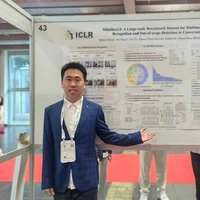
MIntRec2.0: A Large-scale Benchmark Dataset for Multimodal Intent Recognition and Out-of-scope Detection in Conversations

Multimodal intent recognition poses significant challenges, requiring the incorporation of non-verbal modalities from real-world contexts to enhance the comprehension of human intentions. Existing benchmark datasets are limited in scale and suffer from difficulties in handling out-of-scope samples that arise in multi-turn conversational interactions. We introduce MIntRec2.0, a large-scale benchmark dataset for multimodal intent recognition in multi-party conversations. It contains 1,245 dialogues with 15,040 samples, each annotated within a new intent taxonomy of 30 fine-grained classes. Besides 9,304 in-scope samples, it also includes 5,736 out-of-scope samples appearing in multi-turn contexts, which naturally occur in real-world scenarios. Furthermore, we provide comprehensive information on the speakers in each utterance, enriching its utility for multi-party conversational research. We establish a general framework supporting the organization of single-turn and multi-turn dialogue data, modality feature extraction, multimodal fusion, as well as in-scope classification and out-of-scope detection. Evaluation benchmarks are built using classic multimodal fusion methods, ChatGPT, and human evaluators. While existing methods incorporating nonverbal information yield improvements, effectively leveraging context information and detecting out-of-scope samples remains a substantial challenge. Notably, large language models exhibit a significant performance gap compared to humans, highlighting the limitations of machine learning methods in the cognitive intent understanding task. We believe that MIntRec2.0 will serve as a valuable resource, providing a pioneering foundation for research in human-machine conversational interactions, and significantly facilitating related applications. The full dataset and codes are available at https://github.com/thuiar/MIntRec2.0.

  • 9 authors
·
Mar 16, 2024

DiffSemanticFusion: Semantic Raster BEV Fusion for Autonomous Driving via Online HD Map Diffusion

Autonomous driving requires accurate scene understanding, including road geometry, traffic agents, and their semantic relationships. In online HD map generation scenarios, raster-based representations are well-suited to vision models but lack geometric precision, while graph-based representations retain structural detail but become unstable without precise maps. To harness the complementary strengths of both, we propose DiffSemanticFusion -- a fusion framework for multimodal trajectory prediction and planning. Our approach reasons over a semantic raster-fused BEV space, enhanced by a map diffusion module that improves both the stability and expressiveness of online HD map representations. We validate our framework on two downstream tasks: trajectory prediction and planning-oriented end-to-end autonomous driving. Experiments on real-world autonomous driving benchmarks, nuScenes and NAVSIM, demonstrate improved performance over several state-of-the-art methods. For the prediction task on nuScenes, we integrate DiffSemanticFusion with the online HD map informed QCNet, achieving a 5.1\% performance improvement. For end-to-end autonomous driving in NAVSIM, DiffSemanticFusion achieves state-of-the-art results, with a 15\% performance gain in NavHard scenarios. In addition, extensive ablation and sensitivity studies show that our map diffusion module can be seamlessly integrated into other vector-based approaches to enhance performance. All artifacts are available at https://github.com/SunZhigang7/DiffSemanticFusion.

LLM-Guided Probabilistic Fusion for Label-Efficient Document Layout Analysis

Document layout understanding remains data-intensive despite advances in semi-supervised learning. We present a framework that enhances semi-supervised detection by fusing visual predictions with structural priors from text-pretrained LLMs via principled probabilistic weighting. Given unlabeled documents, an OCR-LLM pipeline infers hierarchical regions which are combined with teacher detector outputs through inverse-variance fusion to generate refined pseudo-labels.Our method demonstrates consistent gains across model scales. With a lightweight SwiftFormer backbone (26M params), we achieve 88.2pm0.3 AP using only 5\% labels on PubLayNet. When applied to document-pretrained LayoutLMv3 (133M params), our fusion framework reaches 89.7pm0.4 AP, surpassing both LayoutLMv3 with standard semi-supervised learning (89.1pm0.4 AP, p=0.02) and matching UDOP~udop (89.8 AP) which requires 100M+ pages of multimodal pretraining. This demonstrates that LLM structural priors are complementary to both lightweight and pretrained architectures. Key findings include: (1) learned instance-adaptive gating improves over fixed weights by +0.9 AP with data-dependent PAC bounds correctly predicting convergence; (2) open-source LLMs enable privacy-preserving deployment with minimal loss (Llama-3-70B: 87.1 AP lightweight, 89.4 AP with LayoutLMv3); (3) LLMs provide targeted semantic disambiguation (18.7\% of cases, +3.8 AP gain) beyond simple text heuristics.Total system cost includes \$12 for GPT-4o-mini API or 17 GPU-hours for local Llama-3-70B per 50K pages, amortized across training runs.

  • 3 authors
·
Nov 11

Task-Generalized Adaptive Cross-Domain Learning for Multimodal Image Fusion

Multimodal Image Fusion (MMIF) aims to integrate complementary information from different imaging modalities to overcome the limitations of individual sensors. It enhances image quality and facilitates downstream applications such as remote sensing, medical diagnostics, and robotics. Despite significant advancements, current MMIF methods still face challenges such as modality misalignment, high-frequency detail destruction, and task-specific limitations. To address these challenges, we propose AdaSFFuse, a novel framework for task-generalized MMIF through adaptive cross-domain co-fusion learning. AdaSFFuse introduces two key innovations: the Adaptive Approximate Wavelet Transform (AdaWAT) for frequency decoupling, and the Spatial-Frequency Mamba Blocks for efficient multimodal fusion. AdaWAT adaptively separates the high- and low-frequency components of multimodal images from different scenes, enabling fine-grained extraction and alignment of distinct frequency characteristics for each modality. The Spatial-Frequency Mamba Blocks facilitate cross-domain fusion in both spatial and frequency domains, enhancing this process. These blocks dynamically adjust through learnable mappings to ensure robust fusion across diverse modalities. By combining these components, AdaSFFuse improves the alignment and integration of multimodal features, reduces frequency loss, and preserves critical details. Extensive experiments on four MMIF tasks -- Infrared-Visible Image Fusion (IVF), Multi-Focus Image Fusion (MFF), Multi-Exposure Image Fusion (MEF), and Medical Image Fusion (MIF) -- demonstrate AdaSFFuse's superior fusion performance, ensuring both low computational cost and a compact network, offering a strong balance between performance and efficiency. The code will be publicly available at https://github.com/Zhen-yu-Liu/AdaSFFuse.

  • 7 authors
·
Aug 21

BioFusionNet: Deep Learning-Based Survival Risk Stratification in ER+ Breast Cancer Through Multifeature and Multimodal Data Fusion

Breast cancer is a significant health concern affecting millions of women worldwide. Accurate survival risk stratification plays a crucial role in guiding personalised treatment decisions and improving patient outcomes. Here we present BioFusionNet, a deep learning framework that fuses image-derived features with genetic and clinical data to achieve a holistic patient profile and perform survival risk stratification of ER+ breast cancer patients. We employ multiple self-supervised feature extractors, namely DINO and MoCoV3, pretrained on histopathology patches to capture detailed histopathological image features. We then utilise a variational autoencoder (VAE) to fuse these features, and harness the latent space of the VAE to feed into a self-attention network, generating patient-level features. Next, we develop a co-dual-cross-attention mechanism to combine the histopathological features with genetic data, enabling the model to capture the interplay between them. Additionally, clinical data is incorporated using a feed-forward network (FFN), further enhancing predictive performance and achieving comprehensive multimodal feature integration. Furthermore, we introduce a weighted Cox loss function, specifically designed to handle imbalanced survival data, which is a common challenge in the field. The proposed model achieves a mean concordance index (C-index) of 0.77 and a time-dependent area under the curve (AUC) of 0.84, outperforming state-of-the-art methods. It predicts risk (high versus low) with prognostic significance for overall survival (OS) in univariate analysis (HR=2.99, 95% CI: 1.88--4.78, p<0.005), and maintains independent significance in multivariate analysis incorporating standard clinicopathological variables (HR=2.91, 95% CI: 1.80--4.68, p<0.005). The proposed method not only improves model performance but also addresses a critical gap in handling imbalanced data.

  • 4 authors
·
Feb 16, 2024

External Reliable Information-enhanced Multimodal Contrastive Learning for Fake News Detection

With the rapid development of the Internet, the information dissemination paradigm has changed and the efficiency has been improved greatly. While this also brings the quick spread of fake news and leads to negative impacts on cyberspace. Currently, the information presentation formats have evolved gradually, with the news formats shifting from texts to multimodal contents. As a result, detecting multimodal fake news has become one of the research hotspots. However, multimodal fake news detection research field still faces two main challenges: the inability to fully and effectively utilize multimodal information for detection, and the low credibility or static nature of the introduced external information, which limits dynamic updates. To bridge the gaps, we propose ERIC-FND, an external reliable information-enhanced multimodal contrastive learning framework for fake news detection. ERIC-FND strengthens the representation of news contents by entity-enriched external information enhancement method. It also enriches the multimodal news information via multimodal semantic interaction method where the multimodal constrative learning is employed to make different modality representations learn from each other. Moreover, an adaptive fusion method is taken to integrate the news representations from different dimensions for the eventual classification. Experiments are done on two commonly used datasets in different languages, X (Twitter) and Weibo. Experiment results demonstrate that our proposed model ERIC-FND outperforms existing state-of-the-art fake news detection methods under the same settings.

  • 5 authors
·
Mar 4

Fusion to Enhance: Fusion Visual Encoder to Enhance Multimodal Language Model

Multimodal Large Language Models (MLLMs) have made significant progress in bridging visual perception with high-level textual reasoning. However, they face a fundamental contradiction: while excelling at complex semantic understanding, these models often fail at basic visual tasks that require precise detail perception. This deficiency primarily stems from the prevalent architectural reliance on a single vision encoder optimized for high-level semantic alignment, which inherently sacrifices the ability to capture fine-grained visual information. To address this issue, we introduce Fusion to Enhance (FtZ), a novel vision tower framework. FtZ moves beyond the single-encoder design by innovatively composing a semantically powerful anchor encoder with a perception-rich augmenting encoder via a lightweight Multi-Head Cross-Attention mechanism. Experimental results demonstrate that on several challenging benchmarks demanding fine-grained visual understanding, such as TextVQA, POPE, MMMU, MME and MM-Vet, our FtZ model significantly outperforms baselines that use only a single encoder or existing feature fusion methods. This work proves that composing heterogeneous expert encoders is an efficient and effective path to overcoming the visual perception bottleneck in current MLLMs, offering a new design paradigm for building next-generation AI systems with stronger perceptual capabilities.

  • 2 authors
·
Aug 30

An Efficient Multimodal Learning Framework to Comprehend Consumer Preferences Using BERT and Cross-Attention

Today, the acquisition of various behavioral log data has enabled deeper understanding of customer preferences and future behaviors in the marketing field. In particular, multimodal deep learning has achieved highly accurate predictions by combining multiple types of data. Many of these studies utilize with feature fusion to construct multimodal models, which combines extracted representations from each modality. However, since feature fusion treats information from each modality equally, it is difficult to perform flexible analysis such as the attention mechanism that has been used extensively in recent years. Therefore, this study proposes a context-aware multimodal deep learning model that combines Bidirectional Encoder Representations from Transformers (BERT) and cross-attention Transformer, which dynamically changes the attention of deep-contextualized word representations based on background information such as consumer demographic and lifestyle variables. We conduct a comprehensive analysis and demonstrate the effectiveness of our model by comparing it with six reference models in three categories using behavioral logs stored on an online platform. In addition, we present an efficient multimodal learning method by comparing the learning efficiency depending on the optimizers and the prediction accuracy depending on the number of tokens in the text data.

  • 1 authors
·
May 12, 2024

MIGE: A Unified Framework for Multimodal Instruction-Based Image Generation and Editing

Despite significant progress in diffusion-based image generation, subject-driven generation and instruction-based editing remain challenging. Existing methods typically treat them separately, struggling with limited high-quality data and poor generalization. However, both tasks require capturing complex visual variations while maintaining consistency between inputs and outputs. Therefore, we propose MIGE, a unified framework that standardizes task representations using multimodal instructions. It treats subject-driven generation as creation on a blank canvas and instruction-based editing as modification of an existing image, establishing a shared input-output formulation. MIGE introduces a novel multimodal encoder that maps free-form multimodal instructions into a unified vision-language space, integrating visual and semantic features through a feature fusion mechanism.This unification enables joint training of both tasks, providing two key advantages: (1) Cross-Task Enhancement: By leveraging shared visual and semantic representations, joint training improves instruction adherence and visual consistency in both subject-driven generation and instruction-based editing. (2) Generalization: Learning in a unified format facilitates cross-task knowledge transfer, enabling MIGE to generalize to novel compositional tasks, including instruction-based subject-driven editing. Experiments show that MIGE excels in both subject-driven generation and instruction-based editing while setting a state-of-the-art in the new task of instruction-based subject-driven editing. Code and model have been publicly available at https://github.com/Eureka-Maggie/MIGE.

  • 6 authors
·
Feb 28 2

REMOTE: A Unified Multimodal Relation Extraction Framework with Multilevel Optimal Transport and Mixture-of-Experts

Multimodal relation extraction (MRE) is a crucial task in the fields of Knowledge Graph and Multimedia, playing a pivotal role in multimodal knowledge graph construction. However, existing methods are typically limited to extracting a single type of relational triplet, which restricts their ability to extract triplets beyond the specified types. Directly combining these methods fails to capture dynamic cross-modal interactions and introduces significant computational redundancy. Therefore, we propose a novel unified multimodal Relation Extraction framework with Multilevel Optimal Transport and mixture-of-Experts, termed REMOTE, which can simultaneously extract intra-modal and inter-modal relations between textual entities and visual objects. To dynamically select optimal interaction features for different types of relational triplets, we introduce mixture-of-experts mechanism, ensuring the most relevant modality information is utilized. Additionally, considering that the inherent property of multilayer sequential encoding in existing encoders often leads to the loss of low-level information, we adopt a multilevel optimal transport fusion module to preserve low-level features while maintaining multilayer encoding, yielding more expressive representations. Correspondingly, we also create a Unified Multimodal Relation Extraction (UMRE) dataset to evaluate the effectiveness of our framework, encompassing diverse cases where the head and tail entities can originate from either text or image. Extensive experiments show that REMOTE effectively extracts various types of relational triplets and achieves state-of-the-art performanc on almost all metrics across two other public MRE datasets. We release our resources at https://github.com/Nikol-coder/REMOTE.

  • 7 authors
·
Sep 5

SimVG: A Simple Framework for Visual Grounding with Decoupled Multi-modal Fusion

Visual grounding is a common vision task that involves grounding descriptive sentences to the corresponding regions of an image. Most existing methods use independent image-text encoding and apply complex hand-crafted modules or encoder-decoder architectures for modal interaction and query reasoning. However, their performance significantly drops when dealing with complex textual expressions. This is because the former paradigm only utilizes limited downstream data to fit the multi-modal feature fusion. Therefore, it is only effective when the textual expressions are relatively simple. In contrast, given the wide diversity of textual expressions and the uniqueness of downstream training data, the existing fusion module, which extracts multimodal content from a visual-linguistic context, has not been fully investigated. In this paper, we present a simple yet robust transformer-based framework, SimVG, for visual grounding. Specifically, we decouple visual-linguistic feature fusion from downstream tasks by leveraging existing multimodal pre-trained models and incorporating additional object tokens to facilitate deep integration of downstream and pre-training tasks. Furthermore, we design a dynamic weight-balance distillation method in the multi-branch synchronous learning process to enhance the representation capability of the simpler branch. This branch only consists of a lightweight MLP, which simplifies the structure and improves reasoning speed. Experiments on six widely used VG datasets, i.e., RefCOCO/+/g, ReferIt, Flickr30K, and GRefCOCO, demonstrate the superiority of SimVG. Finally, the proposed method not only achieves improvements in efficiency and convergence speed but also attains new state-of-the-art performance on these benchmarks. Codes and models will be available at https://github.com/Dmmm1997/SimVG.

  • 5 authors
·
Sep 26, 2024

Alt-MoE:A Scalable Framework for Bidirectional Multimodal Alignment and Efficient Knowledge Integration

Multimodal learning has advanced significantly by aligning different modalities within shared latent spaces, enabling tasks such as cross-modal understanding and generation. Current alignment strategies in multimodal learning primarily include direct alignment using pre-trained or unified encoders and single-directional alignment via modality-specific connectors. Direct alignment struggles to fully leverage rich intra-modal knowledge, often requiring extensive training data to achieve cross-modal representation. Meanwhile, single-directional alignment methods, despite leveraging pre-trained knowledge, restrict task adaptability and hinder the model's ability to capture bidirectional relationships, leading to incomplete knowledge fusion and underutilization of complementary modality-specific information. To address these limitations, we introduce Alt-MoE, a scalable multimodal alignment framework that employs a mixture of experts (MoE) model as a multi-directional connector across modalities. By utilizing a sequential alternating one-way alignment strategy, Alt-MoE iteratively refines the model to achieve bidirectional alignment. Alt-MoE operates in latent space, enabling efficient vector pre-storage and real-time retrieval via MoE, optimizing large-scale data processing. Extensive empirical studies demonstrate that Alt-MoE achieves competitive performance on cross-modal retrieval and visual question answering by integrating diverse modality-specific knowledge, generalizing to unseen data, and easily scaling to new tasks and modalities through dynamic adjustment of MoE capacity and expert activation.

  • 11 authors
·
Sep 9, 2024

Understanding Political Polarization via Jointly Modeling Users, Connections and Multimodal Contents on Heterogeneous Graphs

Understanding political polarization on social platforms is important as public opinions may become increasingly extreme when they are circulated in homogeneous communities, thus potentially causing damage in the real world. Automatically detecting the political ideology of social media users can help better understand political polarization. However, it is challenging due to the scarcity of ideology labels, complexity of multimodal contents, and cost of time-consuming data collection process. In this study, we adopt a heterogeneous graph neural network to jointly model user characteristics, multimodal post contents as well as user-item relations in a bipartite graph to learn a comprehensive and effective user embedding without requiring ideology labels. We apply our framework to online discussions about economy and public health topics. The learned embeddings are then used to detect political ideology and understand political polarization. Our framework outperforms the unimodal, early/late fusion baselines, and homogeneous GNN frameworks by a margin of at least 9% absolute gain in the area under the receiver operating characteristic on two social media datasets. More importantly, our work does not require a time-consuming data collection process, which allows faster detection and in turn allows the policy makers to conduct analysis and design policies in time to respond to crises. We also show that our framework learns meaningful user embeddings and can help better understand political polarization. Notable differences in user descriptions, topics, images, and levels of retweet/quote activities are observed. Our framework for decoding user-content interaction shows wide applicability in understanding political polarization. Furthermore, it can be extended to user-item bipartite information networks for other applications such as content and product recommendation.

  • 2 authors
·
Jan 15, 2022

SQUARE: Semantic Query-Augmented Fusion and Efficient Batch Reranking for Training-free Zero-Shot Composed Image Retrieval

Composed Image Retrieval (CIR) aims to retrieve target images that preserve the visual content of a reference image while incorporating user-specified textual modifications. Training-free zero-shot CIR (ZS-CIR) approaches, which require no task-specific training or labeled data, are highly desirable, yet accurately capturing user intent remains challenging. In this paper, we present SQUARE, a novel two-stage training-free framework that leverages Multimodal Large Language Models (MLLMs) to enhance ZS-CIR. In the Semantic Query-Augmented Fusion (SQAF) stage, we enrich the query embedding derived from a vision-language model (VLM) such as CLIP with MLLM-generated captions of the target image. These captions provide high-level semantic guidance, enabling the query to better capture the user's intent and improve global retrieval quality. In the Efficient Batch Reranking (EBR) stage, top-ranked candidates are presented as an image grid with visual marks to the MLLM, which performs joint visual-semantic reasoning across all candidates. Our reranking strategy operates in a single pass and yields more accurate rankings. Experiments show that SQUARE, with its simplicity and effectiveness, delivers strong performance on four standard CIR benchmarks. Notably, it maintains high performance even with lightweight pre-trained, demonstrating its potential applicability.

  • 3 authors
·
Sep 30 3

PROSE: Predicting Operators and Symbolic Expressions using Multimodal Transformers

Approximating nonlinear differential equations using a neural network provides a robust and efficient tool for various scientific computing tasks, including real-time predictions, inverse problems, optimal controls, and surrogate modeling. Previous works have focused on embedding dynamical systems into networks through two approaches: learning a single solution operator (i.e., the mapping from input parametrized functions to solutions) or learning the governing system of equations (i.e., the constitutive model relative to the state variables). Both of these approaches yield different representations for the same underlying data or function. Additionally, observing that families of differential equations often share key characteristics, we seek one network representation across a wide range of equations. Our method, called Predicting Operators and Symbolic Expressions (PROSE), learns maps from multimodal inputs to multimodal outputs, capable of generating both numerical predictions and mathematical equations. By using a transformer structure and a feature fusion approach, our network can simultaneously embed sets of solution operators for various parametric differential equations using a single trained network. Detailed experiments demonstrate that the network benefits from its multimodal nature, resulting in improved prediction accuracy and better generalization. The network is shown to be able to handle noise in the data and errors in the symbolic representation, including noisy numerical values, model misspecification, and erroneous addition or deletion of terms. PROSE provides a new neural network framework for differential equations which allows for more flexibility and generality in learning operators and governing equations from data.

  • 3 authors
·
Sep 28, 2023

MLLM4PUE: Toward Universal Embeddings in Computational Pathology through Multimodal LLMs

Pathology plays a critical role in diagnosing a wide range of diseases, yet existing approaches often rely heavily on task-specific models trained on extensive, well-labeled datasets. These methods face sustainability challenges due to the diversity of pathologies and the labor-intensive nature of data collection. To address these limitations, we highlight the need for universal multimodal embeddings that can support multiple downstream tasks. Previous approaches often involve fine-tuning CLIP-based models, which handle images and text separately, limiting their ability to capture complex multimodal relationships. Additionally, these models are evaluated across diverse datasets without a unified benchmark for assessing multimodal embeddings in pathology. To address these challenges, we propose MLLM4PUE, a novel framework that leverages Multimodal Large Language Models (MLLMs) to generate Pathology Universal Embeddings. The MLLM4PUE framework not only facilitates robust integration of images and text but also enhances understanding and fusion capabilities across various tasks. We further introduce the Pathology Multimodal Embedding Benchmark (PMEB), a comprehensive benchmark designed to assess the quality of pathology multimodal embeddings. PMEB comprises 15 original tasks drawn from 14 datasets, organized into three meta-tasks: retrieval, classification, and composed retrieval. Experimental results demonstrate the superiority of MLLM4PUE, illustrating MLLM-based models can effectively support a wide range of downstream tasks and unify the research direction for foundation models in pathology.

  • 7 authors
·
Feb 10

HunyuanCustom: A Multimodal-Driven Architecture for Customized Video Generation

Customized video generation aims to produce videos featuring specific subjects under flexible user-defined conditions, yet existing methods often struggle with identity consistency and limited input modalities. In this paper, we propose HunyuanCustom, a multi-modal customized video generation framework that emphasizes subject consistency while supporting image, audio, video, and text conditions. Built upon HunyuanVideo, our model first addresses the image-text conditioned generation task by introducing a text-image fusion module based on LLaVA for enhanced multi-modal understanding, along with an image ID enhancement module that leverages temporal concatenation to reinforce identity features across frames. To enable audio- and video-conditioned generation, we further propose modality-specific condition injection mechanisms: an AudioNet module that achieves hierarchical alignment via spatial cross-attention, and a video-driven injection module that integrates latent-compressed conditional video through a patchify-based feature-alignment network. Extensive experiments on single- and multi-subject scenarios demonstrate that HunyuanCustom significantly outperforms state-of-the-art open- and closed-source methods in terms of ID consistency, realism, and text-video alignment. Moreover, we validate its robustness across downstream tasks, including audio and video-driven customized video generation. Our results highlight the effectiveness of multi-modal conditioning and identity-preserving strategies in advancing controllable video generation. All the code and models are available at https://hunyuancustom.github.io.

Harnessing Shared Relations via Multimodal Mixup Contrastive Learning for Multimodal Classification

Deep multimodal learning has shown remarkable success by leveraging contrastive learning to capture explicit one-to-one relations across modalities. However, real-world data often exhibits shared relations beyond simple pairwise associations. We propose M3CoL, a Multimodal Mixup Contrastive Learning approach to capture nuanced shared relations inherent in multimodal data. Our key contribution is a Mixup-based contrastive loss that learns robust representations by aligning mixed samples from one modality with their corresponding samples from other modalities thereby capturing shared relations between them. For multimodal classification tasks, we introduce a framework that integrates a fusion module with unimodal prediction modules for auxiliary supervision during training, complemented by our proposed Mixup-based contrastive loss. Through extensive experiments on diverse datasets (N24News, ROSMAP, BRCA, and Food-101), we demonstrate that M3CoL effectively captures shared multimodal relations and generalizes across domains. It outperforms state-of-the-art methods on N24News, ROSMAP, and BRCA, while achieving comparable performance on Food-101. Our work highlights the significance of learning shared relations for robust multimodal learning, opening up promising avenues for future research. Our code is publicly available at https://github.com/RaghavSinghal10/M3CoL.

  • 5 authors
·
Sep 26, 2024

MM-Lego: Modular Biomedical Multimodal Models with Minimal Fine-Tuning

Learning holistic computational representations in physical, chemical or biological systems requires the ability to process information from different distributions and modalities within the same model. Thus, the demand for multimodal machine learning models has sharply risen for modalities that go beyond vision and language, such as sequences, graphs, time series, or tabular data. While there are many available multimodal fusion and alignment approaches, most of them require end-to-end training, scale quadratically with the number of modalities, cannot handle cases of high modality imbalance in the training set, or are highly topology-specific, making them too restrictive for many biomedical learning tasks. This paper presents Multimodal Lego (MM-Lego), a modular and general-purpose fusion and model merging framework to turn any set of encoders into a competitive multimodal model with no or minimal fine-tuning. We achieve this by introducing a wrapper for unimodal encoders that enforces lightweight dimensionality assumptions between modalities and harmonises their representations by learning features in the frequency domain to enable model merging with little signal interference. We show that MM-Lego 1) can be used as a model merging method which achieves competitive performance with end-to-end fusion models without any fine-tuning, 2) can operate on any unimodal encoder, and 3) is a model fusion method that, with minimal fine-tuning, achieves state-of-the-art results on six benchmarked multimodal biomedical tasks.

  • 3 authors
·
May 30, 2024

OmniScene: Attention-Augmented Multimodal 4D Scene Understanding for Autonomous Driving

Human vision is capable of transforming two-dimensional observations into an egocentric three-dimensional scene understanding, which underpins the ability to translate complex scenes and exhibit adaptive behaviors. This capability, however, remains lacking in current autonomous driving systems, where mainstream approaches primarily rely on depth-based 3D reconstruction rather than true scene understanding. To address this limitation, we propose a novel human-like framework called OmniScene. First, we introduce the OmniScene Vision-Language Model (OmniVLM), a vision-language framework that integrates multi-view and temporal perception for holistic 4D scene understanding. Then, harnessing a teacher-student OmniVLM architecture and knowledge distillation, we embed textual representations into 3D instance features for semantic supervision, enriching feature learning, and explicitly capturing human-like attentional semantics. These feature representations are further aligned with human driving behaviors, forming a more human-like perception-understanding-action architecture. In addition, we propose a Hierarchical Fusion Strategy (HFS) to address imbalances in modality contributions during multimodal integration. Our approach adaptively calibrates the relative significance of geometric and semantic features at multiple abstraction levels, enabling the synergistic use of complementary cues from visual and textual modalities. This learnable dynamic fusion enables a more nuanced and effective exploitation of heterogeneous information. We evaluate OmniScene comprehensively on the nuScenes dataset, benchmarking it against over ten state-of-the-art models across various tasks. Our approach consistently achieves superior results, establishing new benchmarks in perception, prediction, planning, and visual question answering.

  • 8 authors
·
Sep 24

Traits Run Deep: Enhancing Personality Assessment via Psychology-Guided LLM Representations and Multimodal Apparent Behaviors

Accurate and reliable personality assessment plays a vital role in many fields, such as emotional intelligence, mental health diagnostics, and personalized education. Unlike fleeting emotions, personality traits are stable, often subconsciously leaked through language, facial expressions, and body behaviors, with asynchronous patterns across modalities. It was hard to model personality semantics with traditional superficial features and seemed impossible to achieve effective cross-modal understanding. To address these challenges, we propose a novel personality assessment framework called \textbf{Traits Run Deep}. It employs \textbf{psychology-informed prompts} to elicit high-level personality-relevant semantic representations. Besides, it devises a \textbf{Text-Centric Trait Fusion Network} that anchors rich text semantics to align and integrate asynchronous signals from other modalities. To be specific, such fusion module includes a Chunk-Wise Projector to decrease dimensionality, a Cross-Modal Connector and a Text Feature Enhancer for effective modality fusion and an ensemble regression head to improve generalization in data-scarce situations. To our knowledge, we are the first to apply personality-specific prompts to guide large language models (LLMs) in extracting personality-aware semantics for improved representation quality. Furthermore, extracting and fusing audio-visual apparent behavior features further improves the accuracy. Experimental results on the AVI validation set have demonstrated the effectiveness of the proposed components, i.e., approximately a 45\% reduction in mean squared error (MSE). Final evaluations on the test set of the AVI Challenge 2025 confirm our method's superiority, ranking first in the Personality Assessment track. The source code will be made available at https://github.com/MSA-LMC/TraitsRunDeep.

  • 7 authors
·
Jul 30

NoteLLM-2: Multimodal Large Representation Models for Recommendation

Large Language Models (LLMs) have demonstrated exceptional text understanding. Existing works explore their application in text embedding tasks. However, there are few works utilizing LLMs to assist multimodal representation tasks. In this work, we investigate the potential of LLMs to enhance multimodal representation in multimodal item-to-item (I2I) recommendations. One feasible method is the transfer of Multimodal Large Language Models (MLLMs) for representation tasks. However, pre-training MLLMs usually requires collecting high-quality, web-scale multimodal data, resulting in complex training procedures and high costs. This leads the community to rely heavily on open-source MLLMs, hindering customized training for representation scenarios. Therefore, we aim to design an end-to-end training method that customizes the integration of any existing LLMs and vision encoders to construct efficient multimodal representation models. Preliminary experiments show that fine-tuned LLMs in this end-to-end method tend to overlook image content. To overcome this challenge, we propose a novel training framework, NoteLLM-2, specifically designed for multimodal representation. We propose two ways to enhance the focus on visual information. The first method is based on the prompt viewpoint, which separates multimodal content into visual content and textual content. NoteLLM-2 adopts the multimodal In-Content Learning method to teach LLMs to focus on both modalities and aggregate key information. The second method is from the model architecture, utilizing a late fusion mechanism to directly fuse visual information into textual information. Extensive experiments have been conducted to validate the effectiveness of our method.

  • 8 authors
·
May 26, 2024

A Parameter-Efficient Tuning Framework for Language-guided Object Grounding and Robot Grasping

The language-guided robot grasping task requires a robot agent to integrate multimodal information from both visual and linguistic inputs to predict actions for target-driven grasping. While recent approaches utilizing Multimodal Large Language Models (MLLMs) have shown promising results, their extensive computation and data demands limit the feasibility of local deployment and customization. To address this, we propose a novel CLIP-based multimodal parameter-efficient tuning (PET) framework designed for three language-guided object grounding and grasping tasks: (1) Referring Expression Segmentation (RES), (2) Referring Grasp Synthesis (RGS), and (3) Referring Grasp Affordance (RGA). Our approach introduces two key innovations: a bi-directional vision-language adapter that aligns multimodal inputs for pixel-level language understanding and a depth fusion branch that incorporates geometric cues to facilitate robot grasping predictions. Experiment results demonstrate superior performance in the RES object grounding task compared with existing CLIP-based full-model tuning or PET approaches. In the RGS and RGA tasks, our model not only effectively interprets object attributes based on simple language descriptions but also shows strong potential for comprehending complex spatial reasoning scenarios, such as multiple identical objects present in the workspace. Project page: https://z.umn.edu/etog-etrg

  • 5 authors
·
Sep 28, 2024

RecruitView: A Multimodal Dataset for Predicting Personality and Interview Performance for Human Resources Applications

Automated personality and soft skill assessment from multimodal behavioral data remains challenging due to limited datasets and methods that fail to capture geometric structure inherent in human traits. We introduce RecruitView, a dataset of 2,011 naturalistic video interview clips from 300+ participants with 27,000 pairwise comparative judgments across 12 dimensions: Big Five personality traits, overall personality score, and six interview performance metrics. To leverage this data, we propose Cross-Modal Regression with Manifold Fusion (CRMF), a geometric deep learning framework that explicitly models behavioral representations across hyperbolic, spherical, and Euclidean manifolds. CRMF employs geometry-specific expert networks to capture hierarchical trait structures, directional behavioral patterns, and continuous performance variations simultaneously. An adaptive routing mechanism dynamically weights expert contributions based on input characteristics. Through principled tangent space fusion, CRMF achieves superior performance while training 40-50% fewer trainable parameters than large multimodal models. Extensive experiments demonstrate that CRMF substantially outperforms the selected baselines, achieving up to 11.4% improvement in Spearman correlation and 6.0% in concordance index. Our RecruitView dataset is publicly available at https://huggingface.co/datasets/AI4A-lab/RecruitView

  • 8 authors
·
Nov 29

Self-Supervised Model Adaptation for Multimodal Semantic Segmentation

Learning to reliably perceive and understand the scene is an integral enabler for robots to operate in the real-world. This problem is inherently challenging due to the multitude of object types as well as appearance changes caused by varying illumination and weather conditions. Leveraging complementary modalities can enable learning of semantically richer representations that are resilient to such perturbations. Despite the tremendous progress in recent years, most multimodal convolutional neural network approaches directly concatenate feature maps from individual modality streams rendering the model incapable of focusing only on relevant complementary information for fusion. To address this limitation, we propose a mutimodal semantic segmentation framework that dynamically adapts the fusion of modality-specific features while being sensitive to the object category, spatial location and scene context in a self-supervised manner. Specifically, we propose an architecture consisting of two modality-specific encoder streams that fuse intermediate encoder representations into a single decoder using our proposed self-supervised model adaptation fusion mechanism which optimally combines complementary features. As intermediate representations are not aligned across modalities, we introduce an attention scheme for better correlation. In addition, we propose a computationally efficient unimodal segmentation architecture termed AdapNet++ that incorporates a new encoder with multiscale residual units and an efficient atrous spatial pyramid pooling that has a larger effective receptive field with more than 10x fewer parameters, complemented with a strong decoder with a multi-resolution supervision scheme that recovers high-resolution details. Comprehensive empirical evaluations on several benchmarks demonstrate that both our unimodal and multimodal architectures achieve state-of-the-art performance.

  • 3 authors
·
Aug 11, 2018

Query-Kontext: An Unified Multimodal Model for Image Generation and Editing

Unified Multimodal Models (UMMs) have demonstrated remarkable performance in text-to-image generation (T2I) and editing (TI2I), whether instantiated as assembled unified frameworks which couple powerful vision-language model (VLM) with diffusion-based generator, or as naive Unified Multimodal Models with an early fusion of understanding and generation modalities. We contend that in current unified frameworks, the crucial capability of multimodal generative reasoning which encompasses instruction understanding, grounding, and image referring for identity preservation and faithful reconstruction, is intrinsically entangled with high-fidelity synthesis. In this work, we introduce Query-Kontext, a novel approach that bridges the VLM and diffusion model via a multimodal ``kontext'' composed of semantic cues and coarse-grained image conditions encoded from multimodal inputs. This design delegates the complex ability of multimodal generative reasoning to powerful VLM while reserving diffusion model's role for high-quality visual synthesis. To achieve this, we propose a three-stage progressive training strategy. First, we connect the VLM to a lightweight diffusion head via multimodal kontext tokens to unleash the VLM's generative reasoning ability. Second, we scale this head to a large, pre-trained diffusion model to enhance visual detail and realism. Finally, we introduce a low-level image encoder to improve image fidelity and perform instruction tuning on downstream tasks. Furthermore, we build a comprehensive data pipeline integrating real, synthetic, and open-source datasets, covering diverse multimodal reference-to-image scenarios, including image generation, instruction-driven editing, customized generation, and multi-subject composition. Experiments show that our approach matches strong unified baselines and even outperforms task-specific state-of-the-art methods in several cases.

  • 11 authors
·
Sep 30

CMX: Cross-Modal Fusion for RGB-X Semantic Segmentation with Transformers

Scene understanding based on image segmentation is a crucial component of autonomous vehicles. Pixel-wise semantic segmentation of RGB images can be advanced by exploiting complementary features from the supplementary modality (X-modality). However, covering a wide variety of sensors with a modality-agnostic model remains an unresolved problem due to variations in sensor characteristics among different modalities. Unlike previous modality-specific methods, in this work, we propose a unified fusion framework, CMX, for RGB-X semantic segmentation. To generalize well across different modalities, that often include supplements as well as uncertainties, a unified cross-modal interaction is crucial for modality fusion. Specifically, we design a Cross-Modal Feature Rectification Module (CM-FRM) to calibrate bi-modal features by leveraging the features from one modality to rectify the features of the other modality. With rectified feature pairs, we deploy a Feature Fusion Module (FFM) to perform sufficient exchange of long-range contexts before mixing. To verify CMX, for the first time, we unify five modalities complementary to RGB, i.e., depth, thermal, polarization, event, and LiDAR. Extensive experiments show that CMX generalizes well to diverse multi-modal fusion, achieving state-of-the-art performances on five RGB-Depth benchmarks, as well as RGB-Thermal, RGB-Polarization, and RGB-LiDAR datasets. Besides, to investigate the generalizability to dense-sparse data fusion, we establish an RGB-Event semantic segmentation benchmark based on the EventScape dataset, on which CMX sets the new state-of-the-art. The source code of CMX is publicly available at https://github.com/huaaaliu/RGBX_Semantic_Segmentation.

  • 6 authors
·
Mar 9, 2022

MetaOcc: Surround-View 4D Radar and Camera Fusion Framework for 3D Occupancy Prediction with Dual Training Strategies

3D occupancy prediction is crucial for autonomous driving perception. Fusion of 4D radar and camera provides a potential solution of robust occupancy prediction on serve weather with least cost. How to achieve effective multi-modal feature fusion and reduce annotation costs remains significant challenges. In this work, we propose MetaOcc, a novel multi-modal occupancy prediction framework that fuses surround-view cameras and 4D radar for comprehensive environmental perception. We first design a height self-attention module for effective 3D feature extraction from sparse radar points. Then, a local-global fusion mechanism is proposed to adaptively capture modality contributions while handling spatio-temporal misalignments. Temporal alignment and fusion module is employed to further aggregate historical feature. Furthermore, we develop a semi-supervised training procedure leveraging open-set segmentor and geometric constraints for pseudo-label generation, enabling robust perception with limited annotations. Extensive experiments on OmniHD-Scenes dataset demonstrate that MetaOcc achieves state-of-the-art performance, surpassing previous methods by significant margins. Notably, as the first semi-supervised 4D radar and camera fusion-based occupancy prediction approach, MetaOcc maintains 92.5% of the fully-supervised performance while using only 50% of ground truth annotations, establishing a new benchmark for multi-modal 3D occupancy prediction. Code and data are available at https://github.com/LucasYang567/MetaOcc.

  • 10 authors
·
Jan 25

Multi-modal Gated Mixture of Local-to-Global Experts for Dynamic Image Fusion

Infrared and visible image fusion aims to integrate comprehensive information from multiple sources to achieve superior performances on various practical tasks, such as detection, over that of a single modality. However, most existing methods directly combined the texture details and object contrast of different modalities, ignoring the dynamic changes in reality, which diminishes the visible texture in good lighting conditions and the infrared contrast in low lighting conditions. To fill this gap, we propose a dynamic image fusion framework with a multi-modal gated mixture of local-to-global experts, termed MoE-Fusion, to dynamically extract effective and comprehensive information from the respective modalities. Our model consists of a Mixture of Local Experts (MoLE) and a Mixture of Global Experts (MoGE) guided by a multi-modal gate. The MoLE performs specialized learning of multi-modal local features, prompting the fused images to retain the local information in a sample-adaptive manner, while the MoGE focuses on the global information that complements the fused image with overall texture detail and contrast. Extensive experiments show that our MoE-Fusion outperforms state-of-the-art methods in preserving multi-modal image texture and contrast through the local-to-global dynamic learning paradigm, and also achieves superior performance on detection tasks. Our code will be available: https://github.com/SunYM2020/MoE-Fusion.

  • 4 authors
·
Feb 2, 2023

Let's Fuse Step by Step: A Generative Fusion Decoding Algorithm with LLMs for Multi-modal Text Recognition

We introduce "Generative Fusion Decoding" (GFD), a novel shallow fusion framework, utilized to integrate Large Language Models (LLMs) into multi-modal text recognition systems such as automatic speech recognition (ASR) and optical character recognition (OCR). We derive the formulas necessary to enable GFD to operate across mismatched token spaces of different models by mapping text token space to byte token space, enabling seamless fusion during the decoding process. The framework is plug-and-play, compatible with various auto-regressive models, and does not require re-training for feature alignment, thus overcoming limitations of previous fusion techniques. We highlight three main advantages of GFD: First, by simplifying the complexity of aligning different model sample spaces, GFD allows LLMs to correct errors in tandem with the recognition model, reducing computation latencies. Second, the in-context learning ability of LLMs is fully capitalized by GFD, increasing robustness in long-form speech recognition and instruction aware speech recognition. Third, GFD enables fusing recognition models deficient in Chinese text recognition with LLMs extensively trained on Chinese. Our evaluation demonstrates that GFD significantly improves performance in ASR and OCR tasks, with ASR reaching state-of-the-art in the NTUML2021 benchmark. GFD provides a significant step forward in model integration, offering a unified solution that could be widely applicable to leveraging existing pre-trained models through step by step fusion.

  • 7 authors
·
May 23, 2024 2

End-To-End Prediction of Knee Osteoarthritis Progression With Multi-Modal Transformers

Knee Osteoarthritis (KOA) is a highly prevalent chronic musculoskeletal condition with no currently available treatment. The manifestation of KOA is heterogeneous and prediction of its progression is challenging. Current literature suggests that the use of multi-modal data and advanced modeling methods, such as the ones based on Deep Learning, has promise in tackling this challenge. To date, however, the evidence on the efficacy of this approach is limited. In this study, we leveraged recent advances in Deep Learning and, using a Transformer approach, developed a unified framework for the multi-modal fusion of knee imaging data. Subsequently, we analyzed its performance across a range of scenarios by investigating multiple progression horizons -- from short-term to long-term. We report our findings using a large cohort (n=2421-3967) derived from the Osteoarthritis Initiative dataset. We show that structural knee MRI allows identifying radiographic KOA progressors on par with multi-modal fusion approaches, achieving an area under the ROC curve (ROC AUC) of 0.70-0.76 and Average Precision (AP) of 0.15-0.54 in 2-8 year horizons. Progression within 1 year was better predicted with a multi-modal method using X-ray, structural, and compositional MR images -- ROC AUC of 0.76(0.04), AP of 0.13(0.04) -- or via clinical data. Our follow-up analysis generally shows that prediction from the imaging data is more accurate for post-traumatic subjects, and we further investigate which subject subgroups may benefit the most. The present study provides novel insights into multi-modal imaging of KOA and brings a unified data-driven framework for studying its progression in an end-to-end manner, providing new tools for the design of more efficient clinical trials. The source code of our framework and the pre-trained models are made publicly available.

  • 4 authors
·
Jul 3, 2023

Is a PET all you need? A multi-modal study for Alzheimer's disease using 3D CNNs

Alzheimer's Disease (AD) is the most common form of dementia and often difficult to diagnose due to the multifactorial etiology of dementia. Recent works on neuroimaging-based computer-aided diagnosis with deep neural networks (DNNs) showed that fusing structural magnetic resonance images (sMRI) and fluorodeoxyglucose positron emission tomography (FDG-PET) leads to improved accuracy in a study population of healthy controls and subjects with AD. However, this result conflicts with the established clinical knowledge that FDG-PET better captures AD-specific pathologies than sMRI. Therefore, we propose a framework for the systematic evaluation of multi-modal DNNs and critically re-evaluate single- and multi-modal DNNs based on FDG-PET and sMRI for binary healthy vs. AD, and three-way healthy/mild cognitive impairment/AD classification. Our experiments demonstrate that a single-modality network using FDG-PET performs better than MRI (accuracy 0.91 vs 0.87) and does not show improvement when combined. This conforms with the established clinical knowledge on AD biomarkers, but raises questions about the true benefit of multi-modal DNNs. We argue that future work on multi-modal fusion should systematically assess the contribution of individual modalities following our proposed evaluation framework. Finally, we encourage the community to go beyond healthy vs. AD classification and focus on differential diagnosis of dementia, where fusing multi-modal image information conforms with a clinical need.

  • 6 authors
·
Jul 5, 2022

F4-ITS: Fine-grained Feature Fusion for Food Image-Text Search

The proliferation of digital food content has intensified the need for robust and accurate systems capable of fine-grained visual understanding and retrieval. In this work, we address the challenging task of food image-to-text matching, a critical component in applications such as dietary monitoring, smart kitchens, and restaurant automation. We propose F4-ITS: Fine-grained Feature Fusion for Food Image-Text Search, a training-free, vision-language model (VLM)-guided framework that significantly improves retrieval performance through enhanced multi-modal feature representations. Our approach introduces two key contributions: (1) a uni-directional(and bi-directional) multi-modal fusion strategy that combines image embeddings with VLM-generated textual descriptions to improve query expressiveness, and (2) a novel feature-based re-ranking mechanism for top-k retrieval, leveraging predicted food ingredients to refine results and boost precision. Leveraging open-source image-text encoders, we demonstrate substantial gains over standard baselines - achieving ~10% and ~7.7% improvements in top-1 retrieval under dense and sparse caption scenarios, and a ~28.6% gain in top-k ingredient-level retrieval. Additionally, we show that smaller models (e.g., ViT-B/32) can match or outperform larger counterparts (e.g., ViT-H, ViT-G, ViT-bigG) when augmented with textual fusion, highlighting the effectiveness of our method in resource-constrained settings. Code and test datasets will be made publicly available at: https://github.com/mailcorahul/f4-its

  • 1 authors
·
Aug 23

Multi-interactive Feature Learning and a Full-time Multi-modality Benchmark for Image Fusion and Segmentation

Multi-modality image fusion and segmentation play a vital role in autonomous driving and robotic operation. Early efforts focus on boosting the performance for only one task, e.g., fusion or segmentation, making it hard to reach~`Best of Both Worlds'. To overcome this issue, in this paper, we propose a Multi-interactive Feature learning architecture for image fusion and Segmentation, namely SegMiF, and exploit dual-task correlation to promote the performance of both tasks. The SegMiF is of a cascade structure, containing a fusion sub-network and a commonly used segmentation sub-network. By slickly bridging intermediate features between two components, the knowledge learned from the segmentation task can effectively assist the fusion task. Also, the benefited fusion network supports the segmentation one to perform more pretentiously. Besides, a hierarchical interactive attention block is established to ensure fine-grained mapping of all the vital information between two tasks, so that the modality/semantic features can be fully mutual-interactive. In addition, a dynamic weight factor is introduced to automatically adjust the corresponding weights of each task, which can balance the interactive feature correspondence and break through the limitation of laborious tuning. Furthermore, we construct a smart multi-wave binocular imaging system and collect a full-time multi-modality benchmark with 15 annotated pixel-level categories for image fusion and segmentation. Extensive experiments on several public datasets and our benchmark demonstrate that the proposed method outputs visually appealing fused images and perform averagely 7.66% higher segmentation mIoU in the real-world scene than the state-of-the-art approaches. The source code and benchmark are available at https://github.com/JinyuanLiu-CV/SegMiF.

  • 8 authors
·
Aug 3, 2023

4M-21: An Any-to-Any Vision Model for Tens of Tasks and Modalities

Current multimodal and multitask foundation models like 4M or UnifiedIO show promising results, but in practice their out-of-the-box abilities to accept diverse inputs and perform diverse tasks are limited by the (usually rather small) number of modalities and tasks they are trained on. In this paper, we expand upon the capabilities of them by training a single model on tens of highly diverse modalities and by performing co-training on large-scale multimodal datasets and text corpora. This includes training on several semantic and geometric modalities, feature maps from recent state of the art models like DINOv2 and ImageBind, pseudo labels of specialist models like SAM and 4DHumans, and a range of new modalities that allow for novel ways to interact with the model and steer the generation, for example image metadata or color palettes. A crucial step in this process is performing discrete tokenization on various modalities, whether they are image-like, neural network feature maps, vectors, structured data like instance segmentation or human poses, or data that can be represented as text. Through this, we expand on the out-of-the-box capabilities of multimodal models and specifically show the possibility of training one model to solve at least 3x more tasks/modalities than existing ones and doing so without a loss in performance. This enables more fine-grained and controllable multimodal generation capabilities and allows us to study the distillation of models trained on diverse data and objectives into a unified model. We successfully scale the training to a three billion parameter model using tens of modalities and different datasets. The resulting models and training code are open sourced at 4m.epfl.ch.

  • 9 authors
·
Jun 13, 2024 2

SUMMIT: Source-Free Adaptation of Uni-Modal Models to Multi-Modal Targets

Scene understanding using multi-modal data is necessary in many applications, e.g., autonomous navigation. To achieve this in a variety of situations, existing models must be able to adapt to shifting data distributions without arduous data annotation. Current approaches assume that the source data is available during adaptation and that the source consists of paired multi-modal data. Both these assumptions may be problematic for many applications. Source data may not be available due to privacy, security, or economic concerns. Assuming the existence of paired multi-modal data for training also entails significant data collection costs and fails to take advantage of widely available freely distributed pre-trained uni-modal models. In this work, we relax both of these assumptions by addressing the problem of adapting a set of models trained independently on uni-modal data to a target domain consisting of unlabeled multi-modal data, without having access to the original source dataset. Our proposed approach solves this problem through a switching framework which automatically chooses between two complementary methods of cross-modal pseudo-label fusion -- agreement filtering and entropy weighting -- based on the estimated domain gap. We demonstrate our work on the semantic segmentation problem. Experiments across seven challenging adaptation scenarios verify the efficacy of our approach, achieving results comparable to, and in some cases outperforming, methods which assume access to source data. Our method achieves an improvement in mIoU of up to 12% over competing baselines. Our code is publicly available at https://github.com/csimo005/SUMMIT.

  • 6 authors
·
Aug 22, 2023

Multimodality Helps Few-shot 3D Point Cloud Semantic Segmentation

Few-shot 3D point cloud segmentation (FS-PCS) aims at generalizing models to segment novel categories with minimal annotated support samples. While existing FS-PCS methods have shown promise, they primarily focus on unimodal point cloud inputs, overlooking the potential benefits of leveraging multimodal information. In this paper, we address this gap by introducing a multimodal FS-PCS setup, utilizing textual labels and the potentially available 2D image modality. Under this easy-to-achieve setup, we present the MultiModal Few-Shot SegNet (MM-FSS), a model effectively harnessing complementary information from multiple modalities. MM-FSS employs a shared backbone with two heads to extract intermodal and unimodal visual features, and a pretrained text encoder to generate text embeddings. To fully exploit the multimodal information, we propose a Multimodal Correlation Fusion (MCF) module to generate multimodal correlations, and a Multimodal Semantic Fusion (MSF) module to refine the correlations using text-aware semantic guidance. Additionally, we propose a simple yet effective Test-time Adaptive Cross-modal Calibration (TACC) technique to mitigate training bias, further improving generalization. Experimental results on S3DIS and ScanNet datasets demonstrate significant performance improvements achieved by our method. The efficacy of our approach indicates the benefits of leveraging commonly-ignored free modalities for FS-PCS, providing valuable insights for future research. The code is available at https://github.com/ZhaochongAn/Multimodality-3D-Few-Shot

  • 8 authors
·
Oct 29, 2024 1

MSM-Seg: A Modality-and-Slice Memory Framework with Category-Agnostic Prompting for Multi-Modal Brain Tumor Segmentation

Multi-modal brain tumor segmentation is critical for clinical diagnosis, and it requires accurate identification of distinct internal anatomical subregions. While the recent prompt-based segmentation paradigms enable interactive experiences for clinicians, existing methods ignore cross-modal correlations and rely on labor-intensive category-specific prompts, limiting their applicability in real-world scenarios. To address these issues, we propose a MSM-Seg framework for multi-modal brain tumor segmentation. The MSM-Seg introduces a novel dual-memory segmentation paradigm that synergistically integrates multi-modal and inter-slice information with the efficient category-agnostic prompt for brain tumor understanding. To this end, we first devise a modality-and-slice memory attention (MSMA) to exploit the cross-modal and inter-slice relationships among the input scans. Then, we propose a multi-scale category-agnostic prompt encoder (MCP-Encoder) to provide tumor region guidance for decoding. Moreover, we devise a modality-adaptive fusion decoder (MF-Decoder) that leverages the complementary decoding information across different modalities to improve segmentation accuracy. Extensive experiments on different MRI datasets demonstrate that our MSM-Seg framework outperforms state-of-the-art methods in multi-modal metastases and glioma tumor segmentation. The code is available at https://github.com/xq141839/MSM-Seg.

  • 6 authors
·
Oct 12

Learning Modality-agnostic Representation for Semantic Segmentation from Any Modalities

Image modality is not perfect as it often fails in certain conditions, e.g., night and fast motion. This significantly limits the robustness and versatility of existing multi-modal (i.e., Image+X) semantic segmentation methods when confronting modality absence or failure, as often occurred in real-world applications. Inspired by the open-world learning capability of multi-modal vision-language models (MVLMs), we explore a new direction in learning the modality-agnostic representation via knowledge distillation (KD) from MVLMs. Intuitively, we propose Any2Seg, a novel framework that can achieve robust segmentation from any combination of modalities in any visual conditions. Specifically, we first introduce a novel language-guided semantic correlation distillation (LSCD) module to transfer both inter-modal and intra-modal semantic knowledge in the embedding space from MVLMs, e.g., LanguageBind. This enables us to minimize the modality gap and alleviate semantic ambiguity to combine any modalities in any visual conditions. Then, we introduce a modality-agnostic feature fusion (MFF) module that reweights the multi-modal features based on the inter-modal correlation and selects the fine-grained feature. This way, our Any2Seg finally yields an optimal modality-agnostic representation. Extensive experiments on two benchmarks with four modalities demonstrate that Any2Seg achieves the state-of-the-art under the multi-modal setting (+3.54 mIoU) and excels in the challenging modality-incomplete setting(+19.79 mIoU).

  • 3 authors
·
Jul 15, 2024

DeepAudio-V1:Towards Multi-Modal Multi-Stage End-to-End Video to Speech and Audio Generation

Currently, high-quality, synchronized audio is synthesized using various multi-modal joint learning frameworks, leveraging video and optional text inputs. In the video-to-audio benchmarks, video-to-audio quality, semantic alignment, and audio-visual synchronization are effectively achieved. However, in real-world scenarios, speech and audio often coexist in videos simultaneously, and the end-to-end generation of synchronous speech and audio given video and text conditions are not well studied. Therefore, we propose an end-to-end multi-modal generation framework that simultaneously produces speech and audio based on video and text conditions. Furthermore, the advantages of video-to-audio (V2A) models for generating speech from videos remain unclear. The proposed framework, DeepAudio, consists of a video-to-audio (V2A) module, a text-to-speech (TTS) module, and a dynamic mixture of modality fusion (MoF) module. In the evaluation, the proposed end-to-end framework achieves state-of-the-art performance on the video-audio benchmark, video-speech benchmark, and text-speech benchmark. In detail, our framework achieves comparable results in the comparison with state-of-the-art models for the video-audio and text-speech benchmarks, and surpassing state-of-the-art models in the video-speech benchmark, with WER 16.57% to 3.15% (+80.99%), SPK-SIM 78.30% to 89.38% (+14.15%), EMO-SIM 66.24% to 75.56% (+14.07%), MCD 8.59 to 7.98 (+7.10%), MCD SL 11.05 to 9.40 (+14.93%) across a variety of dubbing settings.

  • 6 authors
·
Mar 28

TriCLIP-3D: A Unified Parameter-Efficient Framework for Tri-Modal 3D Visual Grounding based on CLIP

3D visual grounding allows an embodied agent to understand visual information in real-world 3D environments based on human instructions, which is crucial for embodied intelligence. Existing 3D visual grounding methods typically rely on separate encoders for different modalities (e.g., RGB images, text, and 3D point clouds), resulting in large and complex models that are inefficient to train. While some approaches use pre-trained 2D multi-modal models like CLIP for 3D tasks, they still struggle with aligning point cloud data to 2D encoders. As a result, these methods continue to depend on 3D encoders for feature extraction, further increasing model complexity and training inefficiency. In this paper, we propose a unified 2D pre-trained multi-modal network to process all three modalities (RGB images, text, and point clouds), significantly simplifying the architecture. By leveraging a 2D CLIP bi-modal model with adapter-based fine-tuning, this framework effectively adapts to the tri-modal setting, improving both adaptability and performance across modalities. Our Geometric-Aware 2D-3D Feature Recovery and Fusion (GARF) module is designed to fuse geometric multi-scale features from point clouds and images. We then integrate textual features for final modality fusion and introduce a multi-modal decoder to facilitate deep cross-modal understanding. Together, our method achieves unified feature extraction and fusion across the three modalities, enabling an end-to-end 3D visual grounding model. Compared to the baseline, our method reduces the number of trainable parameters by approximately 58\%, while achieving a 6.52\% improvement in the 3D detection task and a 6.25\% improvement in the 3D visual grounding task.

  • 6 authors
·
Jul 20

V2V-LLM: Vehicle-to-Vehicle Cooperative Autonomous Driving with Multi-Modal Large Language Models

Current autonomous driving vehicles rely mainly on their individual sensors to understand surrounding scenes and plan for future trajectories, which can be unreliable when the sensors are malfunctioning or occluded. To address this problem, cooperative perception methods via vehicle-to-vehicle (V2V) communication have been proposed, but they have tended to focus on detection and tracking. How those approaches contribute to overall cooperative planning performance is still under-explored. Inspired by recent progress using Large Language Models (LLMs) to build autonomous driving systems, we propose a novel problem setting that integrates an LLM into cooperative autonomous driving, with the proposed Vehicle-to-Vehicle Question-Answering (V2V-QA) dataset and benchmark. We also propose our baseline method Vehicle-to-Vehicle Large Language Model (V2V-LLM), which uses an LLM to fuse perception information from multiple connected autonomous vehicles (CAVs) and answer driving-related questions: grounding, notable object identification, and planning. Experimental results show that our proposed V2V-LLM can be a promising unified model architecture for performing various tasks in cooperative autonomous driving, and outperforms other baseline methods that use different fusion approaches. Our work also creates a new research direction that can improve the safety of future autonomous driving systems. Our project website: https://eddyhkchiu.github.io/v2vllm.github.io/ .

  • 6 authors
·
Feb 14 4

How Do Images Align and Complement LiDAR? Towards a Harmonized Multi-modal 3D Panoptic Segmentation

LiDAR-based 3D panoptic segmentation often struggles with the inherent sparsity of data from LiDAR sensors, which makes it challenging to accurately recognize distant or small objects. Recently, a few studies have sought to overcome this challenge by integrating LiDAR inputs with camera images, leveraging the rich and dense texture information provided by the latter. While these approaches have shown promising results, they still face challenges, such as misalignment during data augmentation and the reliance on post-processing steps. To address these issues, we propose Image-Assists-LiDAR (IAL), a novel multi-modal 3D panoptic segmentation framework. In IAL, we first introduce a modality-synchronized data augmentation strategy, PieAug, to ensure alignment between LiDAR and image inputs from the start. Next, we adopt a transformer decoder to directly predict panoptic segmentation results. To effectively fuse LiDAR and image features into tokens for the decoder, we design a Geometric-guided Token Fusion (GTF) module. Additionally, we leverage the complementary strengths of each modality as priors for query initialization through a Prior-based Query Generation (PQG) module, enhancing the decoder's ability to generate accurate instance masks. Our IAL framework achieves state-of-the-art performance compared to previous multi-modal 3D panoptic segmentation methods on two widely used benchmarks. Code and models are publicly available at <https://github.com/IMPL-Lab/IAL.git>.

  • 4 authors
·
May 24

Leveraging Vision-Centric Multi-Modal Expertise for 3D Object Detection

Current research is primarily dedicated to advancing the accuracy of camera-only 3D object detectors (apprentice) through the knowledge transferred from LiDAR- or multi-modal-based counterparts (expert). However, the presence of the domain gap between LiDAR and camera features, coupled with the inherent incompatibility in temporal fusion, significantly hinders the effectiveness of distillation-based enhancements for apprentices. Motivated by the success of uni-modal distillation, an apprentice-friendly expert model would predominantly rely on camera features, while still achieving comparable performance to multi-modal models. To this end, we introduce VCD, a framework to improve the camera-only apprentice model, including an apprentice-friendly multi-modal expert and temporal-fusion-friendly distillation supervision. The multi-modal expert VCD-E adopts an identical structure as that of the camera-only apprentice in order to alleviate the feature disparity, and leverages LiDAR input as a depth prior to reconstruct the 3D scene, achieving the performance on par with other heterogeneous multi-modal experts. Additionally, a fine-grained trajectory-based distillation module is introduced with the purpose of individually rectifying the motion misalignment for each object in the scene. With those improvements, our camera-only apprentice VCD-A sets new state-of-the-art on nuScenes with a score of 63.1% NDS.

  • 7 authors
·
Oct 24, 2023

HEMM: Holistic Evaluation of Multimodal Foundation Models

Multimodal foundation models that can holistically process text alongside images, video, audio, and other sensory modalities are increasingly used in a variety of real-world applications. However, it is challenging to characterize and study progress in multimodal foundation models, given the range of possible modeling decisions, tasks, and domains. In this paper, we introduce Holistic Evaluation of Multimodal Models (HEMM) to systematically evaluate the capabilities of multimodal foundation models across a set of 3 dimensions: basic skills, information flow, and real-world use cases. Basic multimodal skills are internal abilities required to solve problems, such as learning interactions across modalities, fine-grained alignment, multi-step reasoning, and the ability to handle external knowledge. Information flow studies how multimodal content changes during a task through querying, translation, editing, and fusion. Use cases span domain-specific challenges introduced in real-world multimedia, affective computing, natural sciences, healthcare, and human-computer interaction applications. Through comprehensive experiments across the 30 tasks in HEMM, we (1) identify key dataset dimensions (e.g., basic skills, information flows, and use cases) that pose challenges to today's models, and (2) distill performance trends regarding how different modeling dimensions (e.g., scale, pre-training data, multimodal alignment, pre-training, and instruction tuning objectives) influence performance. Our conclusions regarding challenging multimodal interactions, use cases, and tasks requiring reasoning and external knowledge, the benefits of data and model scale, and the impacts of instruction tuning yield actionable insights for future work in multimodal foundation models.

  • 7 authors
·
Jul 3, 2024 1

DLF: Disentangled-Language-Focused Multimodal Sentiment Analysis

Multimodal Sentiment Analysis (MSA) leverages heterogeneous modalities, such as language, vision, and audio, to enhance the understanding of human sentiment. While existing models often focus on extracting shared information across modalities or directly fusing heterogeneous modalities, such approaches can introduce redundancy and conflicts due to equal treatment of all modalities and the mutual transfer of information between modality pairs. To address these issues, we propose a Disentangled-Language-Focused (DLF) multimodal representation learning framework, which incorporates a feature disentanglement module to separate modality-shared and modality-specific information. To further reduce redundancy and enhance language-targeted features, four geometric measures are introduced to refine the disentanglement process. A Language-Focused Attractor (LFA) is further developed to strengthen language representation by leveraging complementary modality-specific information through a language-guided cross-attention mechanism. The framework also employs hierarchical predictions to improve overall accuracy. Extensive experiments on two popular MSA datasets, CMU-MOSI and CMU-MOSEI, demonstrate the significant performance gains achieved by the proposed DLF framework. Comprehensive ablation studies further validate the effectiveness of the feature disentanglement module, language-focused attractor, and hierarchical predictions. Our code is available at https://github.com/pwang322/DLF.

  • 5 authors
·
Dec 16, 2024

SimCroP: Radiograph Representation Learning with Similarity-driven Cross-granularity Pre-training

Medical vision-language pre-training shows great potential in learning representative features from massive paired radiographs and reports. However, in computed tomography (CT) scans, the distribution of lesions which contain intricate structures is characterized by spatial sparsity. Besides, the complex and implicit relationships between different pathological descriptions in each sentence of the report and their corresponding sub-regions in radiographs pose additional challenges. In this paper, we propose a Similarity-Driven Cross-Granularity Pre-training (SimCroP) framework on chest CTs, which combines similarity-driven alignment and cross-granularity fusion to improve radiograph interpretation. We first leverage multi-modal masked modeling to optimize the encoder for understanding precise low-level semantics from radiographs. Then, similarity-driven alignment is designed to pre-train the encoder to adaptively select and align the correct patches corresponding to each sentence in reports. The cross-granularity fusion module integrates multimodal information across instance level and word-patch level, which helps the model better capture key pathology structures in sparse radiographs, resulting in improved performance for multi-scale downstream tasks. SimCroP is pre-trained on a large-scale paired CT-reports dataset and validated on image classification and segmentation tasks across five public datasets. Experimental results demonstrate that SimCroP outperforms both cutting-edge medical self-supervised learning methods and medical vision-language pre-training methods. Codes and models are available at https://github.com/ToniChopp/SimCroP.

  • 11 authors
·
Sep 10

Griffin: Aerial-Ground Cooperative Detection and Tracking Dataset and Benchmark

Despite significant advancements, autonomous driving systems continue to struggle with occluded objects and long-range detection due to the inherent limitations of single-perspective sensing. Aerial-ground cooperation offers a promising solution by integrating UAVs' aerial views with ground vehicles' local observations. However, progress in this emerging field has been hindered by the absence of public datasets and standardized evaluation benchmarks. To address this gap, this paper presents a comprehensive solution for aerial-ground cooperative 3D perception through three key contributions: (1) Griffin, a large-scale multi-modal dataset featuring over 200 dynamic scenes (30k+ frames) with varied UAV altitudes (20-60m), diverse weather conditions, and occlusion-aware 3D annotations, enhanced by CARLA-AirSim co-simulation for realistic UAV dynamics; (2) A unified benchmarking framework for aerial-ground cooperative detection and tracking tasks, including protocols for evaluating communication efficiency, latency tolerance, and altitude adaptability; (3) AGILE, an instance-level intermediate fusion baseline that dynamically aligns cross-view features through query-based interaction, achieving an advantageous balance between communication overhead and perception accuracy. Extensive experiments prove the effectiveness of aerial-ground cooperative perception and demonstrate the direction of further research. The dataset and codes are available at https://github.com/wang-jh18-SVM/Griffin.

  • 7 authors
·
Mar 10

MultiModN- Multimodal, Multi-Task, Interpretable Modular Networks

Predicting multiple real-world tasks in a single model often requires a particularly diverse feature space. Multimodal (MM) models aim to extract the synergistic predictive potential of multiple data types to create a shared feature space with aligned semantic meaning across inputs of drastically varying sizes (i.e. images, text, sound). Most current MM architectures fuse these representations in parallel, which not only limits their interpretability but also creates a dependency on modality availability. We present MultiModN, a multimodal, modular network that fuses latent representations in a sequence of any number, combination, or type of modality while providing granular real-time predictive feedback on any number or combination of predictive tasks. MultiModN's composable pipeline is interpretable-by-design, as well as innately multi-task and robust to the fundamental issue of biased missingness. We perform four experiments on several benchmark MM datasets across 10 real-world tasks (predicting medical diagnoses, academic performance, and weather), and show that MultiModN's sequential MM fusion does not compromise performance compared with a baseline of parallel fusion. By simulating the challenging bias of missing not-at-random (MNAR), this work shows that, contrary to MultiModN, parallel fusion baselines erroneously learn MNAR and suffer catastrophic failure when faced with different patterns of MNAR at inference. To the best of our knowledge, this is the first inherently MNAR-resistant approach to MM modeling. In conclusion, MultiModN provides granular insights, robustness, and flexibility without compromising performance.

  • 8 authors
·
Sep 25, 2023

Multimodal Federated Learning via Contrastive Representation Ensemble

With the increasing amount of multimedia data on modern mobile systems and IoT infrastructures, harnessing these rich multimodal data without breaching user privacy becomes a critical issue. Federated learning (FL) serves as a privacy-conscious alternative to centralized machine learning. However, existing FL methods extended to multimodal data all rely on model aggregation on single modality level, which restrains the server and clients to have identical model architecture for each modality. This limits the global model in terms of both model complexity and data capacity, not to mention task diversity. In this work, we propose Contrastive Representation Ensemble and Aggregation for Multimodal FL (CreamFL), a multimodal federated learning framework that enables training larger server models from clients with heterogeneous model architectures and data modalities, while only communicating knowledge on public dataset. To achieve better multimodal representation fusion, we design a global-local cross-modal ensemble strategy to aggregate client representations. To mitigate local model drift caused by two unprecedented heterogeneous factors stemming from multimodal discrepancy (modality gap and task gap), we further propose two inter-modal and intra-modal contrasts to regularize local training, which complements information of the absent modality for uni-modal clients and regularizes local clients to head towards global consensus. Thorough evaluations and ablation studies on image-text retrieval and visual question answering tasks showcase the superiority of CreamFL over state-of-the-art FL methods and its practical value.

  • 5 authors
·
Feb 17, 2023

Meta-Transformer: A Unified Framework for Multimodal Learning

Multimodal learning aims to build models that can process and relate information from multiple modalities. Despite years of development in this field, it still remains challenging to design a unified network for processing various modalities (e.g. natural language, 2D images, 3D point clouds, audio, video, time series, tabular data) due to the inherent gaps among them. In this work, we propose a framework, named Meta-Transformer, that leverages a frozen encoder to perform multimodal perception without any paired multimodal training data. In Meta-Transformer, the raw input data from various modalities are mapped into a shared token space, allowing a subsequent encoder with frozen parameters to extract high-level semantic features of the input data. Composed of three main components: a unified data tokenizer, a modality-shared encoder, and task-specific heads for downstream tasks, Meta-Transformer is the first framework to perform unified learning across 12 modalities with unpaired data. Experiments on different benchmarks reveal that Meta-Transformer can handle a wide range of tasks including fundamental perception (text, image, point cloud, audio, video), practical application (X-Ray, infrared, hyperspectral, and IMU), and data mining (graph, tabular, and time-series). Meta-Transformer indicates a promising future for developing unified multimodal intelligence with transformers. Code will be available at https://github.com/invictus717/MetaTransformer

  • 7 authors
·
Jul 20, 2023 3

Modality Alignment with Multi-scale Bilateral Attention for Multimodal Recommendation

Multimodal recommendation systems are increasingly becoming foundational technologies for e-commerce and content platforms, enabling personalized services by jointly modeling users' historical behaviors and the multimodal features of items (e.g., visual and textual). However, most existing methods rely on either static fusion strategies or graph-based local interaction modeling, facing two critical limitations: (1) insufficient ability to model fine-grained cross-modal associations, leading to suboptimal fusion quality; and (2) a lack of global distribution-level consistency, causing representational bias. To address these, we propose MambaRec, a novel framework that integrates local feature alignment and global distribution regularization via attention-guided learning. At its core, we introduce the Dilated Refinement Attention Module (DREAM), which uses multi-scale dilated convolutions with channel-wise and spatial attention to align fine-grained semantic patterns between visual and textual modalities. This module captures hierarchical relationships and context-aware associations, improving cross-modal semantic modeling. Additionally, we apply Maximum Mean Discrepancy (MMD) and contrastive loss functions to constrain global modality alignment, enhancing semantic consistency. This dual regularization reduces mode-specific deviations and boosts robustness. To improve scalability, MambaRec employs a dimensionality reduction strategy to lower the computational cost of high-dimensional multimodal features. Extensive experiments on real-world e-commerce datasets show that MambaRec outperforms existing methods in fusion quality, generalization, and efficiency. Our code has been made publicly available at https://github.com/rkl71/MambaRec.

  • 3 authors
·
Sep 10 2

Unveiling the Potential of Segment Anything Model 2 for RGB-Thermal Semantic Segmentation with Language Guidance

The perception capability of robotic systems relies on the richness of the dataset. Although Segment Anything Model 2 (SAM2), trained on large datasets, demonstrates strong perception potential in perception tasks, its inherent training paradigm prevents it from being suitable for RGB-T tasks. To address these challenges, we propose SHIFNet, a novel SAM2-driven Hybrid Interaction Paradigm that unlocks the potential of SAM2 with linguistic guidance for efficient RGB-Thermal perception. Our framework consists of two key components: (1) Semantic-Aware Cross-modal Fusion (SACF) module that dynamically balances modality contributions through text-guided affinity learning, overcoming SAM2's inherent RGB bias; (2) Heterogeneous Prompting Decoder (HPD) that enhances global semantic information through a semantic enhancement module and then combined with category embeddings to amplify cross-modal semantic consistency. With 32.27M trainable parameters, SHIFNet achieves state-of-the-art segmentation performance on public benchmarks, reaching 89.8% on PST900 and 67.8% on FMB, respectively. The framework facilitates the adaptation of pre-trained large models to RGB-T segmentation tasks, effectively mitigating the high costs associated with data collection while endowing robotic systems with comprehensive perception capabilities. The source code will be made publicly available at https://github.com/iAsakiT3T/SHIFNet.

  • 7 authors
·
Mar 4

Unified Model for Image, Video, Audio and Language Tasks

Large Language Models (LLMs) have made the ambitious quest for generalist agents significantly far from being a fantasy. A key hurdle for building such general models is the diversity and heterogeneity of tasks and modalities. A promising solution is unification, allowing the support of a myriad of tasks and modalities within one unified framework. While few large models (e.g., Flamingo (Alayrac et al., 2022), trained on massive datasets, can support more than two modalities, current small to mid-scale unified models are still limited to 2 modalities, usually image-text or video-text. The question that we ask is: is it possible to build efficiently a unified model that can support all modalities? To answer this, we propose UnIVAL, a step further towards this ambitious goal. Without relying on fancy datasets sizes or models with billions of parameters, the ~ 0.25B parameter UnIVAL model goes beyond two modalities and unifies text, images, video, and audio into a single model. Our model is efficiently pretrained on many tasks, based on task balancing and multimodal curriculum learning. UnIVAL shows competitive performance to existing state-of-the-art approaches, across image and video-text tasks. The feature representations learned from image and video-text modalities, allows the model to achieve competitive performance when finetuned on audio-text tasks, despite not being pretrained on audio. Thanks to the unified model, we propose a novel study on multimodal model merging via weight interpolation of models trained on different multimodal tasks, showing their benefits in particular for out-of-distribution generalization. Finally, we motivate unification by showing the synergy between tasks. The model weights and code are released here: https://github.com/mshukor/UnIVAL.

  • 4 authors
·
Jul 30, 2023 1

From Unimodal to Multimodal: Scaling up Projectors to Align Modalities

Recent contrastive multimodal vision-language models like CLIP have demonstrated robust open-world semantic understanding, becoming the standard image backbones for vision-language applications due to their aligned latent space. However, this practice has left powerful unimodal encoders for both vision and language underutilized in multimodal applications which raises a key question: Is there a plausible way to connect unimodal backbones for zero-shot vision-language tasks? To this end, we propose a novel approach that aligns vision and language modalities using only projection layers on pretrained, frozen unimodal encoders. Our method exploits the high semantic similarity between embedding spaces of well-trained vision and language models. It involves selecting semantically similar encoders in the latent space, curating a concept-rich dataset of image-caption pairs, and training simple MLP projectors. We evaluated our approach on 12 zero-shot classification datasets and 2 image-text retrieval datasets. Our best model, utilizing DINOv2 and All-Roberta-Large text encoder, achieves 76\(\%\) accuracy on ImageNet with a 20-fold reduction in data and 65 fold reduction in compute requirements. The proposed framework enhances the accessibility of model development while enabling flexible adaptation across diverse scenarios, offering an efficient approach to building multimodal models by utilizing existing unimodal architectures. Code and datasets will be released soon.

  • 6 authors
·
Sep 28, 2024