new

Get trending papers in your email inbox!

Subscribe

Daily Papers

byAK and the research community

Jun 18

Hubs or Fringes: Pretraining Data Selection via Web Graph Centrality

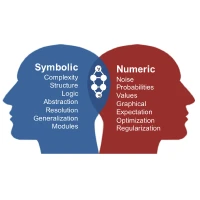
The performance of modern language models depends critically on pretraining data composition. Yet existing data selection methods rely on auxiliary classifiers for document scoring or mixture optimization, adding computational overhead and dependence on labeled data. We propose WebGraphMix, a lightweight data selection framework that computes structural centrality scores over the Common Crawl host-level web graph and uses them to vary the proportion of central versus peripheral documents in the pretraining mixture. We hypothesize that central hosts expose models to reusable abstractions, while peripheral hosts encode specialized, long-tail knowledge. WebGraphMix computes centrality scores efficiently at web scale, requiring no model training, labeled data, or downstream supervision. We integrate WebGraphMix into the DataComp-LM pipeline and train models at 400M and 1B parameter scales with 8B and 28B tokens respectively, evaluating on 23 tasks ranging from factual knowledge to symbolic reasoning. Our experiments show that central and peripheral web regions encode complementary capabilities. Mixture combining both at a ratio of 1:1 achieves 41.4% on average, compared to 39.8% for uniform sampling. Combining structural scores with document-level quality classifier scores further improves performance to 43.8%. These findings demonstrate that web graph topology is a meaningful axis for pretraining data curation, capturing information that is largely orthogonal to existing content-based approaches.

  • 3 authors
·
Jun 8

Echo Chamber: RL Post-training Amplifies Behaviors Learned in Pretraining

Reinforcement learning (RL)-based fine-tuning has become a crucial step in post-training language models for advanced mathematical reasoning and coding. Following the success of frontier reasoning models, recent work has demonstrated that RL fine-tuning consistently improves performance, even in smaller-scale models; however, the underlying mechanisms driving these improvements are not well-understood. Understanding the effects of RL fine-tuning requires disentangling its interaction with pretraining data composition, hyperparameters, and model scale, but such problems are exacerbated by the lack of transparency regarding the training data used in many existing models. In this work, we present a systematic end-to-end study of RL fine-tuning for mathematical reasoning by training models entirely from scratch on different mixtures of fully open datasets. We investigate the effects of various RL fine-tuning algorithms (PPO, GRPO, and Expert Iteration) across models of different scales. Our study reveals that RL algorithms consistently converge towards a dominant output distribution, amplifying patterns in the pretraining data. We also find that models of different scales trained on the same data mixture will converge to distinct output distributions, suggesting that there are scale-dependent biases in model generalization. Moreover, we find that RL post-training on simpler questions can lead to performance gains on harder ones, indicating that certain reasoning capabilities generalize across tasks. Our findings show that small-scale proxies in controlled settings can elicit interesting insights regarding the role of RL in shaping language model behavior.

  • 6 authors
·
Apr 10, 2025

Impact of Pretraining Word Co-occurrence on Compositional Generalization in Multimodal Models

CLIP and large multimodal models (LMMs) have better accuracy on examples involving concepts that are highly represented in the training data. However, the role of concept combinations in the training data on compositional generalization is largely unclear -- for instance, how does accuracy vary when a common object appears in an uncommon pairing with another object? In this paper, we investigate how word co-occurrence statistics in the pretraining dataset (a proxy for co-occurrence of visual concepts) impacts CLIP/LMM performance. To disentangle the effects of word co-occurrence frequencies from single-word frequencies, we measure co-occurrence with pointwise mutual information (PMI), which normalizes the joint probability of two words co-occurring by the probability of co-occurring independently. Using synthetically generated images with a variety of concept pairs, we show a strong correlation between PMI in the CLIP pretraining data and zero-shot accuracy in CLIP models trained on LAION-400M (r=0.97 and 14% accuracy gap between images in the top and bottom 5% of PMI values), demonstrating that even accuracy on common concepts is affected by the combination of concepts in the image. Leveraging this finding, we reproduce this effect in natural images by editing them to contain pairs with varying PMI, resulting in a correlation of r=0.75. Finally, we demonstrate that this behavior in CLIP transfers to LMMs built on top of CLIP (r=0.70 for TextVQA, r=0.62 for VQAv2). Our findings highlight the need for algorithms and architectures that improve compositional generalization in multimodal models without scaling the training data combinatorially. Our code is available at https://github.com/helenqu/multimodal-pretraining-pmi.

  • 2 authors
·
Jul 10, 2025

KletterMix: Climbing Toward High-Quality German Pretraining Data

High-quality pretraining data is a central ingredient in modern language models, but German-language resources remain far less developed than their English counterparts: they are often smaller, less carefully curated, weakly documented, and rarely validated through controlled training experiments. We introduce KletterMix, a high-quality German corpus for language model pretraining and annealing, designed as a reusable dataset artifact for the natural language processing and modeling community. KletterMix is built by translating a state-of-the-art English pretraining corpus into German while preserving document boundaries, metadata, source structure, and topical diversity. This construction yields a German corpus with the scale and diversity of a modern pretraining dataset, while enabling direct comparison to its English source. We document the dataset through a broad set of corpus-level analyses, including translation quality, document length distributions, topic coverage, source composition, and geographic metadata. Using COMETKiwi, we show that the translated documents achieve strong quality across diverse domains, suggesting that careful translation can preserve much of the semantic and stylistic richness of the original corpus. Beyond dataset construction, we evaluate KletterMix as training data. Through controlled pretraining and annealing ablations against established German corpora, we show that models trained on KletterMix achieve measurable improvements on German-language downstream evaluations. These results demonstrate that carefully curated translated data can substantially strengthen the German pretraining data ecosystem.

Always Learning, Always Mixing: Efficient and Simple Data Mixing All The Time

Data mixing decides how to combine different sources or types of data and is a consequential problem throughout language model training. In pretraining, data composition is a key determinant of model quality; in continual learning and adaptation, it governs what is retained and acquired. Yet existing data mixing methods address only one phase of this lifecycle at a time: some require smaller proxy models tied to a single training phase, others assume a fixed domain set, and continual learning lacks principled guidance altogether. We argue that data mixing is fundamentally an online decision making problem -- one that recurs throughout training and demands a single, unified solution. We introduce OP-Mix (On-Policy Mix), a data mixing algorithm that operates across the entire language model training lifecycle. Our main insight is that candidate data mixtures can be cheaply simulated by interpolating between low-rank adapters trained directly on the current model, eliminating separate proxy models and ensuring the search is always grounded in the model's actual learning dynamics. Across pretraining, continual midtraining, and continual instruction tuning, OP-Mix consistently finds near-optimal mixtures while using a fraction of the compute of the baselines. In pretraining, OP-Mix improves upon training without mixing by 6.3% in average perplexity. For continual learning, OP-Mix matches the performance of both retraining and on-policy distillation while using 66% and 95% less overall compute, respectively. OP-Mix suggests a different view of language model training: not a sequence of distinct phases, but a single continuous process of learning from data.

  • 5 authors
·
May 12

Uni-MoE-2.0-Omni: Scaling Language-Centric Omnimodal Large Model with Advanced MoE, Training and Data

We present Uni-MoE 2.0 from the Lychee family. As a fully open-source omnimodal large model (OLM), it substantially advances Lychee's Uni-MoE series in language-centric multimodal understanding, reasoning, and generating. Based on the Qwen2.5-7B dense architecture, we build Uni-MoE-2.0-Omni from scratch through three core contributions: dynamic-capacity Mixture-of-Experts (MoE) design, a progressive training strategy enhanced with an iterative reinforcement strategy, and a carefully curated multimodal data matching technique. It is capable of omnimodal understanding, as well as generating images, text, and speech. Architecturally, our new MoE framework balances computational efficiency and capability for 10 cross-modal inputs using shared, routed, and null experts, while our Omni-Modality 3D RoPE ensures spatio-temporal cross-modality alignment in the self-attention layer. For training, following cross-modal pretraining, we use a progressive supervised fine-tuning strategy that activates modality-specific experts and is enhanced by balanced data composition and an iterative GSPO-DPO method to stabilise RL training and improve reasoning. Data-wise, the base model, trained on approximately 75B tokens of open-source multimodal data, is equipped with special speech and image generation tokens, allowing it to learn these generative tasks by conditioning its outputs on linguistic cues. Extensive evaluation across 85 benchmarks demonstrates that our model achieves SOTA or highly competitive performance against leading OLMs, surpassing Qwen2.5-Omni (trained with 1.2T tokens) on over 50 of 76 benchmarks. Key strengths include video understanding (+7% avg. of 8), omnimodallity understanding (+7% avg. of 4), and audiovisual reasoning (+4%). It also advances long-form speech processing (reducing WER by 4.2%) and leads in low-level image processing and controllable generation across 5 metrics.


HIT-TMG Lychee Team
·
Nov 16, 2025 4

Emergent and Subliminal Misalignment Through the Lens of Data-Mediated Transfer

Fine-tuning LLMs on narrow harmful datasets can induce Emergent Misalignment (EM), where models exhibit misaligned behavior far beyond the fine-tuning distribution. We argue that emergent misalignment can be better understood as a data-mediated transfer phenomenon: harmful fine-tuning examples do not induce uniform behavioral spillover, but interact with the structural properties of the dataset and the difficulty of the tasks relative to the model. Across our experiments, we find that misalignment appears more readily when fine-tuning and evaluation prompts share similar underlying functional structure, when prompts leave more room for coherent harmful completions, and when the target behavior has been more reliably learned by the model. The training pipeline itself also matters: pretraining composition shapes later misalignment. We further study Subliminal Learning (SL), where misalignment is transmitted by fine-tuning on seemingly benign data generated by a harmful teacher. Moving beyond the standard SFT setting, we for the first time compare this transfer under off-policy and on-policy distillation as well, allowing us to separate the roles of the teacher guidance and the training data distribution in transmitting misalignment. Together, these results argue for a data-centric view: Emergent/subliminal misalignment should not be treated as a simple consequence of isolated harmful fine-tuning examples, but as the result of interactions between fine-tuning data structure, pretraining distributions, and training channels.

  • 6 authors
·
May 11

VideoComp: Advancing Fine-Grained Compositional and Temporal Alignment in Video-Text Models

We introduce VideoComp, a benchmark and learning framework for advancing video-text compositionality understanding, aimed at improving vision-language models (VLMs) in fine-grained temporal alignment. Unlike existing benchmarks focused on static image-text compositionality or isolated single-event videos, our benchmark targets alignment in continuous multi-event videos. Leveraging video-text datasets with temporally localized event captions (e.g. ActivityNet-Captions, YouCook2), we construct two compositional benchmarks, ActivityNet-Comp and YouCook2-Comp. We create challenging negative samples with subtle temporal disruptions such as reordering, action word replacement, partial captioning, and combined disruptions. These benchmarks comprehensively test models' compositional sensitivity across extended, cohesive video-text sequences. To improve model performance, we propose a hierarchical pairwise preference loss that strengthens alignment with temporally accurate pairs and gradually penalizes increasingly disrupted ones, encouraging fine-grained compositional learning. To mitigate the limited availability of densely annotated video data, we introduce a pretraining strategy that concatenates short video-caption pairs to simulate multi-event sequences. We evaluate video-text foundational models and large multimodal models (LMMs) on our benchmark, identifying both strengths and areas for improvement in compositionality. Overall, our work provides a comprehensive framework for evaluating and enhancing model capabilities in achieving fine-grained, temporally coherent video-text alignment.

  • 4 authors
·
Apr 4, 2025

Compositional Chain-of-Thought Prompting for Large Multimodal Models

The combination of strong visual backbones and Large Language Model (LLM) reasoning has led to Large Multimodal Models (LMMs) becoming the current standard for a wide range of vision and language (VL) tasks. However, recent research has shown that even the most advanced LMMs still struggle to capture aspects of compositional visual reasoning, such as attributes and relationships between objects. One solution is to utilize scene graphs (SGs)--a formalization of objects and their relations and attributes that has been extensively used as a bridge between the visual and textual domains. Yet, scene graph data requires scene graph annotations, which are expensive to collect and thus not easily scalable. Moreover, finetuning an LMM based on SG data can lead to catastrophic forgetting of the pretraining objective. To overcome this, inspired by chain-of-thought methods, we propose Compositional Chain-of-Thought (CCoT), a novel zero-shot Chain-of-Thought prompting method that utilizes SG representations in order to extract compositional knowledge from an LMM. Specifically, we first generate an SG using the LMM, and then use that SG in the prompt to produce a response. Through extensive experiments, we find that the proposed CCoT approach not only improves LMM performance on several vision and language VL compositional benchmarks but also improves the performance of several popular LMMs on general multimodal benchmarks, without the need for fine-tuning or annotated ground-truth SGs. Code: https://github.com/chancharikmitra/CCoT

  • 4 authors
·
Nov 27, 2023

Unseen-Codebases-Domain Data Synthesis and Training Based on Code Graphs

In the context of newly release software frameworks, large language models (LLMs) often exhibit poor performance and a high rate of hallucination, as they are not exposed to such environments during training. Although inference-time augmentation techniques such as retrieval-augmented generation (RAG) can partially mitigate hallucinations, knowledge injection through prompting alone is insufficient to enable models to fully understand the intrinsic relationships among different components of a codebase, or to reason about the correct compositions and apply. Although explicit knowledge injection can be achieved through post-training, compared with public code domains, unseen codebases typically provide only source code and lack large volumes of high-quality, usage-oriented code that can be directly leveraged as training data. Consequently, existing data synthesis approaches are insufficient to adequately capture unseen codebases usage scenarios when restricted to source code alone. To address these challenges, we propose UCD-Training, a two-stage training framework for reasoning-aware data synthesis grounded in a code graph constructed from unseen codebases. UCD-Training first parses the source code to build a code graph, then conducts dependency-preserving continued pretraining (CPT) using file-level dependency data, followed by graph-grounded supervised fine-tuning (SFT) on three types of synthesized data augmented with explicit reasoning traces: (1) single-hop relation reasoning data, (2) compositional API reasoning data, and (3) codebase utilization data. We further introduce a new benchmark, UnseenCodeBench, for code generation on unseen codebases and conduct comprehensive experiments across multiple codebases.

  • 12 authors
·
Feb 23

What do Language Models Learn and When? The Implicit Curriculum Hypothesis

Large language models (LLMs) can perform remarkably complex tasks, yet the fine-grained details of how these capabilities emerge during pretraining remain poorly understood. Scaling laws on validation loss tell us how much a model improves with additional compute, but not what skills it acquires in which order. To remedy this, we propose the Implicit Curriculum Hypothesis: pretraining follows a compositional and predictable curriculum across models and data mixtures. We test this by designing a suite of simple, composable tasks spanning retrieval, morphological transformations, coreference, logical reasoning, and mathematics. Using these tasks, we track emergence points across four model families spanning sizes from 410M-13B parameters. We find that emergence orderings of when models reach fixed accuracy thresholds are strikingly consistent (ρ= .81 across 45 model pairs), and that composite tasks most often emerge after their component tasks. Furthermore, we find that this structure is encoded in model representations: tasks with similar function vector representations also tend to follow similar trajectories in training. By using the space of representations derived from our task set, we can effectively predict the training trajectories of simple held-out compositional tasks throughout the course of pretraining (R^2 = .68-.84 across models) without previously evaluating them. Together, these results suggest that pretraining is more structured than loss curves reveal: skills emerge in a compositional order that is consistent across models and readable from their internals.

Apriel-1.5-15b-Thinker

We present Apriel-1.5-15B-Thinker, a 15-billion parameter open-weights multimodal reasoning model that achieves frontier-level performance through training design rather than sheer scale. Starting from Pixtral-12B, we apply a progressive three-stage methodology: (1) depth upscaling to expand reasoning capacity without pretraining from scratch, (2) staged continual pre-training that first develops foundational text and vision understanding, then enhances visual reasoning through targeted synthetic data generation addressing spatial structure, compositional understanding, and fine-grained perception, and (3) high-quality text-only supervised fine-tuning on curated instruction-response pairs with explicit reasoning traces spanning mathematics, coding, science, and tool use. Notably, our model achieves competitive results without reinforcement learning or preference optimization, isolating the contribution of our data-centric continual pre-training approach. On the Artificial Analysis Intelligence Index, Apriel-1.5-15B-Thinker attains a score of 52, matching DeepSeek-R1-0528 despite requiring significantly fewer computational resources. Across ten image benchmarks, its performance is on average within five points of Gemini-2.5-Flash and Claude Sonnet-3.7, a key achievement for a model operating within single-GPU deployment constraints. Our results demonstrate that thoughtful mid-training 2 design can close substantial capability gaps without massive scale, making frontier-level multimodal reasoning accessible to organizations with limited infrastructure. We release the model checkpoint, all training recipes, and evaluation protocols under the MIT license to to advance open-source research.

ServiceNow-AI ServiceNow-AI
·
Oct 1, 2025 5

AfriqueLLM: How Data Mixing and Model Architecture Impact Continued Pre-training for African Languages

Large language models (LLMs) are increasingly multilingual, yet open models continue to underperform relative to proprietary systems, with the gap most pronounced for African languages. Continued pre-training (CPT) offers a practical route to language adaptation, but improvements on demanding capabilities such as mathematical reasoning often remain limited. This limitation is driven in part by the uneven domain coverage and missing task-relevant knowledge that characterize many low-resource language corpora. We present AfriqueLLM, a suite of open LLMs adapted to 20 African languages through CPT on 26B tokens. We perform a comprehensive empirical study across five base models spanning sizes and architectures, including Llama 3.1, Gemma 3, and Qwen 3, and systematically analyze how CPT data composition shapes downstream performance. In particular, we vary mixtures that include math, code, and synthetic translated data, and evaluate the resulting models on a range of multilingual benchmarks. Our results identify data composition as the primary driver of CPT gains. Adding math, code, and synthetic translated data yields consistent improvements, including on reasoning-oriented evaluations. Within a fixed architecture, larger models typically improve performance, but architectural choices dominate scale when comparing across model families. Moreover, strong multilingual performance in the base model does not reliably predict post-CPT outcomes; robust architectures coupled with task-aligned data provide a more dependable recipe. Finally, our best models improve long-context performance, including document-level translation. Models have been released on [Huggingface](https://huggingface.co/collections/McGill-NLP/afriquellm).

  • 6 authors
·
Jan 9

How Abilities in Large Language Models are Affected by Supervised Fine-tuning Data Composition

Large language models (LLMs) with enormous pre-training tokens and parameter amounts emerge abilities, including math reasoning, code generation, and instruction following. These abilities are further enhanced by supervised fine-tuning (SFT). The open-source community has studied on ad-hoc SFT for each ability, while proprietary LLMs are versatile for all abilities. It is important to investigate how to unlock them with multiple abilities via SFT. In this study, we specifically focus on the data composition between mathematical reasoning, code generation, and general human-aligning abilities during SFT. From a scaling perspective, we investigate the relationship between model abilities and various factors including data amounts, data composition ratio, model parameters, and SFT strategies. Our experiments reveal that different abilities exhibit different scaling patterns, and larger models generally show superior performance with the same amount of data. Mathematical reasoning and code generation improve as data amounts increase consistently, while the general ability is enhanced with about a thousand samples and improves slowly. We find data composition results in various abilities improvements with low data amounts, while conflicts of abilities with high data amounts. Our experiments further show that composition data amount impacts performance, while the influence of composition ratio is insignificant. Regarding the SFT strategies, we evaluate sequential learning multiple abilities are prone to catastrophic forgetting. Our proposed Dual-stage Mixed Fine-tuning (DMT) strategy learns specialized abilities first and then learns general abilities with a small amount of specialized data to prevent forgetting, offering a promising solution to learn multiple abilities with different scaling patterns.

  • 10 authors
·
Oct 9, 2023

A Pretrainer's Guide to Training Data: Measuring the Effects of Data Age, Domain Coverage, Quality, & Toxicity

Pretraining is the preliminary and fundamental step in developing capable language models (LM). Despite this, pretraining data design is critically under-documented and often guided by empirically unsupported intuitions. To address this, we pretrain 28 1.5B parameter decoder-only models, training on data curated (1) at different times, (2) with varying toxicity and quality filters, and (3) with different domain compositions. First, we quantify the effect of pretraining data age. A temporal shift between evaluation data and pretraining data leads to performance degradation, which is not overcome by finetuning. Second, we explore the effect of quality and toxicity filters, showing a trade-off between performance on standard benchmarks and risk of toxic generations. Our findings indicate there does not exist a one-size-fits-all solution to filtering training data. We also find that the effects of different types of filtering are not predictable from text domain characteristics. Lastly, we empirically validate that the inclusion of heterogeneous data sources, like books and web, is broadly beneficial and warrants greater prioritization. These findings constitute the largest set of experiments to validate, quantify, and expose many undocumented intuitions about text pretraining, which we hope will help support more informed data-centric decisions in LM development.

  • 11 authors
·
May 22, 2023

Meta-rater: A Multi-dimensional Data Selection Method for Pre-training Language Models

The composition of pre-training datasets for large language models (LLMs) remains largely undisclosed, hindering transparency and efforts to optimize data quality, a critical driver of model performance. Current data selection methods, such as natural language quality assessments, diversity-based filters, and classifier-based approaches, are limited by single-dimensional evaluation or redundancy-focused strategies. To address these gaps, we propose four dimensions to evaluate data quality: professionalism, readability, reasoning, and cleanliness. We further introduce Meta-rater,a multi-dimensional data selection method that integrates these dimensions with existing quality metrics through learned optimal weightings. Meta-rater employs proxy models to train a regression model that predicts validation loss, enabling the identification of optimal combinations of quality scores. Experiments demonstrate that Meta-rater doubles convergence speed for 1.3B parameter models and improves downstream task performance by 3.23, with advantages that scale to models as large as 7.2B parameters. Our work establishes that holistic, multi-dimensional quality integration significantly outperforms conventional single-dimension approaches, offering a scalable paradigm for enhancing pre-training efficiency and model capability. To advance future research, we release scripts, data, and models at https://github.com/opendatalab/Meta-rater.

  • 10 authors
·
Apr 19, 2025

DataMan: Data Manager for Pre-training Large Language Models

The performance emergence of large language models (LLMs) driven by data scaling laws makes the selection of pre-training data increasingly important. However, existing methods rely on limited heuristics and human intuition, lacking comprehensive and clear guidelines. To address this, we are inspired by ``reverse thinking'' -- prompting LLMs to self-identify which criteria benefit its performance. As its pre-training capabilities are related to perplexity (PPL), we derive 14 quality criteria from the causes of text perplexity anomalies and introduce 15 common application domains to support domain mixing. In this paper, we train a Data Manager (DataMan) to learn quality ratings and domain recognition from pointwise rating, and use it to annotate a 447B token pre-training corpus with 14 quality ratings and domain type. Our experiments validate our approach, using DataMan to select 30B tokens to train a 1.3B-parameter language model, demonstrating significant improvements in in-context learning (ICL), perplexity, and instruction-following ability over the state-of-the-art baseline. The best-performing model, based on the Overall Score l=5 surpasses a model trained with 50% more data using uniform sampling. We continue pre-training with high-rated, domain-specific data annotated by DataMan to enhance domain-specific ICL performance and thus verify DataMan's domain mixing ability. Our findings emphasize the importance of quality ranking, the complementary nature of quality criteria, and their low correlation with perplexity, analyzing misalignment between PPL and ICL performance. We also thoroughly analyzed our pre-training dataset, examining its composition, the distribution of quality ratings, and the original document sources.

  • 6 authors
·
Feb 26, 2025

Gen4Gen: Generative Data Pipeline for Generative Multi-Concept Composition

Recent text-to-image diffusion models are able to learn and synthesize images containing novel, personalized concepts (e.g., their own pets or specific items) with just a few examples for training. This paper tackles two interconnected issues within this realm of personalizing text-to-image diffusion models. First, current personalization techniques fail to reliably extend to multiple concepts -- we hypothesize this to be due to the mismatch between complex scenes and simple text descriptions in the pre-training dataset (e.g., LAION). Second, given an image containing multiple personalized concepts, there lacks a holistic metric that evaluates performance on not just the degree of resemblance of personalized concepts, but also whether all concepts are present in the image and whether the image accurately reflects the overall text description. To address these issues, we introduce Gen4Gen, a semi-automated dataset creation pipeline utilizing generative models to combine personalized concepts into complex compositions along with text-descriptions. Using this, we create a dataset called MyCanvas, that can be used to benchmark the task of multi-concept personalization. In addition, we design a comprehensive metric comprising two scores (CP-CLIP and TI-CLIP) for better quantifying the performance of multi-concept, personalized text-to-image diffusion methods. We provide a simple baseline built on top of Custom Diffusion with empirical prompting strategies for future researchers to evaluate on MyCanvas. We show that by improving data quality and prompting strategies, we can significantly increase multi-concept personalized image generation quality, without requiring any modifications to model architecture or training algorithms.

  • 9 authors
·
Feb 23, 2024 2

InternData-A1: Pioneering High-Fidelity Synthetic Data for Pre-training Generalist Policy

Recent works explore how real and synthetic data contribute to Vision-Language-Action (VLA) models' generalization. While current VLA models have shown the strong effectiveness of large-scale real-robot pre-training, synthetic data has not previously demonstrated comparable capability at scale. This paper provides the first evidence that synthetic data alone can match the performance of the strongest π-dataset in pre-training a VLA model, revealing the substantial value of large-scale simulation. The resulting model also exhibits surprisingly zero-shot sim-to-real transfer on several challenging tasks. Our synthetic dataset, InternData-A1, contains over 630k trajectories and 7,433 hours across 4 embodiments, 18 skills, 70 tasks, and 227 scenes, covering rigid, articulated, deformable, and fluid-object manipulation. It is generated through a highly autonomous, fully decoupled, and compositional simulation pipeline that enables long-horizon skill composition, flexible task assembly, and heterogeneous embodiments with minimal manual tuning. Using the same architecture as π_0, we pre-train a model entirely on InternData-A1 and find that it matches the official π_0 across 49 simulation tasks, 5 real-world tasks, and 4 long-horizon dexterous tasks. We release the dataset and will open-source the generation pipeline to broaden access to large-scale robotic data and to lower the barrier to scalable data creation for embodied AI research.

  • 16 authors
·
Nov 20, 2025

Recycling the Web: A Method to Enhance Pre-training Data Quality and Quantity for Language Models

Scaling laws predict that the performance of large language models improves with increasing model size and data size. In practice, pre-training has been relying on massive web crawls, using almost all data sources publicly available on the internet so far. However, this pool of natural data does not grow at the same rate as the compute supply. Furthermore, the availability of high-quality texts is even more limited: data filtering pipelines often remove up to 99% of the initial web scrapes to achieve state-of-the-art. To address the "data wall" of pre-training scaling, our work explores ways to transform and recycle data discarded in existing filtering processes. We propose REWIRE, REcycling the Web with guIded REwrite, a method to enrich low-quality documents so that they could become useful for training. This in turn allows us to increase the representation of synthetic data in the final pre-training set. Experiments at 1B, 3B and 7B scales of the DCLM benchmark show that mixing high-quality raw texts and our rewritten texts lead to 1.0, 1.3 and 2.5 percentage points improvement respectively across 22 diverse tasks, compared to training on only filtered web data. Training on the raw-synthetic data mix is also more effective than having access to 2x web data. Through further analysis, we demonstrate that about 82% of the mixed in texts come from transforming lower-quality documents that would otherwise be discarded. REWIRE also outperforms related approaches of generating synthetic data, including Wikipedia-style paraphrasing, question-answer synthesizing and knowledge extraction. These results suggest that recycling web texts holds the potential for being a simple and effective approach for scaling pre-training data.

  • 7 authors
·
Jun 5, 2025

Procedural Pretraining: Warming Up Language Models with Abstract Data

Pretraining directly on web-scale corpora is the de facto paradigm for building language models. We study an alternative setting where the model is initially exposed to abstract structured data, as a means to ease the subsequent acquisition of rich semantic knowledge, much like humans learn simple logic and mathematics before higher reasoning. We specifically focus on procedural data, generated by formal languages and other simple algorithms, as such abstract data. We first diagnose the algorithmic skills that different forms of procedural data can improve, often significantly. For example, on context recall (Needle-in-a-haystack), the accuracy jumps from 10 to 98% when pretraining on Dyck sequences (balanced brackets). Second, we study how these gains are reflected in pretraining larger models (up to 1.3B). We find that front-loading as little as 0.1% procedural data significantly outperforms standard pretraining on natural language, code, and informal mathematics (C4, CodeParrot, and DeepMind-Math datasets). Notably, this procedural pretraining enables the models to reach the same loss value with only 55, 67, 86% of the original data. Third, we explore the mechanisms behind and find that procedural pretraining instils non-trivial structure in both attention and MLP layers. The former is particularly important for structured domains (e.g. code), and the latter for language. Finally, we lay a path for combining multiple forms of procedural data. Our results show that procedural pretraining is a simple, lightweight means to improving performance and accelerating language model pretraining, ultimately suggesting the promise of disentangling knowledge acquisition from reasoning in LLMs.

  • 5 authors
·
Jan 29

UniTabE: A Universal Pretraining Protocol for Tabular Foundation Model in Data Science

Recent advancements in NLP have witnessed the groundbreaking impact of pretrained models, yielding impressive outcomes across various tasks. This study seeks to extend the power of pretraining methodologies to facilitating the prediction over tables in data science, a domain traditionally overlooked, yet inherently challenging due to the plethora of table schemas intrinsic to different tasks. The primary research questions underpinning this work revolve around the establishment of a universal pretraining protocol for tables with varied structures, the generalizability and transferability of learned knowledge across tasks, the adaptation to diverse downstream applications, and the incorporation of incremental columns over time. In response to these challenges, we introduce UniTabE, a straightforward yet effective method designed to process tables in a uniform manner, devoid of constraints imposed by specific table structures. UniTabE's core concept relies on representing each basic table element with a module, termed TabUnit. This is subsequently followed by a Transformer encoder to refine the representation. Moreover, our model is designed to facilitate pretraining and finetuning through the utilization of free-form prompts. In order to implement the pretraining phase, we curated an expansive tabular dataset comprising approximately 13B samples, meticulously gathered from the Kaggle platform. This research primarily centers on classification and regression tasks involving tabular data, and conducts rigorous experimental testing and analyses to validate the effectiveness of our methodology. The experimental results demonstrate UniTabE's superior performance against several baselines across massive benchmarks. This, therefore, underscores UniTabE's potential to significantly enhance the semantic representation of tabular data, thereby marking a significant stride for tabular data analysis.

  • 5 authors
·
Jul 18, 2023

MATES: Model-Aware Data Selection for Efficient Pretraining with Data Influence Models

Pretraining data selection has the potential to improve language model pretraining efficiency by utilizing higher-quality data from massive web data corpora. Current data selection methods, which rely on either hand-crafted rules or larger reference models, are conducted statically and do not capture the evolving data preferences during pretraining. In this paper, we introduce model-aware data selection with data influence models (MATES), where a data influence model continuously adapts to the evolving data preferences of the pretraining model and then selects the data most effective for the current pretraining progress. Specifically, we fine-tune a small data influence model to approximate oracle data preference signals collected by locally probing the pretraining model and to select data accordingly for the next pretraining stage. Experiments on Pythia and the C4 dataset demonstrate that MATES significantly outperforms random data selection on extensive downstream tasks in both zero- and few-shot settings. It doubles the gains achieved by recent data selection approaches that leverage larger reference models and reduces the total FLOPs required to reach certain performances by half. Further analysis validates the ever-changing data preferences of pretraining models and the effectiveness of our data influence models to capture them. Our code is open-sourced at https://github.com/cxcscmu/MATES.

  • 3 authors
·
Jun 10, 2024

Predictive Data Selection: The Data That Predicts Is the Data That Teaches

Language model pretraining involves training on extensive corpora, where data quality plays a pivotal role. In this work, we aim to directly estimate the contribution of data during pretraining and select pretraining data in an efficient manner. Specifically, we draw inspiration from recent findings showing that compression efficiency (i.e., the normalized loss) of diverse models on certain text correlates strongly with their downstream performance, when the text domain aligns with the downstream benchmark (Huang et al., 2024). Building on this observation, we hypothesize that data on which model losses are predictive of downstream abilities also contribute effectively to learning. To leverage this insight, we introduce data selection based on data's Predictive strength (Preselect), a lightweight and efficient data selection method that requires training and deploying only a fastText-based scorer. Through comprehensive experiments with 1B and 3B parameter models, we demonstrate that models trained on 30B tokens selected with PreSelect surpasses the performance of a vanilla baseline trained on 300B tokens, achieving a 10x reduction in compute requirements. Furthermore, PreSelect significantly outperforms other competitive data selection baselines, such as DCLM and FineWeb-Edu on a scale of 3B models trained on 100B tokens. We open-source our trained data selection scorer along with the curated datasets at https://github.com/hkust-nlp/PreSelect.

  • 8 authors
·
Mar 2, 2025 2

Jumpstarting Surgical Computer Vision

Purpose: General consensus amongst researchers and industry points to a lack of large, representative annotated datasets as the biggest obstacle to progress in the field of surgical data science. Self-supervised learning represents a solution to part of this problem, removing the reliance on annotations. However, the robustness of current self-supervised learning methods to domain shifts remains unclear, limiting our understanding of its utility for leveraging diverse sources of surgical data. Methods: In this work, we employ self-supervised learning to flexibly leverage diverse surgical datasets, thereby learning taskagnostic representations that can be used for various surgical downstream tasks. Based on this approach, to elucidate the impact of pre-training on downstream task performance, we explore 22 different pre-training dataset combinations by modulating three variables: source hospital, type of surgical procedure, and pre-training scale (number of videos). We then finetune the resulting model initializations on three diverse downstream tasks: namely, phase recognition and critical view of safety in laparoscopic cholecystectomy and phase recognition in laparoscopic hysterectomy. Results: Controlled experimentation highlights sizable boosts in performance across various tasks, datasets, and labeling budgets. However, this performance is intricately linked to the composition of the pre-training dataset, robustly proven through several study stages. Conclusion: The composition of pre-training datasets can severely affect the effectiveness of SSL methods for various downstream tasks and should critically inform future data collection efforts to scale the application of SSL methodologies. Keywords: Self-Supervised Learning, Transfer Learning, Surgical Computer Vision, Endoscopic Videos, Critical View of Safety, Phase Recognition

  • 6 authors
·
Dec 10, 2023

CLIMB: CLustering-based Iterative Data Mixture Bootstrapping for Language Model Pre-training

Pre-training datasets are typically collected from web content and lack inherent domain divisions. For instance, widely used datasets like Common Crawl do not include explicit domain labels, while manually curating labeled datasets such as The Pile is labor-intensive. Consequently, identifying an optimal pre-training data mixture remains a challenging problem, despite its significant benefits for pre-training performance. To address these challenges, we propose CLustering-based Iterative Data Mixture Bootstrapping (CLIMB), an automated framework that discovers, evaluates, and refines data mixtures in a pre-training setting. Specifically, CLIMB embeds and clusters large-scale datasets in a semantic space and then iteratively searches for optimal mixtures using a smaller proxy model and a predictor. When continuously trained on 400B tokens with this mixture, our 1B model exceeds the state-of-the-art Llama-3.2-1B by 2.0%. Moreover, we observe that optimizing for a specific domain (e.g., Social Sciences) yields a 5% improvement over random sampling. Finally, we introduce ClimbLab, a filtered 1.2-trillion-token corpus with 20 clusters as a research playground, and ClimbMix, a compact yet powerful 400-billion-token dataset designed for efficient pre-training that delivers superior performance under an equal token budget. We analyze the final data mixture, elucidating the characteristics of an optimal data mixture. Our data is available at: https://research.nvidia.com/labs/lpr/climb/

  • 15 authors
·
Apr 17, 2025 2

How Learning Rate Decay Wastes Your Best Data in Curriculum-Based LLM Pretraining

Due to the scarcity of high-quality data, large language models (LLMs) are often trained on mixtures of data with varying quality levels, even after sophisticated data curation. A natural approach to better leverage high-quality data is curriculum-based pretraining, where the model is trained on data sorted in ascending order of quality as determined by a quality metric. However, prior studies have reported limited improvements from such curriculum-based pretraining strategies. This work identifies a critical factor constraining these methods: the incompatibility between the ascending data quality order and the decaying learning rate (LR) schedule. We find that while curriculum-based training substantially outperforms random shuffling when using a constant LR, its advantage diminishes under standard LR decay schedules. Our experiments show this incompatibility can be mitigated by two simple strategies: (1) employing a more moderate LR decay schedule, where the final LR is only moderately smaller than the peak LR, and (2) replacing LR decay with model averaging, i.e., computing a weighted average of the final few checkpoints. By combining these strategies, we improve the average score on a suite of standard benchmarks by 1.64% over random shuffling, without additional data refinement. Validated on 1.5B-parameter models trained over 30B tokens with various data-quality metrics, our findings call for a re-evaluation of curriculum-based LLM pretraining and underscore the potential of co-designing data curricula with optimization methods.

  • 8 authors
·
Nov 24, 2025

FineInstructions: Scaling Synthetic Instructions to Pre-Training Scale

Due to limited supervised training data, large language models (LLMs) are typically pre-trained via a self-supervised "predict the next word" objective on a vast amount of unstructured text data. To make the resulting model useful to users, it is further trained on a far smaller amount of "instruction-tuning" data comprised of supervised training examples of instructions and responses. To overcome the limited amount of supervised data, we propose a procedure that can transform the knowledge in internet-scale pre-training documents into billions of synthetic instruction and answer training pairs. The resulting dataset, called FineInstructions, uses ~18M instruction templates created from real user-written queries and prompts. These instruction templates are matched to and instantiated with human-written source documents from unstructured pre-training corpora. With "supervised" synthetic training data generated at this scale, an LLM can be pre-trained from scratch solely with the instruction-tuning objective, which is far more in-distribution with the expected downstream usage of LLMs (responding to user prompts). We conduct controlled token-for-token training experiments and find pre-training on FineInstructions outperforms standard pre-training and other proposed synthetic pre-training techniques on standard benchmarks measuring free-form response quality. Our resources can be found at https://huggingface.co/fineinstructions .

Fine Tuning LLM for Enterprise: Practical Guidelines and Recommendations

There is a compelling necessity from enterprises for fine tuning LLMs (Large Language Models) o get them trained on proprietary domain knowledge. The challenge is to imbibe the LLMs with domain specific knowledge using the most optimial resource and cost and in the best possible time. Many enterprises rely on RAG (Retrieval Augmented Generation) which does not need LLMs to be ine-tuned but they are limited by the quality of vector databases and their retrieval capabilities rather than the intrinsic capabilities of the LLMs themselves. In our current work we focus on fine tuning LLaMA, an open source LLM using proprietary documents and code from an enterprise repository and use the fine tuned models to evaluate the quality of responses. As part of this work, we aim to guide beginners on how to start with fine tuning an LLM for documentation and code by making educated guesses on size of GPU required and options that are available for formatting the data. We also propose pre processing recipes for both documentation and code to prepare dataset in different formats. The proposed methods of data preparation for document datasets are forming paragraph chunks, forming question and answer pairs and forming keyword and paragraph chunk pairs. For code dataset we propose forming summary and function pairs. Further, we qualitatively evaluate the results of the models for domain specific queries. Finally, we also propose practical guidelines and recommendations for fine tuning LLMs.

  • 4 authors
·
Mar 23, 2024

Programming Every Example: Lifting Pre-training Data Quality like Experts at Scale

Large language model pre-training has traditionally relied on human experts to craft heuristics for improving the corpora quality, resulting in numerous rules developed to date. However, these rules lack the flexibility to address the unique characteristics of individual example effectively. Meanwhile, applying tailored rules to every example is impractical for human experts. In this paper, we demonstrate that even small language models, with as few as 0.3B parameters, can exhibit substantial data refining capabilities comparable to those of human experts. We introduce Programming Every Example (ProX), a novel framework that treats data refinement as a programming task, enabling models to refine corpora by generating and executing fine-grained operations, such as string normalization, for each individual example at scale. Experimental results show that models pre-trained on ProX-curated data outperform either original data or data filtered by other selection methods by more than 2% across various downstream benchmarks. Its effectiveness spans various model sizes and pre-training corpora, including C4, RedPajama-V2, and FineWeb. Furthermore, ProX exhibits significant potential in domain-specific continual pre-training: without domain specific design, models trained on OpenWebMath refined by ProX outperform human-crafted rule-based methods, improving average accuracy by 7.6% over Mistral-7B, with 14.6% for Llama-2-7B and 20.3% for CodeLlama-7B, all within 10B tokens to be comparable to models like Llemma-7B trained on 200B tokens. Further analysis highlights that ProX significantly saves training FLOPs, offering a promising path for efficient LLM pre-training.We are open-sourcing ProX with >100B corpus, models, and sharing all training and implementation details for reproducible research and future innovation. Code: https://github.com/GAIR-NLP/ProX

  • 5 authors
·
Sep 25, 2024 4

POINTS: Improving Your Vision-language Model with Affordable Strategies

In recent years, vision-language models have made significant strides, excelling in tasks like optical character recognition and geometric problem-solving. However, several critical issues remain: 1) Proprietary models often lack transparency about their architectures, while open-source models need more detailed ablations of their training strategies. 2) Pre-training data in open-source works is under-explored, with datasets added empirically, making the process cumbersome. 3) Fine-tuning often focuses on adding datasets, leading to diminishing returns. To address these issues, we propose the following contributions: 1) We trained a robust baseline model using the latest advancements in vision-language models, introducing effective improvements and conducting comprehensive ablation and validation for each technique. 2) Inspired by recent work on large language models, we filtered pre-training data using perplexity, selecting the lowest perplexity data for training. This approach allowed us to train on a curated 1M dataset, achieving competitive performance. 3) During visual instruction tuning, we used model soup on different datasets when adding more datasets yielded marginal improvements. These innovations resulted in a 9B parameter model that performs competitively with state-of-the-art models. Our strategies are efficient and lightweight, making them easily adoptable by the community.

  • 6 authors
·
Sep 7, 2024 6

Scalable Data Ablation Approximations for Language Models through Modular Training and Merging

Training data compositions for Large Language Models (LLMs) can significantly affect their downstream performance. However, a thorough data ablation study exploring large sets of candidate data mixtures is typically prohibitively expensive since the full effect is seen only after training the models; this can lead practitioners to settle for sub-optimal data mixtures. We propose an efficient method for approximating data ablations which trains individual models on subsets of a training corpus and reuses them across evaluations of combinations of subsets. In continued pre-training experiments, we find that, given an arbitrary evaluation set, the perplexity score of a single model trained on a candidate set of data is strongly correlated with perplexity scores of parameter averages of models trained on distinct partitions of that data. From this finding, we posit that researchers and practitioners can conduct inexpensive simulations of data ablations by maintaining a pool of models that were each trained on partitions of a large training corpus, and assessing candidate data mixtures by evaluating parameter averages of combinations of these models. This approach allows for substantial improvements in amortized training efficiency -- scaling only linearly with respect to new data -- by enabling reuse of previous training computation, opening new avenues for improving model performance through rigorous, incremental data assessment and mixing.

  • 7 authors
·
Oct 21, 2024

Detecting Pretraining Data from Large Language Models

Although large language models (LLMs) are widely deployed, the data used to train them is rarely disclosed. Given the incredible scale of this data, up to trillions of tokens, it is all but certain that it includes potentially problematic text such as copyrighted materials, personally identifiable information, and test data for widely reported reference benchmarks. However, we currently have no way to know which data of these types is included or in what proportions. In this paper, we study the pretraining data detection problem: given a piece of text and black-box access to an LLM without knowing the pretraining data, can we determine if the model was trained on the provided text? To facilitate this study, we introduce a dynamic benchmark WIKIMIA that uses data created before and after model training to support gold truth detection. We also introduce a new detection method Min-K% Prob based on a simple hypothesis: an unseen example is likely to contain a few outlier words with low probabilities under the LLM, while a seen example is less likely to have words with such low probabilities. Min-K% Prob can be applied without any knowledge about the pretraining corpus or any additional training, departing from previous detection methods that require training a reference model on data that is similar to the pretraining data. Moreover, our experiments demonstrate that Min-K% Prob achieves a 7.4% improvement on WIKIMIA over these previous methods. We apply Min-K% Prob to two real-world scenarios, copyrighted book detection, and contaminated downstream example detection, and find it a consistently effective solution.

  • 8 authors
·
Oct 25, 2023

Test-Time Compositional Generalization in Diffusion Models via Concept Discovery

Compositional generalization requires models to produce novel configurations from familiar parts. In diffusion models, prior compositional generation methods typically assume that the relevant concepts or conditioning signals are already available. We instead ask whether a pretrained diffusion model can discover query-specific concepts from the time-indexed scores it learns for the noisy marginals p_t(x_t) and compose them at test time. Given a single out-of-distribution query, our method performs gradient ascent on s_θ(x_t,t) approx nabla_{x_t}log p_t(x_t) at multiple noising timesteps to recover local density modes, maps these modes into clean-space Gaussians, greedily selects relevant prototypes with a submodular likelihood objective, and combines them into a product-of-experts (PoE) teacher model with an analytic score. This teacher model can be sampled directly through classifier-free guidance or used to generate a sample pool for training a new class embedding and low-rank adapter. On held-out composition benchmarks built from ColorMNIST and CelebA, both the analytic PoE sampler and the low-rank adapted model outperform query-only and nearest trained-class baselines. These results suggest that the time-indexed score geometry of the diffusion model contains reusable density-mode concepts that support test-time compositional generation without a predefined concept library.

  • 4 authors
·
May 7

Rephrasing the Web: A Recipe for Compute and Data-Efficient Language Modeling

Large language models are trained on massive scrapes of the web, which are often unstructured, noisy, and poorly phrased. Current scaling laws show that learning from such data requires an abundance of both compute and data, which grows with the size of the model being trained. This is infeasible both because of the large compute costs and duration associated with pre-training, and the impending scarcity of high-quality data on the web. In this work, we propose Web Rephrase Augmented Pre-training (WRAP) that uses an off-the-shelf instruction-tuned model prompted to paraphrase documents on the web in specific styles such as "like Wikipedia" or in "question-answer format" to jointly pre-train LLMs on real and synthetic rephrases. First, we show that using WRAP on the C4 dataset, which is naturally noisy, speeds up pre-training by sim3x. At the same pre-training compute budget, it improves perplexity by more than 10% on average across different subsets of the Pile, and improves zero-shot question answer accuracy across 13 tasks by more than 2%. Second, we investigate the impact of the re-phrasing style on the performance of the model, offering insights into how the composition of the training data can impact the performance of LLMs in OOD settings. Our gains are attributed to the fact that re-phrased synthetic data has higher utility than just real data because it (i) incorporates style diversity that closely reflects downstream evaluation style, and (ii) has higher 'quality' than web-scraped data.

  • 6 authors
·
Jan 29, 2024 7

Skill-it! A Data-Driven Skills Framework for Understanding and Training Language Models

The quality of training data impacts the performance of pre-trained large language models (LMs). Given a fixed budget of tokens, we study how to best select data that leads to good downstream model performance across tasks. We develop a new framework based on a simple hypothesis: just as humans acquire interdependent skills in a deliberate order, language models also follow a natural order when learning a set of skills from their training data. If such an order exists, it can be utilized for improved understanding of LMs and for data-efficient training. Using this intuition, our framework formalizes the notion of a skill and of an ordered set of skills in terms of the associated data. First, using both synthetic and real data, we demonstrate that these ordered skill sets exist, and that their existence enables more advanced skills to be learned with less data when we train on their prerequisite skills. Second, using our proposed framework, we introduce an online data sampling algorithm, Skill-It, over mixtures of skills for both continual pre-training and fine-tuning regimes, where the objective is to efficiently learn multiple skills in the former and an individual skill in the latter. On the LEGO synthetic in the continual pre-training setting, Skill-It obtains 36.5 points higher accuracy than random sampling. On the Natural Instructions dataset in the fine-tuning setting, Skill-It reduces the validation loss on the target skill by 13.6% versus training on data associated with the target skill itself. We apply our skills framework on the recent RedPajama dataset to continually pre-train a 3B-parameter LM, achieving higher accuracy on the LM Evaluation Harness with 1B tokens than the baseline approach of sampling uniformly over data sources with 3B tokens.

  • 7 authors
·
Jul 26, 2023

Towards Effective and Efficient Continual Pre-training of Large Language Models

Continual pre-training (CPT) has been an important approach for adapting language models to specific domains or tasks. To make the CPT approach more traceable, this paper presents a technical report for continually pre-training Llama-3 (8B), which significantly enhances the Chinese language ability and scientific reasoning ability of the backbone model. To enhance the new abilities while retaining the original abilities, we design specific data mixture and curriculum strategies by utilizing existing datasets and synthesizing high-quality datasets. Specifically, we synthesize multidisciplinary scientific question and answer (QA) pairs based on related web pages, and subsequently incorporate these synthetic data to improve the scientific reasoning ability of Llama-3. We refer to the model after CPT as Llama-3-SynE (Synthetic data Enhanced Llama-3). We also present the tuning experiments with a relatively small model -- TinyLlama, and employ the derived findings to train the backbone model. Extensive experiments on a number of evaluation benchmarks show that our approach can largely improve the performance of the backbone models, including both the general abilities (+8.81 on C-Eval and +6.31 on CMMLU) and the scientific reasoning abilities (+12.00 on MATH and +4.13 on SciEval), without hurting the original capacities. Our model, data, and codes are available at https://github.com/RUC-GSAI/Llama-3-SynE.

  • 19 authors
·
Jul 26, 2024

CCI4.0: A Bilingual Pretraining Dataset for Enhancing Reasoning in Large Language Models

We introduce CCI4.0, a large-scale bilingual pre-training dataset engineered for superior data quality and diverse human-like reasoning trajectory. CCI4.0 occupies roughly 35 TB of disk space and comprises two sub-datasets: CCI4.0-M2-Base and CCI4.0-M2-CoT. CCI4.0-M2-Base combines a 5.2 TB carefully curated Chinese web corpus, a 22.5 TB English subset from Nemotron-CC, and diverse sources from math, wiki, arxiv, and code. Although these data are mostly sourced from well-processed datasets, the quality standards of various domains are dynamic and require extensive expert experience and labor to process. So, we propose a novel pipeline justifying data quality mainly based on models through two-stage deduplication, multiclassifier quality scoring, and domain-aware fluency filtering. We extract 4.5 billion pieces of CoT(Chain-of-Thought) templates, named CCI4.0-M2-CoT. Differing from the distillation of CoT from larger models, our proposed staged CoT extraction exemplifies diverse reasoning patterns and significantly decreases the possibility of hallucination. Empirical evaluations demonstrate that LLMs pre-trained in CCI4.0 benefit from cleaner, more reliable training signals, yielding consistent improvements in downstream tasks, especially in math and code reflection tasks. Our results underscore the critical role of rigorous data curation and human thinking templates in advancing LLM performance, shedding some light on automatically processing pretraining corpora.

  • 9 authors
·
Jun 9, 2025 2

Harnessing the Power of LLMs in Practice: A Survey on ChatGPT and Beyond

This paper presents a comprehensive and practical guide for practitioners and end-users working with Large Language Models (LLMs) in their downstream natural language processing (NLP) tasks. We provide discussions and insights into the usage of LLMs from the perspectives of models, data, and downstream tasks. Firstly, we offer an introduction and brief summary of current GPT- and BERT-style LLMs. Then, we discuss the influence of pre-training data, training data, and test data. Most importantly, we provide a detailed discussion about the use and non-use cases of large language models for various natural language processing tasks, such as knowledge-intensive tasks, traditional natural language understanding tasks, natural language generation tasks, emergent abilities, and considerations for specific tasks.We present various use cases and non-use cases to illustrate the practical applications and limitations of LLMs in real-world scenarios. We also try to understand the importance of data and the specific challenges associated with each NLP task. Furthermore, we explore the impact of spurious biases on LLMs and delve into other essential considerations, such as efficiency, cost, and latency, to ensure a comprehensive understanding of deploying LLMs in practice. This comprehensive guide aims to provide researchers and practitioners with valuable insights and best practices for working with LLMs, thereby enabling the successful implementation of these models in a wide range of NLP tasks. A curated list of practical guide resources of LLMs, regularly updated, can be found at https://github.com/Mooler0410/LLMsPracticalGuide.

  • 8 authors
·
Apr 26, 2023

DFIN-SQL: Integrating Focused Schema with DIN-SQL for Superior Accuracy in Large-Scale Databases

The task of converting natural language queries into SQL queries is intricate, necessitating a blend of precise techniques for an accurate translation. The DIN-SQL (Decomposed-In-Context SQL) methodology represents a significant development in this domain. This paper introduces DFIN (Decomposed Focused-In-Context), an innovative extension of DIN-SQL that enhances Text-to-SQL conversion by addressing schema linking errors, which are a major source of inaccuracies. DFIN uniquely alternates between prompting techniques and Retrieval-Augmented Generation (RAG), adapting to the size and complexity of the database schema. A preprocessing phase embeds database definitions and leverages annotated files, akin to those in the BIRD dataset, facilitating the runtime retrieval of pertinent schema information. This strategy significantly reduces the token count for schema linking prompts, enabling the use of a standard GPT-4 model over its larger context variant, thus handling large-scale databases more effectively and economically. Our evaluation on the BIRD dataset, a challenging real-world benchmark, demonstrates that DFIN not only scales efficiently but also improves accuracy, achieving a score of 51.69. This improvement surpasses DIN-SQL method (the current third-place), which is the highest-ranked model employing in-context learning rather than fine-tuning, previously scoring 50.72. The advancement of DFIN underscores the evolving capabilities of in-context learning methodologies combined with advanced language models, offering a promising avenue for future research in complex Text-to-SQL conversion tasks.

  • 3 authors
·
Mar 1, 2024

FineWeb2: One Pipeline to Scale Them All -- Adapting Pre-Training Data Processing to Every Language

Pre-training state-of-the-art large language models (LLMs) requires vast amounts of clean and diverse text data. While the open development of large high-quality English pre-training datasets has seen substantial recent progress, training performant multilingual LLMs remains a challenge, in large part due to the inherent difficulty of tailoring filtering and deduplication pipelines to a large number of languages. In this work, we introduce a new pre-training dataset curation pipeline based on FineWeb that can be automatically adapted to support any language. We extensively ablate our pipeline design choices on a set of nine diverse languages, guided by a set of meaningful and informative evaluation tasks that were chosen through a novel selection process based on measurable criteria. Ultimately, we show that our pipeline can be used to create non-English corpora that produce more performant models than prior datasets. We additionally introduce a straightforward and principled approach to rebalance datasets that takes into consideration both duplication count and quality, providing an additional performance uplift. Finally, we scale our pipeline to over 1000 languages using almost 100 Common Crawl snapshots to produce FineWeb2, a new 20 terabyte (5 billion document) multilingual dataset which we release along with our pipeline, training, and evaluation codebases.

HuggingFaceFW FineData
·
Jun 25, 2025 1

Towards Next-Generation LLM Training: From the Data-Centric Perspective

Large language models (LLMs) have demonstrated remarkable performance across a wide range of tasks and domains, with data playing a central role in enabling these advances. Despite this success, the preparation and effective utilization of the massive datasets required for LLM training remain major bottlenecks. In current practice, LLM training data is often constructed using ad hoc scripts, and there is still a lack of mature, agent-based data preparation systems that can automatically construct robust and reusable data workflows, thereby freeing data scientists from repetitive and error-prone engineering efforts. Moreover, once collected, datasets are often consumed largely in their entirety during training, without systematic mechanisms for data selection, mixture optimization, or reweighting. To address these limitations, we advocate two complementary research directions. First, we propose building a robust, agent-based automatic data preparation system that supports automated workflow construction and scalable data management. Second, we argue for a unified data-model interaction training system in which data is dynamically selected, mixed, and reweighted throughout the training process, enabling more efficient, adaptive, and performance-aware data utilization. Finally, we discuss the remaining challenges and outline promising directions for future research and system development.

  • 11 authors
·
Mar 15

QuRating: Selecting High-Quality Data for Training Language Models

Selecting high-quality pre-training data is important for creating capable language models, but existing methods rely on simple heuristics. We introduce QuRating, a method for selecting pre-training data that captures the abstract qualities of texts which humans intuitively perceive. In this paper, we investigate four qualities - writing style, required expertise, facts & trivia, and educational value. We find that LLMs are able to discern these qualities and observe that they are better at making pairwise judgments of texts than at rating the quality of a text directly. We train a QuRater model to learn scalar ratings from pairwise judgments, and use it to annotate a 260B training corpus with quality ratings for each of the four criteria. In our experiments, we select 30B tokens according to the different quality ratings and train 1.3B-parameter language models on the selected data. We find that it is important to balance quality and diversity, as selecting only the highest-rated documents leads to poor results. When we sample using quality ratings as logits over documents, our models achieve lower perplexity and stronger in-context learning performance than baselines. Beyond data selection, we use the quality ratings to construct a training curriculum which improves performance without changing the training dataset. We extensively analyze the quality ratings and discuss their characteristics, biases, and wider implications.

  • 4 authors
·
Feb 15, 2024

In-Context Pretraining: Language Modeling Beyond Document Boundaries

Large language models (LMs) are currently trained to predict tokens given document prefixes, enabling them to directly perform long-form generation and prompting-style tasks which can be reduced to document completion. Existing pretraining pipelines train LMs by concatenating random sets of short documents to create input contexts but the prior documents provide no signal for predicting the next document. We instead present In-Context Pretraining, a new approach where language models are pretrained on a sequence of related documents, thereby explicitly encouraging them to read and reason across document boundaries. We can do In-Context Pretraining by simply changing the document ordering so that each context contains related documents, and directly applying existing pretraining pipelines. However, this document sorting problem is challenging. There are billions of documents and we would like the sort to maximize contextual similarity for every document without repeating any data. To do this, we introduce approximate algorithms for finding related documents with efficient nearest neighbor search and constructing coherent input contexts with a graph traversal algorithm. Our experiments show In-Context Pretraining offers a simple and scalable approach to significantly enhance LMs'performance: we see notable improvements in tasks that require more complex contextual reasoning, including in-context learning (+8%), reading comprehension (+15%), faithfulness to previous contexts (+16%), long-context reasoning (+5%), and retrieval augmentation (+9%).

  • 10 authors
·
Oct 16, 2023 3

RePro: Training Language Models to Faithfully Recycle the Web for Pretraining

High-quality pretraining data is the fossil fuel of large language models (LLMs), yet its reserves are running low for frontier models. In this paper, we introduce RePro, a novel web recycling method that trains a relatively small LM with reinforcement learning to generate effective and faithful rephrasings of pretraining data. Specifically, we design one quality reward and three faithfulness rewards, optimizing the LM rephraser to convert organic data into high-quality rephrasings while maintaining its core semantics and structure. In our experiment, we train a 4B rephraser to recycle 72B tokens sampled from DCLM-RefinedWeb. Pretraining results on 400M and 1.4B models demonstrate that RePro delivers 4.7%-14.0% relative accuracy gains over organic-only baseline on 22 downstream tasks. RePro also outperforms ReWire, the state-of-the-art web recycling method that prompts a 70B rephraser, as well as the organic baseline with a 4x larger data pool. Experiments with different amounts of recycled data highlight that RePro improves organic data efficiency by 2-3x. Individual and distributional analyses validate that RePro preserves more critical information and faithfully reflects the characteristics of organic data compared to prompting-based methods. Together, these results show that RePro provides an efficient and controllable path to effectively harness the fossil fuel of LLM pretraining. We open-source our code, rephraser, and recycled data at https://github.com/cxcscmu/RePro.

daVinci-LLM:Towards the Science of Pretraining

The foundational pretraining phase determines a model's capability ceiling, as post-training struggles to overcome capability foundations established during pretraining, yet it remains critically under-explored. This stems from a structural paradox: organizations with computational resources operate under commercial pressures that inhibit transparent disclosure, while academic institutions possess research freedom but lack pretraining-scale computational resources. daVinci-LLM occupies this unexplored intersection, combining industrial-scale resources with full research freedom to advance the science of pretraining. We adopt a fully-open paradigm that treats openness as scientific methodology, releasing complete data processing pipelines, full training processes, and systematic exploration results. Recognizing that the field lacks systematic methodology for data processing, we employ the Data Darwinism framework, a principled L0-L9 taxonomy from filtering to synthesis. We train a 3B-parameter model from random initialization across 8T tokens using a two-stage adaptive curriculum that progressively shifts from foundational capabilities to reasoning-intensive enhancement. Through 200+ controlled ablations, we establish that: processing depth systematically enhances capabilities, establishing it as a critical dimension alongside volume scaling; different domains exhibit distinct saturation dynamics, necessitating adaptive strategies from proportion adjustments to format shifts; compositional balance enables targeted intensification while preventing performance collapse; how evaluation protocol choices shape our understanding of pretraining progress. By releasing the complete exploration process, we enable the community to build upon our findings and systematic methodologies to form accumulative scientific knowledge in pretraining.

SII-GAIR-NLP SII-GAIR
·
Mar 28 2

Data Mixture Inference: What do BPE Tokenizers Reveal about their Training Data?

The pretraining data of today's strongest language models is opaque. In particular, little is known about the proportions of various domains or languages represented. In this work, we tackle a task which we call data mixture inference, which aims to uncover the distributional make-up of training data. We introduce a novel attack based on a previously overlooked source of information -- byte-pair encoding (BPE) tokenizers, used by the vast majority of modern language models. Our key insight is that the ordered list of merge rules learned by a BPE tokenizer naturally reveals information about the token frequencies in its training data: the first merge is the most common byte pair, the second is the most common pair after merging the first token, and so on. Given a tokenizer's merge list along with data samples for each category of interest, we formulate a linear program that solves for the proportion of each category in the tokenizer's training set. Importantly, to the extent to which tokenizer training data is representative of the pretraining data, we indirectly learn about the pretraining data. In controlled experiments, we show that our attack recovers mixture ratios with high precision for tokenizers trained on known mixtures of natural languages, programming languages, and data sources. We then apply our approach to off-the-shelf tokenizers released with recent LMs. We confirm much publicly disclosed information about these models, and also make several new inferences: GPT-4o's tokenizer is much more multilingual than its predecessors, training on 39% non-English data; Llama3 extends GPT-3.5's tokenizer primarily for multilingual (48%) use; GPT-3.5's and Claude's tokenizers are trained on predominantly code (~60%). We hope our work sheds light on current design practices for pretraining data, and inspires continued research into data mixture inference for LMs.

  • 5 authors
·
Jul 23, 2024 2

Predictions For Pre-training Language Models

Language model pre-training has proven to be useful in many language understanding tasks. In this paper, we investigate whether it is still helpful to add the self-training method in the pre-training step and the fine-tuning step. Towards this goal, we propose a learning framework that making best use of the unlabel data on the low-resource and high-resource labeled dataset. In industry NLP applications, we have large amounts of data produced by users or customers. Our learning framework is based on this large amounts of unlabel data. First, We use the model fine-tuned on manually labeled dataset to predict pseudo labels for the user-generated unlabeled data. Then we use the pseudo labels to supervise the task-specific training on the large amounts of user-generated data. We consider this task-specific training step on pseudo labels as a pre-training step for the next fine-tuning step. At last, we fine-tune on the manually labeled dataset upon the pre-trained model. In this work, we first empirically show that our method is able to solidly improve the performance by 3.6%, when the manually labeled fine-tuning dataset is relatively small. Then we also show that our method still is able to improve the performance further by 0.2%, when the manually labeled fine-tuning dataset is relatively large enough. We argue that our method make the best use of the unlabel data, which is superior to either pre-training or self-training alone.

  • 1 authors
·
Nov 17, 2020

Synthetic continued pretraining

Pretraining on large-scale, unstructured internet text has enabled language models to acquire a significant amount of world knowledge. However, this knowledge acquisition is data-inefficient -- to learn a given fact, models must be trained on hundreds to thousands of diverse representations of it. This poses a challenge when adapting a pretrained model to a small corpus of domain-specific documents, where each fact may appear rarely or only once. We propose to bridge this gap with synthetic continued pretraining: using the small domain-specific corpus to synthesize a large corpus more amenable to learning, and then performing continued pretraining on the synthesized corpus. We instantiate this proposal with EntiGraph, a synthetic data augmentation algorithm that extracts salient entities from the source documents and then generates diverse text by drawing connections between the sampled entities. Synthetic continued pretraining using EntiGraph enables a language model to answer questions and follow generic instructions related to the source documents without access to them. If instead, the source documents are available at inference time, we show that the knowledge acquired through our approach compounds with retrieval-augmented generation. To better understand these results, we build a simple mathematical model of EntiGraph, and show how synthetic data augmentation can "rearrange" knowledge to enable more data-efficient learning.

  • 5 authors
·
Sep 11, 2024

PhotoFramer: Multi-modal Image Composition Instruction

Composition matters during the photo-taking process, yet many casual users struggle to frame well-composed images. To provide composition guidance, we introduce PhotoFramer, a multi-modal composition instruction framework. Given a poorly composed image, PhotoFramer first describes how to improve the composition in natural language and then generates a well-composed example image. To train such a model, we curate a large-scale dataset. Inspired by how humans take photos, we organize composition guidance into a hierarchy of sub-tasks: shift, zoom-in, and view-change tasks. Shift and zoom-in data are sampled from existing cropping datasets, while view-change data are obtained via a two-stage pipeline. First, we sample pairs with varying viewpoints from multi-view datasets, and train a degradation model to transform well-composed photos into poorly composed ones. Second, we apply this degradation model to expert-taken photos to synthesize poor images to form training pairs. Using this dataset, we finetune a model that jointly processes and generates both text and images, enabling actionable textual guidance with illustrative examples. Extensive experiments demonstrate that textual instructions effectively steer image composition, and coupling them with exemplars yields consistent improvements over exemplar-only baselines. PhotoFramer offers a practical step toward composition assistants that make expert photographic priors accessible to everyday users. Codes, model weights, and datasets have been released in https://zhiyuanyou.github.io/photoframer.

  • 8 authors
·
Nov 29, 2025

Table Foundation Models: on knowledge pre-training for tabular learning

Table foundation models bring high hopes to data science: pre-trained on tabular data to embark knowledge or priors, they should facilitate downstream tasks on tables. One specific challenge is that of data semantics: numerical entries take their meaning from context, e.g., column name. Pre-trained neural networks that jointly model column names and table entries have recently boosted prediction accuracy. While these models outline the promises of world knowledge to interpret table values, they lack the convenience of popular foundation models in text or vision. Indeed, they must be fine-tuned to bring benefits, come with sizeable computation costs, and cannot easily be reused or combined with other architectures. Here we introduce TARTE, a foundation model that transforms tables to knowledge-enhanced vector representations using the string to capture semantics. Pre-trained on large relational data, TARTE yields representations that facilitate subsequent learning with little additional cost. These representations can be fine-tuned or combined with other learners, giving models that push the state-of-the-art prediction performance and improve the prediction/computation performance trade-off. Specialized to a task or a domain, TARTE gives domain-specific representations that facilitate further learning. Our study demonstrates an effective approach to knowledge pre-training for tabular learning.

  • 5 authors
·
May 20, 2025

Physics of Language Models: Part 3.1, Knowledge Storage and Extraction

Large language models (LLMs) can store a vast amount of world knowledge, often extractable via question-answering (e.g., "What is Abraham Lincoln's birthday?"). However, do they answer such questions based on exposure to similar questions during training (i.e., cheating), or by genuinely learning to extract knowledge from sources like Wikipedia? In this paper, we investigate this issue using a controlled biography dataset. We find a strong correlation between the model's ability to extract knowledge and various diversity measures of the training data. Essentially, for knowledge to be reliably extracted, it must be sufficiently augmented (e.g., through paraphrasing, sentence shuffling) during pretraining. Without such augmentation, knowledge may be memorized but not extractable, leading to 0% accuracy, regardless of subsequent instruction fine-tuning. To understand why this occurs, we employ (nearly) linear probing to demonstrate a strong connection between the observed correlation and how the model internally encodes knowledge -- whether it is linearly encoded in the hidden embeddings of entity names or distributed across other token embeddings in the training text. This paper provides several key recommendations for LLM pretraining in the industry: (1) rewrite the pretraining data -- using small, auxiliary models -- to provide knowledge augmentation, and (2) incorporate more instruction-finetuning data into the pretraining stage before it becomes too late.

  • 2 authors
·
Sep 25, 2023

Reasoning to Learn from Latent Thoughts

Compute scaling for language model (LM) pretraining has outpaced the growth of human-written texts, leading to concerns that data will become the bottleneck to LM scaling. To continue scaling pretraining in this data-constrained regime, we propose that explicitly modeling and inferring the latent thoughts that underlie the text generation process can significantly improve pretraining data efficiency. Intuitively, our approach views web text as the compressed final outcome of a verbose human thought process and that the latent thoughts contain important contextual knowledge and reasoning steps that are critical to data-efficient learning. We empirically demonstrate the effectiveness of our approach through data-constrained continued pretraining for math. We first show that synthetic data approaches to inferring latent thoughts significantly improve data efficiency, outperforming training on the same amount of raw data (5.7\% rightarrow 25.4\% on MATH). Furthermore, we demonstrate latent thought inference without a strong teacher, where an LM bootstraps its own performance by using an EM algorithm to iteratively improve the capability of the trained LM and the quality of thought-augmented pretraining data. We show that a 1B LM can bootstrap its performance across at least three iterations and significantly outperform baselines trained on raw data, with increasing gains from additional inference compute when performing the E-step. The gains from inference scaling and EM iterations suggest new opportunities for scaling data-constrained pretraining.

  • 4 authors
·
Mar 24, 2025 1

InfiMM-WebMath-40B: Advancing Multimodal Pre-Training for Enhanced Mathematical Reasoning

Pre-training on large-scale, high-quality datasets is crucial for enhancing the reasoning capabilities of Large Language Models (LLMs), especially in specialized domains such as mathematics. Despite the recognized importance, the Multimodal LLMs (MLLMs) field currently lacks a comprehensive open-source pre-training dataset specifically designed for mathematical reasoning. To address this gap, we introduce InfiMM-WebMath-40B, a high-quality dataset of interleaved image-text documents. It comprises 24 million web pages, 85 million associated image URLs, and 40 billion text tokens, all meticulously extracted and filtered from CommonCrawl. We provide a detailed overview of our data collection and processing pipeline. To demonstrate the robustness of InfiMM-WebMath-40B, we conducted evaluations in both text-only and multimodal settings. Our evaluations on text-only benchmarks show that, despite utilizing only 40 billion tokens, our dataset significantly enhances the performance of our 1.3B model, delivering results comparable to DeepSeekMath-1.3B, which uses 120 billion tokens for the same model size. Nevertheless, with the introduction of our multi-modal math pre-training dataset, our models set a new state-of-the-art among open-source models on multi-modal math benchmarks such as MathVerse and We-Math. We release our data at https://huggingface.co/datasets/Infi-MM/InfiMM-WebMath-40B.

  • 11 authors
·
Sep 19, 2024 4

Thinking Augmented Pre-training

This paper introduces a simple and scalable approach to improve the data efficiency of large language model (LLM) training by augmenting existing text data with thinking trajectories. The compute for pre-training LLMs has been growing at an unprecedented rate, while the availability of high-quality data remains limited. Consequently, maximizing the utility of available data constitutes a significant research challenge. A primary impediment is that certain high-quality tokens are difficult to learn given a fixed model capacity, as the underlying rationale for a single token can be exceptionally complex and deep. To address this issue, we propose Thinking augmented Pre-Training (TPT), a universal methodology that augments text with automatically generated thinking trajectories. Such augmentation effectively increases the volume of the training data and makes high-quality tokens more learnable through step-by-step reasoning and decomposition. We apply TPT across diverse training configurations up to 100B tokens, encompassing pre-training with both constrained and abundant data, as well as mid-training from strong open-source checkpoints. Experimental results indicate that our method substantially improves the performance of LLMs across various model sizes and families. Notably, TPT enhances the data efficiency of LLM pre-training by a factor of 3. For a 3B parameter model, it improves the post-training performance by over 10% on several challenging reasoning benchmarks.

  • 5 authors
·
Sep 24, 2025 2

Can LLMs Clean Up Your Mess? A Survey of Application-Ready Data Preparation with LLMs

Data preparation aims to denoise raw datasets, uncover cross-dataset relationships, and extract valuable insights from them, which is essential for a wide range of data-centric applications. Driven by (i) rising demands for application-ready data (e.g., for analytics, visualization, decision-making), (ii) increasingly powerful LLM techniques, and (iii) the emergence of infrastructures that facilitate flexible agent construction (e.g., using Databricks Unity Catalog), LLM-enhanced methods are rapidly becoming a transformative and potentially dominant paradigm for data preparation. By investigating hundreds of recent literature works, this paper presents a systematic review of this evolving landscape, focusing on the use of LLM techniques to prepare data for diverse downstream tasks. First, we characterize the fundamental paradigm shift, from rule-based, model-specific pipelines to prompt-driven, context-aware, and agentic preparation workflows. Next, we introduce a task-centric taxonomy that organizes the field into three major tasks: data cleaning (e.g., standardization, error processing, imputation), data integration (e.g., entity matching, schema matching), and data enrichment (e.g., data annotation, profiling). For each task, we survey representative techniques, and highlight their respective strengths (e.g., improved generalization, semantic understanding) and limitations (e.g., the prohibitive cost of scaling LLMs, persistent hallucinations even in advanced agents, the mismatch between advanced methods and weak evaluation). Moreover, we analyze commonly used datasets and evaluation metrics (the empirical part). Finally, we discuss open research challenges and outline a forward-looking roadmap that emphasizes scalable LLM-data systems, principled designs for reliable agentic workflows, and robust evaluation protocols.

MASS: Mathematical Data Selection via Skill Graphs for Pretraining Large Language Models

High-quality data plays a critical role in the pretraining and fine-tuning of large language models (LLMs), even determining their performance ceiling to some degree. Consequently, numerous data selection methods have been proposed to identify subsets of data that can effectively and efficiently enhance model performance. However, most of these methods focus on general data selection and tend to overlook the specific nuances of domain-related data. In this paper, we introduce MASS, a MAthematical data Selection framework using the Skill graph for pretraining LLMs in the mathematical reasoning domain. By taking into account the unique characteristics of mathematics and reasoning, we construct a skill graph that captures the mathematical skills and their interrelations from a reference dataset. This skill graph guides us in assigning quality scores to the target dataset, enabling us to select the top-ranked subset which is further used to pretrain LLMs. Experimental results demonstrate the efficiency and effectiveness of MASS across different model sizes (1B and 7B) and pretraining datasets (web data and synthetic data). Specifically, in terms of efficiency, models trained on subsets selected by MASS can achieve similar performance to models trained on the original datasets, with a significant reduction in the number of trained tokens - ranging from 50\% to 70\% fewer tokens. In terms of effectiveness, when trained on the same amount of tokens, models trained on the data selected by MASS outperform those trained on the original datasets by 3.3\% to 5.9\%. These results underscore the potential of MASS to improve both the efficiency and effectiveness of pretraining LLMs.

  • 7 authors
·
Mar 19, 2025

When and why vision-language models behave like bags-of-words, and what to do about it?

Despite the success of large vision and language models (VLMs) in many downstream applications, it is unclear how well they encode compositional information. Here, we create the Attribution, Relation, and Order (ARO) benchmark to systematically evaluate the ability of VLMs to understand different types of relationships, attributes, and order. ARO consists of Visual Genome Attribution, to test the understanding of objects' properties; Visual Genome Relation, to test for relational understanding; and COCO & Flickr30k-Order, to test for order sensitivity. ARO is orders of magnitude larger than previous benchmarks of compositionality, with more than 50,000 test cases. We show where state-of-the-art VLMs have poor relational understanding, can blunder when linking objects to their attributes, and demonstrate a severe lack of order sensitivity. VLMs are predominantly trained and evaluated on large datasets with rich compositional structure in the images and captions. Yet, training on these datasets has not been enough to address the lack of compositional understanding, and evaluating on these datasets has failed to surface this deficiency. To understand why these limitations emerge and are not represented in the standard tests, we zoom into the evaluation and training procedures. We demonstrate that it is possible to perform well on retrieval over existing datasets without using the composition and order information. Given that contrastive pretraining optimizes for retrieval on datasets with similar shortcuts, we hypothesize that this can explain why the models do not need to learn to represent compositional information. This finding suggests a natural solution: composition-aware hard negative mining. We show that a simple-to-implement modification of contrastive learning significantly improves the performance on tasks requiring understanding of order and compositionality.

  • 5 authors
·
Oct 4, 2022

Data Mixing Agent: Learning to Re-weight Domains for Continual Pre-training

Continual pre-training on small-scale task-specific data is an effective method for improving large language models in new target fields, yet it risks catastrophic forgetting of their original capabilities. A common solution is to re-weight training data mixtures from source and target fields on a domain space to achieve balanced performance. Previous domain reweighting strategies rely on manual designation with certain heuristics based on human intuition or empirical results. In this work, we prove that more general heuristics can be parameterized by proposing Data Mixing Agent, the first model-based, end-to-end framework that learns to re-weight domains. The agent learns generalizable heuristics through reinforcement learning on large quantities of data mixing trajectories with corresponding feedback from an evaluation environment. Experiments in continual pre-training on math reasoning show that Data Mixing Agent outperforms strong baselines in achieving balanced performance across source and target field benchmarks. Furthermore, it generalizes well across unseen source fields, target models, and domain spaces without retraining. Direct application to the code generation field also indicates its adaptability across target domains. Further analysis showcases the agents' well-aligned heuristics with human intuitions and their efficiency in achieving superior model performance with less source-field data.

  • 7 authors
·
Jul 21, 2025 1

Matchmaker: Self-Improving Large Language Model Programs for Schema Matching

Schema matching -- the task of finding matches between attributes across disparate data sources with different tables and hierarchies -- is critical for creating interoperable machine learning (ML)-ready data. Addressing this fundamental data-centric problem has wide implications, especially in domains like healthcare, finance and e-commerce -- but also has the potential to benefit ML models more generally, by increasing the data available for ML model training. However, schema matching is a challenging ML task due to structural/hierarchical and semantic heterogeneity between different schemas. Previous ML approaches to automate schema matching have either required significant labeled data for model training, which is often unrealistic or suffer from poor zero-shot performance. To this end, we propose Matchmaker - a compositional language model program for schema matching, comprised of candidate generation, refinement and confidence scoring. Matchmaker also self-improves in a zero-shot manner without the need for labeled demonstrations via a novel optimization approach, which constructs synthetic in-context demonstrations to guide the language model's reasoning process. Empirically, we demonstrate on real-world medical schema matching benchmarks that Matchmaker outperforms previous ML-based approaches, highlighting its potential to accelerate data integration and interoperability of ML-ready data.

  • 2 authors
·
Oct 31, 2024

Get more for less: Principled Data Selection for Warming Up Fine-Tuning in LLMs

This work focuses on leveraging and selecting from vast, unlabeled, open data to pre-fine-tune a pre-trained language model. The goal is to minimize the need for costly domain-specific data for subsequent fine-tuning while achieving desired performance levels. While many data selection algorithms have been designed for small-scale applications, rendering them unsuitable for our context, some emerging methods do cater to language data scales. However, they often prioritize data that aligns with the target distribution. While this strategy may be effective when training a model from scratch, it can yield limited results when the model has already been pre-trained on a different distribution. Differing from prior work, our key idea is to select data that nudges the pre-training distribution closer to the target distribution. We show the optimality of this approach for fine-tuning tasks under certain conditions. We demonstrate the efficacy of our methodology across a diverse array of tasks (NLU, NLG, zero-shot) with models up to 2.7B, showing that it consistently surpasses other selection methods. Moreover, our proposed method is significantly faster than existing techniques, scaling to millions of samples within a single GPU hour. Our code is open-sourced (Code repository: https://anonymous.4open.science/r/DV4LLM-D761/ ). While fine-tuning offers significant potential for enhancing performance across diverse tasks, its associated costs often limit its widespread adoption; with this work, we hope to lay the groundwork for cost-effective fine-tuning, making its benefits more accessible.

  • 8 authors
·
May 4, 2024