
Get trending papers in your email inbox once a day!
Get trending papers in your email inbox!
Subscribe
ClearBuds: Wireless Binaural Earbuds for Learning-Based Speech Enhancement
We present ClearBuds, the first hardware and software system that utilizes a neural network to enhance speech streamed from two wireless earbuds. Real-time speech enhancement for wireless earbuds requires high-quality sound separation and background cancellation, operating in real-time and on a mobile phone. Clear-Buds bridges state-of-the-art deep learning for blind audio source separation and in-ear mobile systems by making two key technical contributions: 1) a new wireless earbud design capable of operating as a synchronized, binaural microphone array, and 2) a lightweight dual-channel speech enhancement neural network that runs on a mobile device. Our neural network has a novel cascaded architecture that combines a time-domain conventional neural network with a spectrogram-based frequency masking neural network to reduce the artifacts in the audio output. Results show that our wireless earbuds achieve a synchronization error less than 64 microseconds and our network has a runtime of 21.4 milliseconds on an accompanying mobile phone. In-the-wild evaluation with eight users in previously unseen indoor and outdoor multipath scenarios demonstrates that our neural network generalizes to learn both spatial and acoustic cues to perform noise suppression and background speech removal. In a user-study with 37 participants who spent over 15.4 hours rating 1041 audio samples collected in-the-wild, our system achieves improved mean opinion score and background noise suppression. Project page with demos: https://clearbuds.cs.washington.edu

Masked Autoencoders that Listen
This paper studies a simple extension of image-based Masked Autoencoders (MAE) to self-supervised representation learning from audio spectrograms. Following the Transformer encoder-decoder design in MAE, our Audio-MAE first encodes audio spectrogram patches with a high masking ratio, feeding only the non-masked tokens through encoder layers. The decoder then re-orders and decodes the encoded context padded with mask tokens, in order to reconstruct the input spectrogram. We find it beneficial to incorporate local window attention in the decoder, as audio spectrograms are highly correlated in local time and frequency bands. We then fine-tune the encoder with a lower masking ratio on target datasets. Empirically, Audio-MAE sets new state-of-the-art performance on six audio and speech classification tasks, outperforming other recent models that use external supervised pre-training. The code and models will be at https://github.com/facebookresearch/AudioMAE.
A-JEPA: Joint-Embedding Predictive Architecture Can Listen
This paper presents that the masked-modeling principle driving the success of large foundational vision models can be effectively applied to audio by making predictions in a latent space. We introduce Audio-based Joint-Embedding Predictive Architecture (A-JEPA), a simple extension method for self-supervised learning from the audio spectrum. Following the design of I-JEPA, our A-JEPA encodes visible audio spectrogram patches with a curriculum masking strategy via context encoder, and predicts the representations of regions sampled at well-designed locations. The target representations of those regions are extracted by the exponential moving average of context encoder, i.e., target encoder, on the whole spectrogram. We find it beneficial to transfer random block masking into time-frequency aware masking in a curriculum manner, considering the complexity of highly correlated in local time and frequency in audio spectrograms. To enhance contextual semantic understanding and robustness, we fine-tune the encoder with a regularized masking on target datasets, instead of input dropping or zero. Empirically, when built with Vision Transformers structure, we find A-JEPA to be highly scalable and sets new state-of-the-art performance on multiple audio and speech classification tasks, outperforming other recent models that use externally supervised pre-training.
SpecMaskGIT: Masked Generative Modeling of Audio Spectrograms for Efficient Audio Synthesis and Beyond
Recent advances in generative models that iteratively synthesize audio clips sparked great success to text-to-audio synthesis (TTA), but with the cost of slow synthesis speed and heavy computation. Although there have been attempts to accelerate the iterative procedure, high-quality TTA systems remain inefficient due to hundreds of iterations required in the inference phase and large amount of model parameters. To address the challenges, we propose SpecMaskGIT, a light-weighted, efficient yet effective TTA model based on the masked generative modeling of spectrograms. First, SpecMaskGIT synthesizes a realistic 10s audio clip by less than 16 iterations, an order-of-magnitude less than previous iterative TTA methods.As a discrete model, SpecMaskGIT outperforms larger VQ-Diffusion and auto-regressive models in the TTA benchmark, while being real-time with only 4 CPU cores or even 30x faster with a GPU. Next, built upon a latent space of Mel-spectrogram, SpecMaskGIT has a wider range of applications (e.g., the zero-shot bandwidth extension) than similar methods built on the latent wave domain. Moreover, we interpret SpecMaskGIT as a generative extension to previous discriminative audio masked Transformers, and shed light on its audio representation learning potential. We hope our work inspires the exploration of masked audio modeling toward further diverse scenarios.


Danna-Sep: Unite to separate them all
Deep learning-based music source separation has gained a lot of interest in the last decades. Most of the existing methods operate with either spectrograms or waveforms. Spectrogram based models learn suitable masks for separating magnitude spectrogram into different sources, and waveform-based models directly generate waveforms of individual sources. The two types of models have complementary strengths; the former is superior given harmonic sources such as vocals, while the latter demonstrates better results for percussion and bass instruments. In this work, we improved upon the state-of-the-art (SoTA) models and successfully combined the best of both worlds. The backbones of the proposed framework, dubbed Danna-Sep, are two spectrogram-based models including a modified X-UMX and U-Net, and an enhanced Demucs as the waveform-based model. Given an input of mixture, we linearly combined respective outputs from the three models to obtain the final result. We showed in the experiments that, despite its simplicity, Danna-Sep surpassed the SoTA models by a large margin in terms of Source-to-Distortion Ratio.

SpeedySpeech: Efficient Neural Speech Synthesis
While recent neural sequence-to-sequence models have greatly improved the quality of speech synthesis, there has not been a system capable of fast training, fast inference and high-quality audio synthesis at the same time. We propose a student-teacher network capable of high-quality faster-than-real-time spectrogram synthesis, with low requirements on computational resources and fast training time. We show that self-attention layers are not necessary for generation of high quality audio. We utilize simple convolutional blocks with residual connections in both student and teacher networks and use only a single attention layer in the teacher model. Coupled with a MelGAN vocoder, our model's voice quality was rated significantly higher than Tacotron 2. Our model can be efficiently trained on a single GPU and can run in real time even on a CPU. We provide both our source code and audio samples in our GitHub repository.

Singing Voice Separation Using a Deep Convolutional Neural Network Trained by Ideal Binary Mask and Cross Entropy
Separating a singing voice from its music accompaniment remains an important challenge in the field of music information retrieval. We present a unique neural network approach inspired by a technique that has revolutionized the field of vision: pixel-wise image classification, which we combine with cross entropy loss and pretraining of the CNN as an autoencoder on singing voice spectrograms. The pixel-wise classification technique directly estimates the sound source label for each time-frequency (T-F) bin in our spectrogram image, thus eliminating common pre- and postprocessing tasks. The proposed network is trained by using the Ideal Binary Mask (IBM) as the target output label. The IBM identifies the dominant sound source in each T-F bin of the magnitude spectrogram of a mixture signal, by considering each T-F bin as a pixel with a multi-label (for each sound source). Cross entropy is used as the training objective, so as to minimize the average probability error between the target and predicted label for each pixel. By treating the singing voice separation problem as a pixel-wise classification task, we additionally eliminate one of the commonly used, yet not easy to comprehend, postprocessing steps: the Wiener filter postprocessing. The proposed CNN outperforms the first runner up in the Music Information Retrieval Evaluation eXchange (MIREX) 2016 and the winner of MIREX 2014 with a gain of 2.2702 ~ 5.9563 dB global normalized source to distortion ratio (GNSDR) when applied to the iKala dataset. An experiment with the DSD100 dataset on the full-tracks song evaluation task also shows that our model is able to compete with cutting-edge singing voice separation systems which use multi-channel modeling, data augmentation, and model blending.

Channel-Attention Dense U-Net for Multichannel Speech Enhancement
Supervised deep learning has gained significant attention for speech enhancement recently. The state-of-the-art deep learning methods perform the task by learning a ratio/binary mask that is applied to the mixture in the time-frequency domain to produce the clean speech. Despite the great performance in the single-channel setting, these frameworks lag in performance in the multichannel setting as the majority of these methods a) fail to exploit the available spatial information fully, and b) still treat the deep architecture as a black box which may not be well-suited for multichannel audio processing. This paper addresses these drawbacks, a) by utilizing complex ratio masking instead of masking on the magnitude of the spectrogram, and more importantly, b) by introducing a channel-attention mechanism inside the deep architecture to mimic beamforming. We propose Channel-Attention Dense U-Net, in which we apply the channel-attention unit recursively on feature maps at every layer of the network, enabling the network to perform non-linear beamforming. We demonstrate the superior performance of the network against the state-of-the-art approaches on the CHiME-3 dataset.
VampNet: Music Generation via Masked Acoustic Token Modeling
We introduce VampNet, a masked acoustic token modeling approach to music synthesis, compression, inpainting, and variation. We use a variable masking schedule during training which allows us to sample coherent music from the model by applying a variety of masking approaches (called prompts) during inference. VampNet is non-autoregressive, leveraging a bidirectional transformer architecture that attends to all tokens in a forward pass. With just 36 sampling passes, VampNet can generate coherent high-fidelity musical waveforms. We show that by prompting VampNet in various ways, we can apply it to tasks like music compression, inpainting, outpainting, continuation, and looping with variation (vamping). Appropriately prompted, VampNet is capable of maintaining style, genre, instrumentation, and other high-level aspects of the music. This flexible prompting capability makes VampNet a powerful music co-creation tool. Code and audio samples are available online.

Understanding Audio Features via Trainable Basis Functions
In this paper we explore the possibility of maximizing the information represented in spectrograms by making the spectrogram basis functions trainable. We experiment with two different tasks, namely keyword spotting (KWS) and automatic speech recognition (ASR). For most neural network models, the architecture and hyperparameters are typically fine-tuned and optimized in experiments. Input features, however, are often treated as fixed. In the case of audio, signals can be mainly expressed in two main ways: raw waveforms (time-domain) or spectrograms (time-frequency-domain). In addition, different spectrogram types are often used and tailored to fit different applications. In our experiments, we allow for this tailoring directly as part of the network. Our experimental results show that using trainable basis functions can boost the accuracy of Keyword Spotting (KWS) by 14.2 percentage points, and lower the Phone Error Rate (PER) by 9.5 percentage points. Although models using trainable basis functions become less effective as the model complexity increases, the trained filter shapes could still provide us with insights on which frequency bins are important for that specific task. From our experiments, we can conclude that trainable basis functions are a useful tool to boost the performance when the model complexity is limited.
SCNet: Sparse Compression Network for Music Source Separation
Deep learning-based methods have made significant achievements in music source separation. However, obtaining good results while maintaining a low model complexity remains challenging in super wide-band music source separation. Previous works either overlook the differences in subbands or inadequately address the problem of information loss when generating subband features. In this paper, we propose SCNet, a novel frequency-domain network to explicitly split the spectrogram of the mixture into several subbands and introduce a sparsity-based encoder to model different frequency bands. We use a higher compression ratio on subbands with less information to improve the information density and focus on modeling subbands with more information. In this way, the separation performance can be significantly improved using lower computational consumption. Experiment results show that the proposed model achieves a signal to distortion ratio (SDR) of 9.0 dB on the MUSDB18-HQ dataset without using extra data, which outperforms state-of-the-art methods. Specifically, SCNet's CPU inference time is only 48% of HT Demucs, one of the previous state-of-the-art models.
Images that Sound: Composing Images and Sounds on a Single Canvas
Spectrograms are 2D representations of sound that look very different from the images found in our visual world. And natural images, when played as spectrograms, make unnatural sounds. In this paper, we show that it is possible to synthesize spectrograms that simultaneously look like natural images and sound like natural audio. We call these spectrograms images that sound. Our approach is simple and zero-shot, and it leverages pre-trained text-to-image and text-to-spectrogram diffusion models that operate in a shared latent space. During the reverse process, we denoise noisy latents with both the audio and image diffusion models in parallel, resulting in a sample that is likely under both models. Through quantitative evaluations and perceptual studies, we find that our method successfully generates spectrograms that align with a desired audio prompt while also taking the visual appearance of a desired image prompt. Please see our project page for video results: https://ificl.github.io/images-that-sound/

UnivNet: A Neural Vocoder with Multi-Resolution Spectrogram Discriminators for High-Fidelity Waveform Generation
Most neural vocoders employ band-limited mel-spectrograms to generate waveforms. If full-band spectral features are used as the input, the vocoder can be provided with as much acoustic information as possible. However, in some models employing full-band mel-spectrograms, an over-smoothing problem occurs as part of which non-sharp spectrograms are generated. To address this problem, we propose UnivNet, a neural vocoder that synthesizes high-fidelity waveforms in real time. Inspired by works in the field of voice activity detection, we added a multi-resolution spectrogram discriminator that employs multiple linear spectrogram magnitudes computed using various parameter sets. Using full-band mel-spectrograms as input, we expect to generate high-resolution signals by adding a discriminator that employs spectrograms of multiple resolutions as the input. In an evaluation on a dataset containing information on hundreds of speakers, UnivNet obtained the best objective and subjective results among competing models for both seen and unseen speakers. These results, including the best subjective score for text-to-speech, demonstrate the potential for fast adaptation to new speakers without a need for training from scratch.
Structured-Noise Masked Modeling for Video, Audio and Beyond
Masked modeling has emerged as a powerful self-supervised learning framework, but existing methods largely rely on random masking, disregarding the structural properties of different modalities. In this work, we introduce structured noise-based masking, a simple yet effective approach that naturally aligns with the spatial, temporal, and spectral characteristics of video and audio data. By filtering white noise into distinct color noise distributions, we generate structured masks that preserve modality-specific patterns without requiring handcrafted heuristics or access to the data. Our approach improves the performance of masked video and audio modeling frameworks without any computational overhead. Extensive experiments demonstrate that structured noise masking achieves consistent improvement over random masking for standard and advanced masked modeling methods, highlighting the importance of modality-aware masking strategies for representation learning.
Decoupling Magnitude and Phase Estimation with Deep ResUNet for Music Source Separation
Deep neural network based methods have been successfully applied to music source separation. They typically learn a mapping from a mixture spectrogram to a set of source spectrograms, all with magnitudes only. This approach has several limitations: 1) its incorrect phase reconstruction degrades the performance, 2) it limits the magnitude of masks between 0 and 1 while we observe that 22% of time-frequency bins have ideal ratio mask values of over~1 in a popular dataset, MUSDB18, 3) its potential on very deep architectures is under-explored. Our proposed system is designed to overcome these. First, we propose to estimate phases by estimating complex ideal ratio masks (cIRMs) where we decouple the estimation of cIRMs into magnitude and phase estimations. Second, we extend the separation method to effectively allow the magnitude of the mask to be larger than 1. Finally, we propose a residual UNet architecture with up to 143 layers. Our proposed system achieves a state-of-the-art MSS result on the MUSDB18 dataset, especially, a SDR of 8.98~dB on vocals, outperforming the previous best performance of 7.24~dB. The source code is available at: https://github.com/bytedance/music_source_separation

An Empirical Analysis on the Vulnerabilities of End-to-End Speech Segregation Models
End-to-end learning models have demonstrated a remarkable capability in performing speech segregation. Despite their wide-scope of real-world applications, little is known about the mechanisms they employ to group and consequently segregate individual speakers. Knowing that harmonicity is a critical cue for these networks to group sources, in this work, we perform a thorough investigation on ConvTasnet and DPT-Net to analyze how they perform a harmonic analysis of the input mixture. We perform ablation studies where we apply low-pass, high-pass, and band-stop filters of varying pass-bands to empirically analyze the harmonics most critical for segregation. We also investigate how these networks decide which output channel to assign to an estimated source by introducing discontinuities in synthetic mixtures. We find that end-to-end networks are highly unstable, and perform poorly when confronted with deformations which are imperceptible to humans. Replacing the encoder in these networks with a spectrogram leads to lower overall performance, but much higher stability. This work helps us to understand what information these network rely on for speech segregation, and exposes two sources of generalization-errors. It also pinpoints the encoder as the part of the network responsible for these errors, allowing for a redesign with expert knowledge or transfer learning.

Music Source Separation with Band-split RNN
The performance of music source separation (MSS) models has been greatly improved in recent years thanks to the development of novel neural network architectures and training pipelines. However, recent model designs for MSS were mainly motivated by other audio processing tasks or other research fields, while the intrinsic characteristics and patterns of the music signals were not fully discovered. In this paper, we propose band-split RNN (BSRNN), a frequency-domain model that explictly splits the spectrogram of the mixture into subbands and perform interleaved band-level and sequence-level modeling. The choices of the bandwidths of the subbands can be determined by a priori knowledge or expert knowledge on the characteristics of the target source in order to optimize the performance on a certain type of target musical instrument. To better make use of unlabeled data, we also describe a semi-supervised model finetuning pipeline that can further improve the performance of the model. Experiment results show that BSRNN trained only on MUSDB18-HQ dataset significantly outperforms several top-ranking models in Music Demixing (MDX) Challenge 2021, and the semi-supervised finetuning stage further improves the performance on all four instrument tracks.
Improving Speech Representation Learning via Speech-level and Phoneme-level Masking Approach
Recovering the masked speech frames is widely applied in speech representation learning. However, most of these models use random masking in the pre-training. In this work, we proposed two kinds of masking approaches: (1) speech-level masking, making the model to mask more speech segments than silence segments, (2) phoneme-level masking, forcing the model to mask the whole frames of the phoneme, instead of phoneme pieces. We pre-trained the model via these two approaches, and evaluated on two downstream tasks, phoneme classification and speaker recognition. The experiments demonstrated that the proposed masking approaches are beneficial to improve the performance of speech representation.

CleanMel: Mel-Spectrogram Enhancement for Improving Both Speech Quality and ASR
In this work, we propose CleanMel, a single-channel Mel-spectrogram denoising and dereverberation network for improving both speech quality and automatic speech recognition (ASR) performance. The proposed network takes as input the noisy and reverberant microphone recording and predicts the corresponding clean Mel-spectrogram. The enhanced Mel-spectrogram can be either transformed to the speech waveform with a neural vocoder or directly used for ASR. The proposed network is composed of interleaved cross-band and narrow-band processing in the Mel-frequency domain, for learning the full-band spectral pattern and the narrow-band properties of signals, respectively. Compared to linear-frequency domain or time-domain speech enhancement, the key advantage of Mel-spectrogram enhancement is that Mel-frequency presents speech in a more compact way and thus is easier to learn, which will benefit both speech quality and ASR. Experimental results on five English and one Chinese datasets demonstrate a significant improvement in both speech quality and ASR performance achieved by the proposed model.Code and audio examples of our model are available online.

Learned complex masks for multi-instrument source separation
Music source separation in the time-frequency domain is commonly achieved by applying a soft or binary mask to the magnitude component of (complex) spectrograms. The phase component is usually not estimated, but instead copied from the mixture and applied to the magnitudes of the estimated isolated sources. While this method has several practical advantages, it imposes an upper bound on the performance of the system, where the estimated isolated sources inherently exhibit audible "phase artifacts". In this paper we address these shortcomings by directly estimating masks in the complex domain, extending recent work from the speech enhancement literature. The method is particularly well suited for multi-instrument musical source separation since residual phase artifacts are more pronounced for spectrally overlapping instrument sources, a common scenario in music. We show that complex masks result in better separation than masks that operate solely on the magnitude component.
Conv-TasNet: Surpassing Ideal Time-Frequency Magnitude Masking for Speech Separation
Single-channel, speaker-independent speech separation methods have recently seen great progress. However, the accuracy, latency, and computational cost of such methods remain insufficient. The majority of the previous methods have formulated the separation problem through the time-frequency representation of the mixed signal, which has several drawbacks, including the decoupling of the phase and magnitude of the signal, the suboptimality of time-frequency representation for speech separation, and the long latency in calculating the spectrograms. To address these shortcomings, we propose a fully-convolutional time-domain audio separation network (Conv-TasNet), a deep learning framework for end-to-end time-domain speech separation. Conv-TasNet uses a linear encoder to generate a representation of the speech waveform optimized for separating individual speakers. Speaker separation is achieved by applying a set of weighting functions (masks) to the encoder output. The modified encoder representations are then inverted back to the waveforms using a linear decoder. The masks are found using a temporal convolutional network (TCN) consisting of stacked 1-D dilated convolutional blocks, which allows the network to model the long-term dependencies of the speech signal while maintaining a small model size. The proposed Conv-TasNet system significantly outperforms previous time-frequency masking methods in separating two- and three-speaker mixtures. Additionally, Conv-TasNet surpasses several ideal time-frequency magnitude masks in two-speaker speech separation as evaluated by both objective distortion measures and subjective quality assessment by human listeners. Finally, Conv-TasNet has a significantly smaller model size and a shorter minimum latency, making it a suitable solution for both offline and real-time speech separation applications.
Mel-Band RoFormer for Music Source Separation
Recently, multi-band spectrogram-based approaches such as Band-Split RNN (BSRNN) have demonstrated promising results for music source separation. In our recent work, we introduce the BS-RoFormer model which inherits the idea of band-split scheme in BSRNN at the front-end, and then uses the hierarchical Transformer with Rotary Position Embedding (RoPE) to model the inner-band and inter-band sequences for multi-band mask estimation. This model has achieved state-of-the-art performance, but the band-split scheme is defined empirically, without analytic supports from the literature. In this paper, we propose Mel-RoFormer, which adopts the Mel-band scheme that maps the frequency bins into overlapped subbands according to the mel scale. In contract, the band-split mapping in BSRNN and BS-RoFormer is non-overlapping and designed based on heuristics. Using the MUSDB18HQ dataset for experiments, we demonstrate that Mel-RoFormer outperforms BS-RoFormer in the separation tasks of vocals, drums, and other stems.
Spatial-frequency channels, shape bias, and adversarial robustness
What spatial frequency information do humans and neural networks use to recognize objects? In neuroscience, critical band masking is an established tool that can reveal the frequency-selective filters used for object recognition. Critical band masking measures the sensitivity of recognition performance to noise added at each spatial frequency. Existing critical band masking studies show that humans recognize periodic patterns (gratings) and letters by means of a spatial-frequency filter (or "channel'') that has a frequency bandwidth of one octave (doubling of frequency). Here, we introduce critical band masking as a task for network-human comparison and test 14 humans and 76 neural networks on 16-way ImageNet categorization in the presence of narrowband noise. We find that humans recognize objects in natural images using the same one-octave-wide channel that they use for letters and gratings, making it a canonical feature of human object recognition. On the other hand, the neural network channel, across various architectures and training strategies, is 2-4 times as wide as the human channel. In other words, networks are vulnerable to high and low frequency noise that does not affect human performance. Adversarial and augmented-image training are commonly used to increase network robustness and shape bias. Does this training align network and human object recognition channels? Three network channel properties (bandwidth, center frequency, peak noise sensitivity) correlate strongly with shape bias (53% variance explained) and with robustness of adversarially-trained networks (74% variance explained). Adversarial training increases robustness but expands the channel bandwidth even further away from the human bandwidth. Thus, critical band masking reveals that the network channel is more than twice as wide as the human channel, and that adversarial training only increases this difference.
OpenBEATs: A Fully Open-Source General-Purpose Audio Encoder
Masked token prediction has emerged as a powerful pre-training objective across language, vision, and speech, offering the potential to unify these diverse modalities through a single pre-training task. However, its application for general audio understanding remains underexplored, with BEATs being the only notable example. BEATs has seen limited modifications due to the absence of open-source pre-training code. Furthermore, BEATs was trained only on AudioSet, restricting its broader downstream applicability. To address these gaps, we present OpenBEATs, an open-source framework that extends BEATs via multi-domain audio pre-training. We conduct comprehensive evaluations across six types of tasks, twenty five datasets, and three audio domains, including audio reasoning tasks such as audio question answering, entailment, and captioning. OpenBEATs achieves state-of-the-art performance on six bioacoustics datasets, two environmental sound datasets and five reasoning datasets, performing better than models exceeding a billion parameters at one-fourth their parameter size. These results demonstrate the effectiveness of multi-domain datasets and masked token prediction task to learn general-purpose audio representations. To promote further research and reproducibility, we release all pre-training and evaluation code, pretrained and fine-tuned checkpoints, and training logs at https://shikhar-s.github.io/OpenBEATs


Natural TTS Synthesis by Conditioning WaveNet on Mel Spectrogram Predictions
This paper describes Tacotron 2, a neural network architecture for speech synthesis directly from text. The system is composed of a recurrent sequence-to-sequence feature prediction network that maps character embeddings to mel-scale spectrograms, followed by a modified WaveNet model acting as a vocoder to synthesize timedomain waveforms from those spectrograms. Our model achieves a mean opinion score (MOS) of 4.53 comparable to a MOS of 4.58 for professionally recorded speech. To validate our design choices, we present ablation studies of key components of our system and evaluate the impact of using mel spectrograms as the input to WaveNet instead of linguistic, duration, and F_0 features. We further demonstrate that using a compact acoustic intermediate representation enables significant simplification of the WaveNet architecture.
AudioSlots: A slot-centric generative model for audio separation
In a range of recent works, object-centric architectures have been shown to be suitable for unsupervised scene decomposition in the vision domain. Inspired by these methods we present AudioSlots, a slot-centric generative model for blind source separation in the audio domain. AudioSlots is built using permutation-equivariant encoder and decoder networks. The encoder network based on the Transformer architecture learns to map a mixed audio spectrogram to an unordered set of independent source embeddings. The spatial broadcast decoder network learns to generate the source spectrograms from the source embeddings. We train the model in an end-to-end manner using a permutation invariant loss function. Our results on Libri2Mix speech separation constitute a proof of concept that this approach shows promise. We discuss the results and limitations of our approach in detail, and further outline potential ways to overcome the limitations and directions for future work.

Any-Resolution AI-Generated Image Detection by Spectral Learning
Recent works have established that AI models introduce spectral artifacts into generated images and propose approaches for learning to capture them using labeled data. However, the significant differences in such artifacts among different generative models hinder these approaches from generalizing to generators not seen during training. In this work, we build upon the key idea that the spectral distribution of real images constitutes both an invariant and highly discriminative pattern for AI-generated image detection. To model this under a self-supervised setup, we employ masked spectral learning using the pretext task of frequency reconstruction. Since generated images constitute out-of-distribution samples for this model, we propose spectral reconstruction similarity to capture this divergence. Moreover, we introduce spectral context attention, which enables our approach to efficiently capture subtle spectral inconsistencies in images of any resolution. Our spectral AI-generated image detection approach (SPAI) achieves a 5.5% absolute improvement in AUC over the previous state-of-the-art across 13 recent generative approaches, while exhibiting robustness against common online perturbations. Code is available on https://mever-team.github.io/spai.

SpecDiff-GAN: A Spectrally-Shaped Noise Diffusion GAN for Speech and Music Synthesis
Generative adversarial network (GAN) models can synthesize highquality audio signals while ensuring fast sample generation. However, they are difficult to train and are prone to several issues including mode collapse and divergence. In this paper, we introduce SpecDiff-GAN, a neural vocoder based on HiFi-GAN, which was initially devised for speech synthesis from mel spectrogram. In our model, the training stability is enhanced by means of a forward diffusion process which consists in injecting noise from a Gaussian distribution to both real and fake samples before inputting them to the discriminator. We further improve the model by exploiting a spectrally-shaped noise distribution with the aim to make the discriminator's task more challenging. We then show the merits of our proposed model for speech and music synthesis on several datasets. Our experiments confirm that our model compares favorably in audio quality and efficiency compared to several baselines.
WaveGlow: A Flow-based Generative Network for Speech Synthesis
In this paper we propose WaveGlow: a flow-based network capable of generating high quality speech from mel-spectrograms. WaveGlow combines insights from Glow and WaveNet in order to provide fast, efficient and high-quality audio synthesis, without the need for auto-regression. WaveGlow is implemented using only a single network, trained using only a single cost function: maximizing the likelihood of the training data, which makes the training procedure simple and stable. Our PyTorch implementation produces audio samples at a rate of more than 500 kHz on an NVIDIA V100 GPU. Mean Opinion Scores show that it delivers audio quality as good as the best publicly available WaveNet implementation. All code will be made publicly available online.
Progressive Confident Masking Attention Network for Audio-Visual Segmentation
Audio and visual signals typically occur simultaneously, and humans possess an innate ability to correlate and synchronize information from these two modalities. Recently, a challenging problem known as Audio-Visual Segmentation (AVS) has emerged, intending to produce segmentation maps for sounding objects within a scene. However, the methods proposed so far have not sufficiently integrated audio and visual information, and the computational costs have been extremely high. Additionally, the outputs of different stages have not been fully utilized. To facilitate this research, we introduce a novel Progressive Confident Masking Attention Network (PMCANet). It leverages attention mechanisms to uncover the intrinsic correlations between audio signals and visual frames. Furthermore, we design an efficient and effective cross-attention module to enhance semantic perception by selecting query tokens. This selection is determined through confidence-driven units based on the network's multi-stage predictive outputs. Experiments demonstrate that our network outperforms other AVS methods while requiring less computational resources. The code is available at: https://github.com/PrettyPlate/PCMANet.

Single channel voice separation for unknown number of speakers under reverberant and noisy settings
We present a unified network for voice separation of an unknown number of speakers. The proposed approach is composed of several separation heads optimized together with a speaker classification branch. The separation is carried out in the time domain, together with parameter sharing between all separation heads. The classification branch estimates the number of speakers while each head is specialized in separating a different number of speakers. We evaluate the proposed model under both clean and noisy reverberant set-tings. Results suggest that the proposed approach is superior to the baseline model by a significant margin. Additionally, we present a new noisy and reverberant dataset of up to five different speakers speaking simultaneously.
A Wavenet for Speech Denoising
Currently, most speech processing techniques use magnitude spectrograms as front-end and are therefore by default discarding part of the signal: the phase. In order to overcome this limitation, we propose an end-to-end learning method for speech denoising based on Wavenet. The proposed model adaptation retains Wavenet's powerful acoustic modeling capabilities, while significantly reducing its time-complexity by eliminating its autoregressive nature. Specifically, the model makes use of non-causal, dilated convolutions and predicts target fields instead of a single target sample. The discriminative adaptation of the model we propose, learns in a supervised fashion via minimizing a regression loss. These modifications make the model highly parallelizable during both training and inference. Both computational and perceptual evaluations indicate that the proposed method is preferred to Wiener filtering, a common method based on processing the magnitude spectrogram.
Efficient Supervised Training of Audio Transformers for Music Representation Learning
In this work, we address music representation learning using convolution-free transformers. We build on top of existing spectrogram-based audio transformers such as AST and train our models on a supervised task using patchout training similar to PaSST. In contrast to previous works, we study how specific design decisions affect downstream music tagging tasks instead of focusing on the training task. We assess the impact of initializing the models with different pre-trained weights, using various input audio segment lengths, using learned representations from different blocks and tokens of the transformer for downstream tasks, and applying patchout at inference to speed up feature extraction. We find that 1) initializing the model from ImageNet or AudioSet weights and using longer input segments are beneficial both for the training and downstream tasks, 2) the best representations for the considered downstream tasks are located in the middle blocks of the transformer, and 3) using patchout at inference allows faster processing than our convolutional baselines while maintaining superior performance. The resulting models, MAEST, are publicly available and obtain the best performance among open models in music tagging tasks.

High Fidelity Neural Audio Compression
We introduce a state-of-the-art real-time, high-fidelity, audio codec leveraging neural networks. It consists in a streaming encoder-decoder architecture with quantized latent space trained in an end-to-end fashion. We simplify and speed-up the training by using a single multiscale spectrogram adversary that efficiently reduces artifacts and produce high-quality samples. We introduce a novel loss balancer mechanism to stabilize training: the weight of a loss now defines the fraction of the overall gradient it should represent, thus decoupling the choice of this hyper-parameter from the typical scale of the loss. Finally, we study how lightweight Transformer models can be used to further compress the obtained representation by up to 40%, while staying faster than real time. We provide a detailed description of the key design choices of the proposed model including: training objective, architectural changes and a study of various perceptual loss functions. We present an extensive subjective evaluation (MUSHRA tests) together with an ablation study for a range of bandwidths and audio domains, including speech, noisy-reverberant speech, and music. Our approach is superior to the baselines methods across all evaluated settings, considering both 24 kHz monophonic and 48 kHz stereophonic audio. Code and models are available at github.com/facebookresearch/encodec.



Audio Spectrogram Representations for Processing with Convolutional Neural Networks
One of the decisions that arise when designing a neural network for any application is how the data should be represented in order to be presented to, and possibly generated by, a neural network. For audio, the choice is less obvious than it seems to be for visual images, and a variety of representations have been used for different applications including the raw digitized sample stream, hand-crafted features, machine discovered features, MFCCs and variants that include deltas, and a variety of spectral representations. This paper reviews some of these representations and issues that arise, focusing particularly on spectrograms for generating audio using neural networks for style transfer.
Wave-U-Net: A Multi-Scale Neural Network for End-to-End Audio Source Separation
Models for audio source separation usually operate on the magnitude spectrum, which ignores phase information and makes separation performance dependant on hyper-parameters for the spectral front-end. Therefore, we investigate end-to-end source separation in the time-domain, which allows modelling phase information and avoids fixed spectral transformations. Due to high sampling rates for audio, employing a long temporal input context on the sample level is difficult, but required for high quality separation results because of long-range temporal correlations. In this context, we propose the Wave-U-Net, an adaptation of the U-Net to the one-dimensional time domain, which repeatedly resamples feature maps to compute and combine features at different time scales. We introduce further architectural improvements, including an output layer that enforces source additivity, an upsampling technique and a context-aware prediction framework to reduce output artifacts. Experiments for singing voice separation indicate that our architecture yields a performance comparable to a state-of-the-art spectrogram-based U-Net architecture, given the same data. Finally, we reveal a problem with outliers in the currently used SDR evaluation metrics and suggest reporting rank-based statistics to alleviate this problem.
SSAST: Self-Supervised Audio Spectrogram Transformer
Recently, neural networks based purely on self-attention, such as the Vision Transformer (ViT), have been shown to outperform deep learning models constructed with convolutional neural networks (CNNs) on various vision tasks, thus extending the success of Transformers, which were originally developed for language processing, to the vision domain. A recent study showed that a similar methodology can also be applied to the audio domain. Specifically, the Audio Spectrogram Transformer (AST) achieves state-of-the-art results on various audio classification benchmarks. However, pure Transformer models tend to require more training data compared to CNNs, and the success of the AST relies on supervised pretraining that requires a large amount of labeled data and a complex training pipeline, thus limiting the practical usage of AST. This paper focuses on audio and speech classification, and aims to reduce the need for large amounts of labeled data for AST by leveraging self-supervised learning using unlabeled data. Specifically, we propose to pretrain the AST model with joint discriminative and generative masked spectrogram patch modeling (MSPM) using unlabeled audio from AudioSet and Librispeech. We evaluate our pretrained models on both audio and speech classification tasks including audio event classification, keyword spotting, emotion recognition, and speaker identification. The proposed self-supervised framework significantly boosts AST performance on all tasks, with an average improvement of 60.9%, leading to similar or even better results than a supervised pretrained AST. To the best of our knowledge, it is the first patch-based self-supervised learning framework in the audio and speech domain, and also the first self-supervised learning framework for AST.
Autonomous In-Situ Soundscape Augmentation via Joint Selection of Masker and Gain
The selection of maskers and playback gain levels in a soundscape augmentation system is crucial to its effectiveness in improving the overall acoustic comfort of a given environment. Traditionally, the selection of appropriate maskers and gain levels has been informed by expert opinion, which may not representative of the target population, or by listening tests, which can be time-consuming and labour-intensive. Furthermore, the resulting static choices of masker and gain are often inflexible to the dynamic nature of real-world soundscapes. In this work, we utilized a deep learning model to perform joint selection of the optimal masker and its gain level for a given soundscape. The proposed model was designed with highly modular building blocks, allowing for an optimized inference process that can quickly search through a large number of masker and gain combinations. In addition, we introduced the use of feature-domain soundscape augmentation conditioned on the digital gain level, eliminating the computationally expensive waveform-domain mixing process during inference time, as well as the tedious pre-calibration process required for new maskers. The proposed system was validated on a large-scale dataset of subjective responses to augmented soundscapes with more than 440 participants, ensuring the ability of the model to predict combined effect of the masker and its gain level on the perceptual pleasantness level.

Geometry-Aware Optimization for Respiratory Sound Classification: Enhancing Sensitivity with SAM-Optimized Audio Spectrogram Transformers
Respiratory sound classification is hindered by the limited size, high noise levels, and severe class imbalance of benchmark datasets like ICBHI 2017. While Transformer-based models offer powerful feature extraction capabilities, they are prone to overfitting and often converge to sharp minima in the loss landscape when trained on such constrained medical data. To address this, we introduce a framework that enhances the Audio Spectrogram Transformer (AST) using Sharpness-Aware Minimization (SAM). Instead of merely minimizing the training loss, our approach optimizes the geometry of the loss surface, guiding the model toward flatter minima that generalize better to unseen patients. We also implement a weighted sampling strategy to handle class imbalance effectively. Our method achieves a state-of-the-art score of 68.10% on the ICBHI 2017 dataset, outperforming existing CNN and hybrid baselines. More importantly, it reaches a sensitivity of 68.31%, a crucial improvement for reliable clinical screening. Further analysis using t-SNE and attention maps confirms that the model learns robust, discriminative features rather than memorizing background noise.

MMDenseLSTM: An efficient combination of convolutional and recurrent neural networks for audio source separation
Deep neural networks have become an indispensable technique for audio source separation (ASS). It was recently reported that a variant of CNN architecture called MMDenseNet was successfully employed to solve the ASS problem of estimating source amplitudes, and state-of-the-art results were obtained for DSD100 dataset. To further enhance MMDenseNet, here we propose a novel architecture that integrates long short-term memory (LSTM) in multiple scales with skip connections to efficiently model long-term structures within an audio context. The experimental results show that the proposed method outperforms MMDenseNet, LSTM and a blend of the two networks. The number of parameters and processing time of the proposed model are significantly less than those for simple blending. Furthermore, the proposed method yields better results than those obtained using ideal binary masks for a singing voice separation task.
SUSing: SU-net for Singing Voice Synthesis
Singing voice synthesis is a generative task that involves multi-dimensional control of the singing model, including lyrics, pitch, and duration, and includes the timbre of the singer and singing skills such as vibrato. In this paper, we proposed SU-net for singing voice synthesis named SUSing. Synthesizing singing voice is treated as a translation task between lyrics and music score and spectrum. The lyrics and music score information is encoded into a two-dimensional feature representation through the convolution layer. The two-dimensional feature and its frequency spectrum are mapped to the target spectrum in an autoregressive manner through a SU-net network. Within the SU-net the stripe pooling method is used to replace the alternate global pooling method to learn the vertical frequency relationship in the spectrum and the changes of frequency in the time domain. The experimental results on the public dataset Kiritan show that the proposed method can synthesize more natural singing voices.
To catch a chorus, verse, intro, or anything else: Analyzing a song with structural functions
Conventional music structure analysis algorithms aim to divide a song into segments and to group them with abstract labels (e.g., 'A', 'B', and 'C'). However, explicitly identifying the function of each segment (e.g., 'verse' or 'chorus') is rarely attempted, but has many applications. We introduce a multi-task deep learning framework to model these structural semantic labels directly from audio by estimating "verseness," "chorusness," and so forth, as a function of time. We propose a 7-class taxonomy (i.e., intro, verse, chorus, bridge, outro, instrumental, and silence) and provide rules to consolidate annotations from four disparate datasets. We also propose to use a spectral-temporal Transformer-based model, called SpecTNT, which can be trained with an additional connectionist temporal localization (CTL) loss. In cross-dataset evaluations using four public datasets, we demonstrate the effectiveness of the SpecTNT model and CTL loss, and obtain strong results overall: the proposed system outperforms state-of-the-art chorus-detection and boundary-detection methods at detecting choruses and boundaries, respectively.
CM-TTS: Enhancing Real Time Text-to-Speech Synthesis Efficiency through Weighted Samplers and Consistency Models
Neural Text-to-Speech (TTS) systems find broad applications in voice assistants, e-learning, and audiobook creation. The pursuit of modern models, like Diffusion Models (DMs), holds promise for achieving high-fidelity, real-time speech synthesis. Yet, the efficiency of multi-step sampling in Diffusion Models presents challenges. Efforts have been made to integrate GANs with DMs, speeding up inference by approximating denoising distributions, but this introduces issues with model convergence due to adversarial training. To overcome this, we introduce CM-TTS, a novel architecture grounded in consistency models (CMs). Drawing inspiration from continuous-time diffusion models, CM-TTS achieves top-quality speech synthesis in fewer steps without adversarial training or pre-trained model dependencies. We further design weighted samplers to incorporate different sampling positions into model training with dynamic probabilities, ensuring unbiased learning throughout the entire training process. We present a real-time mel-spectrogram generation consistency model, validated through comprehensive evaluations. Experimental results underscore CM-TTS's superiority over existing single-step speech synthesis systems, representing a significant advancement in the field.


Transfer Learning from Speaker Verification to Multispeaker Text-To-Speech Synthesis
We describe a neural network-based system for text-to-speech (TTS) synthesis that is able to generate speech audio in the voice of many different speakers, including those unseen during training. Our system consists of three independently trained components: (1) a speaker encoder network, trained on a speaker verification task using an independent dataset of noisy speech from thousands of speakers without transcripts, to generate a fixed-dimensional embedding vector from seconds of reference speech from a target speaker; (2) a sequence-to-sequence synthesis network based on Tacotron 2, which generates a mel spectrogram from text, conditioned on the speaker embedding; (3) an auto-regressive WaveNet-based vocoder that converts the mel spectrogram into a sequence of time domain waveform samples. We demonstrate that the proposed model is able to transfer the knowledge of speaker variability learned by the discriminatively-trained speaker encoder to the new task, and is able to synthesize natural speech from speakers that were not seen during training. We quantify the importance of training the speaker encoder on a large and diverse speaker set in order to obtain the best generalization performance. Finally, we show that randomly sampled speaker embeddings can be used to synthesize speech in the voice of novel speakers dissimilar from those used in training, indicating that the model has learned a high quality speaker representation.

Real-time Low-latency Music Source Separation using Hybrid Spectrogram-TasNet
There have been significant advances in deep learning for music demixing in recent years. However, there has been little attention given to how these neural networks can be adapted for real-time low-latency applications, which could be helpful for hearing aids, remixing audio streams and live shows. In this paper, we investigate the various challenges involved in adapting current demixing models in the literature for this use case. Subsequently, inspired by the Hybrid Demucs architecture, we propose the Hybrid Spectrogram Time-domain Audio Separation Network HS-TasNet, which utilises the advantages of spectral and waveform domains. For a latency of 23 ms, the HS-TasNet obtains an overall signal-to-distortion ratio (SDR) of 4.65 on the MusDB test set, and increases to 5.55 with additional training data. These results demonstrate the potential of efficient demixing for real-time low-latency music applications.
AERO: Audio Super Resolution in the Spectral Domain
We present AERO, a audio super-resolution model that processes speech and music signals in the spectral domain. AERO is based on an encoder-decoder architecture with U-Net like skip connections. We optimize the model using both time and frequency domain loss functions. Specifically, we consider a set of reconstruction losses together with perceptual ones in the form of adversarial and feature discriminator loss functions. To better handle phase information the proposed method operates over the complex-valued spectrogram using two separate channels. Unlike prior work which mainly considers low and high frequency concatenation for audio super-resolution, the proposed method directly predicts the full frequency range. We demonstrate high performance across a wide range of sample rates considering both speech and music. AERO outperforms the evaluated baselines considering Log-Spectral Distance, ViSQOL, and the subjective MUSHRA test. Audio samples and code are available at https://pages.cs.huji.ac.il/adiyoss-lab/aero

Mixed Attention Network for Hyperspectral Image Denoising
Hyperspectral image denoising is unique for the highly similar and correlated spectral information that should be properly considered. However, existing methods show limitations in exploring the spectral correlations across different bands and feature interactions within each band. Besides, the low- and high-level features usually exhibit different importance for different spatial-spectral regions, which is not fully explored for current algorithms as well. In this paper, we present a Mixed Attention Network (MAN) that simultaneously considers the inter- and intra-spectral correlations as well as the interactions between low- and high-level spatial-spectral meaningful features. Specifically, we introduce a multi-head recurrent spectral attention that efficiently integrates the inter-spectral features across all the spectral bands. These features are further enhanced with a progressive spectral channel attention by exploring the intra-spectral relationships. Moreover, we propose an attentive skip-connection that adaptively controls the proportion of the low- and high-level spatial-spectral features from the encoder and decoder to better enhance the aggregated features. Extensive experiments show that our MAN outperforms existing state-of-the-art methods on simulated and real noise settings while maintaining a low cost of parameters and running time.
Autonomous Soundscape Augmentation with Multimodal Fusion of Visual and Participant-linked Inputs
Autonomous soundscape augmentation systems typically use trained models to pick optimal maskers to effect a desired perceptual change. While acoustic information is paramount to such systems, contextual information, including participant demographics and the visual environment, also influences acoustic perception. Hence, we propose modular modifications to an existing attention-based deep neural network, to allow early, mid-level, and late feature fusion of participant-linked, visual, and acoustic features. Ablation studies on module configurations and corresponding fusion methods using the ARAUS dataset show that contextual features improve the model performance in a statistically significant manner on the normalized ISO Pleasantness, to a mean squared error of 0.1194pm0.0012 for the best-performing all-modality model, against 0.1217pm0.0009 for the audio-only model. Soundscape augmentation systems can thereby leverage multimodal inputs for improved performance. We also investigate the impact of individual participant-linked factors using trained models to illustrate improvements in model explainability.
Transcription Is All You Need: Learning to Separate Musical Mixtures with Score as Supervision
Most music source separation systems require large collections of isolated sources for training, which can be difficult to obtain. In this work, we use musical scores, which are comparatively easy to obtain, as a weak label for training a source separation system. In contrast with previous score-informed separation approaches, our system does not require isolated sources, and score is used only as a training target, not required for inference. Our model consists of a separator that outputs a time-frequency mask for each instrument, and a transcriptor that acts as a critic, providing both temporal and frequency supervision to guide the learning of the separator. A harmonic mask constraint is introduced as another way of leveraging score information during training, and we propose two novel adversarial losses for additional fine-tuning of both the transcriptor and the separator. Results demonstrate that using score information outperforms temporal weak-labels, and adversarial structures lead to further improvements in both separation and transcription performance.
Regularized Mask Tuning: Uncovering Hidden Knowledge in Pre-trained Vision-Language Models
Prompt tuning and adapter tuning have shown great potential in transferring pre-trained vision-language models (VLMs) to various downstream tasks. In this work, we design a new type of tuning method, termed as regularized mask tuning, which masks the network parameters through a learnable selection. Inspired by neural pathways, we argue that the knowledge required by a downstream task already exists in the pre-trained weights but just gets concealed in the upstream pre-training stage. To bring the useful knowledge back into light, we first identify a set of parameters that are important to a given downstream task, then attach a binary mask to each parameter, and finally optimize these masks on the downstream data with the parameters frozen. When updating the mask, we introduce a novel gradient dropout strategy to regularize the parameter selection, in order to prevent the model from forgetting old knowledge and overfitting the downstream data. Experimental results on 11 datasets demonstrate the consistent superiority of our method over previous alternatives. It is noteworthy that we manage to deliver 18.73% performance improvement compared to the zero-shot CLIP via masking an average of only 2.56% parameters. Furthermore, our method is synergistic with most existing parameter-efficient tuning methods and can boost the performance on top of them. Project page can be found here (https://wuw2019.github.io/R-AMT/).
SpecAugment: A Simple Data Augmentation Method for Automatic Speech Recognition
We present SpecAugment, a simple data augmentation method for speech recognition. SpecAugment is applied directly to the feature inputs of a neural network (i.e., filter bank coefficients). The augmentation policy consists of warping the features, masking blocks of frequency channels, and masking blocks of time steps. We apply SpecAugment on Listen, Attend and Spell networks for end-to-end speech recognition tasks. We achieve state-of-the-art performance on the LibriSpeech 960h and Swichboard 300h tasks, outperforming all prior work. On LibriSpeech, we achieve 6.8% WER on test-other without the use of a language model, and 5.8% WER with shallow fusion with a language model. This compares to the previous state-of-the-art hybrid system of 7.5% WER. For Switchboard, we achieve 7.2%/14.6% on the Switchboard/CallHome portion of the Hub5'00 test set without the use of a language model, and 6.8%/14.1% with shallow fusion, which compares to the previous state-of-the-art hybrid system at 8.3%/17.3% WER.
MaskNet: Introducing Feature-Wise Multiplication to CTR Ranking Models by Instance-Guided Mask
Click-Through Rate(CTR) estimation has become one of the most fundamental tasks in many real-world applications and it's important for ranking models to effectively capture complex high-order features. Shallow feed-forward network is widely used in many state-of-the-art DNN models such as FNN, DeepFM and xDeepFM to implicitly capture high-order feature interactions. However, some research has proved that addictive feature interaction, particular feed-forward neural networks, is inefficient in capturing common feature interaction. To resolve this problem, we introduce specific multiplicative operation into DNN ranking system by proposing instance-guided mask which performs element-wise product both on the feature embedding and feed-forward layers guided by input instance. We also turn the feed-forward layer in DNN model into a mixture of addictive and multiplicative feature interactions by proposing MaskBlock in this paper. MaskBlock combines the layer normalization, instance-guided mask, and feed-forward layer and it is a basic building block to be used to design new ranking model under various configurations. The model consisting of MaskBlock is called MaskNet in this paper and two new MaskNet models are proposed to show the effectiveness of MaskBlock as basic building block for composing high performance ranking systems. The experiment results on three real-world datasets demonstrate that our proposed MaskNet models outperform state-of-the-art models such as DeepFM and xDeepFM significantly, which implies MaskBlock is an effective basic building unit for composing new high performance ranking systems.
Utilizing Domain Knowledge in End-to-End Audio Processing
End-to-end neural network based approaches to audio modelling are generally outperformed by models trained on high-level data representations. In this paper we present preliminary work that shows the feasibility of training the first layers of a deep convolutional neural network (CNN) model to learn the commonly-used log-scaled mel-spectrogram transformation. Secondly, we demonstrate that upon initializing the first layers of an end-to-end CNN classifier with the learned transformation, convergence and performance on the ESC-50 environmental sound classification dataset are similar to a CNN-based model trained on the highly pre-processed log-scaled mel-spectrogram features.
MelGAN: Generative Adversarial Networks for Conditional Waveform Synthesis
Previous works (Donahue et al., 2018a; Engel et al., 2019a) have found that generating coherent raw audio waveforms with GANs is challenging. In this paper, we show that it is possible to train GANs reliably to generate high quality coherent waveforms by introducing a set of architectural changes and simple training techniques. Subjective evaluation metric (Mean Opinion Score, or MOS) shows the effectiveness of the proposed approach for high quality mel-spectrogram inversion. To establish the generality of the proposed techniques, we show qualitative results of our model in speech synthesis, music domain translation and unconditional music synthesis. We evaluate the various components of the model through ablation studies and suggest a set of guidelines to design general purpose discriminators and generators for conditional sequence synthesis tasks. Our model is non-autoregressive, fully convolutional, with significantly fewer parameters than competing models and generalizes to unseen speakers for mel-spectrogram inversion. Our pytorch implementation runs at more than 100x faster than realtime on GTX 1080Ti GPU and more than 2x faster than real-time on CPU, without any hardware specific optimization tricks.

Parallel WaveGAN: A fast waveform generation model based on generative adversarial networks with multi-resolution spectrogram
We propose Parallel WaveGAN, a distillation-free, fast, and small-footprint waveform generation method using a generative adversarial network. In the proposed method, a non-autoregressive WaveNet is trained by jointly optimizing multi-resolution spectrogram and adversarial loss functions, which can effectively capture the time-frequency distribution of the realistic speech waveform. As our method does not require density distillation used in the conventional teacher-student framework, the entire model can be easily trained. Furthermore, our model is able to generate high-fidelity speech even with its compact architecture. In particular, the proposed Parallel WaveGAN has only 1.44 M parameters and can generate 24 kHz speech waveform 28.68 times faster than real-time on a single GPU environment. Perceptual listening test results verify that our proposed method achieves 4.16 mean opinion score within a Transformer-based text-to-speech framework, which is comparative to the best distillation-based Parallel WaveNet system.
Speech Enhancement and Dereverberation with Diffusion-based Generative Models
In this work, we build upon our previous publication and use diffusion-based generative models for speech enhancement. We present a detailed overview of the diffusion process that is based on a stochastic differential equation and delve into an extensive theoretical examination of its implications. Opposed to usual conditional generation tasks, we do not start the reverse process from pure Gaussian noise but from a mixture of noisy speech and Gaussian noise. This matches our forward process which moves from clean speech to noisy speech by including a drift term. We show that this procedure enables using only 30 diffusion steps to generate high-quality clean speech estimates. By adapting the network architecture, we are able to significantly improve the speech enhancement performance, indicating that the network, rather than the formalism, was the main limitation of our original approach. In an extensive cross-dataset evaluation, we show that the improved method can compete with recent discriminative models and achieves better generalization when evaluating on a different corpus than used for training. We complement the results with an instrumental evaluation using real-world noisy recordings and a listening experiment, in which our proposed method is rated best. Examining different sampler configurations for solving the reverse process allows us to balance the performance and computational speed of the proposed method. Moreover, we show that the proposed method is also suitable for dereverberation and thus not limited to additive background noise removal. Code and audio examples are available online, see https://github.com/sp-uhh/sgmse
Pictures Of MIDI: Controlled Music Generation via Graphical Prompts for Image-Based Diffusion Inpainting
Recent years have witnessed significant progress in generative models for music, featuring diverse architectures that balance output quality, diversity, speed, and user control. This study explores a user-friendly graphical interface enabling the drawing of masked regions for inpainting by an Hourglass Diffusion Transformer (HDiT) model trained on MIDI piano roll images. To enhance note generation in specified areas, masked regions can be "repainted" with extra noise. The non-latent HDiTs linear scaling with pixel count allows efficient generation in pixel space, providing intuitive and interpretable controls such as masking throughout the network and removing the need to operate in compressed latent spaces such as those provided by pretrained autoencoders. We demonstrate that, in addition to inpainting of melodies, accompaniment, and continuations, the use of repainting can help increase note density yielding musical structures closely matching user specifications such as rising, falling, or diverging melody and/or accompaniment, even when these lie outside the typical training data distribution. We achieve performance on par with prior results while operating at longer context windows, with no autoencoder, and can enable complex geometries for inpainting masks, increasing the options for machine-assisted composers to control the generated music.

CAM++: A Fast and Efficient Network for Speaker Verification Using Context-Aware Masking
Time delay neural network (TDNN) has been proven to be efficient for speaker verification. One of its successful variants, ECAPA-TDNN, achieved state-of-the-art performance at the cost of much higher computational complexity and slower inference speed. This makes it inadequate for scenarios with demanding inference rate and limited computational resources. We are thus interested in finding an architecture that can achieve the performance of ECAPA-TDNN and the efficiency of vanilla TDNN. In this paper, we propose an efficient network based on context-aware masking, namely CAM++, which uses densely connected time delay neural network (D-TDNN) as backbone and adopts a novel multi-granularity pooling to capture contextual information at different levels. Extensive experiments on two public benchmarks, VoxCeleb and CN-Celeb, demonstrate that the proposed architecture outperforms other mainstream speaker verification systems with lower computational cost and faster inference speed.

Wireless Sensing With Deep Spectrogram Network and Primitive Based Autoregressive Hybrid Channel Model
Human motion recognition (HMR) based on wireless sensing is a low-cost technique for scene understanding. Current HMR systems adopt support vector machines (SVMs) and convolutional neural networks (CNNs) to classify radar signals. However, whether a deeper learning model could improve the system performance is currently not known. On the other hand, training a machine learning model requires a large dataset, but data gathering from experiment is cost-expensive and time-consuming. Although wireless channel models can be adopted for dataset generation, current channel models are mostly designed for communication rather than sensing. To address the above problems, this paper proposes a deep spectrogram network (DSN) by leveraging the residual mapping technique to enhance the HMR performance. Furthermore, a primitive based autoregressive hybrid (PBAH) channel model is developed, which facilitates efficient training and testing dataset generation for HMR in a virtual environment. Experimental results demonstrate that the proposed PBAH channel model matches the actual experimental data very well and the proposed DSN achieves significantly smaller recognition error than that of CNN.
Mixer-TTS: non-autoregressive, fast and compact text-to-speech model conditioned on language model embeddings
This paper describes Mixer-TTS, a non-autoregressive model for mel-spectrogram generation. The model is based on the MLP-Mixer architecture adapted for speech synthesis. The basic Mixer-TTS contains pitch and duration predictors, with the latter being trained with an unsupervised TTS alignment framework. Alongside the basic model, we propose the extended version which additionally uses token embeddings from a pre-trained language model. Basic Mixer-TTS and its extended version achieve a mean opinion score (MOS) of 4.05 and 4.11, respectively, compared to a MOS of 4.27 of original LJSpeech samples. Both versions have a small number of parameters and enable much faster speech synthesis compared to the models with similar quality.
HiFi-SR: A Unified Generative Transformer-Convolutional Adversarial Network for High-Fidelity Speech Super-Resolution
The application of generative adversarial networks (GANs) has recently advanced speech super-resolution (SR) based on intermediate representations like mel-spectrograms. However, existing SR methods that typically rely on independently trained and concatenated networks may lead to inconsistent representations and poor speech quality, especially in out-of-domain scenarios. In this work, we propose HiFi-SR, a unified network that leverages end-to-end adversarial training to achieve high-fidelity speech super-resolution. Our model features a unified transformer-convolutional generator designed to seamlessly handle both the prediction of latent representations and their conversion into time-domain waveforms. The transformer network serves as a powerful encoder, converting low-resolution mel-spectrograms into latent space representations, while the convolutional network upscales these representations into high-resolution waveforms. To enhance high-frequency fidelity, we incorporate a multi-band, multi-scale time-frequency discriminator, along with a multi-scale mel-reconstruction loss in the adversarial training process. HiFi-SR is versatile, capable of upscaling any input speech signal between 4 kHz and 32 kHz to a 48 kHz sampling rate. Experimental results demonstrate that HiFi-SR significantly outperforms existing speech SR methods across both objective metrics and ABX preference tests, for both in-domain and out-of-domain scenarios (https://github.com/modelscope/ClearerVoice-Studio).

Mel-RoFormer for Vocal Separation and Vocal Melody Transcription
Developing a versatile deep neural network to model music audio is crucial in MIR. This task is challenging due to the intricate spectral variations inherent in music signals, which convey melody, harmonics, and timbres of diverse instruments. In this paper, we introduce Mel-RoFormer, a spectrogram-based model featuring two key designs: a novel Mel-band Projection module at the front-end to enhance the model's capability to capture informative features across multiple frequency bands, and interleaved RoPE Transformers to explicitly model the frequency and time dimensions as two separate sequences. We apply Mel-RoFormer to tackle two essential MIR tasks: vocal separation and vocal melody transcription, aimed at isolating singing voices from audio mixtures and transcribing their lead melodies, respectively. Despite their shared focus on singing signals, these tasks possess distinct optimization objectives. Instead of training a unified model, we adopt a two-step approach. Initially, we train a vocal separation model, which subsequently serves as a foundation model for fine-tuning for vocal melody transcription. Through extensive experiments conducted on benchmark datasets, we showcase that our models achieve state-of-the-art performance in both vocal separation and melody transcription tasks, underscoring the efficacy and versatility of Mel-RoFormer in modeling complex music audio signals.
The Effect of Spectrogram Reconstruction on Automatic Music Transcription: An Alternative Approach to Improve Transcription Accuracy
Most of the state-of-the-art automatic music transcription (AMT) models break down the main transcription task into sub-tasks such as onset prediction and offset prediction and train them with onset and offset labels. These predictions are then concatenated together and used as the input to train another model with the pitch labels to obtain the final transcription. We attempt to use only the pitch labels (together with spectrogram reconstruction loss) and explore how far this model can go without introducing supervised sub-tasks. In this paper, we do not aim at achieving state-of-the-art transcription accuracy, instead, we explore the effect that spectrogram reconstruction has on our AMT model. Our proposed model consists of two U-nets: the first U-net transcribes the spectrogram into a posteriorgram, and a second U-net transforms the posteriorgram back into a spectrogram. A reconstruction loss is applied between the original spectrogram and the reconstructed spectrogram to constrain the second U-net to focus only on reconstruction. We train our model on three different datasets: MAPS, MAESTRO, and MusicNet. Our experiments show that adding the reconstruction loss can generally improve the note-level transcription accuracy when compared to the same model without the reconstruction part. Moreover, it can also boost the frame-level precision to be higher than the state-of-the-art models. The feature maps learned by our U-net contain gridlike structures (not present in the baseline model) which implies that with the presence of the reconstruction loss, the model is probably trying to count along both the time and frequency axis, resulting in a higher note-level transcription accuracy.
Prediction of speech intelligibility with DNN-based performance measures
This paper presents a speech intelligibility model based on automatic speech recognition (ASR), combining phoneme probabilities from deep neural networks (DNN) and a performance measure that estimates the word error rate from these probabilities. This model does not require the clean speech reference nor the word labels during testing as the ASR decoding step, which finds the most likely sequence of words given phoneme posterior probabilities, is omitted. The model is evaluated via the root-mean-squared error between the predicted and observed speech reception thresholds from eight normal-hearing listeners. The recognition task consists of identifying noisy words from a German matrix sentence test. The speech material was mixed with eight noise maskers covering different modulation types, from speech-shaped stationary noise to a single-talker masker. The prediction performance is compared to five established models and an ASR-model using word labels. Two combinations of features and networks were tested. Both include temporal information either at the feature level (amplitude modulation filterbanks and a feed-forward network) or captured by the architecture (mel-spectrograms and a time-delay deep neural network, TDNN). The TDNN model is on par with the DNN while reducing the number of parameters by a factor of 37; this optimization allows parallel streams on dedicated hearing aid hardware as a forward-pass can be computed within the 10ms of each frame. The proposed model performs almost as well as the label-based model and produces more accurate predictions than the baseline models.
Phase-aware Single-stage Speech Denoising and Dereverberation with U-Net
In this work, we tackle a denoising and dereverberation problem with a single-stage framework. Although denoising and dereverberation may be considered two separate challenging tasks, and thus, two modules are typically required for each task, we show that a single deep network can be shared to solve the two problems. To this end, we propose a new masking method called phase-aware beta-sigmoid mask (PHM), which reuses the estimated magnitude values to estimate the clean phase by respecting the triangle inequality in the complex domain between three signal components such as mixture, source and the rest. Two PHMs are used to deal with direct and reverberant source, which allows controlling the proportion of reverberation in the enhanced speech at inference time. In addition, to improve the speech enhancement performance, we propose a new time-domain loss function and show a reasonable performance gain compared to MSE loss in the complex domain. Finally, to achieve a real-time inference, an optimization strategy for U-Net is proposed which significantly reduces the computational overhead up to 88.9% compared to the na\"ive version.
MSTRE-Net: Multistreaming Acoustic Modeling for Automatic Lyrics Transcription
This paper makes several contributions to automatic lyrics transcription (ALT) research. Our main contribution is a novel variant of the Multistreaming Time-Delay Neural Network (MTDNN) architecture, called MSTRE-Net, which processes the temporal information using multiple streams in parallel with varying resolutions keeping the network more compact, and thus with a faster inference and an improved recognition rate than having identical TDNN streams. In addition, two novel preprocessing steps prior to training the acoustic model are proposed. First, we suggest using recordings from both monophonic and polyphonic domains during training the acoustic model. Second, we tag monophonic and polyphonic recordings with distinct labels for discriminating non-vocal silence and music instances during alignment. Moreover, we present a new test set with a considerably larger size and a higher musical variability compared to the existing datasets used in ALT literature, while maintaining the gender balance of the singers. Our best performing model sets the state-of-the-art in lyrics transcription by a large margin. For reproducibility, we publicly share the identifiers to retrieve the data used in this paper.

Multi-band MelGAN: Faster Waveform Generation for High-Quality Text-to-Speech
In this paper, we propose multi-band MelGAN, a much faster waveform generation model targeting to high-quality text-to-speech. Specifically, we improve the original MelGAN by the following aspects. First, we increase the receptive field of the generator, which is proven to be beneficial to speech generation. Second, we substitute the feature matching loss with the multi-resolution STFT loss to better measure the difference between fake and real speech. Together with pre-training, this improvement leads to both better quality and better training stability. More importantly, we extend MelGAN with multi-band processing: the generator takes mel-spectrograms as input and produces sub-band signals which are subsequently summed back to full-band signals as discriminator input. The proposed multi-band MelGAN has achieved high MOS of 4.34 and 4.22 in waveform generation and TTS, respectively. With only 1.91M parameters, our model effectively reduces the total computational complexity of the original MelGAN from 5.85 to 0.95 GFLOPS. Our Pytorch implementation, which will be open-resourced shortly, can achieve a real-time factor of 0.03 on CPU without hardware specific optimization.
TalkNet 2: Non-Autoregressive Depth-Wise Separable Convolutional Model for Speech Synthesis with Explicit Pitch and Duration Prediction
We propose TalkNet, a non-autoregressive convolutional neural model for speech synthesis with explicit pitch and duration prediction. The model consists of three feed-forward convolutional networks. The first network predicts grapheme durations. An input text is expanded by repeating each symbol according to the predicted duration. The second network predicts pitch value for every mel frame. The third network generates a mel-spectrogram from the expanded text conditioned on predicted pitch. All networks are based on 1D depth-wise separable convolutional architecture. The explicit duration prediction eliminates word skipping and repeating. The quality of the generated speech nearly matches the best auto-regressive models - TalkNet trained on the LJSpeech dataset got MOS 4.08. The model has only 13.2M parameters, almost 2x less than the present state-of-the-art text-to-speech models. The non-autoregressive architecture allows for fast training and inference. The small model size and fast inference make the TalkNet an attractive candidate for embedded speech synthesis.

Sound Event Localization and Detection of Overlapping Sources Using Convolutional Recurrent Neural Networks
In this paper, we propose a convolutional recurrent neural network for joint sound event localization and detection (SELD) of multiple overlapping sound events in three-dimensional (3D) space. The proposed network takes a sequence of consecutive spectrogram time-frames as input and maps it to two outputs in parallel. As the first output, the sound event detection (SED) is performed as a multi-label classification task on each time-frame producing temporal activity for all the sound event classes. As the second output, localization is performed by estimating the 3D Cartesian coordinates of the direction-of-arrival (DOA) for each sound event class using multi-output regression. The proposed method is able to associate multiple DOAs with respective sound event labels and further track this association with respect to time. The proposed method uses separately the phase and magnitude component of the spectrogram calculated on each audio channel as the feature, thereby avoiding any method- and array-specific feature extraction. The method is evaluated on five Ambisonic and two circular array format datasets with different overlapping sound events in anechoic, reverberant and real-life scenarios. The proposed method is compared with two SED, three DOA estimation, and one SELD baselines. The results show that the proposed method is generic and applicable to any array structures, robust to unseen DOA values, reverberation, and low SNR scenarios. The proposed method achieved a consistently higher recall of the estimated number of DOAs across datasets in comparison to the best baseline. Additionally, this recall was observed to be significantly better than the best baseline method for a higher number of overlapping sound events.
Universal Speech Enhancement with Score-based Diffusion
Removing background noise from speech audio has been the subject of considerable effort, especially in recent years due to the rise of virtual communication and amateur recordings. Yet background noise is not the only unpleasant disturbance that can prevent intelligibility: reverb, clipping, codec artifacts, problematic equalization, limited bandwidth, or inconsistent loudness are equally disturbing and ubiquitous. In this work, we propose to consider the task of speech enhancement as a holistic endeavor, and present a universal speech enhancement system that tackles 55 different distortions at the same time. Our approach consists of a generative model that employs score-based diffusion, together with a multi-resolution conditioning network that performs enhancement with mixture density networks. We show that this approach significantly outperforms the state of the art in a subjective test performed by expert listeners. We also show that it achieves competitive objective scores with just 4-8 diffusion steps, despite not considering any particular strategy for fast sampling. We hope that both our methodology and technical contributions encourage researchers and practitioners to adopt a universal approach to speech enhancement, possibly framing it as a generative task.
Efficient Training of Audio Transformers with Patchout
The great success of transformer-based models in natural language processing (NLP) has led to various attempts at adapting these architectures to other domains such as vision and audio. Recent work has shown that transformers can outperform Convolutional Neural Networks (CNNs) on vision and audio tasks. However, one of the main shortcomings of transformer models, compared to the well-established CNNs, is the computational complexity. In transformers, the compute and memory complexity is known to grow quadratically with the input length. Therefore, there has been extensive work on optimizing transformers, but often at the cost of degrading predictive performance. In this work, we propose a novel method to optimize and regularize transformers on audio spectrograms. Our proposed models achieve a new state-of-the-art performance on Audioset and can be trained on a single consumer-grade GPU. Furthermore, we propose a transformer model that outperforms CNNs in terms of both performance and training speed. Source code: https://github.com/kkoutini/PaSST
Masked Frequency Modeling for Self-Supervised Visual Pre-Training
We present Masked Frequency Modeling (MFM), a unified frequency-domain-based approach for self-supervised pre-training of visual models. Instead of randomly inserting mask tokens to the input embeddings in the spatial domain, in this paper, we shift the perspective to the frequency domain. Specifically, MFM first masks out a portion of frequency components of the input image and then predicts the missing frequencies on the frequency spectrum. Our key insight is that predicting masked components in the frequency domain is more ideal to reveal underlying image patterns rather than predicting masked patches in the spatial domain, due to the heavy spatial redundancy. Our findings suggest that with the right configuration of mask-and-predict strategy, both the structural information within high-frequency components and the low-level statistics among low-frequency counterparts are useful in learning good representations. For the first time, MFM demonstrates that, for both ViT and CNN, a simple non-Siamese framework can learn meaningful representations even using none of the following: (i) extra data, (ii) extra model, (iii) mask token. Experimental results on image classification and semantic segmentation, as well as several robustness benchmarks show the competitive performance and advanced robustness of MFM compared with recent masked image modeling approaches. Furthermore, we also comprehensively investigate the effectiveness of classical image restoration tasks for representation learning from a unified frequency perspective and reveal their intriguing relations with our MFM approach.


Multi-scale Multi-band DenseNets for Audio Source Separation
This paper deals with the problem of audio source separation. To handle the complex and ill-posed nature of the problems of audio source separation, the current state-of-the-art approaches employ deep neural networks to obtain instrumental spectra from a mixture. In this study, we propose a novel network architecture that extends the recently developed densely connected convolutional network (DenseNet), which has shown excellent results on image classification tasks. To deal with the specific problem of audio source separation, an up-sampling layer, block skip connection and band-dedicated dense blocks are incorporated on top of DenseNet. The proposed approach takes advantage of long contextual information and outperforms state-of-the-art results on SiSEC 2016 competition by a large margin in terms of signal-to-distortion ratio. Moreover, the proposed architecture requires significantly fewer parameters and considerably less training time compared with other methods.
Taming Visually Guided Sound Generation
Recent advances in visually-induced audio generation are based on sampling short, low-fidelity, and one-class sounds. Moreover, sampling 1 second of audio from the state-of-the-art model takes minutes on a high-end GPU. In this work, we propose a single model capable of generating visually relevant, high-fidelity sounds prompted with a set of frames from open-domain videos in less time than it takes to play it on a single GPU. We train a transformer to sample a new spectrogram from the pre-trained spectrogram codebook given the set of video features. The codebook is obtained using a variant of VQGAN trained to produce a compact sampling space with a novel spectrogram-based perceptual loss. The generated spectrogram is transformed into a waveform using a window-based GAN that significantly speeds up generation. Considering the lack of metrics for automatic evaluation of generated spectrograms, we also build a family of metrics called FID and MKL. These metrics are based on a novel sound classifier, called Melception, and designed to evaluate the fidelity and relevance of open-domain samples. Both qualitative and quantitative studies are conducted on small- and large-scale datasets to evaluate the fidelity and relevance of generated samples. We also compare our model to the state-of-the-art and observe a substantial improvement in quality, size, and computation time. Code, demo, and samples: v-iashin.github.io/SpecVQGAN

SPANet: Frequency-balancing Token Mixer using Spectral Pooling Aggregation Modulation
Recent studies show that self-attentions behave like low-pass filters (as opposed to convolutions) and enhancing their high-pass filtering capability improves model performance. Contrary to this idea, we investigate existing convolution-based models with spectral analysis and observe that improving the low-pass filtering in convolution operations also leads to performance improvement. To account for this observation, we hypothesize that utilizing optimal token mixers that capture balanced representations of both high- and low-frequency components can enhance the performance of models. We verify this by decomposing visual features into the frequency domain and combining them in a balanced manner. To handle this, we replace the balancing problem with a mask filtering problem in the frequency domain. Then, we introduce a novel token-mixer named SPAM and leverage it to derive a MetaFormer model termed as SPANet. Experimental results show that the proposed method provides a way to achieve this balance, and the balanced representations of both high- and low-frequency components can improve the performance of models on multiple computer vision tasks. Our code is available at https://doranlyong.github.io/projects/spanet/{https://doranlyong.github.io/projects/spanet/}.
Spectral Bottleneck in Deep Neural Networks: Noise is All You Need
Deep neural networks are known to exhibit a spectral learning bias, wherein low-frequency components are learned early in training, while high-frequency modes emerge more gradually in later epochs. However, when the target signal lacks low-frequency components and is dominated by broadband high frequencies, training suffers from a 'spectral bottleneck', and the model fails to reconstruct the entire signal, including the frequency components that lie within the network's representational capacity. We examine such a scenario in the context of implicit neural representations (INRs) with sinusoidal representation networks (SIRENs), focusing on the challenge of fitting high-frequency-dominant signals that are susceptible to spectral bottleneck. To effectively fit any target signal irrespective of it's frequency content, we propose a generalized target-aware 'weight perturbation scheme' (WINNER - weight initialization with noise for neural representations) for network initialization. The scheme perturbs uniformly initialized weights with Gaussian noise, where the noise scales are adaptively determined by the spectral centroid of the target signal. We show that the noise scales can provide control over the spectra of network activations and the eigenbasis of the empirical neural tangent kernel. This method not only addresses the spectral bottleneck but also yields faster convergence and with improved representation accuracy, outperforming state-of-the-art approaches in audio fitting and achieving notable gains in image fitting and denoising tasks. Beyond signal reconstruction, our approach opens new directions for adaptive weight initialization strategies in computer vision and scientific machine learning.

Tuning In: Analysis of Audio Classifier Performance in Clinical Settings with Limited Data
This study assesses deep learning models for audio classification in a clinical setting with the constraint of small datasets reflecting real-world prospective data collection. We analyze CNNs, including DenseNet and ConvNeXt, alongside transformer models like ViT, SWIN, and AST, and compare them against pre-trained audio models such as YAMNet and VGGish. Our method highlights the benefits of pre-training on large datasets before fine-tuning on specific clinical data. We prospectively collected two first-of-their-kind patient audio datasets from stroke patients. We investigated various preprocessing techniques, finding that RGB and grayscale spectrogram transformations affect model performance differently based on the priors they learn from pre-training. Our findings indicate CNNs can match or exceed transformer models in small dataset contexts, with DenseNet-Contrastive and AST models showing notable performance. This study highlights the significance of incremental marginal gains through model selection, pre-training, and preprocessing in sound classification; this offers valuable insights for clinical diagnostics that rely on audio classification.

MMP: Towards Robust Multi-Modal Learning with Masked Modality Projection
Multimodal learning seeks to combine data from multiple input sources to enhance the performance of different downstream tasks. In real-world scenarios, performance can degrade substantially if some input modalities are missing. Existing methods that can handle missing modalities involve custom training or adaptation steps for each input modality combination. These approaches are either tied to specific modalities or become computationally expensive as the number of input modalities increases. In this paper, we propose Masked Modality Projection (MMP), a method designed to train a single model that is robust to any missing modality scenario. We achieve this by randomly masking a subset of modalities during training and learning to project available input modalities to estimate the tokens for the masked modalities. This approach enables the model to effectively learn to leverage the information from the available modalities to compensate for the missing ones, enhancing missing modality robustness. We conduct a series of experiments with various baseline models and datasets to assess the effectiveness of this strategy. Experiments demonstrate that our approach improves robustness to different missing modality scenarios, outperforming existing methods designed for missing modalities or specific modality combinations.

EBEN: Extreme bandwidth extension network applied to speech signals captured with noise-resilient body-conduction microphones
In this paper, we present Extreme Bandwidth Extension Network (EBEN), a Generative Adversarial network (GAN) that enhances audio measured with body-conduction microphones. This type of capture equipment suppresses ambient noise at the expense of speech bandwidth, thereby requiring signal enhancement techniques to recover the wideband speech signal. EBEN leverages a multiband decomposition of the raw captured speech to decrease the data time-domain dimensions, and give better control over the full-band signal. This multiband representation is fed to a U-Net-like model, which adopts a combination of feature and adversarial losses to recover an enhanced audio signal. We also benefit from this original representation in the proposed discriminator architecture. Our approach can achieve state-of-the-art results with a lightweight generator and real-time compatible operation.

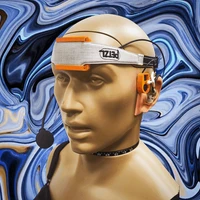
End-to-End Complex-Valued Multidilated Convolutional Neural Network for Joint Acoustic Echo Cancellation and Noise Suppression
Echo and noise suppression is an integral part of a full-duplex communication system. Many recent acoustic echo cancellation (AEC) systems rely on a separate adaptive filtering module for linear echo suppression and a neural module for residual echo suppression. However, not only do adaptive filtering modules require convergence and remain susceptible to changes in acoustic environments, but this two-stage framework also often introduces unnecessary delays to the AEC system when neural modules are already capable of both linear and nonlinear echo suppression. In this paper, we exploit the offset-compensating ability of complex time-frequency masks and propose an end-to-end complex-valued neural network architecture. The building block of the proposed model is a pseudocomplex extension based on the densely-connected multidilated DenseNet (D3Net) building block, resulting in a very small network of only 354K parameters. The architecture utilized the multi-resolution nature of the D3Net building blocks to eliminate the need for pooling, allowing the network to extract features using large receptive fields without any loss of output resolution. We also propose a dual-mask technique for joint echo and noise suppression with simultaneous speech enhancement. Evaluation on both synthetic and real test sets demonstrated promising results across multiple energy-based metrics and perceptual proxies.
Masked Graph Autoencoder with Non-discrete Bandwidths
Masked graph autoencoders have emerged as a powerful graph self-supervised learning method that has yet to be fully explored. In this paper, we unveil that the existing discrete edge masking and binary link reconstruction strategies are insufficient to learn topologically informative representations, from the perspective of message propagation on graph neural networks. These limitations include blocking message flows, vulnerability to over-smoothness, and suboptimal neighborhood discriminability. Inspired by these understandings, we explore non-discrete edge masks, which are sampled from a continuous and dispersive probability distribution instead of the discrete Bernoulli distribution. These masks restrict the amount of output messages for each edge, referred to as "bandwidths". We propose a novel, informative, and effective topological masked graph autoencoder using bandwidth masking and a layer-wise bandwidth prediction objective. We demonstrate its powerful graph topological learning ability both theoretically and empirically. Our proposed framework outperforms representative baselines in both self-supervised link prediction (improving the discrete edge reconstructors by at most 20%) and node classification on numerous datasets, solely with a structure-learning pretext. Our implementation is available at https://github.com/Newiz430/Bandana.

Effective Pre-Training of Audio Transformers for Sound Event Detection
We propose a pre-training pipeline for audio spectrogram transformers for frame-level sound event detection tasks. On top of common pre-training steps, we add a meticulously designed training routine on AudioSet frame-level annotations. This includes a balanced sampler, aggressive data augmentation, and ensemble knowledge distillation. For five transformers, we obtain a substantial performance improvement over previously available checkpoints both on AudioSet frame-level predictions and on frame-level sound event detection downstream tasks, confirming our pipeline's effectiveness. We publish the resulting checkpoints that researchers can directly fine-tune to build high-performance models for sound event detection tasks.
iSTFTNet: Fast and Lightweight Mel-Spectrogram Vocoder Incorporating Inverse Short-Time Fourier Transform
In recent text-to-speech synthesis and voice conversion systems, a mel-spectrogram is commonly applied as an intermediate representation, and the necessity for a mel-spectrogram vocoder is increasing. A mel-spectrogram vocoder must solve three inverse problems: recovery of the original-scale magnitude spectrogram, phase reconstruction, and frequency-to-time conversion. A typical convolutional mel-spectrogram vocoder solves these problems jointly and implicitly using a convolutional neural network, including temporal upsampling layers, when directly calculating a raw waveform. Such an approach allows skipping redundant processes during waveform synthesis (e.g., the direct reconstruction of high-dimensional original-scale spectrograms). By contrast, the approach solves all problems in a black box and cannot effectively employ the time-frequency structures existing in a mel-spectrogram. We thus propose iSTFTNet, which replaces some output-side layers of the mel-spectrogram vocoder with the inverse short-time Fourier transform (iSTFT) after sufficiently reducing the frequency dimension using upsampling layers, reducing the computational cost from black-box modeling and avoiding redundant estimations of high-dimensional spectrograms. During our experiments, we applied our ideas to three HiFi-GAN variants and made the models faster and more lightweight with a reasonable speech quality. Audio samples are available at https://www.kecl.ntt.co.jp/people/kaneko.takuhiro/projects/istftnet/.
Time-Aware Feature Selection: Adaptive Temporal Masking for Stable Sparse Autoencoder Training
Understanding the internal representations of large language models is crucial for ensuring their reliability and safety, with sparse autoencoders (SAEs) emerging as a promising interpretability approach. However, current SAE training methods face feature absorption, where features (or neurons) are absorbed into each other to minimize L_1 penalty, making it difficult to consistently identify and analyze model behaviors. We introduce Adaptive Temporal Masking (ATM), a novel training approach that dynamically adjusts feature selection by tracking activation magnitudes, frequencies, and reconstruction contributions to compute importance scores that evolve over time. ATM applies a probabilistic masking mechanism based on statistical thresholding of these importance scores, creating a more natural feature selection process. Through extensive experiments on the Gemma-2-2b model, we demonstrate that ATM achieves substantially lower absorption scores compared to existing methods like TopK and JumpReLU SAEs, while maintaining excellent reconstruction quality. These results establish ATM as a principled solution for learning stable, interpretable features in neural networks, providing a foundation for more reliable model analysis.
FLAP: Fast Language-Audio Pre-training
We propose Fast Language-Audio Pre-training (FLAP), a self-supervised approach that efficiently and effectively learns aligned audio and language representations through masking, contrastive learning and reconstruction. For efficiency, FLAP randomly drops audio spectrogram tokens, focusing solely on the remaining ones for self-supervision. Through inter-modal contrastive learning, FLAP learns to align paired audio and text representations in a shared latent space. Notably, FLAP leverages multiple augmented views via masking for inter-modal contrast and learns to reconstruct the masked portion of audio tokens. Moreover, FLAP leverages large language models (LLMs) to augment the text inputs, contributing to improved performance. These approaches lead to more robust and informative audio-text representations, enabling FLAP to achieve state-of-the-art (SoTA) performance on audio-text retrieval tasks on AudioCaps (achieving 53.0% R@1) and Clotho (achieving 25.5% R@1).


Learning to recognize occluded and small objects with partial inputs
Recognizing multiple objects in an image is challenging due to occlusions, and becomes even more so when the objects are small. While promising, existing multi-label image recognition models do not explicitly learn context-based representations, and hence struggle to correctly recognize small and occluded objects. Intuitively, recognizing occluded objects requires knowledge of partial input, and hence context. Motivated by this intuition, we propose Masked Supervised Learning (MSL), a single-stage, model-agnostic learning paradigm for multi-label image recognition. The key idea is to learn context-based representations using a masked branch and to model label co-occurrence using label consistency. Experimental results demonstrate the simplicity, applicability and more importantly the competitive performance of MSL against previous state-of-the-art methods on standard multi-label image recognition benchmarks. In addition, we show that MSL is robust to random masking and demonstrate its effectiveness in recognizing non-masked objects. Code and pretrained models are available on GitHub.

Masked Siamese Networks for Label-Efficient Learning
We propose Masked Siamese Networks (MSN), a self-supervised learning framework for learning image representations. Our approach matches the representation of an image view containing randomly masked patches to the representation of the original unmasked image. This self-supervised pre-training strategy is particularly scalable when applied to Vision Transformers since only the unmasked patches are processed by the network. As a result, MSNs improve the scalability of joint-embedding architectures, while producing representations of a high semantic level that perform competitively on low-shot image classification. For instance, on ImageNet-1K, with only 5,000 annotated images, our base MSN model achieves 72.4% top-1 accuracy, and with 1% of ImageNet-1K labels, we achieve 75.7% top-1 accuracy, setting a new state-of-the-art for self-supervised learning on this benchmark. Our code is publicly available.

Microphone Conversion: Mitigating Device Variability in Sound Event Classification
In this study, we introduce a new augmentation technique to enhance the resilience of sound event classification (SEC) systems against device variability through the use of CycleGAN. We also present a unique dataset to evaluate this method. As SEC systems become increasingly common, it is crucial that they work well with audio from diverse recording devices. Our method addresses limited device diversity in training data by enabling unpaired training to transform input spectrograms as if they are recorded on a different device. Our experiments show that our approach outperforms existing methods in generalization by 5.2% - 11.5% in weighted f1 score. Additionally, it surpasses the current methods in adaptability across diverse recording devices by achieving a 6.5% - 12.8% improvement in weighted f1 score.

Music Source Separation in the Waveform Domain
Source separation for music is the task of isolating contributions, or stems, from different instruments recorded individually and arranged together to form a song. Such components include voice, bass, drums and any other accompaniments.Contrarily to many audio synthesis tasks where the best performances are achieved by models that directly generate the waveform, the state-of-the-art in source separation for music is to compute masks on the magnitude spectrum. In this paper, we compare two waveform domain architectures. We first adapt Conv-Tasnet, initially developed for speech source separation,to the task of music source separation. While Conv-Tasnet beats many existing spectrogram-domain methods, it suffersfrom significant artifacts, as shown by human evaluations. We propose instead Demucs, a novel waveform-to-waveform model,with a U-Net structure and bidirectional LSTM.Experiments on the MusDB dataset show that, with proper data augmentation, Demucs beats allexisting state-of-the-art architectures, including Conv-Tasnet, with 6.3 SDR on average, (and up to 6.8 with 150 extra training songs, even surpassing the IRM oracle for the bass source).Using recent development in model quantization, Demucs can be compressed down to 120MBwithout any loss of accuracy.We also provide human evaluations, showing that Demucs benefit from a large advantagein terms of the naturalness of the audio. However, it suffers from some bleeding,especially between the vocals and other source.
Improving performance of real-time full-band blind packet-loss concealment with predictive network
Packet loss concealment (PLC) is a tool for enhancing speech degradation caused by poor network conditions or underflow/overflow in audio processing pipelines. We propose a real-time recurrent method that leverages previous outputs to mitigate artefact of lost packets without the prior knowledge of loss mask. The proposed full-band recurrent network (FRN) model operates at 48 kHz, which is suitable for high-quality telecommunication applications. Experiment results highlight the superiority of FRN over an offline non-causal baseline and a top performer in a recent PLC challenge.
MedleyVox: An Evaluation Dataset for Multiple Singing Voices Separation
Separation of multiple singing voices into each voice is a rarely studied area in music source separation research. The absence of a benchmark dataset has hindered its progress. In this paper, we present an evaluation dataset and provide baseline studies for multiple singing voices separation. First, we introduce MedleyVox, an evaluation dataset for multiple singing voices separation. We specify the problem definition in this dataset by categorizing it into i) unison, ii) duet, iii) main vs. rest, and iv) N-singing separation. Second, to overcome the absence of existing multi-singing datasets for a training purpose, we present a strategy for construction of multiple singing mixtures using various single-singing datasets. Third, we propose the improved super-resolution network (iSRNet), which greatly enhances initial estimates of separation networks. Jointly trained with the Conv-TasNet and the multi-singing mixture construction strategy, the proposed iSRNet achieved comparable performance to ideal time-frequency masks on duet and unison subsets of MedleyVox. Audio samples, the dataset, and codes are available on our website (https://github.com/jeonchangbin49/MedleyVox).
ColorMAE: Exploring data-independent masking strategies in Masked AutoEncoders
Masked AutoEncoders (MAE) have emerged as a robust self-supervised framework, offering remarkable performance across a wide range of downstream tasks. To increase the difficulty of the pretext task and learn richer visual representations, existing works have focused on replacing standard random masking with more sophisticated strategies, such as adversarial-guided and teacher-guided masking. However, these strategies depend on the input data thus commonly increasing the model complexity and requiring additional calculations to generate the mask patterns. This raises the question: Can we enhance MAE performance beyond random masking without relying on input data or incurring additional computational costs? In this work, we introduce a simple yet effective data-independent method, termed ColorMAE, which generates different binary mask patterns by filtering random noise. Drawing inspiration from color noise in image processing, we explore four types of filters to yield mask patterns with different spatial and semantic priors. ColorMAE requires no additional learnable parameters or computational overhead in the network, yet it significantly enhances the learned representations. We provide a comprehensive empirical evaluation, demonstrating our strategy's superiority in downstream tasks compared to random masking. Notably, we report an improvement of 2.72 in mIoU in semantic segmentation tasks relative to baseline MAE implementations.

SegGen: Supercharging Segmentation Models with Text2Mask and Mask2Img Synthesis
We propose SegGen, a highly-effective training data generation method for image segmentation, which pushes the performance limits of state-of-the-art segmentation models to a significant extent. SegGen designs and integrates two data generation strategies: MaskSyn and ImgSyn. (i) MaskSyn synthesizes new mask-image pairs via our proposed text-to-mask generation model and mask-to-image generation model, greatly improving the diversity in segmentation masks for model supervision; (ii) ImgSyn synthesizes new images based on existing masks using the mask-to-image generation model, strongly improving image diversity for model inputs. On the highly competitive ADE20K and COCO benchmarks, our data generation method markedly improves the performance of state-of-the-art segmentation models in semantic segmentation, panoptic segmentation, and instance segmentation. Notably, in terms of the ADE20K mIoU, Mask2Former R50 is largely boosted from 47.2 to 49.9 (+2.7); Mask2Former Swin-L is also significantly increased from 56.1 to 57.4 (+1.3). These promising results strongly suggest the effectiveness of our SegGen even when abundant human-annotated training data is utilized. Moreover, training with our synthetic data makes the segmentation models more robust towards unseen domains. Project website: https://seggenerator.github.io
Efficient Fine-tuning of Audio Spectrogram Transformers via Soft Mixture of Adapters
Mixture of Experts (MoE) architectures have recently started burgeoning due to their ability to scale model's capacity while maintaining the computational cost affordable. Furthermore, they can be applied to both Transformers and State Space Models, the current state-of-the-art models in numerous fields. While MoE has been mostly investigated for the pre-training stage, its use in parameter-efficient transfer learning settings is under-explored. To narrow this gap, this paper attempts to demystify the use of MoE for parameter-efficient fine-tuning of Audio Spectrogram Transformers to audio and speech downstream tasks. Specifically, we propose Soft Mixture of Adapters (Soft-MoA). It exploits adapters as the experts and, leveraging the recent Soft MoE method, it relies on a soft assignment between the input tokens and experts to keep the computational time limited. Extensive experiments across 4 benchmarks demonstrate that Soft-MoA outperforms the single adapter method and performs on par with the dense MoA counterpart. We finally present ablation studies on key elements of Soft-MoA, showing for example that Soft-MoA achieves better scaling with more experts, as well as ensuring that all experts contribute to the computation of the output tokens, thus dispensing with the expert imbalance issue.


A Novel Multimodal Music Genre Classifier using Hierarchical Attention and Convolutional Neural Network
Music genre classification is one of the trending topics in regards to the current Music Information Retrieval (MIR) Research. Since, the dependency of genre is not only limited to the audio profile, we also make use of textual content provided as lyrics of the corresponding song. We implemented a CNN based feature extractor for spectrograms in order to incorporate the acoustic features and a Hierarchical Attention Network based feature extractor for lyrics. We then go on to classify the music track based upon the resulting fused feature vector.

Randomized Quantization: A Generic Augmentation for Data Agnostic Self-supervised Learning
Self-supervised representation learning follows a paradigm of withholding some part of the data and tasking the network to predict it from the remaining part. Among many techniques, data augmentation lies at the core for creating the information gap. Towards this end, masking has emerged as a generic and powerful tool where content is withheld along the sequential dimension, e.g., spatial in images, temporal in audio, and syntactic in language. In this paper, we explore the orthogonal channel dimension for generic data augmentation by exploiting precision redundancy. The data for each channel is quantized through a non-uniform quantizer, with the quantized value sampled randomly within randomly sampled quantization bins. From another perspective, quantization is analogous to channel-wise masking, as it removes the information within each bin, but preserves the information across bins. Our approach significantly surpasses existing generic data augmentation methods, while showing on par performance against modality-specific augmentations. We comprehensively evaluate our approach on vision, audio, 3D point clouds, as well as the DABS benchmark which is comprised of various data modalities. The code is available at https: //github.com/microsoft/random_quantize.
PANNs: Large-Scale Pretrained Audio Neural Networks for Audio Pattern Recognition
Audio pattern recognition is an important research topic in the machine learning area, and includes several tasks such as audio tagging, acoustic scene classification, music classification, speech emotion classification and sound event detection. Recently, neural networks have been applied to tackle audio pattern recognition problems. However, previous systems are built on specific datasets with limited durations. Recently, in computer vision and natural language processing, systems pretrained on large-scale datasets have generalized well to several tasks. However, there is limited research on pretraining systems on large-scale datasets for audio pattern recognition. In this paper, we propose pretrained audio neural networks (PANNs) trained on the large-scale AudioSet dataset. These PANNs are transferred to other audio related tasks. We investigate the performance and computational complexity of PANNs modeled by a variety of convolutional neural networks. We propose an architecture called Wavegram-Logmel-CNN using both log-mel spectrogram and waveform as input feature. Our best PANN system achieves a state-of-the-art mean average precision (mAP) of 0.439 on AudioSet tagging, outperforming the best previous system of 0.392. We transfer PANNs to six audio pattern recognition tasks, and demonstrate state-of-the-art performance in several of those tasks. We have released the source code and pretrained models of PANNs: https://github.com/qiuqiangkong/audioset_tagging_cnn.
Feature Learning for Chord Recognition: The Deep Chroma Extractor
We explore frame-level audio feature learning for chord recognition using artificial neural networks. We present the argument that chroma vectors potentially hold enough information to model harmonic content of audio for chord recognition, but that standard chroma extractors compute too noisy features. This leads us to propose a learned chroma feature extractor based on artificial neural networks. It is trained to compute chroma features that encode harmonic information important for chord recognition, while being robust to irrelevant interferences. We achieve this by feeding the network an audio spectrum with context instead of a single frame as input. This way, the network can learn to selectively compensate noise and resolve harmonic ambiguities. We compare the resulting features to hand-crafted ones by using a simple linear frame-wise classifier for chord recognition on various data sets. The results show that the learned feature extractor produces superior chroma vectors for chord recognition.
Towards Improved Input Masking for Convolutional Neural Networks
The ability to remove features from the input of machine learning models is very important to understand and interpret model predictions. However, this is non-trivial for vision models since masking out parts of the input image typically causes large distribution shifts. This is because the baseline color used for masking (typically grey or black) is out of distribution. Furthermore, the shape of the mask itself can contain unwanted signals which can be used by the model for its predictions. Recently, there has been some progress in mitigating this issue (called missingness bias) in image masking for vision transformers. In this work, we propose a new masking method for CNNs we call layer masking in which the missingness bias caused by masking is reduced to a large extent. Intuitively, layer masking applies a mask to intermediate activation maps so that the model only processes the unmasked input. We show that our method (i) is able to eliminate or minimize the influence of the mask shape or color on the output of the model, and (ii) is much better than replacing the masked region by black or grey for input perturbation based interpretability techniques like LIME. Thus, layer masking is much less affected by missingness bias than other masking strategies. We also demonstrate how the shape of the mask may leak information about the class, thus affecting estimates of model reliance on class-relevant features derived from input masking. Furthermore, we discuss the role of data augmentation techniques for tackling this problem, and argue that they are not sufficient for preventing model reliance on mask shape. The code for this project is publicly available at https://github.com/SriramB-98/layer_masking

Asymmetric Mask Scheme for Self-Supervised Real Image Denoising
In recent years, self-supervised denoising methods have gained significant success and become critically important in the field of image restoration. Among them, the blind spot network based methods are the most typical type and have attracted the attentions of a large number of researchers. Although the introduction of blind spot operations can prevent identity mapping from noise to noise, it imposes stringent requirements on the receptive fields in the network design, thereby limiting overall performance. To address this challenge, we propose a single mask scheme for self-supervised denoising training, which eliminates the need for blind spot operation and thereby removes constraints on the network structure design. Furthermore, to achieve denoising across entire image during inference, we propose a multi-mask scheme. Our method, featuring the asymmetric mask scheme in training and inference, achieves state-of-the-art performance on existing real noisy image datasets. All the source code will be made available to the public.
Multi-Scale Sub-Band Constant-Q Transform Discriminator for High-Fidelity Vocoder
Generative Adversarial Network (GAN) based vocoders are superior in inference speed and synthesis quality when reconstructing an audible waveform from an acoustic representation. This study focuses on improving the discriminator to promote GAN-based vocoders. Most existing time-frequency-representation-based discriminators are rooted in Short-Time Fourier Transform (STFT), whose time-frequency resolution in a spectrogram is fixed, making it incompatible with signals like singing voices that require flexible attention for different frequency bands. Motivated by that, our study utilizes the Constant-Q Transform (CQT), which owns dynamic resolution among frequencies, contributing to a better modeling ability in pitch accuracy and harmonic tracking. Specifically, we propose a Multi-Scale Sub-Band CQT (MS-SB-CQT) Discriminator, which operates on the CQT spectrogram at multiple scales and performs sub-band processing according to different octaves. Experiments conducted on both speech and singing voices confirm the effectiveness of our proposed method. Moreover, we also verified that the CQT-based and the STFT-based discriminators could be complementary under joint training. Specifically, enhanced by the proposed MS-SB-CQT and the existing MS-STFT Discriminators, the MOS of HiFi-GAN can be boosted from 3.27 to 3.87 for seen singers and from 3.40 to 3.78 for unseen singers.


MultiMAE: Multi-modal Multi-task Masked Autoencoders
We propose a pre-training strategy called Multi-modal Multi-task Masked Autoencoders (MultiMAE). It differs from standard Masked Autoencoding in two key aspects: I) it can optionally accept additional modalities of information in the input besides the RGB image (hence "multi-modal"), and II) its training objective accordingly includes predicting multiple outputs besides the RGB image (hence "multi-task"). We make use of masking (across image patches and input modalities) to make training MultiMAE tractable as well as to ensure cross-modality predictive coding is indeed learned by the network. We show this pre-training strategy leads to a flexible, simple, and efficient framework with improved transfer results to downstream tasks. In particular, the same exact pre-trained network can be flexibly used when additional information besides RGB images is available or when no information other than RGB is available - in all configurations yielding competitive to or significantly better results than the baselines. To avoid needing training datasets with multiple modalities and tasks, we train MultiMAE entirely using pseudo labeling, which makes the framework widely applicable to any RGB dataset. The experiments are performed on multiple transfer tasks (image classification, semantic segmentation, depth estimation) and datasets (ImageNet, ADE20K, Taskonomy, Hypersim, NYUv2). The results show an intriguingly impressive capability by the model in cross-modal/task predictive coding and transfer.


On Residual CNN in text-dependent speaker verification task
Deep learning approaches are still not very common in the speaker verification field. We investigate the possibility of using deep residual convolutional neural network with spectrograms as an input features in the text-dependent speaker verification task. Despite the fact that we were not able to surpass the baseline system in quality, we achieved a quite good results for such a new approach getting an 5.23% ERR on the RSR2015 evaluation part. Fusion of the baseline and proposed systems outperformed the best individual system by 18% relatively.

AST: Audio Spectrogram Transformer
In the past decade, convolutional neural networks (CNNs) have been widely adopted as the main building block for end-to-end audio classification models, which aim to learn a direct mapping from audio spectrograms to corresponding labels. To better capture long-range global context, a recent trend is to add a self-attention mechanism on top of the CNN, forming a CNN-attention hybrid model. However, it is unclear whether the reliance on a CNN is necessary, and if neural networks purely based on attention are sufficient to obtain good performance in audio classification. In this paper, we answer the question by introducing the Audio Spectrogram Transformer (AST), the first convolution-free, purely attention-based model for audio classification. We evaluate AST on various audio classification benchmarks, where it achieves new state-of-the-art results of 0.485 mAP on AudioSet, 95.6% accuracy on ESC-50, and 98.1% accuracy on Speech Commands V2.

Multi-instrument Music Synthesis with Spectrogram Diffusion
An ideal music synthesizer should be both interactive and expressive, generating high-fidelity audio in realtime for arbitrary combinations of instruments and notes. Recent neural synthesizers have exhibited a tradeoff between domain-specific models that offer detailed control of only specific instruments, or raw waveform models that can train on any music but with minimal control and slow generation. In this work, we focus on a middle ground of neural synthesizers that can generate audio from MIDI sequences with arbitrary combinations of instruments in realtime. This enables training on a wide range of transcription datasets with a single model, which in turn offers note-level control of composition and instrumentation across a wide range of instruments. We use a simple two-stage process: MIDI to spectrograms with an encoder-decoder Transformer, then spectrograms to audio with a generative adversarial network (GAN) spectrogram inverter. We compare training the decoder as an autoregressive model and as a Denoising Diffusion Probabilistic Model (DDPM) and find that the DDPM approach is superior both qualitatively and as measured by audio reconstruction and Fr\'echet distance metrics. Given the interactivity and generality of this approach, we find this to be a promising first step towards interactive and expressive neural synthesis for arbitrary combinations of instruments and notes.


Dual-Signal Transformation LSTM Network for Real-Time Noise Suppression
This paper introduces a dual-signal transformation LSTM network (DTLN) for real-time speech enhancement as part of the Deep Noise Suppression Challenge (DNS-Challenge). This approach combines a short-time Fourier transform (STFT) and a learned analysis and synthesis basis in a stacked-network approach with less than one million parameters. The model was trained on 500 h of noisy speech provided by the challenge organizers. The network is capable of real-time processing (one frame in, one frame out) and reaches competitive results. Combining these two types of signal transformations enables the DTLN to robustly extract information from magnitude spectra and incorporate phase information from the learned feature basis. The method shows state-of-the-art performance and outperforms the DNS-Challenge baseline by 0.24 points absolute in terms of the mean opinion score (MOS).
WavJEPA: Semantic learning unlocks robust audio foundation models for raw waveforms
Learning audio representations from raw waveforms overcomes key limitations of spectrogram-based audio representation learning, such as the long latency of spectrogram computation and the loss of phase information. Yet, while self-supervised speech representation learning from raw waveforms has been remarkably successful, these approaches have not achieved similar feats for general-purpose audio representation learning from waveforms. Here, we propose WavJEPA, a waveform-based version of the Joint-Embedding Predictive Architecture. WavJEPA leverages high-level semantic representation learning to tackle the shortcomings of representation learning at the speech unit or token level. We show that this approach substantially outperforms state-of-the-art time-domain audio foundation models across a wide variety of downstream benchmark tasks, while requiring considerably fewer computational resources. Additionally, to overcome the performance drop that time-domain models typically exhibit in noisy and reverberant real-world acoustic environments, we present WavJEPA-Nat. WavJEPA-Nat is a multi-channel extension of the WavJEPA architecture trained on simulated naturalistic scenes. We find that WavJEPA-Nat is highly robust to reverberation and noise. These results highlight the feasibility and computational efficiency of general-purpose audio representation learning from raw waveforms, showcasing the potential for low-latency, robust time-domain audio foundation models for real-world applications.

MDCNN-SID: Multi-scale Dilated Convolution Network for Singer Identification
Most singer identification methods are processed in the frequency domain, which potentially leads to information loss during the spectral transformation. In this paper, instead of the frequency domain, we propose an end-to-end architecture that addresses this problem in the waveform domain. An encoder based on Multi-scale Dilated Convolution Neural Networks (MDCNN) was introduced to generate wave embedding from the raw audio signal. Specifically, dilated convolution layers are used in the proposed method to enlarge the receptive field, aiming to extract song-level features. Furthermore, skip connection in the backbone network integrates the multi-resolution acoustic features learned by the stack of convolution layers. Then, the obtained wave embedding is passed into the following networks for singer identification. In experiments, the proposed method achieves comparable performance on the benchmark dataset of Artist20, which significantly improves related works.
AnyEnhance: A Unified Generative Model with Prompt-Guidance and Self-Critic for Voice Enhancement
We introduce AnyEnhance, a unified generative model for voice enhancement that processes both speech and singing voices. Based on a masked generative model, AnyEnhance is capable of handling both speech and singing voices, supporting a wide range of enhancement tasks including denoising, dereverberation, declipping, super-resolution, and target speaker extraction, all simultaneously and without fine-tuning. AnyEnhance introduces a prompt-guidance mechanism for in-context learning, which allows the model to natively accept a reference speaker's timbre. In this way, it could boost enhancement performance when a reference audio is available and enable the target speaker extraction task without altering the underlying architecture. Moreover, we also introduce a self-critic mechanism into the generative process for masked generative models, yielding higher-quality outputs through iterative self-assessment and refinement. Extensive experiments on various enhancement tasks demonstrate AnyEnhance outperforms existing methods in terms of both objective metrics and subjective listening tests. Demo audios are publicly available at https://amphionspace.github.io/anyenhance/.


QA-MDT: Quality-aware Masked Diffusion Transformer for Enhanced Music Generation
In recent years, diffusion-based text-to-music (TTM) generation has gained prominence, offering an innovative approach to synthesizing musical content from textual descriptions. Achieving high accuracy and diversity in this generation process requires extensive, high-quality data, including both high-fidelity audio waveforms and detailed text descriptions, which often constitute only a small portion of available datasets. In open-source datasets, issues such as low-quality music waveforms, mislabeling, weak labeling, and unlabeled data significantly hinder the development of music generation models. To address these challenges, we propose a novel paradigm for high-quality music generation that incorporates a quality-aware training strategy, enabling generative models to discern the quality of input music waveforms during training. Leveraging the unique properties of musical signals, we first adapted and implemented a masked diffusion transformer (MDT) model for the TTM task, demonstrating its distinct capacity for quality control and enhanced musicality. Additionally, we address the issue of low-quality captions in TTM with a caption refinement data processing approach. Experiments demonstrate our state-of-the-art (SOTA) performance on MusicCaps and the Song-Describer Dataset. Our demo page can be accessed at https://qa-mdt.github.io/.
From ChebNet to ChebGibbsNet
Recent advancements in Spectral Graph Convolutional Networks (SpecGCNs) have led to state-of-the-art performance in various graph representation learning tasks. To exploit the potential of SpecGCNs, we analyze corresponding graph filters via polynomial interpolation, the cornerstone of graph signal processing. Different polynomial bases, such as Bernstein, Chebyshev, and monomial basis, have various convergence rates that will affect the error in polynomial interpolation. Although adopting Chebyshev basis for interpolation can minimize maximum error, the performance of ChebNet is still weaker than GPR-GNN and BernNet. We point out it is caused by the Gibbs phenomenon, which occurs when the graph frequency response function approximates the target function. It reduces the approximation ability of a truncated polynomial interpolation. In order to mitigate the Gibbs phenomenon, we propose to add the Gibbs damping factor with each term of Chebyshev polynomials on ChebNet. As a result, our lightweight approach leads to a significant performance boost. Afterwards, we reorganize ChebNet via decoupling feature propagation and transformation. We name this variant as ChebGibbsNet. Our experiments indicate that ChebGibbsNet is superior to other advanced SpecGCNs, such as GPR-GNN and BernNet, in both homogeneous graphs and heterogeneous graphs.
Attention is All You Need? Good Embeddings with Statistics are enough:Large Scale Audio Understanding without Transformers/ Convolutions/ BERTs/ Mixers/ Attention/ RNNs or ....
This paper presents a way of doing large scale audio understanding without traditional state of the art neural architectures. Ever since the introduction of deep learning for understanding audio signals in the past decade, convolutional architectures have been able to achieve state of the art results surpassing traditional hand-crafted features. In the recent past, there has been a similar shift away from traditional convolutional and recurrent neural networks towards purely end-to-end Transformer architectures. We, in this work, explore an approach, based on Bag-of-Words model. Our approach does not have any convolutions, recurrence, attention, transformers or other approaches such as BERT. We utilize micro and macro level clustered vanilla embeddings, and use a MLP head for classification. We only use feed-forward encoder-decoder models to get the bottlenecks of spectral envelops, spectral patches and slices as well as multi-resolution spectra. A classification head (a feed-forward layer), similar to the approach in SimCLR is trained on a learned representation. Using simple codes learned on latent representations, we show how we surpass traditional convolutional neural network architectures, and come strikingly close to outperforming powerful Transformer architectures. This work hopefully would pave way for exciting advancements in the field of representation learning without massive, end-to-end neural architectures.

Ask2Mask: Guided Data Selection for Masked Speech Modeling
Masked speech modeling (MSM) methods such as wav2vec2 or w2v-BERT learn representations over speech frames which are randomly masked within an utterance. While these methods improve performance of Automatic Speech Recognition (ASR) systems, they have one major limitation. They treat all unsupervised speech samples with equal weight, which hinders learning as not all samples have relevant information to learn meaningful representations. In this work, we address this limitation. We propose ask2mask (ATM), a novel approach to focus on specific samples during MSM pre-training. ATM employs an external ASR model or scorer to weight unsupervised input samples in two different ways: 1) A fine-grained data selection is performed by masking over the highly confident input frames as chosen by the scorer. This allows the model to learn meaningful representations. 2) ATM is further extended to focus at utterance-level by weighting the final MSM loss with the utterance-level confidence score. We conduct fine-tuning experiments on two well-benchmarked corpora: LibriSpeech (matching the pre-training data) and Commonvoice, TED-LIUM, AMI and CHiME-6 (not matching the pre-training data). The results substantiate the efficacy of ATM on significantly improving the recognition performance under mismatched conditions (up to 11.6\% relative over published results and upto 4.46\% relative over our internal baseline) while still yielding modest improvements under matched conditions.
Improving Joint Embedding Predictive Architecture with Diffusion Noise
Self-supervised learning has become an incredibly successful method for feature learning, widely applied to many downstream tasks. It has proven especially effective for discriminative tasks, surpassing the trending generative models. However, generative models perform better in image generation and detail enhancement. Thus, it is natural for us to find a connection between SSL and generative models to further enhance the representation capacity of SSL. As generative models can create new samples by approximating the data distribution, such modeling should also lead to a semantic understanding of the raw visual data, which is necessary for recognition tasks. This enlightens us to combine the core principle of the diffusion model: diffusion noise, with SSL to learn a competitive recognition model. Specifically, diffusion noise can be viewed as a particular state of mask that reveals a close relationship between masked image modeling (MIM) and diffusion models. In this paper, we propose N-JEPA (Noise-based JEPA) to incorporate diffusion noise into MIM by the position embedding of masked tokens. The multi-level noise schedule is a series of feature augmentations to further enhance the robustness of our model. We perform a comprehensive study to confirm its effectiveness in the classification of downstream tasks. Codes will be released soon in public.
SkyReconNet: A Cross-Resolution Contextual Integration Framework for Inpainting with Application to Enhanced CMB Map Reconstruction
We introduce a novel neural network, SkyReconNet, which combines the expanded receptive fields of dilated convolutional layers along with standard convolutions, to capture both the global and local features for reconstructing the missing information in an image. We implement our network to inpaint the masked regions in a full-sky Cosmic Microwave Background (CMB) map. Inpainting CMB maps is a particularly formidable challenge when dealing with extensive and irregular masks, such as galactic masks which can obscure substantial fractions of the sky. The hybrid design of SkyReconNet leverages the strengths of standard and dilated convolutions to accurately predict CMB fluctuations in the masked regions, by effectively utilizing the information from surrounding unmasked areas. During training, the network optimizes its weights by minimizing a composite loss function that combines the Structural Similarity Index Measure (SSIM) and mean squared error (MSE). SSIM preserves the essential structural features of the CMB, ensuring an accurate and coherent reconstruction of the missing CMB fluctuations, while MSE minimizes the pixel-wise deviations, enhancing the overall accuracy of the predictions. The predicted CMB maps and their corresponding angular power spectra align closely with the targets, achieving the performance limited only by the fundamental uncertainty of cosmic variance. The network's generic architecture enables application to other physics-based challenges involving data with missing or defective pixels, systematic artefacts etc. Our results demonstrate its effectiveness in addressing the challenges posed by large irregular masks, offering a significant inpainting tool not only for CMB analyses but also for image-based experiments across disciplines where such data imperfections are prevalent.
Masking as an Efficient Alternative to Finetuning for Pretrained Language Models
We present an efficient method of utilizing pretrained language models, where we learn selective binary masks for pretrained weights in lieu of modifying them through finetuning. Extensive evaluations of masking BERT and RoBERTa on a series of NLP tasks show that our masking scheme yields performance comparable to finetuning, yet has a much smaller memory footprint when several tasks need to be inferred simultaneously. Through intrinsic evaluations, we show that representations computed by masked language models encode information necessary for solving downstream tasks. Analyzing the loss landscape, we show that masking and finetuning produce models that reside in minima that can be connected by a line segment with nearly constant test accuracy. This confirms that masking can be utilized as an efficient alternative to finetuning.

A Generalized Bandsplit Neural Network for Cinematic Audio Source Separation
Cinematic audio source separation is a relatively new subtask of audio source separation, with the aim of extracting the dialogue, music, and effects stems from their mixture. In this work, we developed a model generalizing the Bandsplit RNN for any complete or overcomplete partitions of the frequency axis. Psychoacoustically motivated frequency scales were used to inform the band definitions which are now defined with redundancy for more reliable feature extraction. A loss function motivated by the signal-to-noise ratio and the sparsity-promoting property of the 1-norm was proposed. We additionally exploit the information-sharing property of a common-encoder setup to reduce computational complexity during both training and inference, improve separation performance for hard-to-generalize classes of sounds, and allow flexibility during inference time with detachable decoders. Our best model sets the state of the art on the Divide and Remaster dataset with performance above the ideal ratio mask for the dialogue stem.

Noise-to-Notes: Diffusion-based Generation and Refinement for Automatic Drum Transcription
Automatic drum transcription (ADT) is traditionally formulated as a discriminative task to predict drum events from audio spectrograms. In this work, we redefine ADT as a conditional generative task and introduce Noise-to-Notes (N2N), a framework leveraging diffusion modeling to transform audio-conditioned Gaussian noise into drum events with associated velocities. This generative diffusion approach offers distinct advantages, including a flexible speed-accuracy trade-off and strong inpainting capabilities. However, the generation of binary onset and continuous velocity values presents a challenge for diffusion models, and to overcome this, we introduce an Annealed Pseudo-Huber loss to facilitate effective joint optimization. Finally, to augment low-level spectrogram features, we propose incorporating features extracted from music foundation models (MFMs), which capture high-level semantic information and enhance robustness to out-of-domain drum audio. Experimental results demonstrate that including MFM features significantly improves robustness and N2N establishes a new state-of-the-art performance across multiple ADT benchmarks.
MusicHiFi: Fast High-Fidelity Stereo Vocoding
Diffusion-based audio and music generation models commonly generate music by constructing an image representation of audio (e.g., a mel-spectrogram) and then converting it to audio using a phase reconstruction model or vocoder. Typical vocoders, however, produce monophonic audio at lower resolutions (e.g., 16-24 kHz), which limits their effectiveness. We propose MusicHiFi -- an efficient high-fidelity stereophonic vocoder. Our method employs a cascade of three generative adversarial networks (GANs) that convert low-resolution mel-spectrograms to audio, upsamples to high-resolution audio via bandwidth expansion, and upmixes to stereophonic audio. Compared to previous work, we propose 1) a unified GAN-based generator and discriminator architecture and training procedure for each stage of our cascade, 2) a new fast, near downsampling-compatible bandwidth extension module, and 3) a new fast downmix-compatible mono-to-stereo upmixer that ensures the preservation of monophonic content in the output. We evaluate our approach using both objective and subjective listening tests and find our approach yields comparable or better audio quality, better spatialization control, and significantly faster inference speed compared to past work. Sound examples are at https://MusicHiFi.github.io/web/.


