
text stringlengths 0 5.66k |
|---|
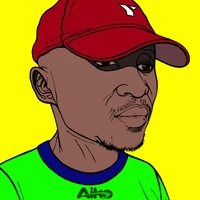
Born: Saturday 7th January 1984 in Jinja Hospital (UG) to Elizabeth Ndezo Dramani (from Ayivu) + James Dramani (from Maracha) |
Siblings: 1 brother, 5 sisters |
Tribe: Lugbara |
Baptised: Edward Ayikobua [Translated from Lugbara: Happiness is in Heaven] on Sunday 22nd April 1984 at Bugaddu Church of Uganda Bugerere; dropped out letter Y from surname in Primary 1 (at age 6) following advice from his father to make it shorter and modern |
Religion: Anglican-born; Savedee (1997); Muslim (2002); now JESUSfreak (Christian) |
Favourite food: Rice, beans, chapati, spaghetti, etc. |
Sports interest: Michael Jordan (since 1992); Football (John Barnes; Germany; Romario (Brazil); Arsenal FC [Ian Wright, Emmanuel Petit, Patrick Vieira, Arsene Wenger, Robert Pires, etc]; Real Madrid; Lionel Messi)... |
Education: Garage Daycare, then Modern Nursery Jinja (1989); Victoria Nile School (1990-5); Kalinabiri Primary School (1995-6); St. Mary's College Kisubi (1997-2000); Makerere College School (2001-2); Uganda Christian University in Mukono (2003-6); Maisha Filmlab (2008) |
Childhood Ambition: Become a Footballer (1992), but gave up in 1996. Others were doctor or trucker, then fireman (1997). Idea for an art label came after Y2K |
Turning Point: Rejected from joining Technical Drawing class (after quitting the Fine Art class in Senior 5 because of constantly deteriorating grades) and with teary eyes, he started writing the name of GOD in all caps plus decided to teach himself how to draw cartoons |
Penname: Aiko, chosen after a 1997 Christmas card from VNS and SMACK OB named Robin Kasinda who addressed him as "Aiiko", but the name AikoGraphics came to him during Sunday 2nd February 2003 around 4:39pm on Mt. Wati Road (Arua) as a Creativity Organisation |
Tagline: Designs and Portraits |
Notable Artworks: Bob Marley (for S4 deskmate Jean Rwamukaga) when he discovered focussed inking without pencil sketches, Emmanuel Petit, Thierry (Y2K); ChurchTV logo (2002); Emily (2005) featuring his bounceback girlfriend; Uganda Clearing Industry & Forwarders Association (UCIFA) logo (2007); Procurement Initiatives ... |
Blogs: Kargo Magazine (2008); Arua District Local Government (2009)... |
Books: Aiko's Lugbara Dictionary (2016) dedicated to his first crush in West Nile (Cynthia); Dreamsurfing (Book cover features his 2005 Bounceback Girlfriend in the centre), United Gombololas (2020); Suicide Notes (2025); Sadness Trench - ignited by an unexpected call from Campus OG named Mariam Nakafu on NRM's 40th an... |
Editorial Cartoons: The Standard (UCU Newspaper) from 2007-2015 and 2019-2020 Lockdown; Sunday Vision (January 2011)... |
Films: The Casual (2008)... |
Illustrations: World Wide Fund for Nature (2012); Plunging the Depths by Mike Watmon Kinyera (2015); Weaving a Path to Wisdom by Victor Draman Afayo (2025)... |
Paintings: Green Lamp (Y2K); Ndedra Stores for his parents at Arua Central Market; KADS backdrops (2007, 2009, 2012); Springs Kindergarten (2017, 2025); Charis International School (2022)... |
Writing: Sokka Magazine (2015) invited by Reverien Fils Kiruzi (Rwanda)... |
Big Plan: Depression Network (Tuesday 1st October 2024). |
Testimonials: Fundi... (Elizabeth Dramani); Artist... (Gordon, hostelmate in Bugujju); Naturally bright... (Emily Ampaire); One of the Best Cartoonists I know... (Nakanwagi Nsamba in Seeta, Mukono); Lugbara researcher... (Charles Kirikiri Bua from Vurra); Best Cartoonist in Uganda... (Thomas Froese, German-born Canadia... |
Advice: Worship GOD, trust in JESUS; fast and pray... |
Angu Neza [Sightseeing] |
Vacation Destination Marketing |
GOD is great, first and foremost! Secondly, JESUS is the Way. Arua is a sweet and excellent (First Class) Business Hub at the Heart of West Nile (Northwestern Uganda). It connects East Africa to the rest of the Black Continent through the KAN (Koboko-Arua-Nebbi) Corridor. Transferred from Belgian colonialists to the Br... |
Arua is the centre of Lugbaraland (The stones can probably speak the language after hearing it for ages); aku ambo [big home/ city] magnet and imvu [(melting) pot] for all Lugbara in the diaspora. Other groups in Arua include Madi, Luo (mainly Alur), Kakwa, Bantu (eg Baganda), Asians, Congolese, Sudanese and Whites. Fo... |
Religiously, Arua is the mission centre of the Anglican Madi & West Nile Diocese in Mvara (Eastern Arua City) as well as the Roman Catholic Arua Diocese in Ediofe (Western Arua City). |
I was born in Jinja and grew up in Kampala, but had a very ignorant disdain (or discriminative attitude) against Arua with absolutely no desire to visit throughout the 90s though most relatives did. However, since the world did not end in Y2K as prophesied by Computer Bug Doom's Day theorists (who were 100 percent dead... |
Koboko broke away from Arua in 2005 while Maracha (where I come from) and Terego left in 2006 until the latter returned to Arua in 2010 (while I was working for Electoral Commission in Tara Subcounty which is next to Terego). Other clans including my mother's clan (Ayivu, from which the City was cut out) also asked for... |
The first time I went to the summit of Arua Hill, I was a teenager (Above 16). I literally drooled because of the unexpectedly-wide and hypnotic view of Barifa Forest as seen from above compared to the limited appearance from ground level in Anyafio. Like Saul (who turned into Paul) on the road to Damascus, I made a se... |
To get to Arua physically, either you fly in via the Idi Amin Dada International Airport (with a terminal foundation laid by Zaire President Mobutu Sese Seko in 1976 alongside Idi Amin) for less than 2 hours from Entebbe Airport or use the roads: It takes at least 7 hours to travel from Kampala City to Arua (IATA: RUA)... |
Trivia: UG's 3rd President (Idi Amin Dada) was half Kakwa, half Lugbara. Dorcus Inzikuru, the first Ugandan woman to win a gold medal in steeplechase athletics (during Helsinki 2005) is from Vurra. One of Uganda's Best Divas of All-Time Jackie Chandiru is half Muganda, half Lugbara. Zuena (Bebe Cool's wife) lived in Ar... |
One day while travelling by bus with two Bantu youngmen beside me around the early 2010s, they kept belittling West Nilers; I did not say anything in defence of my people, but commented on other topics during the daytime-journey. I believe their contemptuousness was based on hearsay and prejudice mixed with ignorance. ... |
Back when airtime was sold on scratchcards, I was sent with my half Lugbara, half Itesot 2nd cousin to buy a card. As we walked towards Mvara on Oluko Road, he kept abusing people in English (while asking them: Do you know Kampala?) like they had never been outside Arua; I tried to calm him down in vain. Somewhere near... |
When my parents moved their home from KLA to Arua in 2001, they set up a shop at the old Arua Central Market and asked me to design a doorpost on wood for "Ndedra Stores"; that was my first signpainting in Arua; others include: Springs Kindergarten (2017), Charis International School, etc. In 2016 while anticipating Ar... |
Arua City Tower is the Tallest Monument in East and Central Africa, but 2nd in Sub-Saharan Africa after Senegal's African Renaissance Monument. It was commissioned on MTN Uganda's 27th birthday in October 2025, a month after Arua hosted the national World Tourism Day celebrations at the Golf Course nearby. Symbolic of ... |
Three things I admire about Arua are: Ori Yo [No Fear]; Young Mothers and Mputa [Nile Perch (fish)]. |
One Friday, I travelled from KLA to Arua by private means. Then a friend in KLA called me and I told him that I would be in Najjanankumbi the following Tuesday. I was so tired because of the journey that I briefly forgot that Mt. Wati Road (Anyafio Village in Arua) was hundreds of kilometres away from Entebbe Road. Whe... |
Since 2020, Arua Regional City of West Nile Subregion (which has 8 to 13 districts) is a beacon of African excellence. Arua Hill Stadium and Business Park is a different, head-turning and multi-purpose venue under construction that will feature a 20,000-seat stadium, shopping mall, Arua Hill Hotel, banks and hospital. ... |
Why do Lugbara want to study English, Swahili, French, Japanese, Arabic, German, Spanish, Russian plus Chinese, but ignore their own language (Trinity Peace Gorondru of the Sudanic Academy calls it "inferiority complex")? Why can't I master Lugbara like English? Is it because our land or civilisation is not considered ... |
Madi-Lugbara Community Museum at Social Centre on Ediofe Road offers you a glimpse of shared local culture while the (Sultan) Isara Memorial Cultural and Community Library in Eruba (Vurra) opens your mind to new possibilities in this world. The Lugbara cultural symbol is a leopard with 300 spots while each clan has its... |
There is a notion that if you go to New York City, London, Dubai, Beijing or any of the World's biggest capitals, then you have lived. There is also life in Arua (Lugbara capital); am grateful to GOD for peace and tarmac. I can sit in the grass and chill; boredom is a choice. Synthetic Happiness is deliberate elevation... |
While in KLA before Twenty13, I used to review tourism maps of Uganda (eg in Eye Magazine and so on) and find West Nile blank; not even Ajai was mentioned nor Pakwach Bridge, Salia Musala, various rivers besides Enyau, waterfalls, Mt. Oce, etc. So, I made it my business to do research. I hope Arua is mentioned somewher... |
Architecture (Tallest Buildings in Arua/ Bha Da Sende Tawuni-a Tipasi/ The Stones Will Praise GOD): Desert Breeze Hotel near Osu River (10-storey Extension), Noble Unit Building (9 house-stomaches or floors on Adumi Road), Arua Hospital Doctors Quarters (8 floors), Shopping Centre blocks (7 floors), Aza Plaza (6 storey... |
Brands: Ozuu Brothers, KKT, Springs, Omia Agribusiness Group, Terah Fish, Adrikos (Sunshine Mineral Water, Tolo Sweets, etc), WENRECo, Malayika Bread, Barolls, Mungufeni Foundation, etc... |
Cathedrals: Emmanuel (Mvara), Ediofe (Vatican City of Arua)... |
Churches: St. Philip's (Golf Course), Christchurch Ediofe, St. Chrysostom Adalafu, Christ the King, Arua Pentecostal Church, SDA Church (Arua Hill), Agape... |
Ecotourism: Oluko Falls (Abairo and Oloporoporo) in the East with peninsula pier or runway for closer view and plunge pools for swimming offers a different gamepark-like experience from the urban view near the city. Other places are: Ragem Beach meanders, Ogurugu Beach in Dadamu, hiking plus biking trails, nature walks... |
Events: Duluka, Eucalyptus xylophone or banana-stem percussion music festivals, drumming, Okuza, West Nile Corporate Comedy, Anyoya Festival like at Coco Palm, Koro Dance, Adi [Lugbara legend]... |
Healthcare: Arua Regional Referral Hospital, Rhema Hospital, Kuluva Hospital (with 5 MW Hydropower Dam), Pioneer Hospital, MBN (Clinical) Labs, Novafinia... |
Heritage: Lugbara Kari (Chiefdom) Palace in Giligili on Ovisoni Bypass after shifting from Arua Hill, Madi-Lugbara Cultural Foundation (MALUCUFO) Museum at Social Centre, Lugbara Kari Cultural Centre, Arua City Tower Mini-Museum... |
Hospitality: Hotel Pacific (Oldest Hotel in Arua City), Desert Breeze, Le Tsuba Hotel, Golden Courts, Santa Maria, 6A, Dreamland Hotel, Heritage Courts and Park, Royal Crane Resort, Prince Palace Kuluva, New Dawn Guesthouse, Le Confidentiel Eruba, Hotel Arua, Harriton Hotel, Eripak Resort Beach, Slumberland, White Cast... |
Markets: Arua Central Market (2021), Lopalopa Fish Market 1 and 2, Awindiri, Gaagaa Market (Hawker), Lobida, Social Centre (Ediofe Road), Okuambo, Otokoa, Ediofe... |
Mass graves: Ombaci Massacre (Wednesday 24th June 1981), Lokiragodo, Muni... |
Mosques: Safi, Irshad, Riyadh, Hijra, Muhibeen, Tawfik, Sambya... |
Radios: Voice Of Life (VOL) is the Oldest FM radio station in West Nile since 1997; it started in Jiako, but then moved to Arua Hill. Others include: Paidha FM, Nile FM, Arua One since 2002, Radio Pacis (1 and 2), Access, UBC West Nile, Spirit FM Koboko, Christ the King FM, BBC World Service (99.4 FM), Voice Of Madi, R... |
Rivers: Nile in the East, Enyau (Longest tributary in West Nile), Asa, Acha, Osu, Oli, Jordan, Ala... |
Roads: Weatherhead Park Lane surrounds the Golf Course like an oval ring dissected by Mango Road, Arua Avenue links with Adumi Road in the north, Enyau Road connects Nebbi Highway in Sambia to Ediofe Highway and School Road which ends at Smash Roundabout, Idi Amin Road, Go Down Road was transformed from a narrow road t... |
Roundabouts: Knew only one (Main near Arua Hill) when I first came to Arua during Y2K, but about six or more others were constructed around the city in addition to usual junctions... |
Schools: Muni University, UCU Ringili, Bugema, MUBS, Nile University, Springs Kindergarten, St. Joseph's College Ombaci, Muni Girls, Mvara SS, Arua Public, Arua Hill Primary, Ediofe Girls SS... |
Shopping: Esomart, West Nile Supermarket, Doudou, Orasea, Jin Hong Yun, KKT Plaza, Xin Fu Lai, Safi Mosque Building, Mvara Mission Plaza... |
Temples: West Nile Hindu Union |
Trading centres: Eruba, Manibe, Muni, Dubai, Lia, Odramacaku, Ajia... |
Transportation: Nilestar Bus, YY, Baby, California, Nile Coach, (James Nyakuni's) Gaagaa brought the daytime-departure revolution in the mid 2000s, KKT closed though used to be very vibrant, other companies like Link Bus also came in from Western UG, (Former transporters included Ankk Bus, Gateway, Lonyi, Regional, etc... |
TVs: Bornfree Technologies Network (BTN) was the first TV station in Arua since 2003 on UHF 23 in Arua and 61 in Kampala; its sister station was 94.1 Nile FM and they migrated from Awudele Crescent (Anyafio) to Arua Hill in 2015. Other TV stations that came after include Westnile TV (2020) in Anyafio on Weatherhead Par... |
End of preview. Expand in Data Studio
license: cc pretty_name: Aiko
license: cc tags:
- Downloads last month
- 264