
Get trending papers in your email inbox once a day!
Get trending papers in your email inbox!
Subscribe
Neural Lithography: Close the Design-to-Manufacturing Gap in Computational Optics with a 'Real2Sim' Learned Photolithography Simulator
We introduce neural lithography to address the 'design-to-manufacturing' gap in computational optics. Computational optics with large design degrees of freedom enable advanced functionalities and performance beyond traditional optics. However, the existing design approaches often overlook the numerical modeling of the manufacturing process, which can result in significant performance deviation between the design and the fabricated optics. To bridge this gap, we, for the first time, propose a fully differentiable design framework that integrates a pre-trained photolithography simulator into the model-based optical design loop. Leveraging a blend of physics-informed modeling and data-driven training using experimentally collected datasets, our photolithography simulator serves as a regularizer on fabrication feasibility during design, compensating for structure discrepancies introduced in the lithography process. We demonstrate the effectiveness of our approach through two typical tasks in computational optics, where we design and fabricate a holographic optical element (HOE) and a multi-level diffractive lens (MDL) using a two-photon lithography system, showcasing improved optical performance on the task-specific metrics.
Image2Gcode: Image-to-G-code Generation for Additive Manufacturing Using Diffusion-Transformer Model
Mechanical design and manufacturing workflows conventionally begin with conceptual design, followed by the creation of a computer-aided design (CAD) model and fabrication through material-extrusion (MEX) printing. This process requires converting CAD geometry into machine-readable G-code through slicing and path planning. While each step is well established, dependence on CAD modeling remains a major bottleneck: constructing object-specific 3D geometry is slow and poorly suited to rapid prototyping. Even minor design variations typically necessitate manual updates in CAD software, making iteration time-consuming and difficult to scale. To address this limitation, we introduce Image2Gcode, an end-to-end data-driven framework that bypasses the CAD stage and generates printer-ready G-code directly from images and part drawings. Instead of relying on an explicit 3D model, a hand-drawn or captured 2D image serves as the sole input. The framework first extracts slice-wise structural cues from the image and then employs a denoising diffusion probabilistic model (DDPM) over G-code sequences. Through iterative denoising, the model transforms Gaussian noise into executable print-move trajectories with corresponding extrusion parameters, establishing a direct mapping from visual input to native toolpaths. By producing structured G-code directly from 2D imagery, Image2Gcode eliminates the need for CAD or STL intermediates, lowering the entry barrier for additive manufacturing and accelerating the design-to-fabrication cycle. This approach supports on-demand prototyping from simple sketches or visual references and integrates with upstream 2D-to-3D reconstruction modules to enable an automated pipeline from concept to physical artifact. The result is a flexible, computationally efficient framework that advances accessibility in design iteration, repair workflows, and distributed manufacturing.

ExpoCM: Exposure-Aware One-Step Generative Single-Image HDR Reconstruction
Single-image HDR reconstruction aims to recover high dynamic range radiance from a single low dynamic range (LDR) input, but remains highly ill-posed due to detail saturation in over-exposed regions and noise amplification in under-exposed areas. While recent diffusion-based approaches offer powerful generative priors, they often overlook the exposure-dependent nature of the degradation and incur substantial computational costs from iterative sampling. To address these challenges, we propose ExpoCM, a novel one-step generative HDR reconstruction framework that reformulates HDR reconstruction as a Probability Flow ODE (PF-ODE) and constructs exposure-aware consistency trajectories via exposure-dependent perturbations. Specifically, a soft exposure mask is first constructed to separate the LDR image into over-, under-, and well-exposed regions. Based on this partition, region-conditioned consistency trajectories are designed to hallucinate saturated details, suppress noise in dark regions, and preserve reliable structures within a single, distillation-free inference step. To further enhance perceptual quality, we introduce an Exposure-guided Luminance-Chromaticity Loss in the CIE~L^*a^*b^* space, which assigns exposure-aware weights to luminance and chromaticity components, effectively mitigating brightness bias and color drift. Extensive experiments on the HDR-REAL, HDR-EYE, and AIM2025 benchmarks demonstrate that ExpoCM achieves state-of-the-art fidelity and perceptual accuracy, while enabling over 400times and 20times faster inference compared to DDPM (1000 steps) and DDIM (50 steps), respectively.

Transferable Multi-Bit Watermarking Across Frozen Diffusion Models via Latent Consistency Bridges
As diffusion models (DMs) enable photorealistic image generation at unprecedented scale, watermarking techniques have become essential for provenance establishment and accountability. Existing methods face challenges: sampling-based approaches operate on frozen models but require costly N-step Denoising Diffusion Implicit Models (DDIM) inversion (typically N=50) for zero-bit-only detection; fine-tuning-based methods achieve fast multi-bit extraction but couple the watermark to a specific model checkpoint, requiring retraining for each architecture. We propose DiffMark, a plug-and-play watermarking method that offers three key advantages over existing approaches: single-pass multi-bit detection, per-image key flexibility, and cross-model transferability. Rather than encoding the watermark into the initial noise vector, DiffMark injects a persistent learned perturbation δ at every denoising step of a completely frozen DM. The watermark signal accumulates in the final denoised latent z_0 and is recovered in a single forward pass. The central challenge of backpropagating gradients through a frozen UNet without traversing the full denoising chain is addressed by employing Latent Consistency Models (LCM) as a differentiable training bridge. This reduces the number of gradient steps from 50 DDIM to 4 LCM and enables a single-pass detection at 16.4 ms, a 45x speedup over sampling-based methods. Moreover, by this design, the encoder learns to map any runtime secret to a unique perturbation at inference time, providing genuine per-image key flexibility and transferability to unseen diffusion-based architectures without per-model fine-tuning. Although achieving these advantages, DiffMark also maintains competitive watermark robustness against distortion, regeneration, and adversarial attacks.

Hierarchical Spatial Algorithms for High-Resolution Image Quantization and Feature Extraction
This study introduces a modular framework for spatial image processing, integrating grayscale quantization, color and brightness enhancement, image sharpening, bidirectional transformation pipelines, and geometric feature extraction. A stepwise intensity transformation quantizes grayscale images into eight discrete levels, producing a posterization effect that simplifies representation while preserving structural detail. Color enhancement is achieved via histogram equalization in both RGB and YCrCb color spaces, with the latter improving contrast while maintaining chrominance fidelity. Brightness adjustment is implemented through HSV value-channel manipulation, and image sharpening is performed using a 3 * 3 convolution kernel to enhance high-frequency details. A bidirectional transformation pipeline that integrates unsharp masking, gamma correction, and noise amplification achieved accuracy levels of 76.10% and 74.80% for the forward and reverse processes, respectively. Geometric feature extraction employed Canny edge detection, Hough-based line estimation (e.g., 51.50{\deg} for billiard cue alignment), Harris corner detection, and morphological window localization. Cue isolation further yielded 81.87\% similarity against ground truth images. Experimental evaluation across diverse datasets demonstrates robust and deterministic performance, highlighting its potential for real-time image analysis and computer vision.

Incremental Transformer Structure Enhanced Image Inpainting with Masking Positional Encoding
Image inpainting has made significant advances in recent years. However, it is still challenging to recover corrupted images with both vivid textures and reasonable structures. Some specific methods only tackle regular textures while losing holistic structures due to the limited receptive fields of convolutional neural networks (CNNs). On the other hand, attention-based models can learn better long-range dependency for the structure recovery, but they are limited by the heavy computation for inference with large image sizes. To address these issues, we propose to leverage an additional structure restorer to facilitate the image inpainting incrementally. The proposed model restores holistic image structures with a powerful attention-based transformer model in a fixed low-resolution sketch space. Such a grayscale space is easy to be upsampled to larger scales to convey correct structural information. Our structure restorer can be integrated with other pretrained inpainting models efficiently with the zero-initialized residual addition. Furthermore, a masking positional encoding strategy is utilized to improve the performance with large irregular masks. Extensive experiments on various datasets validate the efficacy of our model compared with other competitors. Our codes are released in https://github.com/DQiaole/ZITS_inpainting.

SD-πXL: Generating Low-Resolution Quantized Imagery via Score Distillation
Low-resolution quantized imagery, such as pixel art, is seeing a revival in modern applications ranging from video game graphics to digital design and fabrication, where creativity is often bound by a limited palette of elemental units. Despite their growing popularity, the automated generation of quantized images from raw inputs remains a significant challenge, often necessitating intensive manual input. We introduce SD-πXL, an approach for producing quantized images that employs score distillation sampling in conjunction with a differentiable image generator. Our method enables users to input a prompt and optionally an image for spatial conditioning, set any desired output size H times W, and choose a palette of n colors or elements. Each color corresponds to a distinct class for our generator, which operates on an H times W times n tensor. We adopt a softmax approach, computing a convex sum of elements, thus rendering the process differentiable and amenable to backpropagation. We show that employing Gumbel-softmax reparameterization allows for crisp pixel art effects. Unique to our method is the ability to transform input images into low-resolution, quantized versions while retaining their key semantic features. Our experiments validate SD-πXL's performance in creating visually pleasing and faithful representations, consistently outperforming the current state-of-the-art. Furthermore, we showcase SD-πXL's practical utility in fabrication through its applications in interlocking brick mosaic, beading and embroidery design.
LayerFusion: Harmonized Multi-Layer Text-to-Image Generation with Generative Priors
Large-scale diffusion models have achieved remarkable success in generating high-quality images from textual descriptions, gaining popularity across various applications. However, the generation of layered content, such as transparent images with foreground and background layers, remains an under-explored area. Layered content generation is crucial for creative workflows in fields like graphic design, animation, and digital art, where layer-based approaches are fundamental for flexible editing and composition. In this paper, we propose a novel image generation pipeline based on Latent Diffusion Models (LDMs) that generates images with two layers: a foreground layer (RGBA) with transparency information and a background layer (RGB). Unlike existing methods that generate these layers sequentially, our approach introduces a harmonized generation mechanism that enables dynamic interactions between the layers for more coherent outputs. We demonstrate the effectiveness of our method through extensive qualitative and quantitative experiments, showing significant improvements in visual coherence, image quality, and layer consistency compared to baseline methods.


StableMaterials: Enhancing Diversity in Material Generation via Semi-Supervised Learning
We introduce StableMaterials, a novel approach for generating photorealistic physical-based rendering (PBR) materials that integrate semi-supervised learning with Latent Diffusion Models (LDMs). Our method employs adversarial training to distill knowledge from existing large-scale image generation models, minimizing the reliance on annotated data and enhancing the diversity in generation. This distillation approach aligns the distribution of the generated materials with that of image textures from an SDXL model, enabling the generation of novel materials that are not present in the initial training dataset. Furthermore, we employ a diffusion-based refiner model to improve the visual quality of the samples and achieve high-resolution generation. Finally, we distill a latent consistency model for fast generation in just four steps and propose a new tileability technique that removes visual artifacts typically associated with fewer diffusion steps. We detail the architecture and training process of StableMaterials, the integration of semi-supervised training within existing LDM frameworks and show the advantages of our approach. Comparative evaluations with state-of-the-art methods show the effectiveness of StableMaterials, highlighting its potential applications in computer graphics and beyond. StableMaterials is publicly available at https://gvecchio.com/stablematerials.
Factorized Diffusion: Perceptual Illusions by Noise Decomposition
Given a factorization of an image into a sum of linear components, we present a zero-shot method to control each individual component through diffusion model sampling. For example, we can decompose an image into low and high spatial frequencies and condition these components on different text prompts. This produces hybrid images, which change appearance depending on viewing distance. By decomposing an image into three frequency subbands, we can generate hybrid images with three prompts. We also use a decomposition into grayscale and color components to produce images whose appearance changes when they are viewed in grayscale, a phenomena that naturally occurs under dim lighting. And we explore a decomposition by a motion blur kernel, which produces images that change appearance under motion blurring. Our method works by denoising with a composite noise estimate, built from the components of noise estimates conditioned on different prompts. We also show that for certain decompositions, our method recovers prior approaches to compositional generation and spatial control. Finally, we show that we can extend our approach to generate hybrid images from real images. We do this by holding one component fixed and generating the remaining components, effectively solving an inverse problem.

EdgeFusion: On-Device Text-to-Image Generation
The intensive computational burden of Stable Diffusion (SD) for text-to-image generation poses a significant hurdle for its practical application. To tackle this challenge, recent research focuses on methods to reduce sampling steps, such as Latent Consistency Model (LCM), and on employing architectural optimizations, including pruning and knowledge distillation. Diverging from existing approaches, we uniquely start with a compact SD variant, BK-SDM. We observe that directly applying LCM to BK-SDM with commonly used crawled datasets yields unsatisfactory results. It leads us to develop two strategies: (1) leveraging high-quality image-text pairs from leading generative models and (2) designing an advanced distillation process tailored for LCM. Through our thorough exploration of quantization, profiling, and on-device deployment, we achieve rapid generation of photo-realistic, text-aligned images in just two steps, with latency under one second on resource-limited edge devices.



UniGlyph: Unified Segmentation-Conditioned Diffusion for Precise Visual Text Synthesis
Text-to-image generation has greatly advanced content creation, yet accurately rendering visual text remains a key challenge due to blurred glyphs, semantic drift, and limited style control. Existing methods often rely on pre-rendered glyph images as conditions, but these struggle to retain original font styles and color cues, necessitating complex multi-branch designs that increase model overhead and reduce flexibility. To address these issues, we propose a segmentation-guided framework that uses pixel-level visual text masks -- rich in glyph shape, color, and spatial detail -- as unified conditional inputs. Our method introduces two core components: (1) a fine-tuned bilingual segmentation model for precise text mask extraction, and (2) a streamlined diffusion model augmented with adaptive glyph conditioning and a region-specific loss to preserve textual fidelity in both content and style. Our approach achieves state-of-the-art performance on the AnyText benchmark, significantly surpassing prior methods in both Chinese and English settings. To enable more rigorous evaluation, we also introduce two new benchmarks: GlyphMM-benchmark for testing layout and glyph consistency in complex typesetting, and MiniText-benchmark for assessing generation quality in small-scale text regions. Experimental results show that our model outperforms existing methods by a large margin in both scenarios, particularly excelling at small text rendering and complex layout preservation, validating its strong generalization and deployment readiness.
Addressing Class Imbalance and Data Limitations in Advanced Node Semiconductor Defect Inspection: A Generative Approach for SEM Images
Precision in identifying nanometer-scale device-killer defects is crucial in both semiconductor research and development as well as in production processes. The effectiveness of existing ML-based approaches in this context is largely limited by the scarcity of data, as the production of real semiconductor wafer data for training these models involves high financial and time costs. Moreover, the existing simulation methods fall short of replicating images with identical noise characteristics, surface roughness and stochastic variations at advanced nodes. We propose a method for generating synthetic semiconductor SEM images using a diffusion model within a limited data regime. In contrast to images generated through conventional simulation methods, SEM images generated through our proposed DL method closely resemble real SEM images, replicating their noise characteristics and surface roughness adaptively. Our main contributions, which are validated on three different real semiconductor datasets, are: i) proposing a patch-based generative framework utilizing DDPM to create SEM images with intended defect classes, addressing challenges related to class-imbalance and data insufficiency, ii) demonstrating generated synthetic images closely resemble real SEM images acquired from the tool, preserving all imaging conditions and metrology characteristics without any metadata supervision, iii) demonstrating a defect detector trained on generated defect dataset, either independently or combined with a limited real dataset, can achieve similar or improved performance on real wafer SEM images during validation/testing compared to exclusive training on a real defect dataset, iv) demonstrating the ability of the proposed approach to transfer defect types, critical dimensions, and imaging conditions from one specified CD/Pitch and metrology specifications to another, thereby highlighting its versatility.

Good Seed Makes a Good Crop: Discovering Secret Seeds in Text-to-Image Diffusion Models
Recent advances in text-to-image (T2I) diffusion models have facilitated creative and photorealistic image synthesis. By varying the random seeds, we can generate various images for a fixed text prompt. Technically, the seed controls the initial noise and, in multi-step diffusion inference, the noise used for reparameterization at intermediate timesteps in the reverse diffusion process. However, the specific impact of the random seed on the generated images remains relatively unexplored. In this work, we conduct a large-scale scientific study into the impact of random seeds during diffusion inference. Remarkably, we reveal that the best 'golden' seed achieved an impressive FID of 21.60, compared to the worst 'inferior' seed's FID of 31.97. Additionally, a classifier can predict the seed number used to generate an image with over 99.9% accuracy in just a few epochs, establishing that seeds are highly distinguishable based on generated images. Encouraged by these findings, we examined the influence of seeds on interpretable visual dimensions. We find that certain seeds consistently produce grayscale images, prominent sky regions, or image borders. Seeds also affect image composition, including object location, size, and depth. Moreover, by leveraging these 'golden' seeds, we demonstrate improved image generation such as high-fidelity inference and diversified sampling. Our investigation extends to inpainting tasks, where we uncover some seeds that tend to insert unwanted text artifacts. Overall, our extensive analyses highlight the importance of selecting good seeds and offer practical utility for image generation.
Is One GPU Enough? Pushing Image Generation at Higher-Resolutions with Foundation Models
In this work, we introduce Pixelsmith, a zero-shot text-to-image generative framework to sample images at higher resolutions with a single GPU. We are the first to show that it is possible to scale the output of a pre-trained diffusion model by a factor of 1000, opening the road for gigapixel image generation at no additional cost. Our cascading method uses the image generated at the lowest resolution as a baseline to sample at higher resolutions. For the guidance, we introduce the Slider, a tunable mechanism that fuses the overall structure contained in the first-generated image with enhanced fine details. At each inference step, we denoise patches rather than the entire latent space, minimizing memory demands such that a single GPU can handle the process, regardless of the image's resolution. Our experimental results show that Pixelsmith not only achieves higher quality and diversity compared to existing techniques, but also reduces sampling time and artifacts. The code for our work is available at https://github.com/Thanos-DB/Pixelsmith.
Any-Size-Diffusion: Toward Efficient Text-Driven Synthesis for Any-Size HD Images
Stable diffusion, a generative model used in text-to-image synthesis, frequently encounters resolution-induced composition problems when generating images of varying sizes. This issue primarily stems from the model being trained on pairs of single-scale images and their corresponding text descriptions. Moreover, direct training on images of unlimited sizes is unfeasible, as it would require an immense number of text-image pairs and entail substantial computational expenses. To overcome these challenges, we propose a two-stage pipeline named Any-Size-Diffusion (ASD), designed to efficiently generate well-composed images of any size, while minimizing the need for high-memory GPU resources. Specifically, the initial stage, dubbed Any Ratio Adaptability Diffusion (ARAD), leverages a selected set of images with a restricted range of ratios to optimize the text-conditional diffusion model, thereby improving its ability to adjust composition to accommodate diverse image sizes. To support the creation of images at any desired size, we further introduce a technique called Fast Seamless Tiled Diffusion (FSTD) at the subsequent stage. This method allows for the rapid enlargement of the ASD output to any high-resolution size, avoiding seaming artifacts or memory overloads. Experimental results on the LAION-COCO and MM-CelebA-HQ benchmarks demonstrate that ASD can produce well-structured images of arbitrary sizes, cutting down the inference time by 2x compared to the traditional tiled algorithm.

FontCrafter: High-Fidelity Element-Driven Artistic Font Creation with Visual In-Context Generation
Artistic font generation aims to synthesize stylized glyphs based on a reference style. However, existing approaches suffer from limited style diversity and coarse control. In this work, we explore the potential of element-driven artistic font generation. Elements are the fundamental visual units of a font, serving as reference images for the desired style. Conceptually, we categorize elements into object elements (e.g., flowers or stones) with distinct structures and amorphous elements (e.g., flames or clouds) with unstructured textures. We introduce FontCrafter, an element-driven framework for font creation, and construct a large-scale dataset, ElementFont, which contains diverse element types and high-quality glyph images. However, achieving high-fidelity reconstruction of both texture and structure of reference elements remains challenging. To address this, we propose an in-context generation strategy that treats element images as visual context and uses an inpainting model to transfer element styles into glyph regions at the pixel level. To further control glyph shapes, we design a lightweight Context-aware Mask Adapter (CMA) that injects shape information. Moreover, a training-free attention redirection mechanism enables region-aware style control and suppresses stroke hallucination. In addition, edge repainting is applied to make boundaries more natural. Extensive experiments demonstrate that FontCrafter achieves strong zero-shot generation performance, particularly in preserving structural and textural fidelity, while also supporting flexible controls such as style mixture.
Improving Text Generation on Images with Synthetic Captions
The recent emergence of latent diffusion models such as SDXL and SD 1.5 has shown significant capability in generating highly detailed and realistic images. Despite their remarkable ability to produce images, generating accurate text within images still remains a challenging task. In this paper, we examine the validity of fine-tuning approaches in generating legible text within the image. We propose a low-cost approach by leveraging SDXL without any time-consuming training on large-scale datasets. The proposed strategy employs a fine-tuning technique that examines the effects of data refinement levels and synthetic captions. Moreover, our results demonstrate how our small scale fine-tuning approach can improve the accuracy of text generation in different scenarios without the need of additional multimodal encoders. Our experiments show that with the addition of random letters to our raw dataset, our model's performance improves in producing well-formed visual text.


Improved Diffusion-based Image Colorization via Piggybacked Models
Image colorization has been attracting the research interests of the community for decades. However, existing methods still struggle to provide satisfactory colorized results given grayscale images due to a lack of human-like global understanding of colors. Recently, large-scale Text-to-Image (T2I) models have been exploited to transfer the semantic information from the text prompts to the image domain, where text provides a global control for semantic objects in the image. In this work, we introduce a colorization model piggybacking on the existing powerful T2I diffusion model. Our key idea is to exploit the color prior knowledge in the pre-trained T2I diffusion model for realistic and diverse colorization. A diffusion guider is designed to incorporate the pre-trained weights of the latent diffusion model to output a latent color prior that conforms to the visual semantics of the grayscale input. A lightness-aware VQVAE will then generate the colorized result with pixel-perfect alignment to the given grayscale image. Our model can also achieve conditional colorization with additional inputs (e.g. user hints and texts). Extensive experiments show that our method achieves state-of-the-art performance in terms of perceptual quality.


FouriScale: A Frequency Perspective on Training-Free High-Resolution Image Synthesis
In this study, we delve into the generation of high-resolution images from pre-trained diffusion models, addressing persistent challenges, such as repetitive patterns and structural distortions, that emerge when models are applied beyond their trained resolutions. To address this issue, we introduce an innovative, training-free approach FouriScale from the perspective of frequency domain analysis. We replace the original convolutional layers in pre-trained diffusion models by incorporating a dilation technique along with a low-pass operation, intending to achieve structural consistency and scale consistency across resolutions, respectively. Further enhanced by a padding-then-crop strategy, our method can flexibly handle text-to-image generation of various aspect ratios. By using the FouriScale as guidance, our method successfully balances the structural integrity and fidelity of generated images, achieving an astonishing capacity of arbitrary-size, high-resolution, and high-quality generation. With its simplicity and compatibility, our method can provide valuable insights for future explorations into the synthesis of ultra-high-resolution images. The code will be released at https://github.com/LeonHLJ/FouriScale.


RawGen: Learning Camera Raw Image Generation
Cameras capture scene-referred linear raw images, which are processed by onboard image signal processors (ISPs) into display-referred 8-bit sRGB outputs. Although raw data is more faithful for low-level vision tasks, collecting large-scale raw datasets remains a major bottleneck, as existing datasets are limited and tied to specific camera hardware. Generative models offer a promising way to address this scarcity -- however, existing diffusion frameworks are designed to synthesize photo-finished sRGB images rather than physically consistent linear representations. This paper presents RawGen, to our knowledge the first diffusion-based framework enabling text-to-raw generation for arbitrary target cameras, alongside sRGB-to-raw inversion. RawGen leverages the generative priors of large-scale sRGB diffusion models to synthesize physically meaningful linear outputs, such as CIE XYZ or camera-specific raw representations, via specialized processing in latent and pixel spaces. To handle unknown and diverse ISP pipelines and photo-finishing effects in diffusion-model training data, we build a many-to-one inverse-ISP dataset where multiple sRGB renditions of the same scene generated using diverse ISP parameters are anchored to a common scene-referred target. Fine-tuning a conditional denoiser and specialized decoder on this dataset allows RawGen to obtain camera-centric linear reconstructions that effectively invert the rendering pipeline. We demonstrate RawGen's superior performance over traditional inverse-ISP methods that assume a fixed ISP. Furthermore, we show that augmenting training pipelines with RawGen's scalable, text-driven synthetic data can benefit downstream low-level vision tasks.

3D Multiphase Heterogeneous Microstructure Generation Using Conditional Latent Diffusion Models
The ability to generate 3D multiphase microstructures on-demand with targeted attributes can greatly accelerate the design of advanced materials. Here, we present a conditional latent diffusion model (LDM) framework that rapidly synthesizes high-fidelity 3D multiphase microstructures tailored to user specifications. Using this approach, we generate diverse two-phase and three-phase microstructures at high resolution (volumes of 128 times 128 times 64 voxels, representing >10^6 voxels each) within seconds, overcoming the scalability and time limitations of traditional simulation-based methods. Key design features, such as desired volume fractions and tortuosities, are incorporated as controllable inputs to guide the generative process, ensuring that the output structures meet prescribed statistical and topological targets. Moreover, the framework predicts corresponding manufacturing (processing) parameters for each generated microstructure, helping to bridge the gap between digital microstructure design and experimental fabrication. While demonstrated on organic photovoltaic (OPV) active-layer morphologies, the flexible architecture of our approach makes it readily adaptable to other material systems and microstructure datasets. By combining computational efficiency, adaptability, and experimental relevance, this framework addresses major limitations of existing methods and offers a powerful tool for accelerated materials discovery.

Hardwired-Neurons Language Processing Units as General-Purpose Cognitive Substrates
The rapid advancement of Large Language Models (LLMs) has established language as a core general-purpose cognitive substrate, driving the demand for specialized Language Processing Units (LPUs) tailored for LLM inference. To overcome the growing energy consumption of LLM inference systems, this paper proposes a Hardwired-Neurons Language Processing Unit (HNLPU), which physically hardwires LLM weight parameters into the computational fabric, achieving several orders of magnitude computational efficiency improvement by extreme specialization. However, a significant challenge still lies in the scale of modern LLMs. An ideal estimation on hardwiring gpt-oss 120 B requires fabricating at least 6 billion dollars of photomask sets, rendering the straightforward solution economically impractical. Addressing this challenge, we propose the novel Metal-Embedding methodology. Instead of embedding weights in a 2D grid of silicon device cells, Metal-Embedding embeds weight parameters into the 3D topology of metal wires. This brings two benefits: (1) a 15x increase in density, and (2) 60 out of 70 layers of photomasks are made homogeneous across chips, including all EUV photomasks. In total, Metal-Embedding reduced the photomask cost by 112x, bringing the Non-Recurring Engineering (NRE) cost of HNLPU into an economically viable range. Experimental results show that HNLPU achieved 249,960 tokens/s (5,555x/85x of GPU/WSE), 36 tokens/J (1,047x/283x of GPU/WSE), 13,232 mm2 total die area (29% inscribed rectangular area in a 300 mm wafer), \$184M estimated NRE at 5 nm technology. Analysis shows that HNLPU achieved 8.57x cost-effectiveness and 230x carbon footprint reduction compared to H100 clusters, under an annual weight updating assumption.
Pixel-Space Diffusion Transformers
Latent diffusion models (LDMs) enable efficient high-resolution image synthesis by denoising in a VAE-compressed latent space. However, fixed visual tokenizers can discard fine textures and structural details, while separate representation and diffusion training creates a mismatch between reconstruction and generation objectives. These limitations have renewed interest in pixel-space diffusion, which models raw pixels directly, removes the VAE bottleneck, and supports end-to-end optimization. This formulation better matches the demands of high-fidelity generation but introduces challenges in high-dimensional modeling, including noise scheduling, loss weighting, token efficiency, and scalable architecture design. Pixel-space modeling also offers a promising basis for unified multimodal systems: raw pixels, text, and task conditions can be represented in a shared token space and jointly processed by a single Transformer, narrowing the gap between visual understanding and generation. This paper reviews Pixel-Space Diffusion Transformers (pDiTs) from the perspectives of model architecture, continuous generative mechanisms, and unified multimodal modeling. We summarize representative methods, identify key technical challenges, and discuss future directions toward high-fidelity, end-to-end vision foundation models that integrate generation and understanding.
GlyphDiffusion: Text Generation as Image Generation
Diffusion models have become a new generative paradigm for text generation. Considering the discrete categorical nature of text, in this paper, we propose GlyphDiffusion, a novel diffusion approach for text generation via text-guided image generation. Our key idea is to render the target text as a glyph image containing visual language content. In this way, conditional text generation can be cast as a glyph image generation task, and it is then natural to apply continuous diffusion models to discrete texts. Specially, we utilize a cascaded architecture (ie a base and a super-resolution diffusion model) to generate high-fidelity glyph images, conditioned on the input text. Furthermore, we design a text grounding module to transform and refine the visual language content from generated glyph images into the final texts. In experiments over four conditional text generation tasks and two classes of metrics (ie quality and diversity), GlyphDiffusion can achieve comparable or even better results than several baselines, including pretrained language models. Our model also makes significant improvements compared to the recent diffusion model.
Native-Resolution Image Synthesis
We introduce native-resolution image synthesis, a novel generative modeling paradigm that enables the synthesis of images at arbitrary resolutions and aspect ratios. This approach overcomes the limitations of conventional fixed-resolution, square-image methods by natively handling variable-length visual tokens, a core challenge for traditional techniques. To this end, we introduce the Native-resolution diffusion Transformer (NiT), an architecture designed to explicitly model varying resolutions and aspect ratios within its denoising process. Free from the constraints of fixed formats, NiT learns intrinsic visual distributions from images spanning a broad range of resolutions and aspect ratios. Notably, a single NiT model simultaneously achieves the state-of-the-art performance on both ImageNet-256x256 and 512x512 benchmarks. Surprisingly, akin to the robust zero-shot capabilities seen in advanced large language models, NiT, trained solely on ImageNet, demonstrates excellent zero-shot generalization performance. It successfully generates high-fidelity images at previously unseen high resolutions (e.g., 1536 x 1536) and diverse aspect ratios (e.g., 16:9, 3:1, 4:3), as shown in Figure 1. These findings indicate the significant potential of native-resolution modeling as a bridge between visual generative modeling and advanced LLM methodologies.


Image Inpainting via Tractable Steering of Diffusion Models
Diffusion models are the current state of the art for generating photorealistic images. Controlling the sampling process for constrained image generation tasks such as inpainting, however, remains challenging since exact conditioning on such constraints is intractable. While existing methods use various techniques to approximate the constrained posterior, this paper proposes to exploit the ability of Tractable Probabilistic Models (TPMs) to exactly and efficiently compute the constrained posterior, and to leverage this signal to steer the denoising process of diffusion models. Specifically, this paper adopts a class of expressive TPMs termed Probabilistic Circuits (PCs). Building upon prior advances, we further scale up PCs and make them capable of guiding the image generation process of diffusion models. Empirical results suggest that our approach can consistently improve the overall quality and semantic coherence of inpainted images across three natural image datasets (i.e., CelebA-HQ, ImageNet, and LSUN) with only ~10% additional computational overhead brought by the TPM. Further, with the help of an image encoder and decoder, our method can readily accept semantic constraints on specific regions of the image, which opens up the potential for more controlled image generation tasks. In addition to proposing a new framework for constrained image generation, this paper highlights the benefit of more tractable models and motivates the development of expressive TPMs.

Arbitrary-Scale Image Generation and Upsampling using Latent Diffusion Model and Implicit Neural Decoder
Super-resolution (SR) and image generation are important tasks in computer vision and are widely adopted in real-world applications. Most existing methods, however, generate images only at fixed-scale magnification and suffer from over-smoothing and artifacts. Additionally, they do not offer enough diversity of output images nor image consistency at different scales. Most relevant work applied Implicit Neural Representation (INR) to the denoising diffusion model to obtain continuous-resolution yet diverse and high-quality SR results. Since this model operates in the image space, the larger the resolution of image is produced, the more memory and inference time is required, and it also does not maintain scale-specific consistency. We propose a novel pipeline that can super-resolve an input image or generate from a random noise a novel image at arbitrary scales. The method consists of a pretrained auto-encoder, a latent diffusion model, and an implicit neural decoder, and their learning strategies. The proposed method adopts diffusion processes in a latent space, thus efficient, yet aligned with output image space decoded by MLPs at arbitrary scales. More specifically, our arbitrary-scale decoder is designed by the symmetric decoder w/o up-scaling from the pretrained auto-encoder, and Local Implicit Image Function (LIIF) in series. The latent diffusion process is learnt by the denoising and the alignment losses jointly. Errors in output images are backpropagated via the fixed decoder, improving the quality of output images. In the extensive experiments using multiple public benchmarks on the two tasks i.e. image super-resolution and novel image generation at arbitrary scales, the proposed method outperforms relevant methods in metrics of image quality, diversity and scale consistency. It is significantly better than the relevant prior-art in the inference speed and memory usage.
Diffusion Probabilistic Model Made Slim
Despite the recent visually-pleasing results achieved, the massive computational cost has been a long-standing flaw for diffusion probabilistic models (DPMs), which, in turn, greatly limits their applications on resource-limited platforms. Prior methods towards efficient DPM, however, have largely focused on accelerating the testing yet overlooked their huge complexity and sizes. In this paper, we make a dedicated attempt to lighten DPM while striving to preserve its favourable performance. We start by training a small-sized latent diffusion model (LDM) from scratch, but observe a significant fidelity drop in the synthetic images. Through a thorough assessment, we find that DPM is intrinsically biased against high-frequency generation, and learns to recover different frequency components at different time-steps. These properties make compact networks unable to represent frequency dynamics with accurate high-frequency estimation. Towards this end, we introduce a customized design for slim DPM, which we term as Spectral Diffusion (SD), for light-weight image synthesis. SD incorporates wavelet gating in its architecture to enable frequency dynamic feature extraction at every reverse steps, and conducts spectrum-aware distillation to promote high-frequency recovery by inverse weighting the objective based on spectrum magni tudes. Experimental results demonstrate that, SD achieves 8-18x computational complexity reduction as compared to the latent diffusion models on a series of conditional and unconditional image generation tasks while retaining competitive image fidelity.

Trans-Adapter: A Plug-and-Play Framework for Transparent Image Inpainting
RGBA images, with the additional alpha channel, are crucial for any application that needs blending, masking, or transparency effects, making them more versatile than standard RGB images. Nevertheless, existing image inpainting methods are designed exclusively for RGB images. Conventional approaches to transparent image inpainting typically involve placing a background underneath RGBA images and employing a two-stage process: image inpainting followed by image matting. This pipeline, however, struggles to preserve transparency consistency in edited regions, and matting can introduce jagged edges along transparency boundaries. To address these challenges, we propose Trans-Adapter, a plug-and-play adapter that enables diffusion-based inpainting models to process transparent images directly. Trans-Adapter also supports controllable editing via ControlNet and can be seamlessly integrated into various community models. To evaluate our method, we introduce LayerBench, along with a novel non-reference alpha edge quality evaluation metric for assessing transparency edge quality. We conduct extensive experiments on LayerBench to demonstrate the effectiveness of our approach.

PixArt-Σ: Weak-to-Strong Training of Diffusion Transformer for 4K Text-to-Image Generation
In this paper, we introduce PixArt-\Sigma, a Diffusion Transformer model~(DiT) capable of directly generating images at 4K resolution. PixArt-\Sigma represents a significant advancement over its predecessor, PixArt-\alpha, offering images of markedly higher fidelity and improved alignment with text prompts. A key feature of PixArt-\Sigma is its training efficiency. Leveraging the foundational pre-training of PixArt-\alpha, it evolves from the `weaker' baseline to a `stronger' model via incorporating higher quality data, a process we term "weak-to-strong training". The advancements in PixArt-\Sigma are twofold: (1) High-Quality Training Data: PixArt-\Sigma incorporates superior-quality image data, paired with more precise and detailed image captions. (2) Efficient Token Compression: we propose a novel attention module within the DiT framework that compresses both keys and values, significantly improving efficiency and facilitating ultra-high-resolution image generation. Thanks to these improvements, PixArt-\Sigma achieves superior image quality and user prompt adherence capabilities with significantly smaller model size (0.6B parameters) than existing text-to-image diffusion models, such as SDXL (2.6B parameters) and SD Cascade (5.1B parameters). Moreover, PixArt-\Sigma's capability to generate 4K images supports the creation of high-resolution posters and wallpapers, efficiently bolstering the production of high-quality visual content in industries such as film and gaming.



Image Inpainting via Iteratively Decoupled Probabilistic Modeling
Generative adversarial networks (GANs) have made great success in image inpainting yet still have difficulties tackling large missing regions. In contrast, iterative probabilistic algorithms, such as autoregressive and denoising diffusion models, have to be deployed with massive computing resources for decent effect. To achieve high-quality results with low computational cost, we present a novel pixel spread model (PSM) that iteratively employs decoupled probabilistic modeling, combining the optimization efficiency of GANs with the prediction tractability of probabilistic models. As a result, our model selectively spreads informative pixels throughout the image in a few iterations, largely enhancing the completion quality and efficiency. On multiple benchmarks, we achieve new state-of-the-art performance. Code is released at https://github.com/fenglinglwb/PSM.


DiffuseRAW: End-to-End Generative RAW Image Processing for Low-Light Images
Imaging under extremely low-light conditions presents a significant challenge and is an ill-posed problem due to the low signal-to-noise ratio (SNR) caused by minimal photon capture. Previously, diffusion models have been used for multiple kinds of generative tasks and image-to-image tasks, however, these models work as a post-processing step. These diffusion models are trained on processed images and learn on processed images. However, such approaches are often not well-suited for extremely low-light tasks. Unlike the task of low-light image enhancement or image-to-image enhancement, we tackle the task of learning the entire image-processing pipeline, from the RAW image to a processed image. For this task, a traditional image processing pipeline often consists of multiple specialized parts that are overly reliant on the downstream tasks. Unlike these, we develop a new generative ISP that relies on fine-tuning latent diffusion models on RAW images and generating processed long-exposure images which allows for the apt use of the priors from large text-to-image generation models. We evaluate our approach on popular end-to-end low-light datasets for which we see promising results and set a new SoTA on the See-in-Dark (SID) dataset. Furthermore, with this work, we hope to pave the way for more generative and diffusion-based image processing and other problems on RAW data.

Safe-SD: Safe and Traceable Stable Diffusion with Text Prompt Trigger for Invisible Generative Watermarking
Recently, stable diffusion (SD) models have typically flourished in the field of image synthesis and personalized editing, with a range of photorealistic and unprecedented images being successfully generated. As a result, widespread interest has been ignited to develop and use various SD-based tools for visual content creation. However, the exposure of AI-created content on public platforms could raise both legal and ethical risks. In this regard, the traditional methods of adding watermarks to the already generated images (i.e. post-processing) may face a dilemma (e.g., being erased or modified) in terms of copyright protection and content monitoring, since the powerful image inversion and text-to-image editing techniques have been widely explored in SD-based methods. In this work, we propose a Safe and high-traceable Stable Diffusion framework (namely Safe-SD) to adaptively implant the graphical watermarks (e.g., QR code) into the imperceptible structure-related pixels during the generative diffusion process for supporting text-driven invisible watermarking and detection. Different from the previous high-cost injection-then-detection training framework, we design a simple and unified architecture, which makes it possible to simultaneously train watermark injection and detection in a single network, greatly improving the efficiency and convenience of use. Moreover, to further support text-driven generative watermarking and deeply explore its robustness and high-traceability, we elaborately design lambda sampling and encryption algorithm to fine-tune a latent diffuser wrapped by a VAE for balancing high-fidelity image synthesis and high-traceable watermark detection. We present our quantitative and qualitative results on two representative datasets LSUN, COCO and FFHQ, demonstrating state-of-the-art performance of Safe-SD and showing it significantly outperforms the previous approaches.

Descanning: From Scanned to the Original Images with a Color Correction Diffusion Model
A significant volume of analog information, i.e., documents and images, have been digitized in the form of scanned copies for storing, sharing, and/or analyzing in the digital world. However, the quality of such contents is severely degraded by various distortions caused by printing, storing, and scanning processes in the physical world. Although restoring high-quality content from scanned copies has become an indispensable task for many products, it has not been systematically explored, and to the best of our knowledge, no public datasets are available. In this paper, we define this problem as Descanning and introduce a new high-quality and large-scale dataset named DESCAN-18K. It contains 18K pairs of original and scanned images collected in the wild containing multiple complex degradations. In order to eliminate such complex degradations, we propose a new image restoration model called DescanDiffusion consisting of a color encoder that corrects the global color degradation and a conditional denoising diffusion probabilistic model (DDPM) that removes local degradations. To further improve the generalization ability of DescanDiffusion, we also design a synthetic data generation scheme by reproducing prominent degradations in scanned images. We demonstrate that our DescanDiffusion outperforms other baselines including commercial restoration products, objectively and subjectively, via comprehensive experiments and analyses.
RePaint: Inpainting using Denoising Diffusion Probabilistic Models
Free-form inpainting is the task of adding new content to an image in the regions specified by an arbitrary binary mask. Most existing approaches train for a certain distribution of masks, which limits their generalization capabilities to unseen mask types. Furthermore, training with pixel-wise and perceptual losses often leads to simple textural extensions towards the missing areas instead of semantically meaningful generation. In this work, we propose RePaint: A Denoising Diffusion Probabilistic Model (DDPM) based inpainting approach that is applicable to even extreme masks. We employ a pretrained unconditional DDPM as the generative prior. To condition the generation process, we only alter the reverse diffusion iterations by sampling the unmasked regions using the given image information. Since this technique does not modify or condition the original DDPM network itself, the model produces high-quality and diverse output images for any inpainting form. We validate our method for both faces and general-purpose image inpainting using standard and extreme masks. RePaint outperforms state-of-the-art Autoregressive, and GAN approaches for at least five out of six mask distributions. Github Repository: git.io/RePaint
PIXART-δ: Fast and Controllable Image Generation with Latent Consistency Models
This technical report introduces PIXART-{\delta}, a text-to-image synthesis framework that integrates the Latent Consistency Model (LCM) and ControlNet into the advanced PIXART-{\alpha} model. PIXART-{\alpha} is recognized for its ability to generate high-quality images of 1024px resolution through a remarkably efficient training process. The integration of LCM in PIXART-{\delta} significantly accelerates the inference speed, enabling the production of high-quality images in just 2-4 steps. Notably, PIXART-{\delta} achieves a breakthrough 0.5 seconds for generating 1024x1024 pixel images, marking a 7x improvement over the PIXART-{\alpha}. Additionally, PIXART-{\delta} is designed to be efficiently trainable on 32GB V100 GPUs within a single day. With its 8-bit inference capability (von Platen et al., 2023), PIXART-{\delta} can synthesize 1024px images within 8GB GPU memory constraints, greatly enhancing its usability and accessibility. Furthermore, incorporating a ControlNet-like module enables fine-grained control over text-to-image diffusion models. We introduce a novel ControlNet-Transformer architecture, specifically tailored for Transformers, achieving explicit controllability alongside high-quality image generation. As a state-of-the-art, open-source image generation model, PIXART-{\delta} offers a promising alternative to the Stable Diffusion family of models, contributing significantly to text-to-image synthesis.


Coarse-to-fine Framework for Generative MEF via Implicit Neural Representation
Multi-exposure fusion (MEF) expands the luminance range beyond what a single exposure can capture. Combining images taken at different exposure levels requires handling geometric differences while naturally merging their complementary brightness information. It often demands generative completion where details are missing. Diffusion-based generative methods address these challenges, however, they are computationally expensive and struggle to preserve fine structures in saturated regions. We propose LIIFusion, a coarse-to-fine framework that balances fusion quality and efficiency in generative MEF. The coarse stage performs low resolution generative fusion, enhanced by an adaptive exposure correction that recovers structure lost in saturated over-exposed areas. The fine stage adapts a local implicit image function into a multi-exposure fusion function: conditioned on the HR OE/UE sources and the coarse output, it queries arbitrary target coordinates and fuses source evidence regardless of the HR input resolution. LIIFusion achieves up to 3.5times speed-up over existing generative methods while maintaining or improving structural fidelity and perceptual quality. We believe this framework provides an effective pathway toward making generative MEF more practical in real-world applications.

ASGDiffusion: Parallel High-Resolution Generation with Asynchronous Structure Guidance
Training-free high-resolution (HR) image generation has garnered significant attention due to the high costs of training large diffusion models. Most existing methods begin by reconstructing the overall structure and then proceed to refine the local details. Despite their advancements, they still face issues with repetitive patterns in HR image generation. Besides, HR generation with diffusion models incurs significant computational costs. Thus, parallel generation is essential for interactive applications. To solve the above limitations, we introduce a novel method named ASGDiffusion for parallel HR generation with Asynchronous Structure Guidance (ASG) using pre-trained diffusion models. To solve the pattern repetition problem of HR image generation, ASGDiffusion leverages the low-resolution (LR) noise weighted by the attention mask as the structure guidance for the denoising step to ensure semantic consistency. The proposed structure guidance can significantly alleviate the pattern repetition problem. To enable parallel generation, we further propose a parallelism strategy, which calculates the patch noises and structure guidance asynchronously. By leveraging multi-GPU parallel acceleration, we significantly accelerate generation speed and reduce memory usage per GPU. Extensive experiments demonstrate that our method effectively and efficiently addresses common issues like pattern repetition and achieves state-of-the-art HR generation.

Diffusion-4K: Ultra-High-Resolution Image Synthesis with Latent Diffusion Models
In this paper, we present Diffusion-4K, a novel framework for direct ultra-high-resolution image synthesis using text-to-image diffusion models. The core advancements include: (1) Aesthetic-4K Benchmark: addressing the absence of a publicly available 4K image synthesis dataset, we construct Aesthetic-4K, a comprehensive benchmark for ultra-high-resolution image generation. We curated a high-quality 4K dataset with carefully selected images and captions generated by GPT-4o. Additionally, we introduce GLCM Score and Compression Ratio metrics to evaluate fine details, combined with holistic measures such as FID, Aesthetics and CLIPScore for a comprehensive assessment of ultra-high-resolution images. (2) Wavelet-based Fine-tuning: we propose a wavelet-based fine-tuning approach for direct training with photorealistic 4K images, applicable to various latent diffusion models, demonstrating its effectiveness in synthesizing highly detailed 4K images. Consequently, Diffusion-4K achieves impressive performance in high-quality image synthesis and text prompt adherence, especially when powered by modern large-scale diffusion models (e.g., SD3-2B and Flux-12B). Extensive experimental results from our benchmark demonstrate the superiority of Diffusion-4K in ultra-high-resolution image synthesis.


FreeText: Training-Free Text Rendering in Diffusion Transformers via Attention Localization and Spectral Glyph Injection
Large-scale text-to-image (T2I) diffusion models excel at open-domain synthesis but still struggle with precise text rendering, especially for multi-line layouts, dense typography, and long-tailed scripts such as Chinese. Prior solutions typically require costly retraining or rigid external layout constraints, which can degrade aesthetics and limit flexibility. We propose FreeText, a training-free, plug-and-play framework that improves text rendering by exploiting intrinsic mechanisms of Diffusion Transformer (DiT) models. FreeText decomposes the problem into where to write and what to write. For where to write, we localize writing regions by reading token-wise spatial attribution from endogenous image-to-text attention, using sink-like tokens as stable spatial anchors and topology-aware refinement to produce high-confidence masks. For what to write, we introduce Spectral-Modulated Glyph Injection (SGMI), which injects a noise-aligned glyph prior with frequency-domain band-pass modulation to strengthen glyph structure and suppress semantic leakage (rendering the concept instead of the word). Extensive experiments on Qwen-Image, FLUX.1-dev, and SD3 variants across longText-Benchmark, CVTG, and our CLT-Bench show consistent gains in text readability while largely preserving semantic alignment and aesthetic quality, with modest inference overhead.
VecGlypher: Unified Vector Glyph Generation with Language Models
Vector glyphs are the atomic units of digital typography, yet most learning-based pipelines still depend on carefully curated exemplar sheets and raster-to-vector postprocessing, which limits accessibility and editability. We introduce VecGlypher, a single multimodal language model that generates high-fidelity vector glyphs directly from text descriptions or image exemplars. Given a style prompt, optional reference glyph images, and a target character, VecGlypher autoregressively emits SVG path tokens, avoiding raster intermediates and producing editable, watertight outlines in one pass. A typography-aware data and training recipe makes this possible: (i) a large-scale continuation stage on 39K noisy Envato fonts to master SVG syntax and long-horizon geometry, followed by (ii) post-training on 2.5K expert-annotated Google Fonts with descriptive tags and exemplars to align language and imagery with geometry; preprocessing normalizes coordinate frames, canonicalizes paths, de-duplicates families, and quantizes coordinates for stable long-sequence decoding. On cross-family OOD evaluation, VecGlypher substantially outperforms both general-purpose LLMs and specialized vector-font baselines for text-only generation, while image-referenced generation reaches a state-of-the-art performance, with marked gains over DeepVecFont-v2 and DualVector. Ablations show that model scale and the two-stage recipe are critical and that absolute-coordinate serialization yields the best geometry. VecGlypher lowers the barrier to font creation by letting users design with words or exemplars, and provides a scalable foundation for future multimodal design tools.

DMA^2: Pixel-space Distribution Matching with Adversarial and Anchor Losses
Distribution matching distillation (DMD) provides a general framework for few-step diffusion generation, but its modern text-to-image instantiations have been developed primarily around latent diffusion. It therefore overlooks key properties and design opportunities of native RGB. We revisit two DMD interfaces for pixel-space teachers. On the teacher-matching side, diagnostics show low-noise RGB matching is dominated by a local-texture cue, motivating a fixed high-noise matching band. On the real-data side, native clean-RGB outputs allow guidance from an external visual representation without traversing a decoder or sharing the heavy fake-score critic. DINO-Adv removes this critic from the adversarial gradient path and supplies local parametric patch guidance. For distribution-level guidance, we introduce AF-Loss, a parameter-free auxiliary semantic distribution-field objective designed for text-to-image DMD. It operates on detached rolling real and generated supports in the shared DINOv2 space while preserving prompt-conditioned teacher supervision. AF-Loss adds no learnable parameters or inference-time computation. Together these designs form DMA^2. Across DPG-Bench, GenEval, VQAScore, and COCO30K, the four-step DMA^2 student performs better than the 25-step teacher and evaluated few-step distillers.

A Somewhat Robust Image Watermark against Diffusion-based Editing Models
Recently, diffusion models (DMs) have become the state-of-the-art method for image synthesis. Editing models based on DMs, known for their high fidelity and precision, have inadvertently introduced new challenges related to image copyright infringement and malicious editing. Our work is the first to formalize and address this issue. After assessing and attempting to enhance traditional image watermarking techniques, we recognize their limitations in this emerging context. In response, we develop a novel technique, RIW (Robust Invisible Watermarking), to embed invisible watermarks leveraging adversarial example techniques. Our technique ensures a high extraction accuracy of 96% for the invisible watermark after editing, compared to the 0% offered by conventional methods. We provide access to our code at https://github.com/BennyTMT/RIW.

Efficient and tunable narrowband second-harmonic generation by a large-area etchless lithium niobate metasurface
Optical resonances in nanostructures enable strong enhancement of nonlinear processes at the nanoscale, such as second-harmonic generation (SHG), with high-Q modes providing intensified light--matter interactions and sharp spectral selectivity for applications in filtering, sensing, and nonlinear spectroscopy. Thanks to the recent advances in thin-film lithium niobate (TFLN) technology, these key features can be now translated to lithium niobate for realizing novel nanoscale nonlinear optical platforms. Here, we demonstrate a large-area metasurface, realized by scalable nanoimprint lithography, comprising a slanted titanium dioxide (TiO_2) nanograting on etchless TFLN for efficient narrowband SHG. This is enabled by the optimal coupling of quasi-bound state in the continuum (q-BIC) modes with a narrowband pulsed laser pump. The demonstrated normalized SHG efficiency is 0.15%,cm^2/GW, which is among the largest reported for LN metasurfaces. The low pump peak intensity (3.64~kW/cm^2) employed, which enables SHG even by continuous-wave pumping, allows envisioning integrated and portable photonic applications. SHG wavelength tuning from 870 to 920~nm with stable output power as well as polarization control is also achieved by off-normal pump illumination. This versatile platform opens new opportunities for sensing, THz generation and detection, and ultrafast electro-optic modulation of nonlinear optical signals.
Noise-Level Diffusion Guidance: Well Begun is Half Done
Diffusion models have achieved state-of-the-art image generation. However, the random Gaussian noise used to start the diffusion process influences the final output, causing variations in image quality and prompt adherence. Existing noise-level optimization approaches generally rely on extra dataset construction, additional networks, or backpropagation-based optimization, limiting their practicality. In this paper, we propose Noise Level Guidance (NLG), a simple, efficient, and general noise-level optimization approach that refines initial noise by increasing the likelihood of its alignment with general guidance - requiring no additional training data, auxiliary networks, or backpropagation. The proposed NLG approach provides a unified framework generalizable to both conditional and unconditional diffusion models, accommodating various forms of diffusion-level guidance. Extensive experiments on five standard benchmarks demonstrate that our approach enhances output generation quality and input condition adherence. By seamlessly integrating with existing guidance methods while maintaining computational efficiency, our method establishes NLG as a practical and scalable enhancement to diffusion models. Code can be found at https://github.com/harveymannering/NoiseLevelGuidance.
UltraPixel: Advancing Ultra-High-Resolution Image Synthesis to New Peaks
Ultra-high-resolution image generation poses great challenges, such as increased semantic planning complexity and detail synthesis difficulties, alongside substantial training resource demands. We present UltraPixel, a novel architecture utilizing cascade diffusion models to generate high-quality images at multiple resolutions (e.g., 1K to 6K) within a single model, while maintaining computational efficiency. UltraPixel leverages semantics-rich representations of lower-resolution images in the later denoising stage to guide the whole generation of highly detailed high-resolution images, significantly reducing complexity. Furthermore, we introduce implicit neural representations for continuous upsampling and scale-aware normalization layers adaptable to various resolutions. Notably, both low- and high-resolution processes are performed in the most compact space, sharing the majority of parameters with less than 3% additional parameters for high-resolution outputs, largely enhancing training and inference efficiency. Our model achieves fast training with reduced data requirements, producing photo-realistic high-resolution images and demonstrating state-of-the-art performance in extensive experiments.
HiWave: Training-Free High-Resolution Image Generation via Wavelet-Based Diffusion Sampling
Diffusion models have emerged as the leading approach for image synthesis, demonstrating exceptional photorealism and diversity. However, training diffusion models at high resolutions remains computationally prohibitive, and existing zero-shot generation techniques for synthesizing images beyond training resolutions often produce artifacts, including object duplication and spatial incoherence. In this paper, we introduce HiWave, a training-free, zero-shot approach that substantially enhances visual fidelity and structural coherence in ultra-high-resolution image synthesis using pretrained diffusion models. Our method employs a two-stage pipeline: generating a base image from the pretrained model followed by a patch-wise DDIM inversion step and a novel wavelet-based detail enhancer module. Specifically, we first utilize inversion methods to derive initial noise vectors that preserve global coherence from the base image. Subsequently, during sampling, our wavelet-domain detail enhancer retains low-frequency components from the base image to ensure structural consistency, while selectively guiding high-frequency components to enrich fine details and textures. Extensive evaluations using Stable Diffusion XL demonstrate that HiWave effectively mitigates common visual artifacts seen in prior methods, achieving superior perceptual quality. A user study confirmed HiWave's performance, where it was preferred over the state-of-the-art alternative in more than 80% of comparisons, highlighting its effectiveness for high-quality, ultra-high-resolution image synthesis without requiring retraining or architectural modifications.


Image Super-resolution Via Latent Diffusion: A Sampling-space Mixture Of Experts And Frequency-augmented Decoder Approach
The recent use of diffusion prior, enhanced by pre-trained text-image models, has markedly elevated the performance of image super-resolution (SR). To alleviate the huge computational cost required by pixel-based diffusion SR, latent-based methods utilize a feature encoder to transform the image and then implement the SR image generation in a compact latent space. Nevertheless, there are two major issues that limit the performance of latent-based diffusion. First, the compression of latent space usually causes reconstruction distortion. Second, huge computational cost constrains the parameter scale of the diffusion model. To counteract these issues, we first propose a frequency compensation module that enhances the frequency components from latent space to pixel space. The reconstruction distortion (especially for high-frequency information) can be significantly decreased. Then, we propose to use Sample-Space Mixture of Experts (SS-MoE) to achieve more powerful latent-based SR, which steadily improves the capacity of the model without a significant increase in inference costs. These carefully crafted designs contribute to performance improvements in largely explored 4x blind super-resolution benchmarks and extend to large magnification factors, i.e., 8x image SR benchmarks. The code is available at https://github.com/amandaluof/moe_sr.
FAM Diffusion: Frequency and Attention Modulation for High-Resolution Image Generation with Stable Diffusion
Diffusion models are proficient at generating high-quality images. They are however effective only when operating at the resolution used during training. Inference at a scaled resolution leads to repetitive patterns and structural distortions. Retraining at higher resolutions quickly becomes prohibitive. Thus, methods enabling pre-existing diffusion models to operate at flexible test-time resolutions are highly desirable. Previous works suffer from frequent artifacts and often introduce large latency overheads. We propose two simple modules that combine to solve these issues. We introduce a Frequency Modulation (FM) module that leverages the Fourier domain to improve the global structure consistency, and an Attention Modulation (AM) module which improves the consistency of local texture patterns, a problem largely ignored in prior works. Our method, coined Fam diffusion, can seamlessly integrate into any latent diffusion model and requires no additional training. Extensive qualitative results highlight the effectiveness of our method in addressing structural and local artifacts, while quantitative results show state-of-the-art performance. Also, our method avoids redundant inference tricks for improved consistency such as patch-based or progressive generation, leading to negligible latency overheads.


LDM-is-AE: Latent Diffusion Model is an Auto-Encoder for End-to-End Image Generation
Latent Diffusion Models (LDMs) typically adopt a two-stage pipeline: an auto-encoder (AE) is first pre-trained to define a latent space, then a diffusion model is trained to perform denoising within it. Such a two-stage design introduces a representation mismatch, as the latent space is optimized for reconstruction rather than adapting the denoising dynamics. We reveal that the LDM itself is an AE, and consequently present LDM-is-AE, an end-to-end one-stage LDM training framework that eliminates the need for a separately trained tokenizer. Our key observation is that the LDM backbone actually performs a latent-to-feature-to-latent transformation at each denoising step, which can be interpreted as an internal decoding--encoding process. Leveraging this structure, we split the DiT backbone into two reciprocal components, DiT-E (i.e., DiT Encoding) and DiT-D (i.e., DiT Decoding), and impose image-space supervision on the intermediate features across all timesteps. Our model encourages the internal representation to align with the image domain throughout denoising, thereby establishing an explicit latent-to-image-to-latent path. At the zero-noise timestep, our model further performs an image-to-latent-to-image mapping, corresponding to an auto-encoding process. As a result, LDM-is-AE jointly learns latent representations and denoising dynamics in an end-to-end manner, yielding a diffusion-native latent space tailored to the generation process. Experiments demonstrate that LDM-is-AE exhibits highly competitive generation performance, achieving an FID of 1.80 and 1.90 on 256x256 and 512x512 class-conditional image generation, respectively.
Mask Transfiner for High-Quality Instance Segmentation
Two-stage and query-based instance segmentation methods have achieved remarkable results. However, their segmented masks are still very coarse. In this paper, we present Mask Transfiner for high-quality and efficient instance segmentation. Instead of operating on regular dense tensors, our Mask Transfiner decomposes and represents the image regions as a quadtree. Our transformer-based approach only processes detected error-prone tree nodes and self-corrects their errors in parallel. While these sparse pixels only constitute a small proportion of the total number, they are critical to the final mask quality. This allows Mask Transfiner to predict highly accurate instance masks, at a low computational cost. Extensive experiments demonstrate that Mask Transfiner outperforms current instance segmentation methods on three popular benchmarks, significantly improving both two-stage and query-based frameworks by a large margin of +3.0 mask AP on COCO and BDD100K, and +6.6 boundary AP on Cityscapes. Our code and trained models will be available at http://vis.xyz/pub/transfiner.

DiffuseHigh: Training-free Progressive High-Resolution Image Synthesis through Structure Guidance
Recent surge in large-scale generative models has spurred the development of vast fields in computer vision. In particular, text-to-image diffusion models have garnered widespread adoption across diverse domain due to their potential for high-fidelity image generation. Nonetheless, existing large-scale diffusion models are confined to generate images of up to 1K resolution, which is far from meeting the demands of contemporary commercial applications. Directly sampling higher-resolution images often yields results marred by artifacts such as object repetition and distorted shapes. Addressing the aforementioned issues typically necessitates training or fine-tuning models on higher resolution datasets. However, this undertaking poses a formidable challenge due to the difficulty in collecting large-scale high-resolution contents and substantial computational resources. While several preceding works have proposed alternatives, they often fail to produce convincing results. In this work, we probe the generative ability of diffusion models at higher resolution beyond its original capability and propose a novel progressive approach that fully utilizes generated low-resolution image to guide the generation of higher resolution image. Our method obviates the need for additional training or fine-tuning which significantly lowers the burden of computational costs. Extensive experiments and results validate the efficiency and efficacy of our method. Project page: https://yhyun225.github.io/DiffuseHigh/

Qua^2SeDiMo: Quantifiable Quantization Sensitivity of Diffusion Models
Diffusion Models (DM) have democratized AI image generation through an iterative denoising process. Quantization is a major technique to alleviate the inference cost and reduce the size of DM denoiser networks. However, as denoisers evolve from variants of convolutional U-Nets toward newer Transformer architectures, it is of growing importance to understand the quantization sensitivity of different weight layers, operations and architecture types to performance. In this work, we address this challenge with Qua^2SeDiMo, a mixed-precision Post-Training Quantization framework that generates explainable insights on the cost-effectiveness of various model weight quantization methods for different denoiser operation types and block structures. We leverage these insights to make high-quality mixed-precision quantization decisions for a myriad of diffusion models ranging from foundational U-Nets to state-of-the-art Transformers. As a result, Qua^2SeDiMo can construct 3.4-bit, 3.9-bit, 3.65-bit and 3.7-bit weight quantization on PixArt-{alpha}, PixArt-{Sigma}, Hunyuan-DiT and SDXL, respectively. We further pair our weight-quantization configurations with 6-bit activation quantization and outperform existing approaches in terms of quantitative metrics and generative image quality.


One-step Diffusion with Distribution Matching Distillation
Diffusion models generate high-quality images but require dozens of forward passes. We introduce Distribution Matching Distillation (DMD), a procedure to transform a diffusion model into a one-step image generator with minimal impact on image quality. We enforce the one-step image generator match the diffusion model at distribution level, by minimizing an approximate KL divergence whose gradient can be expressed as the difference between 2 score functions, one of the target distribution and the other of the synthetic distribution being produced by our one-step generator. The score functions are parameterized as two diffusion models trained separately on each distribution. Combined with a simple regression loss matching the large-scale structure of the multi-step diffusion outputs, our method outperforms all published few-step diffusion approaches, reaching 2.62 FID on ImageNet 64x64 and 11.49 FID on zero-shot COCO-30k, comparable to Stable Diffusion but orders of magnitude faster. Utilizing FP16 inference, our model generates images at 20 FPS on modern hardware.

TiDy-PSFs: Computational Imaging with Time-Averaged Dynamic Point-Spread-Functions
Point-spread-function (PSF) engineering is a powerful computational imaging techniques wherein a custom phase mask is integrated into an optical system to encode additional information into captured images. Used in combination with deep learning, such systems now offer state-of-the-art performance at monocular depth estimation, extended depth-of-field imaging, lensless imaging, and other tasks. Inspired by recent advances in spatial light modulator (SLM) technology, this paper answers a natural question: Can one encode additional information and achieve superior performance by changing a phase mask dynamically over time? We first prove that the set of PSFs described by static phase masks is non-convex and that, as a result, time-averaged PSFs generated by dynamic phase masks are fundamentally more expressive. We then demonstrate, in simulation, that time-averaged dynamic (TiDy) phase masks can offer substantially improved monocular depth estimation and extended depth-of-field imaging performance.

AnyLogo: Symbiotic Subject-Driven Diffusion System with Gemini Status
Diffusion models have made compelling progress on facilitating high-throughput daily production. Nevertheless, the appealing customized requirements are remain suffered from instance-level finetuning for authentic fidelity. Prior zero-shot customization works achieve the semantic consistence through the condensed injection of identity features, while addressing detailed low-level signatures through complex model configurations and subject-specific fabrications, which significantly break the statistical coherence within the overall system and limit the applicability across various scenarios. To facilitate the generic signature concentration with rectified efficiency, we present AnyLogo, a zero-shot region customizer with remarkable detail consistency, building upon the symbiotic diffusion system with eliminated cumbersome designs. Streamlined as vanilla image generation, we discern that the rigorous signature extraction and creative content generation are promisingly compatible and can be systematically recycled within a single denoising model. In place of the external configurations, the gemini status of the denoising model promote the reinforced subject transmission efficiency and disentangled semantic-signature space with continuous signature decoration. Moreover, the sparse recycling paradigm is adopted to prevent the duplicated risk with compressed transmission quota for diversified signature stimulation. Extensive experiments on constructed logo-level benchmarks demonstrate the effectiveness and practicability of our methods.

YOLOv8 for Defect Inspection of Hexagonal Directed Self-Assembly Patterns: A Data-Centric Approach
Shrinking pattern dimensions leads to an increased variety of defect types in semiconductor devices. This has spurred innovation in patterning approaches such as Directed self-assembly (DSA) for which no traditional, automatic defect inspection software exists. Machine Learning-based SEM image analysis has become an increasingly popular research topic for defect inspection with supervised ML models often showing the best performance. However, little research has been done on obtaining a dataset with high-quality labels for these supervised models. In this work, we propose a method for obtaining coherent and complete labels for a dataset of hexagonal contact hole DSA patterns while requiring minimal quality control effort from a DSA expert. We show that YOLOv8, a state-of-the-art neural network, achieves defect detection precisions of more than 0.9 mAP on our final dataset which best reflects DSA expert defect labeling expectations. We discuss the strengths and limitations of our proposed labeling approach and suggest directions for future work in data-centric ML-based defect inspection.
PhotoQuilt: Training-Free Arbitrary-Resolution Photomosaics via Bootstrapped Tiled Denoising
Photomosaics are large images whose local regions are seen as independent tiles while their overall arrangement forms a coherent scene. Generating them at high resolution, with every tile convincing in its own right, is computationally expensive, since the canvas must hold many detailed tiles at once. We present PhotoQuilt, a training-free framework that generates photomosaics at arbitrary resolution. Diffusion models struggle to satisfy both scales at once, as direct high-resolution generation is costly and tends toward one smooth image rather than a mosaic, while patch-based tiling keeps local detail but loses global structure. PhotoQuilt resolves this with a bootstrapped tiled denoising procedure. We first produce a global composition at low resolution to fix the layout, then upscale it in latent space and re-inject noise to restore generative capacity. Denoising proceeds within fixed tiles, so each forms its own image while the shared global structure holds them in one layout. Because tile generation is handled separately, PhotoQuilt scales to large canvases without quadratic attention cost. Experiments show that PhotoQuilt outperforms current baselines on both global structure and local realism.

LSSGen: Leveraging Latent Space Scaling in Flow and Diffusion for Efficient Text to Image Generation
Flow matching and diffusion models have shown impressive results in text-to-image generation, producing photorealistic images through an iterative denoising process. A common strategy to speed up synthesis is to perform early denoising at lower resolutions. However, traditional methods that downscale and upscale in pixel space often introduce artifacts and distortions. These issues arise when the upscaled images are re-encoded into the latent space, leading to degraded final image quality. To address this, we propose {\bf Latent Space Scaling Generation (LSSGen)}, a framework that performs resolution scaling directly in the latent space using a lightweight latent upsampler. Without altering the Transformer or U-Net architecture, LSSGen improves both efficiency and visual quality while supporting flexible multi-resolution generation. Our comprehensive evaluation covering text-image alignment and perceptual quality shows that LSSGen significantly outperforms conventional scaling approaches. When generating 1024^2 images at similar speeds, it achieves up to 246\% TOPIQ score improvement.
BitsFusion: 1.99 bits Weight Quantization of Diffusion Model
Diffusion-based image generation models have achieved great success in recent years by showing the capability of synthesizing high-quality content. However, these models contain a huge number of parameters, resulting in a significantly large model size. Saving and transferring them is a major bottleneck for various applications, especially those running on resource-constrained devices. In this work, we develop a novel weight quantization method that quantizes the UNet from Stable Diffusion v1.5 to 1.99 bits, achieving a model with 7.9X smaller size while exhibiting even better generation quality than the original one. Our approach includes several novel techniques, such as assigning optimal bits to each layer, initializing the quantized model for better performance, and improving the training strategy to dramatically reduce quantization error. Furthermore, we extensively evaluate our quantized model across various benchmark datasets and through human evaluation to demonstrate its superior generation quality.





Training-free Diffusion Model Adaptation for Variable-Sized Text-to-Image Synthesis
Diffusion models (DMs) have recently gained attention with state-of-the-art performance in text-to-image synthesis. Abiding by the tradition in deep learning, DMs are trained and evaluated on the images with fixed sizes. However, users are demanding for various images with specific sizes and various aspect ratio. This paper focuses on adapting text-to-image diffusion models to handle such variety while maintaining visual fidelity. First we observe that, during the synthesis, lower resolution images suffer from incomplete object portrayal, while higher resolution images exhibit repetitively disordered presentation. Next, we establish a statistical relationship indicating that attention entropy changes with token quantity, suggesting that models aggregate spatial information in proportion to image resolution. The subsequent interpretation on our observations is that objects are incompletely depicted due to limited spatial information for low resolutions, while repetitively disorganized presentation arises from redundant spatial information for high resolutions. From this perspective, we propose a scaling factor to alleviate the change of attention entropy and mitigate the defective pattern observed. Extensive experimental results validate the efficacy of the proposed scaling factor, enabling models to achieve better visual effects, image quality, and text alignment. Notably, these improvements are achieved without additional training or fine-tuning techniques.
Color Alignment in Diffusion
Diffusion models have shown great promise in synthesizing visually appealing images. However, it remains challenging to condition the synthesis at a fine-grained level, for instance, synthesizing image pixels following some generic color pattern. Existing image synthesis methods often produce contents that fall outside the desired pixel conditions. To address this, we introduce a novel color alignment algorithm that confines the generative process in diffusion models within a given color pattern. Specifically, we project diffusion terms, either imagery samples or latent representations, into a conditional color space to align with the input color distribution. This strategy simplifies the prediction in diffusion models within a color manifold while still allowing plausible structures in generated contents, thus enabling the generation of diverse contents that comply with the target color pattern. Experimental results demonstrate our state-of-the-art performance in conditioning and controlling of color pixels, while maintaining on-par generation quality and diversity in comparison with regular diffusion models.
LayoutDM: Transformer-based Diffusion Model for Layout Generation
Automatic layout generation that can synthesize high-quality layouts is an important tool for graphic design in many applications. Though existing methods based on generative models such as Generative Adversarial Networks (GANs) and Variational Auto-Encoders (VAEs) have progressed, they still leave much room for improving the quality and diversity of the results. Inspired by the recent success of diffusion models in generating high-quality images, this paper explores their potential for conditional layout generation and proposes Transformer-based Layout Diffusion Model (LayoutDM) by instantiating the conditional denoising diffusion probabilistic model (DDPM) with a purely transformer-based architecture. Instead of using convolutional neural networks, a transformer-based conditional Layout Denoiser is proposed to learn the reverse diffusion process to generate samples from noised layout data. Benefitting from both transformer and DDPM, our LayoutDM is of desired properties such as high-quality generation, strong sample diversity, faithful distribution coverage, and stationary training in comparison to GANs and VAEs. Quantitative and qualitative experimental results show that our method outperforms state-of-the-art generative models in terms of quality and diversity.
Pixel-scale NIR-VIS Spectral Routers Based on 2D Mie-type Metagratings
The out-of-band energy loss caused by in-built color filters significantly degrades the signal-to-noise ratio and the dynamic range of conventional image sensors, which has restricted the attempt to develop ultrahigh-density imaging devices by merely shrinking the pixel size. This issue will be more serious for security cameras which need to collect visible (VIS) light and near-infrared (NIR) photons as well. The existing solutions mostly explore complex photonic nanostructures, which are often too complicated for production. In this work, we demonstrate a pixel-scale spectral router utilizing two-dimensional (2D) Si3N4 Mie scattering metagratings that can spatially divide NIR (850 nm) and VIS (400-700 nm) light to different pixels at high efficiencies. It has a minimum feature size larger than 360 nm, highly promising for massive production. Compared with the traditional filter design, our router can gain about 42% and 30% signal enhancement for NIR and VIS band, respectively. We show that it also has good polarization insensitivity and incident angle tolerance. The NIR-VIS simultaneous imaging is inspected without any complex reconstruction algorithm. Mode analysis indicates that the multipolar scattering of our Mie-type metagratings provides the necessary degrees of freedom to spatially optimize the routing functions for broadband photons.
Text-Printed Image: Bridging the Image-Text Modality Gap for Text-centric Training of Large Vision-Language Models
Recent large vision-language models (LVLMs) have been applied to diverse VQA tasks. However, achieving practical performance typically requires task-specific fine-tuning with large numbers of image-text pairs, which are costly to collect. In this work, we study text-centric training, a setting where only textual descriptions are available and no real images are provided, as a paradigm for low-cost data scaling. Unlike images, whose collection is often restricted by privacy constraints and scarcity in niche domains, text is widely available. Moreover, text is easily editable, enabling automatic diversification and expansion with LLMs at minimal human effort. While this offers clear advantages over image collection in terms of scalability and cost, training on raw text without images still yields limited gains on VQA tasks because of the image-text modality gap. To address this issue, we propose a Text-Printed Image (TPI), which generates synthetic images by directly rendering the given textual description on a plain white canvas. This simple rendering projects text into the image modality and can be integrated into arbitrary existing LVLM training pipelines at low cost. Moreover, TPI preserves the semantics of the text, whereas text-to-image models often fail to do. Across four models and seven benchmarks, our systematic experiments show that TPI enables more effective text-centric training than synthetic images generated by a diffusion model. We further explore TPI as a low-cost data-augmentation strategy and demonstrate its practical utility. Overall, our findings highlight the significant potential of text-centric training and, more broadly, chart a path toward fully automated data generation for LVLMs.
NoiseDiffusion: Correcting Noise for Image Interpolation with Diffusion Models beyond Spherical Linear Interpolation
Image interpolation based on diffusion models is promising in creating fresh and interesting images. Advanced interpolation methods mainly focus on spherical linear interpolation, where images are encoded into the noise space and then interpolated for denoising to images. However, existing methods face challenges in effectively interpolating natural images (not generated by diffusion models), thereby restricting their practical applicability. Our experimental investigations reveal that these challenges stem from the invalidity of the encoding noise, which may no longer obey the expected noise distribution, e.g., a normal distribution. To address these challenges, we propose a novel approach to correct noise for image interpolation, NoiseDiffusion. Specifically, NoiseDiffusion approaches the invalid noise to the expected distribution by introducing subtle Gaussian noise and introduces a constraint to suppress noise with extreme values. In this context, promoting noise validity contributes to mitigating image artifacts, but the constraint and introduced exogenous noise typically lead to a reduction in signal-to-noise ratio, i.e., loss of original image information. Hence, NoiseDiffusion performs interpolation within the noisy image space and injects raw images into these noisy counterparts to address the challenge of information loss. Consequently, NoiseDiffusion enables us to interpolate natural images without causing artifacts or information loss, thus achieving the best interpolation results.
Blended Latent Diffusion
The tremendous progress in neural image generation, coupled with the emergence of seemingly omnipotent vision-language models has finally enabled text-based interfaces for creating and editing images. Handling generic images requires a diverse underlying generative model, hence the latest works utilize diffusion models, which were shown to surpass GANs in terms of diversity. One major drawback of diffusion models, however, is their relatively slow inference time. In this paper, we present an accelerated solution to the task of local text-driven editing of generic images, where the desired edits are confined to a user-provided mask. Our solution leverages a recent text-to-image Latent Diffusion Model (LDM), which speeds up diffusion by operating in a lower-dimensional latent space. We first convert the LDM into a local image editor by incorporating Blended Diffusion into it. Next we propose an optimization-based solution for the inherent inability of this LDM to accurately reconstruct images. Finally, we address the scenario of performing local edits using thin masks. We evaluate our method against the available baselines both qualitatively and quantitatively and demonstrate that in addition to being faster, our method achieves better precision than the baselines while mitigating some of their artifacts.


AnyArtisticGlyph: Multilingual Controllable Artistic Glyph Generation
Artistic Glyph Image Generation (AGIG) differs from current creativity-focused generation models by offering finely controllable deterministic generation. It transfers the style of a reference image to a source while preserving its content. Although advanced and promising, current methods may reveal flaws when scrutinizing synthesized image details, often producing blurred or incorrect textures, posing a significant challenge. Hence, we introduce AnyArtisticGlyph, a diffusion-based, multilingual controllable artistic glyph generation model. It includes a font fusion and embedding module, which generates latent features for detailed structure creation, and a vision-text fusion and embedding module that uses the CLIP model to encode references and blends them with transformation caption embeddings for seamless global image generation. Moreover, we incorporate a coarse-grained feature-level loss to enhance generation accuracy. Experiments show that it produces natural, detailed artistic glyph images with state-of-the-art performance. Our project will be open-sourced on https://github.com/jiean001/AnyArtisticGlyph to advance text generation technology.
UniGS: Unified Representation for Image Generation and Segmentation
This paper introduces a novel unified representation of diffusion models for image generation and segmentation. Specifically, we use a colormap to represent entity-level masks, addressing the challenge of varying entity numbers while aligning the representation closely with the image RGB domain. Two novel modules, including the location-aware color palette and progressive dichotomy module, are proposed to support our mask representation. On the one hand, a location-aware palette guarantees the colors' consistency to entities' locations. On the other hand, the progressive dichotomy module can efficiently decode the synthesized colormap to high-quality entity-level masks in a depth-first binary search without knowing the cluster numbers. To tackle the issue of lacking large-scale segmentation training data, we employ an inpainting pipeline and then improve the flexibility of diffusion models across various tasks, including inpainting, image synthesis, referring segmentation, and entity segmentation. Comprehensive experiments validate the efficiency of our approach, demonstrating comparable segmentation mask quality to state-of-the-art and adaptability to multiple tasks. The code will be released at https://github.com/qqlu/Entity{https://github.com/qqlu/Entity}.
StructDiff: A Structure-Preserving and Spatially Controllable Diffusion Model for Single-Image Generation
This paper introduces StructDiff, a generative framework based on a single-scale diffusion model for single-image generation. Single-image generation aims to synthesize diverse samples with similar visual content to the source image by capturing its internal statistics, without relying on external data. However, existing methods often struggle to preserve the structural layout, especially for images with large rigid objects or strict spatial constraints. Moreover, most approaches lack spatial controllability, making it difficult to guide the structure or placement of generated content. To address these challenges, StructDiff introduces an adaptive receptive field module to maintain both global and local distributions. Building on this foundation, StructDiff incorporates 3D positional encoding (PE) as a spatial prior, allowing flexible control over positions, scale, and local details of generated objects. To our knowledge, this spatial control capability represents the first exploration of PE-based manipulation in single-image generation. Furthermore, we propose a novel evaluation criterion for single-image generation based on large language models (LLMs). This criterion specifically addresses the limitations of existing objective metrics and the high labor costs associated with user studies. StructDiff also demonstrates broad applicability across downstream tasks, such as text-guided image generation, image editing, outpainting, and paint-to-image synthesis. Extensive experiments demonstrate that StructDiff outperforms existing methods in structural consistency, visual quality, and spatial controllability. The project page is available at https://butter-crab.github.io/StructDiff/.

MegaFusion: Extend Diffusion Models towards Higher-resolution Image Generation without Further Tuning
Diffusion models have emerged as frontrunners in text-to-image generation for their impressive capabilities. Nonetheless, their fixed image resolution during training often leads to challenges in high-resolution image generation, such as semantic inaccuracies and object replication. This paper introduces MegaFusion, a novel approach that extends existing diffusion-based text-to-image generation models towards efficient higher-resolution generation without additional fine-tuning or extra adaptation. Specifically, we employ an innovative truncate and relay strategy to bridge the denoising processes across different resolutions, allowing for high-resolution image generation in a coarse-to-fine manner. Moreover, by integrating dilated convolutions and noise re-scheduling, we further adapt the model's priors for higher resolution. The versatility and efficacy of MegaFusion make it universally applicable to both latent-space and pixel-space diffusion models, along with other derivative models. Extensive experiments confirm that MegaFusion significantly boosts the capability of existing models to produce images of megapixels and various aspect ratios, while only requiring about 40% of the original computational cost.

Towards Watermarking of Open-Source LLMs
While watermarks for closed LLMs have matured and have been included in large-scale deployments, these methods are not applicable to open-source models, which allow users full control over the decoding process. This setting is understudied yet critical, given the rising performance of open-source models. In this work, we lay the foundation for systematic study of open-source LLM watermarking. For the first time, we explicitly formulate key requirements, including durability against common model modifications such as model merging, quantization, or finetuning, and propose a concrete evaluation setup. Given the prevalence of these modifications, durability is crucial for an open-source watermark to be effective. We survey and evaluate existing methods, showing that they are not durable. We also discuss potential ways to improve their durability and highlight remaining challenges. We hope our work enables future progress on this important problem.

Uncertainty-guided Perturbation for Image Super-Resolution Diffusion Model
Diffusion-based image super-resolution methods have demonstrated significant advantages over GAN-based approaches, particularly in terms of perceptual quality. Building upon a lengthy Markov chain, diffusion-based methods possess remarkable modeling capacity, enabling them to achieve outstanding performance in real-world scenarios. Unlike previous methods that focus on modifying the noise schedule or sampling process to enhance performance, our approach emphasizes the improved utilization of LR information. We find that different regions of the LR image can be viewed as corresponding to different timesteps in a diffusion process, where flat areas are closer to the target HR distribution but edge and texture regions are farther away. In these flat areas, applying a slight noise is more advantageous for the reconstruction. We associate this characteristic with uncertainty and propose to apply uncertainty estimate to guide region-specific noise level control, a technique we refer to as Uncertainty-guided Noise Weighting. Pixels with lower uncertainty (i.e., flat regions) receive reduced noise to preserve more LR information, therefore improving performance. Furthermore, we modify the network architecture of previous methods to develop our Uncertainty-guided Perturbation Super-Resolution (UPSR) model. Extensive experimental results demonstrate that, despite reduced model size and training overhead, the proposed UWSR method outperforms current state-of-the-art methods across various datasets, both quantitatively and qualitatively.

Nemotron-Labs-Diffusion-Image: Advancing Masked Discrete Diffusion for High-Resolution Image Synthesis
We propose Nemotron-Labs-Diffusion-Image, a state-of-the-art masked discrete diffusion model (MDM) for high-resolution text-to-image synthesis. Compared with prior work on masked image generation, Nemotron-Labs-Diffusion-Image addresses two key challenges. First, unlike continuous diffusion models which progressively refine latent representations across the entire image, standard MDMs lack self-correcting capability because discrete tokens cannot be modified once they are unmasked. Second, although increasing the vocabulary size of discrete image tokenizers improves reconstruction fidelity, it introduces optimization difficulties for generative modeling as the per-token training signal becomes increasingly sparse. To address the first challenge, Nemotron-Labs-Diffusion-Image incorporates a token-editing mechanism that enables the model to dynamically revise already-unmasked tokens during inference, similar to how a sculptor iteratively refines their work. To tackle the second challenge, we propose a Grouped Cross-Entropy (GCE) objective that assigns positive learning signals to tokens neighboring the ground truth in embedding space, thereby alleviating signal sparsity. To further improve training efficiency, we implement a custom fused operator for GCE that significantly reduces VRAM usage in large-vocabulary settings. Experimental results demonstrate that these innovations substantially improve both training efficiency and image fidelity of masked discrete image generators, achieving a score of 0.90 on GenEval, 86.9 on DPG and 10.76 of HPSv3.

SinDDM: A Single Image Denoising Diffusion Model
Denoising diffusion models (DDMs) have led to staggering performance leaps in image generation, editing and restoration. However, existing DDMs use very large datasets for training. Here, we introduce a framework for training a DDM on a single image. Our method, which we coin SinDDM, learns the internal statistics of the training image by using a multi-scale diffusion process. To drive the reverse diffusion process, we use a fully-convolutional light-weight denoiser, which is conditioned on both the noise level and the scale. This architecture allows generating samples of arbitrary dimensions, in a coarse-to-fine manner. As we illustrate, SinDDM generates diverse high-quality samples, and is applicable in a wide array of tasks, including style transfer and harmonization. Furthermore, it can be easily guided by external supervision. Particularly, we demonstrate text-guided generation from a single image using a pre-trained CLIP model.

Cache Me if You Can: Accelerating Diffusion Models through Block Caching
Diffusion models have recently revolutionized the field of image synthesis due to their ability to generate photorealistic images. However, one of the major drawbacks of diffusion models is that the image generation process is costly. A large image-to-image network has to be applied many times to iteratively refine an image from random noise. While many recent works propose techniques to reduce the number of required steps, they generally treat the underlying denoising network as a black box. In this work, we investigate the behavior of the layers within the network and find that 1) the layers' output changes smoothly over time, 2) the layers show distinct patterns of change, and 3) the change from step to step is often very small. We hypothesize that many layer computations in the denoising network are redundant. Leveraging this, we introduce block caching, in which we reuse outputs from layer blocks of previous steps to speed up inference. Furthermore, we propose a technique to automatically determine caching schedules based on each block's changes over timesteps. In our experiments, we show through FID, human evaluation and qualitative analysis that Block Caching allows to generate images with higher visual quality at the same computational cost. We demonstrate this for different state-of-the-art models (LDM and EMU) and solvers (DDIM and DPM).


Greedy Growing Enables High-Resolution Pixel-Based Diffusion Models
We address the long-standing problem of how to learn effective pixel-based image diffusion models at scale, introducing a remarkably simple greedy growing method for stable training of large-scale, high-resolution models. without the needs for cascaded super-resolution components. The key insight stems from careful pre-training of core components, namely, those responsible for text-to-image alignment {\it vs.} high-resolution rendering. We first demonstrate the benefits of scaling a {\it Shallow UNet}, with no down(up)-sampling enc(dec)oder. Scaling its deep core layers is shown to improve alignment, object structure, and composition. Building on this core model, we propose a greedy algorithm that grows the architecture into high-resolution end-to-end models, while preserving the integrity of the pre-trained representation, stabilizing training, and reducing the need for large high-resolution datasets. This enables a single stage model capable of generating high-resolution images without the need of a super-resolution cascade. Our key results rely on public datasets and show that we are able to train non-cascaded models up to 8B parameters with no further regularization schemes. Vermeer, our full pipeline model trained with internal datasets to produce 1024x1024 images, without cascades, is preferred by 44.0% vs. 21.4% human evaluators over SDXL.





DS-Fusion: Artistic Typography via Discriminated and Stylized Diffusion
We introduce a novel method to automatically generate an artistic typography by stylizing one or more letter fonts to visually convey the semantics of an input word, while ensuring that the output remains readable. To address an assortment of challenges with our task at hand including conflicting goals (artistic stylization vs. legibility), lack of ground truth, and immense search space, our approach utilizes large language models to bridge texts and visual images for stylization and build an unsupervised generative model with a diffusion model backbone. Specifically, we employ the denoising generator in Latent Diffusion Model (LDM), with the key addition of a CNN-based discriminator to adapt the input style onto the input text. The discriminator uses rasterized images of a given letter/word font as real samples and output of the denoising generator as fake samples. Our model is coined DS-Fusion for discriminated and stylized diffusion. We showcase the quality and versatility of our method through numerous examples, qualitative and quantitative evaluation, as well as ablation studies. User studies comparing to strong baselines including CLIPDraw and DALL-E 2, as well as artist-crafted typographies, demonstrate strong performance of DS-Fusion.



Low-Bitwidth Floating Point Quantization for Efficient High-Quality Diffusion Models
Diffusion models are emerging models that generate images by iteratively denoising random Gaussian noise using deep neural networks. These models typically exhibit high computational and memory demands, necessitating effective post-training quantization for high-performance inference. Recent works propose low-bitwidth (e.g., 8-bit or 4-bit) quantization for diffusion models, however 4-bit integer quantization typically results in low-quality images. We observe that on several widely used hardware platforms, there is little or no difference in compute capability between floating-point and integer arithmetic operations of the same bitwidth (e.g., 8-bit or 4-bit). Therefore, we propose an effective floating-point quantization method for diffusion models that provides better image quality compared to integer quantization methods. We employ a floating-point quantization method that was effective for other processing tasks, specifically computer vision and natural language tasks, and tailor it for diffusion models by integrating weight rounding learning during the mapping of the full-precision values to the quantized values in the quantization process. We comprehensively study integer and floating-point quantization methods in state-of-the-art diffusion models. Our floating-point quantization method not only generates higher-quality images than that of integer quantization methods, but also shows no noticeable degradation compared to full-precision models (32-bit floating-point), when both weights and activations are quantized to 8-bit floating-point values, while has minimal degradation with 4-bit weights and 8-bit activations.
High-Resolution Image Synthesis with Latent Diffusion Models
By decomposing the image formation process into a sequential application of denoising autoencoders, diffusion models (DMs) achieve state-of-the-art synthesis results on image data and beyond. Additionally, their formulation allows for a guiding mechanism to control the image generation process without retraining. However, since these models typically operate directly in pixel space, optimization of powerful DMs often consumes hundreds of GPU days and inference is expensive due to sequential evaluations. To enable DM training on limited computational resources while retaining their quality and flexibility, we apply them in the latent space of powerful pretrained autoencoders. In contrast to previous work, training diffusion models on such a representation allows for the first time to reach a near-optimal point between complexity reduction and detail preservation, greatly boosting visual fidelity. By introducing cross-attention layers into the model architecture, we turn diffusion models into powerful and flexible generators for general conditioning inputs such as text or bounding boxes and high-resolution synthesis becomes possible in a convolutional manner. Our latent diffusion models (LDMs) achieve a new state of the art for image inpainting and highly competitive performance on various tasks, including unconditional image generation, semantic scene synthesis, and super-resolution, while significantly reducing computational requirements compared to pixel-based DMs. Code is available at https://github.com/CompVis/latent-diffusion .
LDM: Large Tensorial SDF Model for Textured Mesh Generation
Previous efforts have managed to generate production-ready 3D assets from text or images. However, these methods primarily employ NeRF or 3D Gaussian representations, which are not adept at producing smooth, high-quality geometries required by modern rendering pipelines. In this paper, we propose LDM, a novel feed-forward framework capable of generating high-fidelity, illumination-decoupled textured mesh from a single image or text prompts. We firstly utilize a multi-view diffusion model to generate sparse multi-view inputs from single images or text prompts, and then a transformer-based model is trained to predict a tensorial SDF field from these sparse multi-view image inputs. Finally, we employ a gradient-based mesh optimization layer to refine this model, enabling it to produce an SDF field from which high-quality textured meshes can be extracted. Extensive experiments demonstrate that our method can generate diverse, high-quality 3D mesh assets with corresponding decomposed RGB textures within seconds.
ColorFlow: Retrieval-Augmented Image Sequence Colorization
Automatic black-and-white image sequence colorization while preserving character and object identity (ID) is a complex task with significant market demand, such as in cartoon or comic series colorization. Despite advancements in visual colorization using large-scale generative models like diffusion models, challenges with controllability and identity consistency persist, making current solutions unsuitable for industrial application.To address this, we propose ColorFlow, a three-stage diffusion-based framework tailored for image sequence colorization in industrial applications. Unlike existing methods that require per-ID finetuning or explicit ID embedding extraction, we propose a novel robust and generalizable Retrieval Augmented Colorization pipeline for colorizing images with relevant color references. Our pipeline also features a dual-branch design: one branch for color identity extraction and the other for colorization, leveraging the strengths of diffusion models. We utilize the self-attention mechanism in diffusion models for strong in-context learning and color identity matching. To evaluate our model, we introduce ColorFlow-Bench, a comprehensive benchmark for reference-based colorization. Results show that ColorFlow outperforms existing models across multiple metrics, setting a new standard in sequential image colorization and potentially benefiting the art industry. We release our codes and models on our project page: https://zhuang2002.github.io/ColorFlow/.



Noise-Started One-Step Real-World Super-Resolution via LR-Conditioned SplitMeanFlow and GAN Refinement
Pre-trained text-to-image (T2I) diffusion models have shown strong potential for real-world image super-resolution (Real-ISR), owing to their noise-started generation process that enables realistic texture synthesis and captures the one-to-many nature of super-resolution. However, diffusion-based Real-ISR methods still face a fundamental efficiency-quality trade-off. Multi-step methods generate high-quality results by iteratively denoising random Gaussian noise under LR conditioning, but suffer from slow sampling. Recent one-step methods greatly improve efficiency, yet they typically replace noise-started generation with direct LR-to-HR restoration, which weakens stochasticity and limits realistic detail synthesis. To address this issue, we propose SMFSR, a noise-started one-step Real-ISR framework via LR-conditioned SplitMeanFlow and GAN refinement. SMFSR preserves the random-noise starting point of diffusion models and learns a direct noise-to-HR mapping conditioned on the LR image. To this end, Interval Splitting Consistency distills the multi-step generative trajectory into a single average-velocity prediction, enabling efficient one-step generation. To compensate for the reduced opportunity for progressive refinement, we further introduce a GAN refinement stage, where a DINOv3-based discriminator enhances realistic texture synthesis and variational score distillation aligns the generated outputs with the natural image distribution under a frozen diffusion teacher. Extensive experiments demonstrate that SMFSR achieves state-of-the-art perceptual quality among one-step diffusion-based Real-ISR methods while retaining fast single-step inference.
Light Field Diffusion for Single-View Novel View Synthesis
Single-view novel view synthesis, the task of generating images from new viewpoints based on a single reference image, is an important but challenging task in computer vision. Recently, Denoising Diffusion Probabilistic Model (DDPM) has become popular in this area due to its strong ability to generate high-fidelity images. However, current diffusion-based methods directly rely on camera pose matrices as viewing conditions, globally and implicitly introducing 3D constraints. These methods may suffer from inconsistency among generated images from different perspectives, especially in regions with intricate textures and structures. In this work, we present Light Field Diffusion (LFD), a conditional diffusion-based model for single-view novel view synthesis. Unlike previous methods that employ camera pose matrices, LFD transforms the camera view information into light field encoding and combines it with the reference image. This design introduces local pixel-wise constraints within the diffusion models, thereby encouraging better multi-view consistency. Experiments on several datasets show that our LFD can efficiently generate high-fidelity images and maintain better 3D consistency even in intricate regions. Our method can generate images with higher quality than NeRF-based models, and we obtain sample quality similar to other diffusion-based models but with only one-third of the model size.

Home-made Diffusion Model from Scratch to Hatch
We introduce Home-made Diffusion Model (HDM), an efficient yet powerful text-to-image diffusion model optimized for training (and inferring) on consumer-grade hardware. HDM achieves competitive 1024x1024 generation quality while maintaining a remarkably low training cost of $535-620 using four RTX5090 GPUs, representing a significant reduction in computational requirements compared to traditional approaches. Our key contributions include: (1) Cross-U-Transformer (XUT), a novel U-shape transformer, Cross-U-Transformer (XUT), that employs cross-attention for skip connections, providing superior feature integration that leads to remarkable compositional consistency; (2) a comprehensive training recipe that incorporates TREAD acceleration, a novel shifted square crop strategy for efficient arbitrary aspect-ratio training, and progressive resolution scaling; and (3) an empirical demonstration that smaller models (343M parameters) with carefully crafted architectures can achieve high-quality results and emergent capabilities, such as intuitive camera control. Our work provides an alternative paradigm of scaling, demonstrating a viable path toward democratizing high-quality text-to-image generation for individual researchers and smaller organizations with limited computational resources.

NeuralRemaster: Phase-Preserving Diffusion for Structure-Aligned Generation
Standard diffusion corrupts data using Gaussian noise whose Fourier coefficients have random magnitudes and random phases. While effective for unconditional or text-to-image generation, corrupting phase components destroys spatial structure, making it ill-suited for tasks requiring geometric consistency, such as re-rendering, simulation enhancement, and image-to-image translation. We introduce Phase-Preserving Diffusion φ-PD, a model-agnostic reformulation of the diffusion process that preserves input phase while randomizing magnitude, enabling structure-aligned generation without architectural changes or additional parameters. We further propose Frequency-Selective Structured (FSS) noise, which provides continuous control over structural rigidity via a single frequency-cutoff parameter. φ-PD adds no inference-time cost and is compatible with any diffusion model for images or videos. Across photorealistic and stylized re-rendering, as well as sim-to-real enhancement for driving planners, φ-PD produces controllable, spatially aligned results. When applied to the CARLA simulator, φ-PD improves CARLA-to-Waymo planner performance by 50\%. The method is complementary to existing conditioning approaches and broadly applicable to image-to-image and video-to-video generation. Videos, additional examples, and code are available on our https://yuzeng-at-tri.github.io/ppd-page/{project page}.
Unlimited-Size Diffusion Restoration
Recently, using diffusion models for zero-shot image restoration (IR) has become a new hot paradigm. This type of method only needs to use the pre-trained off-the-shelf diffusion models, without any finetuning, and can directly handle various IR tasks. The upper limit of the restoration performance depends on the pre-trained diffusion models, which are in rapid evolution. However, current methods only discuss how to deal with fixed-size images, but dealing with images of arbitrary sizes is very important for practical applications. This paper focuses on how to use those diffusion-based zero-shot IR methods to deal with any size while maintaining the excellent characteristics of zero-shot. A simple way to solve arbitrary size is to divide it into fixed-size patches and solve each patch independently. But this may yield significant artifacts since it neither considers the global semantics of all patches nor the local information of adjacent patches. Inspired by the Range-Null space Decomposition, we propose the Mask-Shift Restoration to address local incoherence and propose the Hierarchical Restoration to alleviate out-of-domain issues. Our simple, parameter-free approaches can be used not only for image restoration but also for image generation of unlimited sizes, with the potential to be a general tool for diffusion models. Code: https://github.com/wyhuai/DDNM/tree/main/hq_demo


ILVR: Conditioning Method for Denoising Diffusion Probabilistic Models
Denoising diffusion probabilistic models (DDPM) have shown remarkable performance in unconditional image generation. However, due to the stochasticity of the generative process in DDPM, it is challenging to generate images with the desired semantics. In this work, we propose Iterative Latent Variable Refinement (ILVR), a method to guide the generative process in DDPM to generate high-quality images based on a given reference image. Here, the refinement of the generative process in DDPM enables a single DDPM to sample images from various sets directed by the reference image. The proposed ILVR method generates high-quality images while controlling the generation. The controllability of our method allows adaptation of a single DDPM without any additional learning in various image generation tasks, such as generation from various downsampling factors, multi-domain image translation, paint-to-image, and editing with scribbles.


GlyphControl: Glyph Conditional Control for Visual Text Generation
Recently, there has been a growing interest in developing diffusion-based text-to-image generative models capable of generating coherent and well-formed visual text. In this paper, we propose a novel and efficient approach called GlyphControl to address this task. Unlike existing methods that rely on character-aware text encoders like ByT5 and require retraining of text-to-image models, our approach leverages additional glyph conditional information to enhance the performance of the off-the-shelf Stable-Diffusion model in generating accurate visual text. By incorporating glyph instructions, users can customize the content, location, and size of the generated text according to their specific requirements. To facilitate further research in visual text generation, we construct a training benchmark dataset called LAION-Glyph. We evaluate the effectiveness of our approach by measuring OCR-based metrics and CLIP scores of the generated visual text. Our empirical evaluations demonstrate that GlyphControl outperforms the recent DeepFloyd IF approach in terms of OCR accuracy and CLIP scores, highlighting the efficacy of our method.

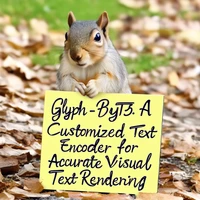
Efficient Unified Demosaicing for Bayer and Non-Bayer Patterned Image Sensors
As the physical size of recent CMOS image sensors (CIS) gets smaller, the latest mobile cameras are adopting unique non-Bayer color filter array (CFA) patterns (e.g., Quad, Nona, QxQ), which consist of homogeneous color units with adjacent pixels. These non-Bayer sensors are superior to conventional Bayer CFA thanks to their changeable pixel-bin sizes for different light conditions but may introduce visual artifacts during demosaicing due to their inherent pixel pattern structures and sensor hardware characteristics. Previous demosaicing methods have primarily focused on Bayer CFA, necessitating distinct reconstruction methods for non-Bayer patterned CIS with various CFA modes under different lighting conditions. In this work, we propose an efficient unified demosaicing method that can be applied to both conventional Bayer RAW and various non-Bayer CFAs' RAW data in different operation modes. Our Knowledge Learning-based demosaicing model for Adaptive Patterns, namely KLAP, utilizes CFA-adaptive filters for only 1% key filters in the network for each CFA, but still manages to effectively demosaic all the CFAs, yielding comparable performance to the large-scale models. Furthermore, by employing meta-learning during inference (KLAP-M), our model is able to eliminate unknown sensor-generic artifacts in real RAW data, effectively bridging the gap between synthetic images and real sensor RAW. Our KLAP and KLAP-M methods achieved state-of-the-art demosaicing performance in both synthetic and real RAW data of Bayer and non-Bayer CFAs.


LIBAD: A Multimodal Anomaly Detection Benchmark for Li-Ion Battery Electrode Manufacturing
Multimodal industrial anomaly detection has largely focused on discrete products using strongly correlated RGB and 3D observations, leaving continuous process manufacturing and weakly correlated sensing modalities underexplored. We introduce LIBAD, the first multimodal anomaly detection benchmark for Li-ion battery electrode manufacturing. Collected from real roll-to-roll production lines, LIBAD provides aligned double-sided visible-light imaging, high-resolution X-ray radiography, and inline-compatible low-resolution X-ray radiography. Electrode patches in LIBAD exhibit highly homogeneous material appearance, while defect evidence can be strong in one modality but weak or absent in another, resulting in pronounced cross-modal anomaly inconsistency. Benchmarks of representative methods under the inline-compatible visible-light and low-resolution X-ray setting exhibit limited transferability and consistently high false-positive rates. We therefore propose DA-Core, a memory-based method that jointly considers feature-space coverage and local density of normal features during coreset selection, allowing compact memory banks to better preserve fine-grained normal variations. With a coreset ratio of 0.05, DA-Core reduces FPR95 from 60.4% to 54.3% compared with standard farthest point sampling. At this ratio, DA-Core also outperforms the best standard coreset result (obtained at 0.20) while reducing inference time by 43.9%. These results suggest that both the data distribution of normal features and the modality relationship itself require explicit consideration when designing anomaly detection methods for process manufacturing.
Meissonic: Revitalizing Masked Generative Transformers for Efficient High-Resolution Text-to-Image Synthesis
Diffusion models, such as Stable Diffusion, have made significant strides in visual generation, yet their paradigm remains fundamentally different from autoregressive language models, complicating the development of unified language-vision models. Recent efforts like LlamaGen have attempted autoregressive image generation using discrete VQVAE tokens, but the large number of tokens involved renders this approach inefficient and slow. In this work, we present Meissonic, which elevates non-autoregressive masked image modeling (MIM) text-to-image to a level comparable with state-of-the-art diffusion models like SDXL. By incorporating a comprehensive suite of architectural innovations, advanced positional encoding strategies, and optimized sampling conditions, Meissonic substantially improves MIM's performance and efficiency. Additionally, we leverage high-quality training data, integrate micro-conditions informed by human preference scores, and employ feature compression layers to further enhance image fidelity and resolution. Our model not only matches but often exceeds the performance of existing models like SDXL in generating high-quality, high-resolution images. Extensive experiments validate Meissonic's capabilities, demonstrating its potential as a new standard in text-to-image synthesis. We release a model checkpoint capable of producing 1024 times 1024 resolution images.




Strike a Chord! Modal Kinetic Typography
We introduce modal kinetic typography, which animates a vector glyph to express a semantic concept while keeping it legible. Our key idea is to build motion from the glyph's natural vibration modes. Specifically, a finite-element eigenproblem assembled from the vector outline yields the glyph's softest modes, for the whole letter and for each of its parts, allowing it to bend. The problem's zero-energy solutions, i.e., rigid translations and rotations, are applied in closed form to each part, allowing parts to also move as blocks. To animate the glyph, a frozen video diffusion model supervises only the modes' amplitudes and phases. Our modal approach addresses two weaknesses of prior work. Free-form point optimization under video score distillation (SDS) moves each point and frame independently along noisy gradients, tearing the outline and causing jitter. In contrast, our modes are smooth along the outline and driven by a few whole-cycle harmonics, which restricts these gradients to smooth, seamlessly looping motion. On the other hand, structured alternatives rely on skeletons or keypoints from category-specific priors, whereas our modes come from the glyph itself; the only prior is a list naming each letter's moving parts, generated once for the whole alphabet by a language model. In modal kinetic typography, shape and motion are disentangled by construction: a single base outline is sculpted toward the concept, and the modal drive cannot alter it, so a letter can also be animated without being reshaped. Our method produces more articulated and smoother motion than Dynamic Typography and AniClipart at comparable or better concept alignment, with less glyph tearing than Dynamic Typography, and is preferred by human raters, including in a frozen-shape setting where motion alone must carry the concept. Our results were also preferred over Astra (GPT-6) by human raters.
Timestep-Aware Block Masking for Efficient Diffusion Model Inference
Diffusion Probabilistic Models (DPMs) have achieved great success in image generation but suffer from high inference latency due to their iterative denoising nature. Motivated by the evolving feature dynamics across the denoising trajectory, we propose a novel framework to optimize the computational graph of pre-trained DPMs on a per-timestep basis. By learning timestep-specific masks, our method dynamically determines which blocks to execute or bypass through feature reuse at each inference stage. Unlike global optimization methods that incur prohibitive memory costs via full-chain backpropagation, our method optimizes masks for each timestep independently, ensuring a memory-efficient training process. To guide this process, we introduce a timestep-aware loss scaling mechanism that prioritizes feature fidelity during sensitive denoising phases, complemented by a knowledge-guided mask rectification strategy to prune redundant spatial-temporal dependencies. Our approach is architecture-agnostic and demonstrates significant efficiency gains across a broad spectrum of models, including DDPM, LDM, DiT, and PixArt. Experimental results show that by treating the denoising process as a sequence of optimized computational paths, our method achieves a superior balance between sampling speed and generative quality. Our code will be released.
LensNet: An End-to-End Learning Framework for Empirical Point Spread Function Modeling and Lensless Imaging Reconstruction
Lensless imaging stands out as a promising alternative to conventional lens-based systems, particularly in scenarios demanding ultracompact form factors and cost-effective architectures. However, such systems are fundamentally governed by the Point Spread Function (PSF), which dictates how a point source contributes to the final captured signal. Traditional lensless techniques often require explicit calibrations and extensive pre-processing, relying on static or approximate PSF models. These rigid strategies can result in limited adaptability to real-world challenges, including noise, system imperfections, and dynamic scene variations, thus impeding high-fidelity reconstruction. In this paper, we propose LensNet, an end-to-end deep learning framework that integrates spatial-domain and frequency-domain representations in a unified pipeline. Central to our approach is a learnable Coded Mask Simulator (CMS) that enables dynamic, data-driven estimation of the PSF during training, effectively mitigating the shortcomings of fixed or sparsely calibrated kernels. By embedding a Wiener filtering component, LensNet refines global structure and restores fine-scale details, thus alleviating the dependency on multiple handcrafted pre-processing steps. Extensive experiments demonstrate LensNet's robust performance and superior reconstruction quality compared to state-of-the-art methods, particularly in preserving high-frequency details and attenuating noise. The proposed framework establishes a novel convergence between physics-based modeling and data-driven learning, paving the way for more accurate, flexible, and practical lensless imaging solutions for applications ranging from miniature sensors to medical diagnostics. The link of code is https://github.com/baijiesong/Lensnet.
DiffStyler: Diffusion-based Localized Image Style Transfer
Image style transfer aims to imbue digital imagery with the distinctive attributes of style targets, such as colors, brushstrokes, shapes, whilst concurrently preserving the semantic integrity of the content. Despite the advancements in arbitrary style transfer methods, a prevalent challenge remains the delicate equilibrium between content semantics and style attributes. Recent developments in large-scale text-to-image diffusion models have heralded unprecedented synthesis capabilities, albeit at the expense of relying on extensive and often imprecise textual descriptions to delineate artistic styles. Addressing these limitations, this paper introduces DiffStyler, a novel approach that facilitates efficient and precise arbitrary image style transfer. DiffStyler lies the utilization of a text-to-image Stable Diffusion model-based LoRA to encapsulate the essence of style targets. This approach, coupled with strategic cross-LoRA feature and attention injection, guides the style transfer process. The foundation of our methodology is rooted in the observation that LoRA maintains the spatial feature consistency of UNet, a discovery that further inspired the development of a mask-wise style transfer technique. This technique employs masks extracted through a pre-trained FastSAM model, utilizing mask prompts to facilitate feature fusion during the denoising process, thereby enabling localized style transfer that preserves the original image's unaffected regions. Moreover, our approach accommodates multiple style targets through the use of corresponding masks. Through extensive experimentation, we demonstrate that DiffStyler surpasses previous methods in achieving a more harmonious balance between content preservation and style integration.
Enhanced Distribution Alignment for Post-Training Quantization of Diffusion Models
Diffusion models have achieved great success in image generation tasks through iterative noise estimation. However, the heavy denoising process and complex neural networks hinder their low-latency applications in real-world scenarios. Quantization can effectively reduce model complexity, and post-training quantization (PTQ), which does not require fine-tuning, is highly promising in accelerating the denoising process. Unfortunately, we find that due to the highly dynamic distribution of activations in different denoising steps, existing PTQ methods for diffusion models suffer from distribution mismatch issues at both calibration sample level and reconstruction output level, which makes the performance far from satisfactory, especially in low-bit cases. In this paper, we propose Enhanced Distribution Alignment for Post-Training Quantization of Diffusion Models (EDA-DM) to address the above issues. Specifically, at the calibration sample level, we select calibration samples based on the density and diversity in the latent space, thus facilitating the alignment of their distribution with the overall samples; and at the reconstruction output level, we propose Fine-grained Block Reconstruction, which can align the outputs of the quantized model and the full-precision model at different network granularity. Extensive experiments demonstrate that EDA-DM outperforms the existing post-training quantization frameworks in both unconditional and conditional generation scenarios. At low-bit precision, the quantized models with our method even outperform the full-precision models on most datasets.
Kinetic Typography Diffusion Model
This paper introduces a method for realistic kinetic typography that generates user-preferred animatable 'text content'. We draw on recent advances in guided video diffusion models to achieve visually-pleasing text appearances. To do this, we first construct a kinetic typography dataset, comprising about 600K videos. Our dataset is made from a variety of combinations in 584 templates designed by professional motion graphics designers and involves changing each letter's position, glyph, and size (i.e., flying, glitches, chromatic aberration, reflecting effects, etc.). Next, we propose a video diffusion model for kinetic typography. For this, there are three requirements: aesthetic appearances, motion effects, and readable letters. This paper identifies the requirements. For this, we present static and dynamic captions used as spatial and temporal guidance of a video diffusion model, respectively. The static caption describes the overall appearance of the video, such as colors, texture and glyph which represent a shape of each letter. The dynamic caption accounts for the movements of letters and backgrounds. We add one more guidance with zero convolution to determine which text content should be visible in the video. We apply the zero convolution to the text content, and impose it on the diffusion model. Lastly, our glyph loss, only minimizing a difference between the predicted word and its ground-truth, is proposed to make the prediction letters readable. Experiments show that our model generates kinetic typography videos with legible and artistic letter motions based on text prompts.

What Breaks Local Watermarks? A Robustness Benchmark for Local Invisible Image Watermarking
Local image watermarking embeds an invisible signal into selected image regions rather than spreading it across the entire image, enabling payload recovery from specific objects or regions without perceptibly altering the image. Existing studies evaluate the robustness of payload recovery and localization under image transformations, but they often focus on their own proposed method, resulting in narrow evaluations with inconsistent choices of transformations, datasets, and metrics. These inconsistencies across studies limit direct comparisons across methods and muddle the overall picture of local watermark robustness. To address this gap, we present the first systematic robustness benchmark for local watermarks across 55 image transformations, including (i) signal distortions, (ii) changes in image coordinate alignment, (iii) indirect local edits, and (iv) direct watermark edits. The benchmark evaluates MaskWM, WAM, OmniGuard, TrustMark, and PixelSeal, all methods that either provide native localization or require minimal adaptation to support it. Our results show that all evaluated methods are vulnerable to some transformation, with MaskWM standing out as offering the strongest payload recovery and localization, although it has the lowest image quality in the clean setting. Synchronization further improves MaskWM's payload recovery under several geometric transformations, albeit at an additional cost to image quality. A key finding is that local watermark robustness depends strongly on the nature of the transformation: signal distortions are often tolerated by the strongest methods, while geometric misalignment and generative local edits, such as inpainting and outpainting, can completely impair payload recovery. We observe that payload recovery and localization are related but not interchangeable, and both strongly depend on the transformation's impact on the watermark region.

LatentHDR: Decoupling Exposure from Diffusion via Conditional Latent-to-Latent Mapping for Text/Image-to-Panoramic HDR
High Dynamic Range (HDR) generation remains challenging for generative models, which are largely limited to low dynamic range outputs. Recent diffusionbased approaches approximate HDR by generating multiple exposure-conditioned samples, incurring high computational cost and structural inconsistencies across exposures. We propose LatentHDR, a framework that decouples scene generation from exposure modeling in latent space. A pretrained diffusion backbone produces a single coherent scene representation, while a lightweight conditional latent to-latent head deterministically maps it to exposure-specific representations. This enables the generation of a dense, structurally consistent exposure stack in a single pass. This design eliminates multi-pass diffusion, ensures cross-exposure alignment, and enables scalable HDR synthesis. LatentHDR supports both textand image-conditioned HDR generation for perspective and panoramic scenes. Experiments on synthetic data and the SI-HDR benchmark show that LatentHDR achieves state-of-the-art dynamic range with competitive perceptual quality, while reducing computation by an order of magnitude. Our results demonstrate that high-quality HDR generation can be achieved through structured latent modeling, challenging the need for stochastic multi-exposure generation.
SharQ: Bridging Activation Sparsity and FP4 Quantization for LLM Inference
Low-bit floating-point formats and semi-structured sparsity are increasingly supported by modern accelerators, yet combining them for LLM activation compression remains challenging: activations contain input-dependent outliers that dominate block scales in FP4 quantization, and directly applying N:M sparsity masks discards moderate values, coupling sparsification loss with quantization error. We introduce SharQ, a training-free inference method that bridges activation sparsity and FP4 quantization through an online sparse--dense decomposition. For each activation tensor, SharQ generates an input-adaptive N:M mask to extract an outlier-dominated sparse backbone, quantizes it to FP4, and defines a dense residual relative to the quantized sparse backbone rather than the unquantized sparse values. A sparse FP4 GEMM processes the backbone while a dense FP4 GEMM compensates for both mask-induced activation loss and sparse-path quantization error. The two paths share a single FP4 weight payload with path-specific scale views, and a fused preparation kernel absorbs mask generation, residual construction, and layer normalization into one operator. SharQ requires no calibration data, retraining, or model-specific tuning. Evaluated on Llama-3.1-8B, Qwen2.5-7B, Qwen3-30B-A3B, and Qwen3-VL-8B, SharQ recovers 43--63% of the NVFP4-to-FP16 accuracy gap across language and vision-language tasks, and generalizes across NVFP4, HiF4, and MXFP4 formats. On an RTX 5090, SharQ delivers 2.2--2.4times latency reduction over FP16 and 1.2--1.4times throughput improvement over FP8 in language model serving, and up to 1.58times speedup on Wan2.2-T2V-A14B video generation when combined with SageAttention. Our code is available at https://github.com/actypedef/SharQ.
Ultra-High-Resolution Image Synthesis: Data, Method and Evaluation
Ultra-high-resolution image synthesis holds significant potential, yet remains an underexplored challenge due to the absence of standardized benchmarks and computational constraints. In this paper, we establish Aesthetic-4K, a meticulously curated dataset containing dedicated training and evaluation subsets specifically designed for comprehensive research on ultra-high-resolution image synthesis. This dataset consists of high-quality 4K images accompanied by descriptive captions generated by GPT-4o. Furthermore, we propose Diffusion-4K, an innovative framework for the direct generation of ultra-high-resolution images. Our approach incorporates the Scale Consistent Variational Auto-Encoder (SC-VAE) and Wavelet-based Latent Fine-tuning (WLF), which are designed for efficient visual token compression and the capture of intricate details in ultra-high-resolution images, thereby facilitating direct training with photorealistic 4K data. This method is applicable to various latent diffusion models and demonstrates its efficacy in synthesizing highly detailed 4K images. Additionally, we propose novel metrics, namely the GLCM Score and Compression Ratio, to assess the texture richness and fine details in local patches, in conjunction with holistic measures such as FID, Aesthetics, and CLIPScore, enabling a thorough and multifaceted evaluation of ultra-high-resolution image synthesis. Consequently, Diffusion-4K achieves impressive performance in ultra-high-resolution image synthesis, particularly when powered by state-of-the-art large-scale diffusion models (eg, Flux-12B). The source code is publicly available at https://github.com/zhang0jhon/diffusion-4k.

Image Colorization using U-Net with Skip Connections and Fusion Layer on Landscape Images
We present a novel technique to automatically colorize grayscale images that combine the U-Net model and Fusion Layer features. This approach allows the model to learn the colorization of images from pre-trained U-Net. Moreover, the Fusion layer is applied to merge local information results dependent on small image patches with global priors of an entire image on each class, forming visually more compelling colorization results. Finally, we validate our approach with a user study evaluation and compare it against state-of-the-art, resulting in improvements.
DiP: Taming Diffusion Models in Pixel Space
Diffusion models face a fundamental trade-off between generation quality and computational efficiency. Latent Diffusion Models (LDMs) offer an efficient solution but suffer from potential information loss and non-end-to-end training. In contrast, existing pixel space models bypass VAEs but are computationally prohibitive for high-resolution synthesis. To resolve this dilemma, we propose DiP, an efficient pixel space diffusion framework. DiP decouples generation into a global and a local stage: a Diffusion Transformer (DiT) backbone operates on large patches for efficient global structure construction, while a co-trained lightweight Patch Detailer Head leverages contextual features to restore fine-grained local details. This synergistic design achieves computational efficiency comparable to LDMs without relying on a VAE. DiP is accomplished with up to 10times faster inference speeds than previous method while increasing the total number of parameters by only 0.3%, and achieves an 1.79 FID score on ImageNet 256times256.


Towards Efficient and Scale-Robust Ultra-High-Definition Image Demoireing
With the rapid development of mobile devices, modern widely-used mobile phones typically allow users to capture 4K resolution (i.e., ultra-high-definition) images. However, for image demoireing, a challenging task in low-level vision, existing works are generally carried out on low-resolution or synthetic images. Hence, the effectiveness of these methods on 4K resolution images is still unknown. In this paper, we explore moire pattern removal for ultra-high-definition images. To this end, we propose the first ultra-high-definition demoireing dataset (UHDM), which contains 5,000 real-world 4K resolution image pairs, and conduct a benchmark study on current state-of-the-art methods. Further, we present an efficient baseline model ESDNet for tackling 4K moire images, wherein we build a semantic-aligned scale-aware module to address the scale variation of moire patterns. Extensive experiments manifest the effectiveness of our approach, which outperforms state-of-the-art methods by a large margin while being much more lightweight. Code and dataset are available at https://xinyu-andy.github.io/uhdm-page.

SAM-DiffSR: Structure-Modulated Diffusion Model for Image Super-Resolution
Diffusion-based super-resolution (SR) models have recently garnered significant attention due to their potent restoration capabilities. But conventional diffusion models perform noise sampling from a single distribution, constraining their ability to handle real-world scenes and complex textures across semantic regions. With the success of segment anything model (SAM), generating sufficiently fine-grained region masks can enhance the detail recovery of diffusion-based SR model. However, directly integrating SAM into SR models will result in much higher computational cost. In this paper, we propose the SAM-DiffSR model, which can utilize the fine-grained structure information from SAM in the process of sampling noise to improve the image quality without additional computational cost during inference. In the process of training, we encode structural position information into the segmentation mask from SAM. Then the encoded mask is integrated into the forward diffusion process by modulating it to the sampled noise. This adjustment allows us to independently adapt the noise mean within each corresponding segmentation area. The diffusion model is trained to estimate this modulated noise. Crucially, our proposed framework does NOT change the reverse diffusion process and does NOT require SAM at inference. Experimental results demonstrate the effectiveness of our proposed method, showcasing superior performance in suppressing artifacts, and surpassing existing diffusion-based methods by 0.74 dB at the maximum in terms of PSNR on DIV2K dataset. The code and dataset are available at https://github.com/lose4578/SAM-DiffSR.

One-step Latent-free Image Generation with Pixel Mean Flows
Modern diffusion/flow-based models for image generation typically exhibit two core characteristics: (i) using multi-step sampling, and (ii) operating in a latent space. Recent advances have made encouraging progress on each aspect individually, paving the way toward one-step diffusion/flow without latents. In this work, we take a further step towards this goal and propose "pixel MeanFlow" (pMF). Our core guideline is to formulate the network output space and the loss space separately. The network target is designed to be on a presumed low-dimensional image manifold (i.e., x-prediction), while the loss is defined via MeanFlow in the velocity space. We introduce a simple transformation between the image manifold and the average velocity field. In experiments, pMF achieves strong results for one-step latent-free generation on ImageNet at 256x256 resolution (2.22 FID) and 512x512 resolution (2.48 FID), filling a key missing piece in this regime. We hope that our study will further advance the boundaries of diffusion/flow-based generative models.
WordArt Designer: User-Driven Artistic Typography Synthesis using Large Language Models
This paper introduces WordArt Designer, a user-driven framework for artistic typography synthesis, relying on the Large Language Model (LLM). The system incorporates four key modules: the LLM Engine, SemTypo, StyTypo, and TexTypo modules. 1) The LLM Engine, empowered by the LLM (e.g., GPT-3.5), interprets user inputs and generates actionable prompts for the other modules, thereby transforming abstract concepts into tangible designs. 2) The SemTypo module optimizes font designs using semantic concepts, striking a balance between artistic transformation and readability. 3) Building on the semantic layout provided by the SemTypo module, the StyTypo module creates smooth, refined images. 4) The TexTypo module further enhances the design's aesthetics through texture rendering, enabling the generation of inventive textured fonts. Notably, WordArt Designer highlights the fusion of generative AI with artistic typography. Experience its capabilities on ModelScope: https://www.modelscope.cn/studios/WordArt/WordArt.
Fast Image Super-Resolution via Consistency Rectified Flow
Diffusion models (DMs) have demonstrated remarkable success in real-world image super-resolution (SR), yet their reliance on time-consuming multi-step sampling largely hinders their practical applications. While recent efforts have introduced few- or single-step solutions, existing methods either inefficiently model the process from noisy input or fail to fully exploit iterative generative priors, compromising the fidelity and quality of the reconstructed images. To address this issue, we propose FlowSR, a novel approach that reformulates the SR problem as a rectified flow from low-resolution (LR) to high-resolution (HR) images. Our method leverages an improved consistency learning strategy to enable high-quality SR in a single step. Specifically, we refine the original consistency distillation process by incorporating HR regularization, ensuring that the learned SR flow not only enforces self-consistency but also converges precisely to the ground-truth HR target. Furthermore, we introduce a fast-slow scheduling strategy, where adjacent timesteps for consistency learning are sampled from two distinct schedulers: a fast scheduler with fewer timesteps to improve efficiency, and a slow scheduler with more timesteps to capture fine-grained texture details. Extensive experiments demonstrate that FlowSR achieves outstanding performance in both efficiency and image quality.
UVGS: Reimagining Unstructured 3D Gaussian Splatting using UV Mapping
3D Gaussian Splatting (3DGS) has demonstrated superior quality in modeling 3D objects and scenes. However, generating 3DGS remains challenging due to their discrete, unstructured, and permutation-invariant nature. In this work, we present a simple yet effective method to overcome these challenges. We utilize spherical mapping to transform 3DGS into a structured 2D representation, termed UVGS. UVGS can be viewed as multi-channel images, with feature dimensions as a concatenation of Gaussian attributes such as position, scale, color, opacity, and rotation. We further find that these heterogeneous features can be compressed into a lower-dimensional (e.g., 3-channel) shared feature space using a carefully designed multi-branch network. The compressed UVGS can be treated as typical RGB images. Remarkably, we discover that typical VAEs trained with latent diffusion models can directly generalize to this new representation without additional training. Our novel representation makes it effortless to leverage foundational 2D models, such as diffusion models, to directly model 3DGS. Additionally, one can simply increase the 2D UV resolution to accommodate more Gaussians, making UVGS a scalable solution compared to typical 3D backbones. This approach immediately unlocks various novel generation applications of 3DGS by inherently utilizing the already developed superior 2D generation capabilities. In our experiments, we demonstrate various unconditional, conditional generation, and inpainting applications of 3DGS based on diffusion models, which were previously non-trivial.
Multiscale Structure Guided Diffusion for Image Deblurring
Diffusion Probabilistic Models (DPMs) have recently been employed for image deblurring, formulated as an image-conditioned generation process that maps Gaussian noise to the high-quality image, conditioned on the blurry input. Image-conditioned DPMs (icDPMs) have shown more realistic results than regression-based methods when trained on pairwise in-domain data. However, their robustness in restoring images is unclear when presented with out-of-domain images as they do not impose specific degradation models or intermediate constraints. To this end, we introduce a simple yet effective multiscale structure guidance as an implicit bias that informs the icDPM about the coarse structure of the sharp image at the intermediate layers. This guided formulation leads to a significant improvement of the deblurring results, particularly on unseen domain. The guidance is extracted from the latent space of a regression network trained to predict the clean-sharp target at multiple lower resolutions, thus maintaining the most salient sharp structures. With both the blurry input and multiscale guidance, the icDPM model can better understand the blur and recover the clean image. We evaluate a single-dataset trained model on diverse datasets and demonstrate more robust deblurring results with fewer artifacts on unseen data. Our method outperforms existing baselines, achieving state-of-the-art perceptual quality while keeping competitive distortion metrics.
RoCoTex: A Robust Method for Consistent Texture Synthesis with Diffusion Models
Text-to-texture generation has recently attracted increasing attention, but existing methods often suffer from the problems of view inconsistencies, apparent seams, and misalignment between textures and the underlying mesh. In this paper, we propose a robust text-to-texture method for generating consistent and seamless textures that are well aligned with the mesh. Our method leverages state-of-the-art 2D diffusion models, including SDXL and multiple ControlNets, to capture structural features and intricate details in the generated textures. The method also employs a symmetrical view synthesis strategy combined with regional prompts for enhancing view consistency. Additionally, it introduces novel texture blending and soft-inpainting techniques, which significantly reduce the seam regions. Extensive experiments demonstrate that our method outperforms existing state-of-the-art methods.



Efficient Quantization Strategies for Latent Diffusion Models
Latent Diffusion Models (LDMs) capture the dynamic evolution of latent variables over time, blending patterns and multimodality in a generative system. Despite the proficiency of LDM in various applications, such as text-to-image generation, facilitated by robust text encoders and a variational autoencoder, the critical need to deploy large generative models on edge devices compels a search for more compact yet effective alternatives. Post Training Quantization (PTQ), a method to compress the operational size of deep learning models, encounters challenges when applied to LDM due to temporal and structural complexities. This study proposes a quantization strategy that efficiently quantize LDMs, leveraging Signal-to-Quantization-Noise Ratio (SQNR) as a pivotal metric for evaluation. By treating the quantization discrepancy as relative noise and identifying sensitive part(s) of a model, we propose an efficient quantization approach encompassing both global and local strategies. The global quantization process mitigates relative quantization noise by initiating higher-precision quantization on sensitive blocks, while local treatments address specific challenges in quantization-sensitive and time-sensitive modules. The outcomes of our experiments reveal that the implementation of both global and local treatments yields a highly efficient and effective Post Training Quantization (PTQ) of LDMs.


Invertible Diffusion Models for Compressed Sensing
While deep neural networks (NN) significantly advance image compressed sensing (CS) by improving reconstruction quality, the necessity of training current CS NNs from scratch constrains their effectiveness and hampers rapid deployment. Although recent methods utilize pre-trained diffusion models for image reconstruction, they struggle with slow inference and restricted adaptability to CS. To tackle these challenges, this paper proposes Invertible Diffusion Models (IDM), a novel efficient, end-to-end diffusion-based CS method. IDM repurposes a large-scale diffusion sampling process as a reconstruction model, and fine-tunes it end-to-end to recover original images directly from CS measurements, moving beyond the traditional paradigm of one-step noise estimation learning. To enable such memory-intensive end-to-end fine-tuning, we propose a novel two-level invertible design to transform both (1) multi-step sampling process and (2) noise estimation U-Net in each step into invertible networks. As a result, most intermediate features are cleared during training to reduce up to 93.8% GPU memory. In addition, we develop a set of lightweight modules to inject measurements into noise estimator to further facilitate reconstruction. Experiments demonstrate that IDM outperforms existing state-of-the-art CS networks by up to 2.64dB in PSNR. Compared to the recent diffusion-based approach DDNM, our IDM achieves up to 10.09dB PSNR gain and 14.54 times faster inference. Code is available at https://github.com/Guaishou74851/IDM.

EEE-Bench: A Comprehensive Multimodal Electrical And Electronics Engineering Benchmark
Recent studies on large language models (LLMs) and large multimodal models (LMMs) have demonstrated promising skills in various domains including science and mathematics. However, their capability in more challenging and real-world related scenarios like engineering has not been systematically studied. To bridge this gap, we propose EEE-Bench, a multimodal benchmark aimed at assessing LMMs' capabilities in solving practical engineering tasks, using electrical and electronics engineering (EEE) as the testbed. Our benchmark consists of 2860 carefully curated problems spanning 10 essential subdomains such as analog circuits, control systems, etc. Compared to benchmarks in other domains, engineering problems are intrinsically 1) more visually complex and versatile and 2) less deterministic in solutions. Successful solutions to these problems often demand more-than-usual rigorous integration of visual and textual information as models need to understand intricate images like abstract circuits and system diagrams while taking professional instructions, making them excellent candidates for LMM evaluations. Alongside EEE-Bench, we provide extensive quantitative evaluations and fine-grained analysis of 17 widely-used open and closed-sourced LLMs and LMMs. Our results demonstrate notable deficiencies of current foundation models in EEE, with an average performance ranging from 19.48% to 46.78%. Finally, we reveal and explore a critical shortcoming in LMMs which we term laziness: the tendency to take shortcuts by relying on the text while overlooking the visual context when reasoning for technical image problems. In summary, we believe EEE-Bench not only reveals some noteworthy limitations of LMMs but also provides a valuable resource for advancing research on their application in practical engineering tasks, driving future improvements in their capability to handle complex, real-world scenarios.

Adapting Diffusion Models for Improved Prompt Compliance and Controllable Image Synthesis
Recent advances in generative modeling with diffusion processes (DPs) enabled breakthroughs in image synthesis. Despite impressive image quality, these models have various prompt compliance problems, including low recall in generating multiple objects, difficulty in generating text in images, and meeting constraints like object locations and pose. For fine-grained editing and manipulation, they also require fine-grained semantic or instance maps that are tedious to produce manually. While prompt compliance can be enhanced by addition of loss functions at inference, this is time consuming and does not scale to complex scenes. To overcome these limitations, this work introduces a new family of Factor Graph Diffusion Models (FG-DMs) that models the joint distribution of images and conditioning variables, such as semantic, sketch, depth or normal maps via a factor graph decomposition. This joint structure has several advantages, including support for efficient sampling based prompt compliance schemes, which produce images of high object recall, semi-automated fine-grained editing, text-based editing of conditions with noise inversion, explainability at intermediate levels, ability to produce labeled datasets for the training of downstream models such as segmentation or depth, training with missing data, and continual learning where new conditioning variables can be added with minimal or no modifications to the existing structure. We propose an implementation of FG-DMs by adapting a pre-trained Stable Diffusion (SD) model to implement all FG-DM factors, using only COCO dataset, and show that it is effective in generating images with 15\% higher recall than SD while retaining its generalization ability. We introduce an attention distillation loss that encourages consistency among the attention maps of all factors, improving the fidelity of the generated conditions and image.

ZoomLDM: Latent Diffusion Model for multi-scale image generation
Diffusion models have revolutionized image generation, yet several challenges restrict their application to large-image domains, such as digital pathology and satellite imagery. Given that it is infeasible to directly train a model on 'whole' images from domains with potential gigapixel sizes, diffusion-based generative methods have focused on synthesizing small, fixed-size patches extracted from these images. However, generating small patches has limited applicability since patch-based models fail to capture the global structures and wider context of large images, which can be crucial for synthesizing (semantically) accurate samples. To overcome this limitation, we present ZoomLDM, a diffusion model tailored for generating images across multiple scales. Central to our approach is a novel magnification-aware conditioning mechanism that utilizes self-supervised learning (SSL) embeddings and allows the diffusion model to synthesize images at different 'zoom' levels, i.e., fixed-size patches extracted from large images at varying scales. ZoomLDM synthesizes coherent histopathology images that remain contextually accurate and detailed at different zoom levels, achieving state-of-the-art image generation quality across all scales and excelling in the data-scarce setting of generating thumbnails of entire large images. The multi-scale nature of ZoomLDM unlocks additional capabilities in large image generation, enabling computationally tractable and globally coherent image synthesis up to 4096 times 4096 pixels and 4times super-resolution. Additionally, multi-scale features extracted from ZoomLDM are highly effective in multiple instance learning experiments.

Enhancing Image Rescaling using Dual Latent Variables in Invertible Neural Network
Normalizing flow models have been used successfully for generative image super-resolution (SR) by approximating complex distribution of natural images to simple tractable distribution in latent space through Invertible Neural Networks (INN). These models can generate multiple realistic SR images from one low-resolution (LR) input using randomly sampled points in the latent space, simulating the ill-posed nature of image upscaling where multiple high-resolution (HR) images correspond to the same LR. Lately, the invertible process in INN has also been used successfully by bidirectional image rescaling models like IRN and HCFlow for joint optimization of downscaling and inverse upscaling, resulting in significant improvements in upscaled image quality. While they are optimized for image downscaling too, the ill-posed nature of image downscaling, where one HR image could be downsized to multiple LR images depending on different interpolation kernels and resampling methods, is not considered. A new downscaling latent variable, in addition to the original one representing uncertainties in image upscaling, is introduced to model variations in the image downscaling process. This dual latent variable enhancement is applicable to different image rescaling models and it is shown in extensive experiments that it can improve image upscaling accuracy consistently without sacrificing image quality in downscaled LR images. It is also shown to be effective in enhancing other INN-based models for image restoration applications like image hiding.
